Revolutionary Women
Women played a critical and influential role in the American Revolution right from the very start. In the struggle for independence, America’s “ladies” served as medics, cooks, campaigners and even as fighters. We look at just a few of America's most amazing women from its revolutionary past.
 Samuel Masury, Wikimedia Commons
Abigail Adams
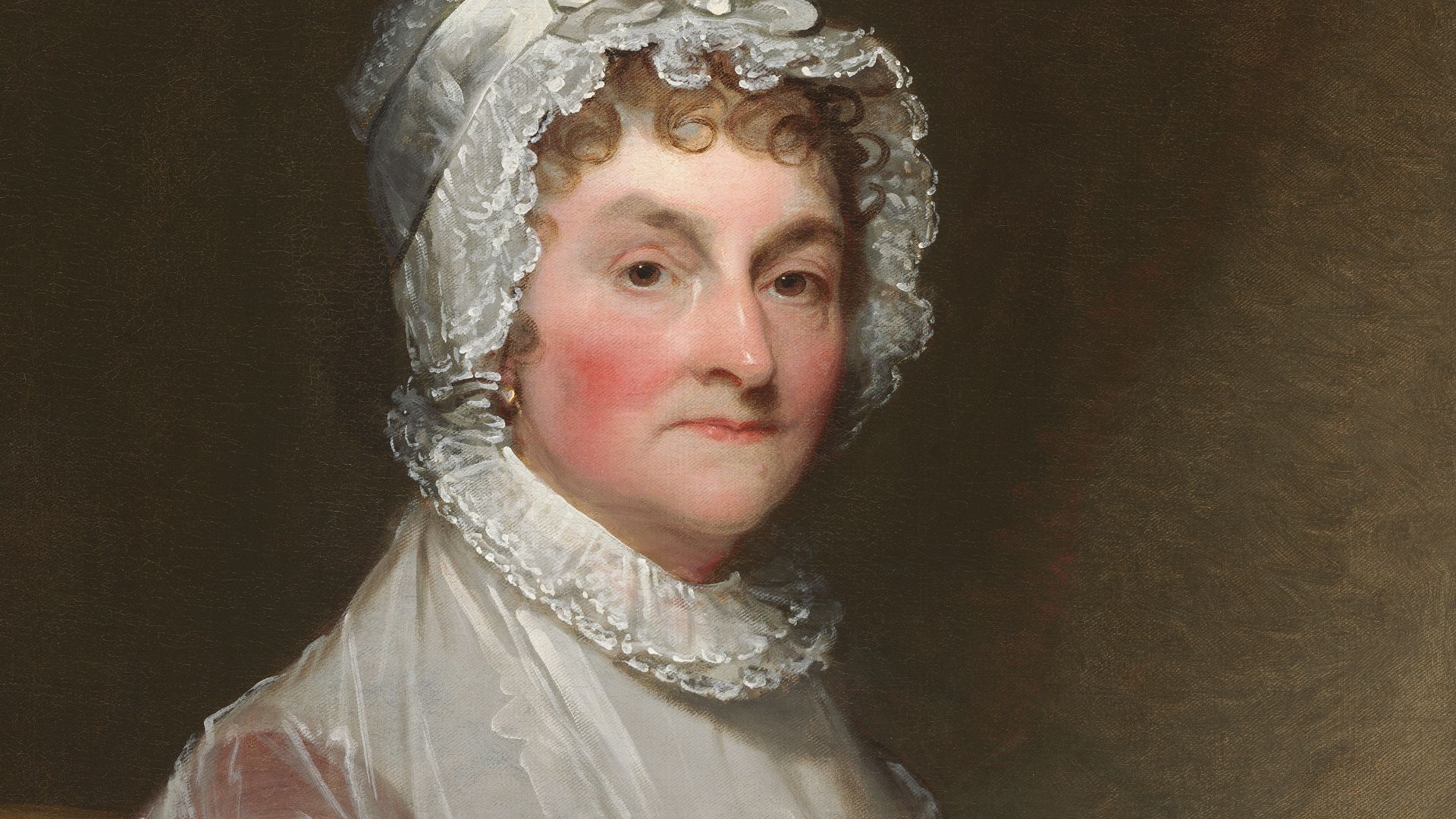
“Remember the ladies,” Abigail Adams urged her husband John in a now famous 1776 letter. “Be more generous and favorable to them than your ancestors.” Otherwise, she warned the future president, the patriots resisting British rule would soon face a revolution of their own, as women would not “hold ourselves bound by any laws in which we have no voice or representation”.
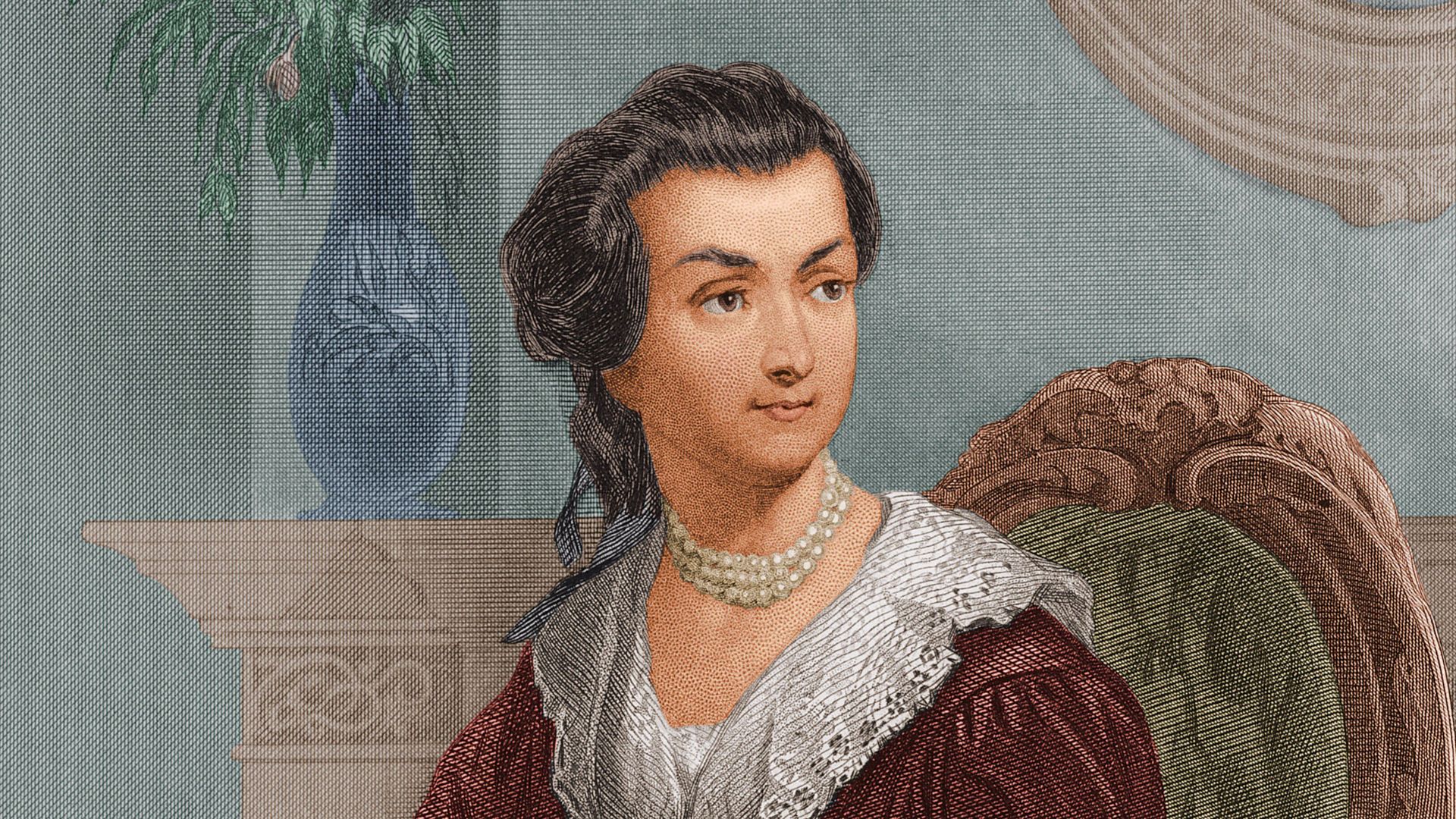 Christian Schussele, Wikimedia Commons
She Was A Wise Influence
In their famed letters – of which more than 1,000 examples have survived – Abigail often advised her husband on political matters. She was a champion of education for women, writing to John in 1778 that, “You need not be told how much female education is neglected, nor how fashionable it has been to ridicule female learning.” Abigail was just one of many women – respected wives, relatives and friends – who had the ear of leading patriots.
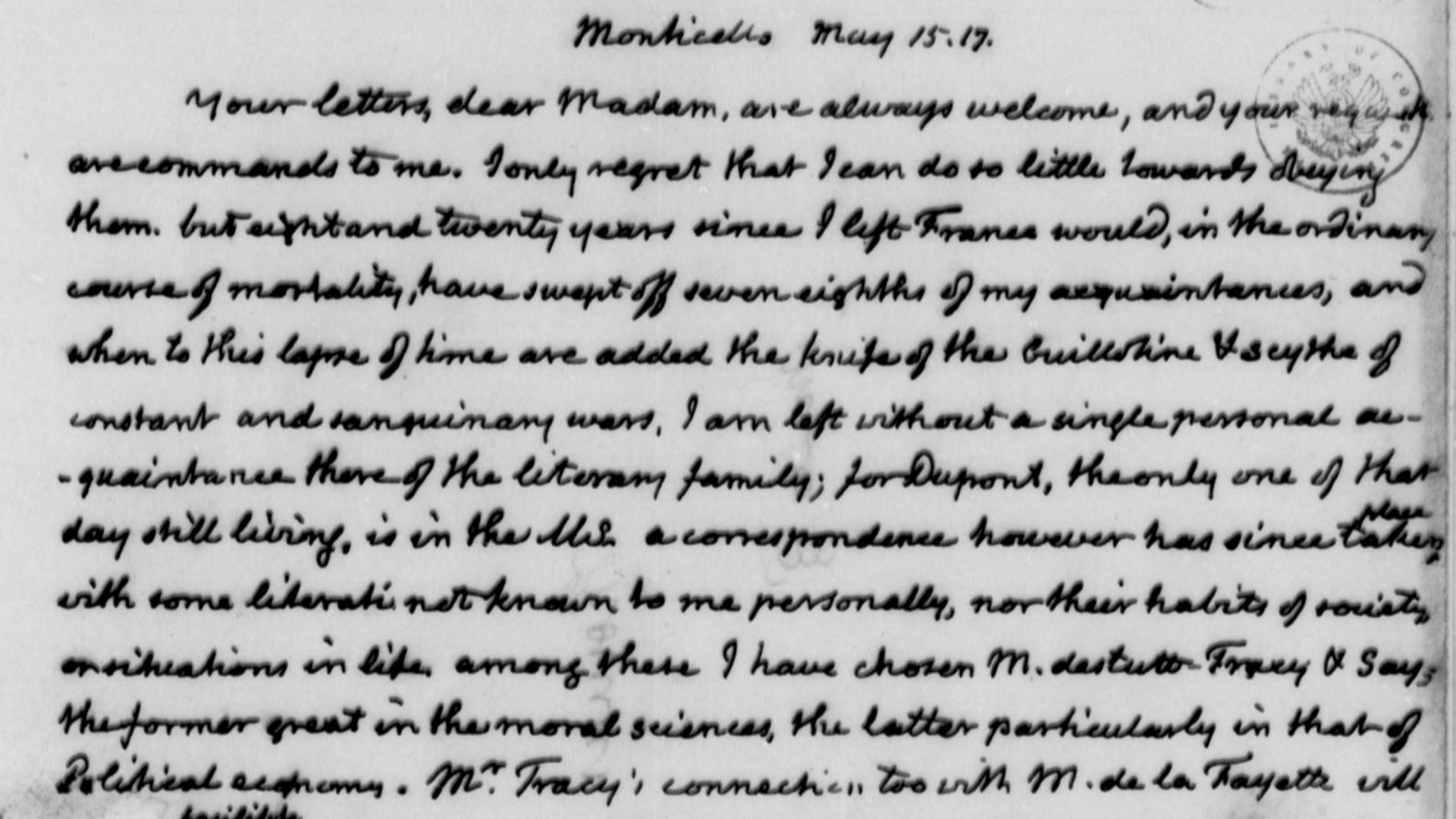 Thomas Jefferson, Wikimedia Commons
Mercy Otis Warren
Mercy Otis Warren was an avid writer for the cause who, like Abigail, corresponded with notable revolutionaries, drawing on her extensive knowledge of classical history and displaying a flair for a rhetorical flourish. In one 1775 letter between Warren’s husband, James, and John Adams, the former inserts a paragraph from his wife, urging that Congress “should no longer piddle at the threshold. It is time to leap into the theatre, to unlock the bars, and open every gate that impedes the rise and growth of the American republic.”
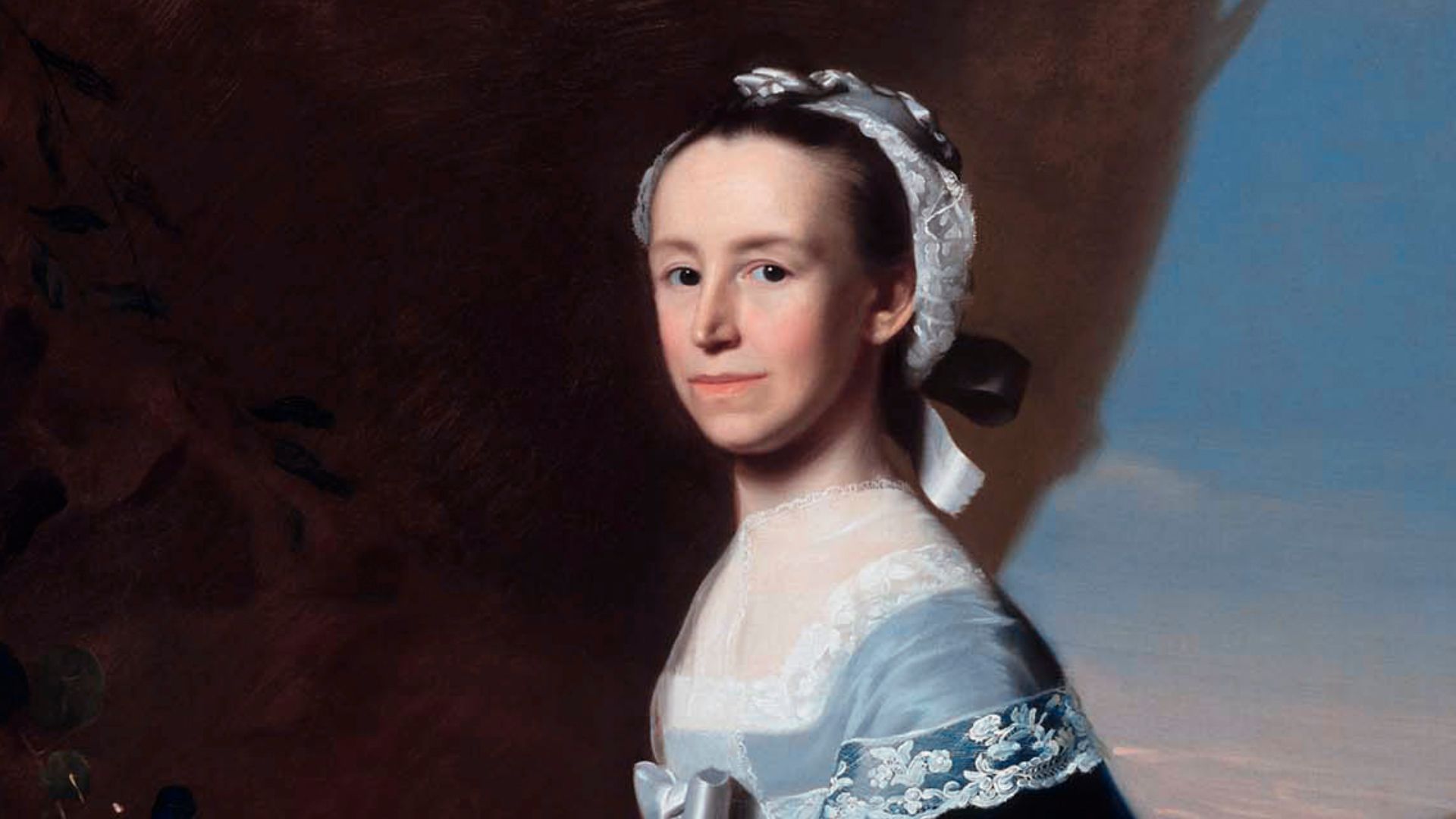 John Singleton Copley, Wikimedia Commons
She Chronicled It All
Warren also wrote publicly, with satire and commentary published under her name in Massachusetts newspapers such as the Boston Gazette. As a respected voice of the revolution, Warren’s history book, a three-volume tome that tracked from the stamp acts into the years forging a new nation, was published in 1805 and was among the first nonfiction books published by a woman in America.
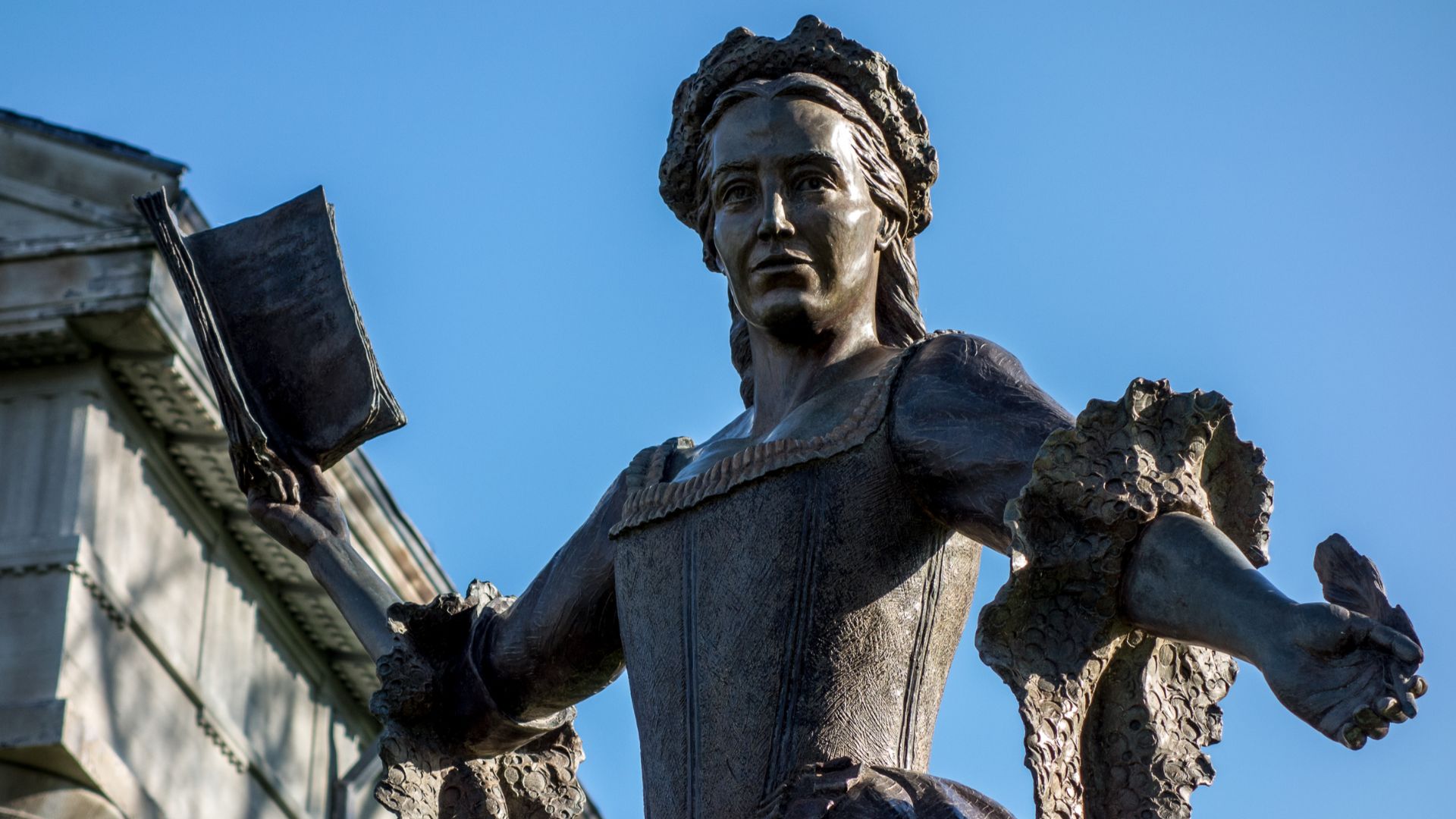 Samuel Masury, Wikimedia CommonsMHS Frances Clalin
Women On The Front Lines
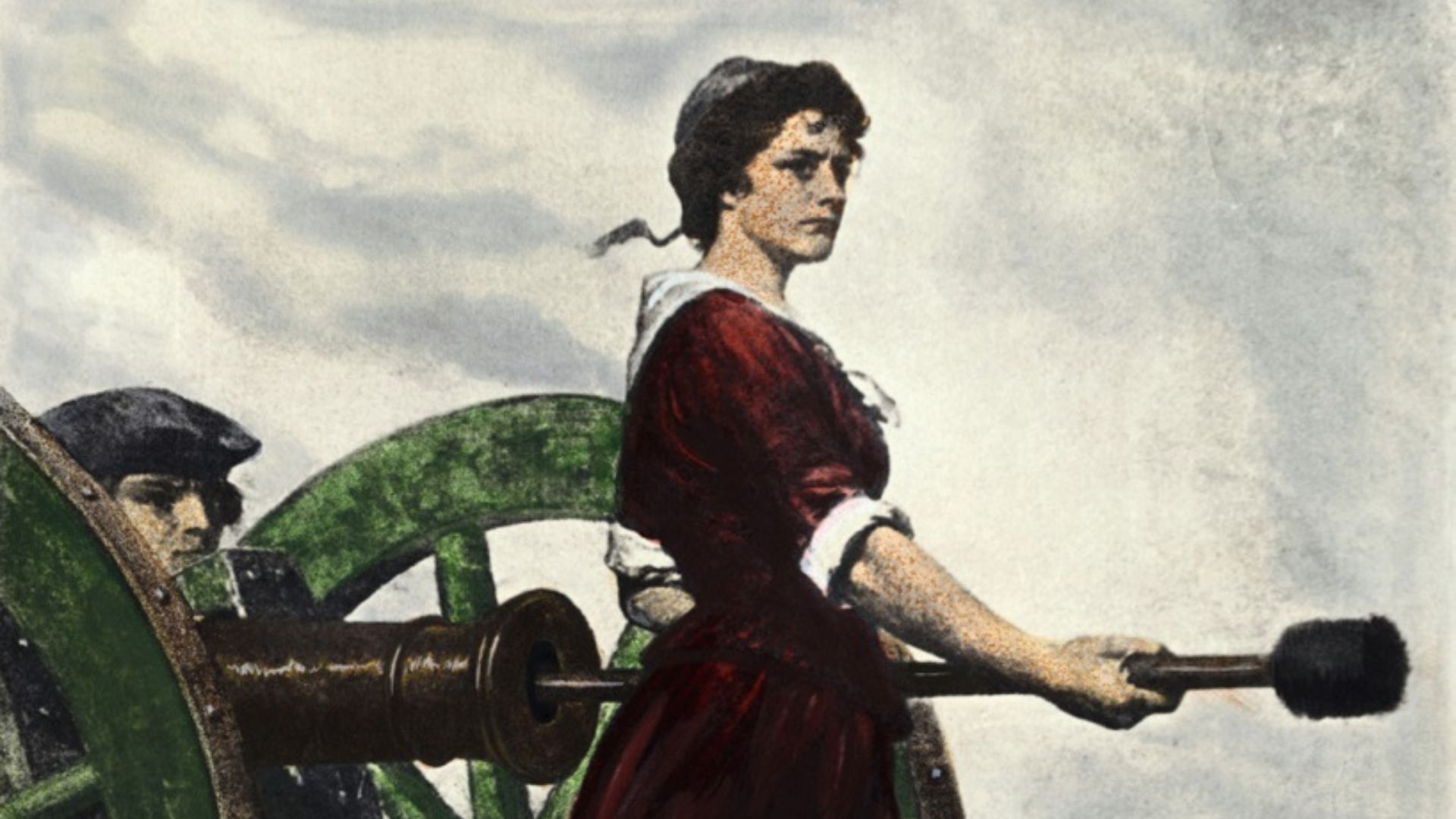
Putting pen to paper was one way that women could support the 13 colonies, but many also participated in the gruelling physical efforts of war. Many camp followers were women, who supported the Continental Army in domestic duties such as washing and cooking. Such work was vital in limiting the spread of disease and infection in the camps. But women filled other valuable roles as well.
 After Charles Yardley Turner, Wikimedia Commons
Working As Medics
Women also worked as medics. In 1777, Congress authorised nurses with the Continental Army to be paid eight dollars per month. They were not necessarily called upon to dispense radical medical care, but to keep soldiers healthy and comfortable, preparing medicines and broth. Martha Washington, wife of George, famously made rounds through the tents of the sick to help care for the wounded.
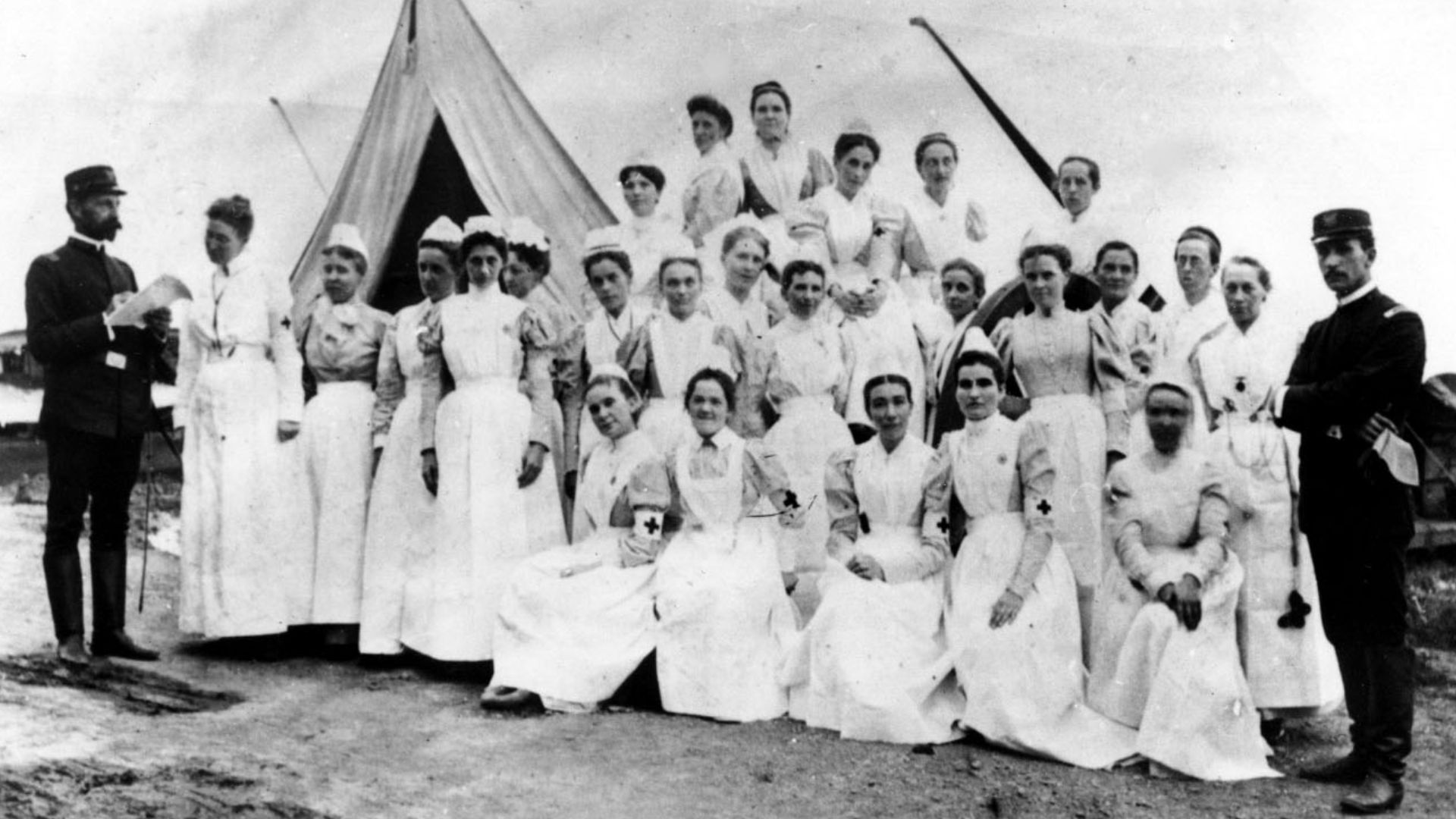 Photo of unknown origin, taken during American Civil War., Wikimedia Commons
A Challenging Presence
While welcomed in many ways, the presence of wives and women who followed the camps for trades, such as seamstresses and sex workers, was also challenging. There were mouths to feed and camp followers needed shelter, too. There’s a hint of exasperation in George Washington’s words when he notes in 1777, “The multitude of women... especially those who have children, are a clog upon every movement.”
Not Restricted To One Role
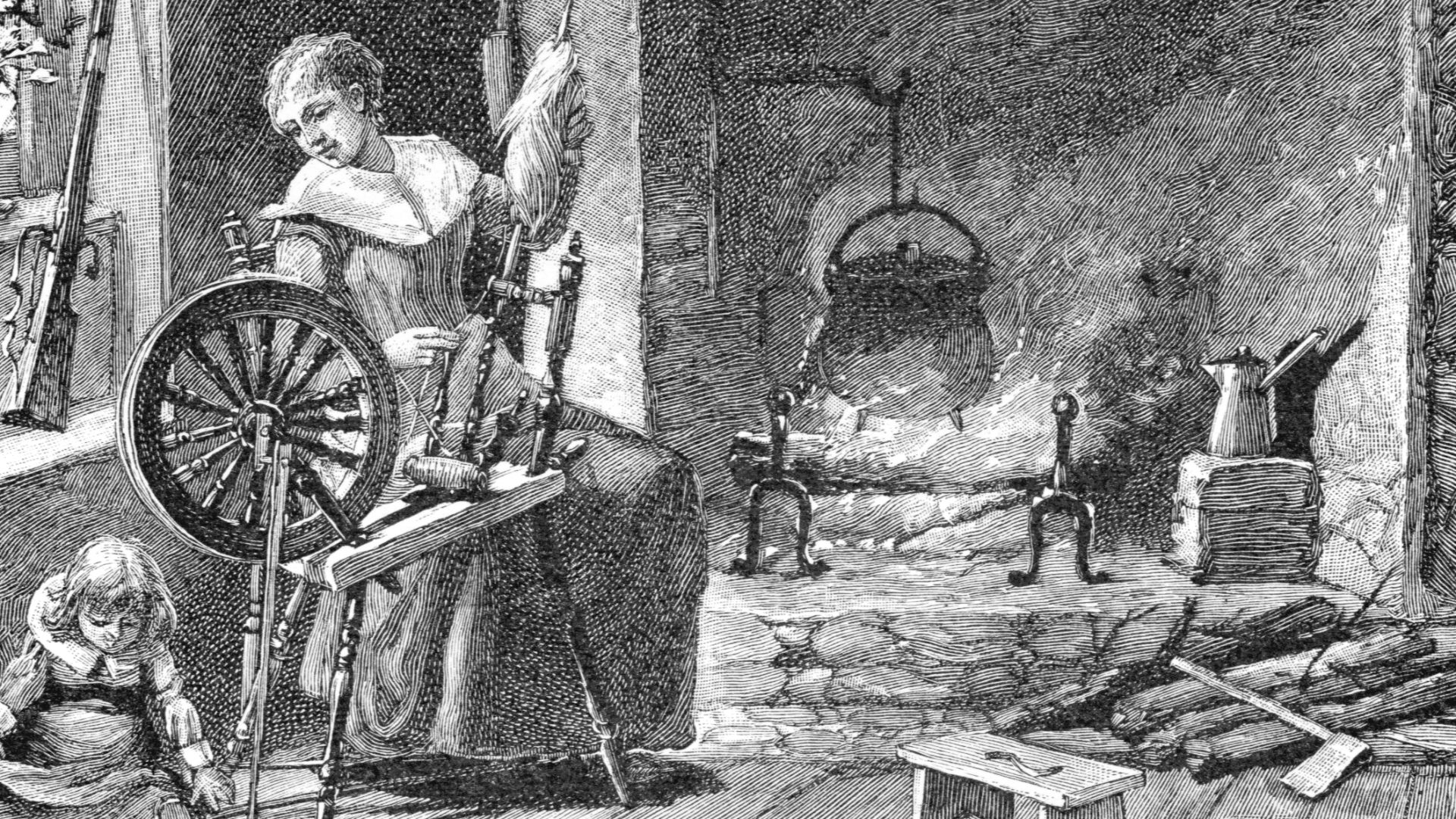
However, the role of women in raising spirits in camps – from holding dances and social events during quiet periods of the war to providing compassion and small comforts – made them a vital part of the camps’ effectiveness. But women weren’t restricted to care-taking roles, with the likes of Abigail Adams taking charge of their family’s investments in their husbands’ absence.
 Gilbert Stuart, Wikimedia Commons
Did Women Take Up Arms In The American Revolution?
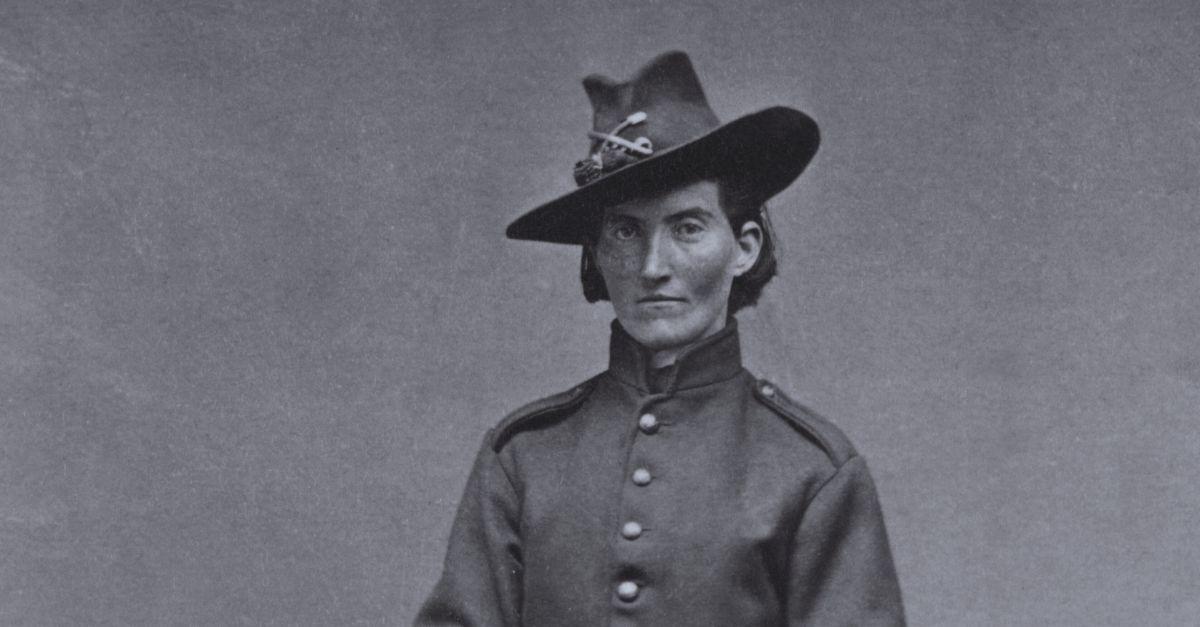
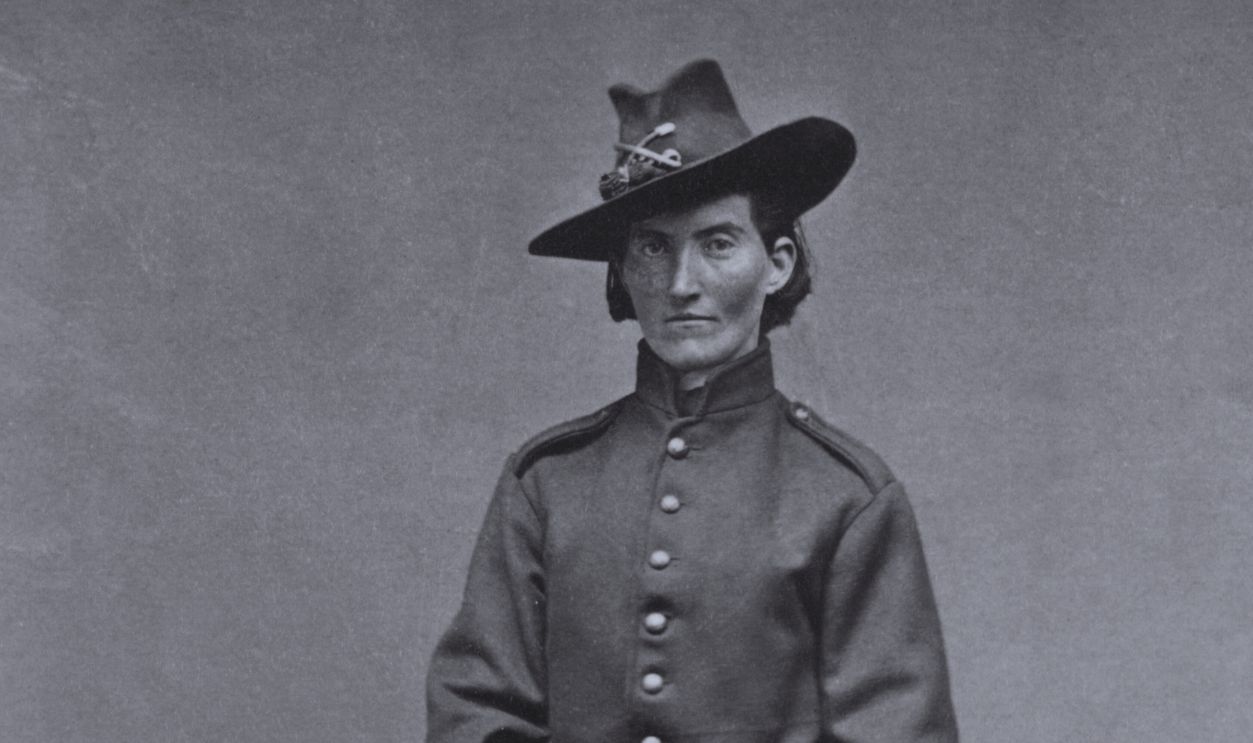
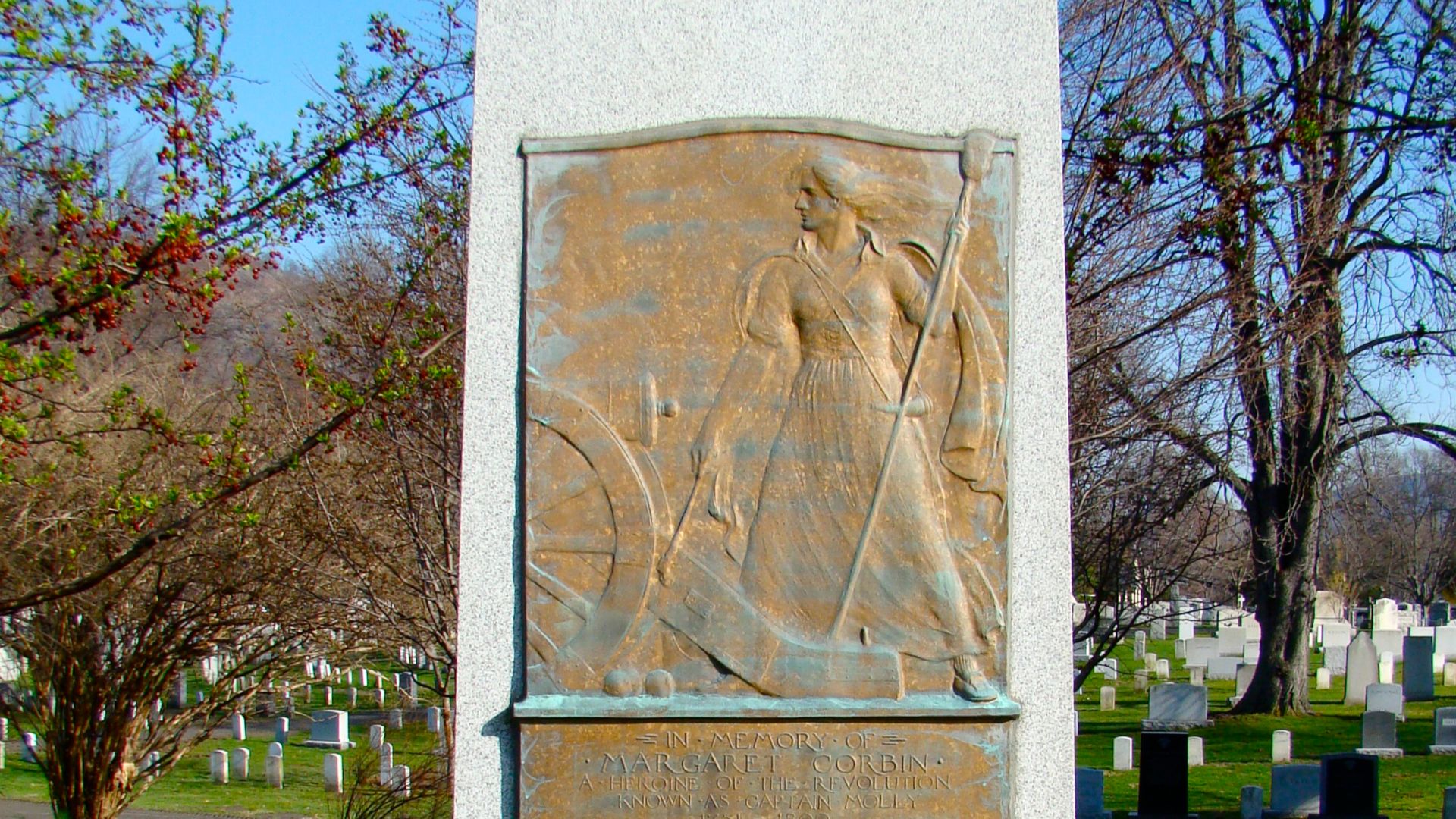
It was rare that camp followers saw battle action, although there were some examples of women becoming embroiled in skirmishes. Margaret Corbin, for instance, gained fame when she accompanied her husband at the 1776 battle of Fort Washington and manned a cannon when he was wounded. Rarer still, some women disguised themselves as men in order to fight.
Deborah Sampson
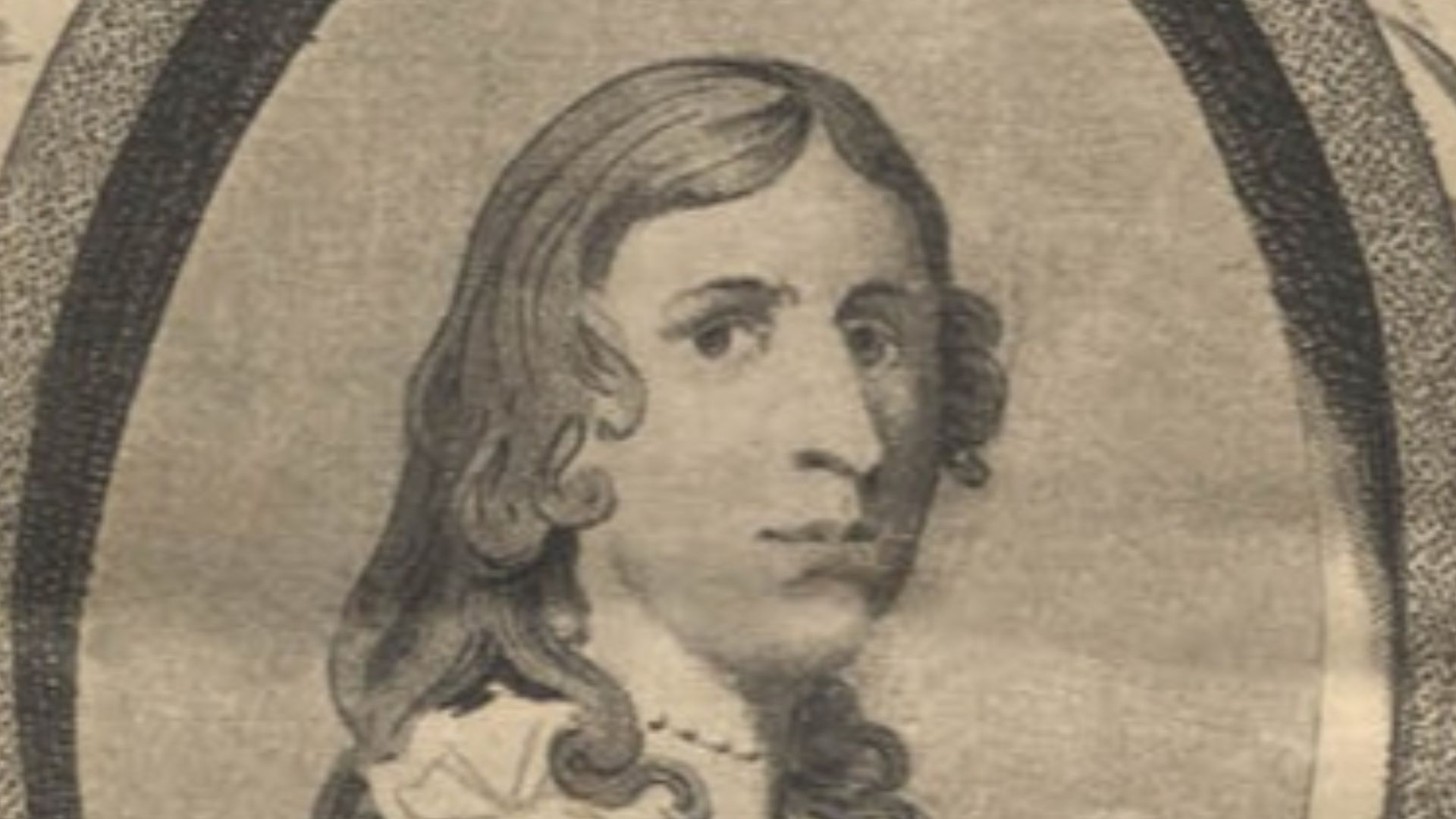
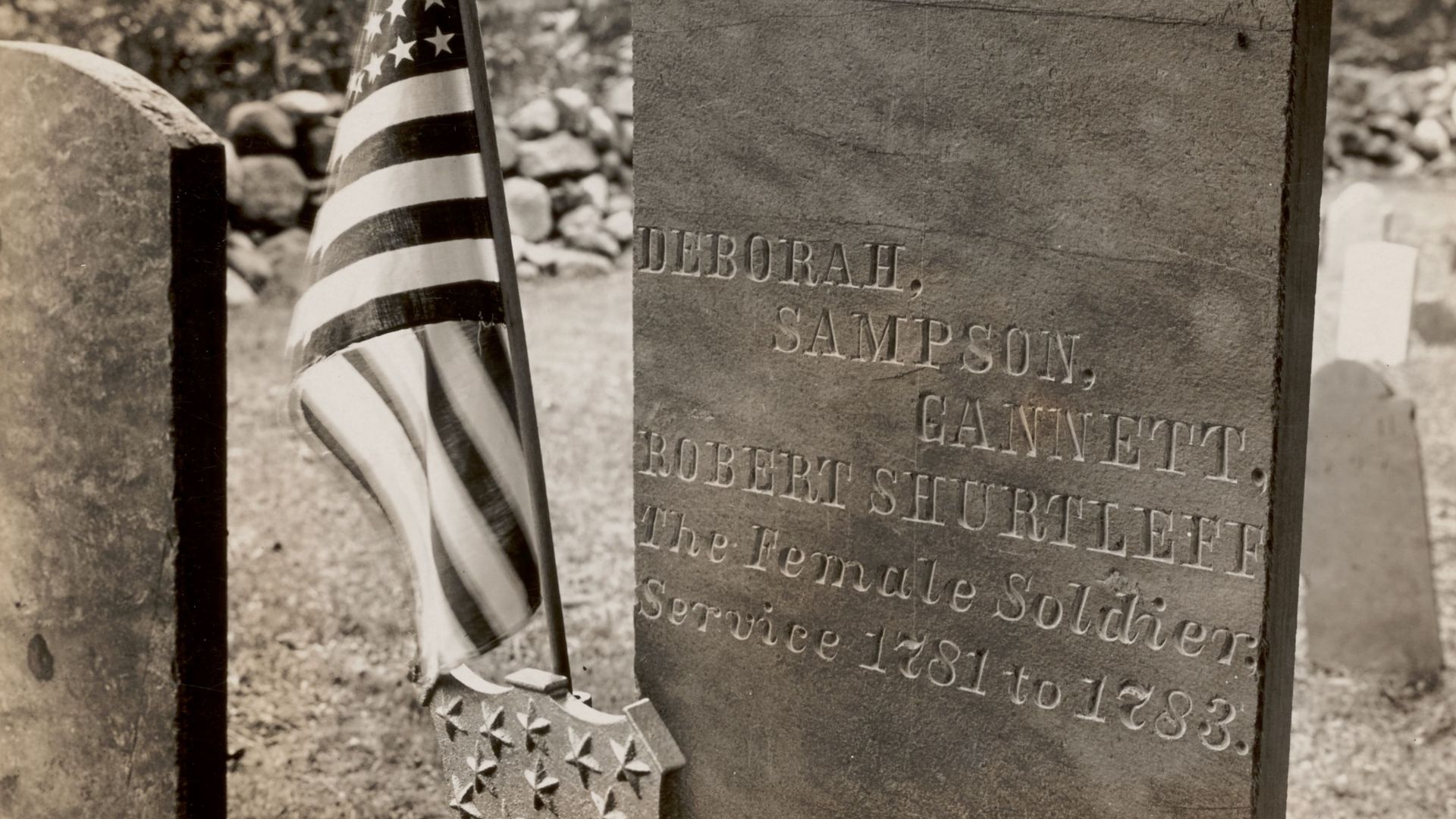
Deborah Sampson, from Plympton, Massachusetts, assumed several male identities to serve in the Continental Army for 17 months in 1782–83. With her unit, she patrolled territory between British-held New York and patriot-held land, before earning a promotion to wait on General John Paterson.
She Had Some Close Calls
Despite several close calls during which her identity was nearly discovered – she allegedly kept some shrapnel buried in her thigh rather than be closely examined by a doctor – Sampson was honourably discharged following the war. She was the subject of a biography in 1797, often giving lectures which discussed her military service.
 Leon Abdalian, Wikimedia Commons
Phillis Wheatley
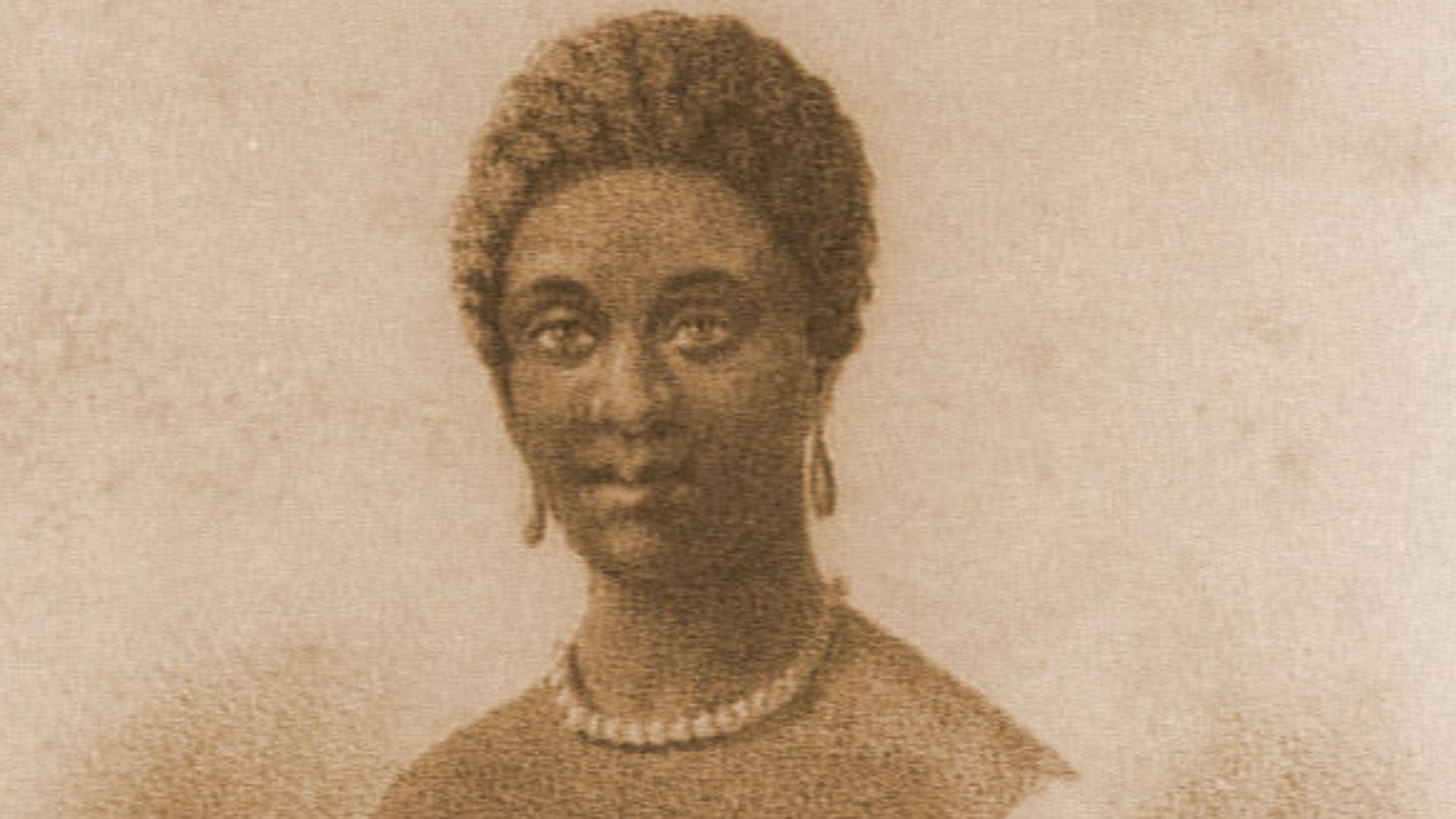
Born in west Africa, Phillis was forcibly transported to America as a young girl in 1761, where she was enslaved in the household of a tailor and business merchant, John Wheatley. She was given opportunities to learn to read and write, and soon showed prodigious talent for poetic composition. Writing striking verses on both the revolutionary cause and abolition of slavery, Wheatley’s “elegant lines” were admired by George Washington. She is regarded as a preeminent literary voice of the period.
Betsy Ross
An upholsterer from a Quaker background, Ross is often credited with sewing the first American flag. According to Ross’ grandson, William Canby, in June 1776, a delegation from the Continental Congress presented her with a rough drawing and asked her to sew a new flag, one distinct from previous ensigns displaying colonial links. She duly created a flag with 13 stripes, alternate red and white, and 13 white stars on a blue background to represent the union. Although little evidence remains to verify the story, her name is inescapably linked with the stars and stripes of the US flag today.
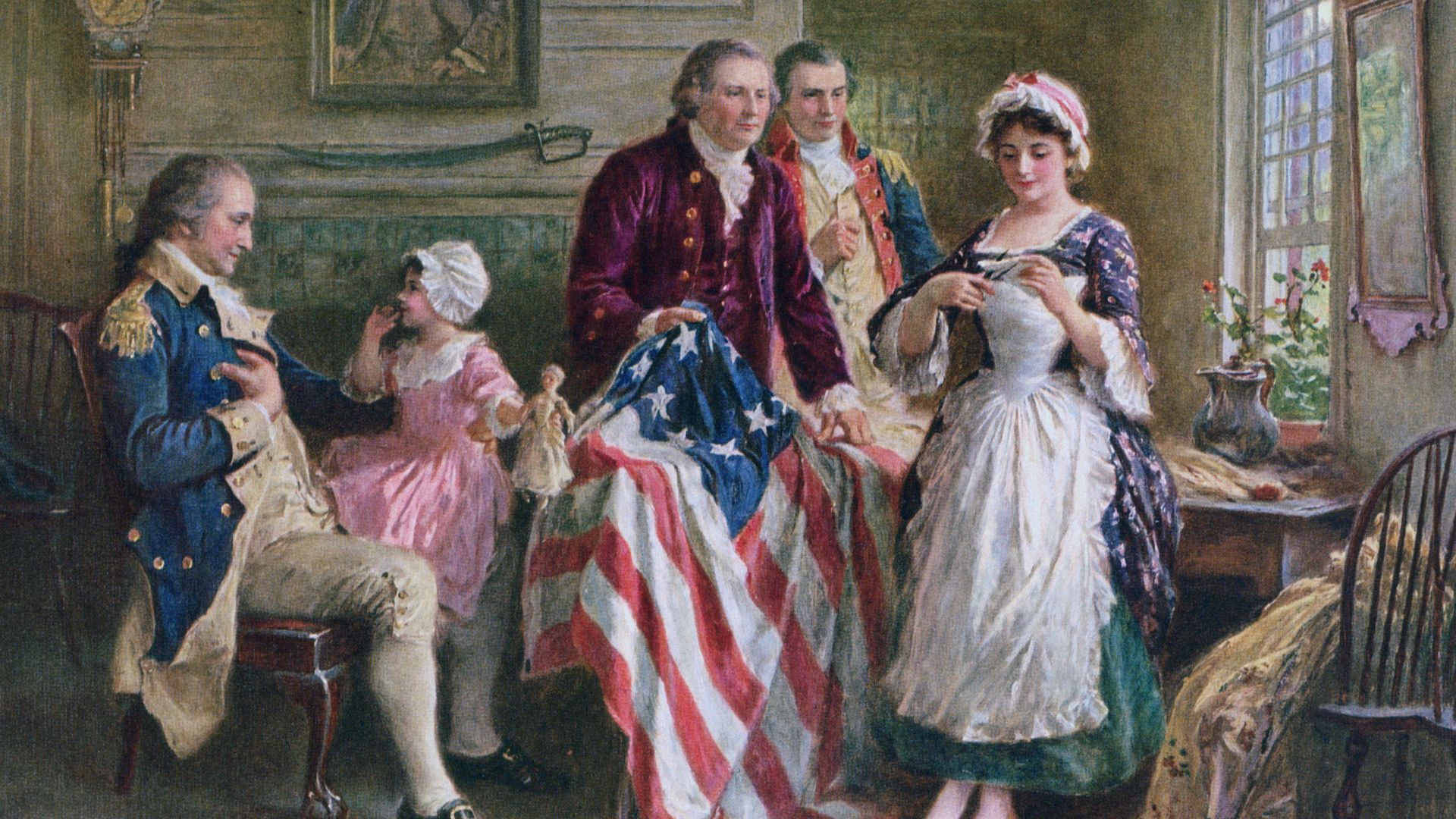 Jean Leon Gerome Ferris, Wikimedia Commons
A Big Early Step
As more scholars reappraise the lives of American women during the revolution, their legacies are being linked to later advancements. Today, for example, Abigail Adams’ “remember the ladies” letter is widely regarded as a significant early step towards female emancipation in America.
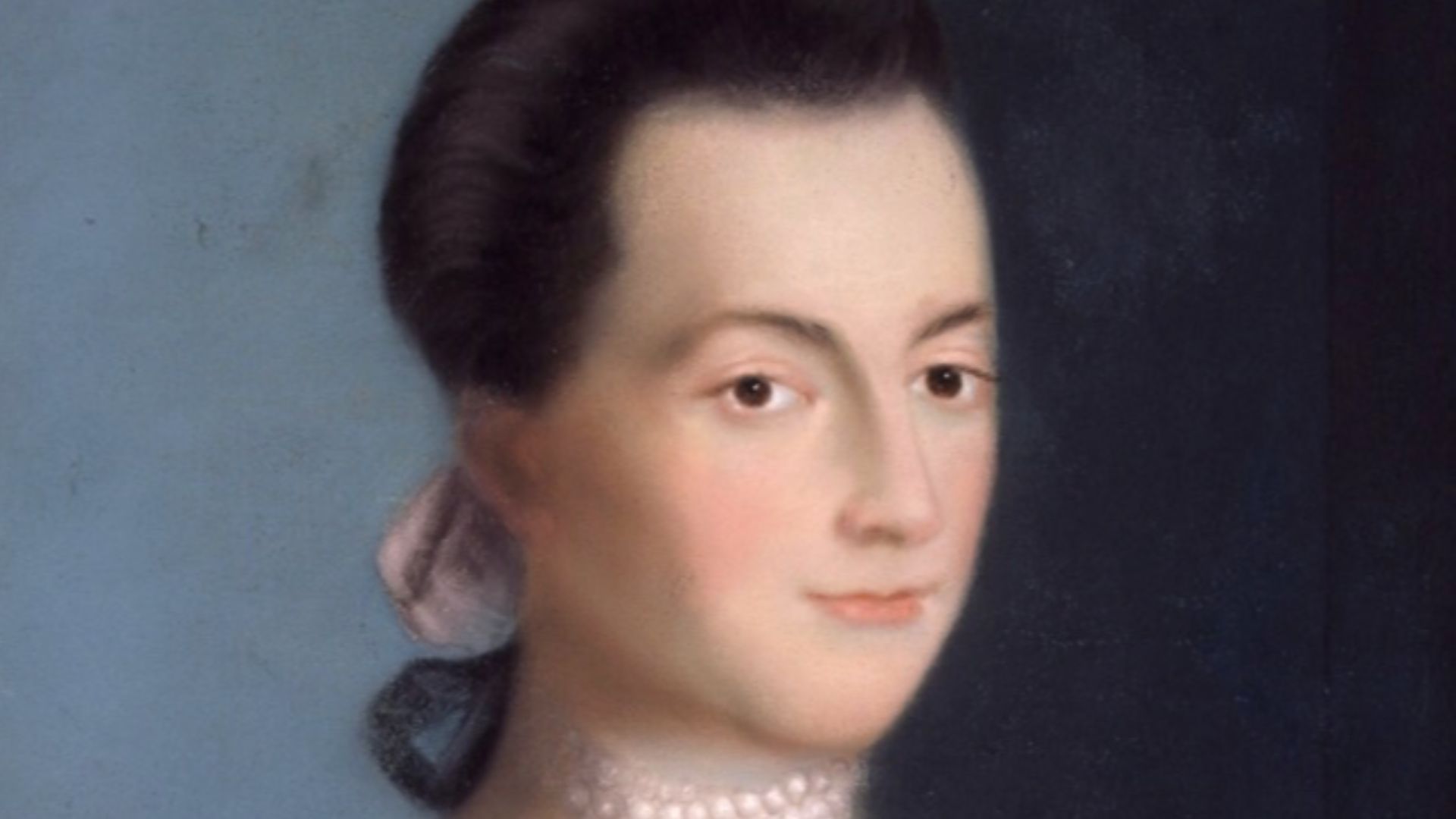 Benjamin Blyth, Wikimedia Commons
The Wait Was Long
As more scholars reappraise the lives of American women during the revolution, their legacies are being linked to later advancements. Today, for example, Abigail Adams’ “remember the ladies” letter is widely regarded as a significant early step towards female emancipation in America.
This content was created in partnership with HistoryExtra.