Seat Wars
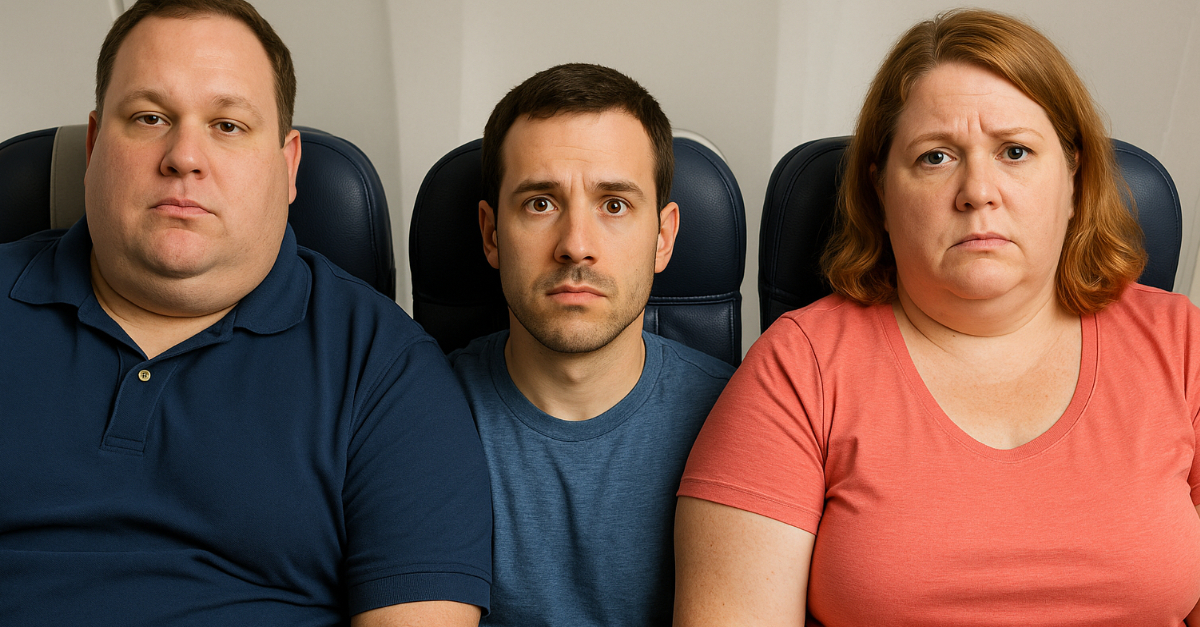
Picture this: you’re buckled into a window seat when two larger passengers beside you ask to raise the armrest so they can spread into your space. You refuse—and the internet explodes.
That viral showdown highlights a bigger story about airlines, passengers, bigger bodies and shrinking seats. Something that is even more relevant these days as one of the major airlines announces changes to its seating policy for larger passengers.
When Comfort Collides at 30,000 Feet
That viral story wasn’t a one-off either—it tapped into a constant tension.
Smaller passengers complain about losing space they paid for, while larger passengers argue that seats are unrealistically tiny. Both sides feel wronged, and airlines are stuck in the middle of the clash.
Kicked Off for Not Fitting
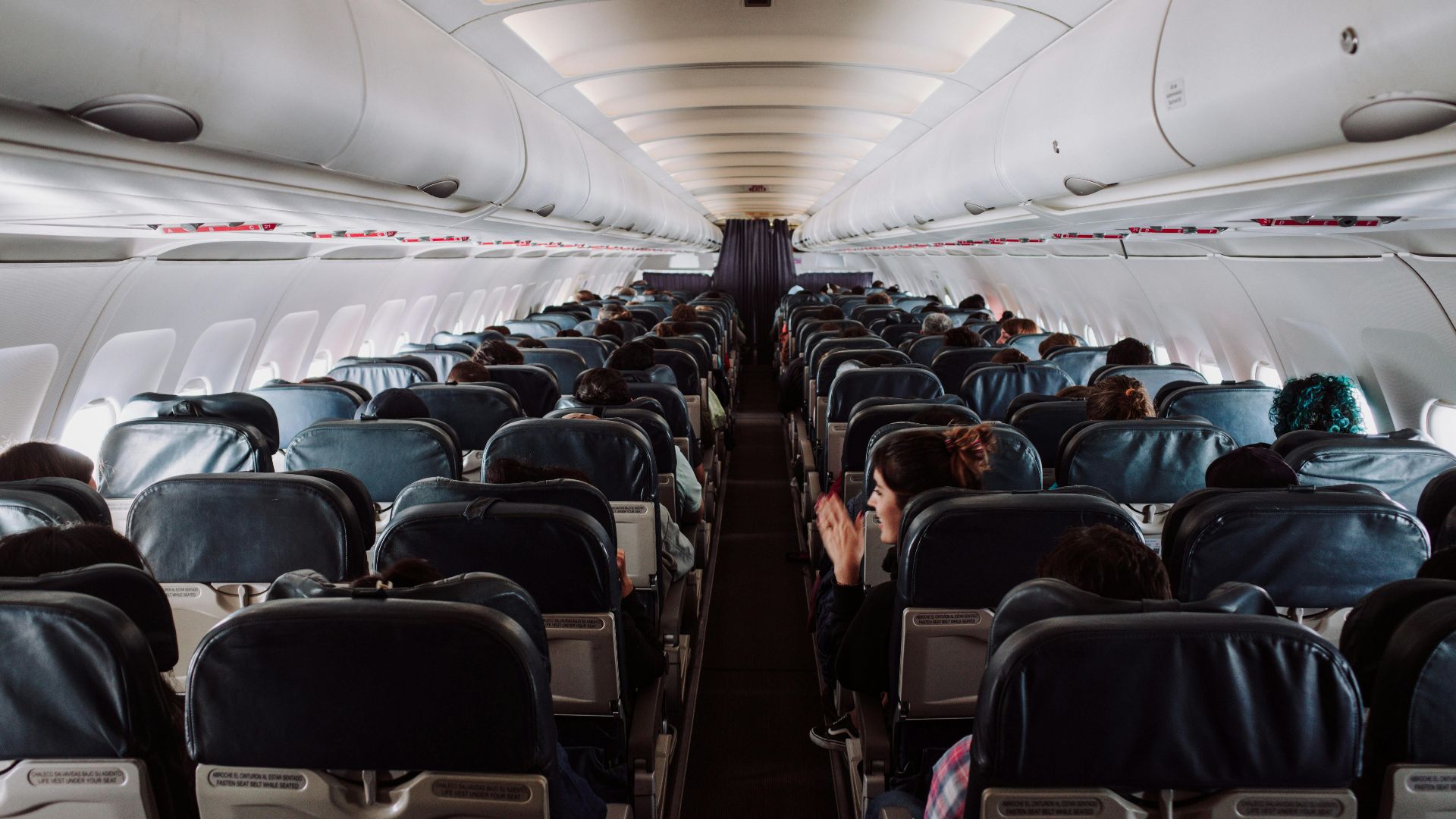
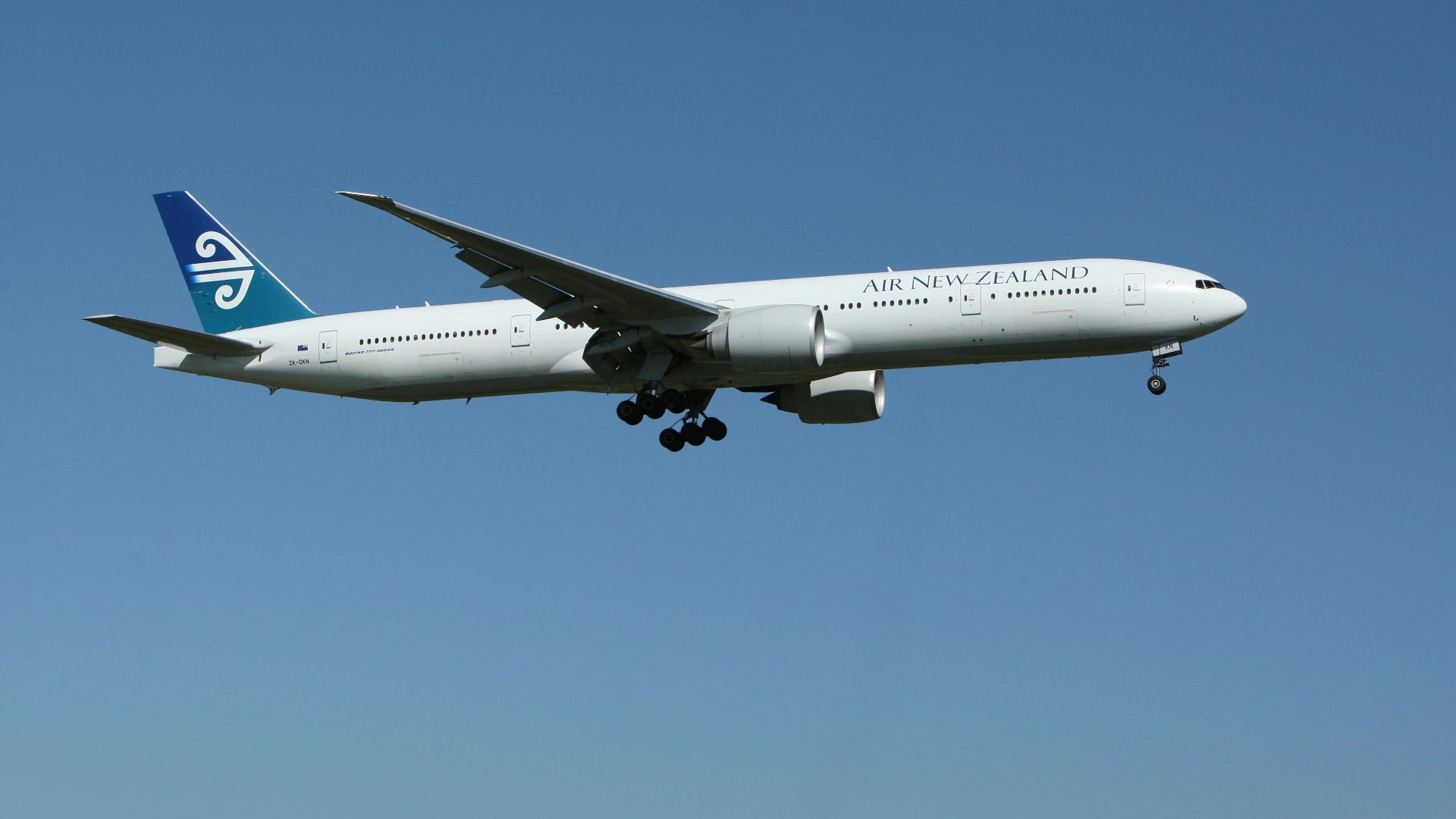
In 2024, two plus-sized travelers were removed from an Air New Zealand flight after struggling with the armrests. A flight attendant told them they should have booked extra seats. The airline later apologized, but the humiliation showed how messy enforcement can be at 30,000 feet. And there are plenty more stories like that that we've all hear about (or even experienced first hand).
Flying in the Early Days
In the 1920s and 30s, airplane seats weren’t designed for comfort—or size. Passengers sat in wicker chairs or narrow aluminum frames, and the idea of accommodating larger bodies didn’t exist. Flying was still a luxury, and comfort was secondary to just getting airborne.
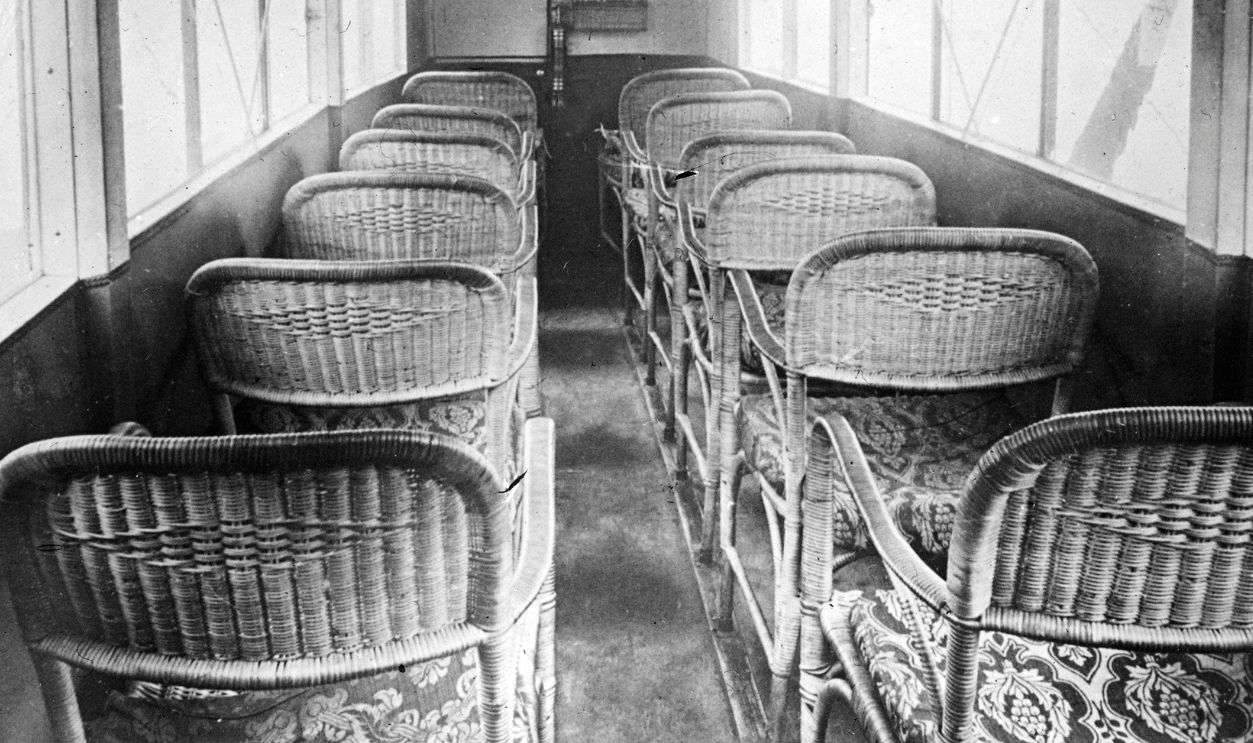 Science & Society Picture Library, Getty Images
The Golden Age of Space
By the mid-20th century, airlines experimented with reclining seats, bunks, and even sleeper-style cabins. First-class passengers enjoyed the luxury, while coach travelers sat in tighter rows. Still, there were no formal policies for plus-sized passengers—seating was built for the “average” body of the era.
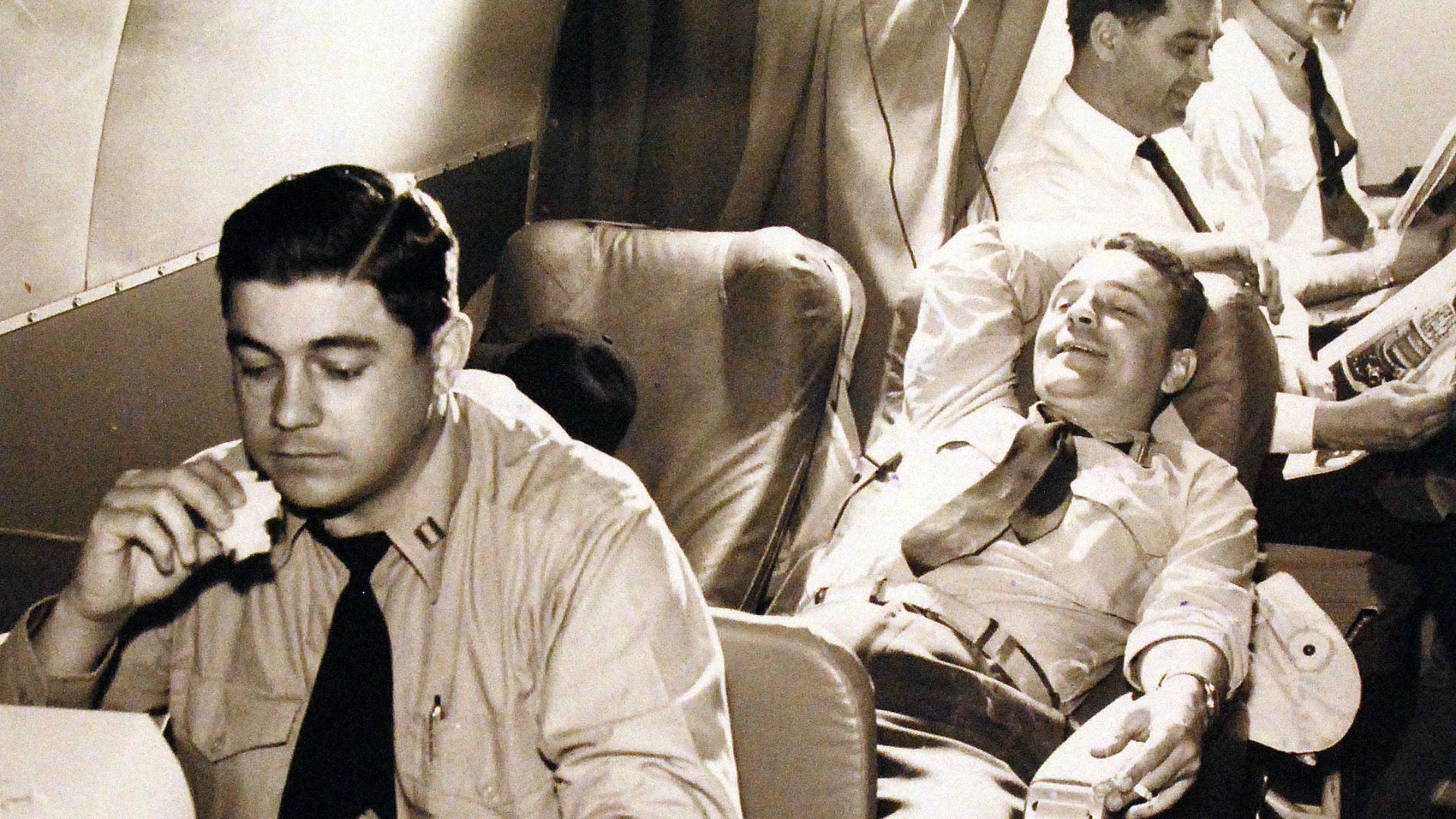 Tyler de Noche, Wikimedia Commons
Wide-Bodies and Shrinking Dreams
The 1970s brought wide-body jets like the Boeing 747, promising more room and double aisles. At first, cabins felt spacious. But after airline deregulation in 1978, carriers began cramming in more seats to cut fares—setting the stage for decades of shrinking space.
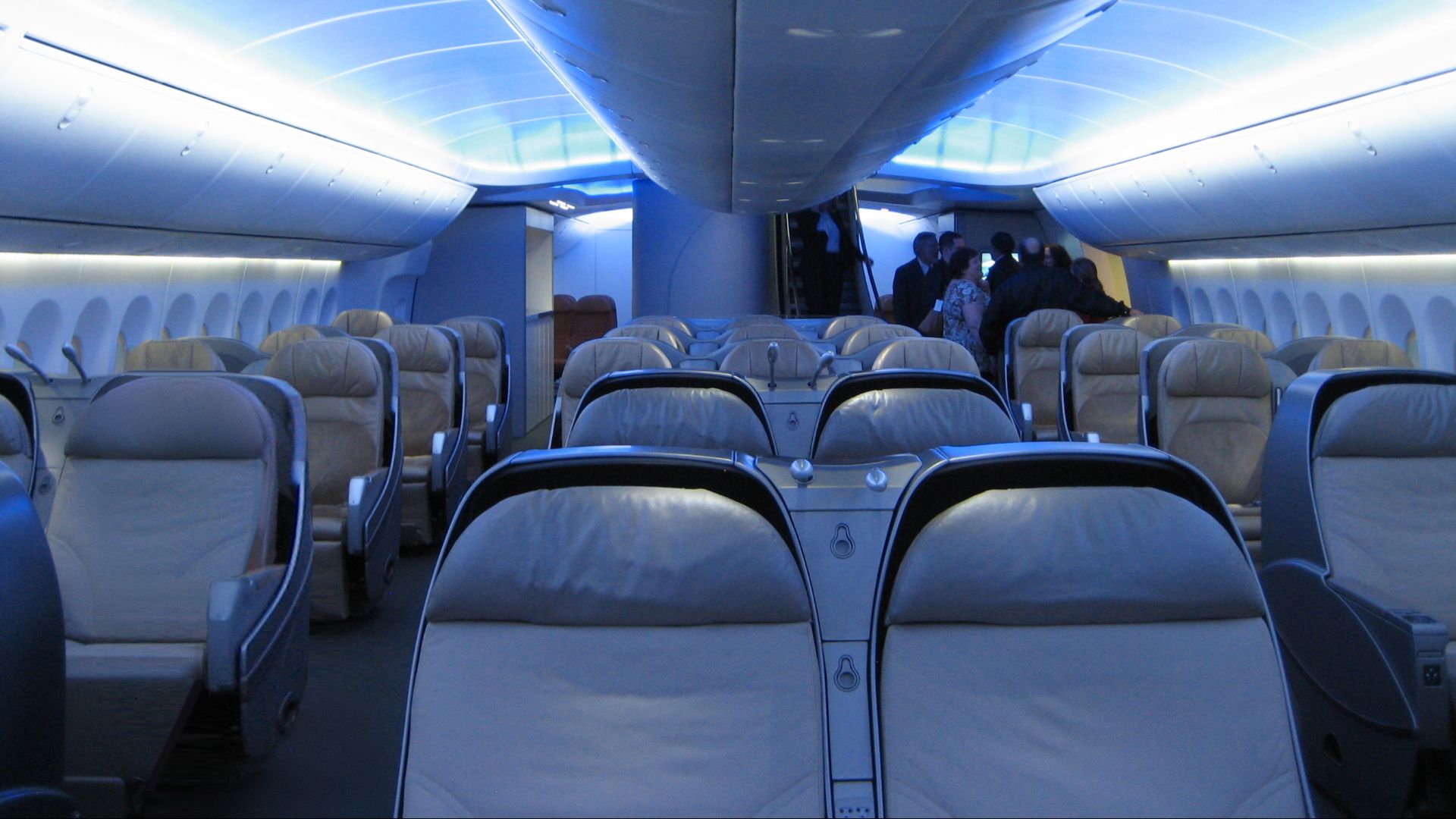
Southwest’s Bold Move in the ’80s
By the 1980s, Southwest Airlines broke ranks with its “Customer of Size” policy. Passengers who needed more space could purchase a second seat in advance. If the flight went out with empty seats, the cost of that extra seat was refunded afterward.
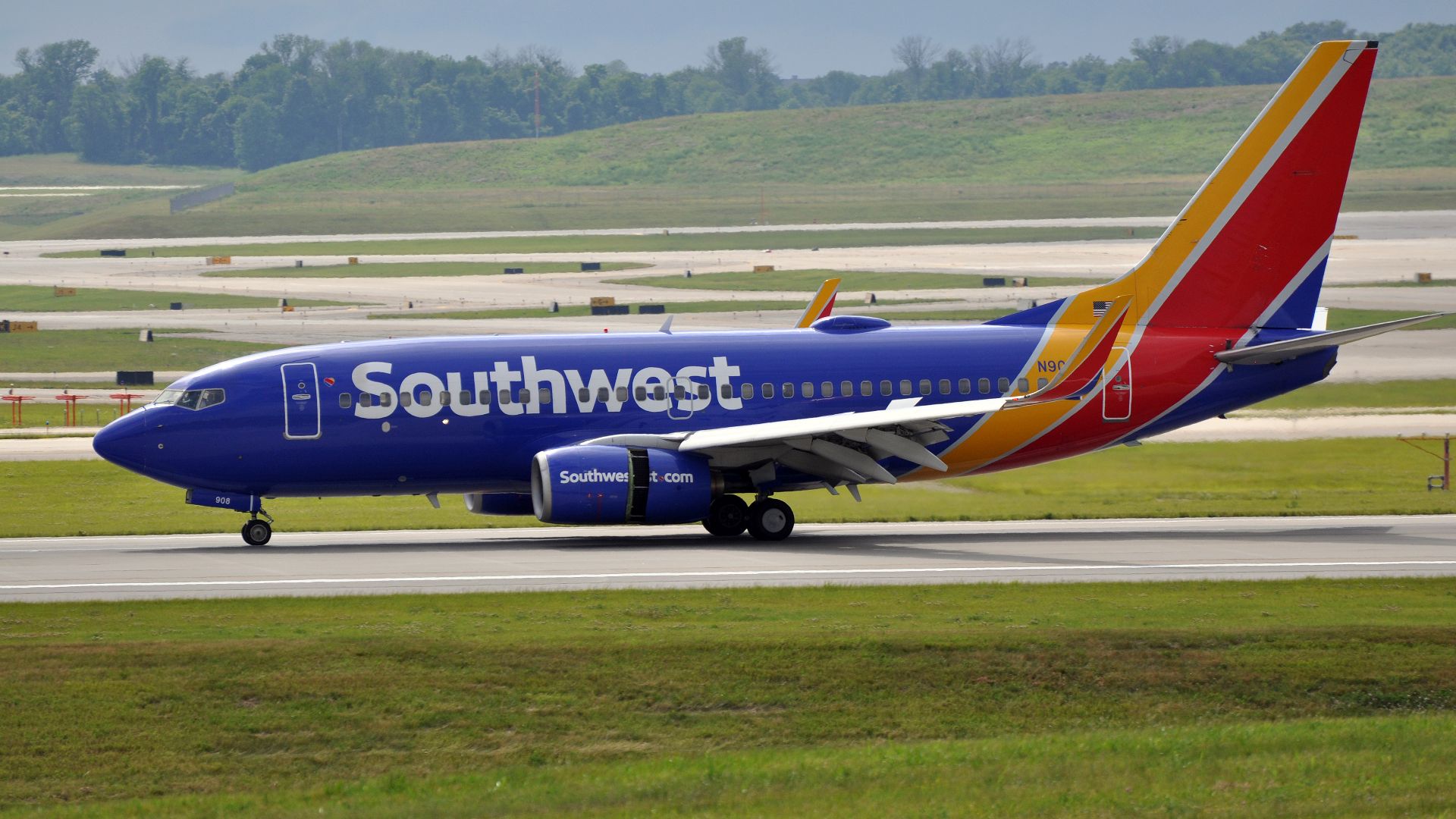 ERIC SALARD from PARIS, FRANCE, Wikimedia Commons
Why It Mattered
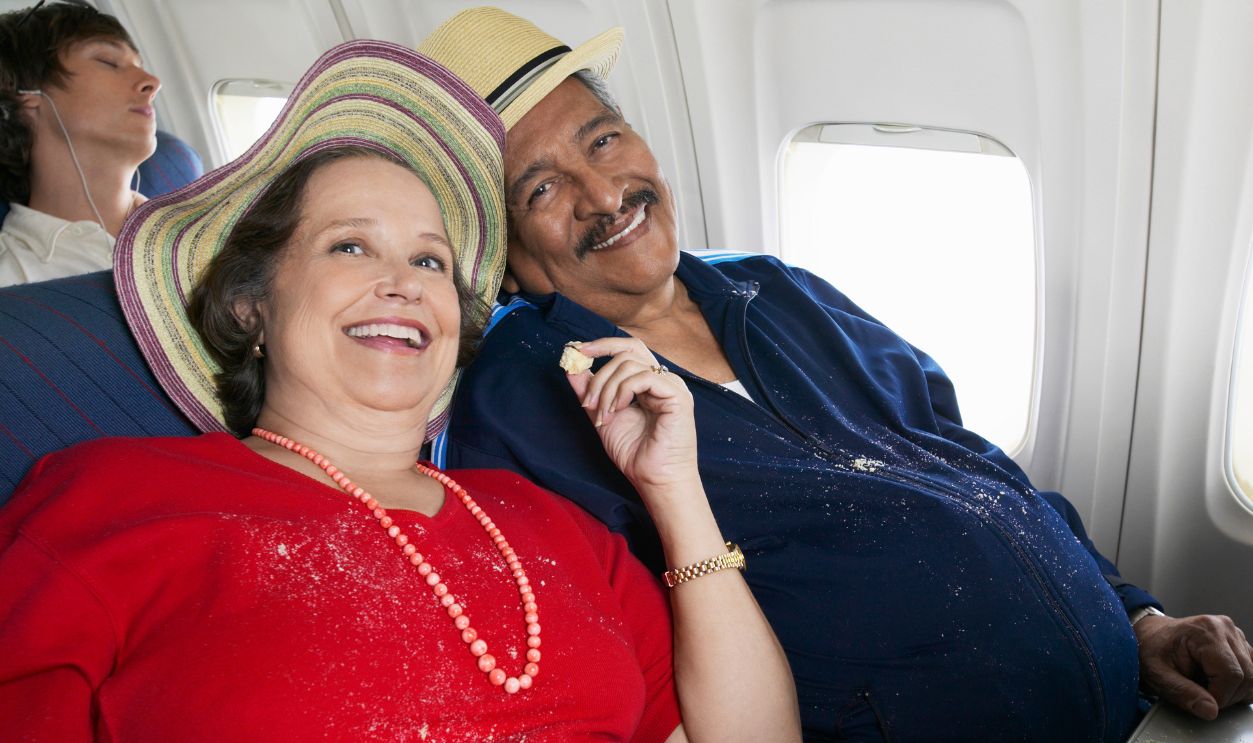
The policy gave plus-sized passengers peace of mind. They could board knowing they’d have room without permanently paying double. Advocates praised it widely. One activist even called it “the best deal in the industry for customers of size.”
Meanwhile, Seats Were Shrinking
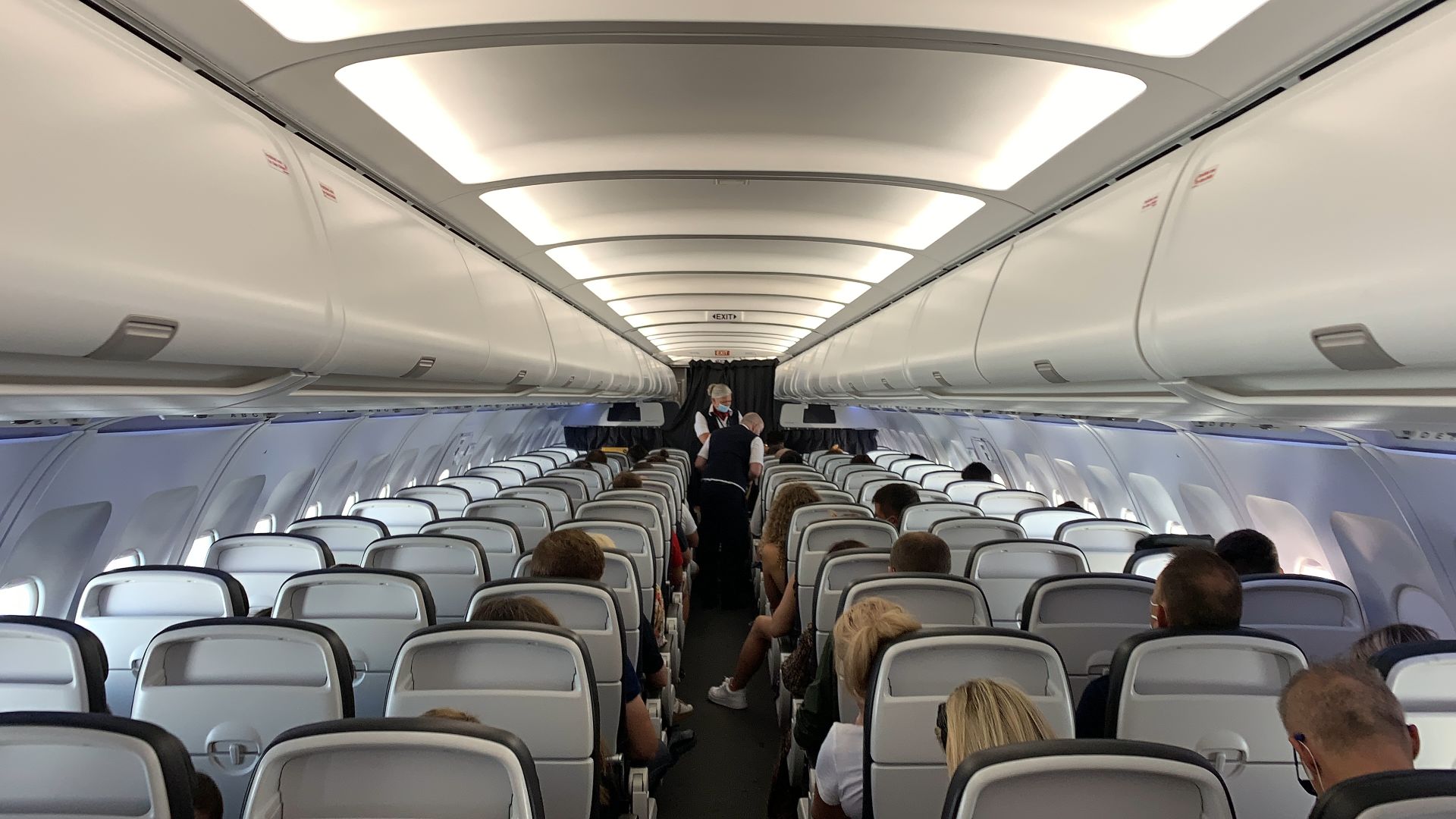
Other airlines weren’t so generous. British Airways and U.S. carriers densified their cabins, squeezing more people into the same planes. Seat widths dropped below 17 inches on some aircraft. Comfort became a privilege—not a guarantee—especially for larger passengers.

History's most fascinating stories and darkest secrets, delivered to your inbox daily.
The Passenger Experience
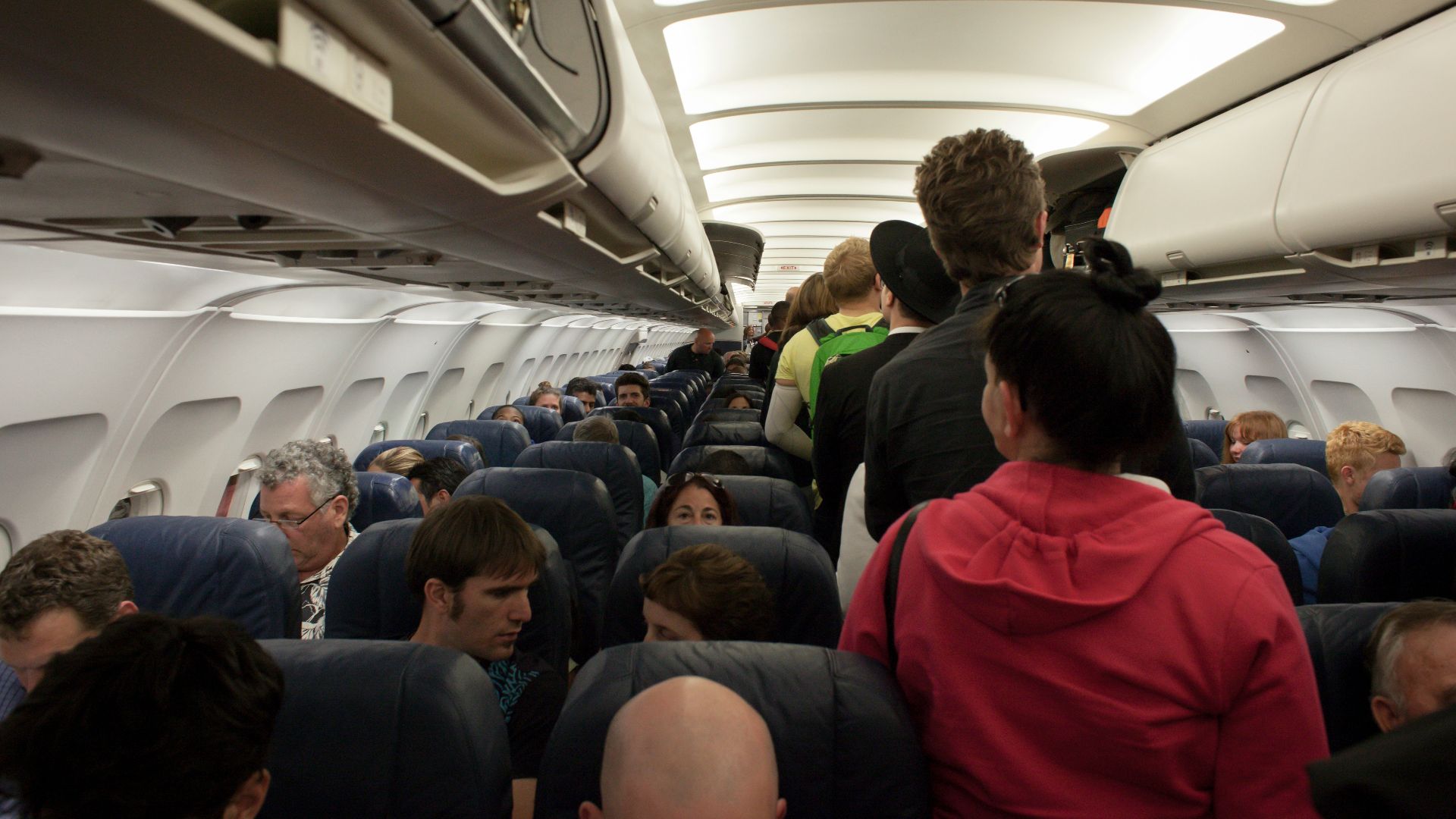
With less space came more stress. Plus-sized travelers reported embarrassment, painful flights, and outright hostility. As one frustrated passenger told Time: “Seat size needs to be more inclusive—we aren’t sardines, we are people who spent money to travel.”
Southwest Begins to Shift
For decades, open seating and the “Customer of Size” program kept Southwest Airlines a favorite. But in 2025, the airline signaled change—testing assigned seating and preparing to rewrite its long-standing approach to larger passengers.
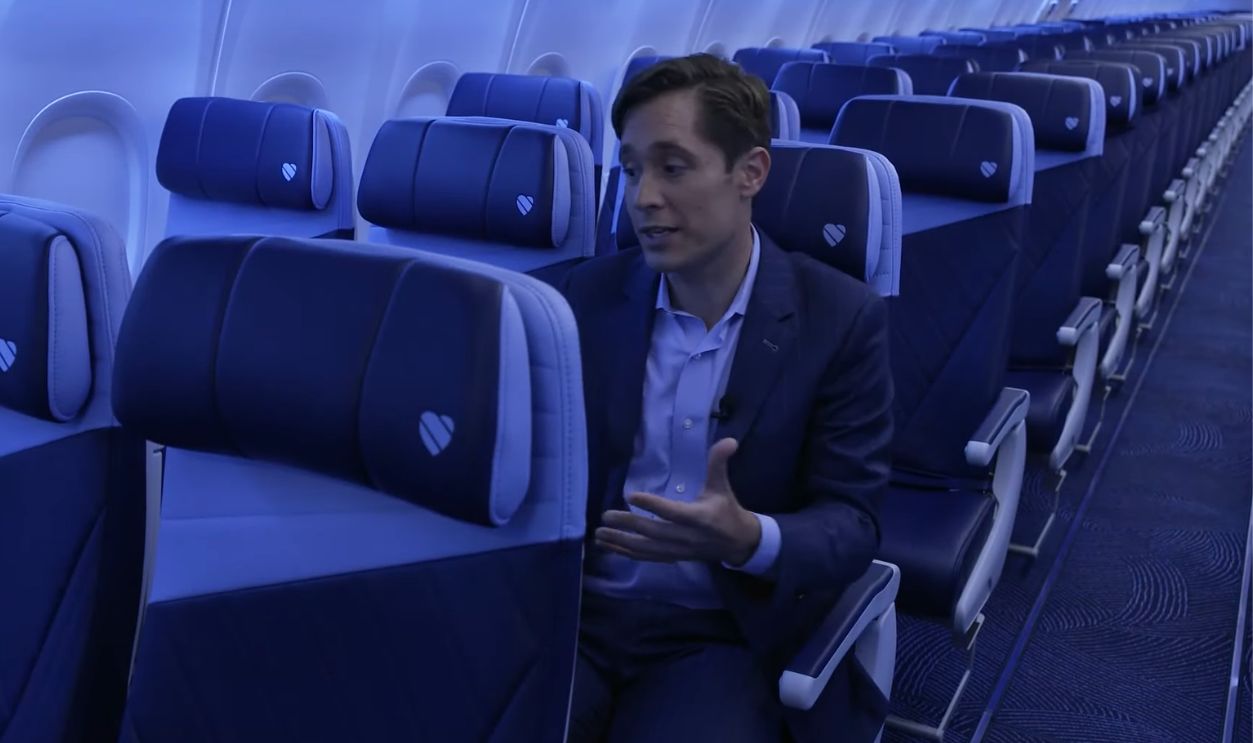 Southwest Airlines redesigned its cabin interiors. Here's what the planes look like., CBS News
The 2026 Overhaul
Starting on January 27th, 2026, Southwest will require plus-sized passengers to buy extra seats at booking instead of requesting them later. Refunds are possible, but only if the flight departs with open seats, both seats are in the same fare class, and the request is filed within 90 days.
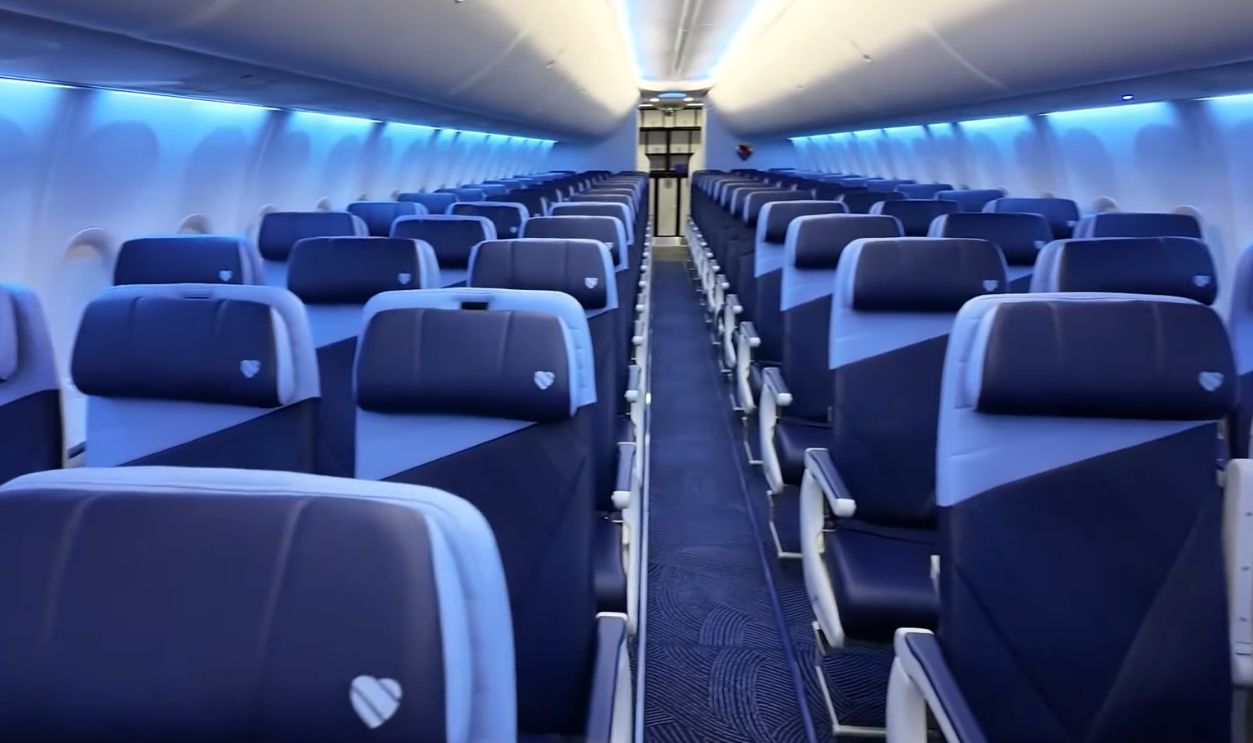 Southwest Airlines redesigned its cabin interiors. Here's what the planes look like., CBS News
Advocates Speak Out
The backlash was immediate. Tigress Osborn, chair of NAAFA, said Southwest had been “a beacon of hope” for larger travelers. “Now that beacon has gone out.” For many, the new rules turned Southwest from an ally into just another airline chasing profit.
 Tigress Osborn Red Carpet Interview, The Full Figured Industry Awards
Delta’s Policy
Delta Air Lines doesn’t have a formal “Customer of Size” program. Instead, it asks passengers who can’t fit between the armrests to purchase an additional seat. While there are no automatic refunds, Delta highlights its longer seat belts and willingness to work with travelers who ask for accommodations.
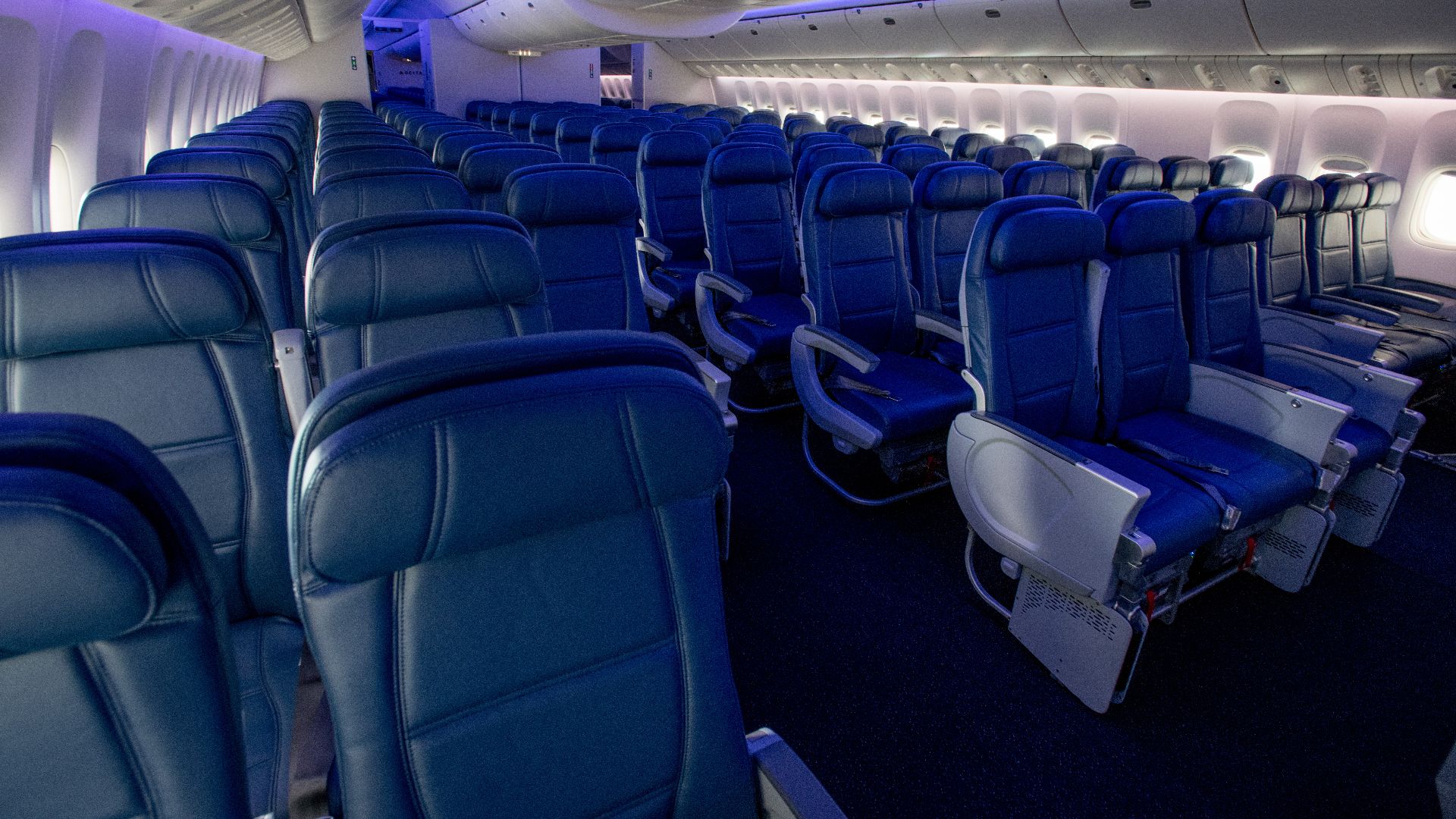 Delta News Hub, Wikimedia Commons
Delta in Practice
Many passengers report that Delta staff try to be understanding, quietly offering seat-belt extenders or re-seating when possible. But the reality is, without refunds or a flexible system, the financial burden remains on plus-sized passengers—leaving some to feel unwelcome despite polite service.
 Delta News Hub, Wikimedia Commons
JetBlue Gets Applause
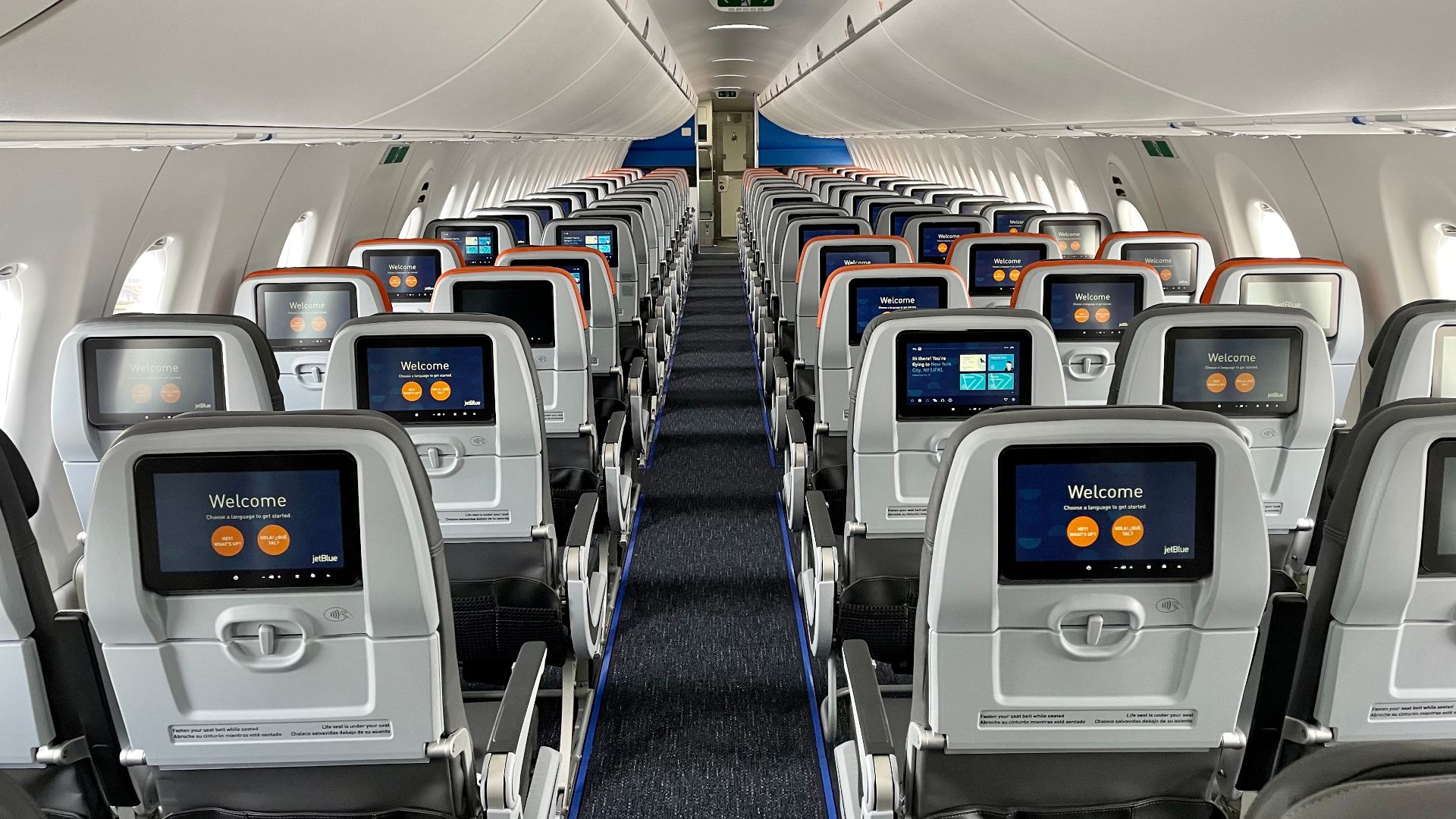
JetBlue often earns praise for roomy economy seating. Some rows measure up to 18.4 inches wide, offering noticeably more comfort than many rivals. That extra inch may sound small, but for plus-sized travelers, it can mean the difference between dread and relief.
Air Canada’s Policy
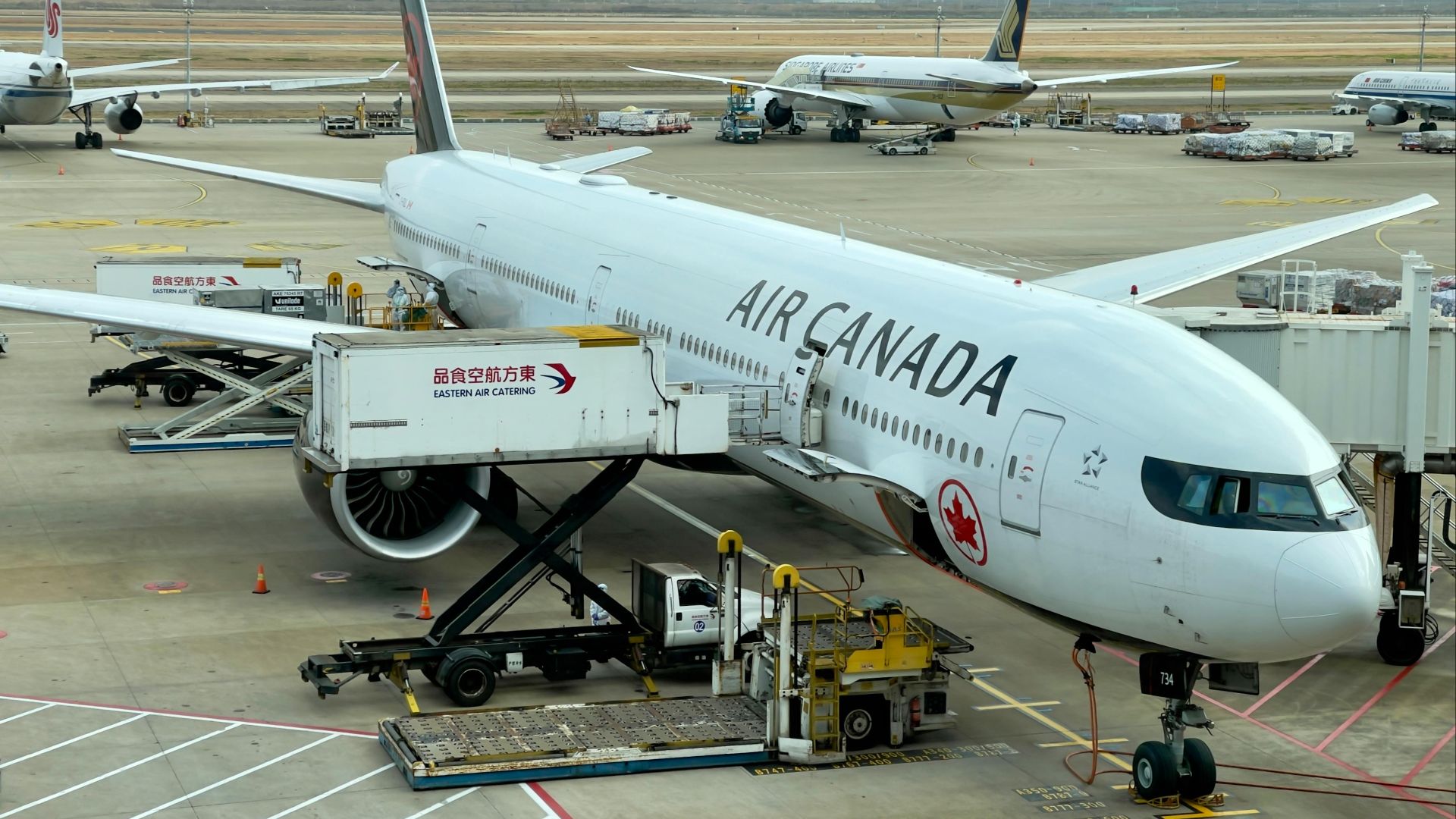
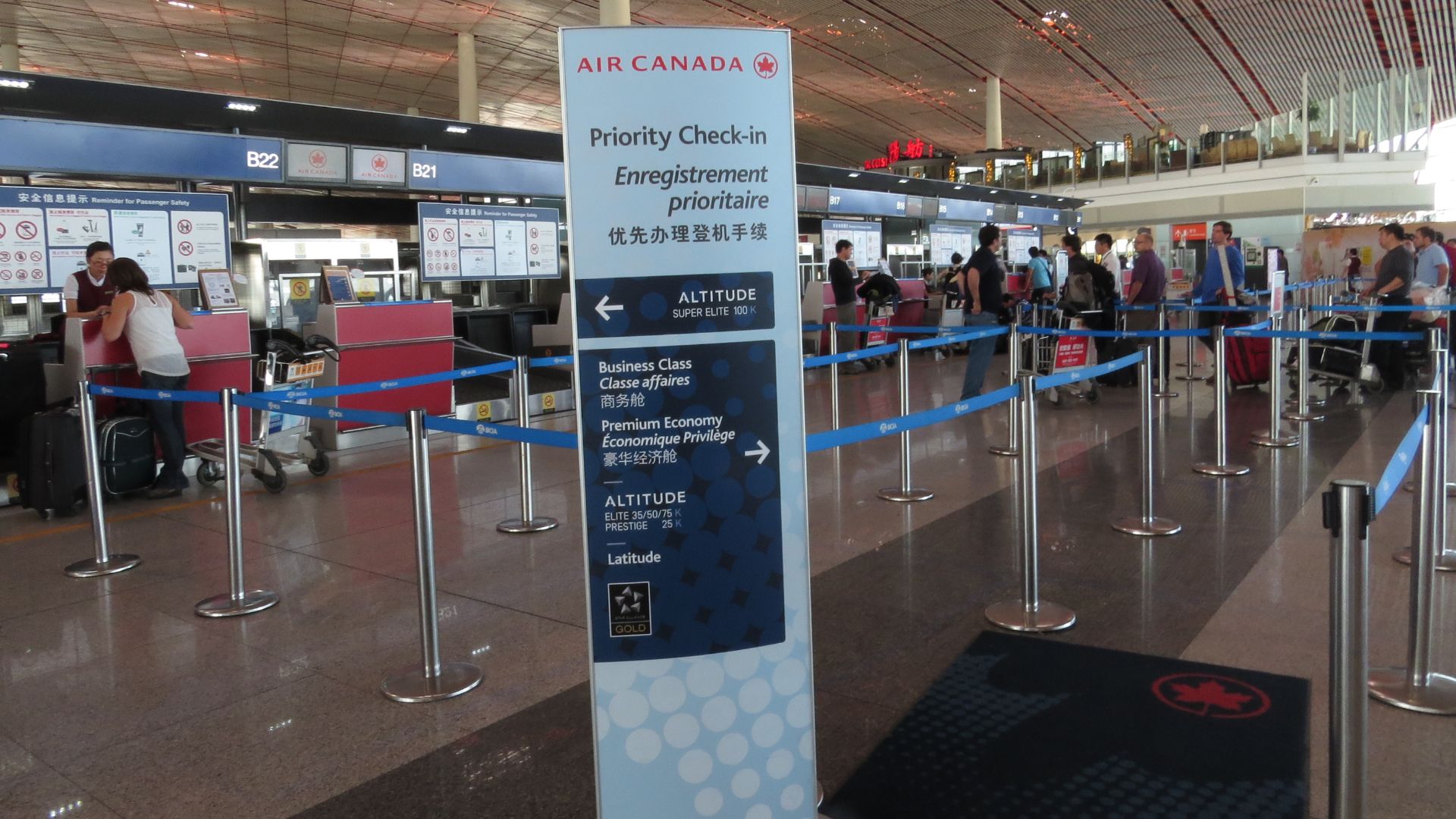
Air Canada is one of the few airlines to formally recognize obesity as a disability. On domestic flights, qualifying passengers can book an extra seat at no cost through its “One Person, One Fare” program. It’s often praised as a benchmark for inclusivity.
Air Canada in Practice
Travelers who’ve used the program describe it as life-changing, removing the stress of paying double or facing humiliation at the gate. But critics note it only applies to domestic routes—on international flights, plus-sized passengers are back to paying more for basic comfort.
American Airlines’ Policy
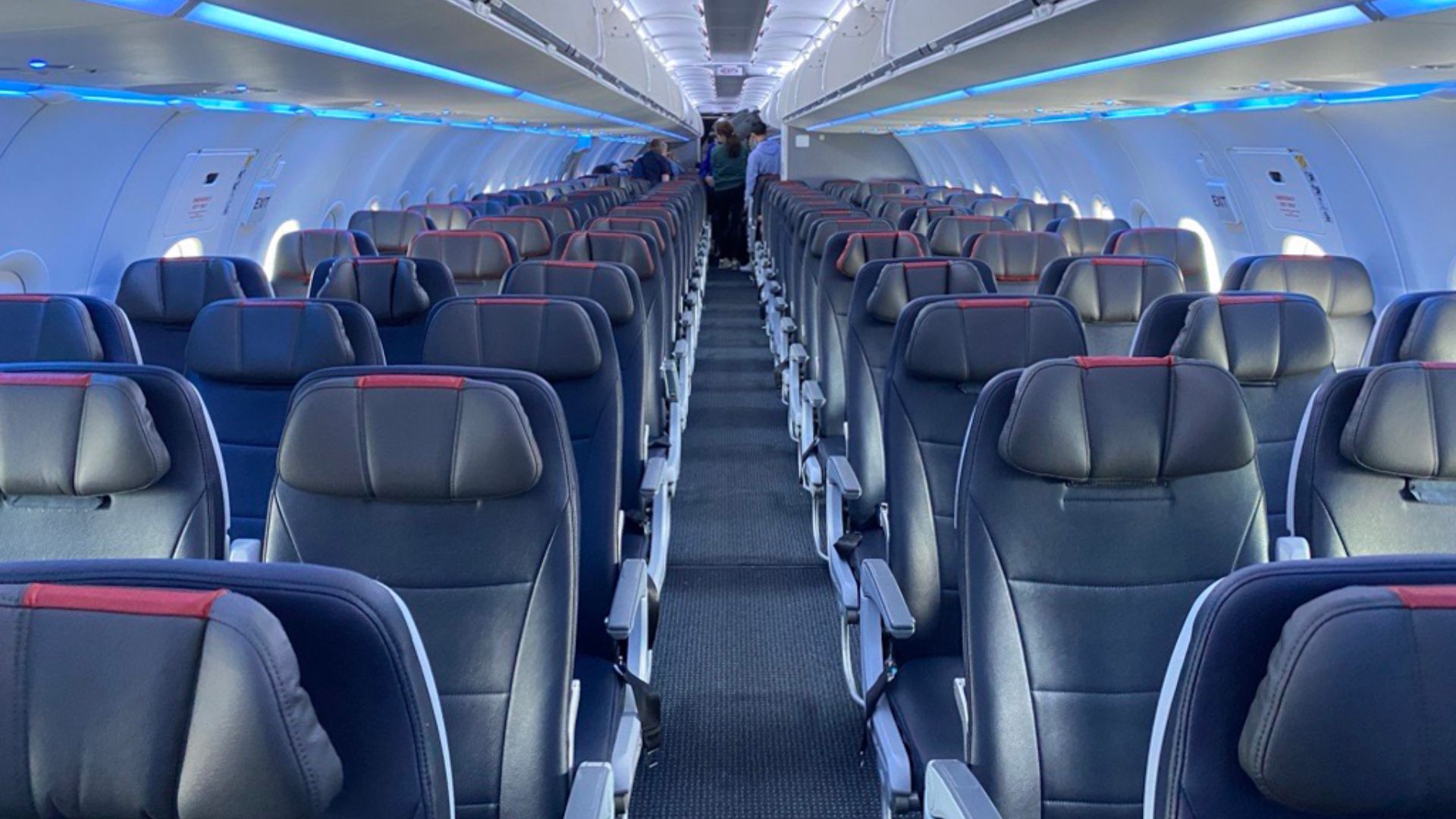
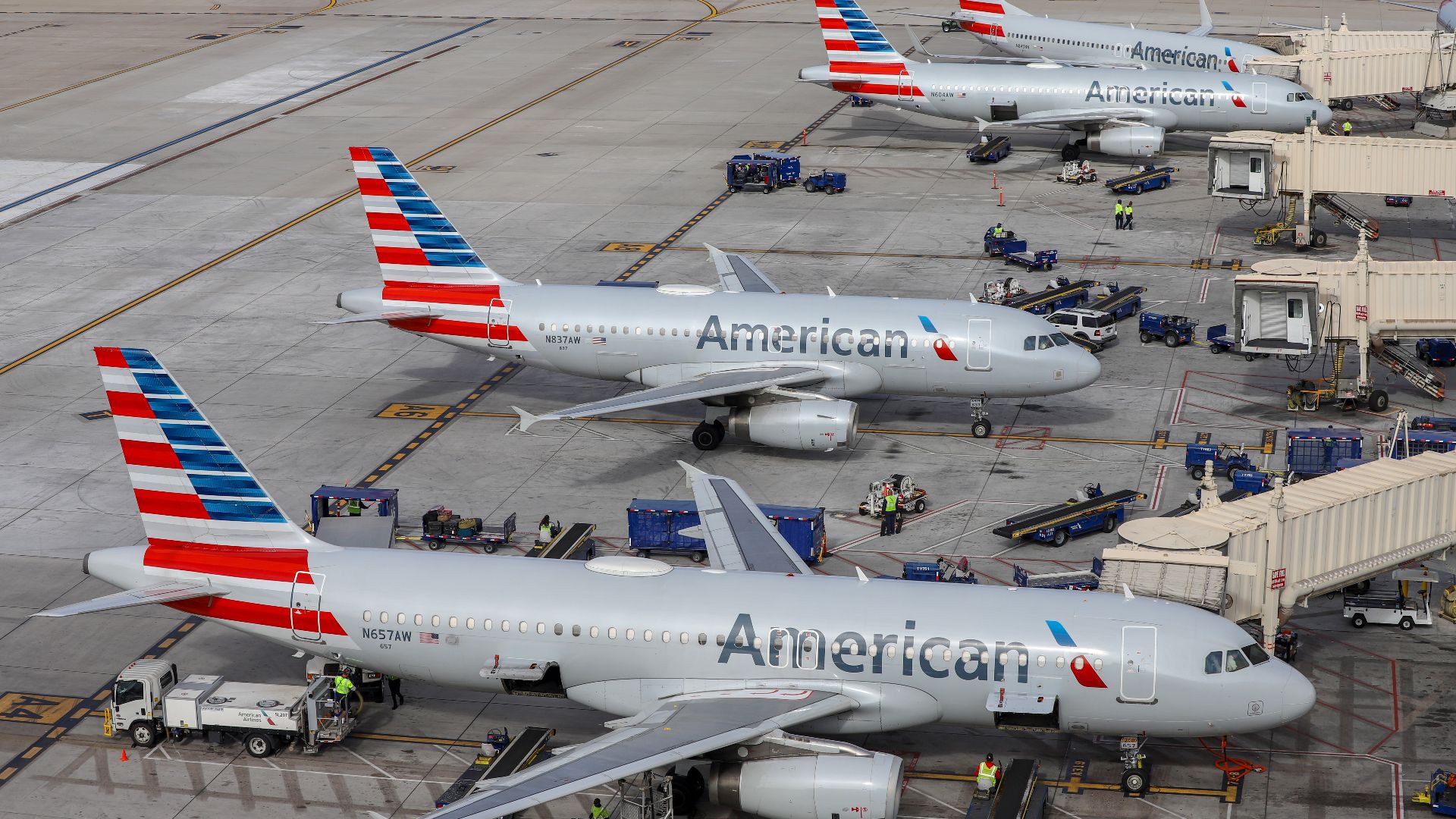
American Airlines takes a firm stance: if a passenger can’t lower both armrests or encroaches on neighboring seats, they must purchase another seat. The airline recommends buying both at the time of booking, warning that prices could be higher later if only one is secured.
American in Practice
Many plus-sized travelers describe embarrassing confrontations on American flights when policies are enforced at the gate. While technically clear, the rule can feel harsh in practice. For some passengers, American’s approach makes flying not just expensive—but emotionally exhausting.
 Quintin Soloviev, Wikimedia Commons
Other U.S. Carriers
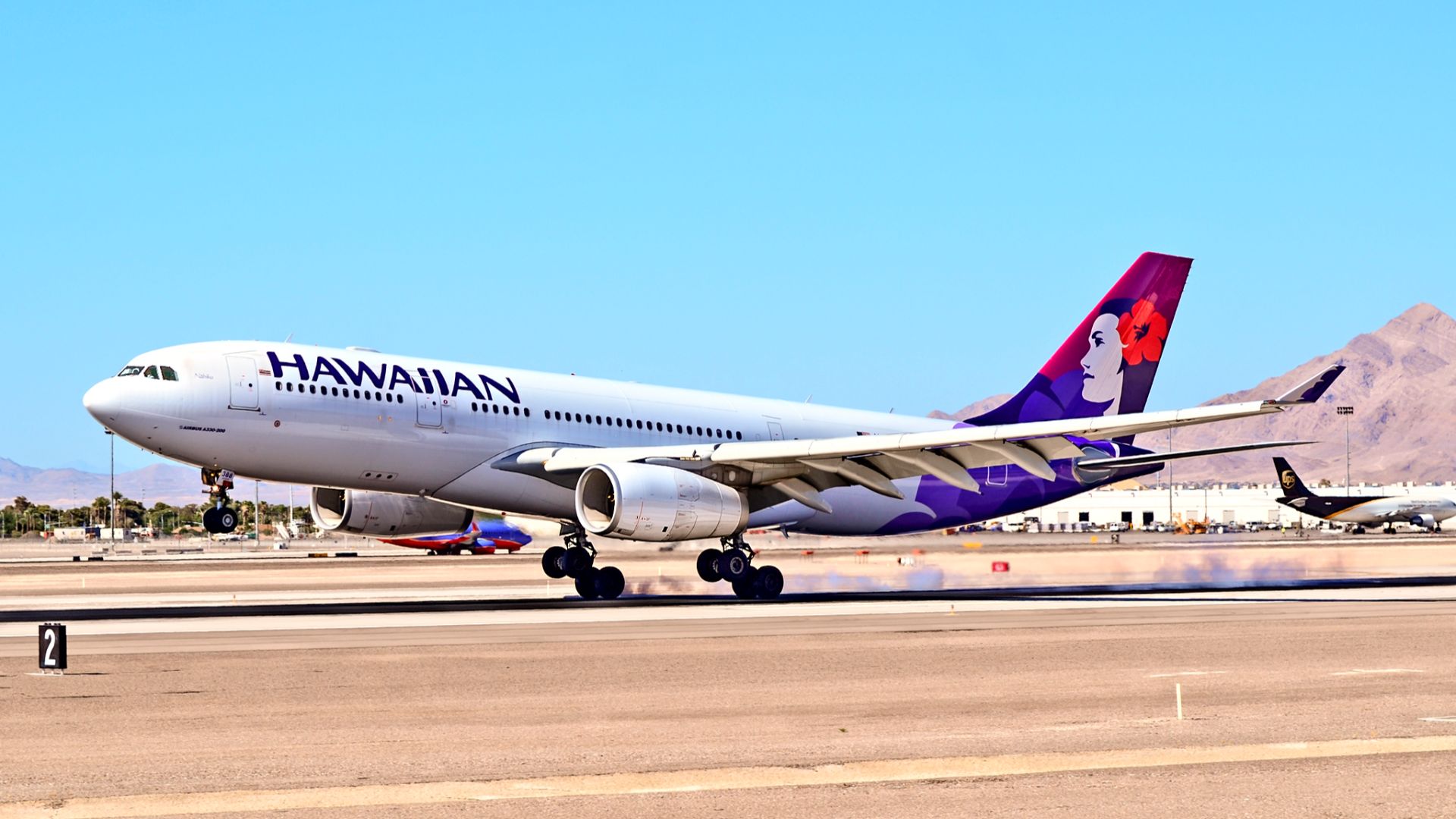
United, Spirit, Frontier, and Hawaiian follow similar policies. Passengers must cover the cost of extra seats themselves, though some airlines offer refunds if the flight isn’t full. The burden almost always falls on the traveler—not the airline.
 Tomas Del Coro from Las Vegas, Nevada, USA, Wikimedia Commons
The Bigger Picture
Airlines aren’t alone in this. Stadiums, theaters, and even hospitals are adapting designs as obesity rates rise. The Guardian reported that industries everywhere are rethinking inclusivity—some embracing larger seating, others clinging to outdated models that exclude customers.

The Window-Seat Armrest Clash
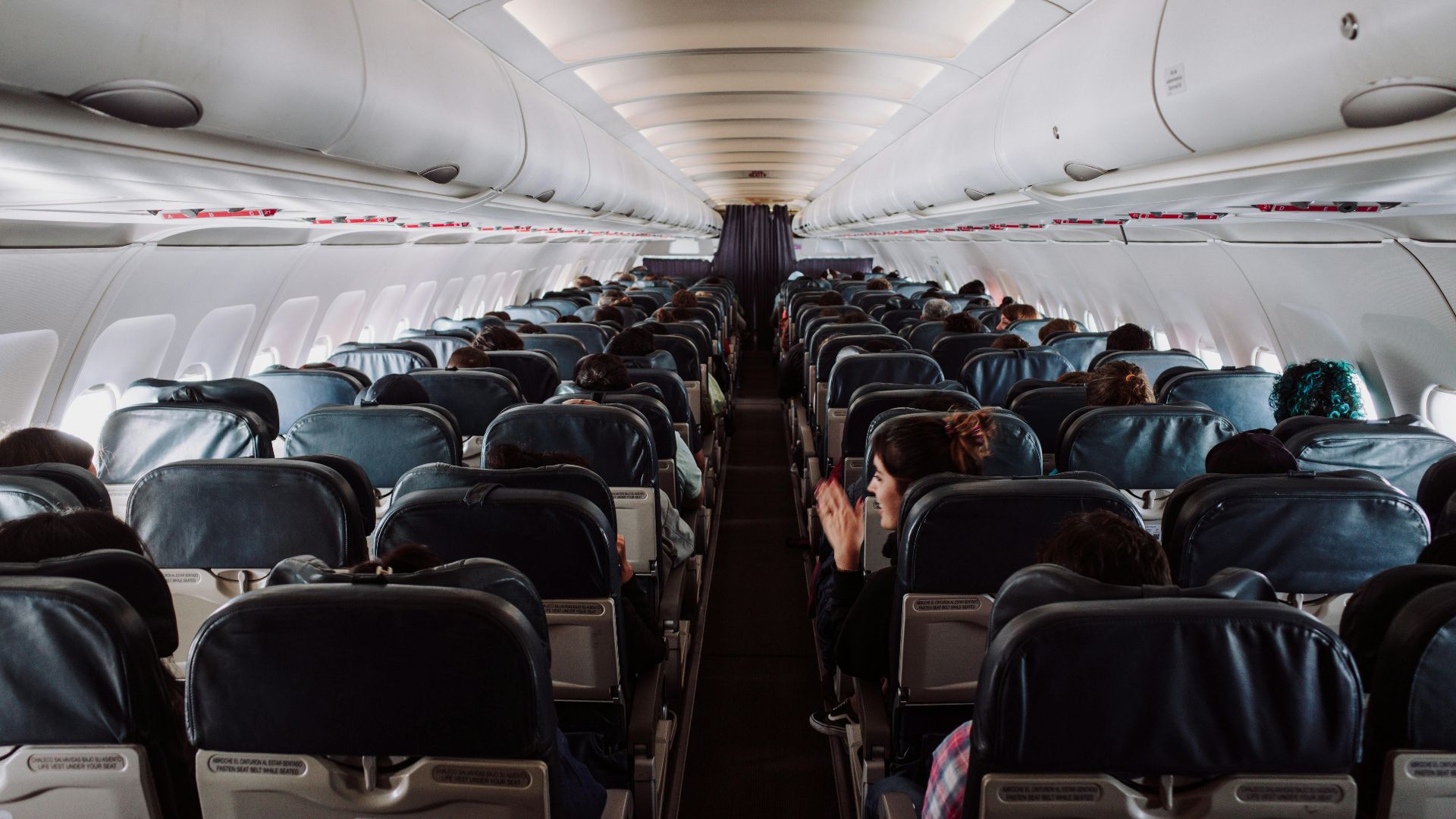
A passenger settled into a window seat when two larger travelers asked them to raise the armrest to spread into the space. The passenger refused. A flight attendant backed them up—and when the story hit Bored Panda, it went viral, sparking fierce debate.

The Online Debate
That showdown became a symbol of the larger conversation. Should airlines redesign cabins to accommodate more body types, or should passengers pay for the space they need? Online, both sides dug in—some calling the refusal selfish, others calling it completely justified.
Future Seat Experiments
Some carriers have tested radical designs like “standing” seats or saddle-style rows. While these boost capacity, they raise serious concerns about comfort and safety. For plus-sized passengers, such ideas feel less like innovation and more like punishment.
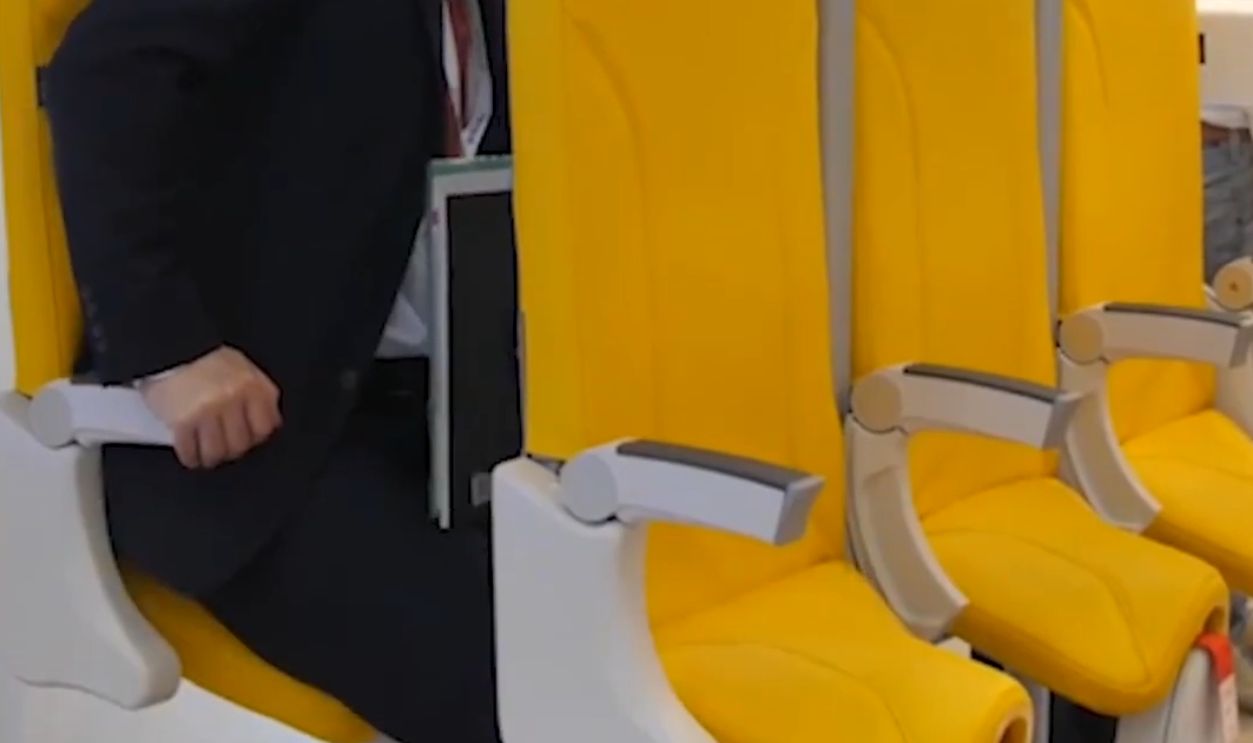 The Standing Airline Seats | Skyrider 2.0, trekbible
Premium Comfort, Premium Price
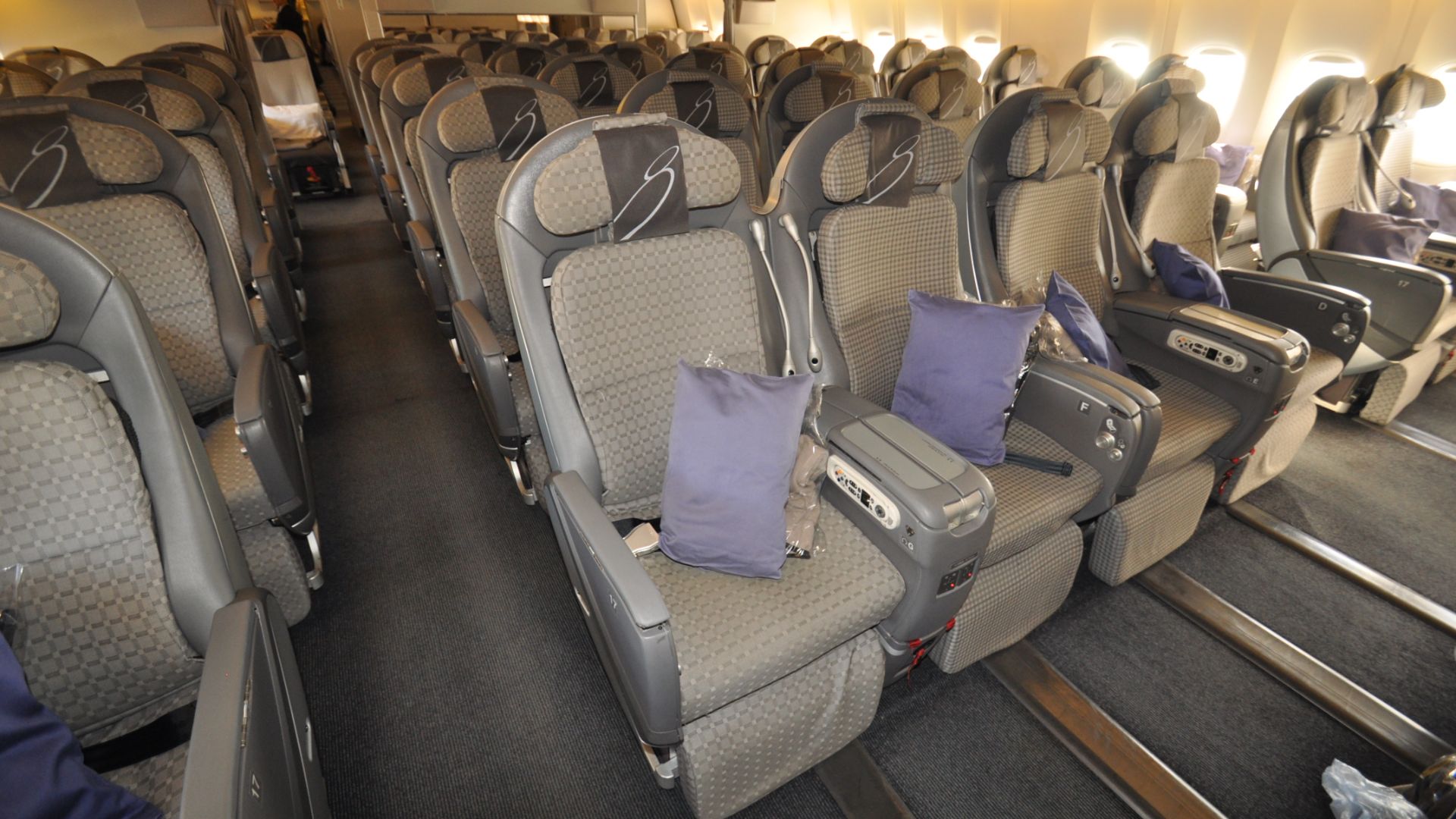
The more common trend is offering “extra-legroom” or “premium economy” seats. They help—but at a price. Inclusivity becomes something you pay for, not something built into the system. For many, that feels less like a solution and more like discrimination.
Where Things Stand Now
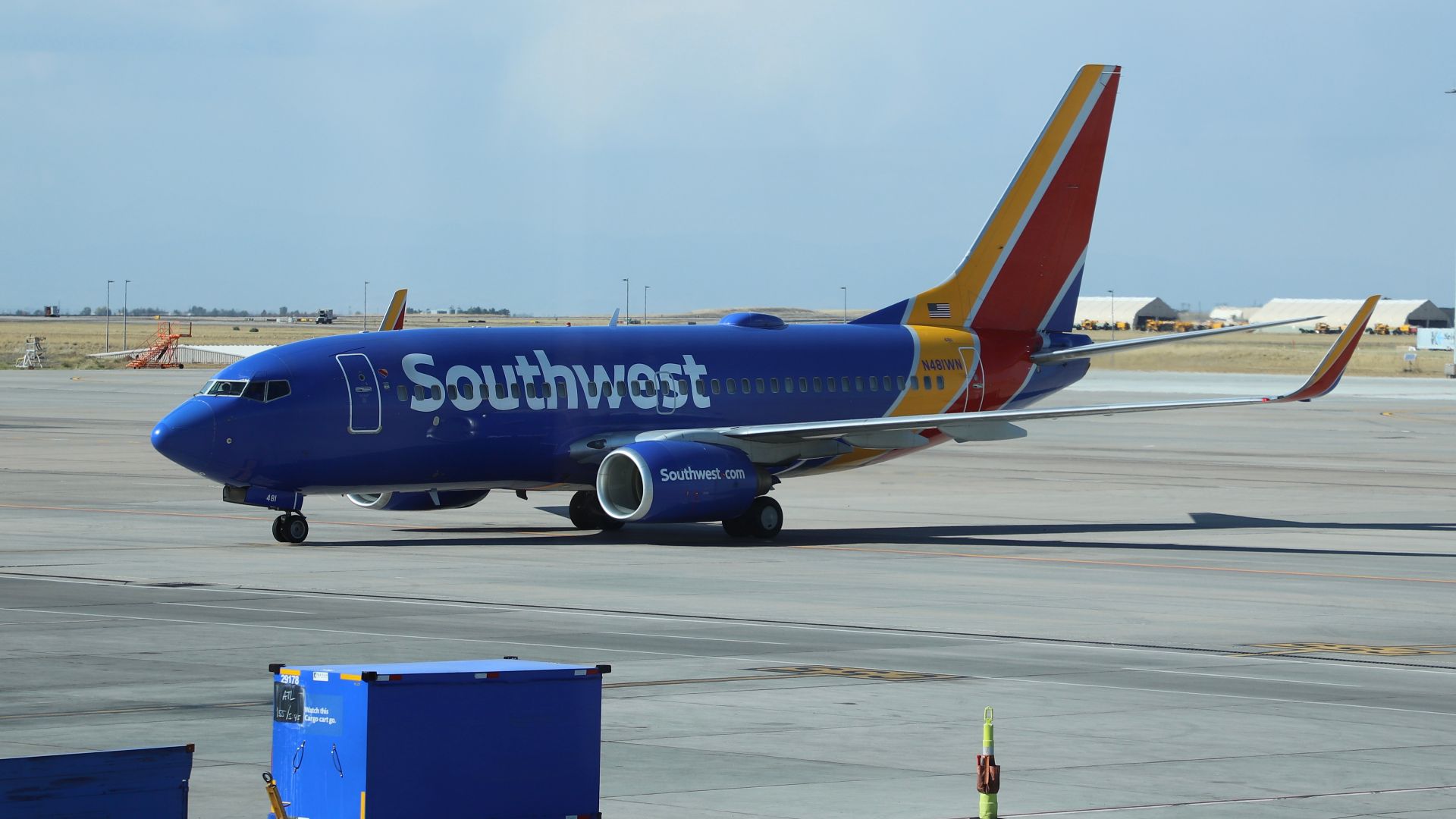
Southwest’s policy change marked the end of an era. What once felt like the most inclusive U.S. airline now looks like the rest. For plus-sized travelers, the skies are narrowing, and their options are shrinking right along with the seats.
The Final Boarding Call
The tension between efficiency and inclusivity remains unresolved. With obesity rates rising worldwide and airline cabins shrinking, the clash will only intensify. Until airlines commit to designing for every body, plus-sized passengers will remain caught between dignity and dollars.
You Might Also Like:
The States With The Highest Obesity Rates—Ranked According To Data