
Welcome to the Border
Americans and Canadians seem culturally similar—but legally, they might as well be different planets. Many everyday habits that feel perfectly normal in the U.S. can actually be illegal north of the border. Here are the surprising things Americans do without thinking that could get them in trouble in Canada.
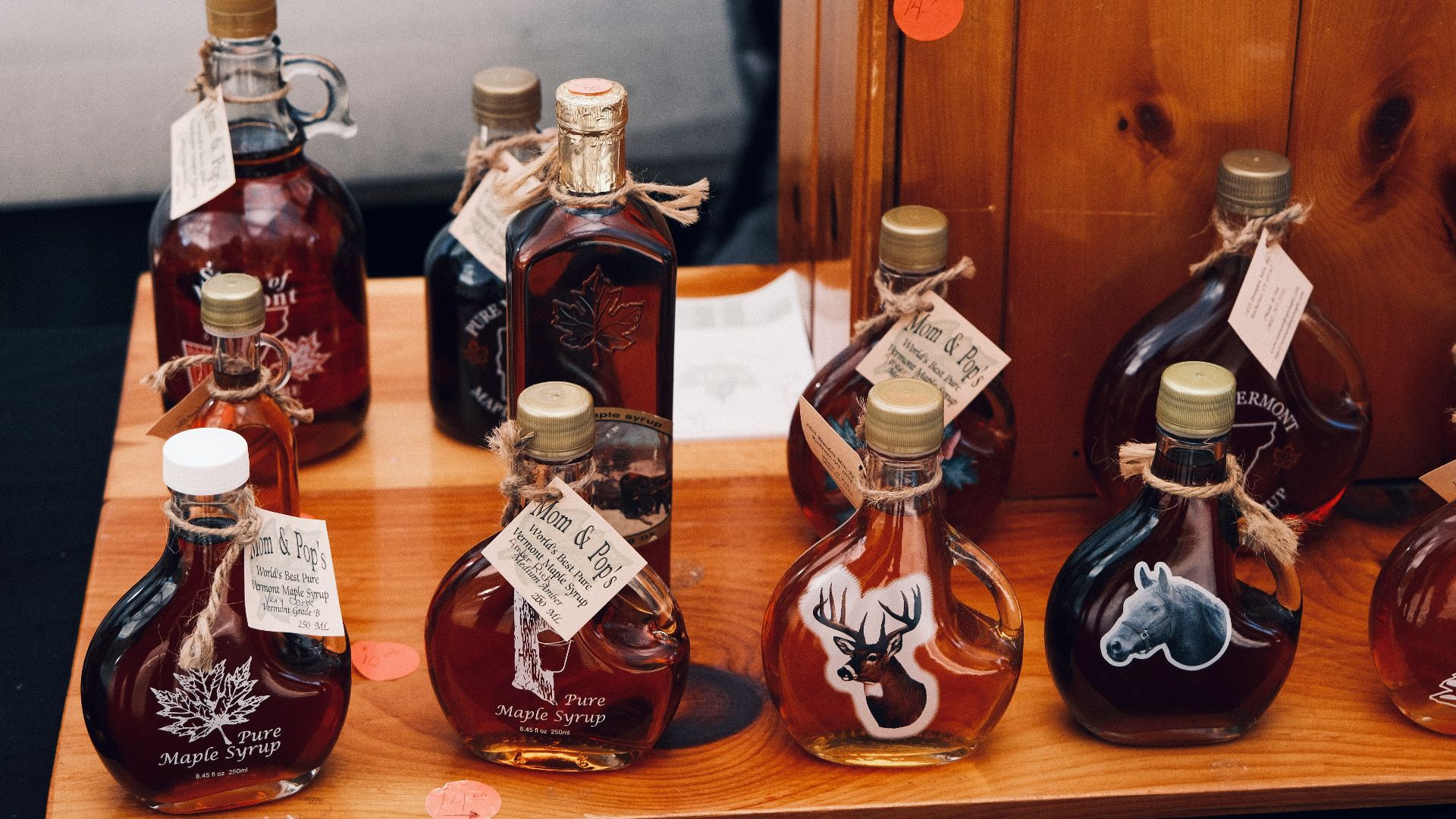
Maple Syrup Law Enforcement (Canada: Very Real, U.S.: Not a Thing)
Canada treats maple syrup like liquid gold—there’s even a strategic reserve, and theft can lead to serious criminal charges. The U.S. has no comparable “pancake crime unit.” Canadians respect syrup sovereignty; Americans are shocked it’s a whole legal category.
Spousal Support & Common-Law Rights (Canada: Automatic After Cohabitation, U.S.: Depends on State)
In many Canadian provinces, living together for a set number of years gives couples spousal rights, including support obligations. In the U.S., most states don’t recognize common-law marriage at all. Canadians can become “married enough” by accident; Americans can cohabitate for decades without gaining legal status.

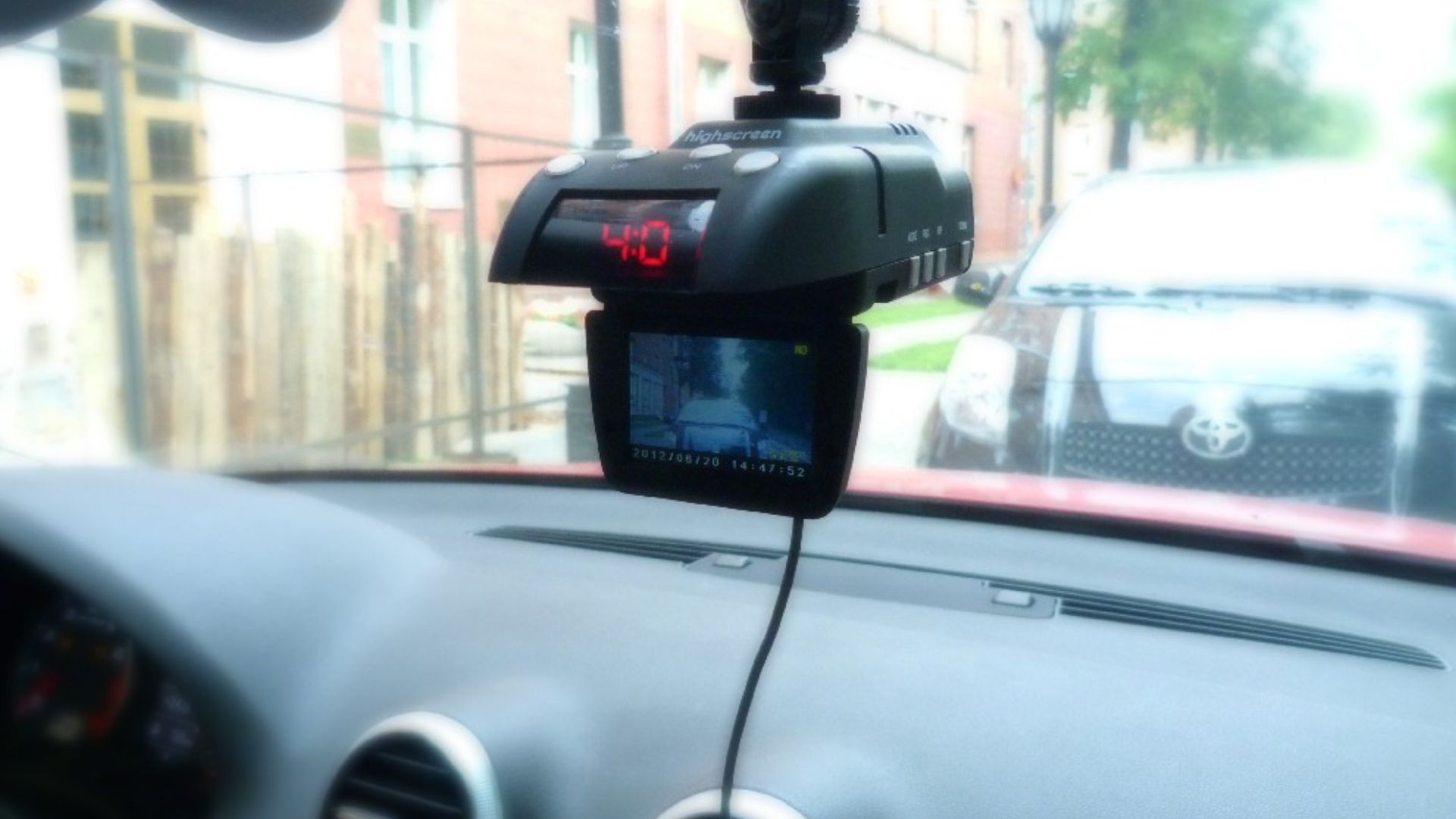
Driving With a Radar Detector (Illegal in Most of Canada)
In the U.S., radar detectors are legal almost everywhere except Virginia and D.C. In Canada, they’re illegal to possess in many provinces, including Ontario, Quebec, and most of the Maritimes. Police can seize the device and issue hefty fines even if the detector wasn’t turned on.
 Sergey solom, Wikimedia Commons
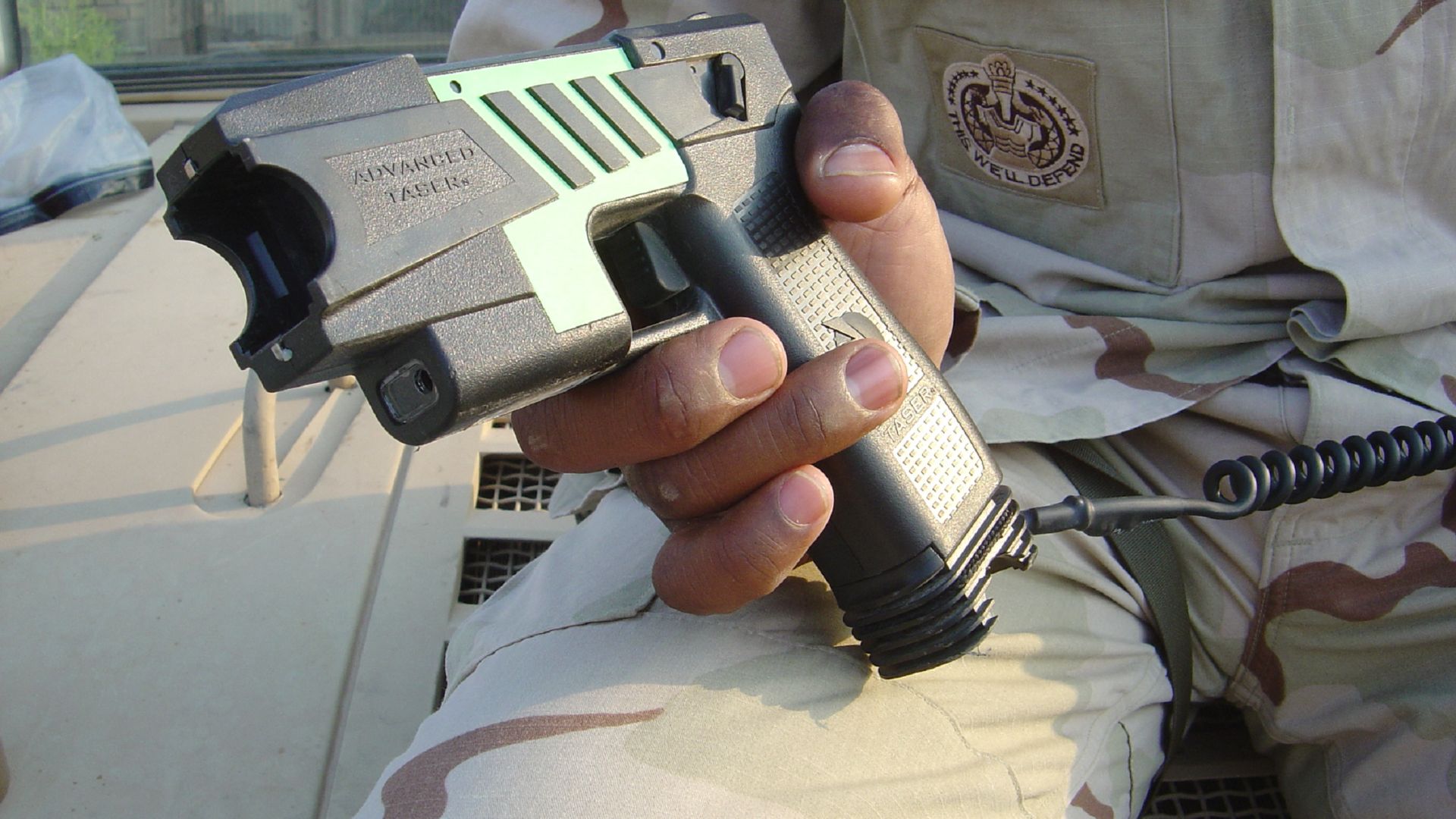
Taser Ownership (Canada: Illegal, U.S.: Widely Legal)
In Canada, stun guns and Tasers are classified as prohibited weapons, meaning civilians can’t own them. In the U.S., most states allow civilian stun gun ownership with minimal restrictions. Canadians rely on “bear spray”; Americans stock personal-defense gadgets like it’s a sport.
 United States military, Wikimedia Commons
Hate Speech Laws (Canada: Criminalized, U.S.: Broadly Protected)
Canada has criminal laws against hate propaganda and publicly inciting hatred against identifiable groups. In the U.S., even offensive or hateful speech is largely protected under the First Amendment unless it crosses into true threats or incitement. Canadians say, “That’s illegal”; Americans say, “That’s constitutional.”

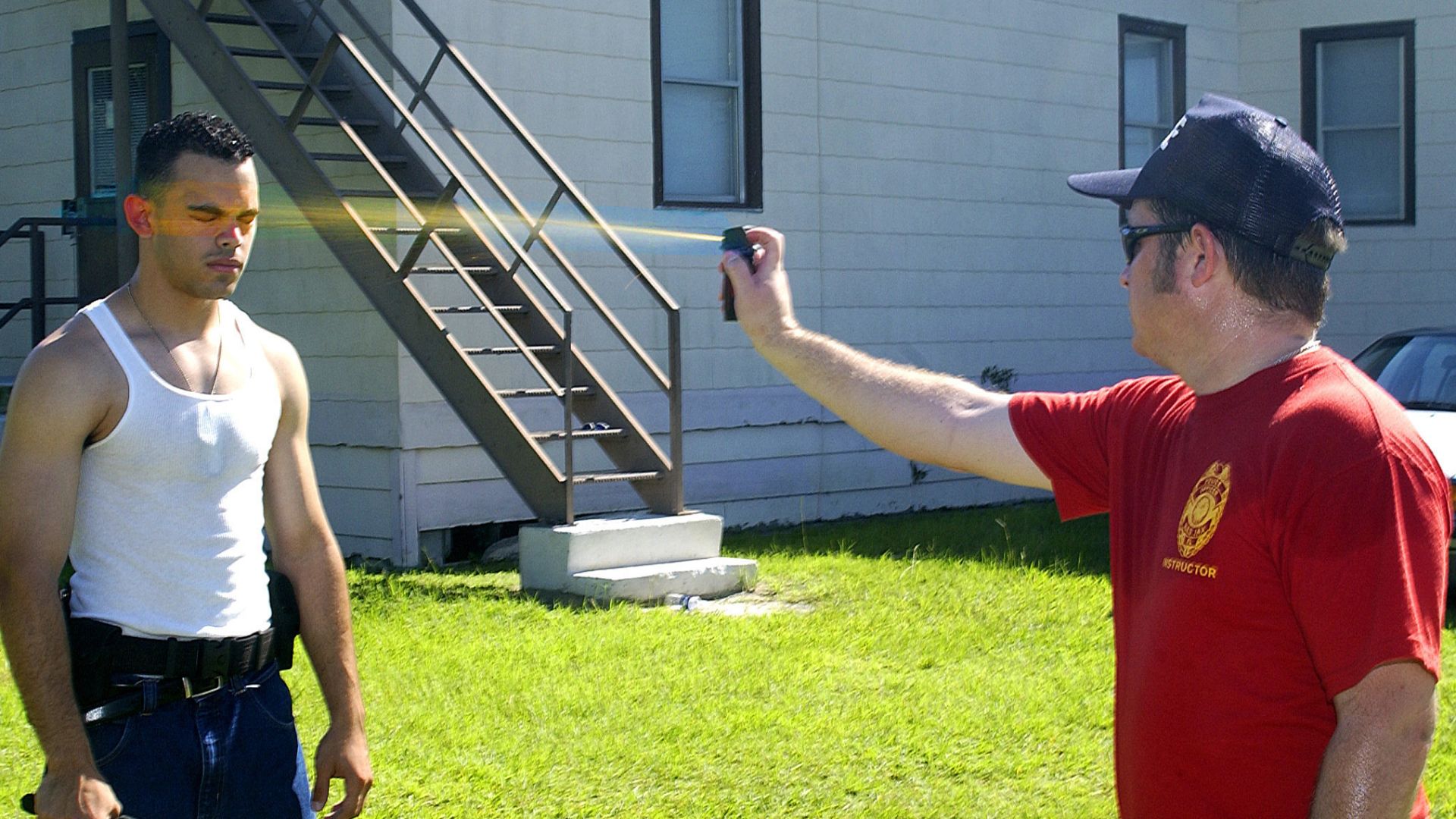
Pepper Spray for Self-Defense (Illegal for People in Canada)
In the U.S., carrying pepper spray for personal protection is completely normal—even encouraged. In Canada, pepper spray is a prohibited weapon unless it’s labeled strictly for animal defense. Carry it for personal safety, and you could face criminal charges.
 Clarck Desire, Wikimedia Commons
Keeping Certain Exotic Pets (Canada: Often Restricted, U.S.: Frequently Allowed)
Americans keep everything from large snakes to exotic lizards to unusual mammals as pets—it’s surprisingly normal in many states. Canada, however, tightly regulates exotic species, and many animals Americans own legally would need to be surrendered at the border. Canada is far stricter about wildlife and invasive risks.

Buying Raw Milk (Illegal for Sale in Canada)
Raw, unpasteurized milk is trendy in parts of the U.S., where state laws often allow farm sales or direct purchases. In Canada, selling raw milk is federally illegal due to food-safety regulations. Americans may sip it for “health benefits”—Canadians have to cross the border to find it.


History's most fascinating stories and darkest secrets, delivered to your inbox daily.
Street Racing or “Exhibition Driving” (Criminal in Canada)
In the U.S., street racing is illegal but sometimes treated as a traffic offense unless someone is hurt. In Canada, “stunt driving” laws are much harsher—rapid acceleration, squealing tires, or even speeding excessively can lead to immediate license suspension, vehicle impoundment, and criminal charges.

Burn Bans & Outdoor Fires (Strictly Enforced in Canada)
Americans often light backyard fire pits or campfires casually, depending on local rules. In Canada, burn bans—especially during summer wildfire seasons—are taken very seriously. Even small recreational fires can lead to fines, and enforcement is aggressive to prevent wildfire outbreaks.
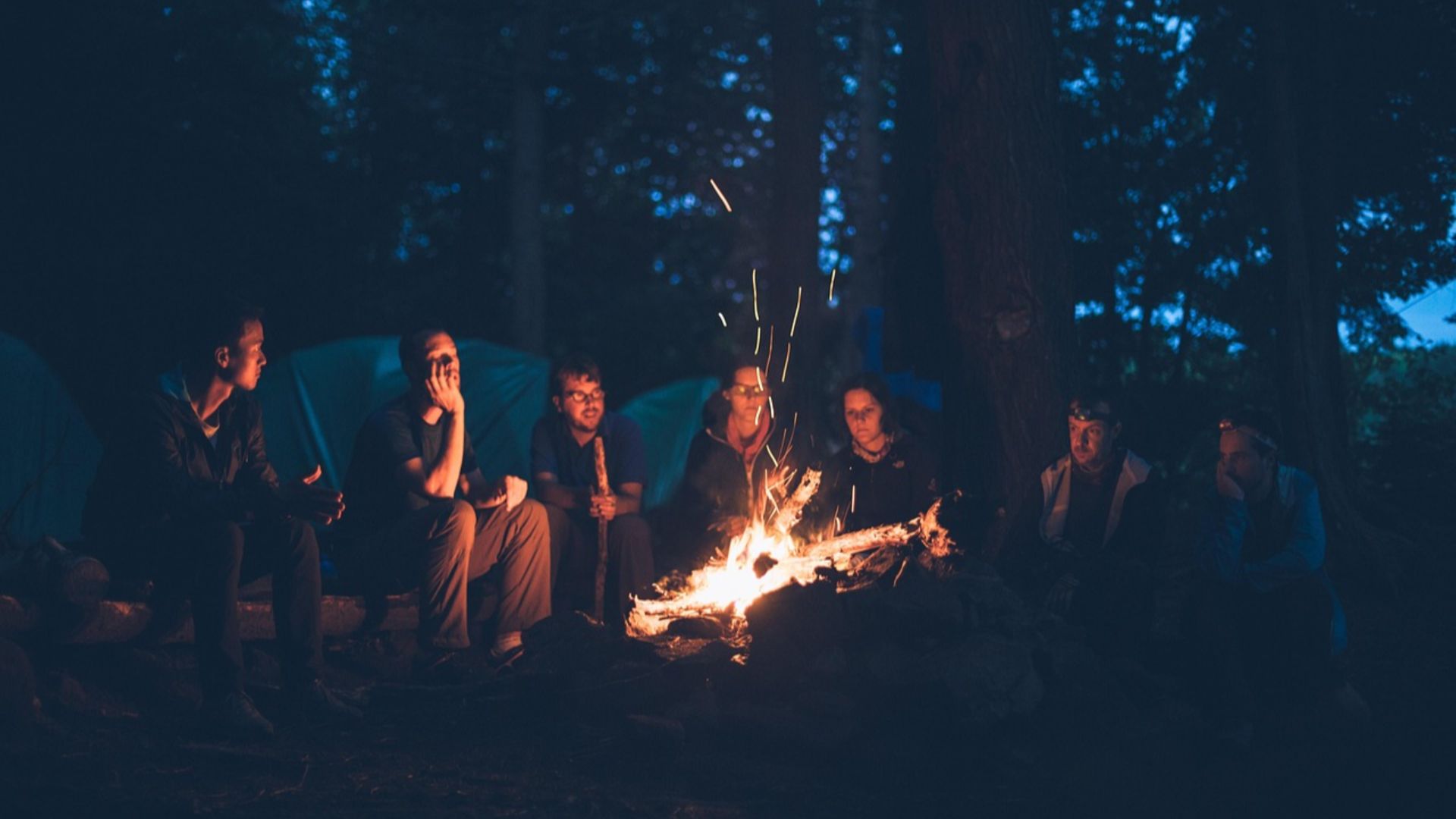
Metal Detectors on Beaches & Parks (Often Restricted or Permit-Only)
In the U.S., metal detecting on public beaches and parks is a casual weekend hobby. In Canada, it’s often restricted and sometimes requires a municipal or archaeological permit. Digging up “just a quarter” could technically violate heritage protection laws.
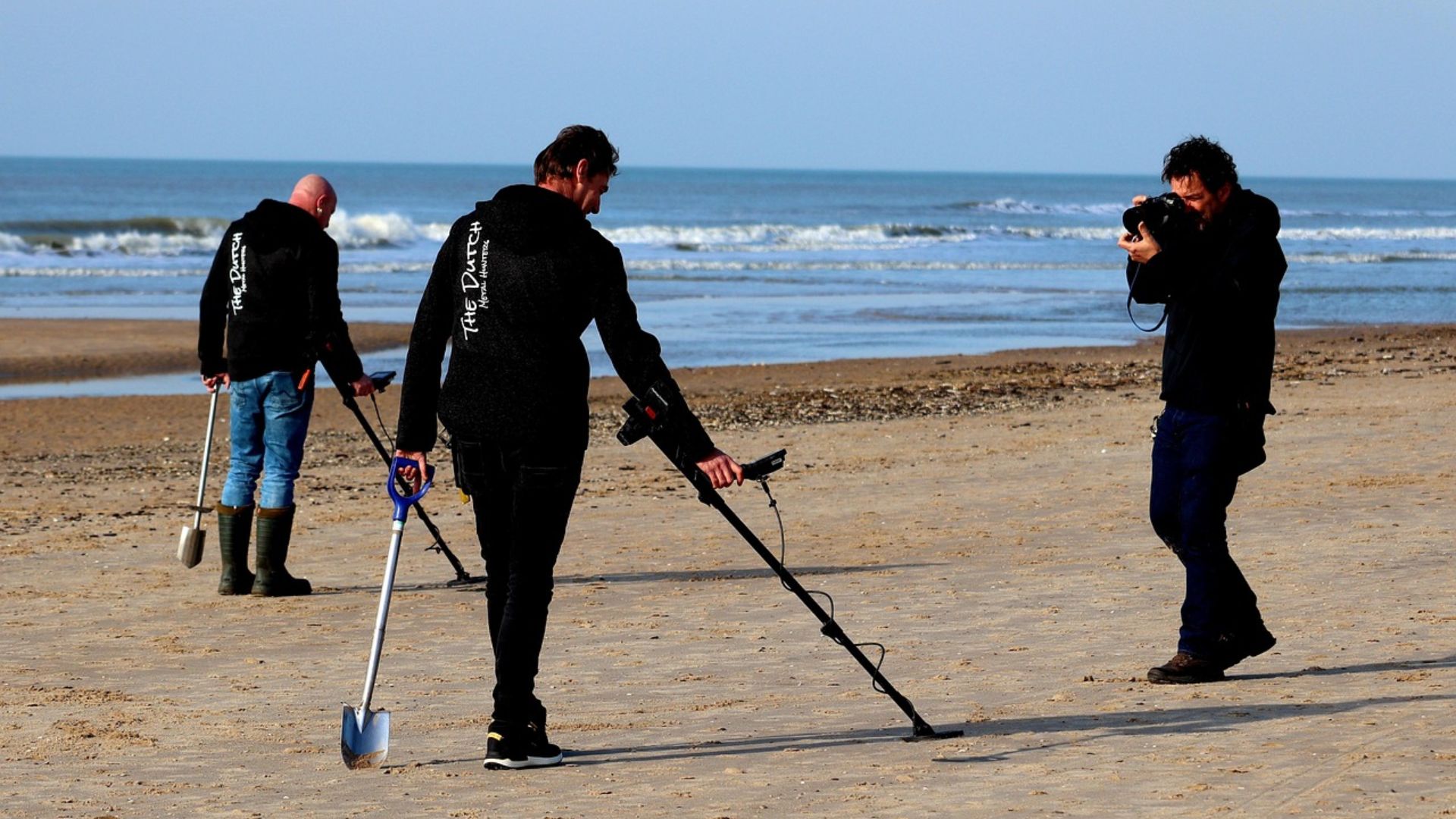
Buying Spray Paint as a Minor (Restricted in Parts of Canada)
American teens can often buy spray paint without a second thought. In Canada, several provinces and municipalities require ID to purchase it because of graffiti bylaws. A 17-year-old grabbing a can for an art project might get denied at the counter.
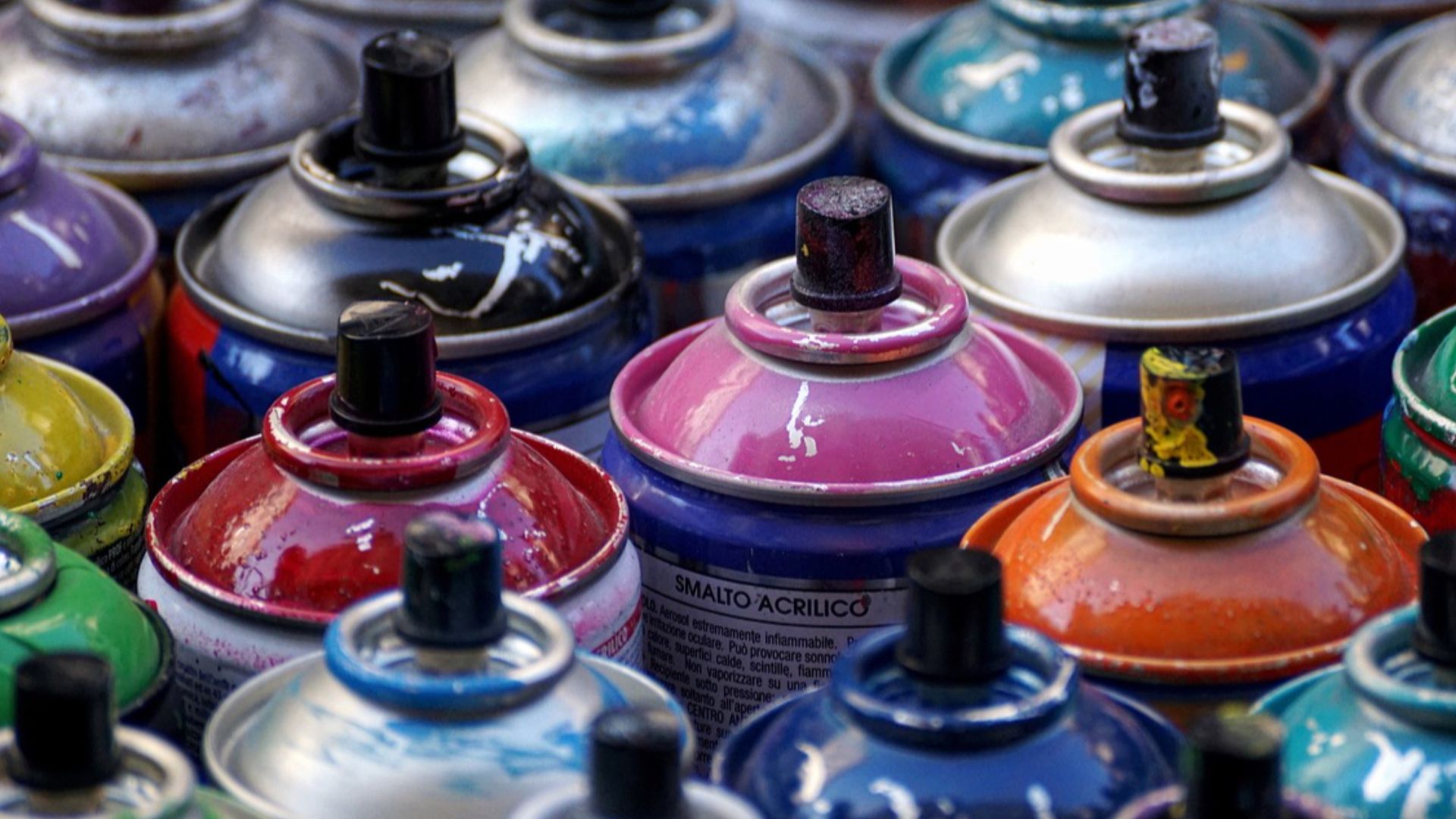
Driving With a Cracked Windshield (Ticketable in Many Provinces)
In the U.S., drivers often ignore windshield cracks for months. In Canada, many provinces treat them as safety hazards—especially if the crack is in the driver’s line of sight. A small crack that seems harmless in the U.S. can earn you a roadside ticket in Canada.
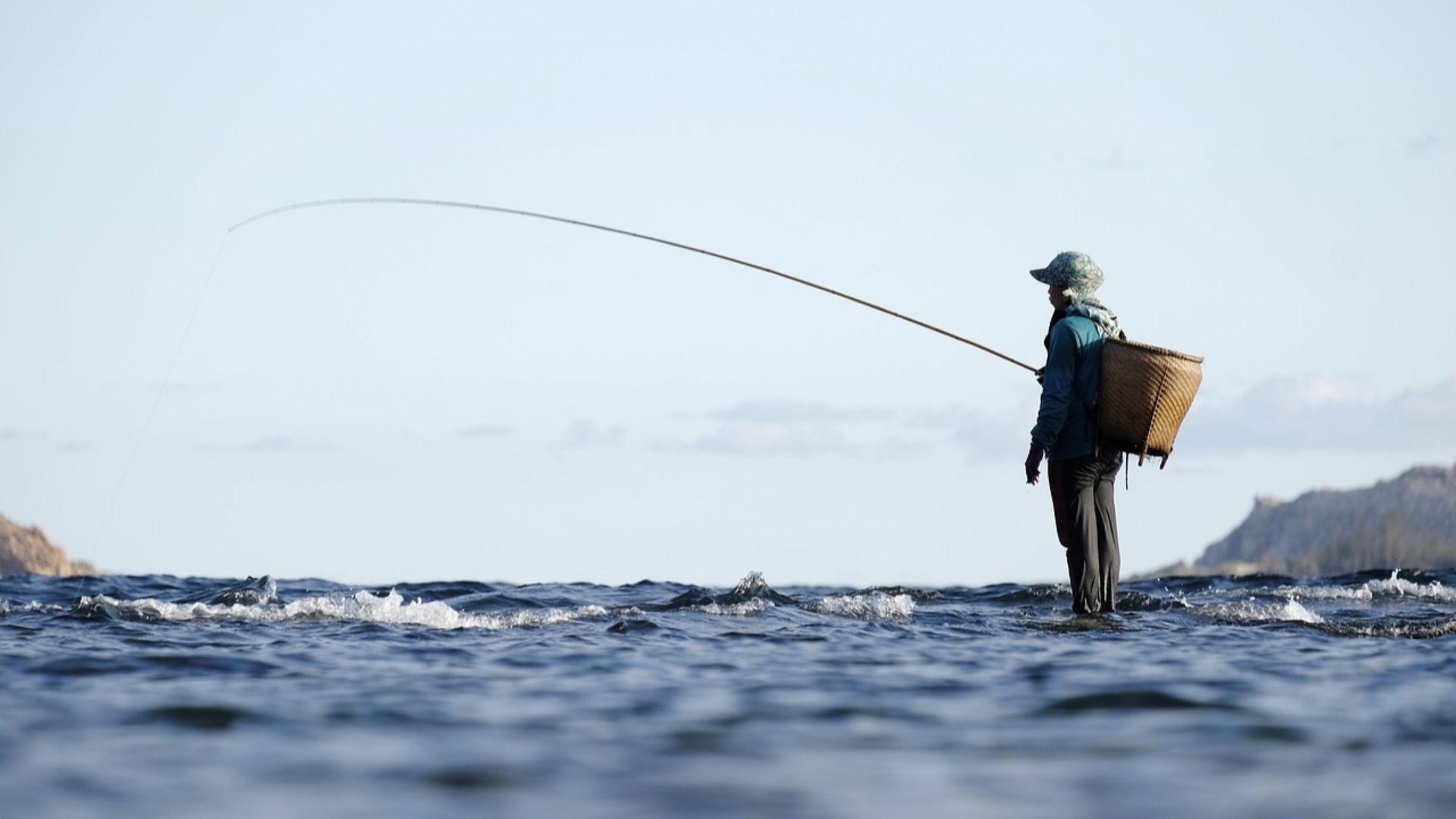
Fishing Without a Barbless Hook (Illegal in Many Canadian Waters)
American anglers use barbed hooks everywhere. In Canada, many lakes and rivers require barbless hooks to protect fish populations. Forget to pinch your barbs and a conservation officer can ticket you on the spot.
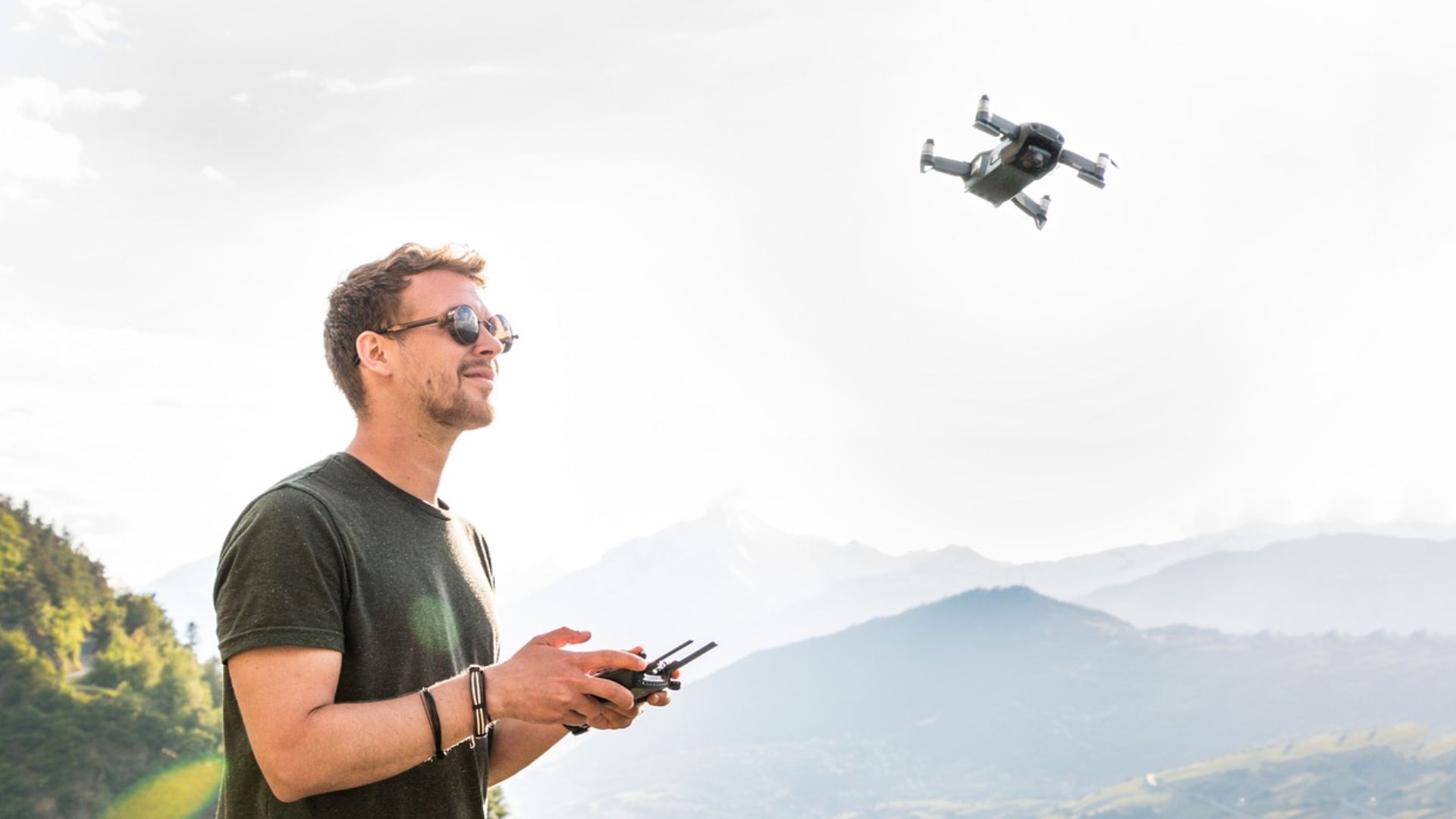
Flying Drones Near People or Buildings (Strictly Regulated in Canada)
Americans fly drones recreationally with far fewer rules. In Canada, drones over 250 grams require registration, operator certification, and controlled distance from people and structures. A casual American drone hobbyist is almost guaranteed to break a Canadian rule accidentally.
Egg Sizes and Grades (Canada: National Standards, U.S.: State-by-State Differences)
Canada uses strict federal rules for egg sizes—“large” means the same thing nationwide. In the U.S., grading exists but varies more by state, meaning a “large” egg in one region might be slightly different in another. Canadians get consistency; Americans get regional egg surprises.

Milk Packaging (Canada: Bags Allowed, U.S.: Bagged Milk Basically Unused)
Ontario and parts of Canada famously sell milk in bags. The U.S. dairy industry—built around cartons and jugs—simply doesn’t use them, even though they're not illegal. Americans mock the bags; Canadians mock the jugs. It’s an unresolvable dairy standoff.

Buying Booze in Grocery Stores (Limited in Canada)
Americans grab wine or hard liquor right off the grocery shelf without a second thought. In many Canadian provinces, alcohol is sold only in government-run or specialty stores. Wander into a Canadian supermarket looking for vodka and you’ll find…bread.
 Rishin Chatterjee, Wikimedia Commons
Right Turn on Red (Illegal in Montreal)
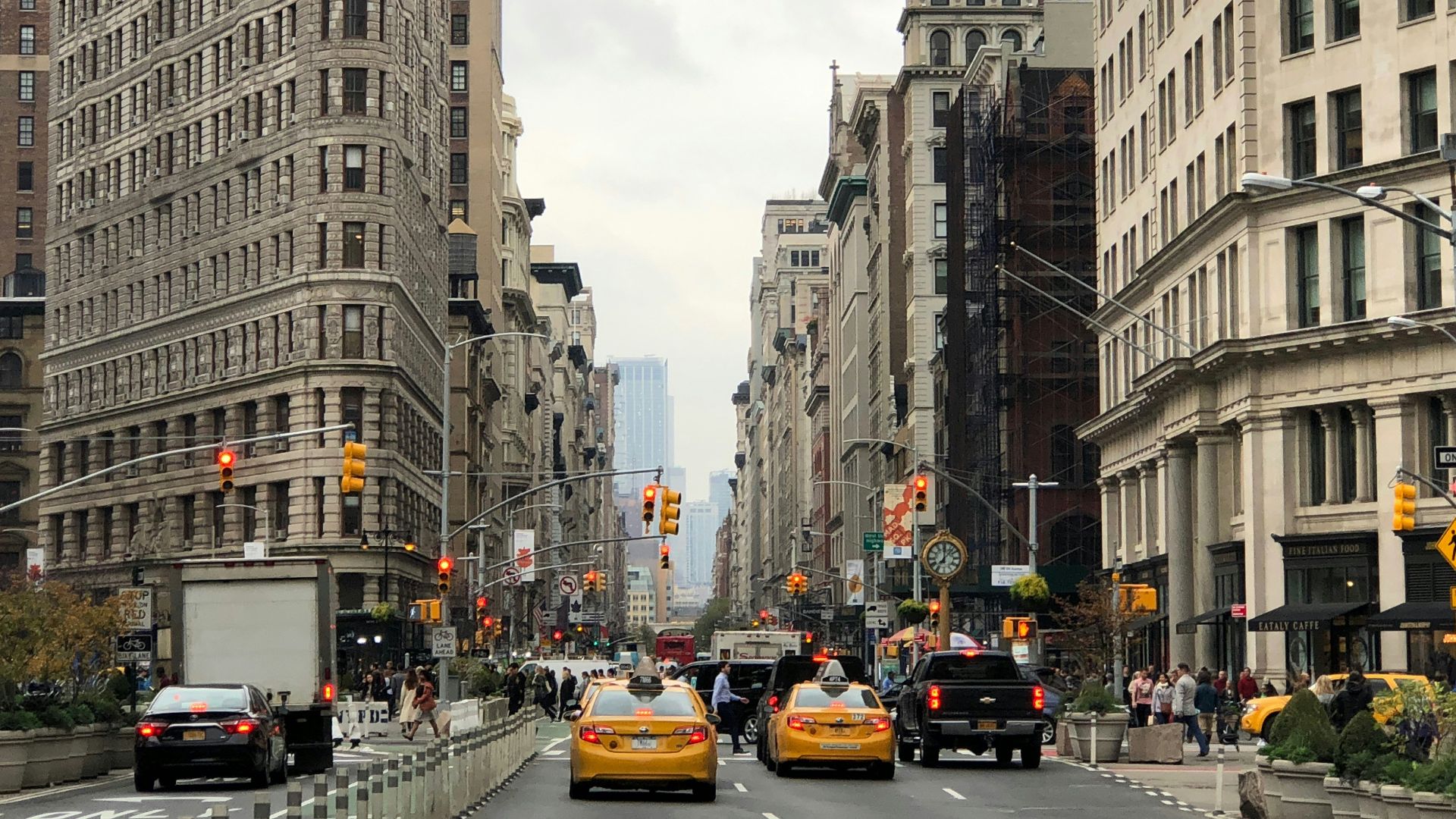
Americans turn right on red lights constantly—it’s practically cultural. But in Montreal, right turns on red are banned completely. Many American drivers don’t realize they could get ticketed the moment they cross into the city.
Holding a Cell Phone While Driving (Strict Nationwide Ban in Canada)
In the U.S., distracted driving laws vary wildly. In Canada, every province bans the use of handheld devices while driving, and the fines are steep. What feels like “just checking directions” in the U.S. can cost you hundreds of dollars in Canada.

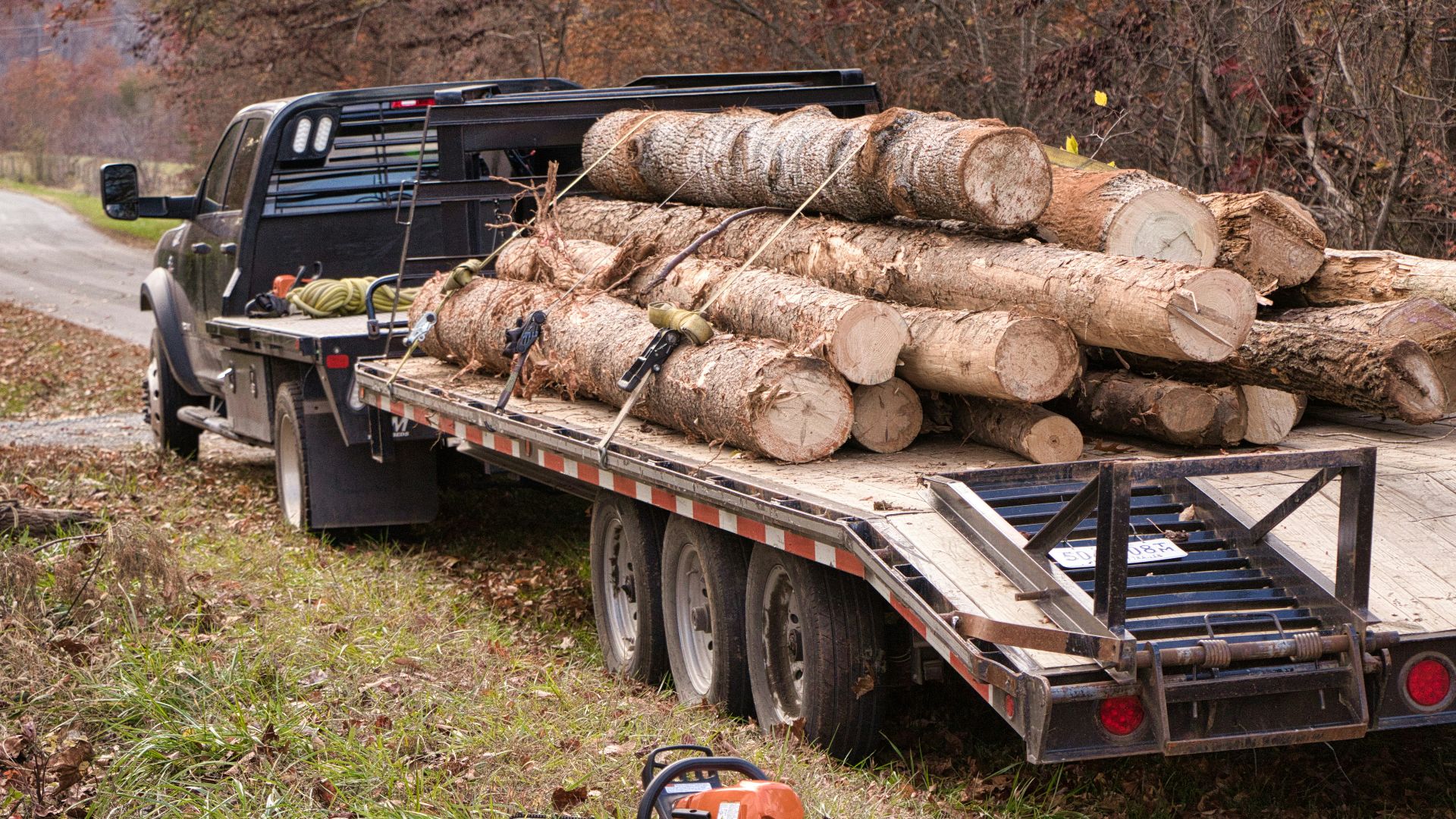
Transporting Firewood Across Borders (Often Illegal in Canada)
Americans often toss firewood into their trunk for camping trips. In Canada, moving untreated firewood across provincial or federal borders can be illegal because of invasive pests. Canadians treat firewood like biohazard cargo; Americans treat it like camping gear.
Posting Defamatory Content Online (Much Easier to Sue in Canada)
U.S. online culture can be wild, with people posting bold accusations freely. In Canada, defamation law makes it much easier to sue someone for libel—even for online posts. Americans may think they’re “just venting”; Canadians see a potential lawsuit.

You Might Also Like:
Why Do Americans Traveling In Europe Put Canadian Flags On Their Backpacks?
The Countries Doing The Most Damage To The Planet—Ranked According To Data