A Series Of Defining Moments
The struggle for civil rights in the United States was shaped by a series of defining moments that challenged entrenched racial discrimination and propelled the nation toward greater equality. From groundbreaking legal decisions to infamous acts of violence to activism and mass protests, we revisit five key moments in the struggle that changed America.
 Associated Press, Wikimedia Commons, Modified
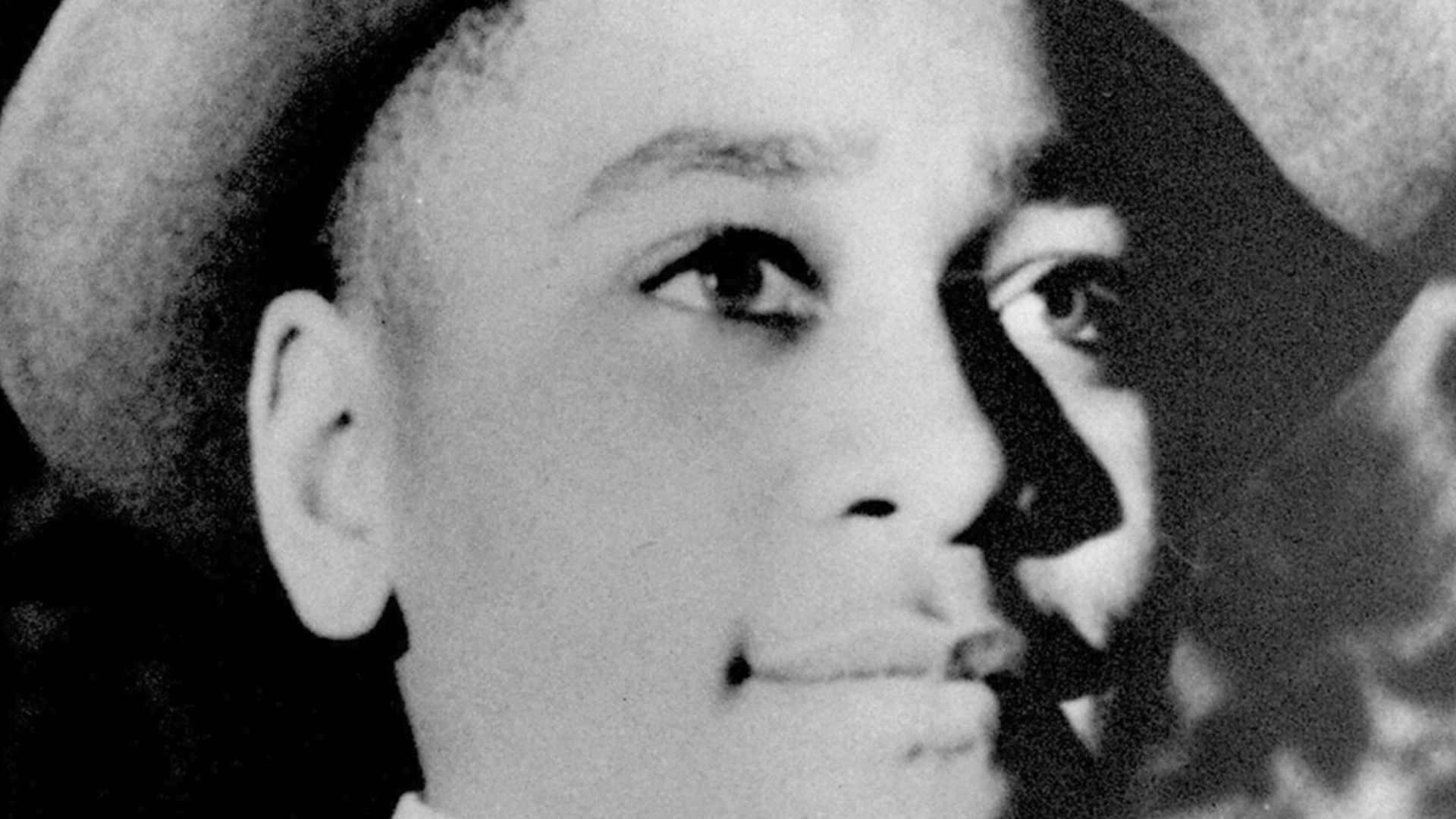
1955: Emmett Till
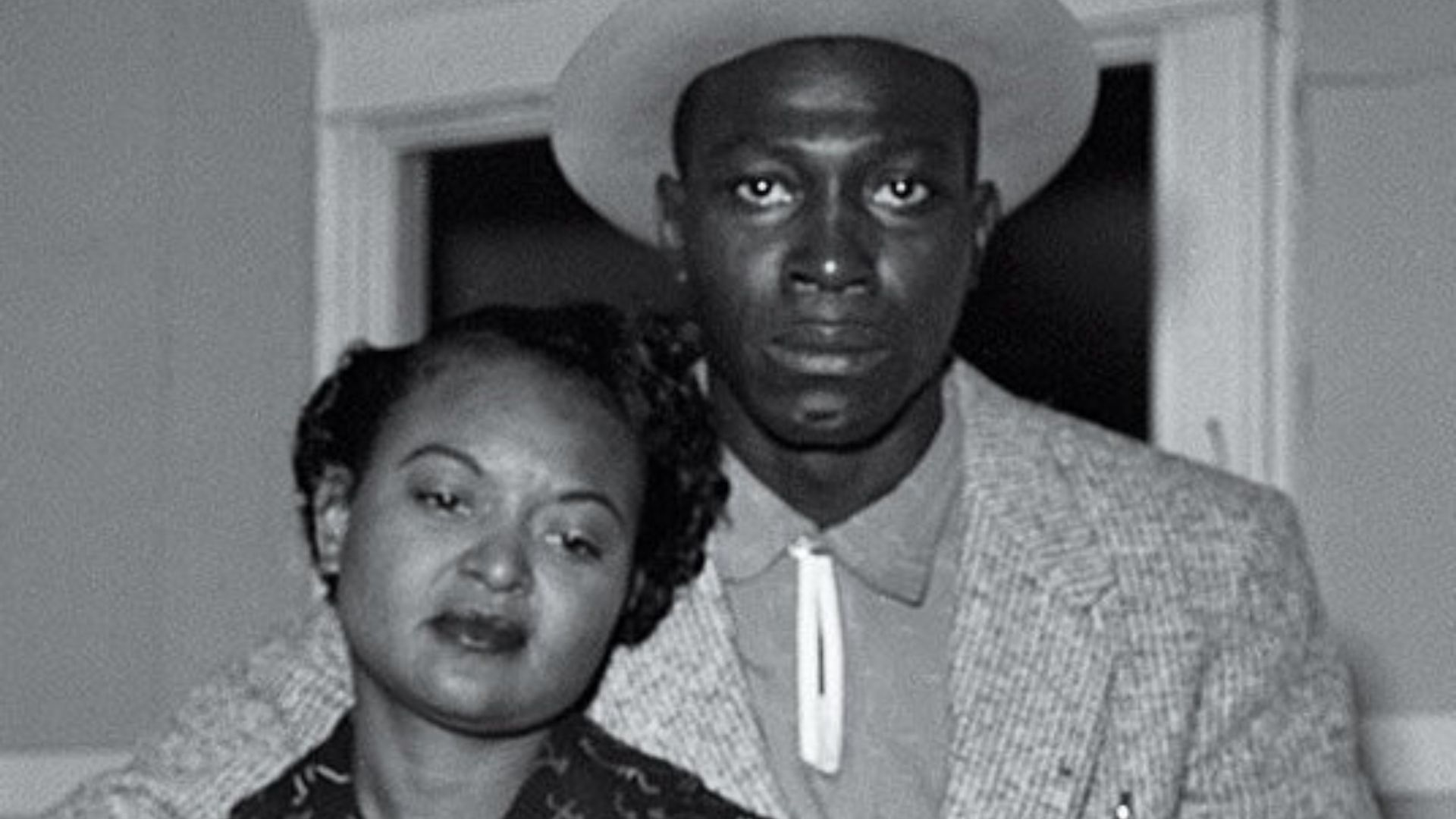
In 20 August 1955, Mamie Till embraced her 14-year-old son, Emmett, one final time, before ushering him on to the train that would take him out of his native Chicago into the heart of the Deep South. He was travelling to Mississippi, intending to soak up the last of the summer sun and visit his extended family, before returning home.
 Mamie Till Bradley, Wikimedia Commons
He Entered A Different World
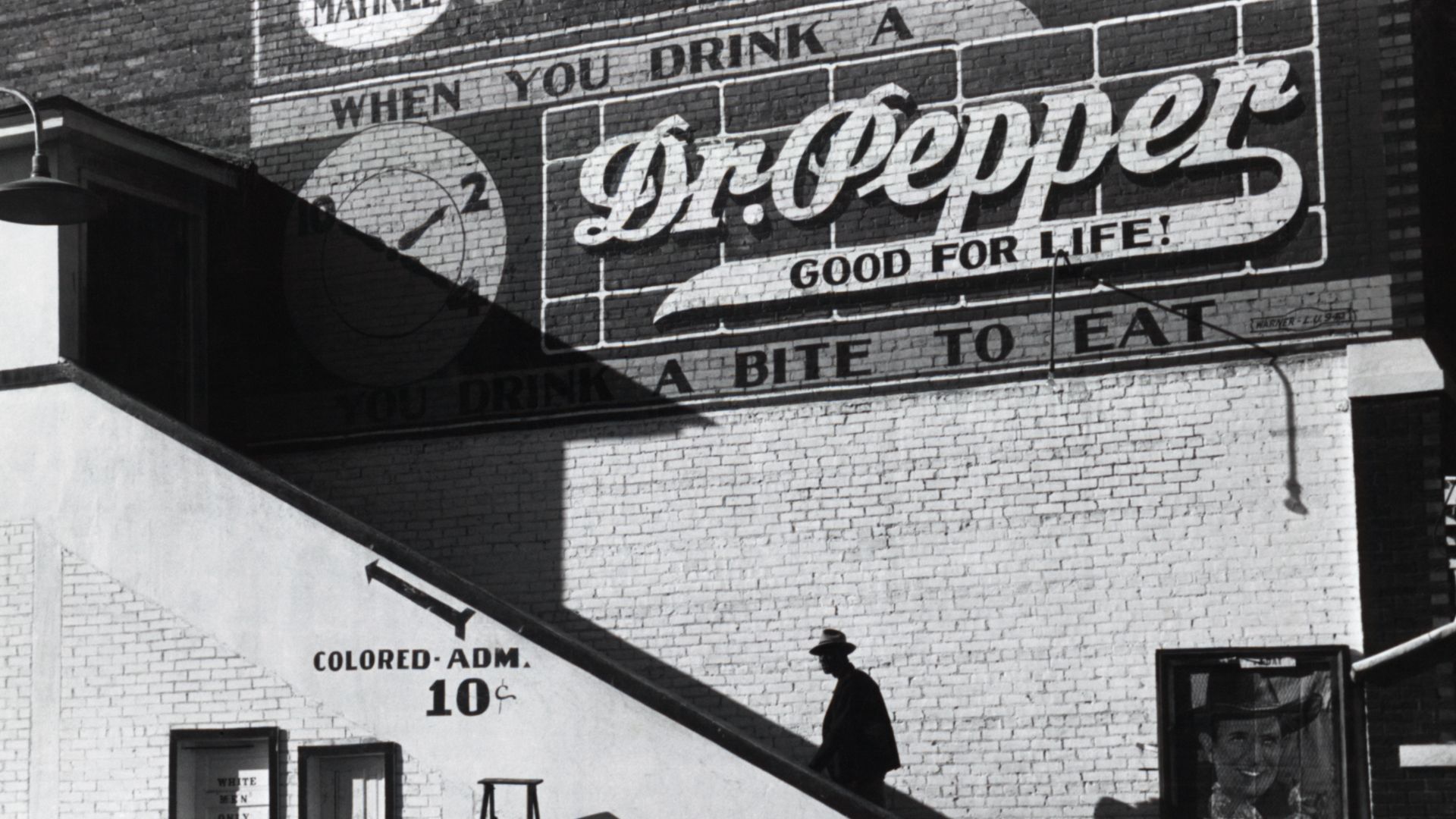
As Emmett’s train travelled south, he was entering a different world. Devery Anderson, the author of a biography of Till, told me: “In Chicago and in the north, there was certainly still racism. But the difference between the north and the south was that in the south it was done by statute.”
 Marion Post Wolcott, Wikimedia Commons
Land Of The Jim Crow Laws
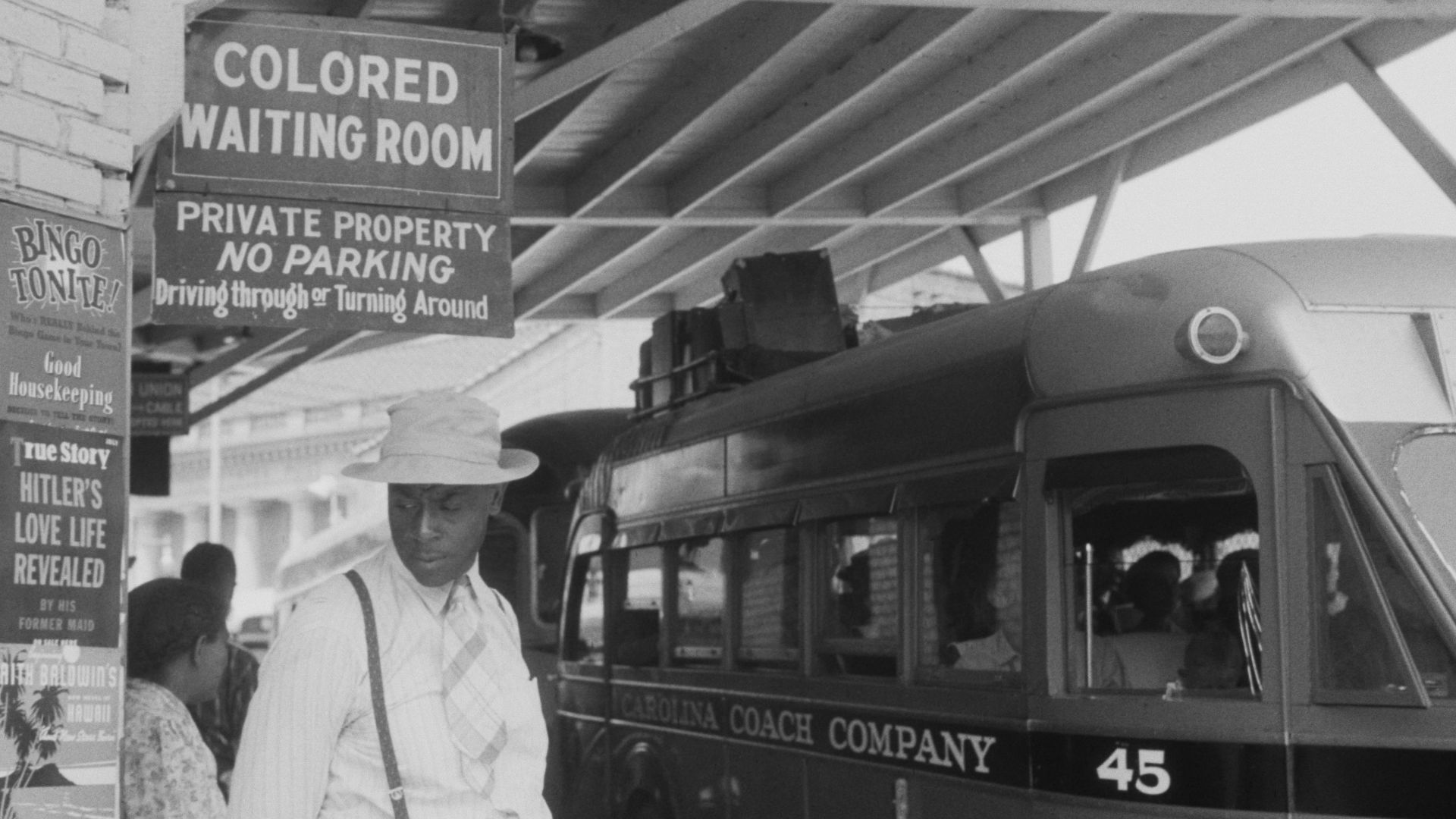
For decades, the southern states had been the land of the Jim Crow laws, where segregation in all aspects of life was legally sanctioned. In 1896, this practice had been rubber stamped at the highest federal level, as the US supreme court had ruled that providing “separate but equal” facilities to white and black Americans was constitutional.
 Jack Delano, Wikimedia Commons
It Was All-Consuming
However, this meant far more than simply restricting what water fountains people could drink at, or what restaurants they could frequent. Adriane Lentz-Smith, associate professor of history at Duke University, says: “Jim Crow was sending your child to the store and not knowing if they were going to come back home. It was getting killed because you stepped into an elevator without realising a white woman was in there, and were accused of rape. People need to understand how ghastly and all-consuming it was.”
 Interim Archives, Getty Images
A Fatal Encounter
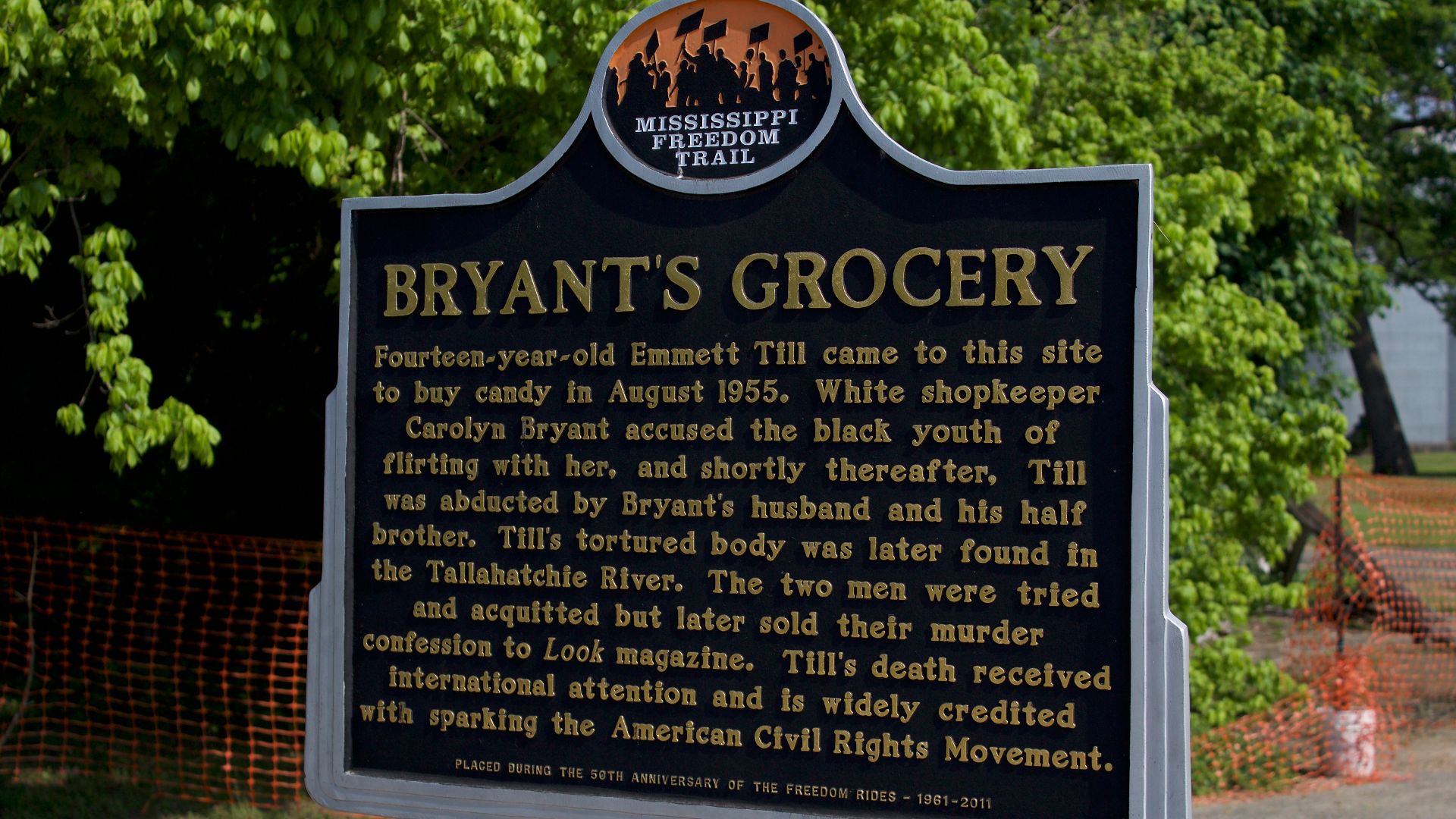
On 24 August Emmett Till and his cousins drove to the Bryant Grocery & Meat Market, in the town of Money, Mississippi. The details of what happened when Emmett stepped inside the grocery store remain hazy, as the eyewitness accounts differ drastically. However, Anderson – who has pored over the various testimonies – says that after leaving the store, Emmett whistled at the white store clerk, Carolyn Bryant, which violated southern social protocols. This drove her into such a rage that she went in search of a gun. The teenagers fled – but Carolyn didn’t forget what Emmett had done.
 Eames Heard, Wikimedia Commons
In The Dead Of Night
Three days later, in the dead of night, a group of men dragged the 14-year-old boy out of bed and bundled him into a truck. They then beat him, shot him, and tossed his body into the Tallahatchie river. He was found several days later.
 Fredlyfish4, Wikimedia Commons
Part Of A Horrific History
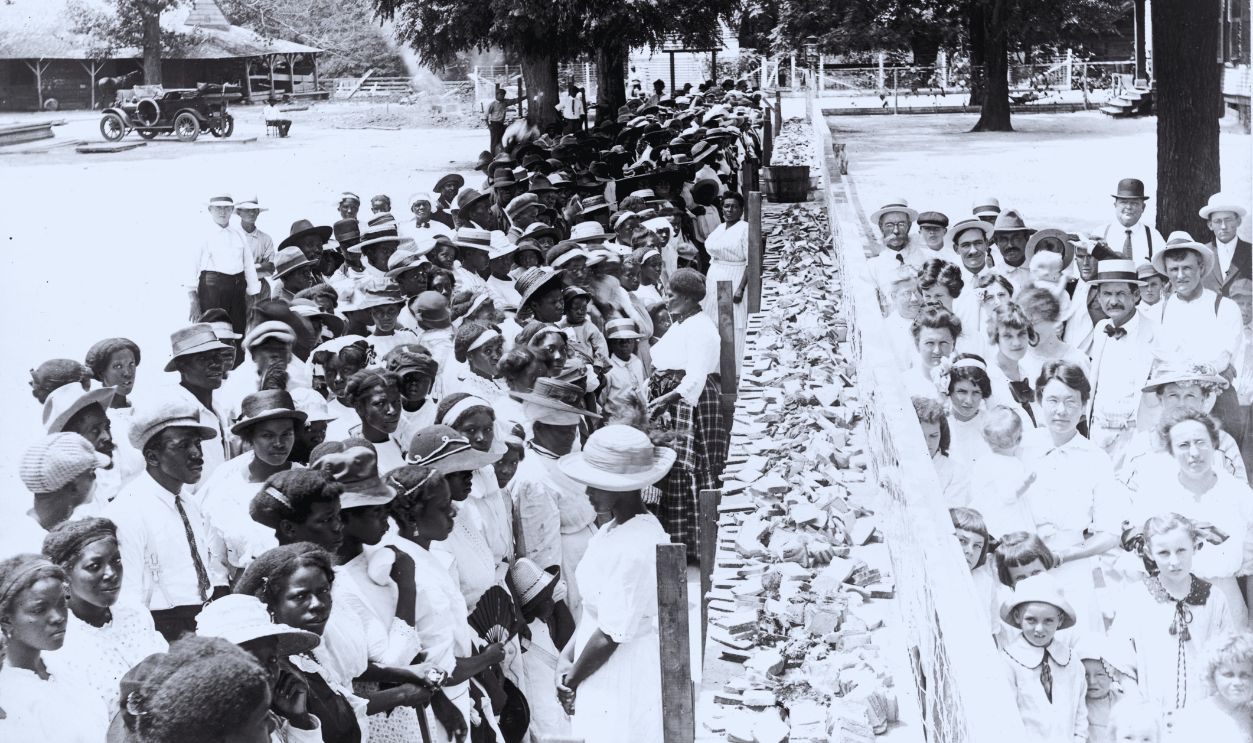
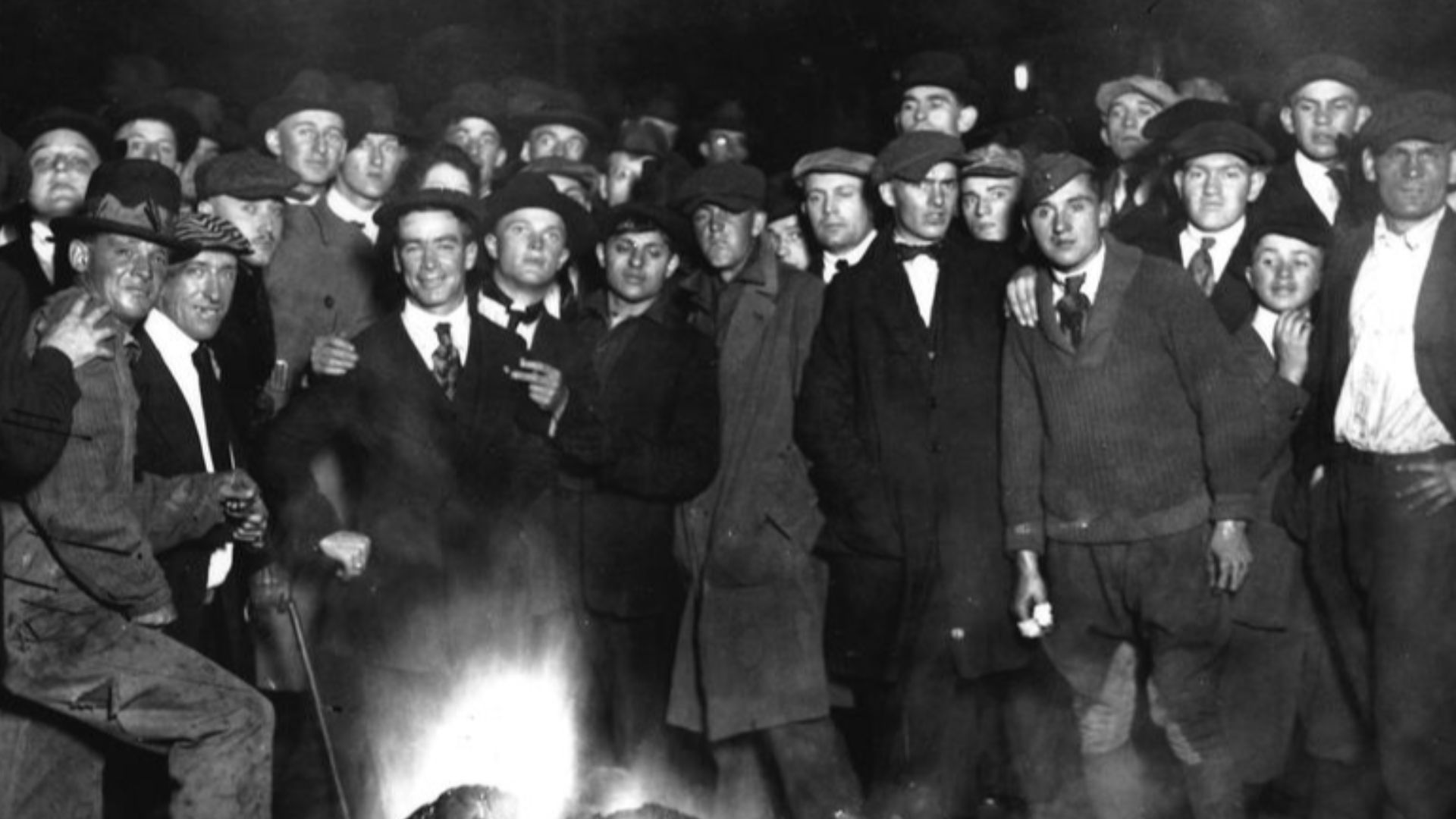
Emmett’s murder was part of a horrific history of lynchings in the south, with Lentz-Smith noting that lynchings were akin to “carnivals or county fairs, with people selling lemonade and taking away pieces of bodies as souvenirs”.
 University of Washington, Wikimedia Commons
She Refused To Hide Him
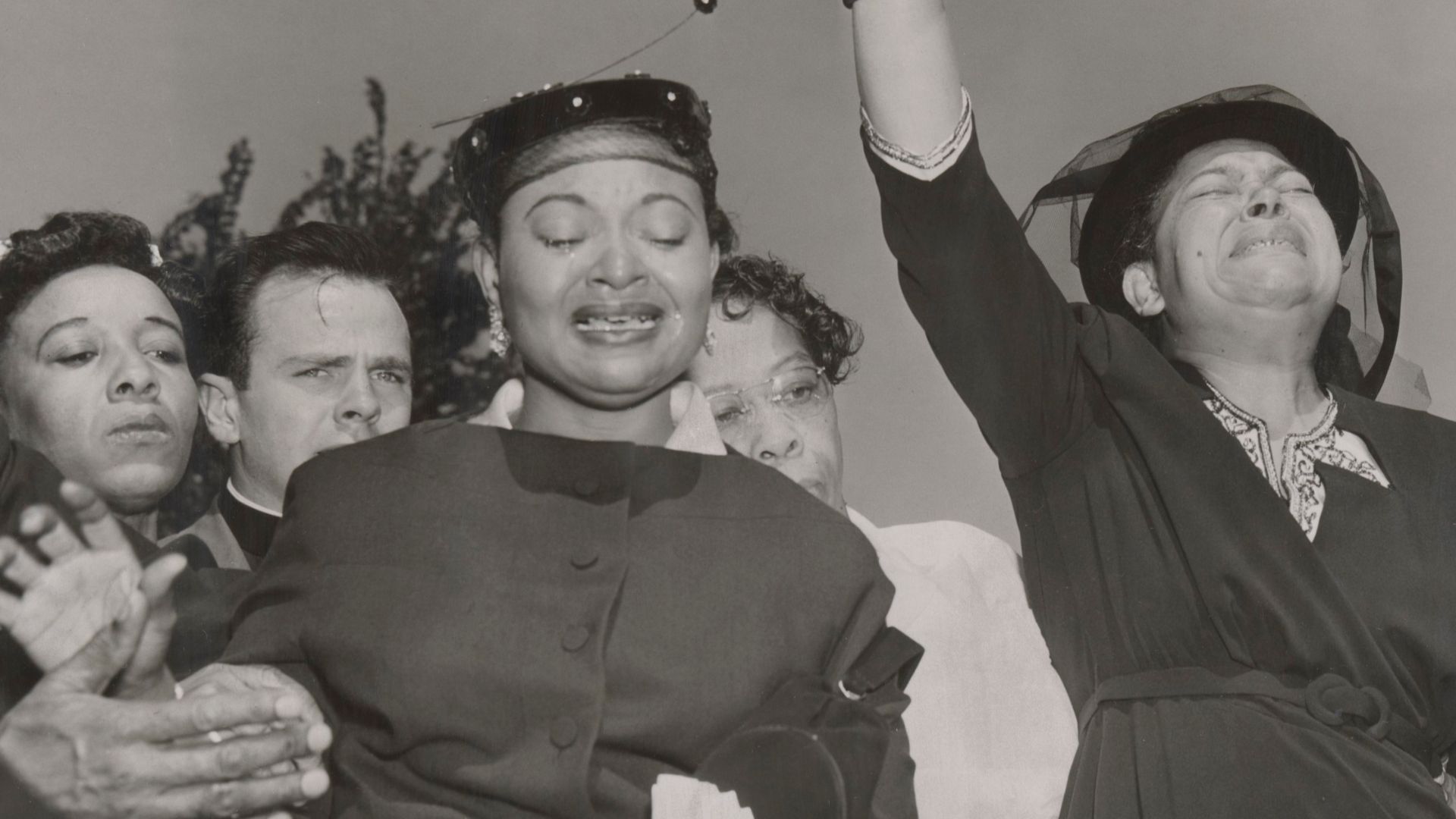
So why did Emmett’s fate in particular help bring about the civil rights movement? Anderson explains that Emmett’s mother, Mamie Till, was instrumental. When Mamie saw her son’s body, she was determined not to hide him away. Instead she insisted on having an open casket, and displayed his body for five days. In that time Anderson says, “Tens of thousands of people filed past the casket, and saw in person what had been done. Mamie was able to put southern racism on display in a way that nobody ever had.”
 David Jackson, Wikimedia Commons
National Outrage
As the press got hold of the story, people across America and beyond were horrified by Emmett’s fate. In late September 1955, their outrage reached a fever pitch, when the two men who had led the attack – Carolyn’s husband, Roy Bryant, and his half-brother JW Milam – were acquitted of murder by an all-white jury. According to Anderson: “After the injustice of Emmett Till, people needed something to channel all their anger and energy into.”
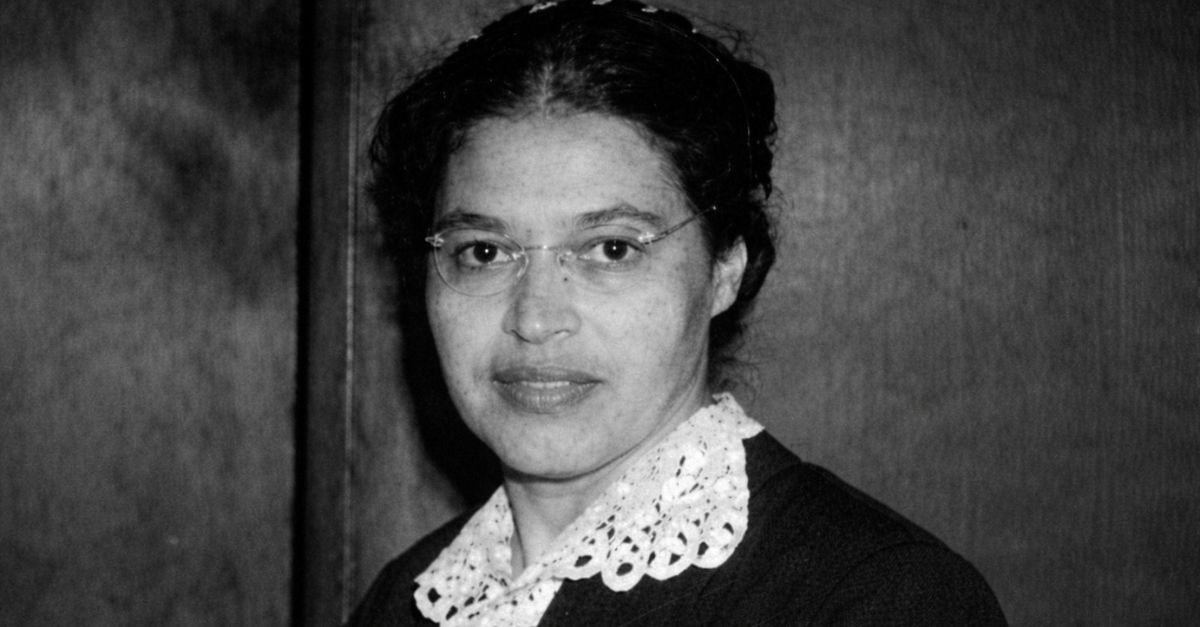
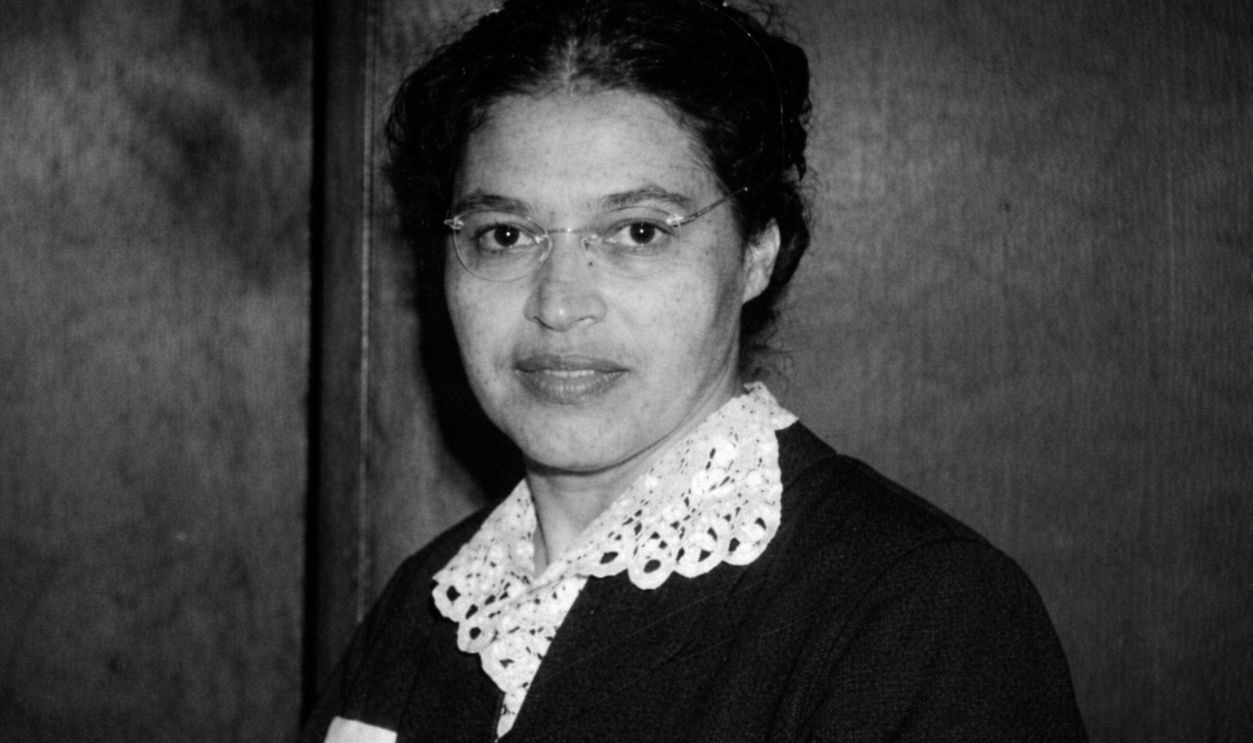
1955: Rosa Parks
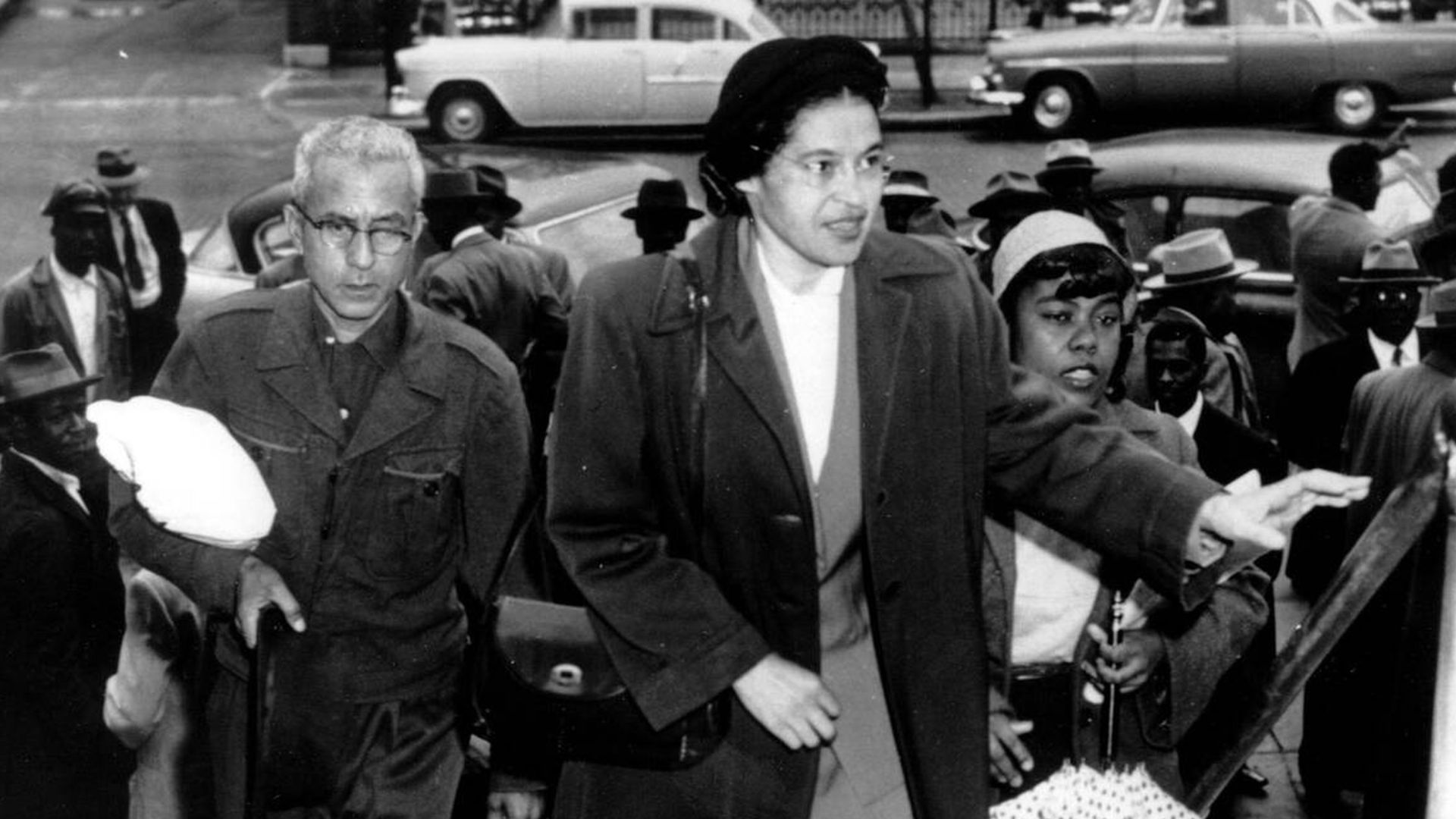
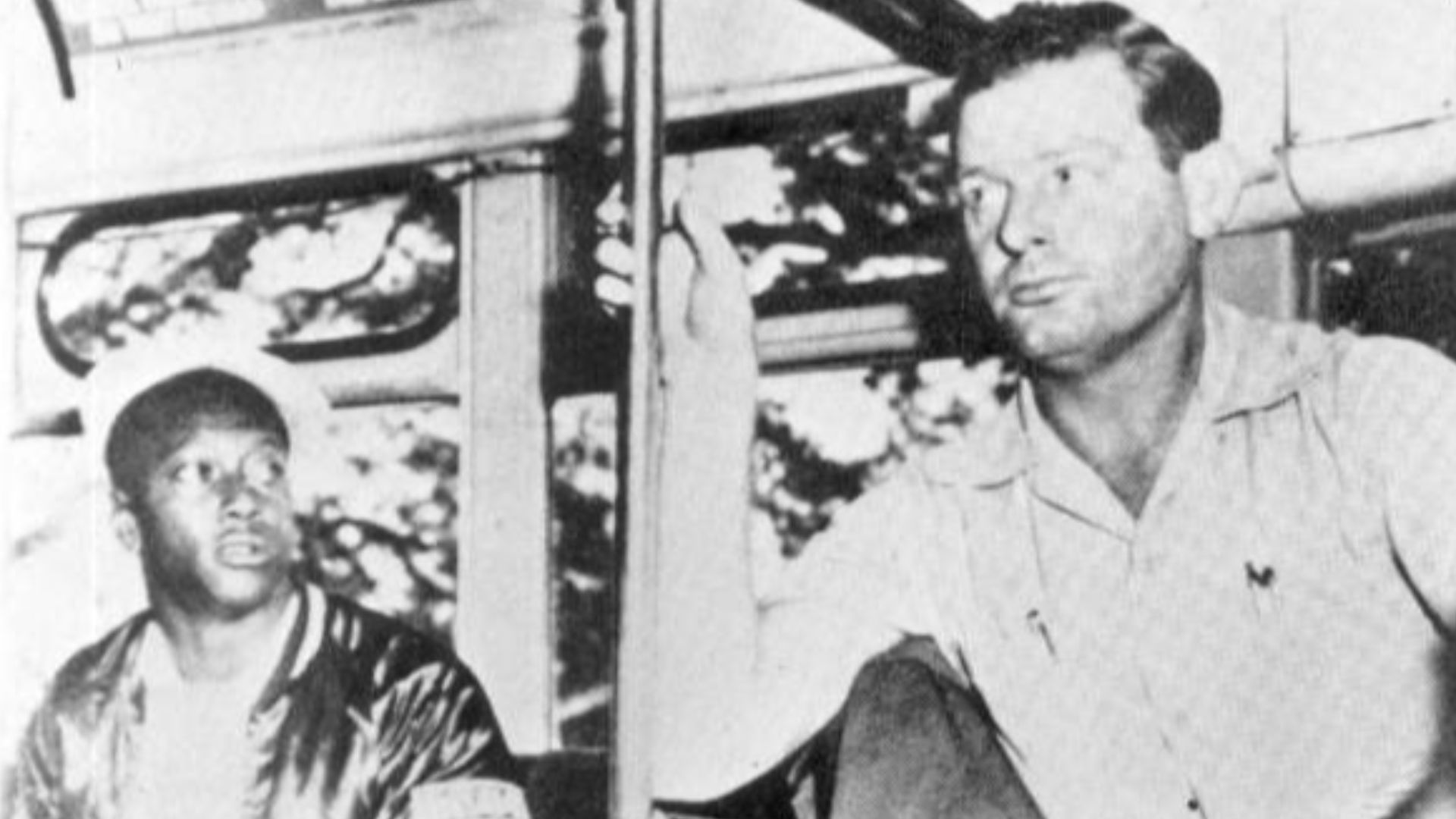
Two hundred miles east, in Montgomery, Alabama, a 42-year-old black activist called Rosa Parks was devastated by the news that Emmett Till’s murderers had walked free. On 1 December 1955, she finished her shift at the department store where she worked and waited to catch the bus home. At the time, transport was segregated in the south. Although this arrangement was meant to provide “separate but equal” facilities to passengers of all races, in reality black people received the worst deal.
 Associated Press, Wikimedia Commons
The Worst Seat On The Bus
Mia Bay, the author of Traveling Black: A Story of Race and Resistance, says: “Especially in the early days of buses, there was a worst seat on the bus: the seat over the wheel at the back. It was much higher than the other seats and had no springs. From the very beginning, bus companies would relegate black travellers to these unpleasant back seats that people wouldn’t sit in voluntarily.” Black passengers could also be made to vacate their seat at any time, if a white passenger got on and needed somewhere to sit down.
 Unknown photographer, Wikimedia Commons
She Refused To Give Up Her Seat
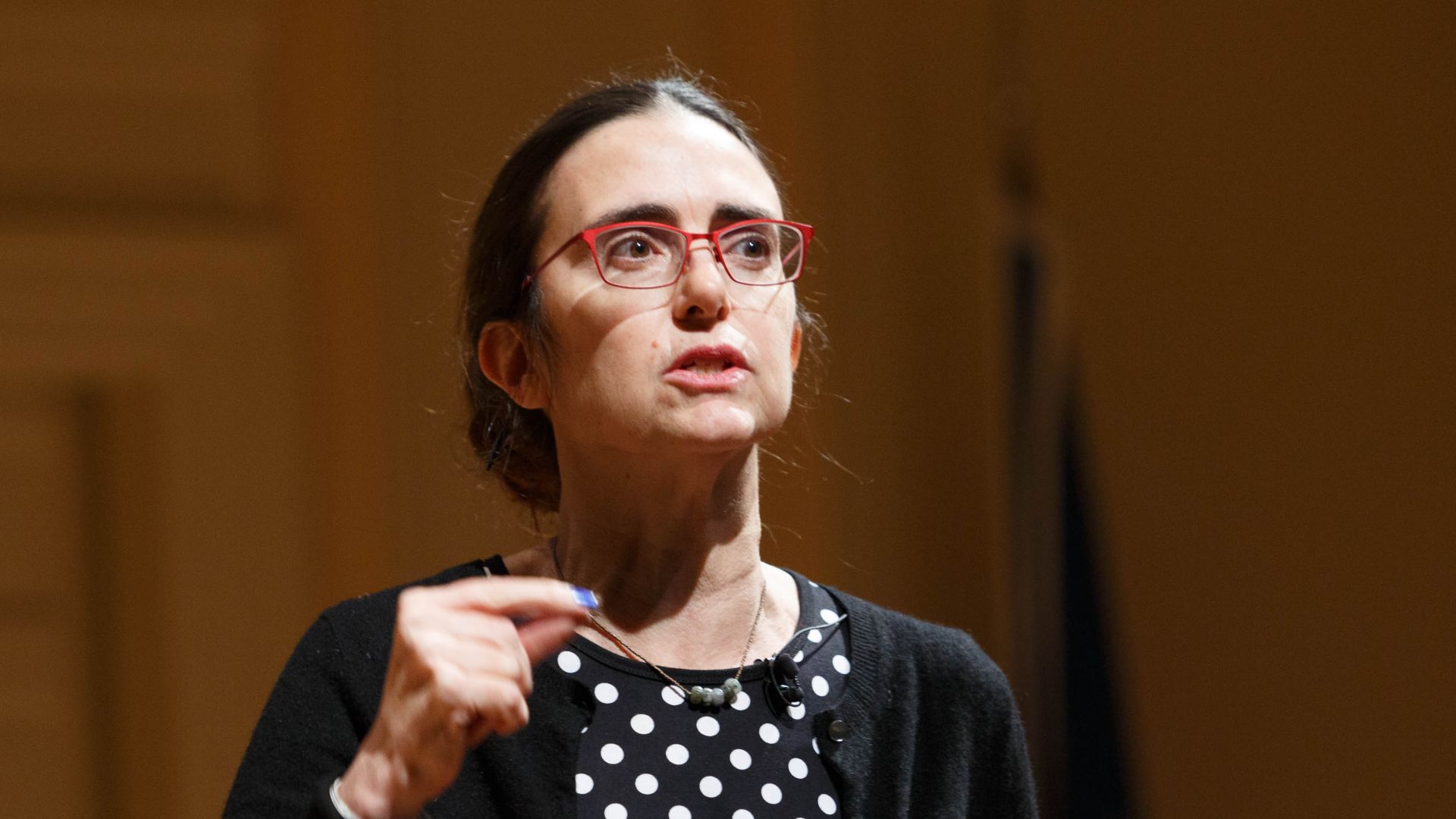
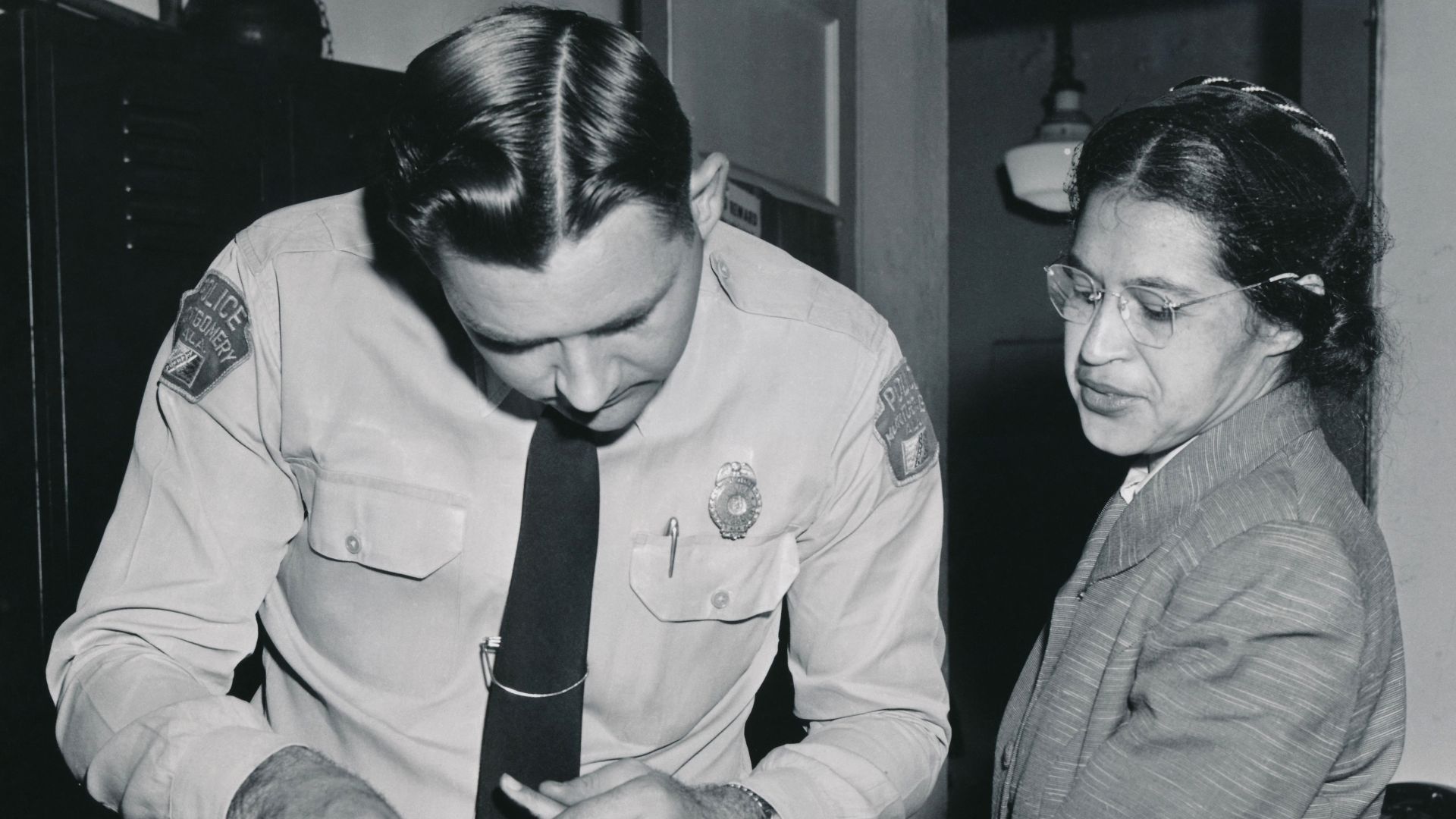
When Rosa Parks boarded the bus that evening, the ride home began as any other. But, when a white passenger got on and the driver asked Parks to move, she refused. According to Jeanne Theoharis, author of The Rebellious Life of Mrs Rosa Parks, this refusal grew out of her long history of challenging racial inequality. “Rosa Parks says she thought about Emmett Till; she thought about her grandfather, who had sat out at night in 1919 to protect their family home from Klan violence, and she refused.” She was arrested and taken to jail. News of her situation soon reached the city’s activist community.
 Library of Congress Life, Wikimedia Commons
Bus Boycott
A group called the Women’s Political Council now arranged a boycott of the city’s bus system for that Monday, to protest Parks’s arrest. Although they were nervous about how many people would join the protest, it was hugely successful: 90 per cent of black Americans who normally travelled by bus in the city didn’t that day. Buoyed by this, they decided to extend the boycott.
 Gene Herrick for the Associated Press; restored by Adam Cuerden, Wikimedia Commons
Buses Desegregated
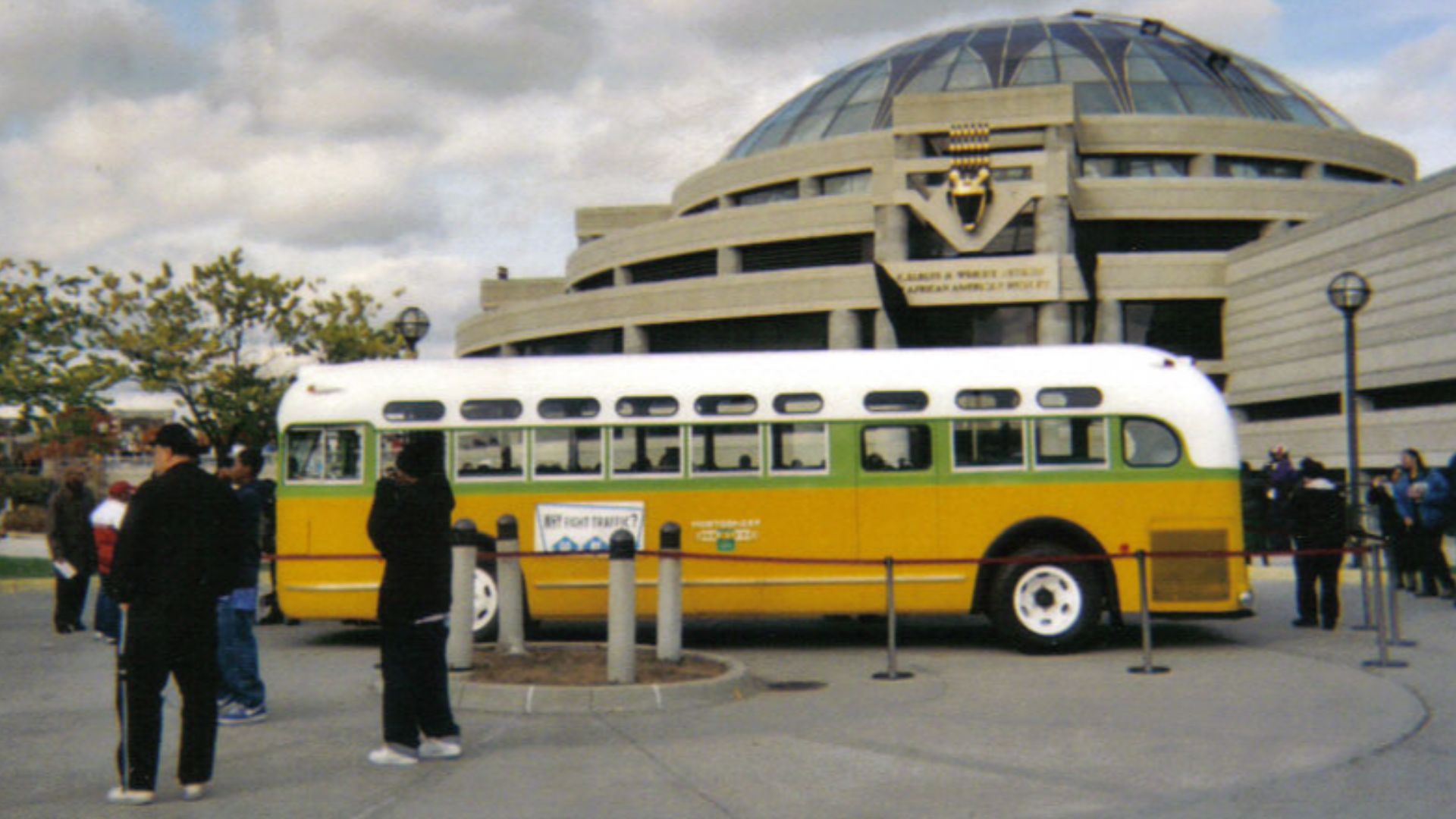
According to Theoharis, organisation was key in sustaining the boycott’s success: “They set up an incredible carpool system and 40 pickup stations around Montgomery, and at the height of the boycott they were giving 1,000 to 1,500 rides per day. This was a massively organised system.” Although the protesters faced the threat of arrest or trouble with the police, they didn’t give in. After 381 days of boycotting, Montgomery’s buses were desegregated on 21 December 1956.
 femaletrumpet02 from Henry Ford Museum in Detroit, Michigan, Wikimedia Commons
Direct Action Spread
Direct action soon exploded across the nation, as the newly formed Student Nonviolent Coordinating Committee (SNCC) moved from sit-ins at lunch counters and restaurants to voter registration drives and freedom schools. Adriane Lentz-Smith says: “This on-the-ground organising turned isolated court rulings [like 1954 Brown vs Board of Education, which declared segregated schooling to be unconstitutional] into a full-blown civil rights movement.
 Student Nonviolent Coordinating Committee, Wikimedia Commons
A Collective Effort
The key to the story doesn’t lie in individual moments of protest: it lies in the coordinated effort and sustained vision of people who created possibility out of protest.” Jeanne Theoharis adds: “Parks’s activism continued after the boycott. Unable to find work and still receiving death threats, she was forced to leave Montgomery for Detroit, where she fought racism for 40 years.”

1963: March On Washington
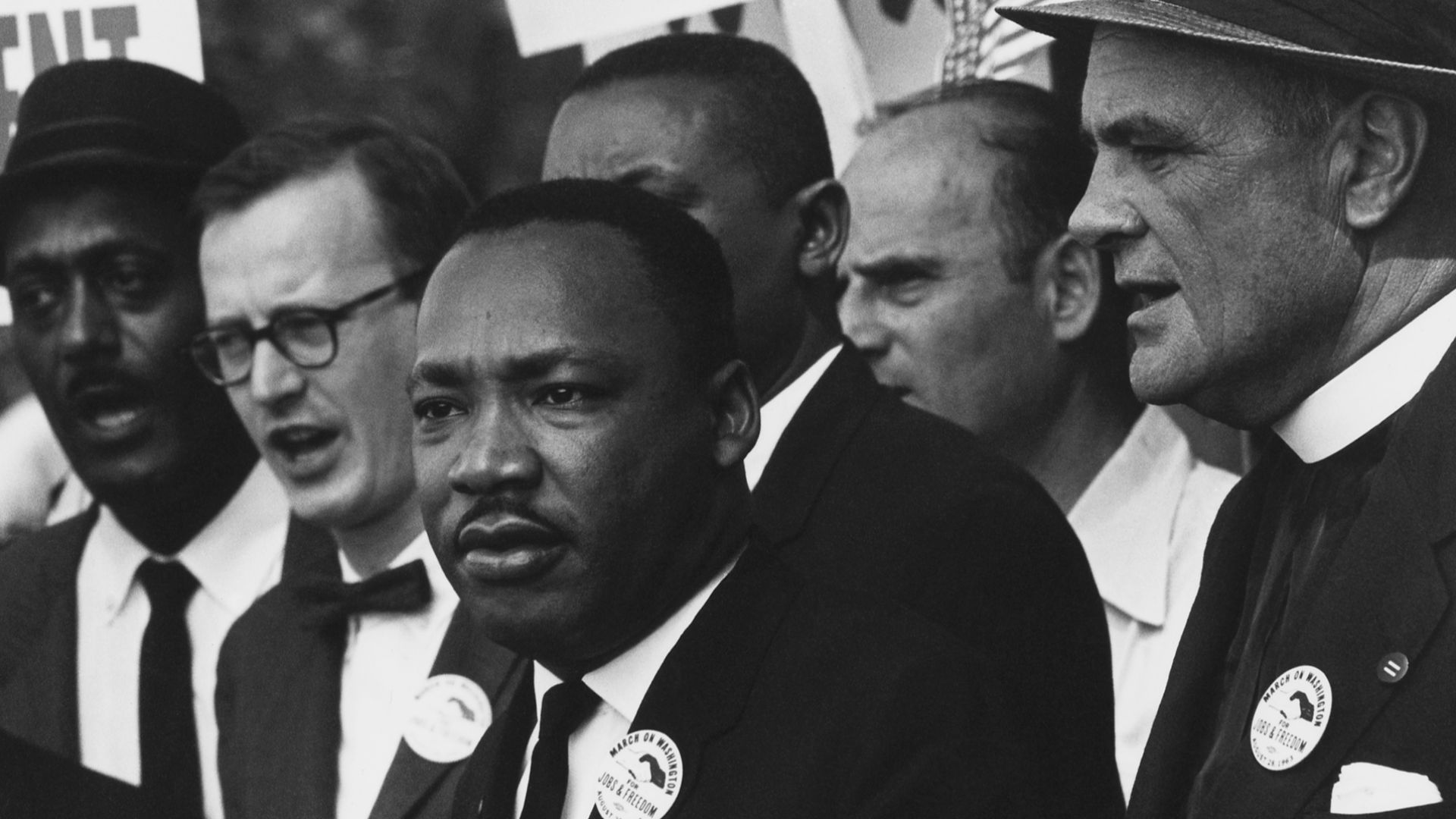
One of the figures who was catapulted to fame as a result of the Montgomery bus boycott was a previously unknown southern preacher, Martin Luther King Jr. He first came to prominence when he was voted head of the Montgomery Improvement Association, the community group that helped drive the boycott on.
 Rowland Scherman / Adam Cuerden, Wikimedia Commons
King Became A Leader
But King took what could have been a local leadership role and transformed it into one of international importance. Jonathan Eig, who has written a new biography of the civil rights leader, says: “He was meant to be the person speaking to the media and leading church meetings, but over time it became clear that he was more than just a spokesman – he was also the strategic leader.”
 Unknown author, Wikimedia Commons
Media Magnet
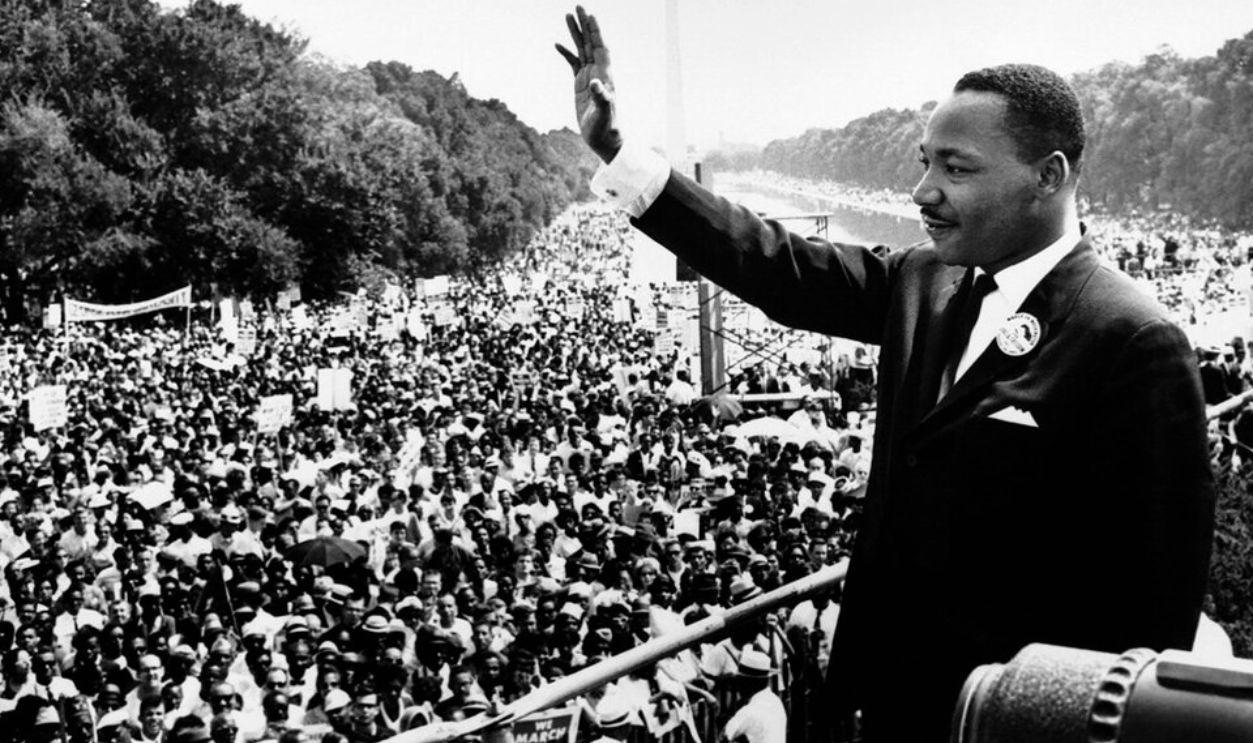
After the success of Montgomery, the world was watching King – and he was determined to make the most of it. He supported protests across the country, from Albany to Atlanta. Eig says: “King knew that in some ways his greatest role was as a loudspeaker. The media would come wherever he went: he would get arrested, or lead a rally, or lead a march if that was what was needed.”
 Rowland Scherman, Wikimedia Commons
He Lent His Voice
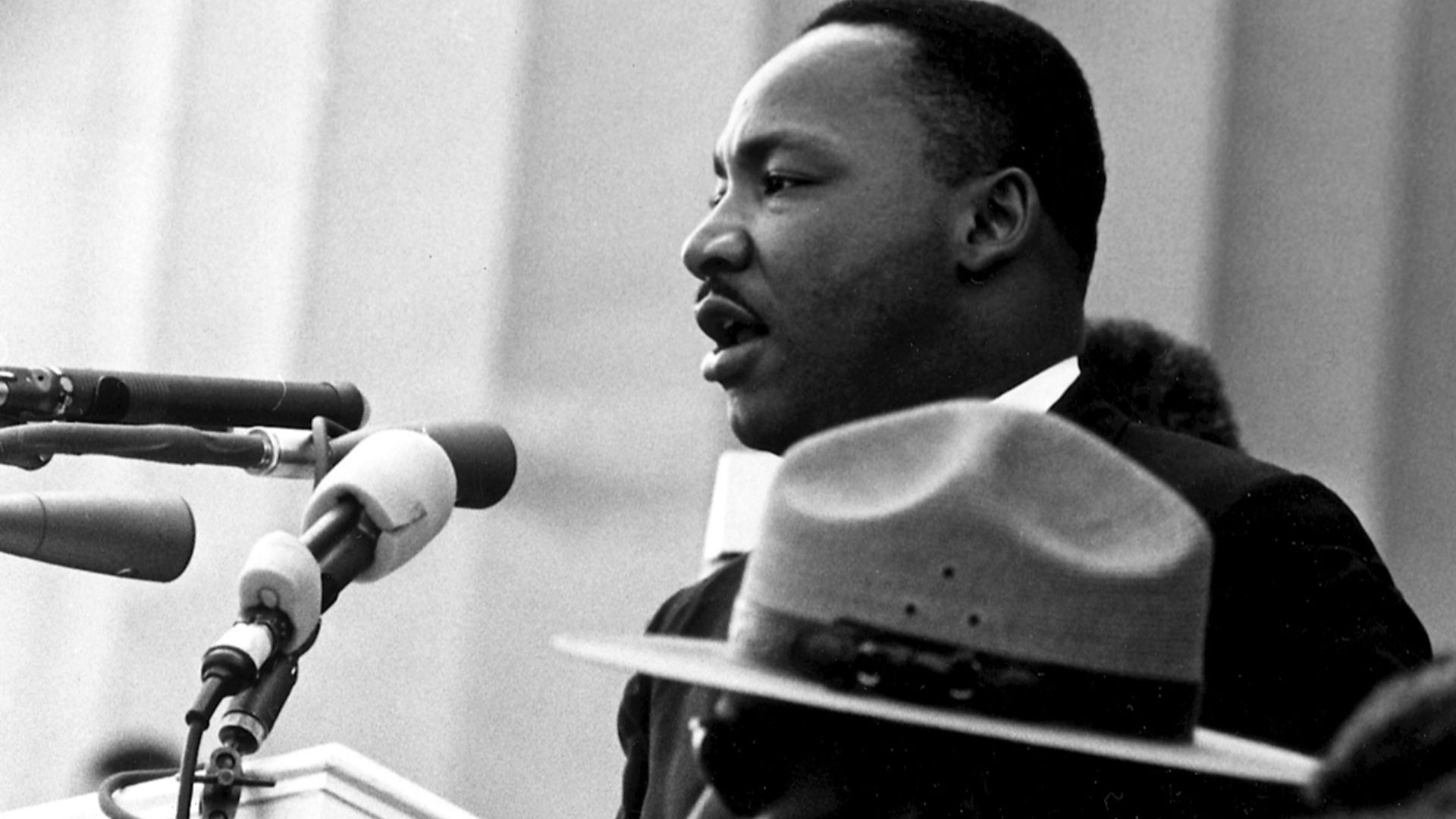
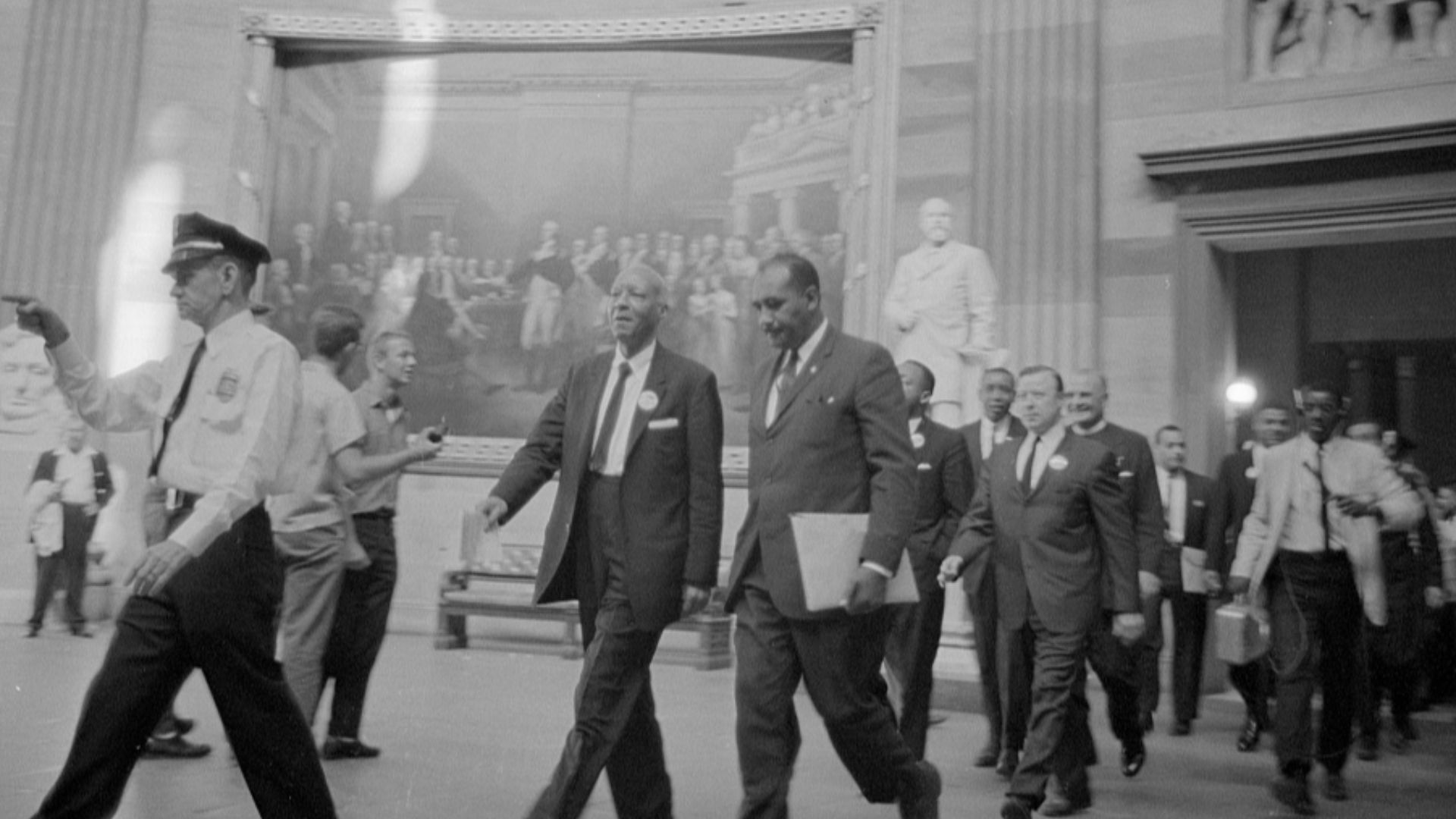
In 1963 King lent his voice to one of the most famous protest marches ever staged: the March on Washington. The brainchild of veteran labour leader and activist A Philip Randolph, the march was designed to draw attention from far and wide, and twist President John F Kennedy’s arm over the issue of backing civil rights legislation.
 Trikosko, Marion S., photographer, Wikimedia Commons
March For Freedom
On 28 August 1963, a multiracial crowd of more than 250,000 protesters flocked to Washington DC to march for jobs and freedom. I spoke to Clayborne Carson, the Martin Luther King Jr centennial professor emeritus at Stanford University, who attended the march as a 19-year-old student. He recalled: “It was the most exciting event of my life at that point.” A range of speakers (all of whom were men) took to the podium. But it was one figure in particular whose words went down in history: the last speaker, Martin Luther King.
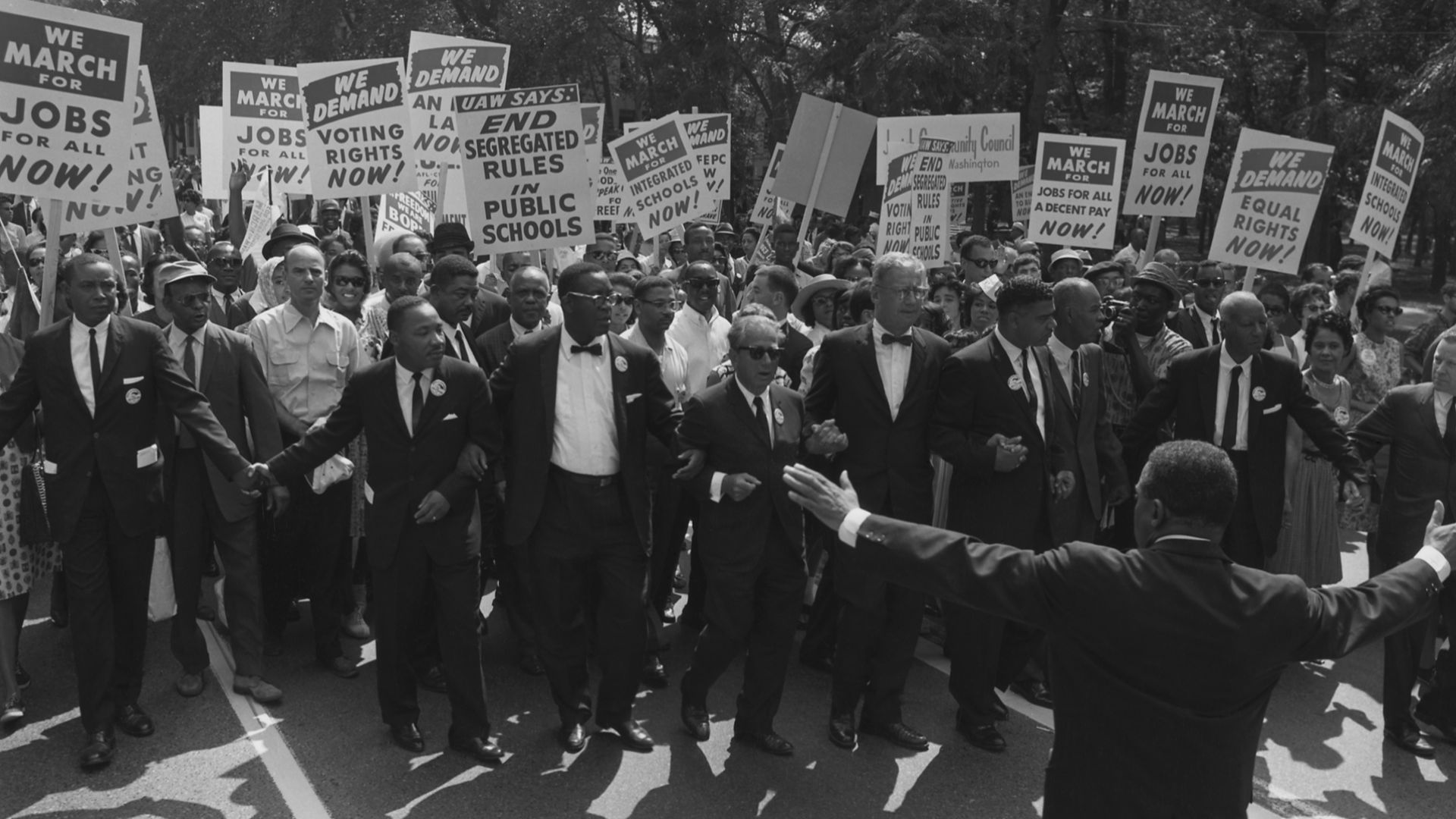 Unknown authorUnknown author or not provided, Wikimedia Commons
"I Have A Dream"
When Clayborne Carson heard King deliver his now famous ‘I Have a Dream’ speech at the march, he said: “I was very impressed – I had never heard anyone speak like that. But of course, just like everybody else, I didn’t know it was going to be a speech that people would remember 50 years later.” The speech went on to become one of the most iconic moments of the civil rights movement.
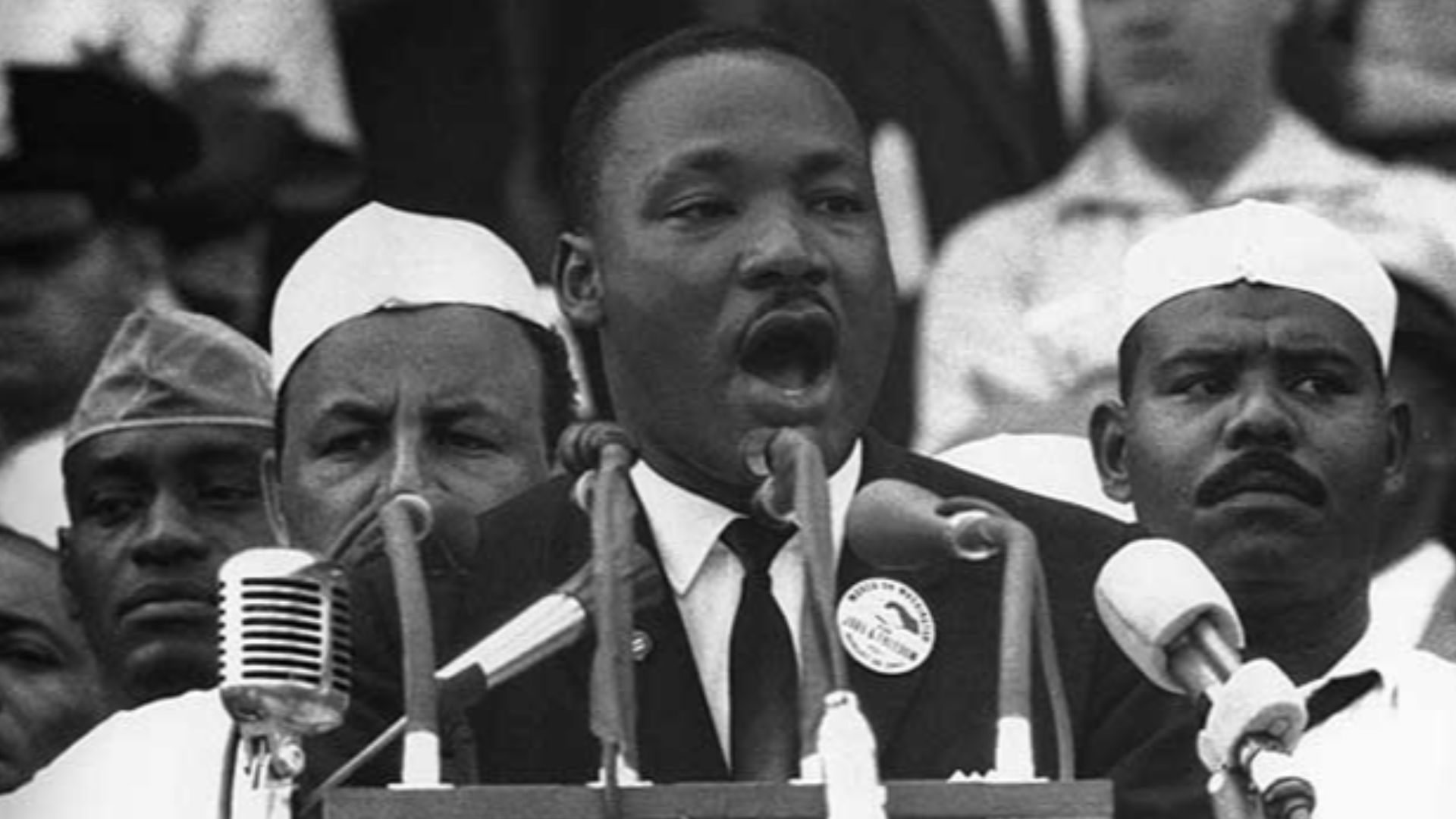 David Erickson, Wikimedia Commons
He Didn't Stick To The Script
King began his speech by pointing out that, instead of honouring its “sacred obligation”, America had “given the Negro people a bad check”. But, according to Clayborne Carson, it’s what King said in the second half of the speech that secured its place in history – and that’s because he didn’t stick to the script. “He gave a talk that he had been practising for months, and if he’d stopped there it would have been a decent speech, but we probably wouldn’t be talking about it today. But then he just went extemporaneous – and that’s when he starts getting into his dream.”
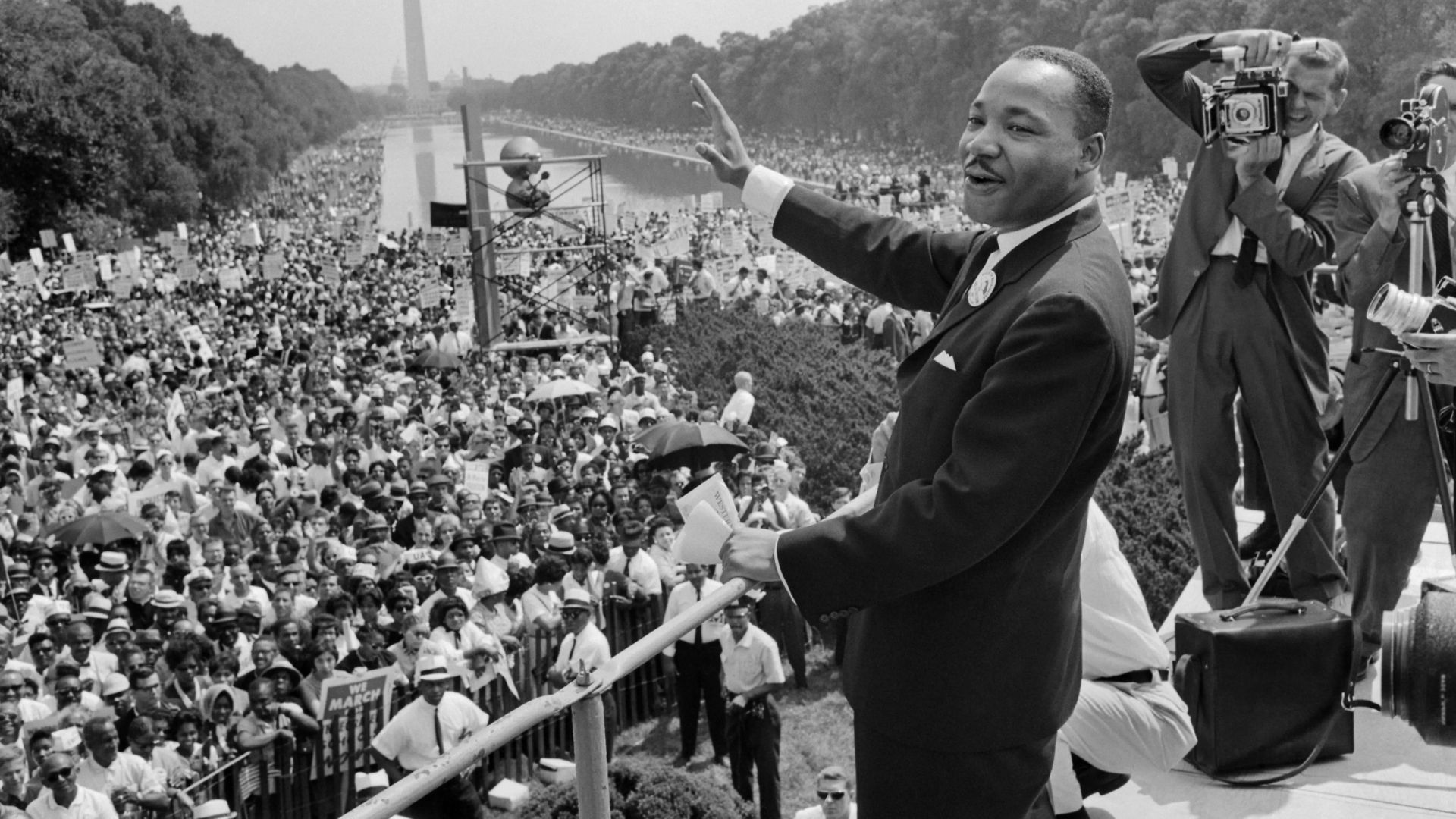 National Park Service, Wikimedia Commons
It Resonated Deeply
King’s powerful oratory, where he shared his hopes “that one day right down in Alabama little black boys and black girls will be able to join hands with little white boys and white girls as sisters and brothers”, was broadcast across the country. It resonated deeply with many, and the calls for civil rights legislation grew to a deafening roar.
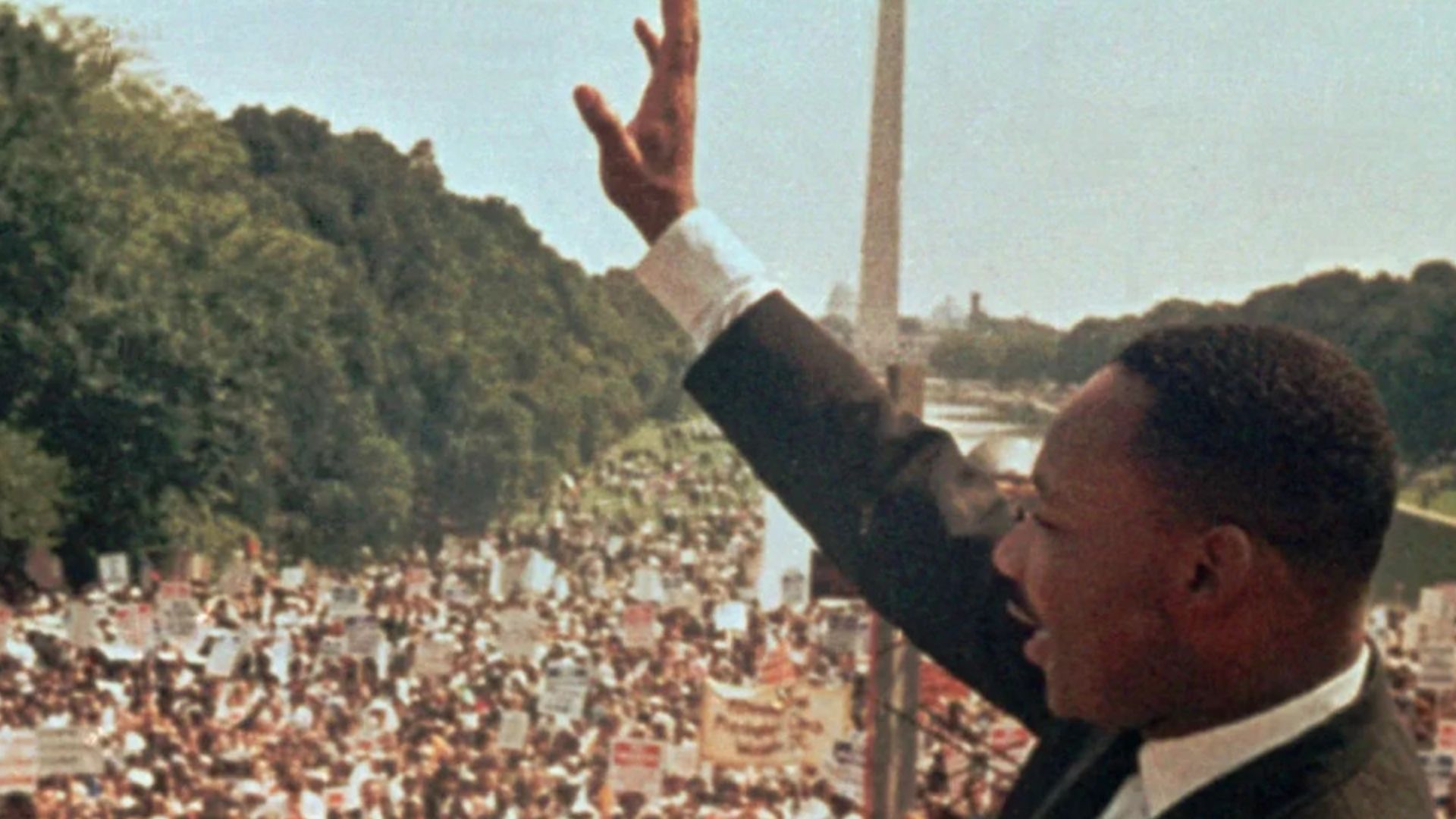 Associated Press Photographer, Wikimedia Commons
1964: Civil Rights Act
When the March on Washington finished, a string of civil rights leaders including King headed to the White House, to meet with John F Kennedy. Although he had come to power on a ticket of civil rights, actual progress delivering a civil rights bill was slow. Tomiko Brown-Nagin, dean of the Harvard Radcliffe Institute, told me this was because “Kennedy had been beholden to the segment of Congress who were fiercely opposed to civil rights legislation, and in fact he held off supporting such a bill because he was captive to those individuals”. However, Kennedy’s assassination on 22 November 1963 transformed the situation.
 Cecil Stoughton, White House Press Office (WHPO), Wikimedia Commons
Johnson Took Power
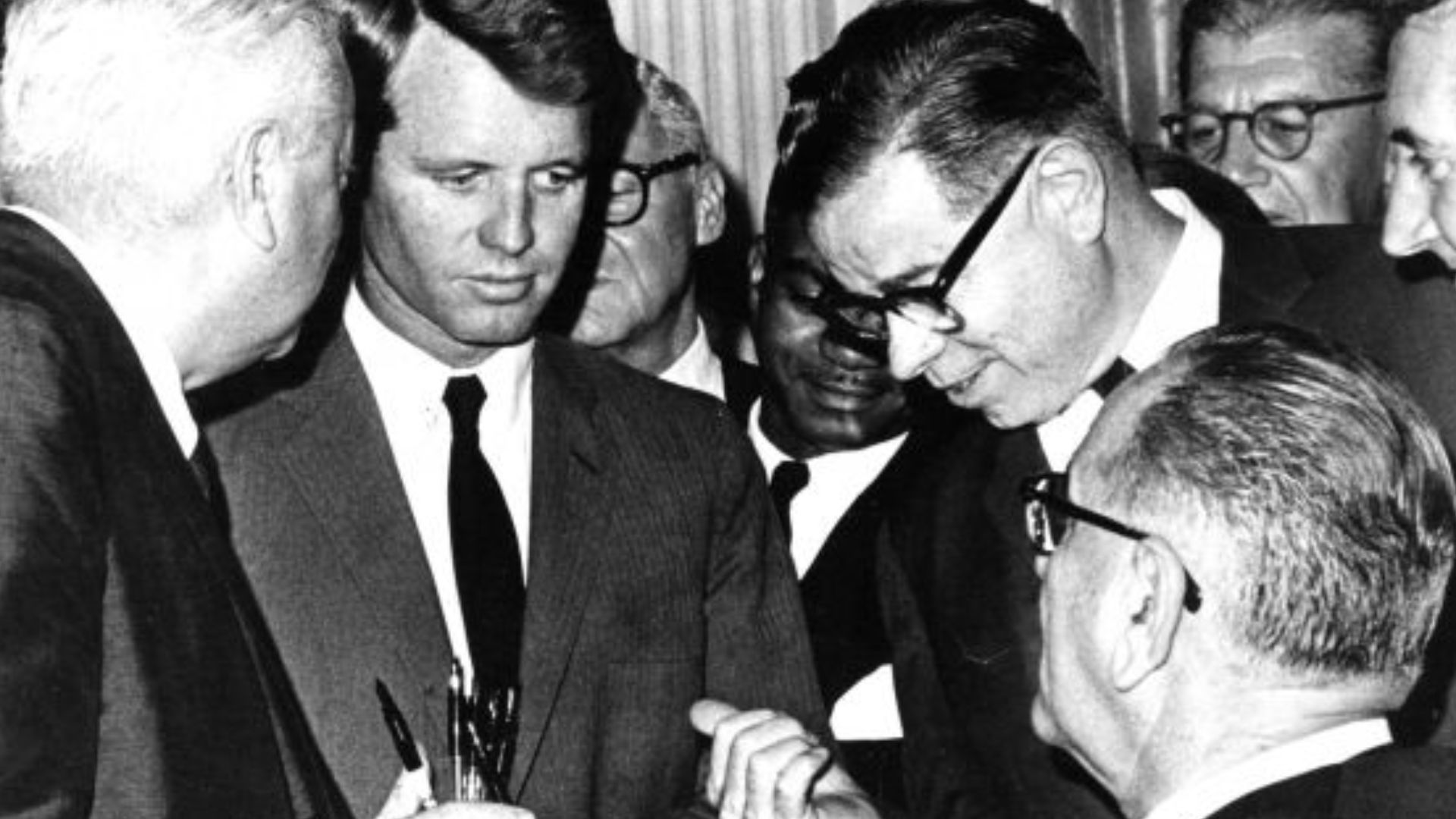
Kennedy's vice-president, Lyndon B Johnson, came to power – and took up the mantle of championing civil rights legislation. Arguing that passing the act was the proper way to pay homage to Kennedy’s legacy, Johnson overcame the protests of many southern senators and the act made it through Congress.
 Unknown authorUnknown author, Wikimedia Commons
Seismic Importance
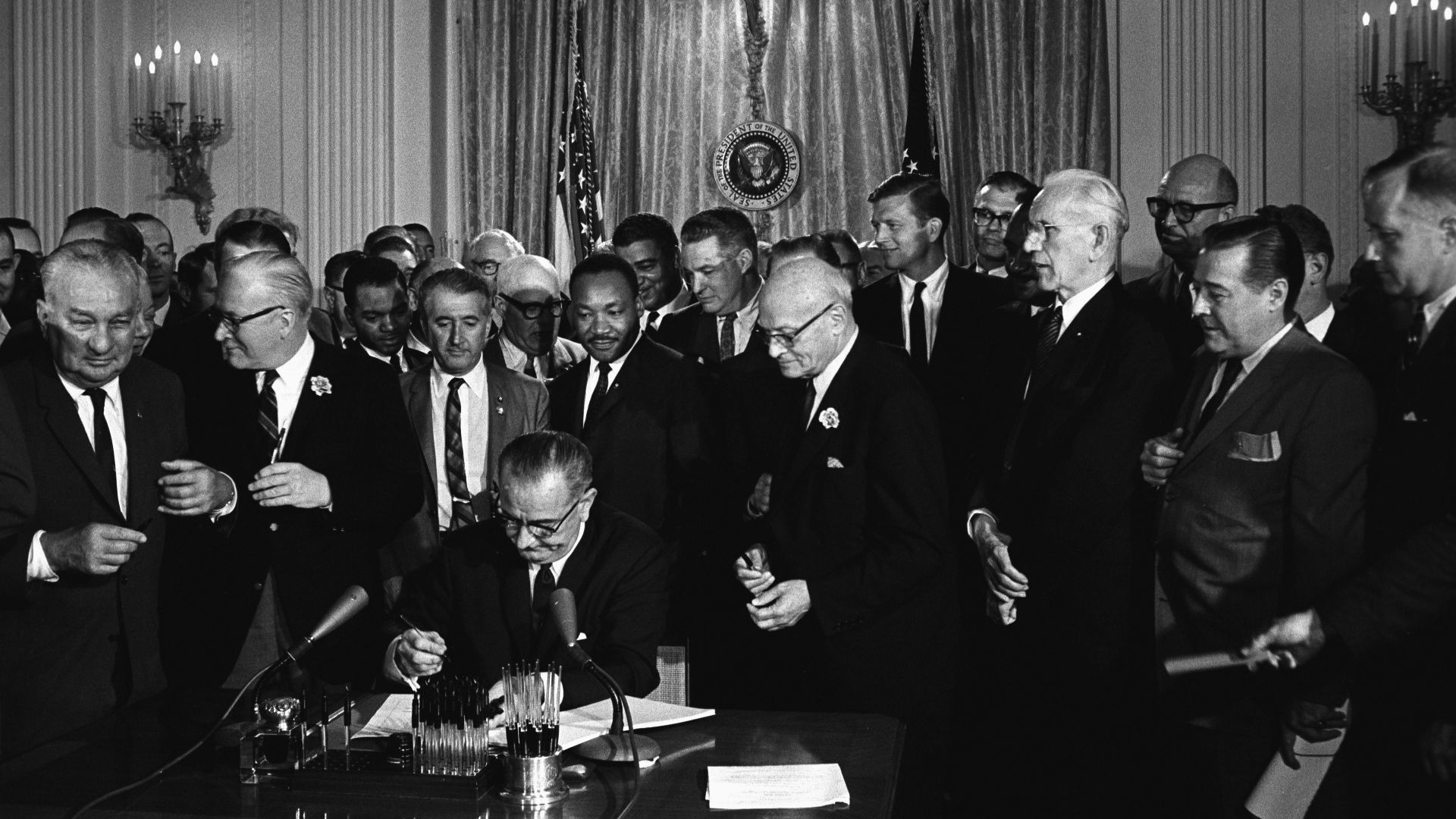
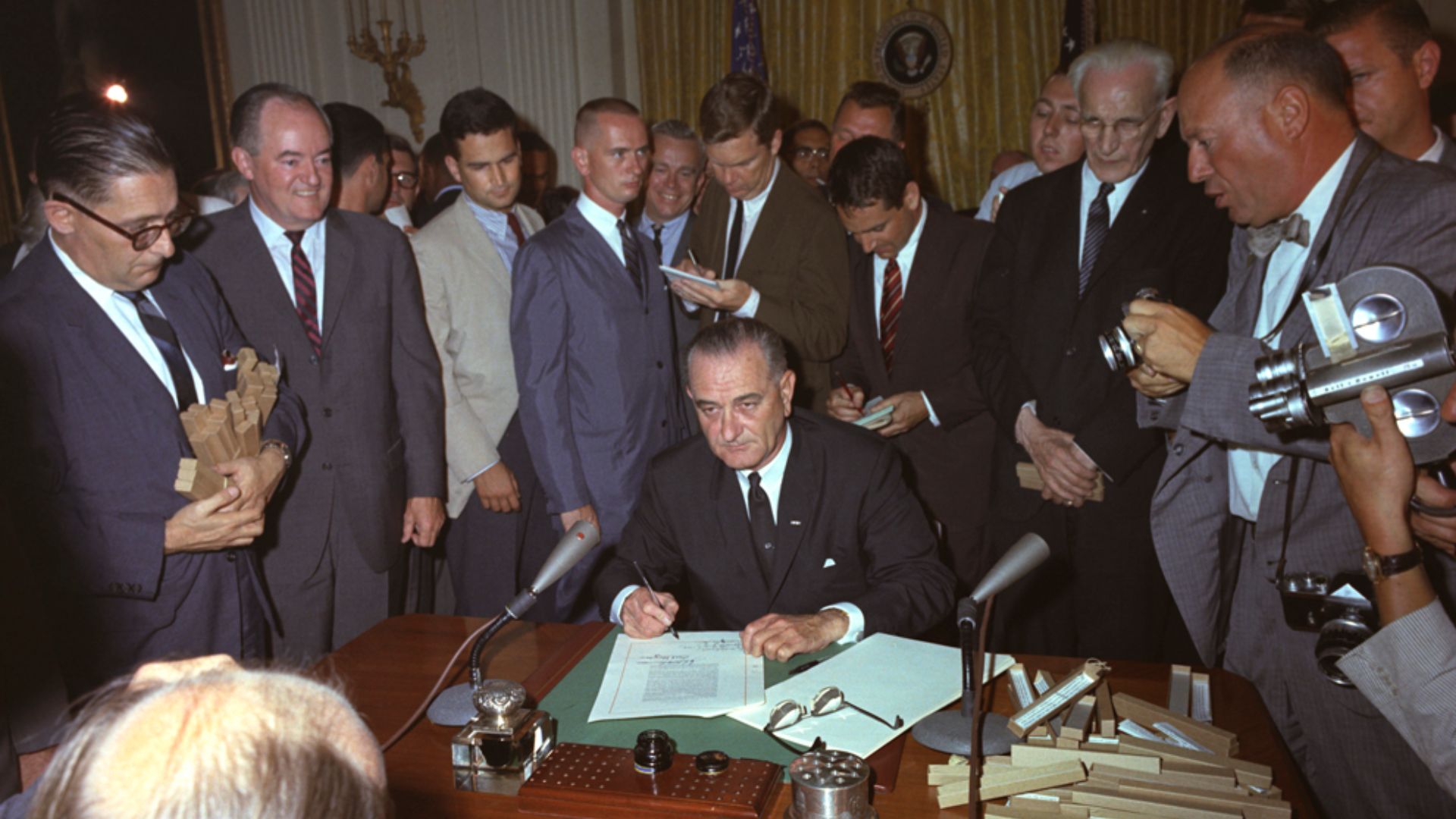
On 2 July 1964 Johnson sat at his desk in the White House, ringed by civil rights leaders and news cameras, and signed the Civil Rights Act into being. This sweeping piece of federal legislation was seismic in its importance. Brown-Nagin says: “What the Civil Rights Act did was to sweep away, in terms of its text, discrimination on the basis of race, sex, colour and religion in a wide variety of areas – in public spaces, in schools, in employment. It was truly the crowning legislative achievement of the civil rights movement.” However, this landmark act still had its limitations.
 not provided, Wikimedia Commons
It Had Limitations
As the grassroots organisers in the Student Nonviolent Coordinating Committee demonstrated powerfully, the Civil Rights Act did not have adequate protection for voting rights. This was an omission that stung keenly, as white Americans had long used a variety of tactics, from literary tests to taxes, to prevent black Americans from being able to exercise the right to vote.
 Yoichi Okamoto, Wikimedia Commons
Voting Rights Act
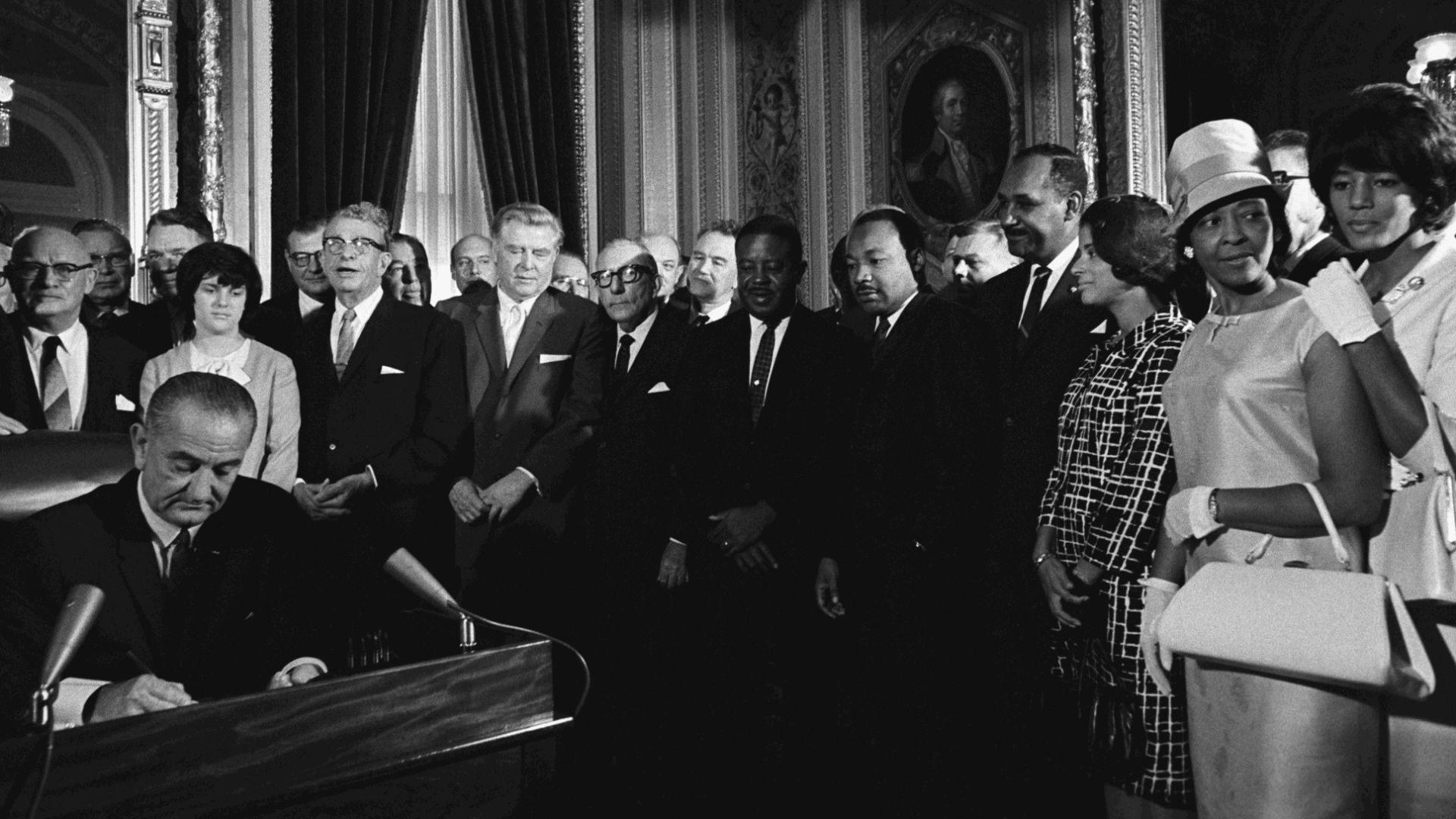
The following year, the 1965 Voting Rights Act was passed to right this wrong. It banned discriminatory practices like literacy tests and empowered federal examiners so that they could make sure the law was properly followed in resistant southern states. Brown-Nagin argues that this piece of legislation “did the unfinished business” of the Civil Rights Act.
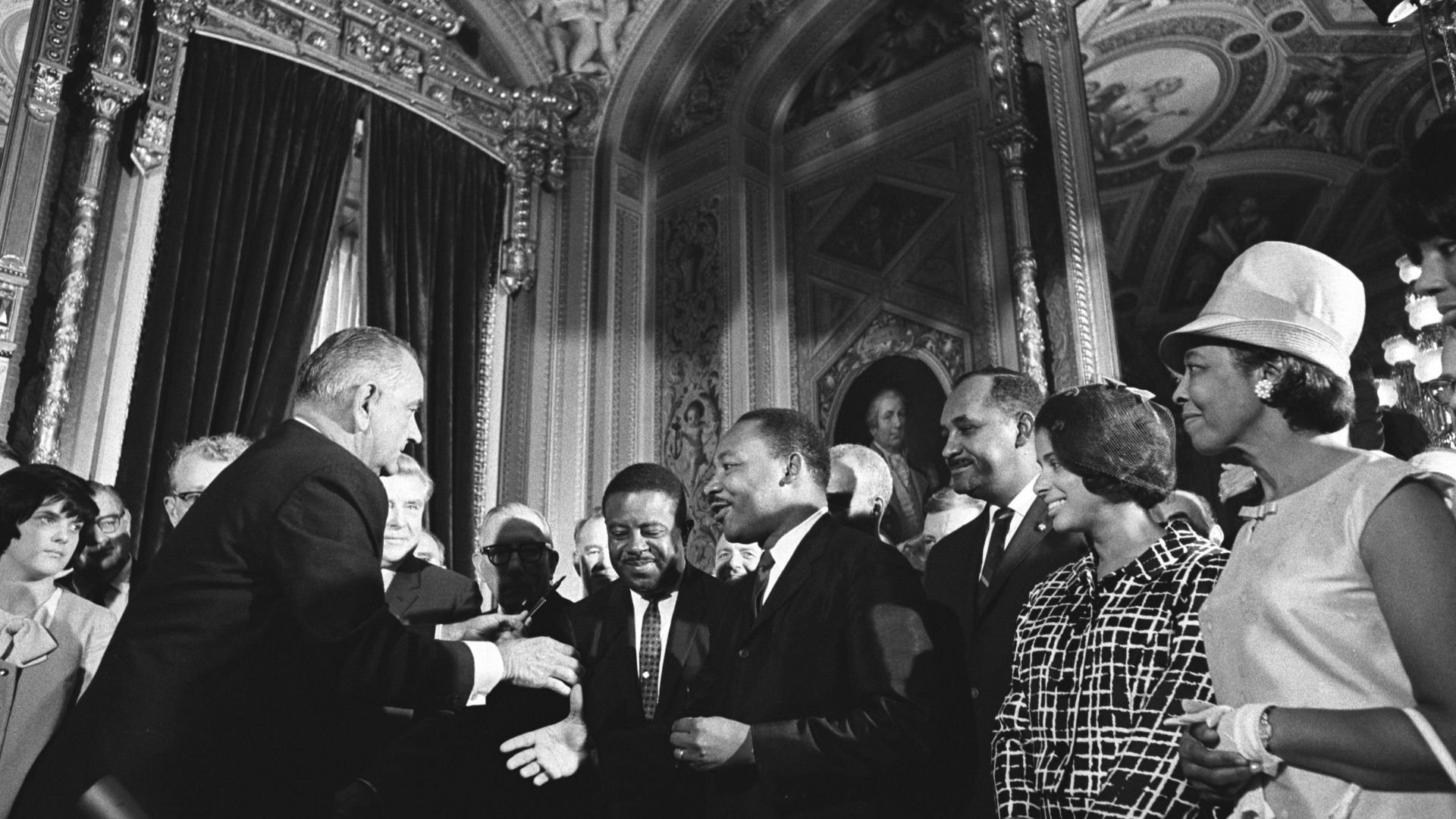 Yoichi Okamoto, Wikimedia Commons
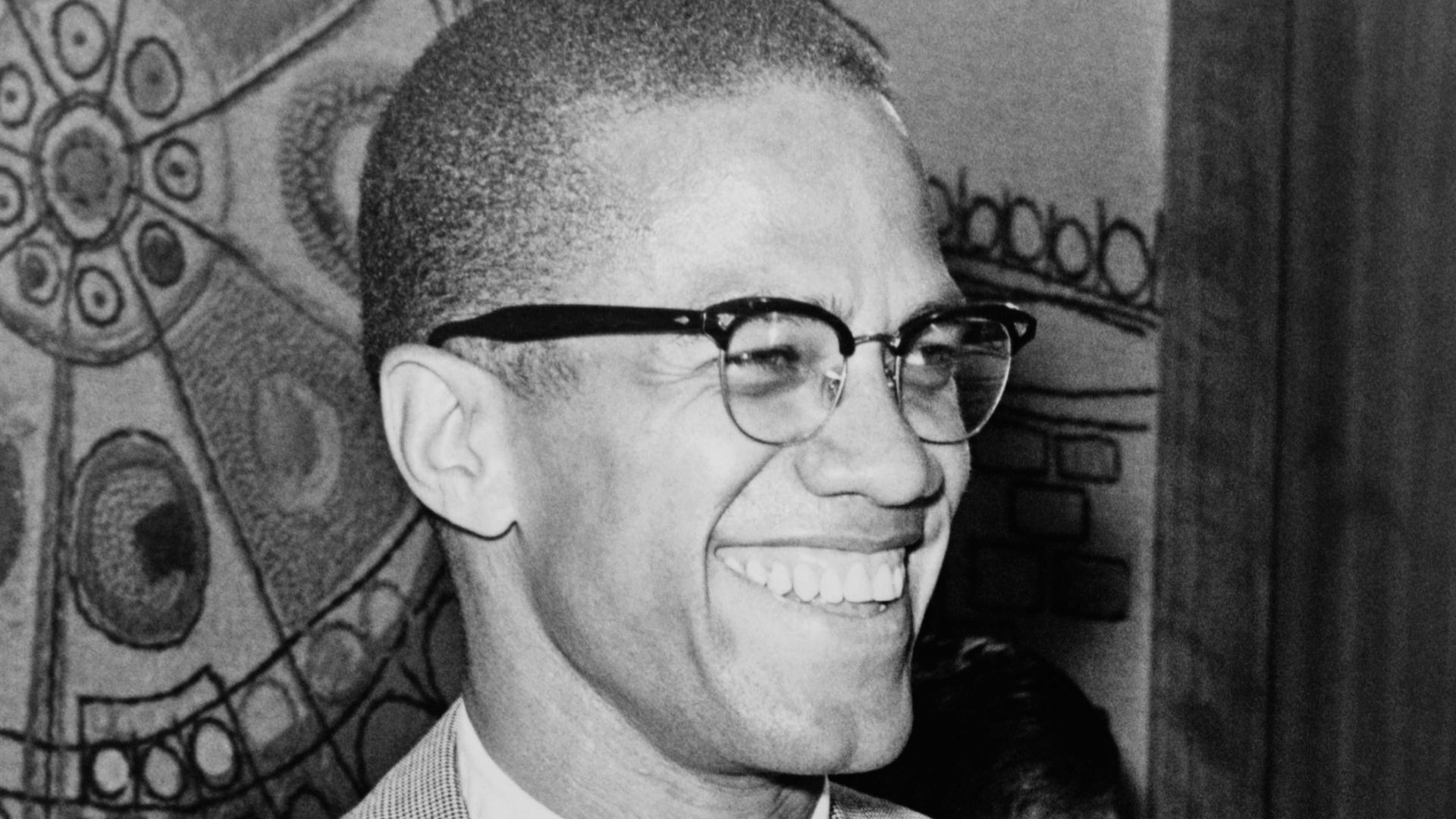
1965: Death Of Malcolm X
Until the late sixties, the US civil rights struggle had largely been characterised by the integrationist philosophy of leaders like Martin Luther King, whose vision for the country’s future saw black and white Americans coming together as one united nation. But as the years ground on, the end to racism still didn’t seem to be in sight. Disillusioned and desiring change, many renewed their focus on another strain of black freedom politics: black nationalism.
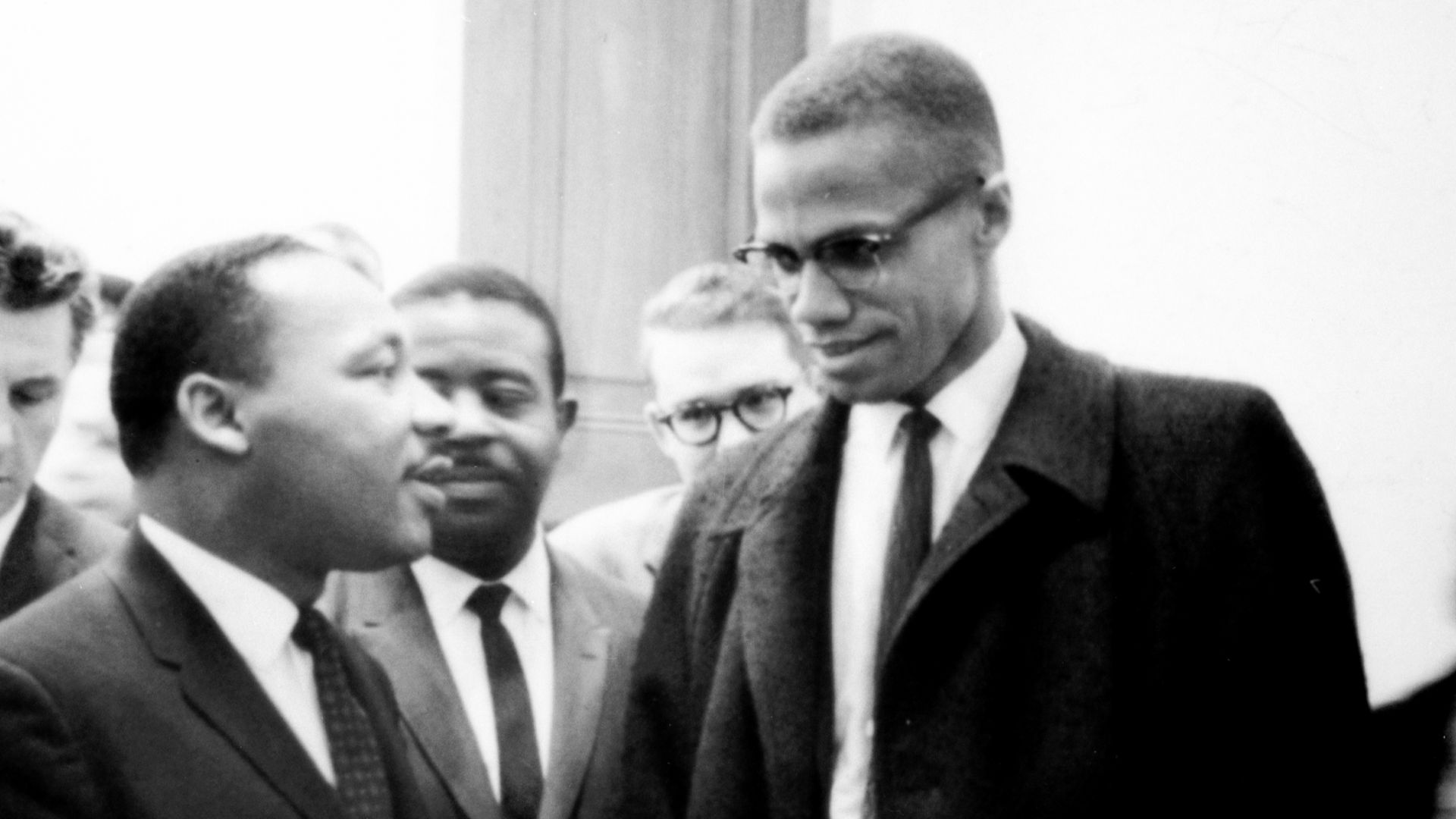 Marion S. Trikosko, Wikimedia Commons
What Was Black Nationalism?
As Ashley Farmer, an associate professor at the University of Texas, said: “The central themes of black nationalism are self-determination – meaning the right to decide for oneself or one’s community how one should live; race pride – the idea that blackness is inherently beautiful; and self-defence – both against harmful stereotypes, and against unwelcome intrusions into one’s community.” One of the most influential black nationalists of the era was Malcolm X.
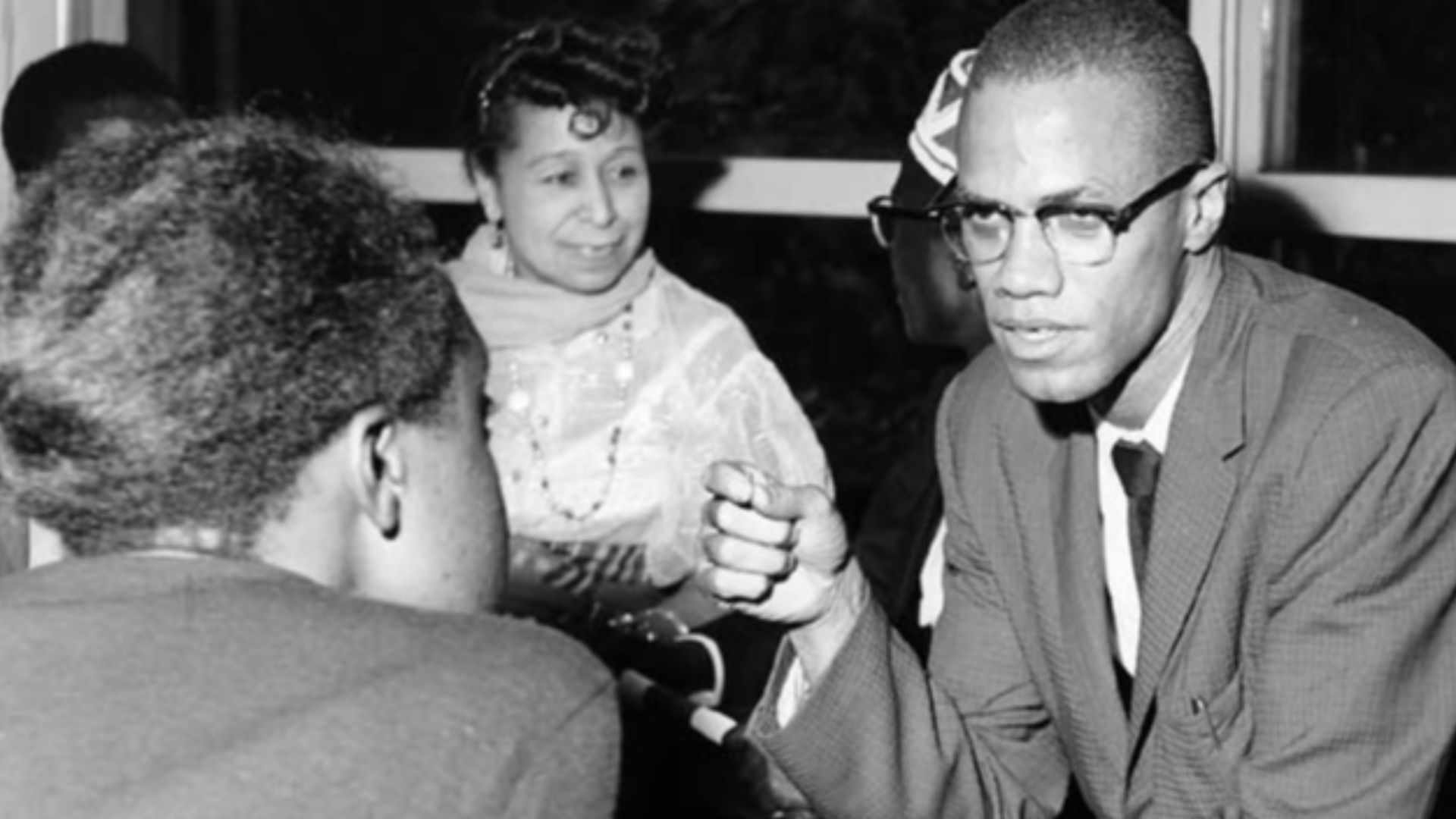 Unknown authorUnknown author, Wikimedia Commons
Spokesman For The Nation Of Islam
Malcolm X came to prominence as spokesman for the Nation of Islam (NOI). Clarence Lang, Susan Welch dean of the College of the Liberal Arts and professor of African American Studies, explains that this group believed that “people of African descent in the US were the original people whom Allah had chosen. They were trapped in a society that was controlled by ‘white devils’”. The NOI sought to create their own autonomous institutions and “build a parallel society to advance their interests and preserve themselves as Muslims – or one version of being a Muslim, as their approach to Islam was certainly not orthodox”.
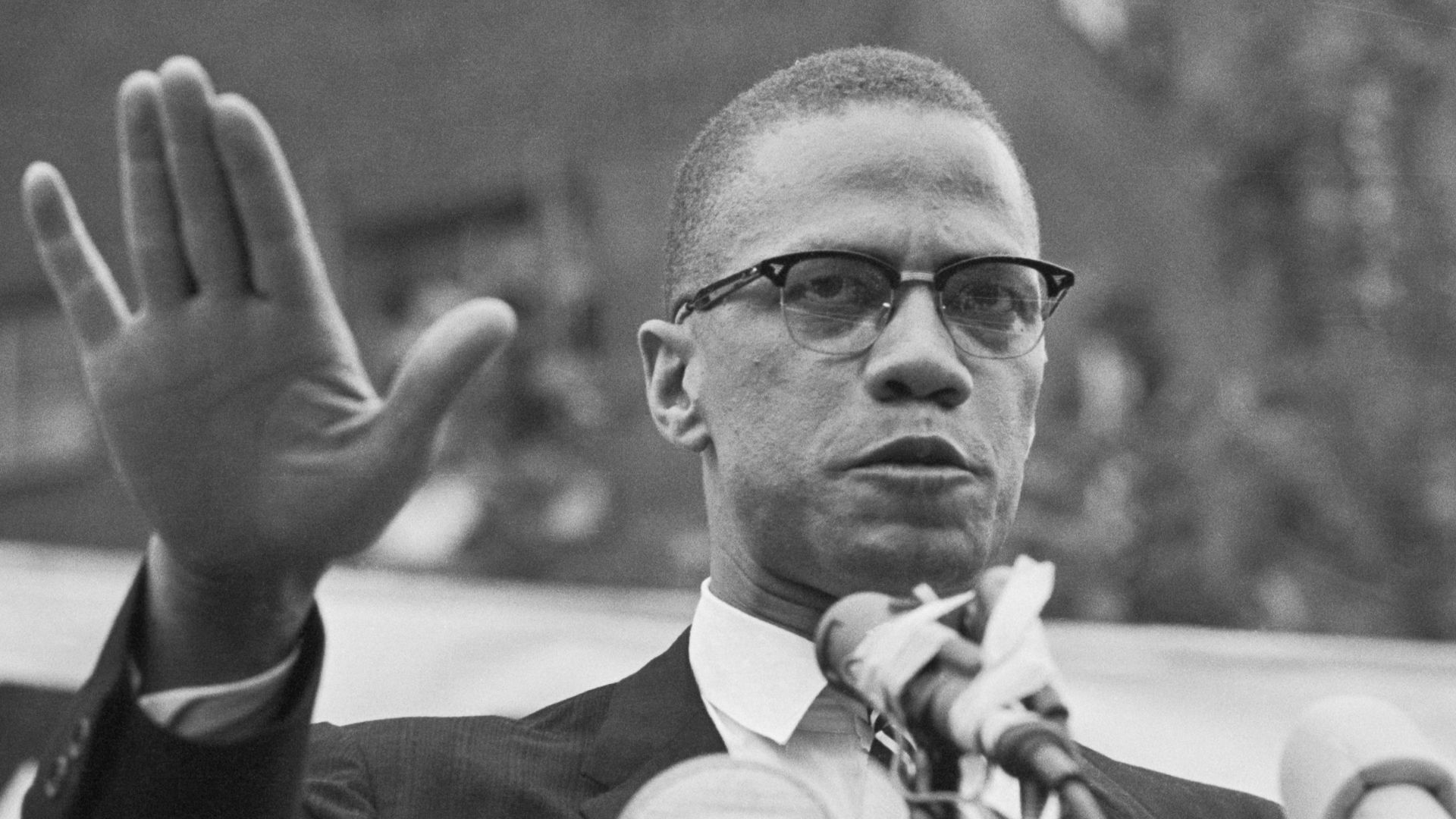 United Press International, Wikimedia Commons
His Worldview Shifted
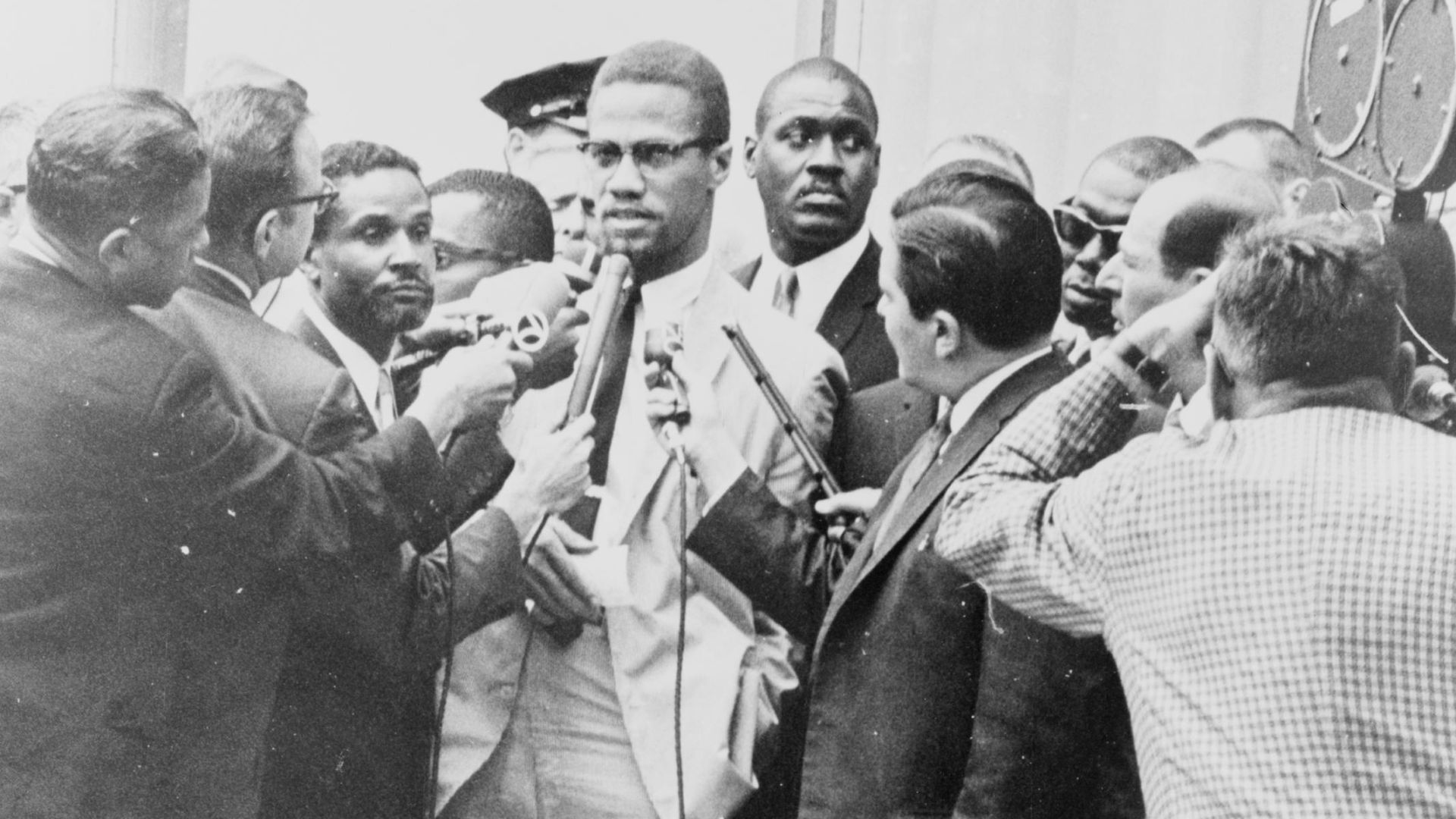
However, in time Malcolm began to chafe against the NOI, as his own worldview shifted away from racialist doctrine. He left the Nation in 1964 and later founded his own secular group, called the Organisation of Afro-American Unity. According to Clarence Lang: “Through this, he sought to intervene more actively in the US civil rights struggle and further internationalise it, by drawing a connection between US racial oppression and colonialism abroad.”
 Herman Hiller, World Telegram staff photographer, Wikimedia Commons
Plunged Into Chaos
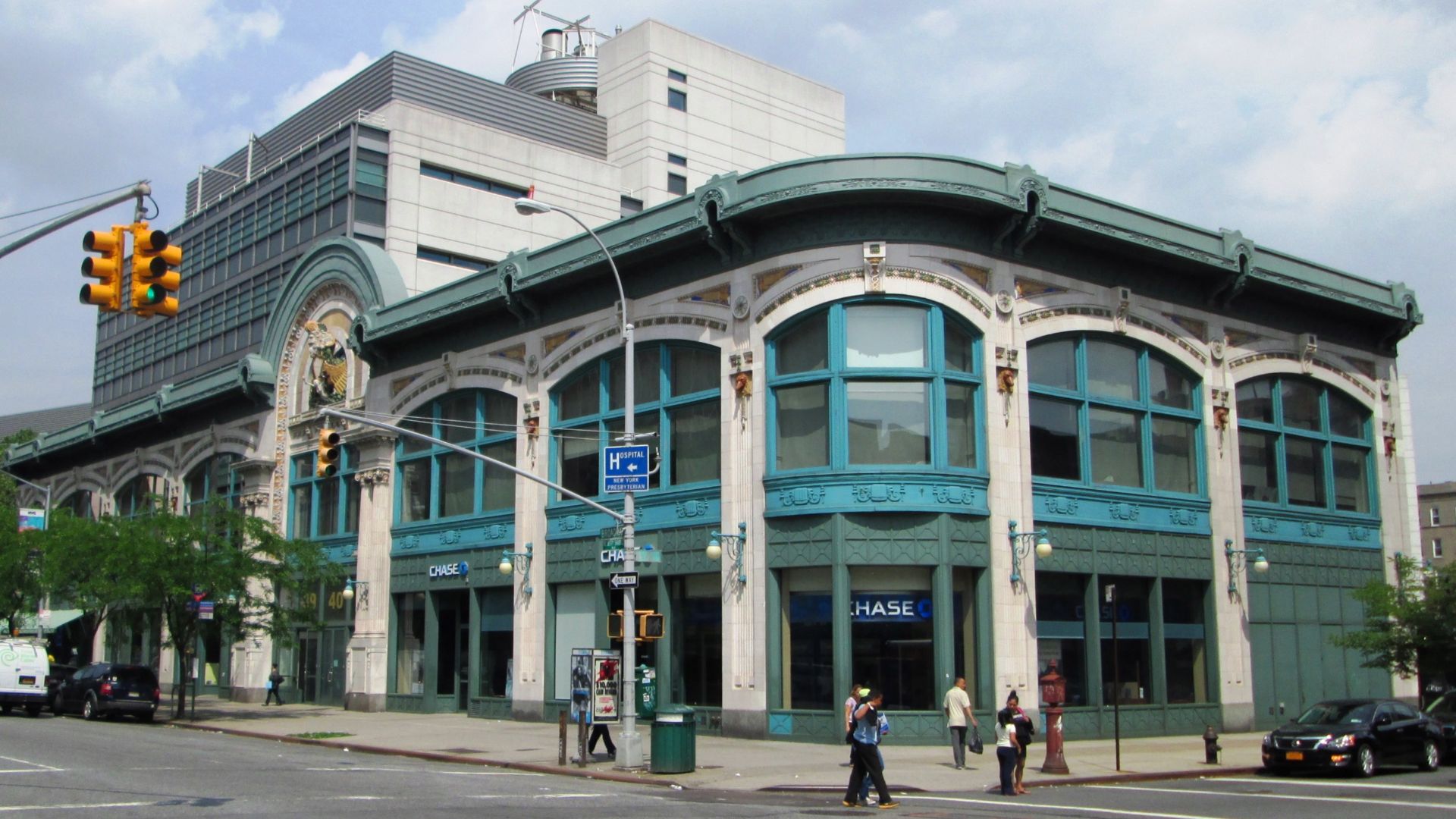
But Malcolm’s efforts came to an abrupt halt on 21 February 1965. He arrived at the Audubon Ballroom in Manhattan to deliver a speech to 400 people who wanted to hear more about his fledgling organisation. His pregnant wife, Betty, and their four daughters were in the crowd that night. Shortly after he stepped onto the podium, however, the room was plunged into chaos.
 Beyond My Ken, Wikimedia Commons
Under Cover Of Confusion
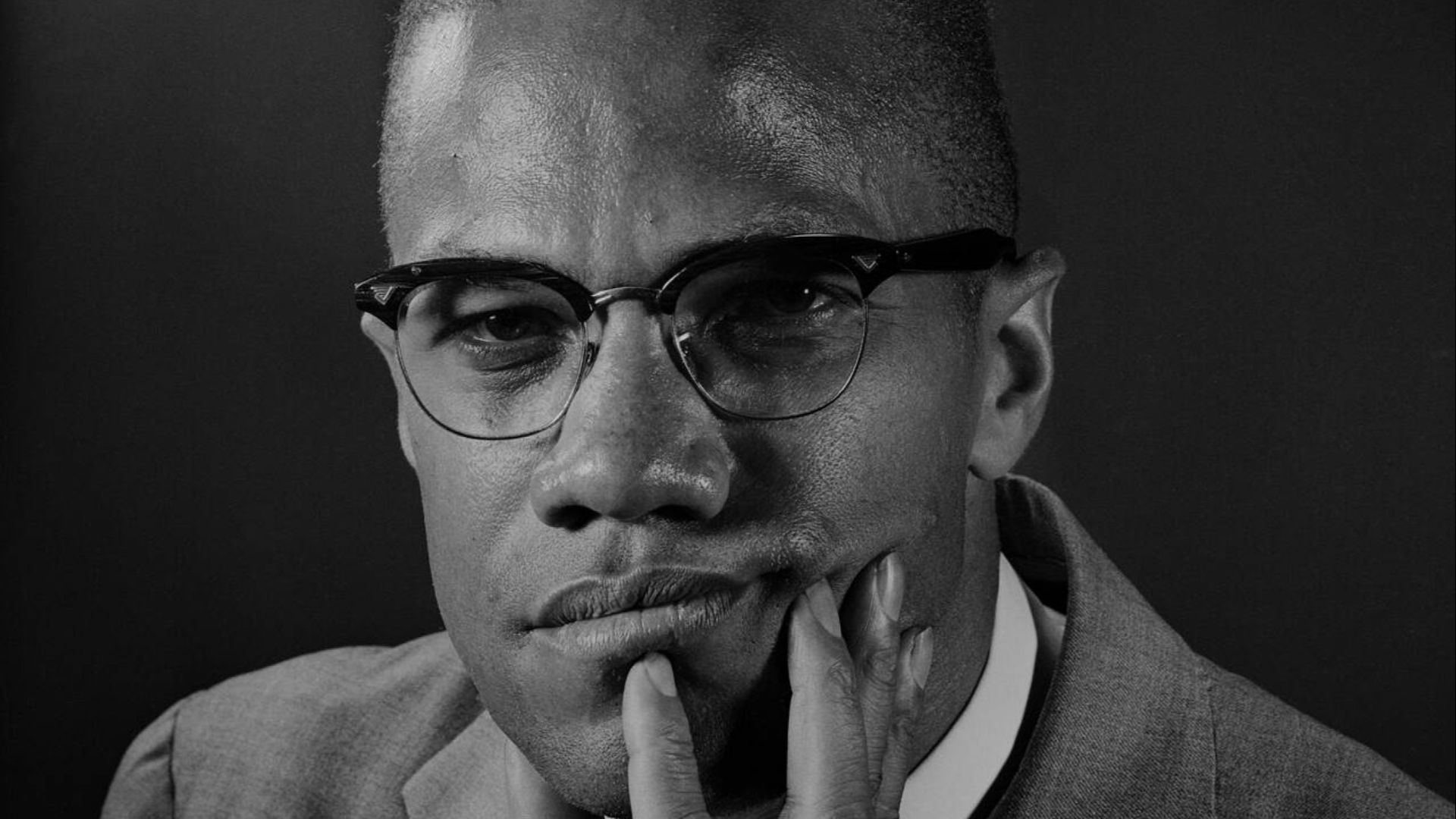
As he greeted the audience, a smoke bomb was thrown in the crowd, and people started to scream. In the confusion, a man advanced on the stage, wielding a sawn-off shotgun, and shot Malcolm square in the chest. Two other men then rushed forward, brandishing firearms of their own, and began to rain bullets down on Malcolm’s lower body, before all three turned and fled. Malcolm was pronounced dead 15 minutes later.
 Eddie Adams, Wikimedia Commons
Many Gained From His Death
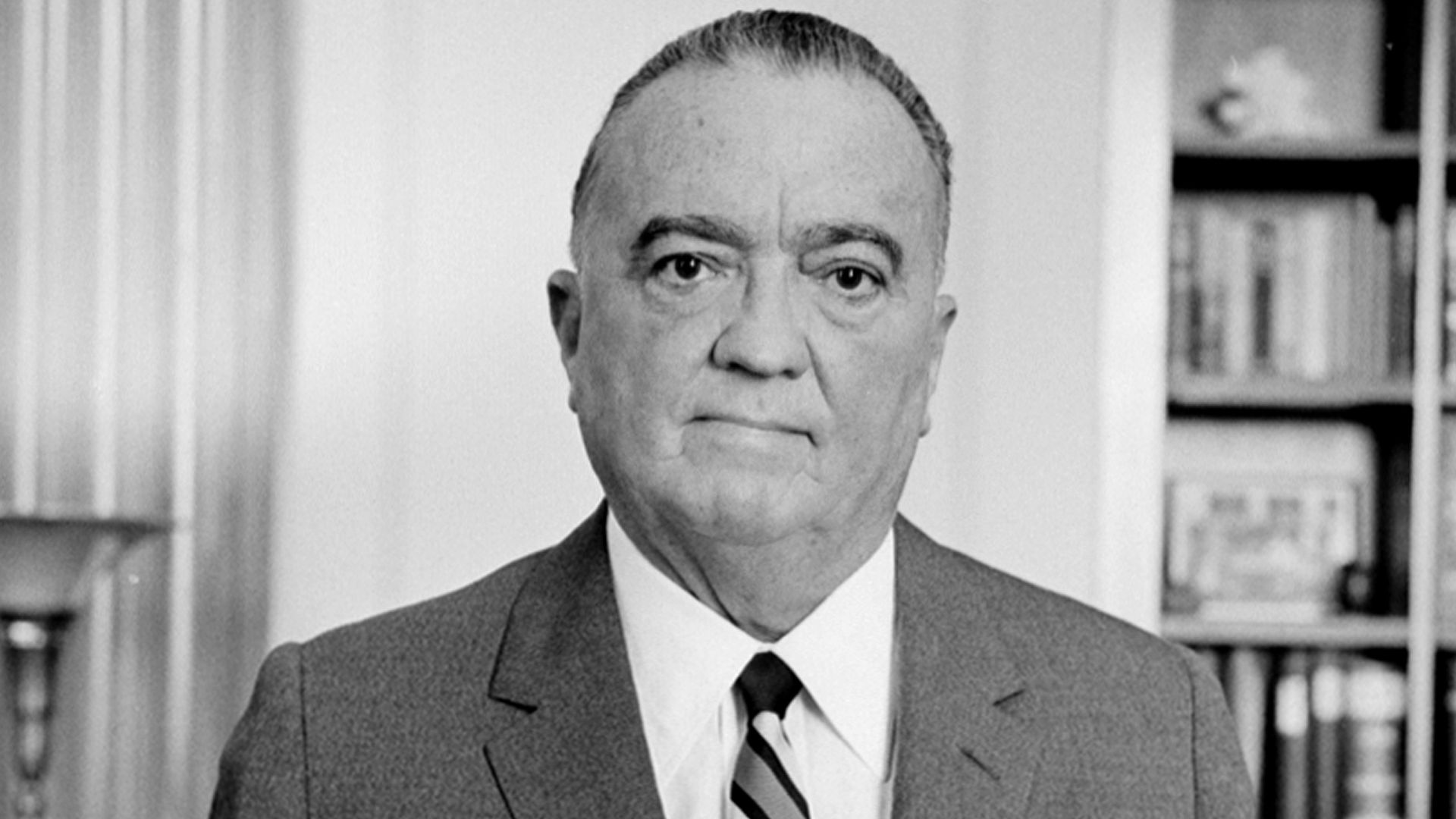
Malcolm’s killers were all members of the Nation of Islam. But although this group was responsible for pulling the trigger, they weren’t the only ones who gained something from the leader’s death. Lang says: “While Malcolm’s murder served political interests for the Nation of Islam and its leadership, it also stretched beyond the group, to serve US government entities – including the executive branch of the American government.” The FBI director, J Edgar Hoover, had been deeply suspicious of Malcolm, and had placed him under heavy surveillance.
 Marion S. Trikosko, Wikimedia Commons
His Ideas Lived On
Although the authorities might have hoped that calls for a separate black nation would have died with Malcolm, they continued to grow – and many, such as the founders of the Black Panther Party for Self-Defense, were deeply inspired by Malcolm’s ideology. Farmer says that “there is probably no one person who influenced the rise of the Black Power movement more than Malcolm X”. While Black Power waned in popularity in later years, it remains intertwined with the history of the US civil rights movement, whose sprawling and complex legacy continues to shape America today.
This content was created in partnership with HistoryExtra.
 Ed Ford, World Telegram staff photographer, Wikimedia Commons