

History's Biggest Failures
"Failure isn't fatal, but failure to change might be" —John Wooden
Humanity’s come a long way—but not without tripping over its own feet first. Take the Austrian army, for example, who once managed to destroy themselves at the Battle of Karánsebes before even seeing the enemy. By the time they realized the truth, the only thing left standing was their humiliation.
From space-age disasters like the Challenger tragedy to battle blunders so bad they sound made-up, these are history’s biggest, most unbelievable fails—and the jaw-dropping stories behind them.

1. The Devastating Challenger Mistake
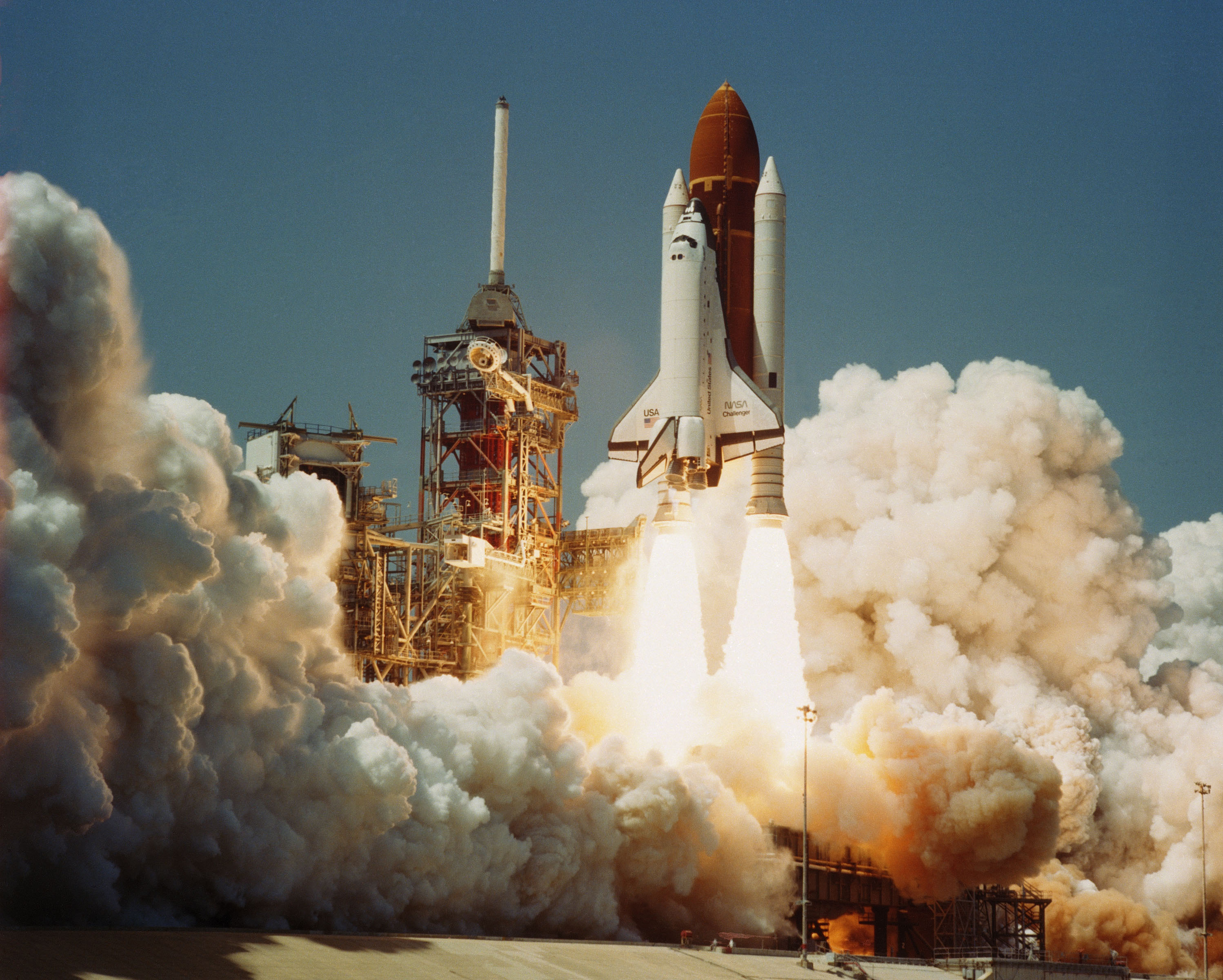
When the Challenger shuttle blew up in 1986, only 73 seconds after its launch, all seven astronauts aboard were tragically incinerated, and the American public became traumatized by the televised tragedy. What went wrong? The O-ring seal in the joint of its right solid rocket booster failed at liftoff due the low temperatures. The O-ring was known to fail at low temperatures, but the managers of the launch ignored the warnings of the engineers about the low temperatures.
 Unknown authorUnknown author on Wikimedia
2. The Release Of The Deadly Bees
The Africanized bee that has spread across the American continents isn’t a naturally occurring bee, and was actually cross-bred in Brazil during the 1950s. These highly aggressive and territorial bees escaped from quarantine and have since continued their way North into the United States, first showing up in North America 1985.

3. Sitting Ducks
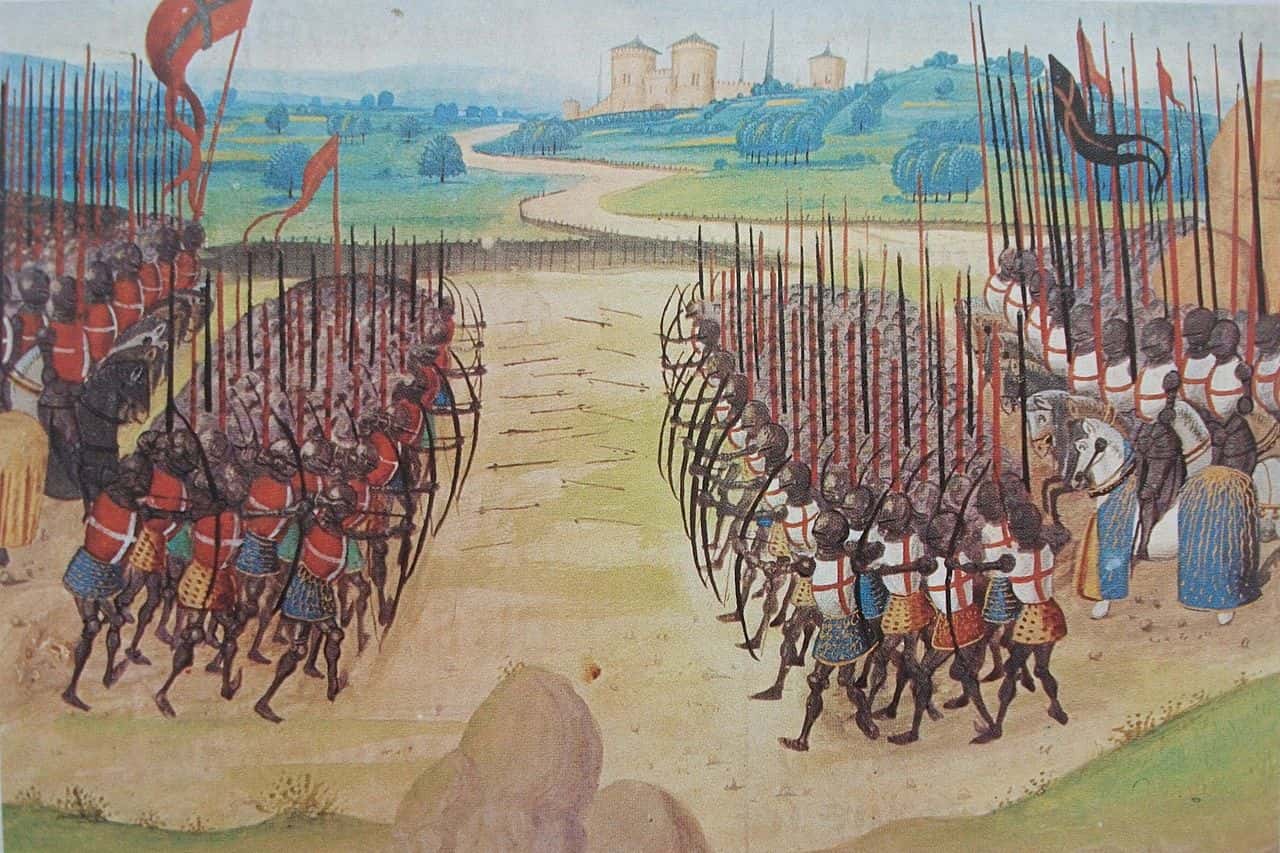
One of the most important English victories during the Hundred Years War with France was the Battle of Agincourt, when King Henry V led his army into France and came up head to head with a larger army. However, the commander of the French army really screwed up his advantage. He went at the English army in a very muddy field, so the heavily-armored French became sitting ducks for the famed English archers, who picked off the slipping and sliding French with ease.
4. Russian Winter Is Not For The Weak
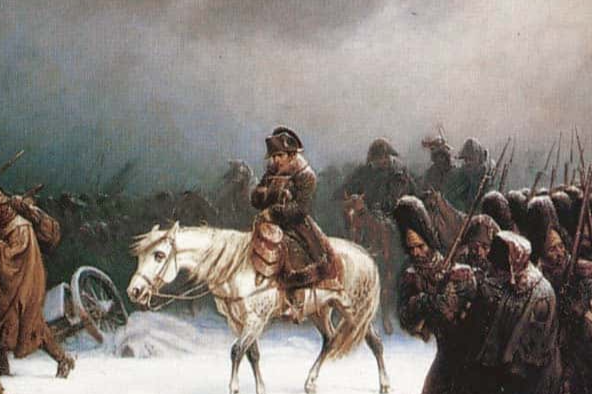
Sometimes the obvious ones are obvious for a reason. But the ego of individuals in power can often grow too big to control. Such is the case of attempting to invade Russia in the winter. Charles XII, Napoleon Bonaparte, and Adolf Hitler all pushed their luck too far and made the calamitous misstep of bringing their army into Russia during the winter. Never a good idea. Unless you're a Mongol.
5. Burning Books
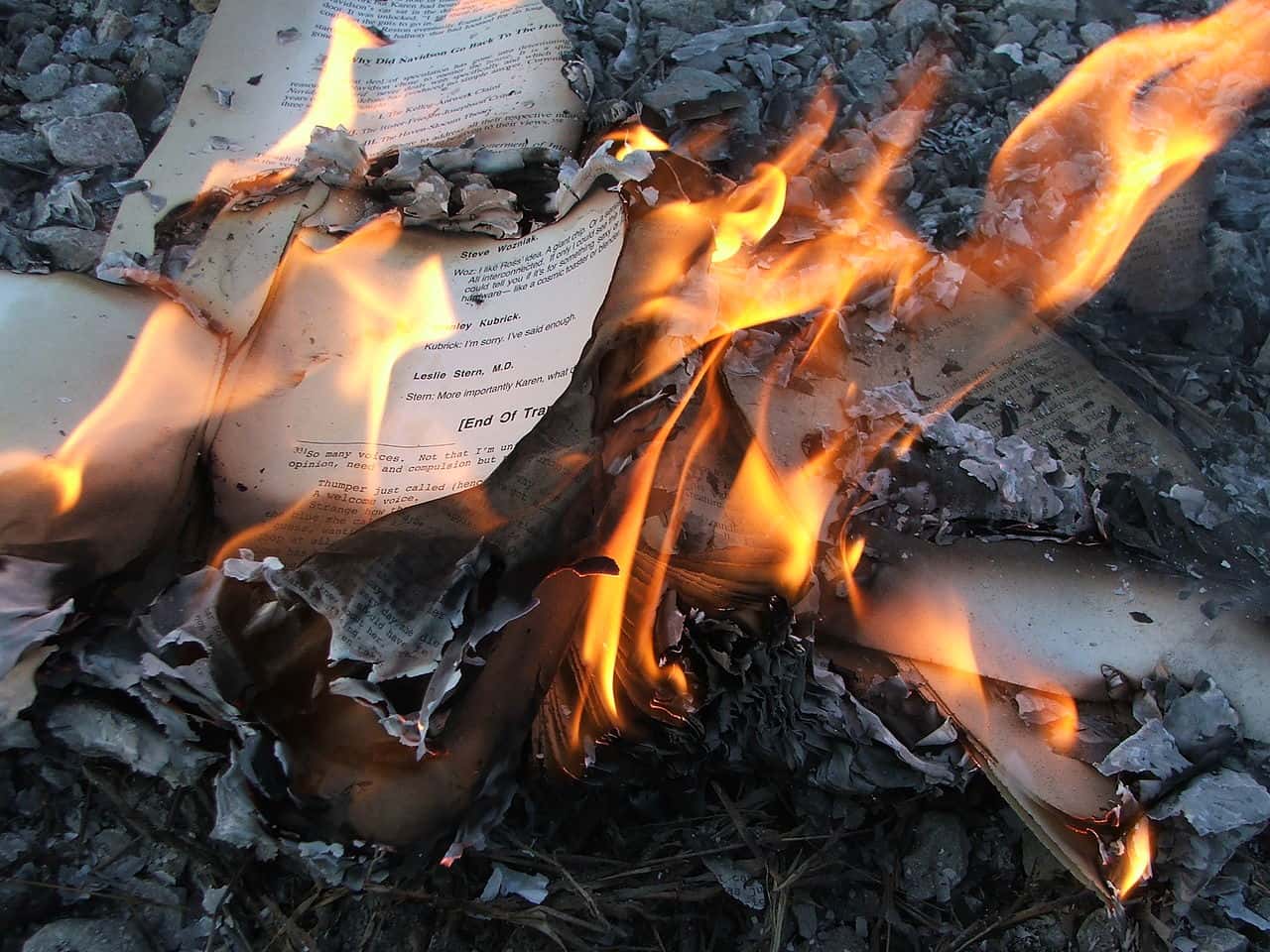
The burning of books and knowledge centers such as libraries is an ancient form of cultural cleansing that is still practiced today. Two notable examples are the Library of Serapeum and the House of Wisdom in Baghdad. Unfortunately, this tactic is still in practice, with ISIS burning books throughout Iraq.
6. Mission to Mars
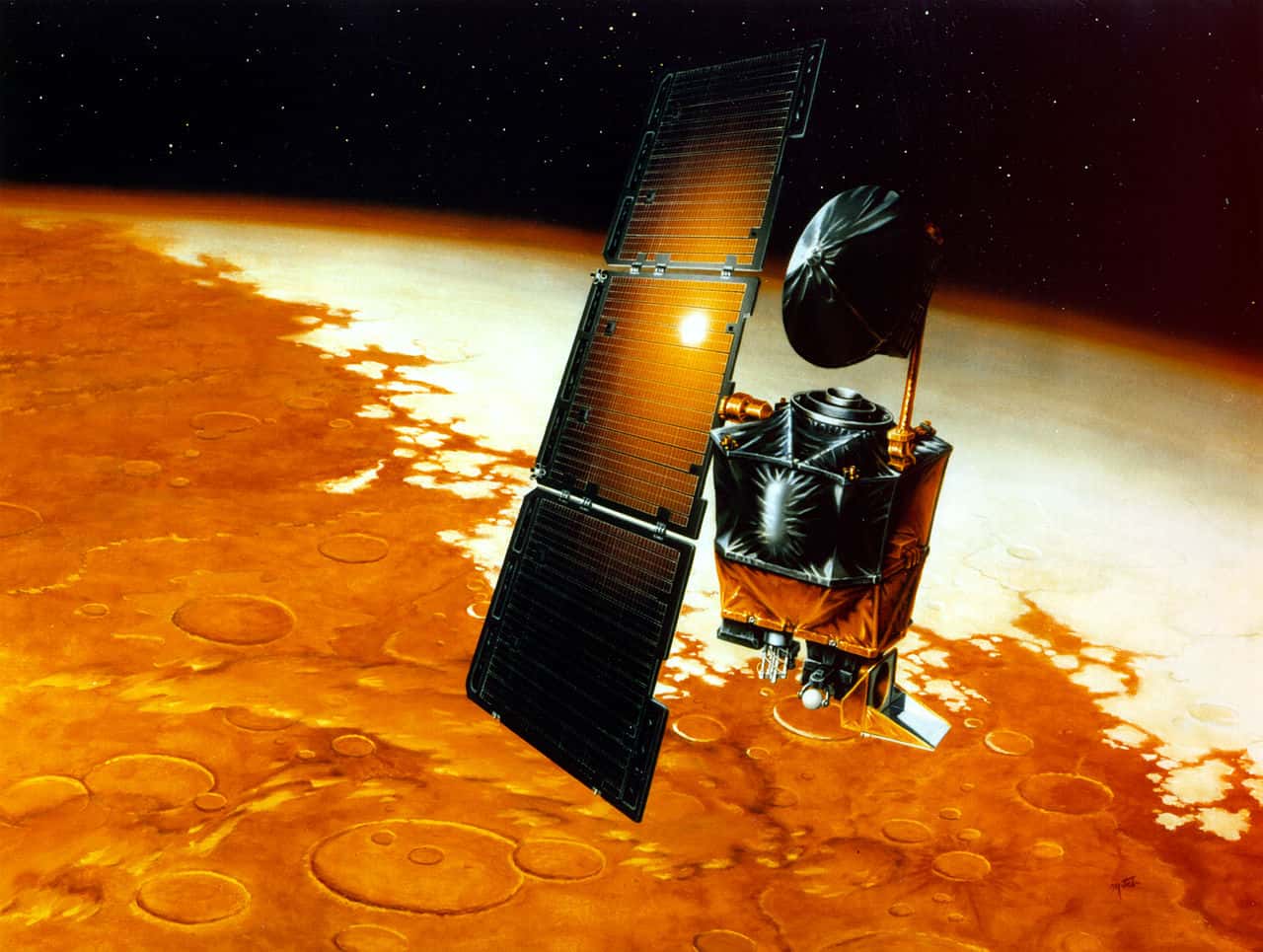
In 1998, NASA launched the Mars Climate Orbiter—a $300 million marvel designed to study the Red Planet. Everything went according to plan... until it didn’t. When the probe reached Mars the following year, it mysteriously vanished, likely burning up in the planet’s atmosphere. The reason? A stunningly simple math error. NASA’s team was using metric newtons, while Lockheed Martin programmed the craft in British pound-seconds. One tiny conversion mistake—and poof—$300 million gone faster than you can say “check your units".
7. Don’t Mess With Genghis
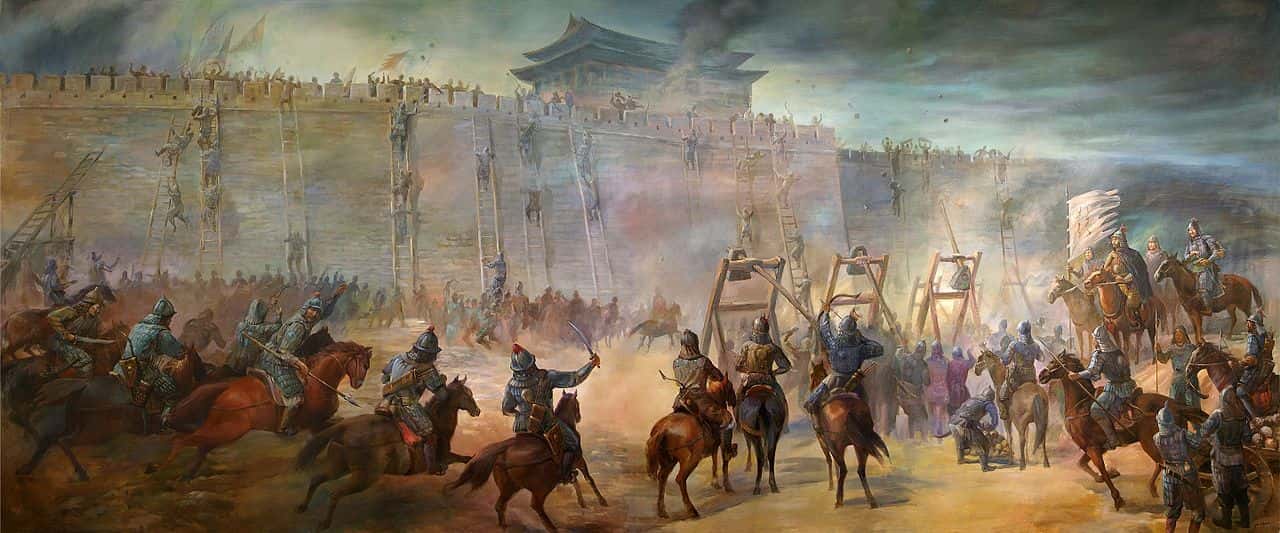
Don't tick off Genghis Khan. Khan sent a convoy to the Shah Ala ad-Din Muhammad for negotiations, but instead received the severed head of his diplomat in return. Yeah, wrong move guy. The Khan responded by sending a massive swarm of troopers to annihilate the Shah's empire.
8. Who Left the Gate Open
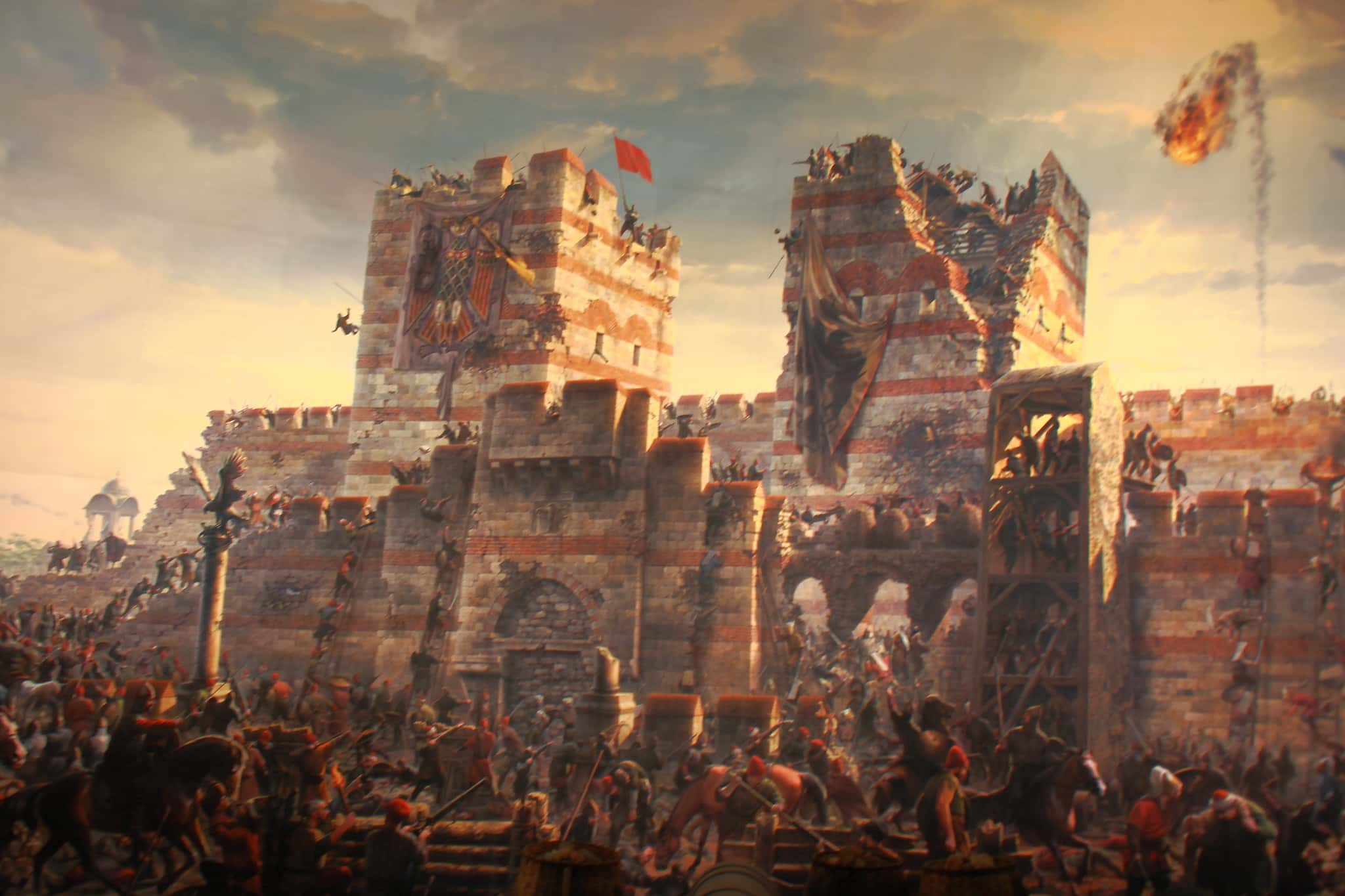
In 1453, the Ottomans besieged Constantinople in an attempt to topple the Byzantine Empire. Though many thought the siege would fail, they underestimated good old human forgetfulness. In this case, according to a contemporary account, the Byzantines forgot to close one of their gates to Constantinople, allowing the Ottomans to waltz right in and raise their flags on the city walls. This caused widespread panic among the Byzantine troopers and the Ottomans managed to take the rest of the city with relative ease.

History's most fascinating stories and darkest secrets, delivered to your inbox daily.
9. Titanic Failure
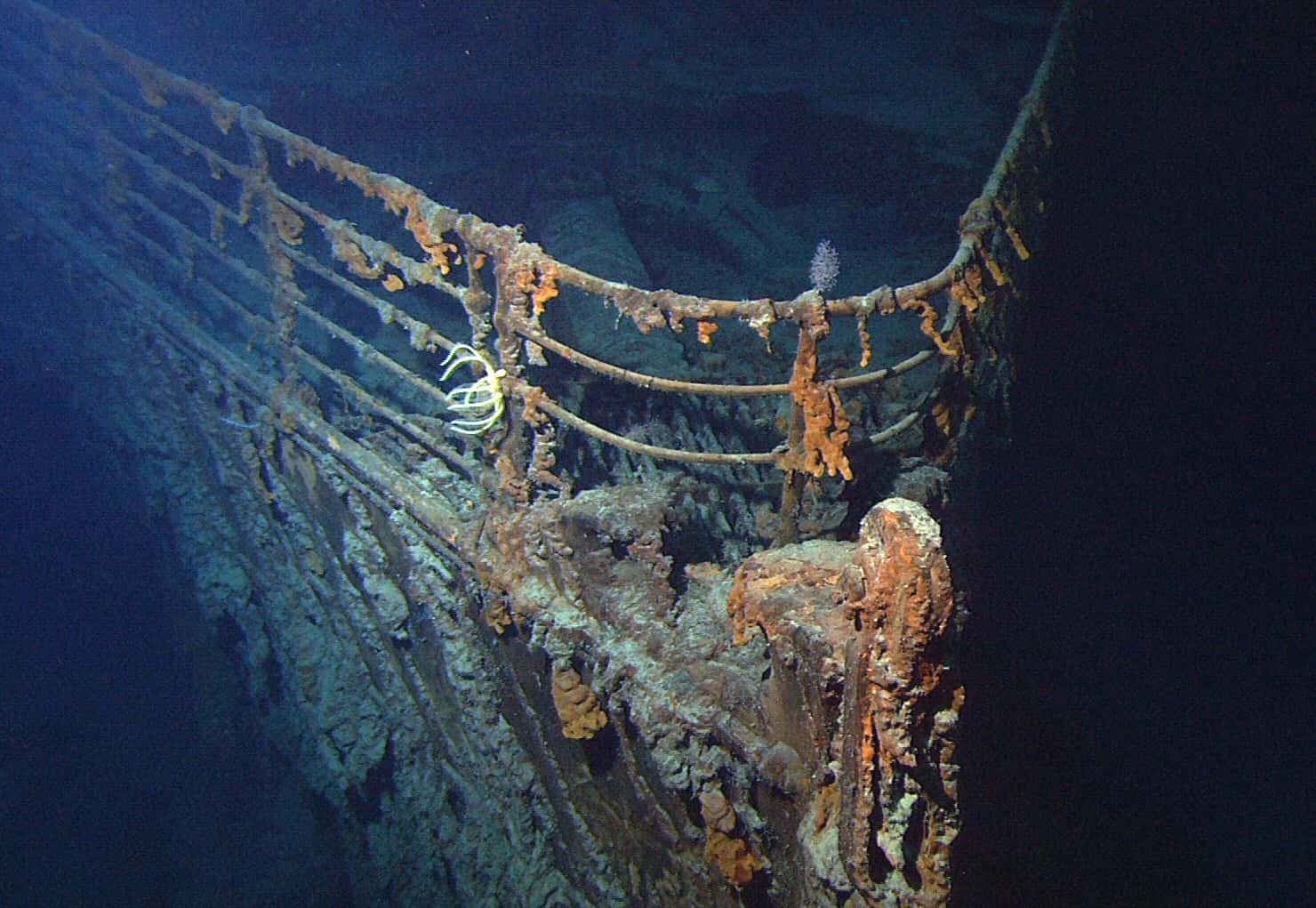
You would think that the technological marvel of the Titanic would have spent a little of the money used on the ship for safety precautions. Wrong. Instead, because of ridiculously outdated safety regulations, the Titanic was severally understocked in lifeboats, which doomed many aboard the ship during its meeting with an iceberg.
10. Start The Conflict
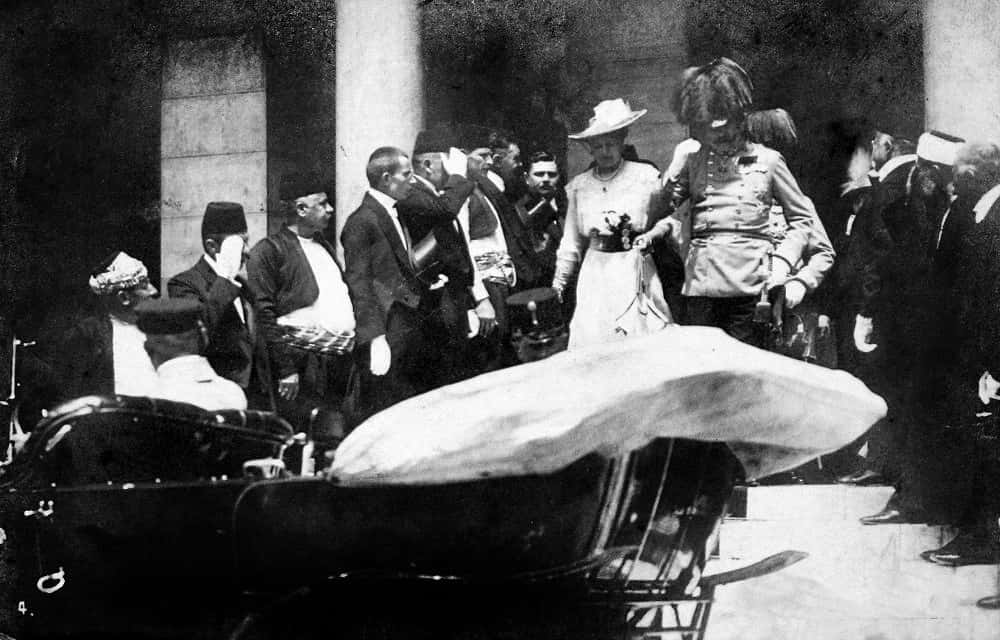
The assassination of Franz Ferdinand is known as the kickoff of WWI, but it only occurred due to a mistake Ferdinand’s driver made. Earlier in the day, there was an attempt to take Ferdinand out with an explosive. Later, as the driver was taking the Archduke to visit the hospital where the victims of the explosion were being treated, he made a wrong turn and wound up in front of one of the original assassins, who realized the golden opportunity and took it.
11. Draw the Line
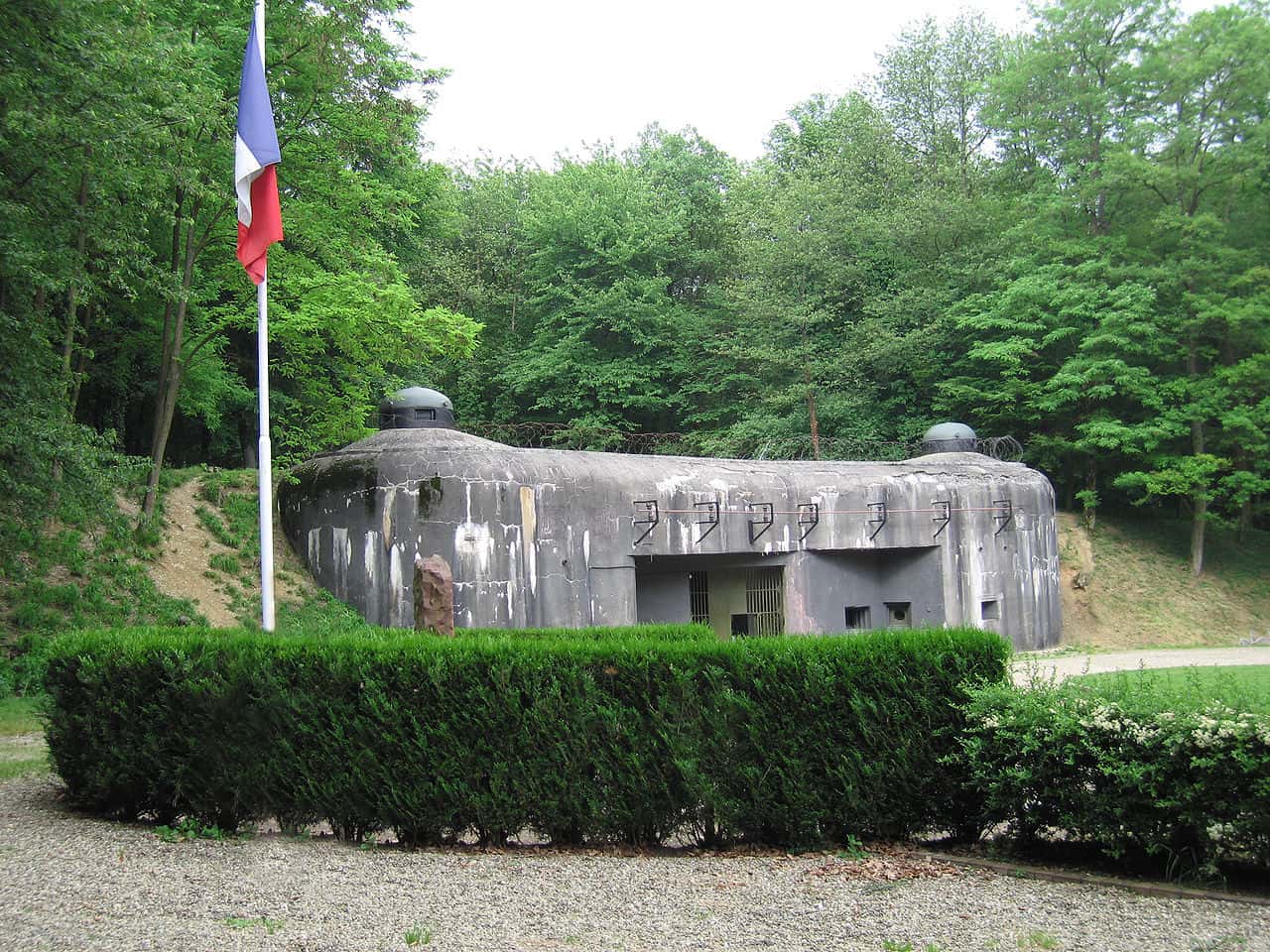
Determined not to repeat the horrors of WWI, France built the Maginot Line—a sprawling, high-tech wall of fortresses meant to keep Germany out. It was massive, expensive, and supposedly impenetrable. There was just one tiny flaw in the plan: the Germans didn’t bother attacking it. Instead, they calmly went around the entire thing, rolling through an unguarded stretch of Belgium while France’s billion-dollar “invincible” defense sat there collecting dust.
12. Be Careful of What You Bake
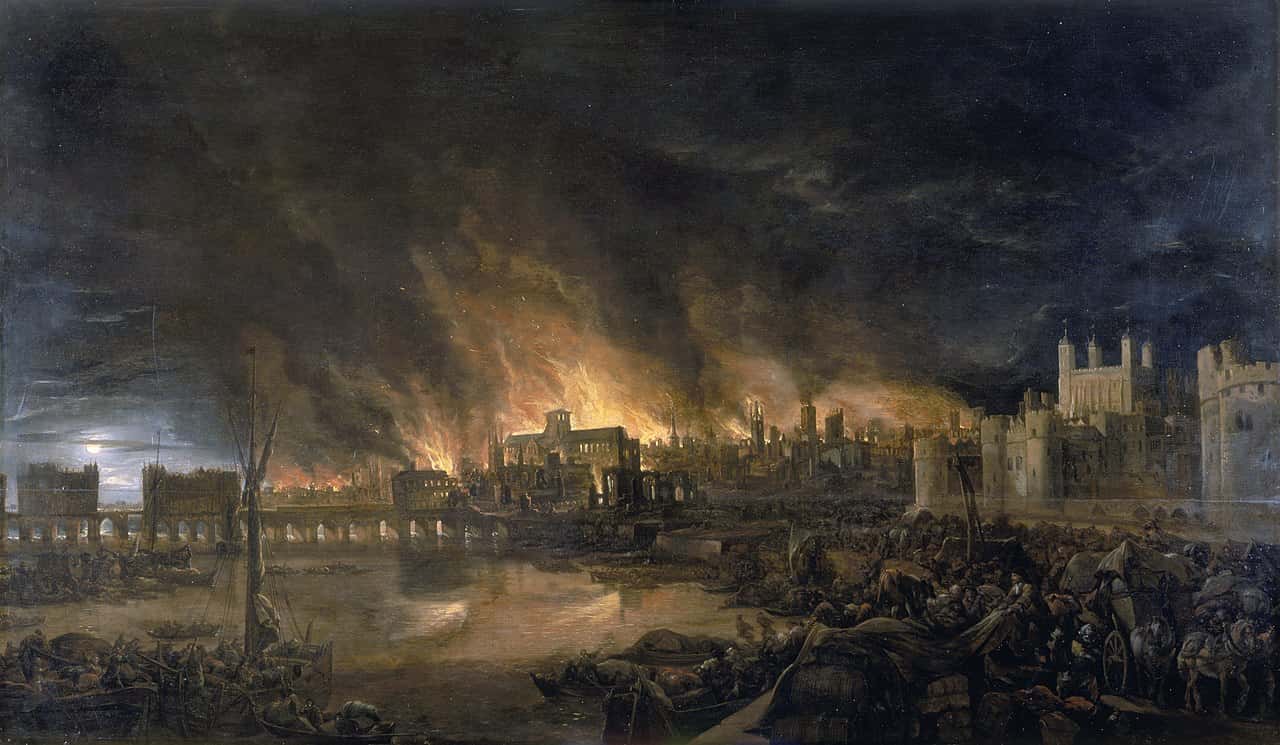
Distraction isn’t a thing that happens only because of cell phones. In fact, humans are always getting distracted. The Great Fire of London was started accidentally by a baker when he got sidetracked and forgot rake out his oven of the days crumblings. The baker denied it until he passed on, but we see you dude.
13. Forest Fires Kill
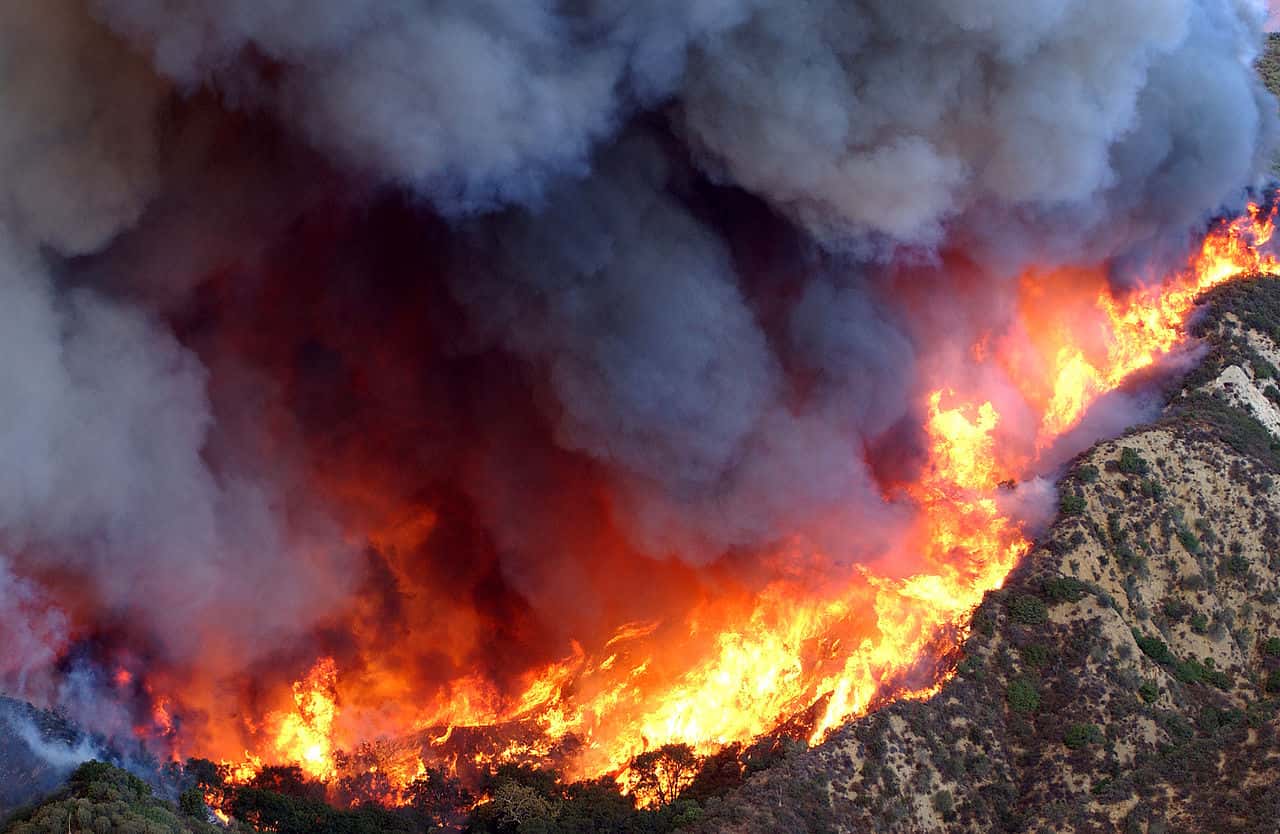
In 2003, the largest fire at that point in California history took place after a lost hunter shot off a flare in an attempt to be found. Somewhere outside of San Diego, the hunter’s flare started a fire that rapidly grew out of control and devastated the entire region.
14. Cats in the City
While Britain was suffering through The Great Plague of London, many people believed that cats were spreading the plague, and they started to kill off the city’s felines. Bad idea. As it turns out, rats were responsible for the spread, and by killing off the cats, people allowed the disease to get even further of control as the rat population boomed without as much predator competition.

15. No Place Here
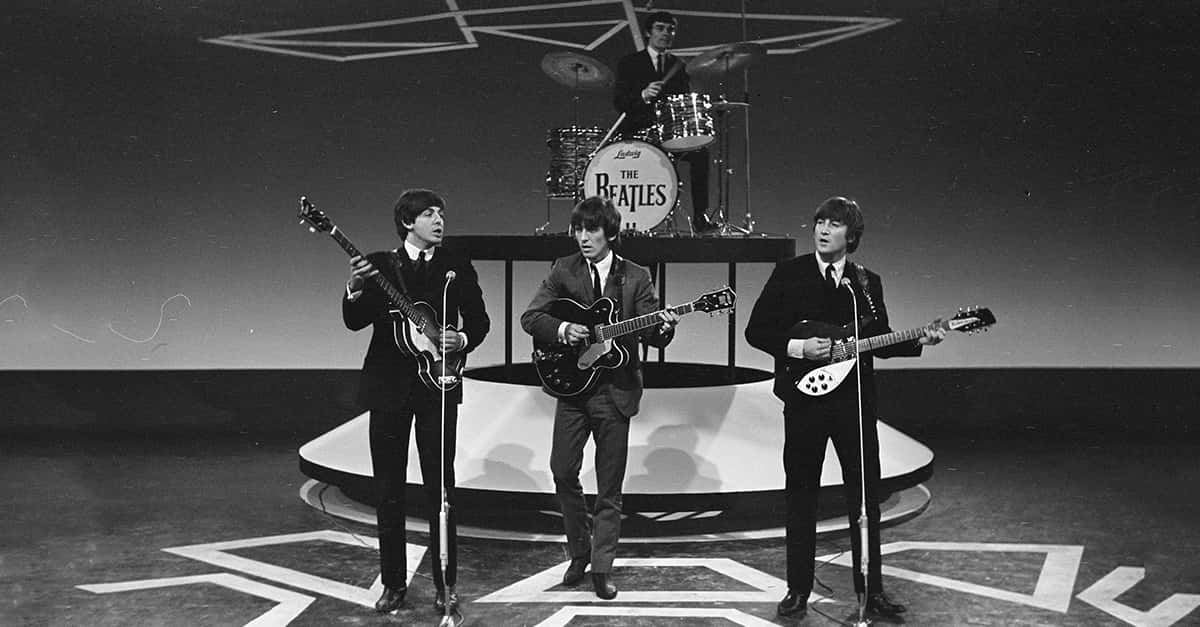
In 1962, Decca Records was under the belief that guitar groups would not have a place in the future, and turned down the opportunity to sign a little-known band called The Beatles.
16. Emu Battle
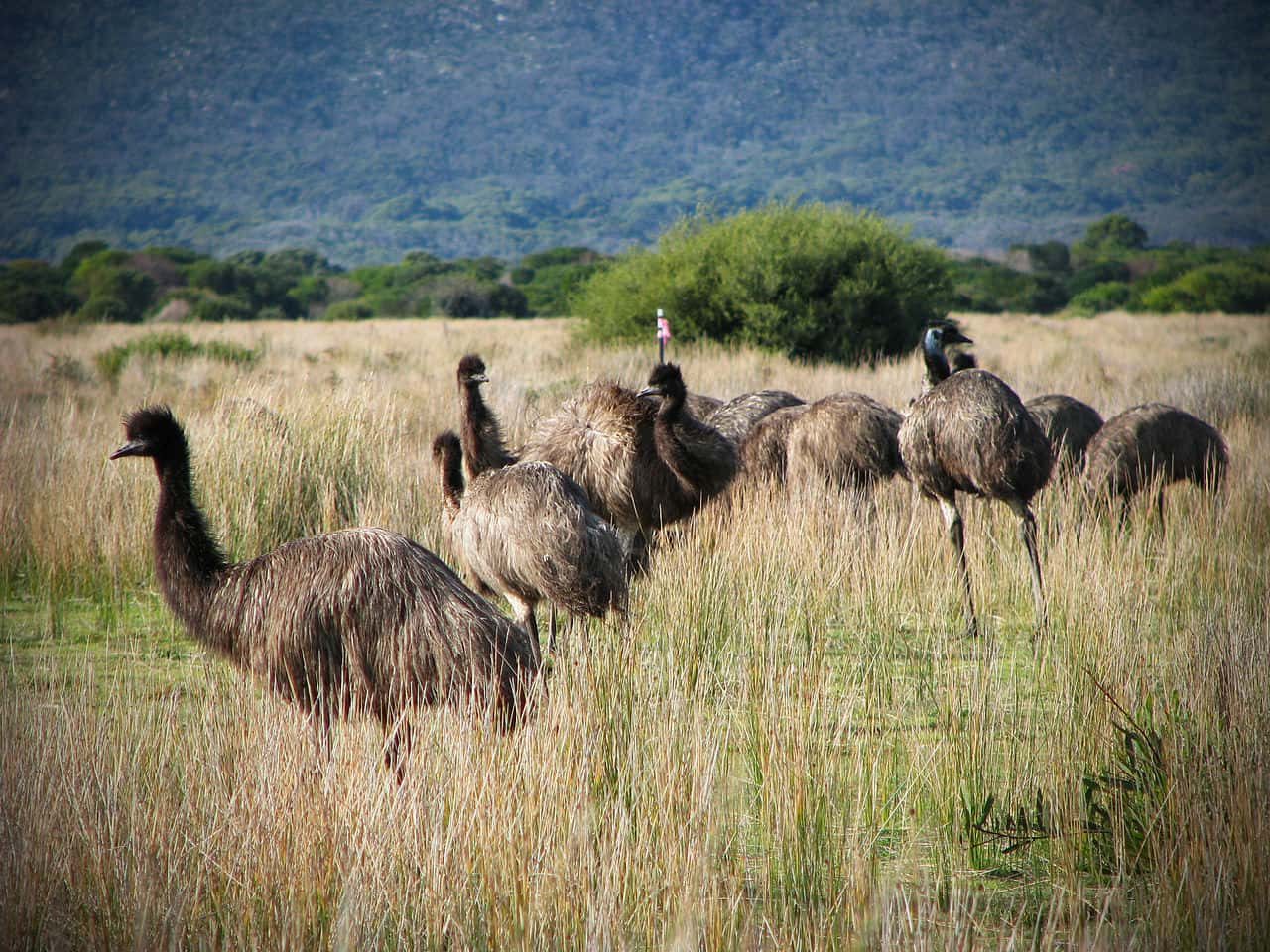
Emus, the massive flightless birds who can eat a farmer’s entire harvest in one sitting, invaded Australian farmland in 1932 and set about to doing damage to their stock. In need of help, the army was called in to drive the emus away. What might seem like a problem easily solved by army troopers and machine guns, however, is actually not. Apparently immune to bullets, the emus could not be corralled, and eventually the Australian army was forced to admit defeat for the time being.
17. Iraqi Invasion
The War in Iraq is largely seen as one of the biggest failures in American history, with even George W. Bush lamenting it as his “biggest regret.” The decision to invade Iraq and depose Saddam Hussein was a confluence of intelligence and policy failures, as the Bush administration embarked on a propaganda campaign to convince the world of an Iraqi weapons of mass destruction program.
 Flickr, The U.S. National Archives
18. Communication Breakdown
The U.S. thought it could quietly topple Fidel Castro’s regime—but the Bay of Pigs invasion turned into one of the biggest embarrassments in CIA history. Backed by Washington, a small army of Cuban exiles stormed the island in 1961, expecting air support and an easy victory. Instead, they were abandoned on the beaches, outgunned, and swiftly crushed by Castro’s forces. The fiasco poisoned U.S.–Cuba relations for decades and cemented America’s reputation for catastrophic overconfidence.

19. Inept Intelligence Sharing
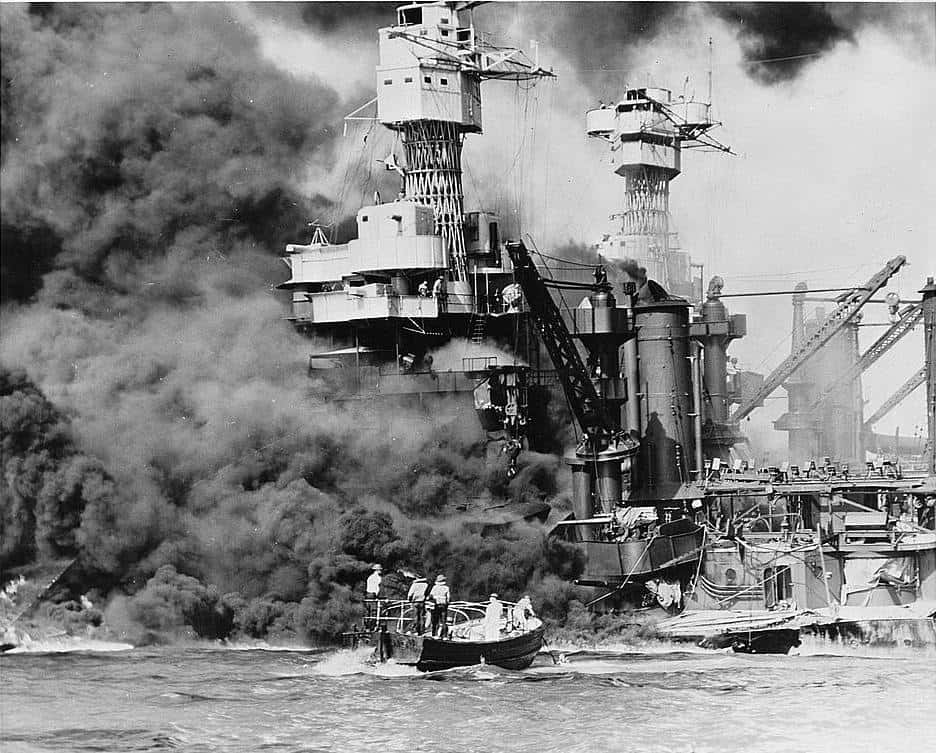
The attack on Pearl Harbor can be seen as a failure of the American intelligence community, which was then lacking a centralized agency. The United States had cracked a Japanese code and warned Washington of the potential attack on Hawaii, but inadequate intelligence sharing among government agencies led to a neglect of information, and no preparations were made in case of attack.
20. Patriarchal Failure
This one is a good kind of failure. Elizabeth Blackwell was rejected from every medical school she applied to, 29 in total, until Geneva Medical College (now Hobart College) accidentally accepted her. Despite the fact that many MDs refused to work with her, she would persevere to become the first woman to receive a medical degree in the United States. She would go on to establish the first medical college for women.

21. Their Own Explosives Lead to Their Demise
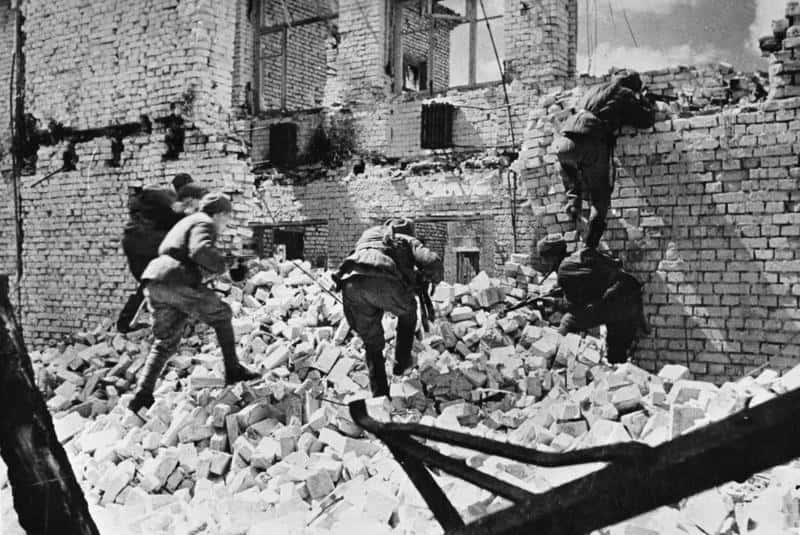
Adolf H had promised a victory on Soviet soil, but a failure to keep a mobile strategic reserve by his Generals led to their defeat and a turning point in WWII. At the Battle of Stalingrad, the entire German Sixth Army was surrounded by Soviet troopers. The Fuhrer's tanks, however, were unable to enter the city because of the mass amount of rubble left by the Germans' own explosion.
22. Siesta Surprise
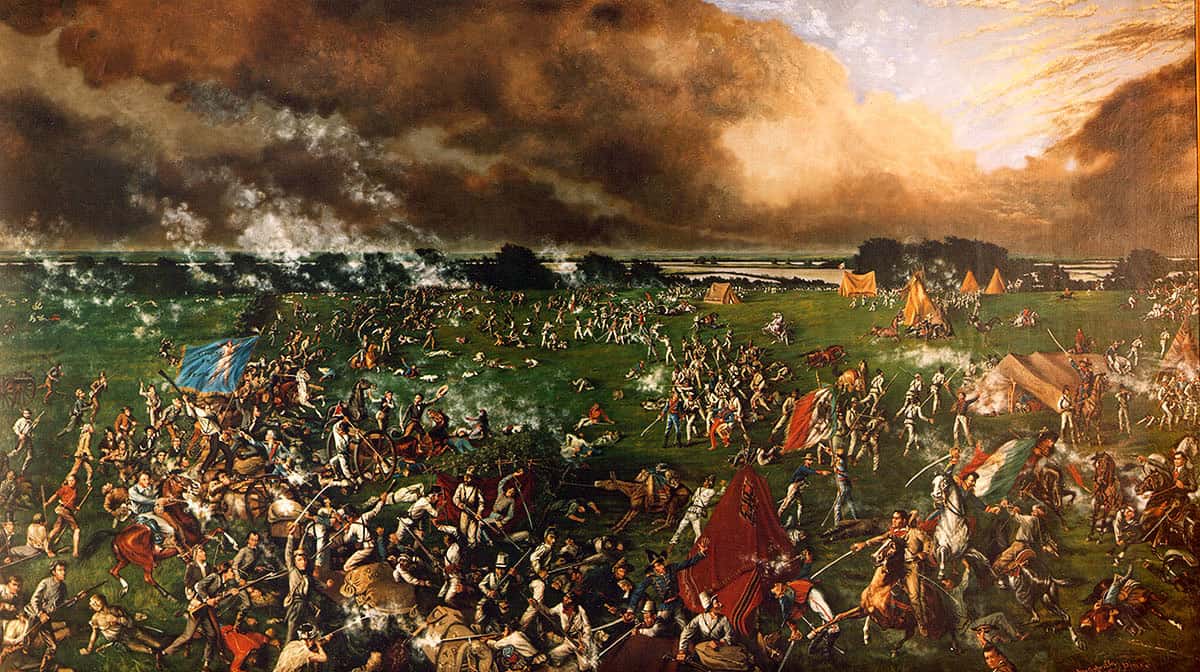
There’s no sleeping in battle. On April 21st, 1836, the Battle of San Jacinto in the Texas Revolution went down when General Santa Anna allowed his army to take an afternoon siesta in order to get some rest, even though he was aware of the close proximity of the Texian army. General Sam Houston seized this opportunity and led a surprise attack in broad daylight, slaughtering 630 of Santa Anna's 1,400 troopers.
23. Antioch Embarrassment
Roman Emperor Julian embarked on a Persian campaign in the year 363 that would prove to be one of Rome’s largest failures. In an attempt to invade the Sassanian Empire, Julian led his army into the interior of the region and became trapped. He would soon perish, and his successor, Emperor Jovian, had sign one of the more humiliating peace treaties in history in order to save what was left of the Roman army.

24. Betamax Bust
Ever wonder how VHS became the king of home video? Back in the 1970s, Sony unveiled the Betamax—a sleek, high-quality video format that was actually better than VHS in almost every way. But Sony made one fatal mistake: they kept Betamax proprietary, refusing to let other manufacturers produce it. Meanwhile, VHS spread like wildfire, licensed to anyone who wanted in. Within a few short years, Betamax was gone, and VHS wasn’t just winning—it was rewriting the rules of the entire home entertainment industry.

25. Civil Conflict Blunder
The Battle of Gettysburg is seen as the turning point for the American Civil conflict, and Pickett’s Charge is one of its big failures. On the last day of the battle, the South embarked on a combative advance directly onto open fields, subsequently suffering a 50% causality rate from which they were never able to recover, materially or psychologically.

26. Mayoral Failure
252 people lost their lives in 1992 when the city of Guadalajara underwent a series of tragic explosions due to inept local governance. Days before the explosions, the city saw gas leaking into its sewers and water supply, but the mayor found it no cause for concern and left everything as is, only to see it literally explode in his face.

27. Mississippi River Collapse
The I-35W Mississippi River bridge on collapsed in 2007, leading to the deaths of 13 people and leaving 145 injured. The bridge was simply a poor design that was never fixed, and given the date of its collapse, it could have been prevented with modern technology.

28. When The Levees Broke
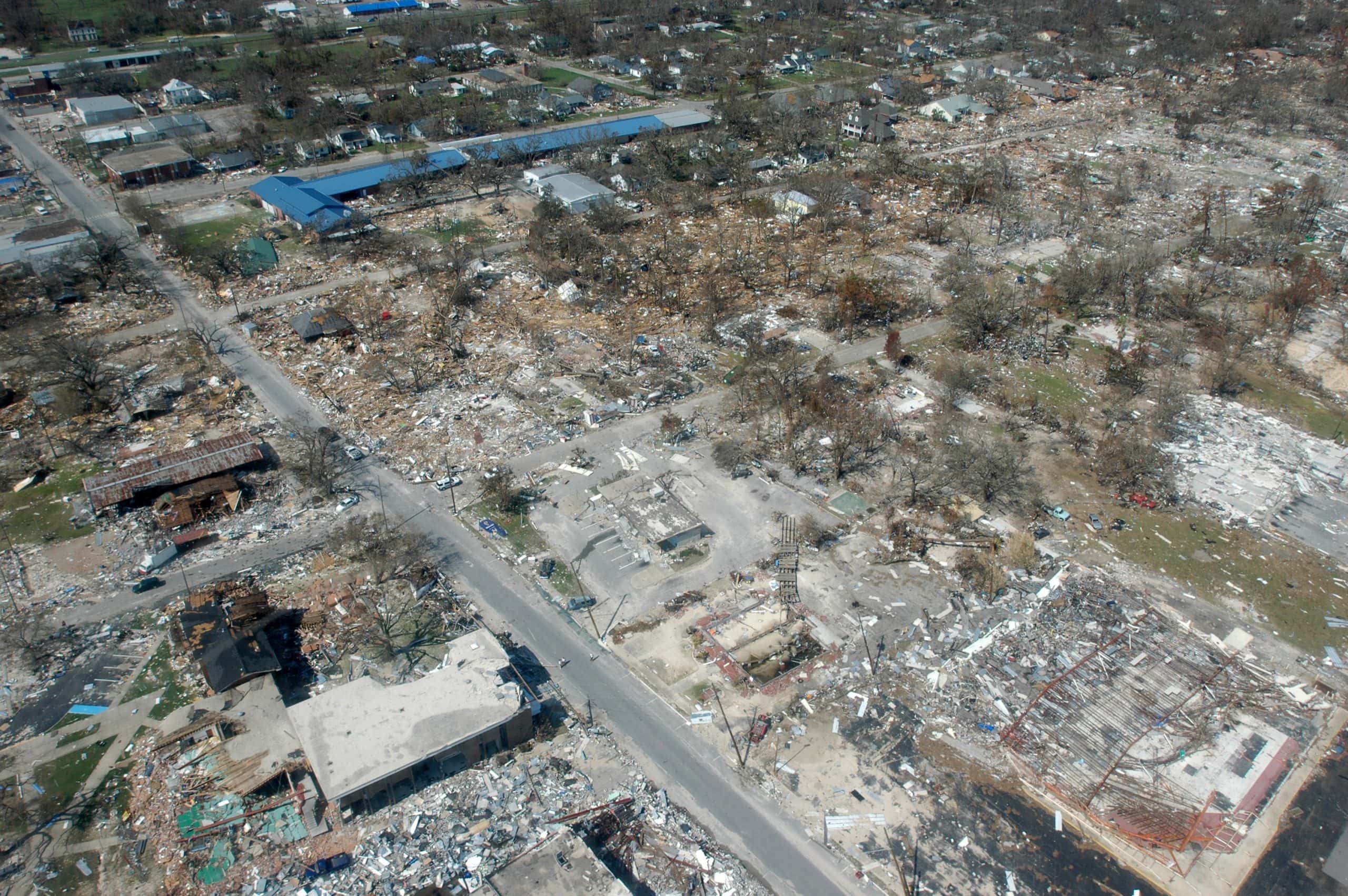
When Hurricane Katrina hit the Gulf Coast in 2005, some damage was expected, but the destruction that occurred led to an incredible unprecedented emergency. New Orleans saw the most damage, as the failure of their levees caused flooding in 80% of the city. The cause of failure for their levees was inadequate design and construction, which proved disastrous for the highly vulnerable area.
29. Mutual Loss
When the 2008 financial crisis hit, Washington Mutual didn’t just stumble—it collapsed spectacularly. Once a banking giant with over $300 billion in assets and nearly $200 billion in customer deposits, WaMu became the largest bank failure in U.S. history. Overnight, its empire crumbled, its doors were seized, and millions of Americans learned just how fragile “too big to fail” really was.

30. Texas Not Too Big To Fail
In the 1980s, the US went through a massive savings and loan crisis that saw many banks fail. The largest was First Republic Bank, who went down in 1988 with $33.4 billion.

31. Deadly Dam Break
The deadliest dam collapse in US history occurred in 1889, when the South Fork Dam broke and flooded Johnstown, Pennsylvania with 20 million gallons of water. The failure of the dam resulted in 2,209 deaths.

32. Dam Instability
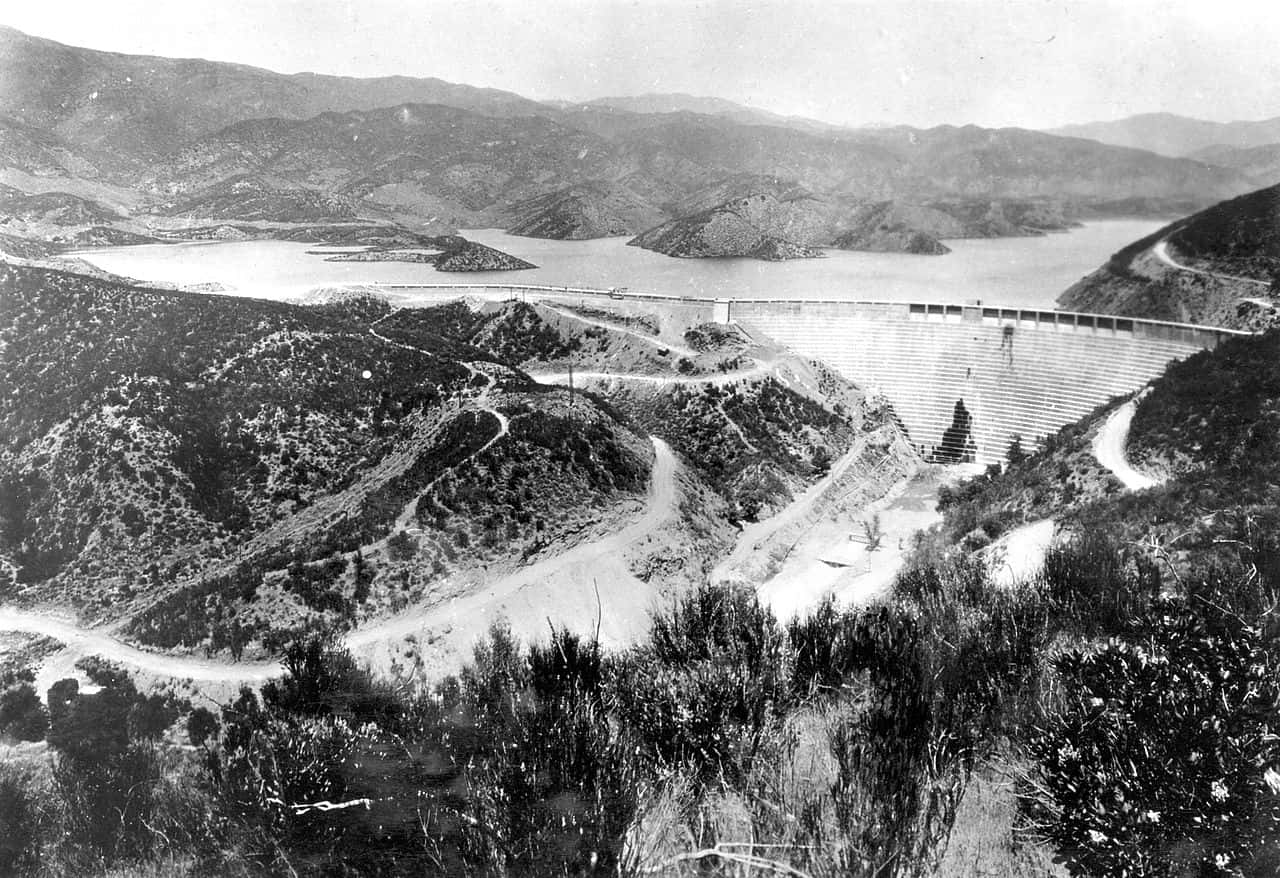
Considered one of the worst engineering disasters of the 20th century, the failure of the Saint Francis Dam in Los Angeles County in 1928 occurred after only 2 years of unstable operation. 12.4 billion gallons of water surged in waves as high as 120 feet, cutting the power and killing over 430 people. The remains of victims kept being found well into the 1950s.
33. Self Defeat
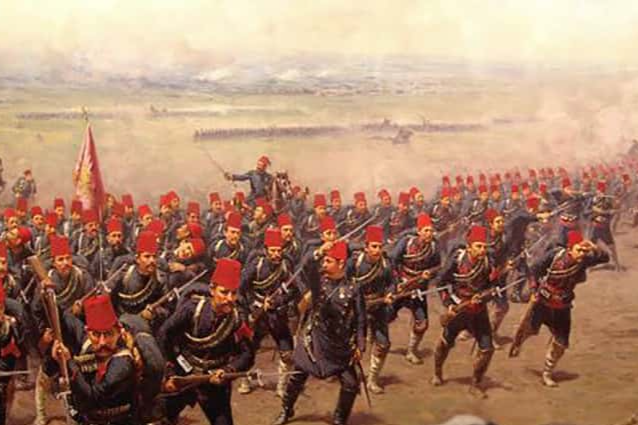
The Austrian army once suffered a terrible defeat due to their own ludicrous incompetence: At the Battle of Karánsebes they managed to destroy most of their own army when they attacked... themselves. The scouting unit for two separate divisions of the Austrian army mistook the other for the Ottomans and they decimated each other. The best part is, the Ottomans hadn't even showed up yet!
Sources: 1, 2, 3, 4, 5, 6, 7, 8, 9, 10, 11, 12, 13, 14, 15, 16, 17, 18, 19, 20, 21, 22












.jpg)

.jpg)
_edit.jpg)


