When Coffee Shops Were More Than Just Coffee
Remember when a cup of coffee cost pocket change, the waitress knew your usual order, and nobody hurried you out the door? During the 1960s, coffee shops were neighborhood institutions, roadside favorites, and gathering places for young people discovering music and independence. Some served pancakes around the clock, while others helped launch legendary musicians. These once-popular American and Canadian coffee shops are now gone, but the memories are still brewing.
Bickford's Coffee Shops
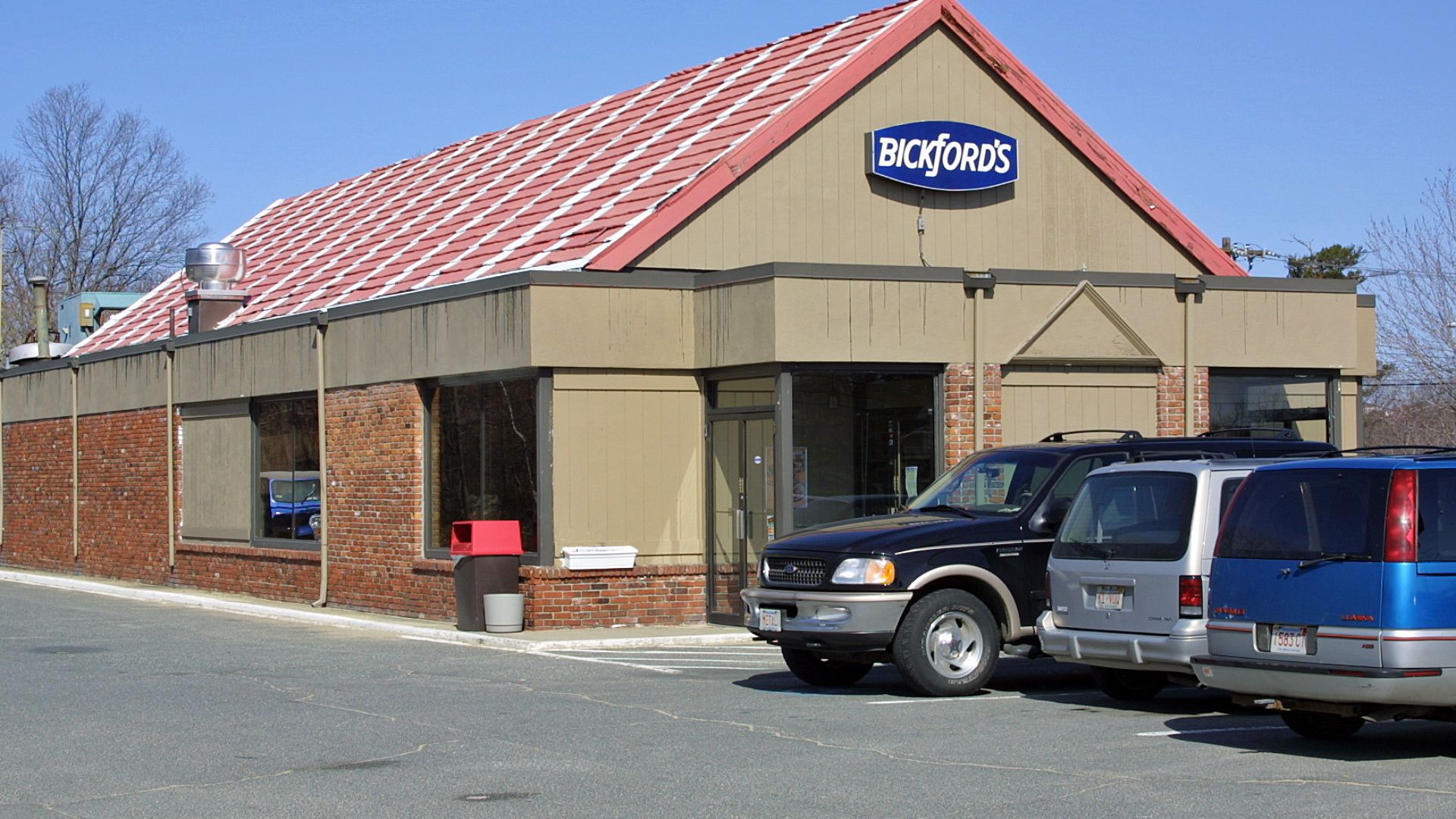
Before Starbucks appeared on practically every corner, Bickford's was a familiar sight in cities like New York and Boston. Known for affordable breakfasts, dependable coffee, and comfortable booths, these restaurants attracted everyone from office workers to late-night wanderers. By the 1960s, Bickford's was already a longtime institution. Its original New York locations eventually disappeared, taking a little piece of everyday city life with them.
 Anthony92931, Wikimedia Commons
Howard Johnson's Coffee Shops
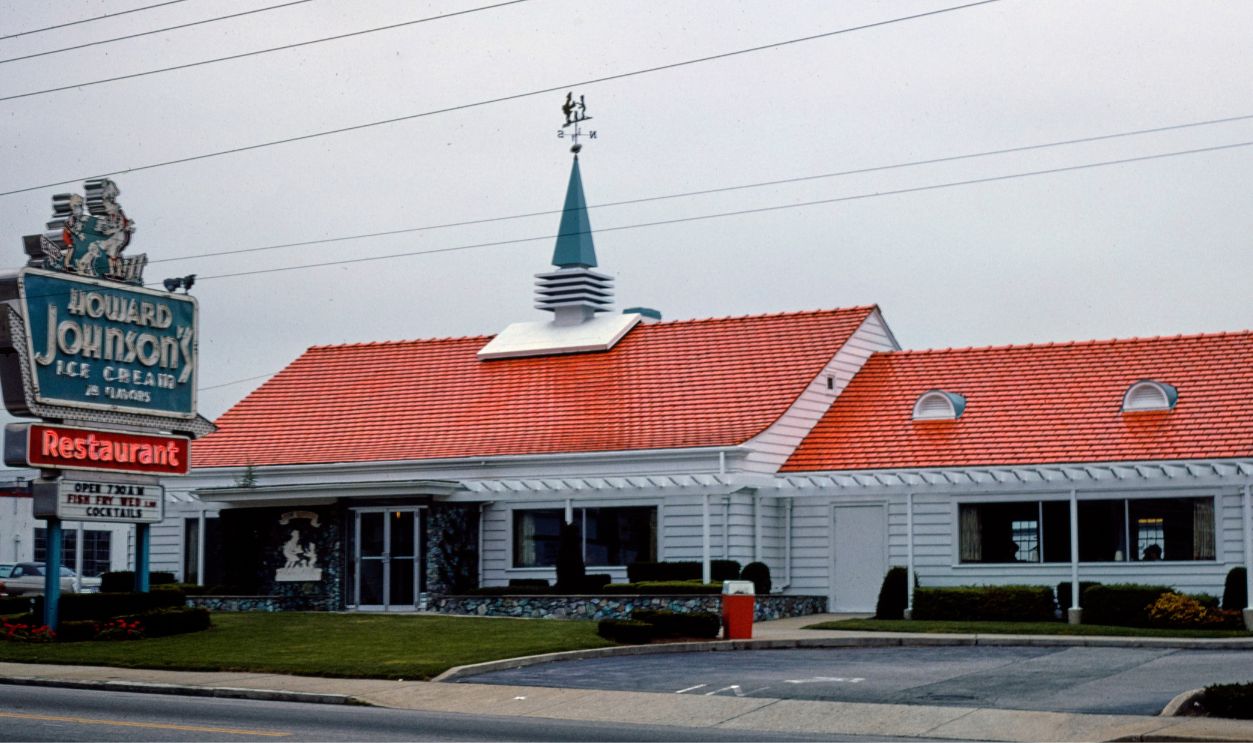
Who could forget those bright orange roofs along America's highways? Howard Johnson's was practically a road-trip requirement for families during the 1960s. Parents enjoyed a dependable cup of coffee while the kids begged for ice cream. With familiar menus and friendly service, these roadside restaurants offered comfort wherever you traveled. The restaurant chain eventually disappeared, although the name survives in hotels.
Sambo's Coffee Shops
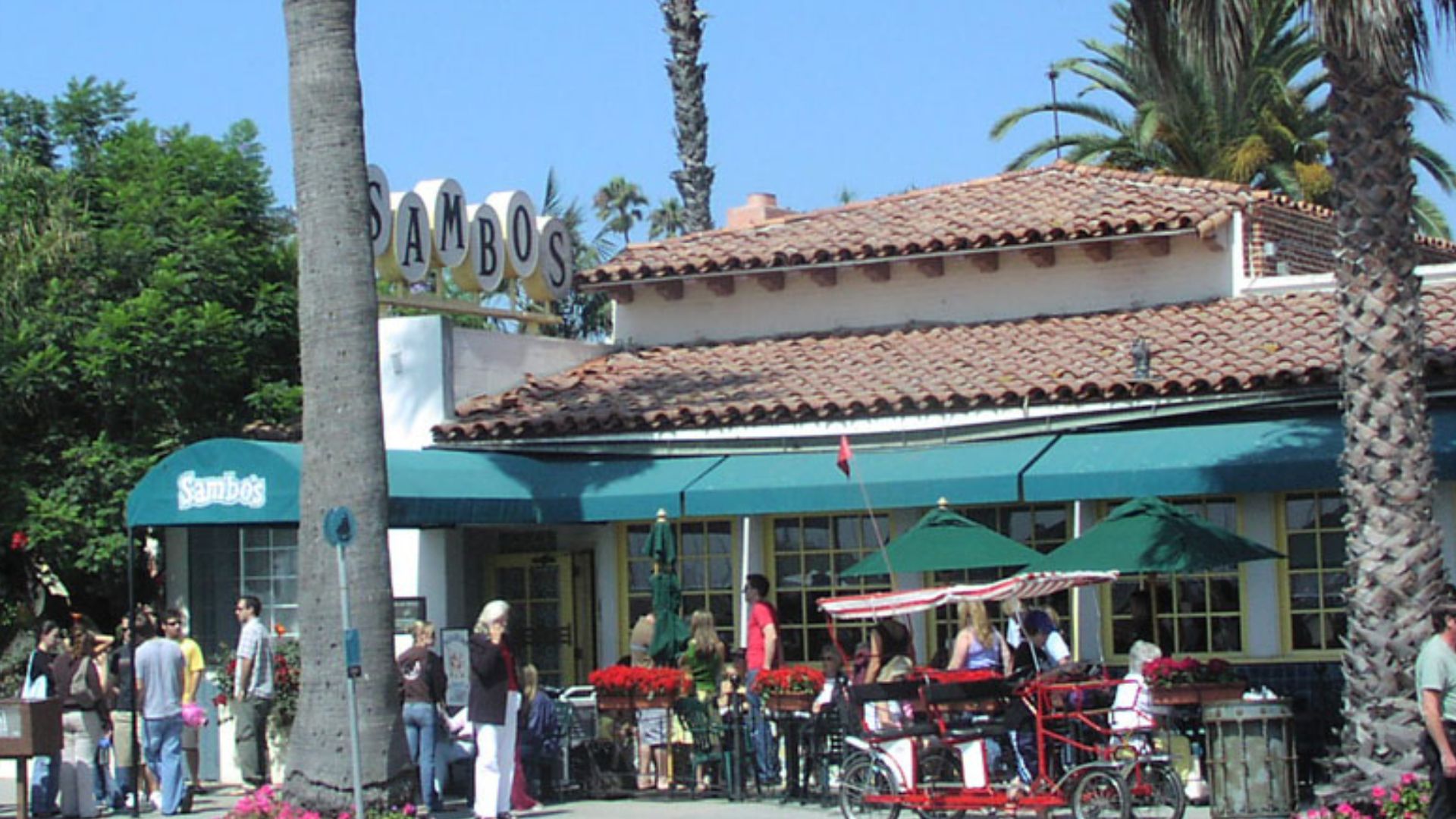
Founded in California in 1957, Sambo's became a familiar family restaurant during the following decade. Its pancakes, bottomless-style coffee service, and affordable meals attracted countless customers. The chain later expanded dramatically, but controversy surrounding its name and imagery damaged its reputation. The original brand eventually vanished, although its last restaurant survived under a different name for years.
 Taken by Antandrus, Wikimedia Commons
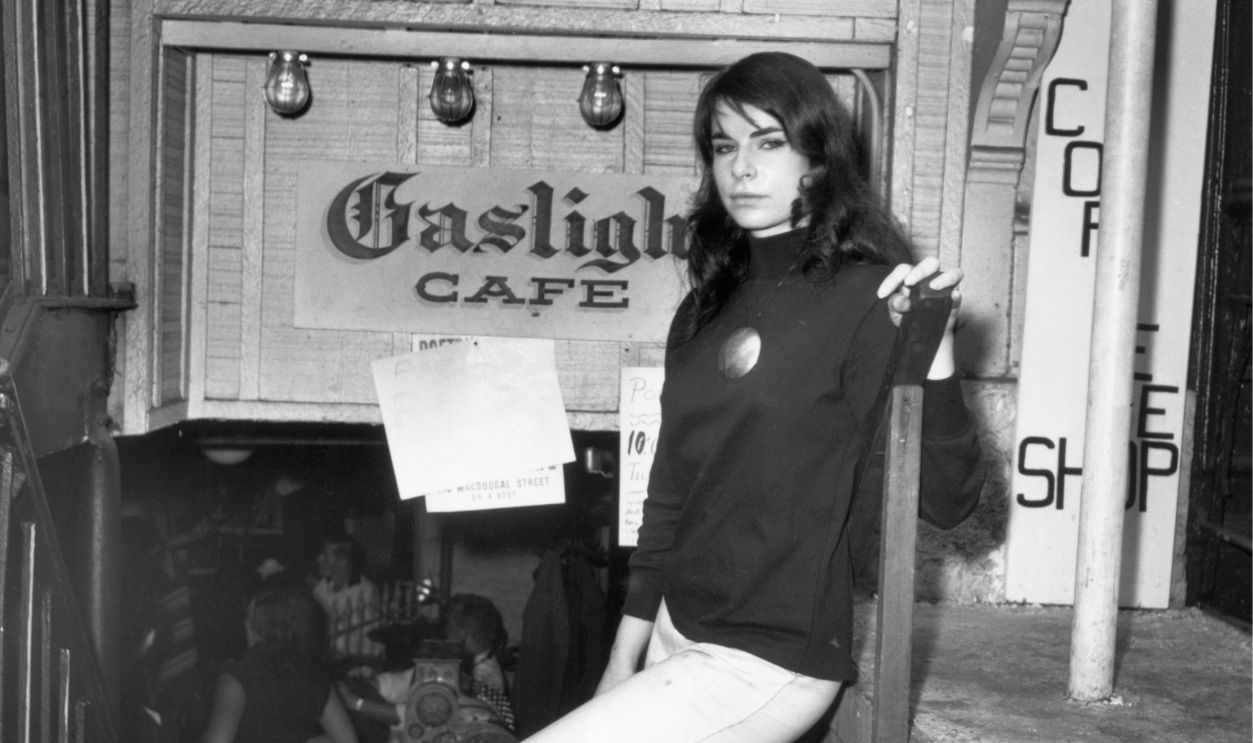
The Gaslight Café
In Greenwich Village, New York, the Gaslight Café was the kind of place where a young person could spend an evening drinking coffee and discovering tomorrow's musical stars. Bob Dylan performed there during his early career, alongside numerous folk singers and poets. Its intimate atmosphere helped define the Greenwich Village folk revival. The original Gaslight eventually closed, but its musical legacy remains enormous.
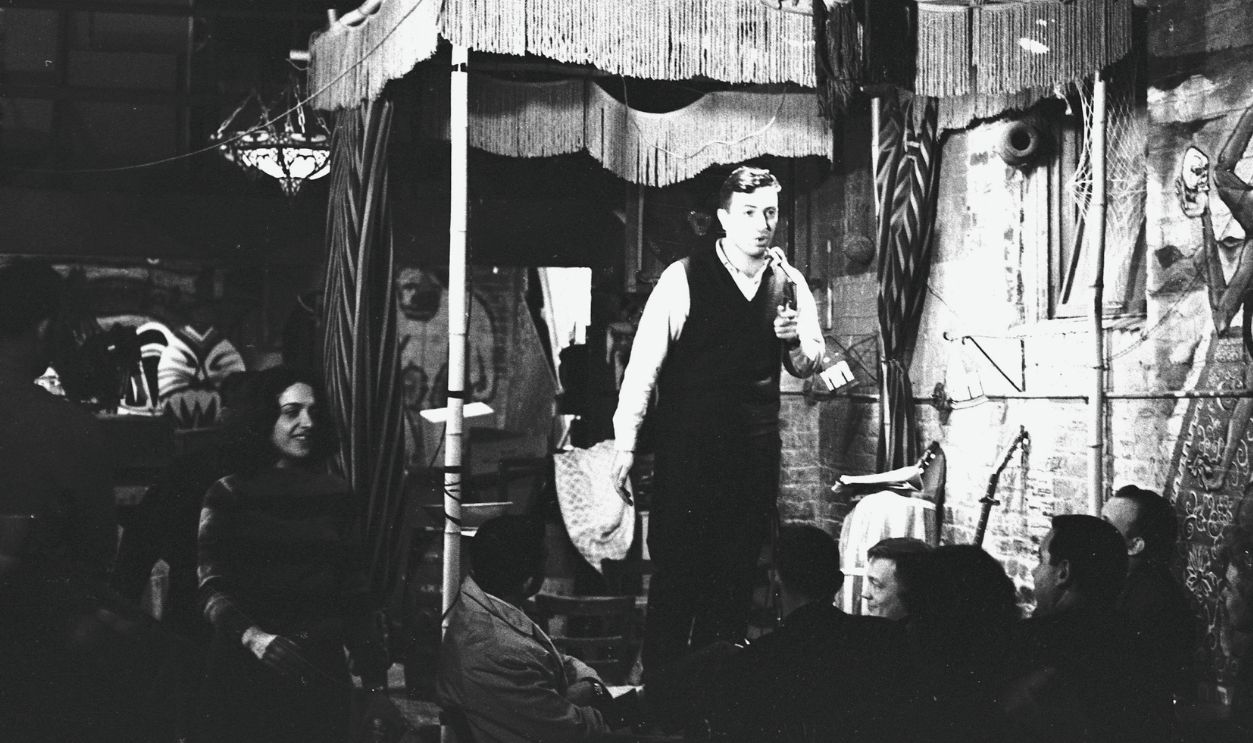
Café Bizarre
With a name like Café Bizarre, you knew this Greenwich Village coffeehouse wasn't going to be ordinary. During the early 1960s, it attracted curious young New Yorkers looking for unusual music and an alternative social scene. The Velvet Underground famously performed there before becoming underground rock legends. The café closed decades ago, but its place in music history is secure.
 Ben Martin, Getty Images, Enhanced
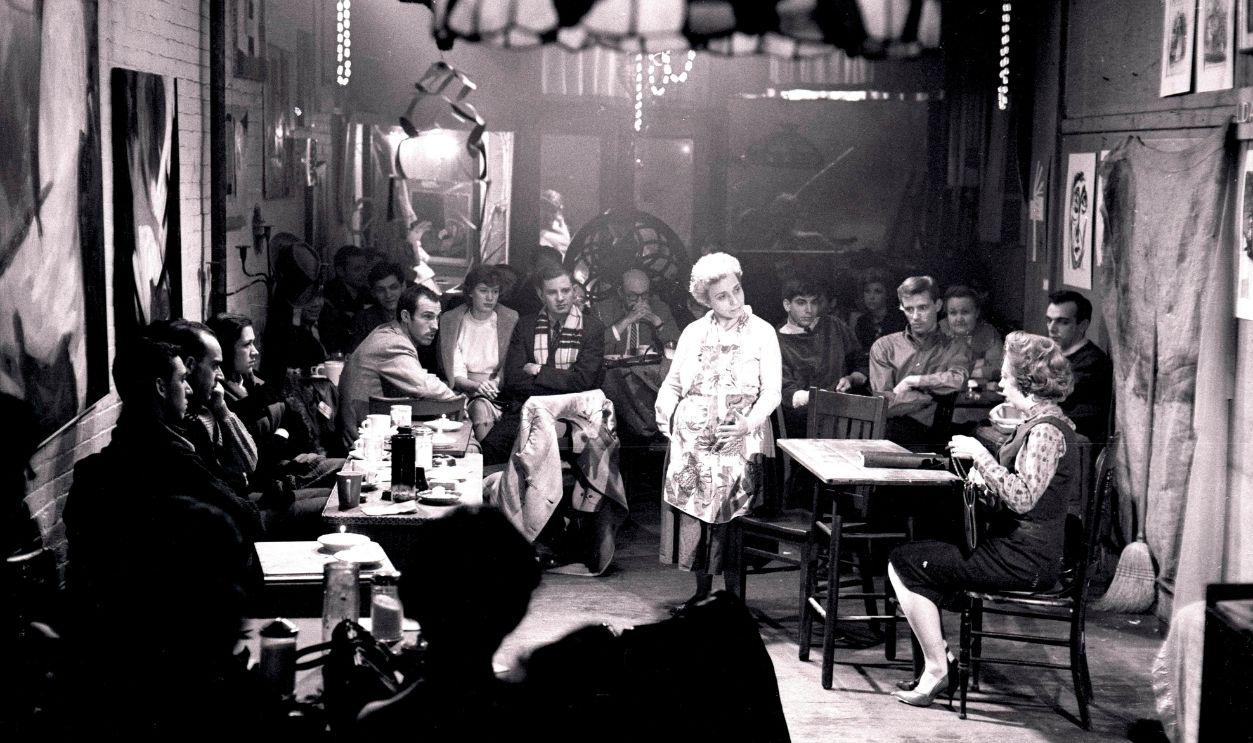
Caffe Cino
Caffe Cino wasn't your average neighborhood coffee shop. Opened in Greenwich Village in 1958, it became one of the birthplaces of Off-Off-Broadway theater. Customers could enjoy coffee while watching experimental productions in an incredibly intimate setting. For young artists and adventurous audiences, the atmosphere was unforgettable. Its closing in 1968 marked the end of an important chapter in American theater.
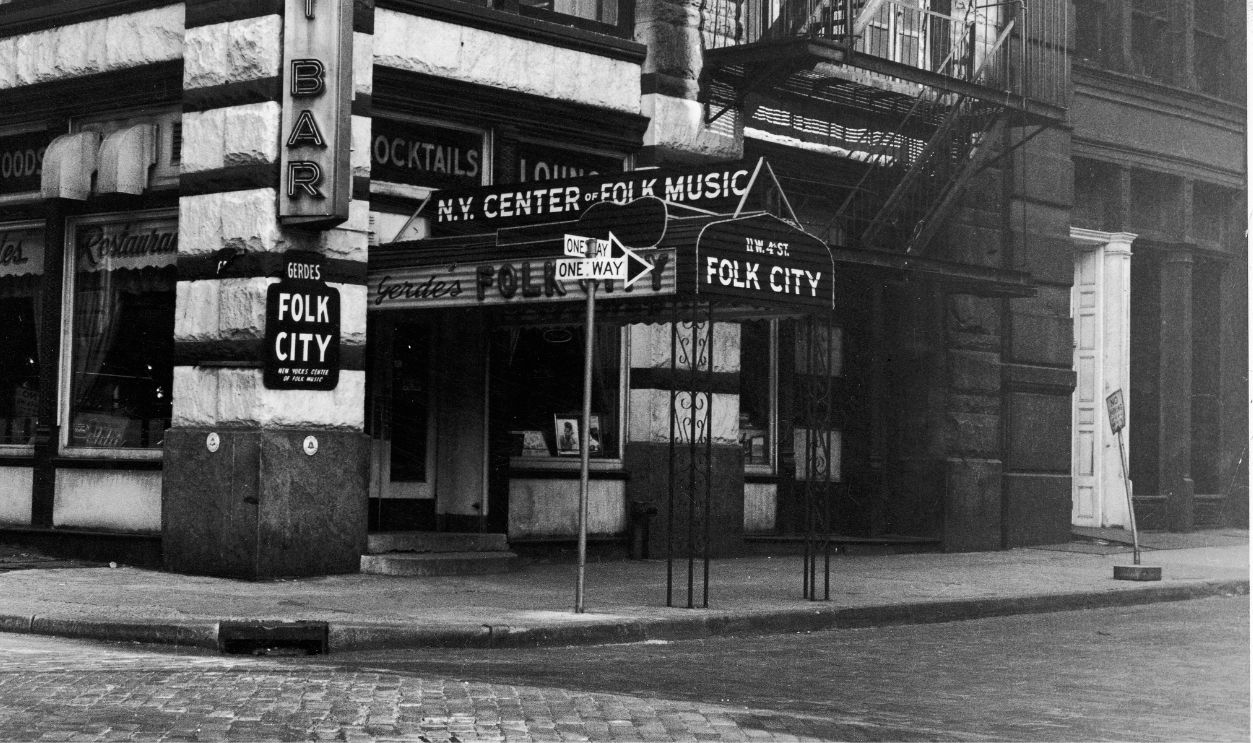
Gerde's Folk City
Few coffeehouse-style music venues influenced the 1960s quite like Gerde's Folk City. Located in Greenwich Village, it became a gathering place for folk musicians and devoted fans. Bob Dylan made important early appearances there, helping establish his reputation. Although more of a music club than an ordinary café, it captured the coffeehouse spirit perfectly. Gerde's eventually closed in 1987.
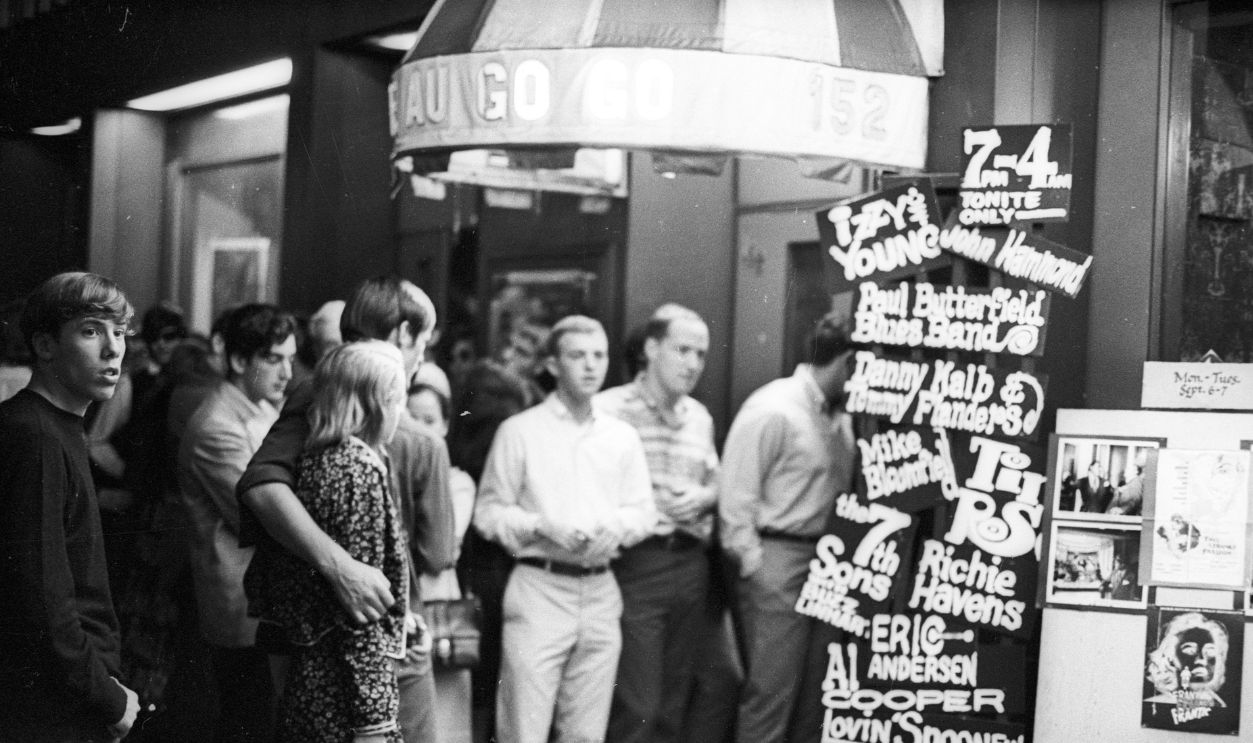
Café Au Go Go
If you wanted to experience the changing sounds of the 1960s, Café Au Go Go was one of New York City's most exciting destinations. The basement venue attracted folk performers, comedians, blues musicians, and emerging rock acts. Its intimate atmosphere made audiences feel unusually close to the entertainment. It closed in 1969, leaving behind an impressive musical history.
 Michael Ochs Archives, Getty Images
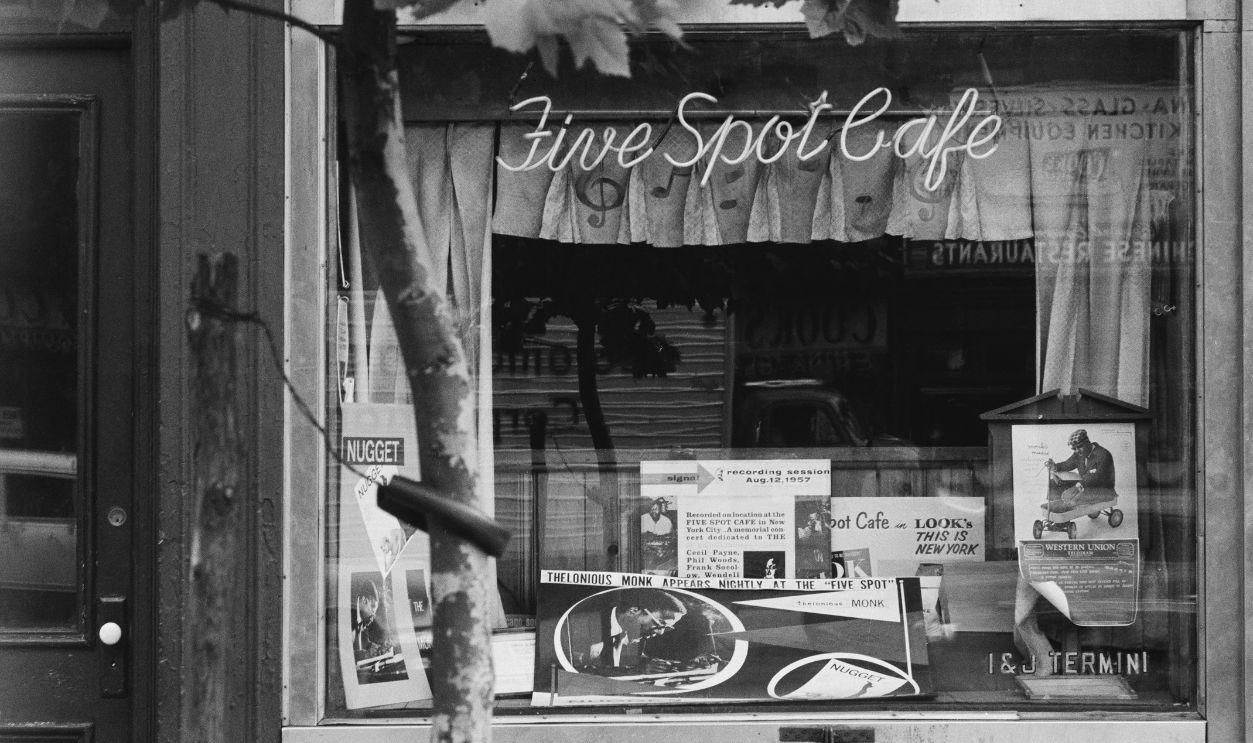
The Five Spot Café
Jazz lovers had their own unforgettable coffeehouse destination in New York City. The Five Spot Café became famous for groundbreaking performances by musicians including Thelonious Monk and Ornette Coleman. During the late 1950s and early 1960s, its audience included artists, writers, and devoted jazz enthusiasts. The original venue disappeared, but its influence on modern jazz remains undeniable.
 Michael Ochs Archives, Getty Images
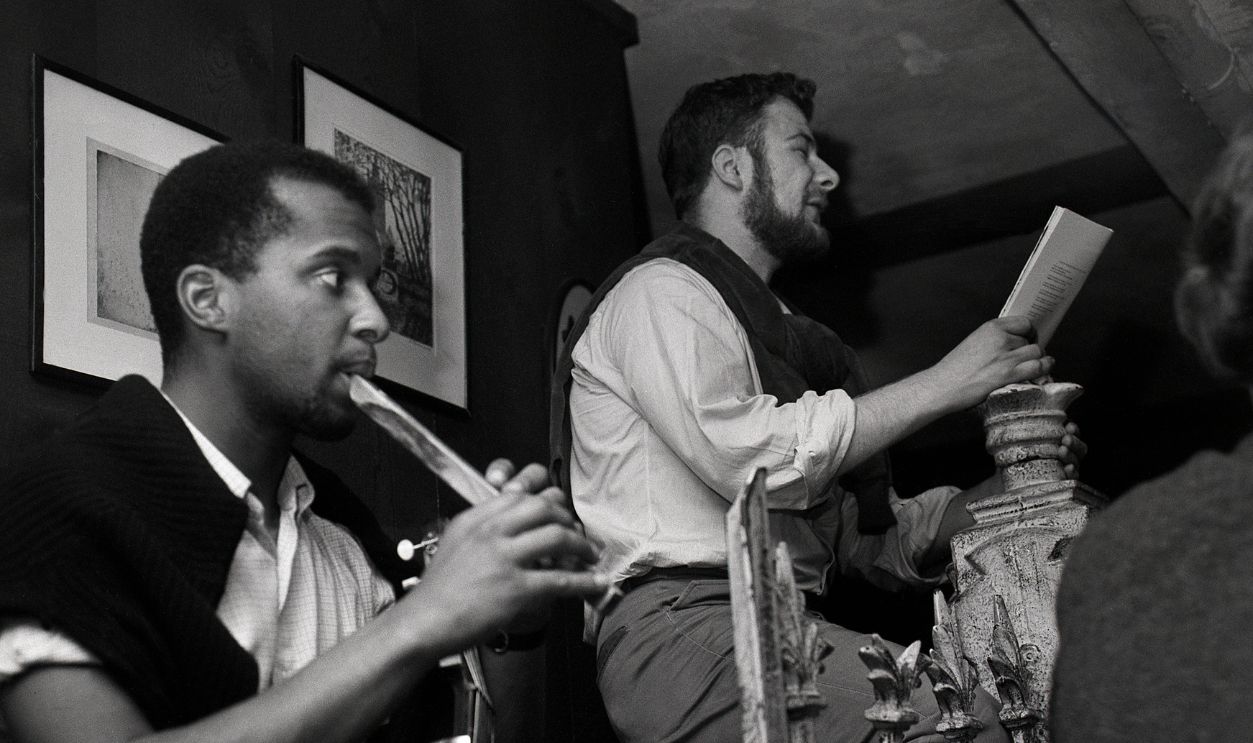
Les Deux Mégots
This unusually named East Village coffeehouse became a meeting place for New York's poetry-loving crowd. During the early 1960s, Les Deux Mégots welcomed writers, artists, and people who preferred intellectual conversations to conventional nightlife. It belonged to an era when a small café could become a genuine cultural movement. Although the establishment vanished, its reputation survives in accounts of the city's bohemian past.
The Why Not Café
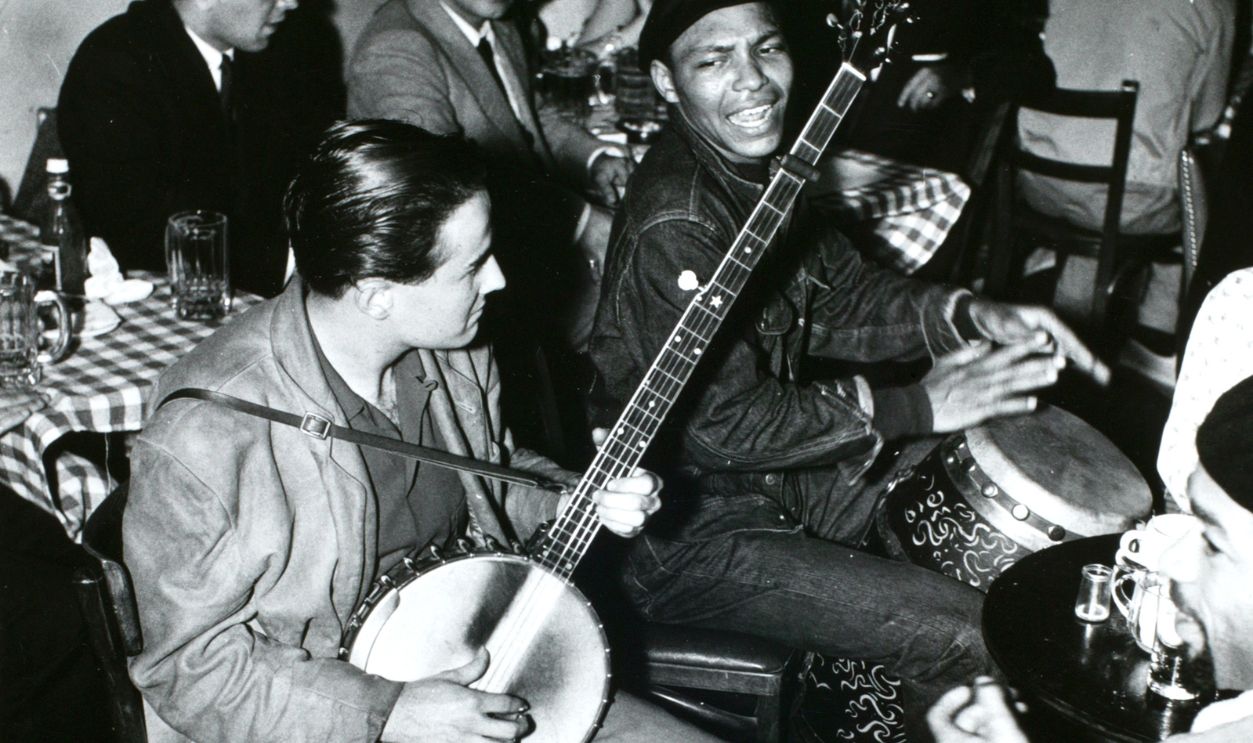
Located on MacDougal Street, the Why Not Café competed for customers in one of Greenwich Village's busiest coffeehouse neighborhoods. Young people came to enjoy music, mingle, and soak up the atmosphere. Employees even encouraged passersby to step inside. It might not have achieved the legendary reputation of some neighbors, but it represented the everyday excitement of the 1960s Village.
 Weegee(Arthur Fellig)/International Center of Photography, Getty Images
The Gilded Cage
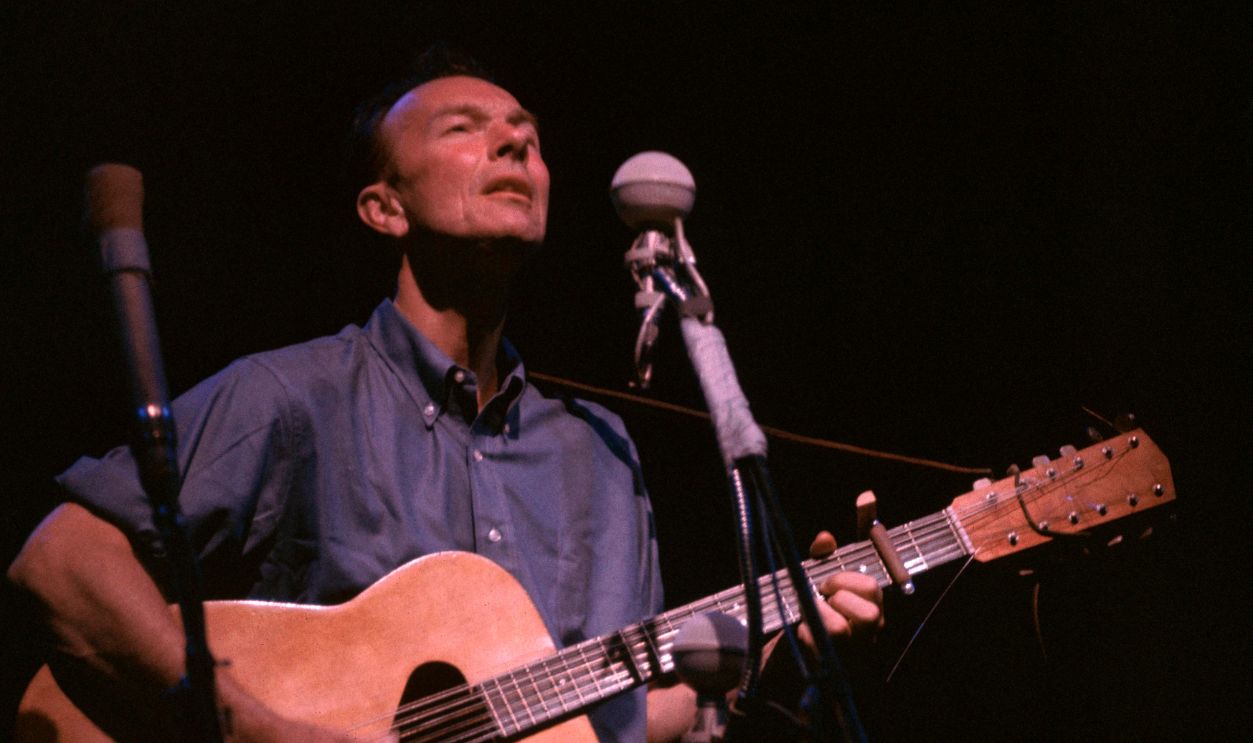
Philadelphia had its own thriving coffeehouse culture, and the Gilded Cage was one of its most memorable establishments. Opened in 1956, it attracted performers including Pete Seeger, Peter, Paul and Mary, and Simon & Garfunkel. Customers came for live music and stayed for the welcoming atmosphere. When the Gilded Cage closed in 1969, Philadelphia lost a beloved folk-music gathering place.
The Main Point
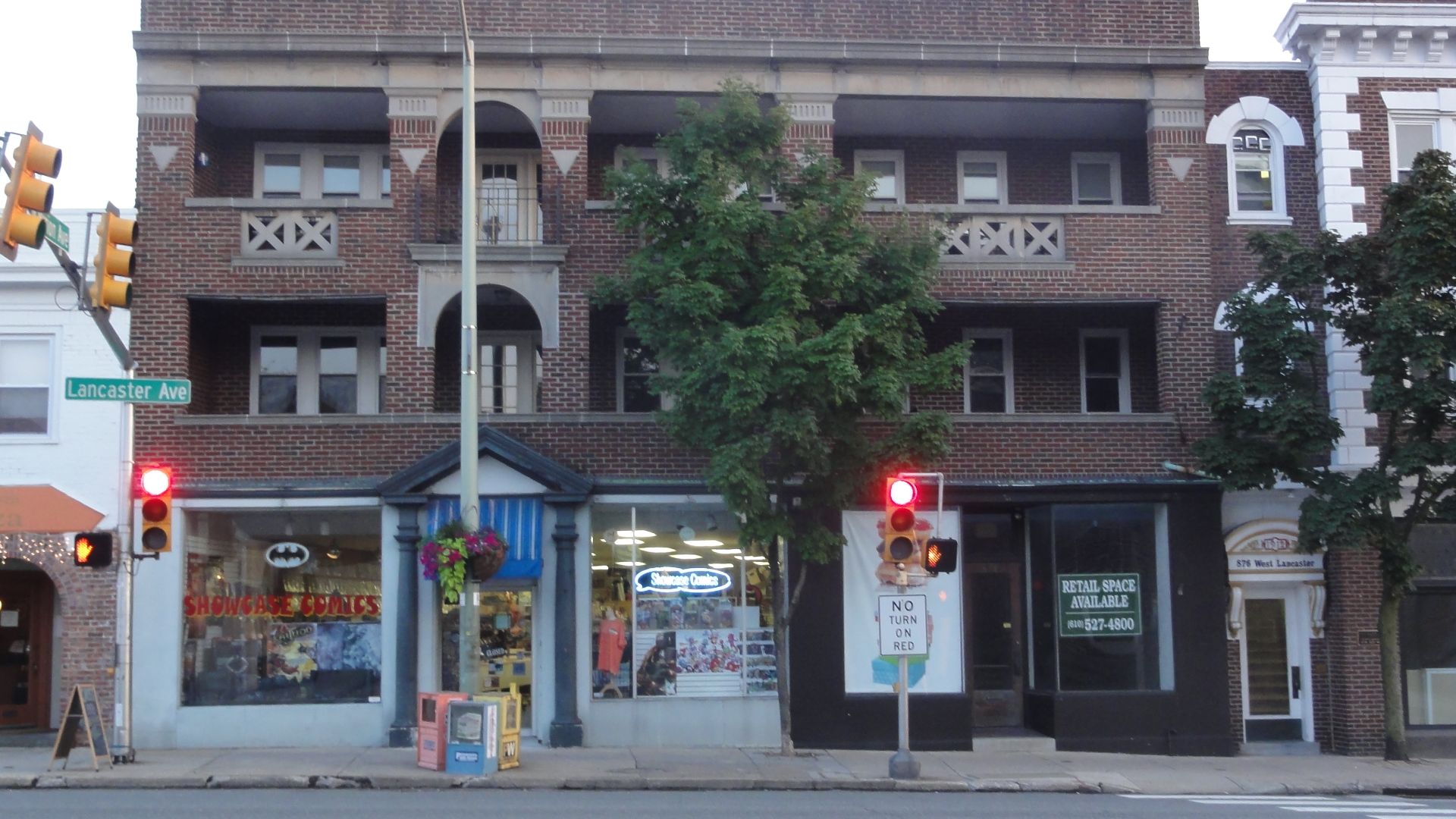
In Bryn Mawr, Pennsylvania, the Main Point became a favorite destination for music enthusiasts after opening in 1964. Unlike enormous concert halls, this coffeehouse offered an intimate setting where audiences could truly appreciate the performers. Folk, blues, rock, and comedy all found a home there. The venue survived until 1981, leaving many former customers wishing they could experience one more evening inside.
The Unicorn Coffee House
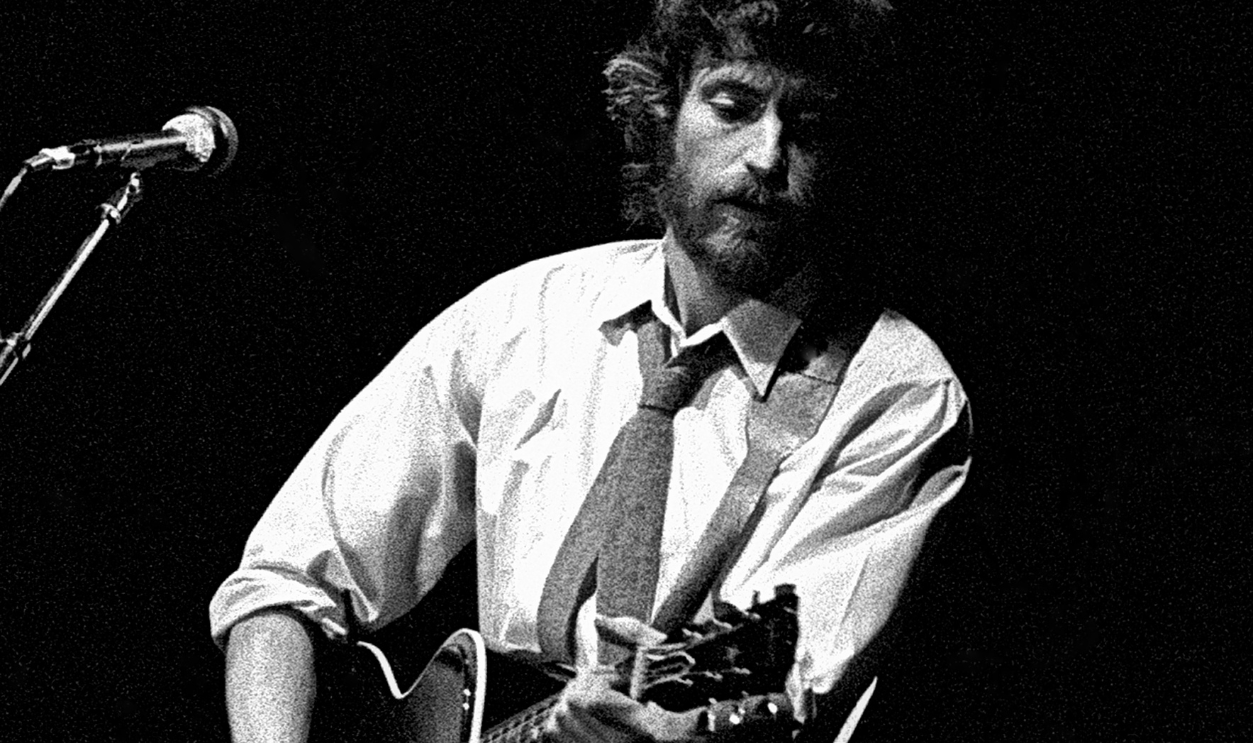
Boston's Unicorn Coffee House proved that great entertainment didn't require an enormous stage. During the 1960s, its intimate Boylston Street location welcomed performers including Joni Mitchell, James Taylor, and Bonnie Raitt. Customers enjoyed folk music, blues, and emerging rock acts. Without a liquor license, coffee was central to the experience. The Unicorn eventually closed in the early 1970s.
Club 47
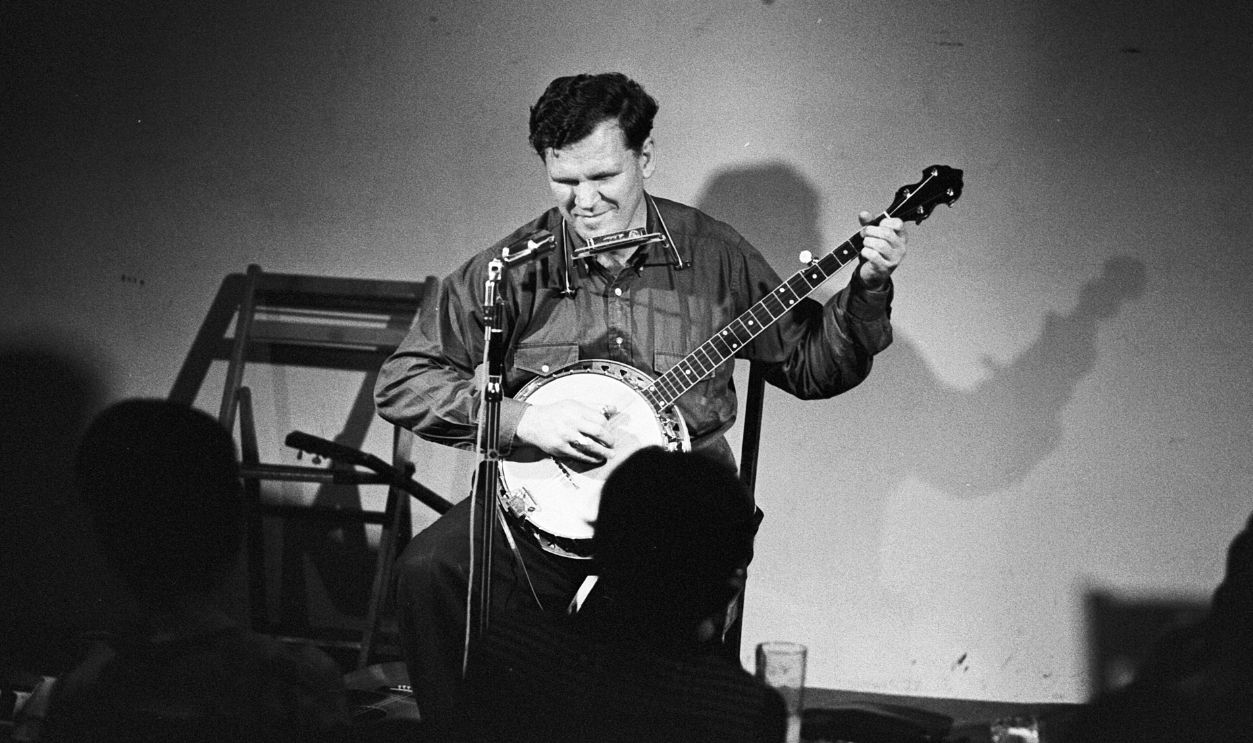
Cambridge, Massachusetts, had a musical treasure in Club 47. Opened in 1958, this small coffeehouse attracted Joan Baez, Bob Dylan, and numerous other folk performers. Its welcoming atmosphere helped make Harvard Square a major destination for American folk music. The original club closed in 1968, although its musical legacy continued through Club Passim at the same address.
 John Byrne Cooke Estate, Getty Images
Café Yana
During Boston's folk revival, Café Yana was a welcoming destination for young people who preferred acoustic guitars to loud nightclubs. Located near Kenmore Square during part of its existence, the coffeehouse became part of the city's growing folk scene. Like so many independent cafés of that era, it eventually disappeared. However, its memory lives on through New England's folk-music archives.
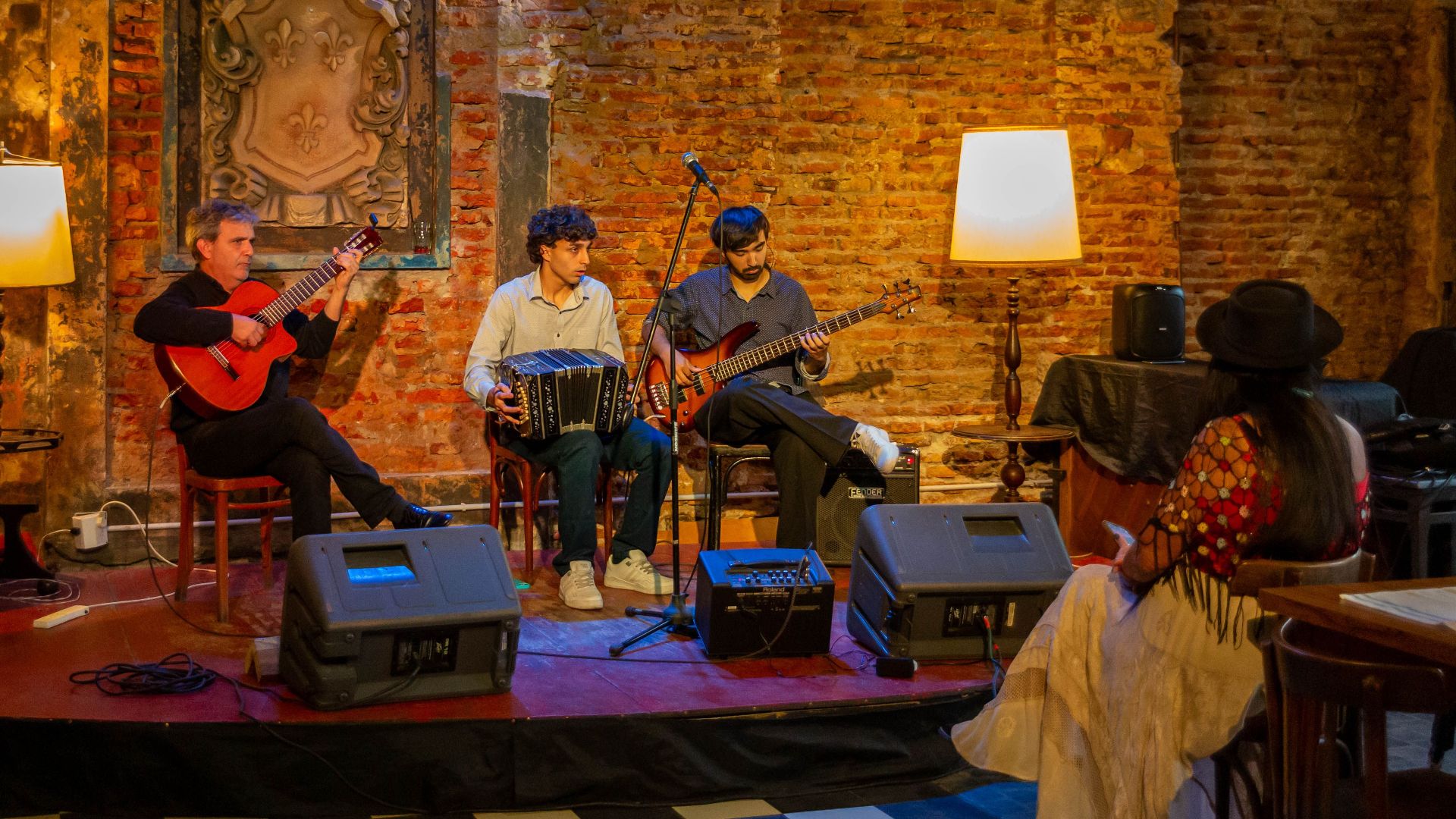
The Green Frog
Not every legendary coffeehouse needed decades to become memorable. Boston's Green Frog operated around the beginning of the 1960s, attracting customers to the Kenmore Square area. Its lifespan was surprisingly short, with the establishment reportedly disappearing by 1962. For former patrons, though, even a brief favorite hangout could bring back memories of student life, conversation, and inexpensive entertainment.
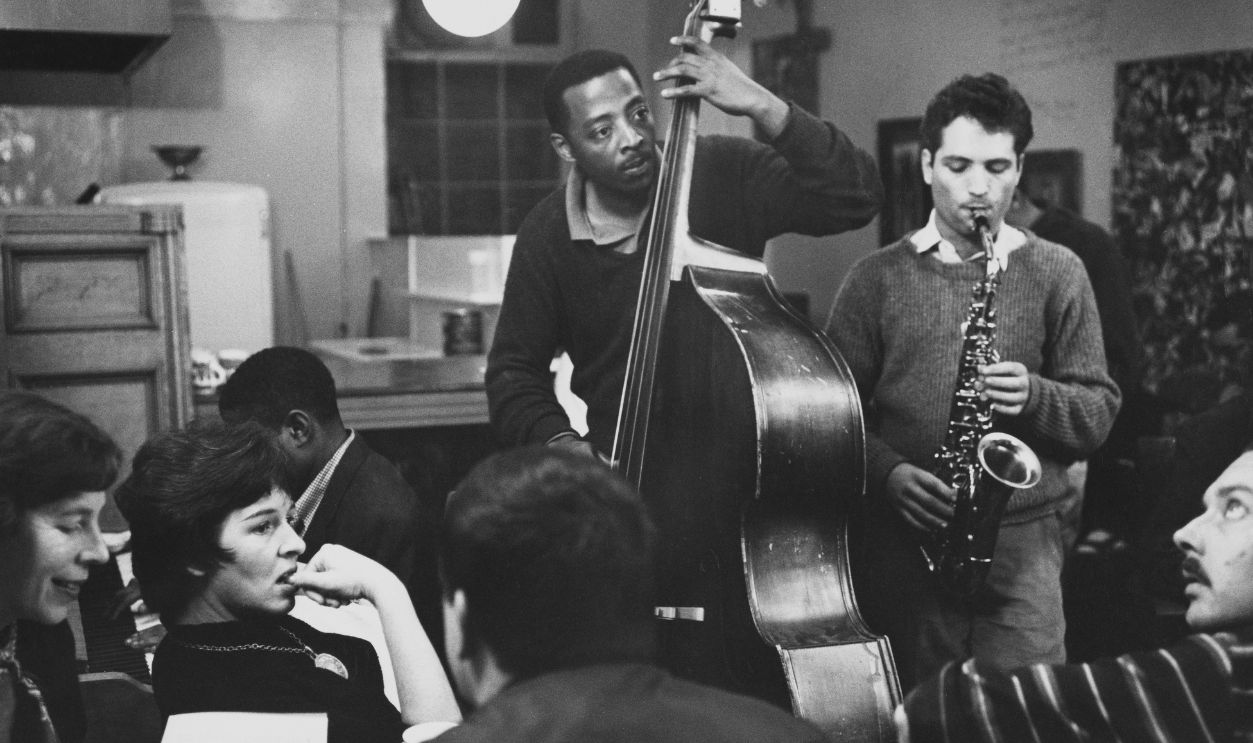
The Golden Vanity Coffee House
University coffeehouses were particularly popular with young Americans during the 1960s, and Boston University's Golden Vanity was part of that tradition. Operating on campus around 1960, it provided another place for students to socialize during the folk-music revival. While far less famous than the Gaslight or Club 47, establishments like the Golden Vanity helped make coffeehouse culture an important part of college life.
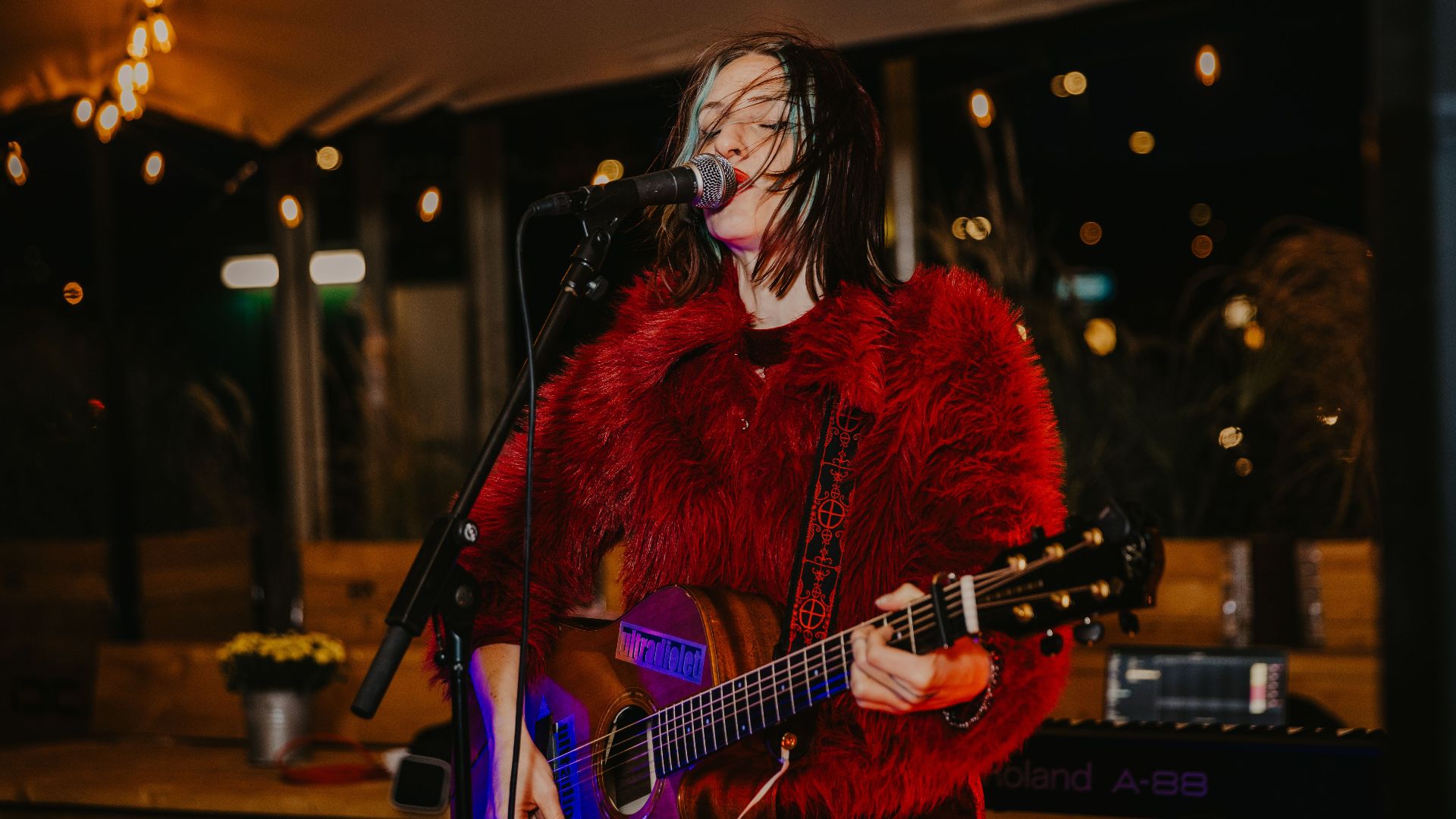
The Queequeg
Seattle's Queequeg was built with live entertainment in mind. Named after a character in Moby-Dick, the coffeehouse featured marble-topped tables arranged toward a proper stage. During the early 1960s, it welcomed talented folk singers and enthusiastic audiences. For local music lovers, it offered an alternative to conventional nightclubs. Changing musical tastes eventually helped bring Seattle's original folk-coffeehouse boom to an end.
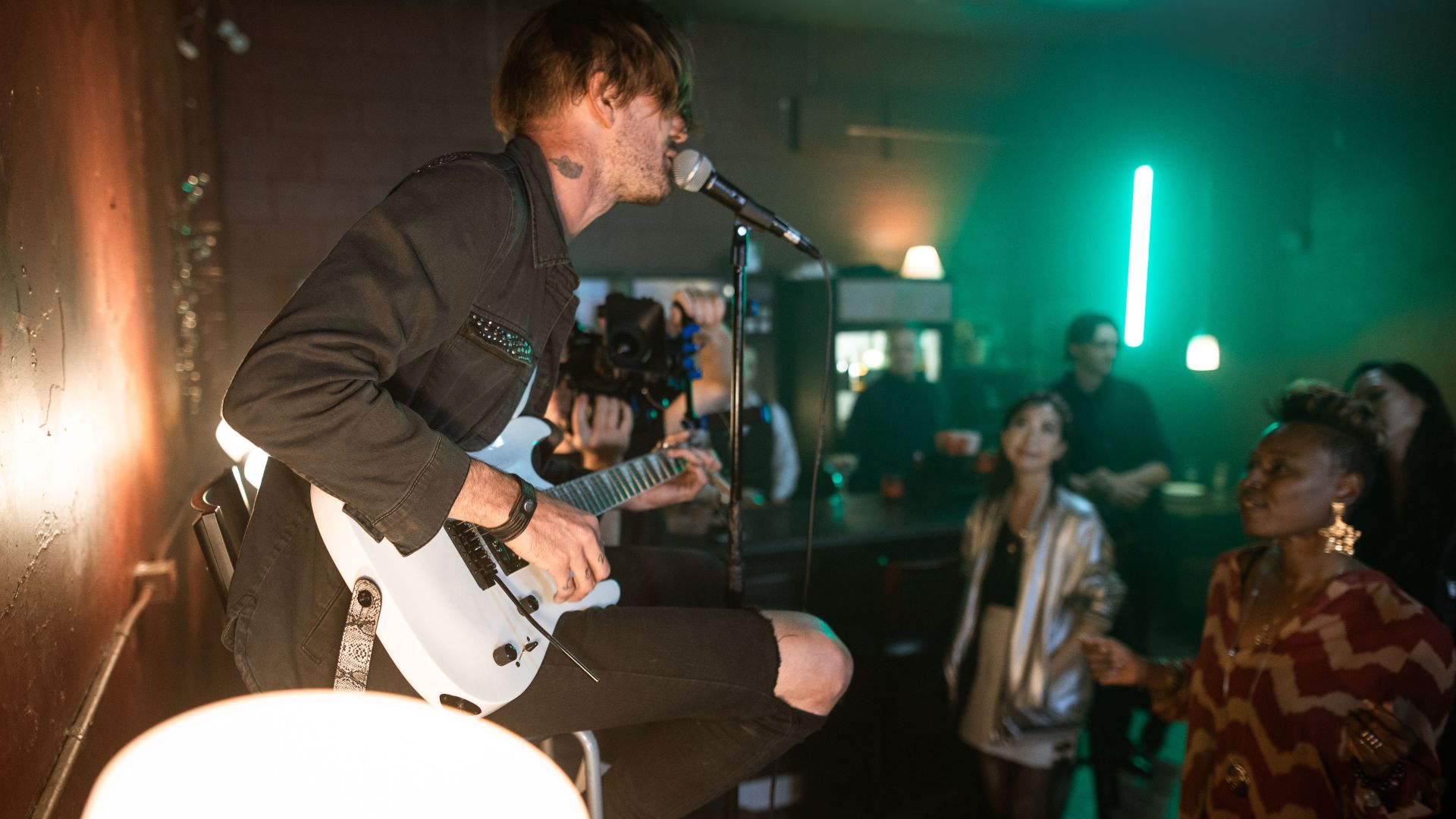
Pamir House
Another Seattle favorite was Pamir House, a small establishment that became known for its informal musical performances. Its owner originally envisioned an Indian restaurant before turning it into a coffeehouse. On busy evenings, several folk musicians might exchange songs or perform together. Customers appreciated the relaxed atmosphere, where the entertainment sometimes felt more like friends gathering than a formal concert.
The Place Next Door
Seattle's Place Next Door opened in 1959 beside the Guild 45th movie theater. Unlike some dark basement coffeehouses, this establishment had an artistic personality, displaying paintings by local artists. Folk singers performed regularly, giving customers an appealing combination of music, coffee, and culture. In 1962, the establishment changed ownership and became the Corroboree, ending its original identity.
Café Encore
Seattle's Café Encore opened in 1958 and helped introduce the city to the growing coffeehouse movement. Located in the University District, it originally offered a simple gathering place where customers could relax over coffee. Soon, local folk musicians began dropping in and performing for tips. Its success helped inspire other coffeehouses around Seattle. Eventually, the original Café Encore disappeared as the city's musical landscape changed.
The Ash Grove
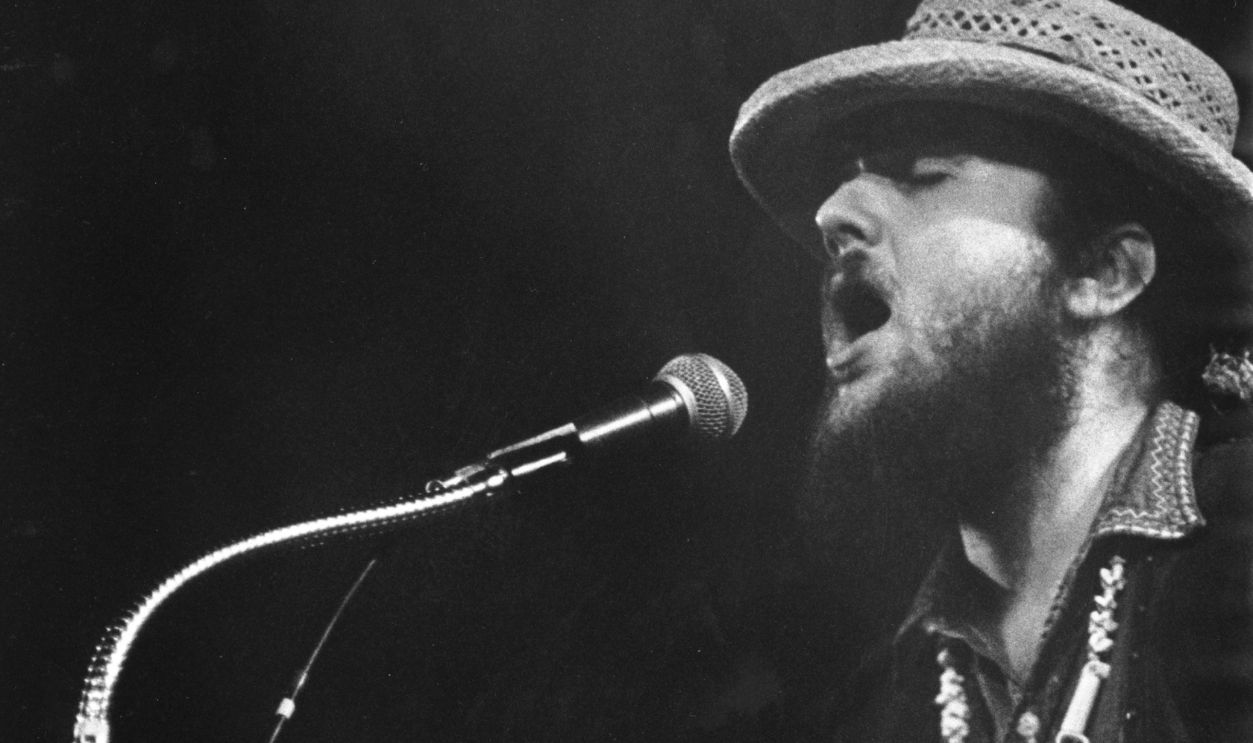
Los Angeles had plenty of fashionable nightclubs, but the Ash Grove offered something different. Opened in 1958, it became an important destination for folk, blues, and traditional music. Performers included influential musicians whose work helped shape the following decades. The venue also attracted politically engaged young audiences. Following several fires and changing musical tastes, the original Ash Grove closed in 1973.
 Sherry Rayn Barnett, Getty Images
The Riverboat Coffee House
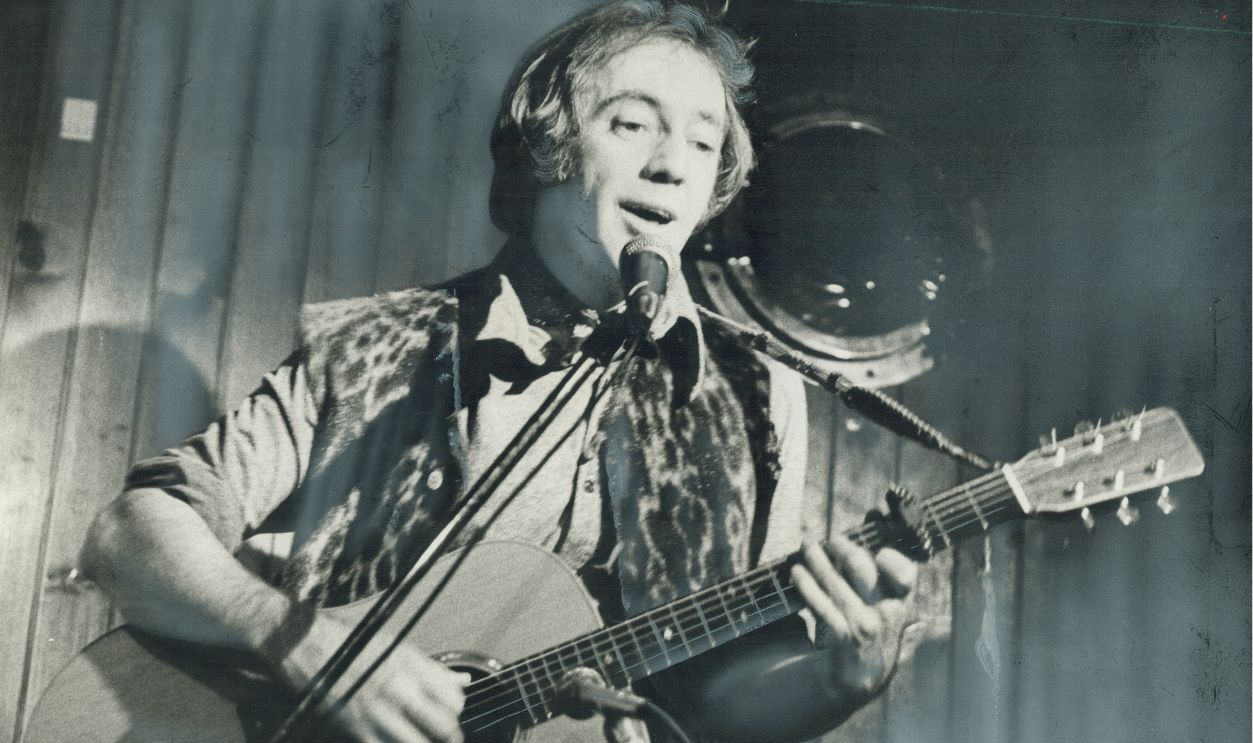
Toronto's Riverboat Coffee House became one of Canada's most famous 1960s music venues. Opened in 1964, its basement setting resembled the interior of a boat, complete with nautical decorations. Performers included Joni Mitchell, Gordon Lightfoot, and Neil Young. Its intimate performances became part of Canadian music history. The Riverboat closed in 1978, leaving generations of music fans with wonderful memories.
Le Hibou
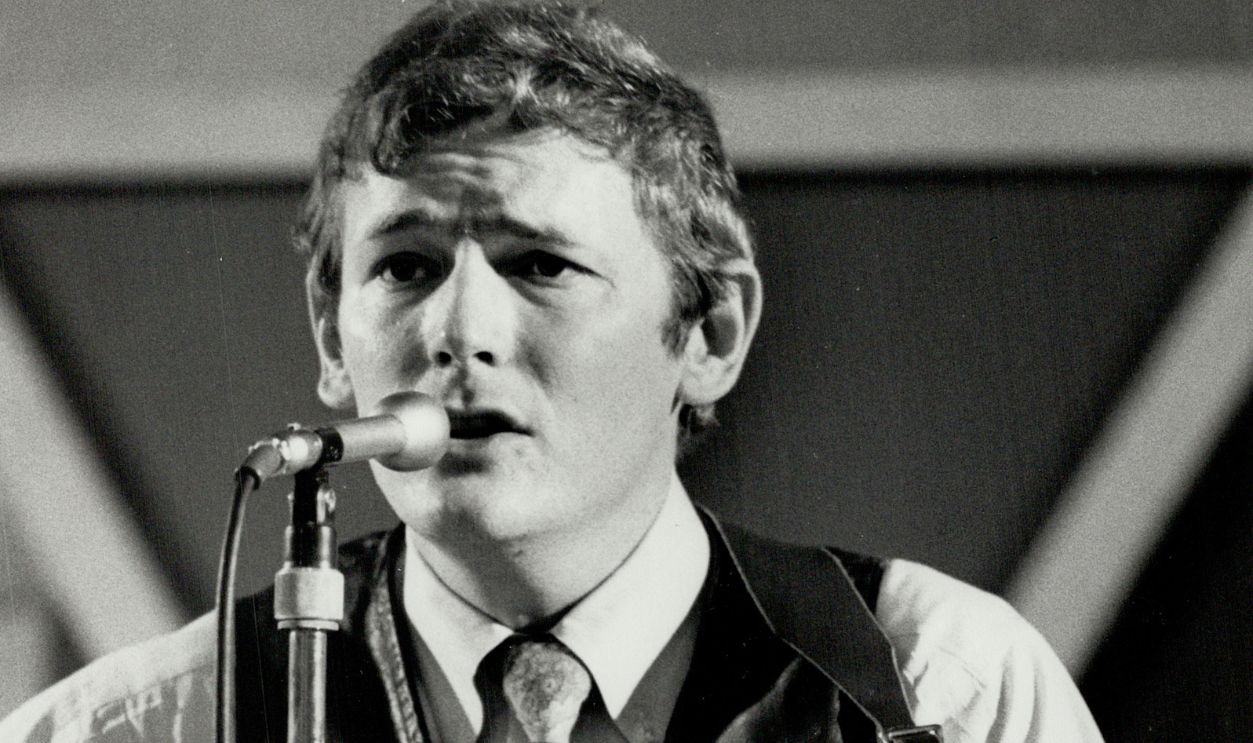
Ottawa's Le Hibou, meaning "The Owl," opened in 1960 and became a remarkable center for folk music, poetry, and conversation. Its performers included Gordon Lightfoot and, later, Van Morrison. Customers loved the atmosphere, where discovering talented musicians was as important as enjoying a cup of coffee. Rising expenses and changing nightlife habits contributed to its closure in 1975.
Coffee Shops That Will Never Be Forgotten
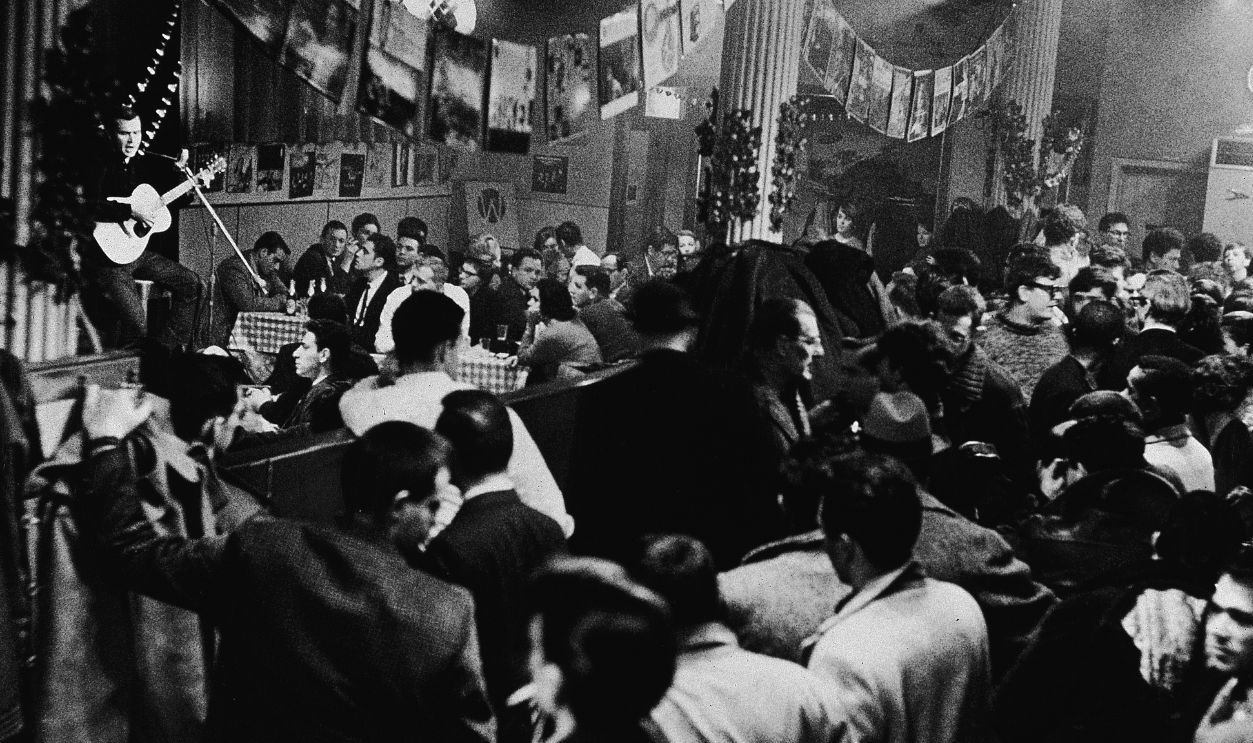
The 1960s gave us a coffeehouse culture that was about far more than what was in your cup. Whether you remember roadside restaurants with bottomless coffee, small neighborhood cafés, or smoky folk clubs where future stars performed, these places helped define a generation. Most are gone now, replaced by modern chains and changing tastes. But one question remains: Which 1960s coffee shop would you love to visit just one more time?
 New York Times Co., Getty Images