No one likes going to the doctor—and no doctor wants to deal with a disturbing medical surprise while at work. Unfortunately, the human body likes to break down in spectacular ways. These doctors and patients came together to share their stories of real-life terrifying medical nightmares that make the stuff on Grey's and House look like child's play.
1. This Doctor Was Pure Poison
I once had a 2-year-old patient come into the ER. She and her father had been out in the fields in a small town a few hours away from the nearest major city, where I worked. After she was bitten by a snake, her dad took her to the local ER. I still get angry thinking about how that doctor handled it.
He basically shrugged and said, “She’s probably fine. It doesn’t look like she got venom,” and chose not to give antivenom, even though they had it available. Then they decided to send her to our hospital by ambulance instead of helicopter. By the time she arrived several hours later, she was in full cardiac arrest, and we couldn’t save her.
2. Drawing Blood From A Stone
Before medical school, I worked as a phlebotomist to get experience in hospitals. On night shift, the list of morning blood draws would print around 1 a.m., and I’d start going room to room around 4 a.m. I got very efficient at it. I could walk in quietly, keep the lights off, explain what I was doing, draw the blood quickly, and leave with the patient barely waking up.
One morning, I went into a room where the patient had a washcloth over his eyes. I introduced myself, explained I was there to draw blood, tied the tourniquet on his arm, and started feeling for a vein. In hindsight, I should have taken a closer look first.
Right then, his wife walked in and said, “What are you doing?” I explained who I was and that I was there to collect his blood sample. She said, “He passed away over an hour ago.” I ran out of the room, apologizing the whole way.

3. I Labored Over This One
Years ago, I had a patient who came in for an induction of labor. I knew her IV was working because I had placed it myself, and it seemed fine. I kept increasing the medication according to protocol, but she wasn’t having contractions. Later that afternoon, I moved the bed and realized the IV had come apart, and I had been infusing oxytocin onto the floor for hours. I replaced the contaminated IV tubing and reconnected everything.
But I wasn’t thinking far enough ahead, and that’s when I made a major mistake. I didn’t realize I was effectively restarting her medication at ten times the normal starting dose. She began contracting immediately, and the contractions got closer and closer together until it became one continuous tetanic contraction that we couldn’t stop. She was rushed to the OR for an emergency C-section under general anesthesia.
It was exactly the kind of birth experience you hope to avoid, and it carried real risk for both mother and baby. I felt awful, and I wasn’t allowed to explain what happened or apologize. The family never knew what caused it or that it was my error. Thankfully, there were no lasting complications, and both mother and baby were okay.

4. In A Complete Panic
As a paramedic intern, there was one call that has always stayed with me. We were dispatched for a man in his early 40s with chest pain. When we arrived, he looked healthy and was sitting in his car breathing hard. I got a history from his wife and did an initial assessment. He didn’t have much medical history except anxiety, and he had previously been treated after taking too much of his anxiety medication.
He said his symptoms felt just like his usual panic episodes. I hooked him up to the monitor, and everything looked normal. His heart rate was a little high, but the rest of his vital signs were within range. We got him into the ambulance for the 20-minute ride to the hospital. I started treatment under our chest pain protocol and placed an IV.
Then he told me his chest pain was gone, but now he felt like he couldn’t breathe. His vital signs didn’t really match a breathing problem, but I put him on high-flow oxygen to be safe. As soon as the oxygen was on, he became extremely agitated. He said he needed to get out of the ambulance. He stood up, tore off the monitor leads, pulled off the oxygen, and yanked out his IV.
I struggled to keep him on the stretcher and calm him down. I started another IV, and he pulled that one out too. I reconnected the monitor, and he tore it off again. Same thing with the oxygen.
At that point, I was physically trying to keep him from jumping out of the ambulance while we were on the freeway. I had to get very firm with him.
I was shouting for him to sit down and stop fighting me. I gave the hospital as much report as I could while holding the radio in one hand and his shirt collar in the other. All I could really say was that we had an agitated patient who had initially complained of chest pain, the pain had resolved, and he now appeared to be having what looked like a panic episode.
I didn’t call it a panic attack because diagnosing wasn’t my role, but the situation seemed to point that way. I had no current vitals, no rhythm strip, nothing useful. I couldn’t even keep an IV in him. When we finally got to the hospital, we wheeled him in while still trying to hold him down. The second we moved him to the hospital bed, everything changed.
He went from being agitated to full cardiac arrest almost instantly. We worked on him in the ER for more than 30 minutes. After the doctor called the time of death, he came out looking confused and said, “I thought you were bringing in a panic attack.” We thought so too. To this day, I still don’t know what was actually wrong with him or why he died.
I kept thinking there must have been more I could have done if I’d been able to get his anxiety under control.
5. Handles Influenza And Brain Cells
When I was in medical school on my family medicine rotation, I was sent in to see a middle-aged woman complaining of sinus congestion. From the moment she started talking, it was obvious she was very congested, and both her history and exam fit a standard viral upper respiratory infection.
I started explaining supportive care and symptom management, and then we had this exchange. Patient: “Do you think it could be the flu?” Me: “It’s possible, but not very likely since it’s not really the right season for it.” Patient: “Yeah, I wasn’t sure. I’ve been spraying Lysol everywhere, and it doesn’t seem to be helping, even though it says it kills the flu virus.”
Me: “Well, it can help disinfect surfaces in the house and reduce spread.” Patient: “I guess. I just wish it didn’t burn so much.” Me: “…What do you mean, burn?” And then it became very clear. Patient: “You know, when I spray it up my nose, it burns really badly.” Yes—my patient had decided that since Lysol kills influenza, the best way to stop it early was to spray it into her sinuses like a saline nasal spray. For the record, it did not help.
6. Taking Everyone For A Ride
I’m just a modest, not-formally-qualified healthcare assistant. I worked with people with all kinds of illnesses for many years, and I’ve also spent most of my life reading medical textbooks. I have a few stories like this, but this is one I especially want to share.
One time I was on a crowded bus. I was the last person to get on, and it was completely full, so I had to stand right next to the driver.
Something didn’t feel right, so I started paying closer attention to him. I noticed he seemed strangely fixed in his gaze. I moved a little closer and saw that one side of his face was drooping. I asked if he was okay, and his answer made my blood run cold: “You need to step back.” That’s when I realized I was talking to a man driving a bus full of about 50 people—mostly school kids—who was having a stroke behind a locked anti-theft screen.
I hit the bell for the next stop, but I also had to reach through and help him guide the wheel while trying my best to keep everyone calm. By then the driver seemed to realize something was seriously wrong and was starting to go into shock. I managed to unlock the door, hit the engine isolation switch, and get other passengers to call an ambulance.
One tip: if it’s a real emergency, get several people to call for help. Eight calls often get a faster response than one. Thanks to a quick response and the right treatment, he was back at work a few weeks later.

7. Emergency Staph Meeting
Once, during my freshman year of college, I randomly sat down and started chatting with a medical graduate student at a dorm dinner. The only reason we were talking was because she happened to be a friend of a friend.
At some point in the conversation, I casually mentioned that I had this strange red line running from a bump on my wrist—kind of like an ingrown hair—all the way up toward my shoulder, following the path of a vein.
She dropped her fork and stared at me in shock. Then she abruptly told me to stop eating and go straight to the emergency room, because the line looked like a staph infection and it was moving toward my heart. At the ER, the doctor said, while putting in an IV, that if I had waited another couple of hours, I would have been in very serious condition—or possibly not alive.
8. A Change Is Gonna Come
I’ve worked in several areas of healthcare, from CNA to pathology. One time I went to visit a friend and found out her grandmother was now living with her. She had fractured her femur, couldn’t move around, had a catheter, and was on some very strong medication.
I walked into her room to say hello and was immediately hit by the unmistakable smell of a severe infection.
I checked her catheter line, and instead of clear yellow urine, it contained cloudy reddish urine with bits of sediment in it. I asked how she was feeling, and she said she felt okay overall, but her stomach was really hurting. I told my friend to call an ambulance right away, because her grandmother had a serious bladder infection and needed immediate care.
The doctors were stunned. She had a severe E. coli bladder infection and, because of the pain medication, was also badly constipated. They said it was remarkable that she had no fever and was still clear-headed. One of them said, “She was brought in just in time. If you had waited any longer, she could have gone septic or developed a high enough fever to kill her.”
It turned out the infection was caused by a terrible home healthcare agency that had never changed her Foley catheter. Catheters need to be changed and flushed to prevent infection, and in three months, they never did it once. She’s okay now, though. She gets around with a walker and has a wonderful home nurse. Whenever I visit my friend, she comes over to say hello and calls me her “infection angel.”

9. Too Good To Be True
I was a registered nurse. One night I had five patients, two of whom were being treated for cancer. One was responding well, and one was not. Before my shift, I had briefly reviewed the charts—vitals, labs, medications, and so on—but it was such a busy night that I didn’t write anything down.
I went in to do assessments, and one of my cancer patients looked great. She looked healthy, had a strong appetite, and was on the phone making plans for her daughter’s high school graduation. I assumed she was the one responding well to treatment and maybe even getting close to remission.
She asked me what her CA-125 results were. CA-125 is a cancer marker sometimes used to track how well certain treatments are working.
I told her they looked much better. I said, “Yeah, I think they’re in the 30s.” She immediately cried out, “Oh my God, what?!” and started to tear up. That’s when I knew something was wrong. I got nervous and said, “Hang on, I may be mixing things up. Let’s check the chart together.”
I logged into the computer in her room, pulled up her lab work, and saw that her CA-125 level was actually extremely high—much worse than the last time.
I told her the real results, and she said, “I knew it was too good to be true,” and began sobbing. She was 45 years old and dying. I apologized over and over, and she was incredibly kind about it. She told me she knew right away I must have been mistaken. Then she said, “You never stop hoping, you know. I just wanted so badly to believe I might live long enough to see my kids become adults.”
I ended up crying and getting sick in the bathroom several times that night. I had never cried at work before, and I never have since.
Later, I learned the full truth. No one had discussed the results with her yet because they were so devastating. The doctors were trying to decide whether to stop treatment entirely or continue just enough to possibly get her to graduation, knowing that more treatment was unlikely to help and might only give her a couple more weeks.
She died two weeks later and did not live to see her daughter graduate. I have never again given results I wasn’t completely sure about, and I never will. I’m still haunted by the pain I caused her with that careless comment, and it has stayed with me for years.
10. I Do What I Want
We told this patient, “Please don’t get up by yourself.” He didn’t listen. He got up anyway and pulled out the line that had been placed in his jugular vein, leading directly toward his heart. The result was horrifying—he bled everywhere and eventually passed out. He very nearly died that day.
11. Right Place, Right Time
My mother had been in remission from colon cancer, but she started having severe headaches and other symptoms. She went to her usual oncologist’s office, where they examined her and said her calcium was a little high. Then they basically told her to take some pain medicine and go home. Luckily, she had already planned to visit a friend in Rochester, Minnesota that weekend.
Because she felt so awful, she called her friend and said, “I can’t make it.” While they were talking, she mentioned that the only abnormal thing the doctors had found was her calcium level. By an incredible coincidence, that friend had started working in an oncologist’s office at the Mayo Clinic just one week earlier.
As she got off the phone, her boss, the oncologist, happened to walk by and asked what the call had been about. My mother’s friend explained that their weekend plans were off because my mother was sick. Then she casually mentioned my mother’s calcium level. The oncologist immediately went pale when he heard the number.
He said, “She needs to get to an emergency room right now. She’s only 0.1 or 0.2 mg/dL away from slipping into a coma and never waking up.” And he was right. My mother’s local doctors had essentially sent her home without recognizing that she had life-threatening hypercalcemia.
Because of that unbelievable chain of events, I was able to rush my mother to the emergency room, where they flushed the excess calcium from her system. Later, we found out the colon cancer had spread to her bones and was leaking calcium into her bloodstream. A lot of other things happened after that before the full situation played out.
They got the calcium under control, and she started taking aromatase inhibitors to fight the cancer. She was also given another medication to help stop more calcium from leaching out. A few years later, though, the cancer was still spreading, and she developed tumors in her uterus and intestinal tract. Sadly, she passed away this past February.
But I treasure the extra time my brother and I got with her. She was there for both of our weddings, all because of the friend who told her to get to the hospital immediately. I’ll always be grateful for the incredible timing that made that moment happen. I can’t bear to think about how much worse it could have been.
12. Paper Trail
I worked in palliative care, and I once sent a patient home to see whether he might be able to spend his final days there instead of in the hospital. We weren’t very optimistic, but we thought it was worth trying. As expected, he came back a couple of days later for one reason or another. Since I already knew him, I handled his readmission.
I knew he wanted to be DNR, meaning do not resuscitate, so I wrote that in my notes. But I missed one critical step: I didn’t fill out the official hospital paperwork again. The next day, I came in to find that he had coded and was now on a ventilator in the ICU. Instead of dying peacefully, his wife had to make the painful choice to remove life support.
My job in end-of-life care is to help people have the best death possible. And with one simple mistake, I failed at that in a huge way.
13. Daughter Didn’t Know Best
I was a hospice nurse for ten years. I once admitted a cancer patient who had unbearable bone pain. Based on my assessment, I thought he probably had a week or two left. In his case, the only medicine that gave him any real relief was morphine. His wife took excellent care of him and gave the medication exactly as planned.
It worked very well, and he was comfortable. As he got closer to death, he slept more, which was completely normal and expected. One of his daughters flew in to be with him near the end. She completely panicked about the fact that “Daddy was on morphine” and caused so much conflict that his wife became overwhelmed and gave in. She canceled hospice and called an ambulance.
At the hospital, the daughter told staff he had been given too much morphine, and the ER doctor gave him Narcan. What happened next was horrifying. He woke up screaming in pain and never stopped. He remained in the hospital until he died, and he suffered badly. It’s been years, and it is still the worst memory of my nursing career.
There was really nothing I could have done, but I still feel awful about it.
14. I Was Left With Nothing But Embarrassment
I found a small lump on my left testicle, so I went to see a urologist. As soon as I walked into the room, my stomach sank. There was a doctor there with what looked like around 20 students. He told me to lie down on the bed and take off my pants and underwear. Then he said not to worry about the students because they would all be doctors someday too.
He put on gloves and started the exam. He worked around until he found the lump, then called over the first student and told them to feel for it too. Every single person in that room ended up taking a turn examining me, and about half of them were women. The whole thing felt incredibly awkward.

15. My Self-Esteem Got Shot
I was substitute teaching at a high school when I started feeling terrible one day. At first, I thought it was just a minor headache. But pretty quickly I realized something was seriously wrong. My head was pounding so hard it felt like someone was hitting it with a sledgehammer. As the day went on, my body aches got worse and worse, and I started feeling a slight scratchiness in my throat whenever I talked or drank water.
When I got off work, my boyfriend was waiting for me in the parking lot. I honestly wasn’t sure I was going to make it to the car. I got in, looked at him, and said I didn’t feel well. On the drive home, I passed out. He had to carry me into the apartment. I didn’t wake up until the middle of the night, and when I did, I couldn’t move or even get out of bed.
My whole body felt like I’d been hit by a truck. The next morning, my boyfriend got me an appointment with my doctor. By then, I was convinced it was strep throat. I’d had it the year before, and this felt similar, just much worse. They tested me for strep and the flu, and both were negative. My doctor couldn’t figure out what it was, so she decided to prescribe antibiotics and give me a steroid shot.
I’d never had a steroid shot before, so I started rolling up my sleeve. She said, “Oh no, honey, not there.” I looked at her, confused, while my boyfriend started laughing. That’s when I realized what she meant. A moment later, she told me to stand up and lower my pants. I was thinking, absolutely not. We had only been dating for three months, so I felt embarrassed and very uncomfortable.
I assumed it would just be one quick injection, so I pulled my pants down and leaned against the table. She gave me the shot in my backside, and the second it went in, I practically collapsed off the table. Maybe it was just a strange reaction, but it felt like my rear end had been stabbed with a red-hot poker. So there I was, face down on the floor, pants down, with a swelling bump on my forehead and a needle still in my backside. It was easily the most embarrassing moment of my life.

16. This Mistake Stuck With Me
When I was working as a medical assistant in an interventional pain clinic, the doctor asked me to place a grounding pad—a sticky pad like the ones used for EKGs—on a patient’s leg during a radiofrequency (RF) nerve ablation. The patient had lotion or something on her skin that kept the pad from sticking well, though it looked mostly secure.
I didn’t want to delay the procedure by getting a new pad or cleaning her leg. But just as the high-voltage RF was being applied, the pad started to peel off, and it caused a small burn on her leg. There was no lasting injury, and the patient was very kind about it, but I still felt awful. It was the first time I had harmed a patient, and it could have been prevented if I had just spoken up.
17. My Condition Needed To Be Rectified
I had an abscess on my backside. The ER doctor knew it was going to be extremely painful and decided to use it as a teaching opportunity. He brought in around eight new doctors so they could watch me cry out in pain for 15 minutes. A very cute female doctor stood next to me the whole time, held my hand, and told me I could squeeze it if I needed to.
The first medication they gave me did nothing for the pain, so they tried something stronger, which hurt going in. That didn’t help the pain either, but it did stop me from moving around, which made things easier for the doctor. Afterward, they packed the wound with this fibrous material to keep it open. It fell out the next day, so I had to return to the ER to have it packed again. And somehow, the whole ordeal kept getting worse.
The person who did it the second time was the same doctor who had held my hand. Unfortunately, it didn’t heal correctly and developed into a fistula. I met with a surgeon to talk about treatment, but they told me surgery might leave me incontinent because they would need to cut part of my sphincter. I was only 26, and I couldn’t accept the possibility of losing bowel control for the rest of my life, so I turned down the procedure.
For the next two years, I had to cover the fistula with gauze and medical tape after every shower and every bowel movement. I thought I’d be dealing with that forever until I researched the best colorectal surgeon I could find and booked a consultation. He was very confident he could fix it without causing incontinence, so I finally went through with the surgery.
It worked, and after another eight months of healing, I was finally back to normal. All of this started from using a sauna at the gym. I was sitting on a towel and had another towel wrapped around my lower body, but apparently two layers weren’t enough to protect me from whatever bacteria caused the infection.

18. I Was Whole-Heartedly Saved
When I was born, my dad knew something was wrong because of the way I was breathing—very fast, shallow breaths. When I was three months old, my parents realized it still hadn’t improved. The first hospital they took me to said there was nothing to worry about and that babies just breathed that way. My dad was completely sure they were wrong.
They took me to a second hospital, and that one said there was definitely a problem, but they didn’t have the equipment to treat me. They referred us to a third hospital a couple of hours away. That hospital admitted me right away and performed surgery the same day. I had five holes in my heart. They first tried to operate through my rib cage, but that didn’t work. They had to open my sternum and go directly through my chest. They stopped my heart, repaired the holes, and saved my life.

19. I Got Jerked Around
My now ex-wife and I were going through fertility treatment, and they needed a sperm sample for testing. They gave me a form and told me to go to the local hospital lab. I walked in, handed the form to a young nurse at the front desk, and she gave me a cup. She told me to use the single-person bathroom in the waiting area and fill it there.
I asked again just to make sure that was really the right bathroom, and she said yes. So I walked through a waiting room full of people of all ages, went into the small bathroom, and collected the sample as quickly as I could. Then I washed my hands and brought the cup back to the nurse.
I sat down and waited for about five minutes before she called my name. As I walked back up, I already felt like everyone was looking at me and knew exactly why I had gone into that bathroom. But it turned out to be even worse than I expected. She told me there had been a mix-up and that they didn’t handle those samples there. Then she asked if I wanted the sample back. I said no, turned around, and left.
20. Can’t Handle Everything Yourself
There was a man with a rare condition that required regular bloodletting, but he couldn’t afford to get the treatment as often as he needed it. So, in a truly terrible bit of home improvisation, he built his own setup using a shop vacuum, Mason jars, an IV needle, and surgical tubing. Somehow, it actually worked without causing problems for a few weeks.
He used the vacuum to pull blood through the tubing and needle and collect it in the jars. Everything seemed fine—until one day it went wrong instantly. He wasn’t paying attention and set the vacuum to blow instead of suck. He turned it off after only a few seconds, but that was still enough to cause a massive air embolism. He was incredibly lucky not to die. Instead, he had a major stroke. Last I heard, he now goes in for proper treatment.
21. The Real Problem Just Flu Over Their Heads
One time in college, I got really sick. I figured it was just the stomach flu and that it would pass if I rested and drank plenty of fluids. My friends insisted I go to the campus health center. The intake process there was absurd. They had five different symptom forms—one for head-related issues, one for stomach problems, one for breathing issues, and so on. I had symptoms that fit at least three of them, but they would only let me fill out one.
I picked the stomach form because the vomiting was the worst symptom. Then they sent in a pre-med student to do my intake. She seemed confused by the fact that I also had a headache and a fever, since I had only filled out the stomach form. Eventually, a doctor came in, and I told him I thought I had the stomach flu.
He said I was wrong and told me I had appendicitis. They stuck me with a needle around 15 times before they could find a vein for an IV. They drew a lot of blood for testing and sent me home with ibuprofen, saying they would contact me soon to schedule my appendectomy. Two weeks later, they finally called to say I had the stomach flu and that if I rested and stayed hydrated, it would clear up on its own after a few days—which it already had.

22. Healing By Making It Worse
My cousin’s wife got a severe burn on her foot when a large amount of hot oil spilled on it. She went to the doctor, got good treatment, and was given clear instructions. My cousin followed those instructions exactly, changing her bandages and keeping the wound clean whenever needed. Everything seemed to be going well, and she was clearly on the road to a full recovery.
Then one day, I walked up to her house and saw her sitting outside with the burned foot uncovered in the sun—the intense Middle Eastern sun, no less. She had tears running down her face, and I immediately rushed over and told her to come back inside. I cleaned the wound and covered it again. It turned out she had some fluid buildup, and her uncle had told her to dry it out in the sun.
That led to a full-on shouting match between me and her uncle. He insisted it was legitimate traditional medicine to treat fluid retention that way. I told him he was encouraging more damage to her skin and tissue. He refused to listen and kept ordering this poor woman to do what he said. I had my cousin take her back to the doctor, and they explained how to handle the problem properly.
Once a medical professional explained it to him, my cousin told the uncle he was not allowed to visit again until she had healed.

23. I Was Just Following Instructions
When I started law school, I was planning to live on campus, so I had to get a physical exam to confirm my immunizations were up to date and everything was fine. A very young nurse came in, I handed her the form, and we began the exam: height, weight, blood pressure, all of that. I was sitting in the chair while she went through the form and read each item out loud.
Then, very casually, she said, “And I’m going to need a sperm sample.” I was stunned. She reached behind her, handed me a sample cup, and added, “There’s a bathroom two doors down, and when you’re done, just bring it back here.” I hadn’t had a physical or medical exam in years, so I had no idea what was normal.
I got very quiet, but she seemed completely professional, so I stood up and took the cup to the bathroom. It was a small, plain white clinical bathroom with a toilet, sink, mirror, and medical waste bin. There was nothing remotely helpful in there, but I reluctantly started trying to provide the sample.
After about ten minutes, just as I was finally making progress, she knocked on the door and asked, “Are you okay in there?” I awkwardly answered, “Yes, just a moment,” and she walked away. A few minutes later, I managed to finish and quietly returned to the exam room. I set the cup on the table.
She was still filling out paperwork and said, “Okay, just a couple more things, and then we can give you a tetanus shot since you’re due, and then we…” She stopped mid-sentence, looked over at the cup, rolled her chair closer, picked it up, and looked inside. After a long pause, her face turned bright red. Then she said, “I am so, so sorry. I meant a urine sample.”

24. A Sweet Surprise
Sugar can actually be used to help heal certain kinds of wounds. One patient I saw had missed an appointment with part of their care team, where they were supposed to have their bandage changed. I noticed what looked like fluid leaking around the edges of the bandage. I asked about it and offered to change it for them, even though that wasn’t something we normally handled in our clinic.
I went to get fresh bandages and supplies, then removed the old dressing. I immediately started gagging. It was sticky and stringy—like those slow-motion shots of caramel being pulled apart. And the smell was…strange. To be fair, wounds often have an odor, but this was different. Eventually I asked what they had been using when changing the bandage, because I knew what I was seeing wasn’t normal wound drainage. The answer: maple syrup. They had used maple syrup.

25. Full Of Heart
One time during nursing school, I was doing an ER clinical rotation when a man came in complaining of pain in a very sensitive area. To make a long story short, a few days earlier he had decided he wanted an implant to increase sensation during intimacy for his partner. He and a friend had been drinking and decided to try doing it themselves. It went about as badly as you would expect.
They went into his garage, used a box cutter to make an incision along the top side, created a space between the skin and the tissue underneath, and inserted a small porcelain heart. Then they sealed it with super glue. To make matters worse, he did not wait for it to heal and decided to test it out right away.
He developed a serious infection and came in several days later. Unfortunately, I never found out how things turned out in the end. I was only there for the removal of the porcelain heart.

26. A Gut-Wrenching Ordeal
From around age 17, I started having constant abdominal pain and serious digestive problems every day. It got so bad that I could barely eat. I would swing between diarrhea and constipation, and my periods became more and more painful. I was also losing huge amounts of blood, even though I was very small. It really seemed like something gynecological was going on.
But my doctor, who was a woman, insisted it was anxiety. She even said she “wouldn’t bother testing for or treating a gynecological problem unless I was older and having trouble getting pregnant.” I don’t think I’ll ever forgive her for that. Over the next few years, my digestive and uterine symptoms kept getting worse. I was sent from one specialist to another, over and over.
I was told it was stress, anxiety, even maybe pregnancy, and was advised to try different over-the-counter remedies. Meanwhile, my digestive system was slowly shutting down. One gut motility test showed it took me six hours to pass an egg sandwich when it should have taken 90 minutes. I was losing weight and losing control of my bowels. Nothing they tried helped.
By 24, I couldn’t work because I was literally having bowel accidents I couldn’t control. Doctors suggested therapy and hinted that I was exaggerating. Then one day, I saw a new GP for some routine tests. My Pap smear came back abnormal. Within two weeks, I had an exploratory laparoscopy to rule out cervical cancer.
That’s when they found endometriosis everywhere—on my bowel, cervix, perineum, ligaments, even in my gallbladder. I also had an ovarian cyst the size of a tennis ball. I had surgery and treatment, and within three months my gut function was back. But I was told I would never be able to have children.
If the doctor I saw at 17 had simply done her job, I wouldn’t have lost seven years of my life, my gallbladder, my fertility, and so much of my mental health.
27. Lost In Translation
I’m Brazilian, and one day a friend who didn’t speak Portuguese called me and said, “There’s blood in my stool.” I told him to get to the ER immediately. Since the hospital staff didn’t speak English, I had to go into the exam room with him and translate. I explained everything to the doctor, but he clearly didn’t believe us. He seemed to think we’d been fooling around when the bleeding started, because he was about to examine my friend’s backside while I was still standing there.
The doctor motioned for my friend to pull down his pants and turn around, and he did. At that point, I got very nervous about what I might be about to witness. I asked, “Can I step outside, and then you can just tell me what you found? I’ll translate everything, but I’d like to give him some privacy.” The doctor looked at me like he genuinely didn’t understand why.
While my friend was being examined, I stood in the hallway laughing so hard that a nurse thought I was having some kind of panic attack. I had to explain what had just happened. Since she spoke English, she went into the room instead, partly to make things easier and probably partly to confirm that I wasn’t making the whole thing up.
In the end, the doctor realized my friend was fine—he had just eaten too many beets. He only needed some ointment, and the nurse explained how to use it. For some reason, she gave the instructions very slowly, with dramatic hand gestures: “Take some ointment with your index finger and put it on the ooouuutsiiide. Nooot iiinnnside. Ouuutsiiide.”

28. Her Decline Was Maddening
During my residency, we had a woman in her 60s who was becoming more and more forgetful and was steadily losing the ability to care for herself. She saw her primary doctor, who diagnosed dementia, and then a neurologist who agreed. Since she couldn’t give a reliable history, we spoke with her family and friends, and it became clear that her decline was happening unusually fast.
Still, something about it didn’t seem right. I remember noticing the line where her new hair growth met her bright red dye, and her grown-out nails with hot pink polish. It was obvious that not long before, she had been taking care of herself and even getting her hair and nails done. But the woman in front of me was nothing like that anymore.
The neurologist I was training with noticed it too and admitted her for a full workup. He ordered every test, including a lumbar puncture. Eventually, the results showed Creutzfeldt-Jakob disease—mad cow disease—which sadly has no treatment. She died a few months later, but at least we were able to prepare her family for what was coming so they could make the necessary arrangements.
29. Keeping Abreast Of My Health
When I was 26, I found a lump in my chest. I had been taught how to do self-exams, and I knew this felt different from a cyst. It felt exactly like the tumors I had learned to watch for. The first doctor told me, “You’re too young for cancer.” I didn’t accept that, so I went to another doctor, who said, “It hurts when I press on it, right?” It didn’t.
Then they said, “It gets bigger with your period, right?” I said no, but they kept insisting: “Of course it does.” The third doctor told me, “You’ll have an ugly scar if I biopsy it.” At that point, I wanted to scream. By the time I saw the fourth doctor, I told him to call 911 to remove me from the table because I was not leaving without a biopsy being scheduled. It turned out to be Stage 2 cancer. After surgery, nine months of chemo, three months of radiation, and being told I couldn’t have children, I survived, had three kids, and lived a long life.

30. On The Road Again
I’m a nurse practitioner, and once I helped save a man who was having a heart attack. He was driving the car in front of me and swerving badly, so I passed him to give him the usual “what is your problem?” look. But the moment I looked through his window, I could tell something was seriously wrong. Right then, he pulled over and stopped.
I pulled over too and got out to check on him. I called an ambulance right away. I helped him out of the car and got him seated in the grass, talking to him and gathering information. A few minutes later, he suddenly slumped over. No pulse. I laid him down and started CPR. Thankfully, the ambulance arrived within a minute or two.
It was an incredibly lucky situation for him. He survived, and now I’m fairly close with his family.

31. Horses And People Are Very Similar
I saw a young child with a bruised, swollen, badly bent forearm. He had fallen on the playground three days earlier, and another parent there happened to be a vet with horse X-ray equipment in his truck. That parent took some X-rays and told the mom the child was probably fine. Apparently that was enough reassurance, so she didn’t do anything for three days.
Meanwhile, her child spent the nights crying in pain. She finally brought him to my office and handed me blurry copies of those X-rays, which were basically useless and impossible to read with any confidence. I got proper X-rays done and put a good cast on his very broken arm.

32. What Are The Benefits Here?
I once cared for a young teenager with sickle cell disease who had already been in the hospital for about a week. At some point, he decided to start “managing” his pain on his own. This was a few years ago, but I caught him pretending to take his meds. He would tip his head back and act like he had swallowed the pill, but really he was either keeping it in his hand or tossing it behind his back.
He was also very talkative, which I assumed was his way of trying to distract me. I kept noticing the same strange behavior and caught him doing it two or three times by the middle of the shift, so I knew something was off. He had a PICC line in his left arm, basically a long IV line that runs all the way toward your heart. At the time, I had no idea where this was heading.
I noticed that arm was much more swollen than the other one. Sometimes PICC lines can cause clots, so that was my first concern, but the line was still drawing blood normally, so I knew it wasn’t blocked. I told the doctor, then drew blood from the PICC line and sent it to the lab to be cultured and checked for bacteria.
Sure enough, it came back positive for a type of bacteria commonly found in tap water, which is not usually what you see in a PICC line infection. A few hours later, he admitted that whenever he could get away with not taking oral meds in front of the nurses, he would save them, crush them up, try to dissolve them in bathroom sink water, and inject them into himself through the PICC line.

33. They Finally Saw The Problem
For years, I dealt with migraines. The pain was mostly behind my eyes, but I assumed it was stress and hormones, and so did the neurologist I was seeing. She always seemed irritated when I kept describing the pain as being behind my eyes, in my temples, with intense pressure. She prescribed Imitrex and sent me on my way. Then I went in for a routine visit with my eye doctor.
She asked if I got headaches. I told her yes, but it felt like I always had one. She told me my optic nerves were badly inflamed, and that extra spinal fluid or even a tumor could be causing it. She sent me to a neuro-ophthalmologist, where I ended up getting a brain MRI, a spinal tap, and new medication to help control my spinal fluid. The neuro-ophthalmologist told me I was about six months away from losing vision, and that I was lucky I had mentioned the headaches to my eye doctor.
34. My Diagnosis Blew Everyone Away
I was around 14 or 15 and was being treated for Langerhans cell histiocytosis. I was getting a lot of chemotherapy along with other medications and had gone in for my weekly checkup. I had been dealing with intestinal pain, so the doctor started examining that. As he pressed around on my stomach and colon area, he asked whether the pain was getting worse.
Then he shifted the angle of his pressure on my abdomen. I didn’t realize what was about to happen until it was too late. Suddenly, I let out what was probably the biggest burst of gas of my entire life. My doctor joked, “Oh look, I found a pocket of propane,” before starting to look a little green because the smell was truly awful. We both hurried out of the room and shut the door, only to be met by a nearby nurse staring at us and asking, “What was that noise?”
35. Dental Dilemma
I went to the same dentist for several years and was constantly told I needed braces and my wisdom teeth removed. Both were a big problem because I played trumpet professionally. Performing at that level with braces would have been extremely difficult, and having my wisdom teeth removed would have put me out of work for at least a month while I recovered. I explained this to my dentist again and again.
Eventually, I decided to get a second opinion about the wisdom teeth and went to an oral surgeon. That’s when I finally found out what was really going on. They took X-rays and reviewed the records from my regular dentist. The surgeon said, “So, according to your chart, you’ve been having a lot of pain from your wisdom teeth.” I told him I hadn’t and never had. He replied, “Then I’m going to assume the rest of this record may not be reliable either, so I’m setting it aside and doing my own evaluation.”
He explained that the way my wisdom teeth had come in, they were sitting on a nerve that would be nearly impossible not to damage during removal. If that happened, I could lose feeling in the lower half of my face permanently, which would obviously be a serious problem in my line of work. He advised me not to worry about them if they weren’t causing pain.
Later on, I did need to have a tooth removed next to one of my wisdom teeth, something my regular dentist had completely dismissed when I first brought it up. I never went back to that original dentist.
36. It Wasn’t All In Her Head
During my psychiatry residency, I was working in the psych ER when a patient was transferred over from the main ER. Her family had brought her in because her mental status had been getting worse over the previous two weeks. All of her labs and vital signs were normal, so the ER doctors had “cleared” her and told me she was probably having some kind of breakdown or psychotic episode.
I went to evaluate her. She wasn’t responding, just staring into space, crying, shaking her head back and forth, and mumbling. She couldn’t answer any questions and looked extremely distressed. One of the most important things my mentors taught me was that any sudden change in mental status should be treated as a medical issue until proven otherwise. Only after that should you start considering psychiatric causes.
Within seconds of seeing her, I had a strong gut feeling. This didn’t seem psychiatric. I reviewed her chart and noticed she had a history of blood clots. Her vitals were checked again, and they were still completely normal. At that point, I made the call and ordered a stat CT scan of her chest to check for a possible clot.
The techs who came to take her for the scan seemed a little puzzled about why a psych resident had ordered it. The radiology team even called me to make sure I hadn’t done it by accident. About thirty minutes later, I got a call from the radiology resident on call, who asked, “Are you the psych resident who ordered this CT?”
I said yes, assuming I was about to hear that I’d wasted everyone’s time. Then she asked, “And this patient is in the psych ER?” I confirmed that she was. She replied, “You need to call the ER and have her transferred back immediately, because this woman has the biggest pulmonary embolism I’ve ever seen, and she could crash at any moment.”
So we sent her back to the ER right away. She was admitted, treated for the clot, and within a few days she was back to normal. After that, whenever someone joked that psychiatrists aren’t “real” doctors, I’d tell them this story, and that usually ended the conversation.

37. Parasite
After the water pipes in my city broke during a hurricane, I got a parasite and ended up in the hospital for nearly two weeks. The doctors said it was a “third-world” parasite they had never seen before. Because of that, groups of medical students kept coming in and out of my room every day, asking me all kinds of very personal questions. Then one nurse read that hedgehogs can sometimes carry the same parasite too—and I had a hedgehog.
So I had to call my landlord and ask her to scrape poop off my hedgehog’s wheel at 3 a.m., put it in a bag, and bring it to the hospital for testing. After that, random hospital staff kept stopping by my room every few hours to ask if I was the girl with the hedgehog poop. It turned out my hedgehog’s poop was completely clean. The best part was that this supposedly “third-world parasite” was just Giardia.

38. My Original Diagnosis Was Hard To Swallow
When I was in college, I got to the point where I couldn’t swallow properly. It started as trouble swallowing, then got worse until I had to swallow bites of food several times and would sometimes bring them back up. Eventually, the only things I could manage were broth and mashed potatoes without any chunks. I went to the doctor over and over, and every single time I was told it was acid reflux and part of my anxiety disorder. I had lost 30 pounds and felt miserable all the time.
Finally, my grandma got tired of watching me stay sick, so she called the GI doctor herself. They told her I needed a referral, but after she explained what was happening, they agreed to see me the next day. They did an endoscopy and found that my esophagus was 95% blocked at the gastroesophageal sphincter. Somehow, some of my primary doctor’s notes ended up in my discharge paperwork. They showed me, and I had never been so angry.
She had told them it was just acid reflux and that I was being overdramatic. She also said she did not recommend doing the procedure. I changed doctors.

39. I Wanted To Put A Halt To The Pain
I was getting ready to go to a barbecue and pool party. I had already put on my swimsuit, thrown clothes over it, and was finishing up some chores before leaving the house. Then my face started to feel numb, and I got a headache. I called a nurse advice line, and she told me to call an ambulance. The paramedics came, took me to the hospital, and checked me into the ER. They did an exam, a CT scan, and lab work.
They didn’t find anything and decided to discharge me with instructions to follow up with my regular doctor. While I was waiting for the paperwork, I was sitting on a hospital bed in the hallway. My neck was really hurting from my halter top, so I pulled the strap over my head to take the pressure off. Then it suddenly hit me. I’m fairly large-chested, and my halter-top swimsuit had been pinching a nerve in my neck and causing all the symptoms. I was too embarrassed to tell the doctor or the nurses.

40. Missing The Chance To Save His Life
When I was a kid, I was at the beach with my dad one summer afternoon. While we were there, a woman we didn’t know walked up and told him she was a dermatologist and that he really needed to get the large mole on his back checked out. She was very polite about it, but also extremely insistent. He brushed it off, but he would later pay a terrible price for ignoring her.
When I was 15, he died of melanoma. It all started with that mole he never had checked. I think she simply recognized the danger. She kept saying how important it was and how people often dismiss these things even though they can be very serious. I still remember the look on her face as he thanked her politely and we walked away, leaving her standing there in the sand.
He never took the warning seriously. He wasn’t going to get it checked. It wasn’t her fault, but she looked so sad. Then she gathered herself and went back to playing with her kids.

41. Second Opinions
I’m not a doctor, but I’ve seen situations like this before. One time, my aunt was helped by one of her customers. He had been shopping at her store for years and happened to be a doctor. He told her she looked a little off. My aunt said she had just had a checkup and was fine, just sore and tired from breaking her hip a few months earlier.
He asked her a few questions, wrote down a note, and told her to ask her doctor to run those tests. She did, and the truth was terrifying—she had bone cancer. Another time, my father-in-law went to the emergency room, and the doctor there told him he had food poisoning. On his way out, he happened to start talking to a doctor in the parking garage elevator, who noticed his speech sounded slightly slurred.
That doctor, who he met completely by chance, told him he needed a CT scan. He walked him back to the ER and ordered one. The results were shocking—it turned out he had actually had a minor stroke. And one last story, because it fits here too. My mom went to the ER once because she wasn’t feeling well.
The hospital said she was dehydrated. I talked to her on the phone and could tell her voice sounded different. Because of what had happened to my father-in-law, I asked if they had done a CT scan. She said no. I told my sister to take her back to the ER and insist on one. They finally did it, and they found a brain tumor. Trust your instincts, and don’t be afraid to push for more testing when something feels wrong.
42. Like Pulling Off A Band-Aid
When I was 19, I had no job, no home, and no money, so I was sleeping on friends’ couches. One of my back teeth cracked in half. I dealt with it for a few days before realizing something was seriously wrong and that this was not a normal toothache. I searched online and found out I needed a dentist to remove the tooth. But with no money, that wasn’t easy, and something had to be done.
One day, while I was in a lot of pain, I went into the kitchen, grabbed some needle-nose pliers, went to the bathroom, and pulled the tooth out myself—not very successfully. For the next 11 years, I lived with sharp little tooth fragments stuck in my jaw. Eventually, I got a job with dental insurance, went to the dentist, and had the rest of the pieces removed.
43. This Diagnosis Was As Hard As Nails
I was working the night shift when a patient came in for a nail bed repair and insisted on being put under general anesthesia. He had no idea what was about to happen. As he was going under, he aspirated, so we ordered a chest X-ray to check whether there was saliva or blood in his lungs. What we didn’t know was that before this emergency surgery, he had spent more than six months going to his doctor complaining about chest tightness.
They had tried several asthma medications, but nothing helped. The X-ray revealed a massive growth in his left lung. We kept him sedated and transferred him to the ICU. His wife and three-year-old daughter were waiting for him on the ward. We had to explain where he had gone, why he had been moved, and what was going to happen next. He died from lung cancer within a month.

44. We Found The Root Of The Problem
I worked as a dental assistant, and one day a patient came in looking pale and unwell. His jaw and one of his teeth hurt, and he had just come from the doctor, who told him to see us. I immediately suspected he might be having a heart attack. I put a pulse oximeter on him and almost passed out when I saw it read 82%. I grabbed our emergency high-flow oxygen, shouted for the AED, and called for an ambulance.
He really was having a heart attack. Thankfully, he survived and brought me a huge heart-shaped box of chocolates on Valentine’s Day. I had never felt so frightened—or so angry at another medical professional. The dentist I worked for called his doctor and said, “My 25-year-old assistant just saved your patient’s life.”

45. My Follow Up Was Crushing
Many years ago, when I was a young man, I got the unfortunate gift of warts from a girlfriend and needed surgery to have them burned off. It was not a pleasant experience. For the initial exam, they brought in a small group of interns to observe and learn. Meanwhile, a very serious doctor explained that the pattern of the growths was usually linked to shaving before turning me over and giving me a very thorough examination. It was not a great day.
A few months later, I had to go back in to check for any remaining spots and get a clean bill of health. When I got to the exam room, a young and very attractive female doctor greeted me. It was not exactly the ideal moment for small talk, but I was caught off guard by how friendly she was. Then she looked at my chart, said my name, and asked which school I had gone to.
When I answered, she laughed and said, “No way, I was two years below you,” and started listing mutual friends we had in common—which turned out to be a lot. Then she told me she used to have a crush on me. After that, she glanced back at the chart to remind herself what exam she needed to do, went completely quiet, and proceeded to examine all my most private areas.

46. She Shoots, She Scores
When I was just a toddler, my parents took me to my brother’s soccer game, and we were sitting in the bleachers. My dad had gone to get drinks for everyone, and the moment my mom was alone with me, something completely unexpected happened—everything went black, and I collapsed. I got back up right away, crying. A nurse who happened to be sitting nearby grabbed my mom and asked if she knew I had just had a seizure.
My mom started crying. It was the first time anyone besides her had seen one of my strange “episodes,” and until then, doctors hadn’t been willing to really listen to her. That nurse found my dad, pulled my brother out of the game, and went with all of us to the hospital so she could serve as an official witness that I’d had a real, diagnosable seizure.
Not long after that, I was officially diagnosed with epilepsy. That nurse wasn’t working and had no obligation to do everything she did for us, but my whole family is incredibly thankful she did. My life and long-term health would have looked very different without the deeply generous support she chose to give us.

47. Watching For The Warning Signs
Medical student here. One day, I was taking a break from studying and just relaxing on the couch. A little later, my grandma came over to nap on the couch next to mine. I noticed that the veins in her neck looked more pronounced than usual. Then she asked me for another pillow, and that was enough to set off alarm bells in my head.
I checked her feet for swelling to confirm what I was thinking, and then I took her straight to the hospital. She was in heart failure.

48. My Problem Was Rare, But Not Unheard Of
I had a nonstop ear infection for probably eight months one year. I did a telehealth visit with a new primary care doctor, and he prescribed antibiotics. He told me that if it didn’t clear up, I’d need to see an ear, nose, and throat specialist. I finished the medication, and my ear got better for a little while, but then it went right back to feeling completely messed up.
There was a long wait to see doctors and specialists where I lived, so after many months of dealing with it, I finally got in to see the ENT. He took one quick look in my ear, then brought me into another room. He had me lie on my side and pulled out a hearing aid dome that had apparently fallen off and gotten stuck in there. I was stunned.
I was embarrassed because I knew I had lost a dome, but I assumed it had fallen out somewhere, not into my ear. I never connected the timing of those two things, so it never occurred to me that that could be the problem. He tried to reassure me that it happens fairly often, but then added that it’s usually elderly patients—and I was probably the youngest person he’d ever removed one from.

49. A Keen Eye
My mom is a doctor. She’s always diagnosing people on the go, but only tells me about it. For example, she’ll lean over and whisper something like, “Look, that woman has thalassemia major, that man with her has thyroid issues, and the girl across from them has some suspicious bruising. Could be purpura...and he...he’s just overweight.” She doesn’t even seem to realize she does this.
One time, she correctly recognized that someone had thalassemia and was able to tell them to get it checked out. What makes that especially impressive is that, as anyone familiar with thalassemia knows, it’s usually very hard to spot. In some forms of the condition, there are no visible facial signs at all. But other forms can sometimes lead to somewhat distinctive facial features.
There are articles online that explain some of those signs. In the end, you can’t make a reliable diagnosis just by looking at someone, especially with a blood disorder, but there can be clues. Somehow, my mom still managed to pick up on it. Shout out to everyone living with thalassemia and to their families. Hope you’re all doing well and staying healthy.

50. Mental Fortitude
My friend’s dad developed skin cancer on his right bicep. At the time, he was a big, muscular man who ran a horse farm, and because he caught it early, he decided to skip the normal treatment process and try to handle it himself. He heated up a railroad tie with a huge torch he had on the farm.
Then he pressed it into his arm where the skin cancer was...and he did it twice. After that, he wrapped up the severe burn he’d given himself. Later on, he went to the doctor, who said the burn was one of the wildest things he had ever seen. But here’s the unbelievable part: every sign of the cancer was gone. His arm eventually healed over the next few months, and he has remained cancer-free ever since.
51. The Doctor’s Dismissiveness Was Galling
My sister had her gallbladder removed. It was supposed to be a routine surgery, but two days later she woke up at 4 a.m. in unbearable pain. She was taken to the ER by ambulance, and I met her there. The ER doctors were convinced she was just looking for pain meds and didn’t do much beyond checking her vital signs. At one point, they even said they needed to quiet her down because she kept crying, “Help me! Help me! I’m dying!”
They eventually did an MRI, but told her it was negative and sent her home. She begged them not to discharge her because she knew something was seriously wrong. Instead, they threatened to call security and force her to leave. She had no history of substance abuse or heavy drinking. She kept getting worse at home, and the next day she went to another hospital.
There, they ran tests and found that the metal clip used to close her bile duct had sliced through the tissue. She had a major bile leak that was burning her abdominal organs. She needed three surgeries to repair the damage and spent nine days in the hospital. She was left with chronic pain from adhesions and chemical burns. But somehow, that wasn’t even the worst part.
When the second hospital finally got the MRI from the first ER visit, they told her the leak was small but clearly visible on that scan.

52. He Was Full Of It
When my son was two, he wasn’t having normal bowel movements. His stomach kept getting bigger, and it seemed like he was taking in far more food than he was passing. We mentioned it to our family doctor, who recommended a laxative or a natural remedy. A few months passed with no improvement, so we brought him back.
She gave us the same advice again. I asked, “What if it doesn’t get better?” She said, “It definitely will.” It didn’t. After several ER visits and a lot of doctors urgently asking questions, we finally learned he had Hirschsprung’s disease, a condition where the nerve cells in the colon are missing, so his body didn’t know when it needed to have a bowel movement.
He had to go in for emergency surgery. The surgeon was furious about how our family doctor had handled everything. Not long after that, the doctor decided to retire early. I’ve always suspected the surgeon reported her for the way she managed the situation.
53. It Was Not A Cover-Up, Just Cover Girl
When I was about nine, my mom had a brownish lipstick. As a joke, I smeared it on my underwear and walked around the house with my pants sagging. Later, I forgot all about it. That night, I got up to use the bathroom, and when I climbed back into bed, a spring popped out and cut my side pretty badly. At the hospital, I remembered the underwear after they asked me to change into a gown.
I didn’t want the back of the gown hanging open, so I kept my underwear on. After they stapled up the cut, they asked my mom to step out and questioned me again about what had happened. I’m guessing they saw the fake stain on my underwear along with the blood and were concerned about what might be going on at home. My mom was upset at the time, but now we laugh about it.

54. A Mysterious Case Of Broken Ribs
My best friend was in her late twenties and had constant stomach irritation. Over nearly three years, she saw several doctors, and they all brushed it off as irritable bowel syndrome. Every few months she tried a different diet, but nothing helped. One day she called me and said she had broken her ribs. She didn’t know how, but she was in terrible pain, and her doctor told her her ribs were probably fractured.
When the pain became unbearable, she went to the ER and had a CT scan. It turned out she didn’t have broken ribs at all. She had stage 4 colon cancer, with four-inch tumors in her abdomen pressing on her organs and causing the pain. She only lived a few more months. If even one of the many doctors she saw had taken her seriously and sent her for a colonoscopy, she might still be here.

55. Thank You For Being A Friend
I’ve never shared this story before, partly because I still have a hard time accepting how it ended, but here it is. When I worked as a correctional officer, I met one of the best people I’ve ever known. He was in his 50s but had the energy of someone in their 20s. He absolutely loved the Rolling Stones. He became my best friend, and we talked about everything.
One night, he told me he was really struggling to keep food down. I had gone through a long, frustrating process when doctors were trying to diagnose my cancer, and I’d been told about symptoms linked to other cancers too, so I shared what I knew. I suggested he get checked for celiac disease. A few weeks later, he came back and yelled, half joking and half upset, “Dang it, you were right! Now I can’t eat anything good!”
He wasn’t angry with me, just frustrated. A few days later, he had an accident at work, and I helped him without anyone else finding out. Then he started losing a lot of weight. I told him to get checked for pancreatic cancer. He said they had already ruled it out. Over the next six weeks, he lost half his body weight.
Then, on April 2, he was admitted to the hospital with severe jaundice and a swollen abdomen. Soon after, he was diagnosed with pancreatic cancer and told he had two years to live. Tragically, he was gone within two weeks. I lost my best friend that day. I still feel his presence whenever I hear the Stones. I need to stop writing now because this is getting too hard.
56. I Clapped Back With A Tall Tale
I was in another country and ended up getting chlamydia while I was there. To avoid paying a doctor’s fee, I pretended to be my friend. The problem was that my friend was married, so they started trying to call her husband to tell him “his wife” had an STD. I had to come up with something quickly to stop them from calling him, and I’m definitely not proud of what I said. I told the doctor this ridiculous, detailed lie about the husband already knowing I’d been with someone else because he supposedly “preferred to watch rather than join in.”
So, according to my story, we hadn’t actually been intimate, which meant he couldn’t have caught anything, and there was no reason to call him. I honestly have no idea what I was thinking, but the shocked look on that 75-year-old doctor’s face was unforgettable and, at the time, weirdly funny.

57. Penny For Your Thoughts
I’m not a doctor, but I do have a story. One day, a coworker came in with a black eye and said he got it from falling while snowboarding over the weekend. It looked pretty rough, but he insisted he felt fine. Other than a mild headache, he said he didn’t have any symptoms. A couple of hours later, though, he asked me a very odd question: “Why does it smell like pennies in here?”
I said, “You mean like a metallic smell? Like your hands after you’ve handled a lot of coins?” He said, “Yes, exactly.” So I asked if he’d had a nosebleed when he fell, and he said yes. I told him, “I think blood is draining down your throat more than 24 hours after the accident. You need to go to the hospital right now.”
He said he’d just make an appointment with his regular doctor later that week. I told him, “No, seriously, not later. You need to go to the emergency room right now instead of going to lunch.” He went. It turned out he had a suborbital fracture that was slowly bleeding into a sinus cavity, and the ER doctor said the passage the blood was escaping through was about to swell shut. If that had happened, the pressure on his left eye could have caused permanent blindness.
Later, he asked how I had known something was seriously wrong. A few months earlier, I’d had all four wisdom teeth removed, and the blood draining down my throat had smelled exactly like pennies.

58. Where Do People Get These Ideas
I had a patient come into the ER with a chronic cough that just wouldn’t go away. She followed holistic medicine and lived far out in the bush. She’d been dealing with the cough getting worse, along with generally feeling awful, for about two months before finally coming in. During that whole time, she had been taking a homemade extract made from cow lung.
She made it herself on her farm and was actually proud of drying the cow lung on her own. I suspect she either inhaled bacteria from it or aspirated some of it. Either way, she ended up with a massive lung abscess. She needed a pneumonectomy of the upper part of her lung. The pathology results showed some very unusual bacteria I had never even heard of and had certainly never been taught about in medical school.
She survived and is still my patient, but I hardly ever see her unless her home remedies stop working. She never fully learned her lesson, but thankfully she has at least sworn off the cow-lung extract.

59. Her Life Was Resting On My Shoulders
During a trauma and orthopedics rotation at a small hospital, the medical team asked me to assess a 67-year-old woman who had fallen at home. She had shoulder pain. The emergency department had already done X-rays and said there was no broken collarbone or shoulder injury. She was still in pain, though, and the team didn’t completely trust the initial assessment, so they asked me to take a look.
I reviewed the X-ray and didn’t see an obvious break. Then I examined the patient. Her shoulder was bruised, but she could move it pretty well. When I felt around the area more carefully, I noticed a strange crackling under the skin, almost like bubble wrap. That’s when it clicked: surgical emphysema. I went back to the X-ray and paid close attention to the small part of the lung visible on the image.
That’s when I noticed a punctured lung and signs of a few broken ribs. The patient needed an emergency chest drain and was transferred to a trauma center. Thankfully, she survived. I honestly don’t think the emergency doctors had even properly examined her; it seemed like they had only glanced at the X-rays and moved on.

60. Multiple Mental Health Mishaps
After we got married, my husband and I went through a lot because he would cycle through periods where he seemed like a completely different person. I had noticed hints of it before we married, but once I stopped working, it became much more obvious that something serious was going on. He had struggled all his life and had even had multiple run-ins with the law.
Over the years, he’d been given several diagnoses, including narcissistic personality disorder and sociopathy, but he was never really treated or given medication. One doctor even told him he was untreatable. Even with all that, he got out of prison, stayed sober for years, earned a bachelor’s degree with honors, and moved to a new city. But before I met him, he had started struggling with alcohol again, and early in our relationship we partied a lot.
After we got married, he would sometimes act completely out of character and then return to normal about two weeks later. I started keeping track of his behavior and the things he said, because one week he’d say something like, “I only need a few hours of sleep,” and two weeks later he’d say, “I can never get out of bed in the morning.” I knew something wasn’t right. I had studied psychology in college, so I started comparing what I was seeing to bipolar disorder.
He matched the criteria almost exactly. I eventually convinced him to start therapy, and sure enough, within a few sessions he was diagnosed with bipolar disorder, especially after they reviewed his history. Even then, everyone seemed hesitant to prescribe medication. A full year passed, and he was still struggling. Then he went into a severe manic episode and started saying he felt like he couldn’t control himself, so I took him to the ER.
At the ER, I told the doctor I wasn’t leaving until he got medication, because he was clearly suffering and needed help immediately. The doctor completely agreed. She even called his therapist and criticized her for not doing more to help him get treated sooner. He got a strong dose of medication, we went home, and he slept for two straight days. When he woke up, he was finally himself again. It still took another two years of trial and error to get the medication balance right, but the change was incredible.
He had even been considering surgery for excessive sweating, but once he was properly medicated, that problem disappeared. In fact, a long list of issues cleared up once his mental health was finally being treated correctly. For the first time, he felt stable, and he often wondered how different his life might have been if he’d gotten the right help much earlier.
61. Bad Dictation
I was a freshman in high school and went in for my usual annual physical. The office was small and in a new location, and the person at the front desk was a girl who went to school with me. During the appointment, I mentioned to the doctor that I’d found a small lump in my scrotum. The exam continued, and then he showed me his new gadget—a speech-to-text microphone hooked up to his laptop.
He started dictating, “Patient reports a small, painless lump inside the scrotum.” It didn’t seem to register, so he tried again, much louder: “PATIENT REPORTS A SMALL, PAINLESS LUMP INSIDE THE SCROTUM.” I’m pretty sure the entire office heard him, because when I left, neither the front-desk girl nor I made any eye contact that day—or ever again in the school hallways.
pilotpete152
62. I Told You So
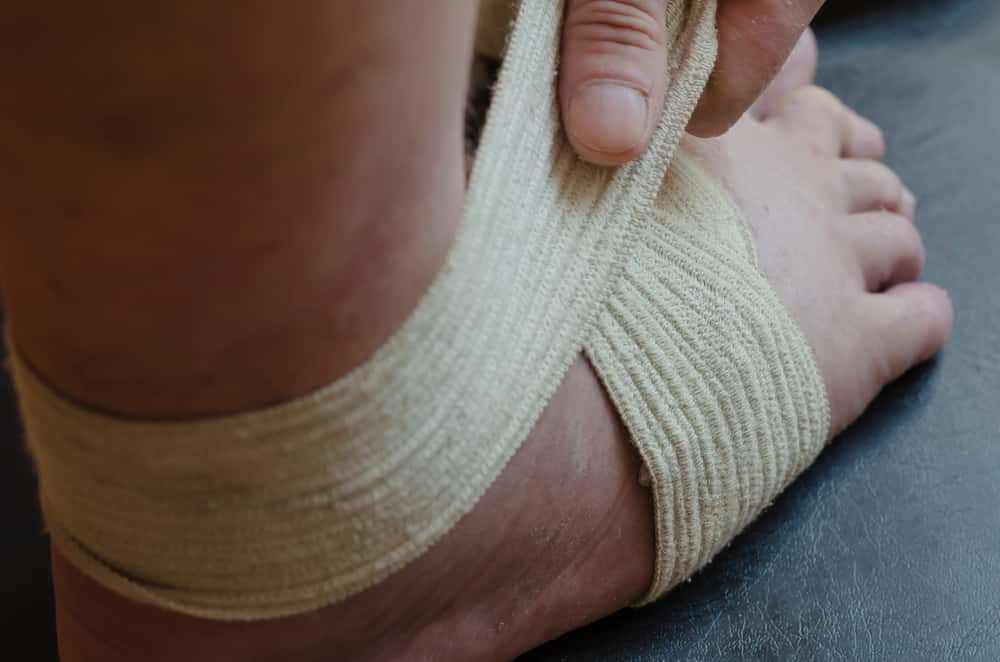
My father only recently went back to work after spending months in the hospital and receiving care at home since the beginning of the year. He had two small wounds on his ankles that he was trying to treat himself with Band-Aids and Epsom salt soaks, hoping they would heal on their own. When I first saw them back in November, I pushed him for weeks to see a doctor, but he refused.
He wouldn’t even let my mom look at them. Then, on New Year’s Day, he finally admitted something was wrong. He said to my mom, “Honey, I think there’s something wrong with my ankle,” and pulled the bandage off. She was across the room and smelled the rotting tissue before she even saw it. By the time he got to the hospital, they discovered the wounds had reached the bone.
The bones were infected, along with the tissue around them. He’s still going to a wound center so they can keep doing bone and skin grafts to help everything heal. I really wish he had listened to me back in November.
63. It Was A Worst Case Scenario
I started taking my daughter to doctors for abdominal pain when she was 12. The pain was severe—so bad she could barely function. We tried tracking patterns to see if there was any cycle to it, but nothing made sense. We went from doctor to doctor and specialist to specialist. Every one of them told her it was all in her head, and that caused some serious mental health struggles.
At 19, she ended up in the ER again with abdominal pain, and they found a cyst on her ovary. A few weeks later, she had surgery to remove it. The procedure lasted a couple of hours longer than a normal cyst removal should have. When the surgeon came out, he said, “That is the worst case of endometriosis I’ve seen in my entire career.”
At 21, after trying every possible treatment for the endometriosis, she had a full hysterectomy. Even while preparing for that surgery, with a surgeon who specialized in endometriosis, the nurses and anesthesiologists said they’d already been told hers was one of the worst cases they had ever seen. I still get angry thinking about all the doctors who acted like she was making it up.
64. My Medical Encounter Took An Embarrassing Twist
A hurricane was on the way, but I could tell a Bartholin’s cyst was developing too. I tried a sitz bath, but it didn’t help, so I went to the local urgent care. I had to explain to the young person doing intake that I needed a woman in the room and that I already knew what the problem was. He didn’t believe me. Then the male doctor came in. I told him I knew exactly what it was. He took one look, and we immediately switched rooms.
They gave me the strong medication and drained the cyst. There was blood everywhere. They had to move me to another room to recover while a hazmat team was called in to clean the first one. Then the hurricane hit, and I was packed with gauze. Later, I had to pull what felt like a yard of gauze out of my body using only cold compresses. At the time, I was working at a local gym to earn some extra money. And of course, the man who got sprayed during the procedure came into the gym every single day. It was incredibly awkward.
65. She Was Just Seizing The Moment
A 3-year-old girl was brought in because of seizures. She would have episodes where her legs shook and stiffened, and she seemed unresponsive. Her pediatrician had been treating her for over a year with two different anti-seizure medications. She even had to leave daycare because they didn’t know how to manage the episodes. Her mother was terrified because nothing was helping, and the spells were getting worse, happening multiple times a day.
The mom showed me a video of one of the episodes, and I immediately recognized what I was seeing: it looked very much like a toddler self-soothing by rubbing her legs together. Since proving something is not a seizure takes evidence, we admitted her to the hospital and attached EEG leads to monitor her brain activity. We stopped the anti-seizure medications and watched her on both EEG and video to confirm that the episodes weren’t actually seizures.
The little girl was frightened—she had wires attached to her head, strangers in white coats examining her, and nurses drawing blood. She was in no mood to do the behavior we were trying to observe. So I spent an entire week waiting for this toddler to start leg-rubbing again. Eventually, once she felt comfortable enough, she did. The EEG showed it was not a seizure. We stopped the medications, reassured her mom, and sent her home.

66. My Family’s Concerns Were Not Displaced
When I first started walking, my extended family noticed that I waddled a lot. My parents didn’t really see it because they were used to my unusual walk, but my grandma and aunts, who saw me less often, kept saying I had a limp. So my mother asked our pediatrician about it, and he told her it was nothing and would sort itself out as I got older.
A year went by, and it didn’t get better. It actually got worse. My mother brought it up with the doctor again and asked for an X-ray just to make sure everything was okay. The doctor scolded her for wanting to expose me to radiation. He still insisted it was nothing, but he referred us to a specialist anyway. The specialist suggested my parents wrap some wool around the leg I was limping on.
My dad finally reached his limit. It was summer, and our usual pediatrician was on vacation. His partner came to see me because the limp had gotten worse, and my parents wanted another opinion. The new doctor measured my legs and found a 4–5 cm (2 in) difference between them. They sent me straight to a children’s hospital to have it treated right away.
It turned out I had severe dysplasia. It was so bad that my right hip didn’t even have a proper socket for the femur. I needed months of physical therapy to learn how to walk again. Three years and three surgeries later, I was finally okay. If that second doctor hadn’t caught it, I would have grown up with a disability.

67. I Couldn’t Write This One Off
When I was 17, I thought it would be funny to write “Hello” on my groin with a Sharpie before a doctor’s appointment. The doctor was my family physician, and at the time it seemed hilarious. Then I rode my bike to his office, forgetting that it was August and really hot outside. When I got to the exam room and started changing into the gown, I realized the sweat had smeared the marker all over everything, from my thighs to my waistband.
I tried cleaning it up with cotton swabs and paper towels, but it was hopeless. I just kept spreading ink around the sink and counter. The pile of black-stained cotton swabs in the trash looked awful. And instead of making things better, wiping away the extra ink made my skin look much worse, like something was seriously wrong. It was honestly the worst possible outcome.
The doctor came in, and we went through the exam as usual. He noticed my heart rate was high, so I told him I had ridden my bike there. Then we got to the part of the exam where I had to turn and cough, and I froze. I took a deep breath and explained what had happened. He stayed completely calm, probably because he had already been a physician for 15 years by then.
He knew I had always been a bit of a handful, since he’d stitched me up more than once when I was younger. At my last exam, I had even said to him, “You’re my dad’s doctor, and he’s 50. You’ve definitely had to do his prostate exam. I’m pretty sure you’re also my minister’s doctor, and he’s about 60.”
Because I was exactly that kind of patient, my doctor just said, “Alright, let’s see the damage.” He was totally unfazed at first. But the moment I pulled my pants down, he completely lost it. He laughed so hard he had tears in his eyes. He apologized, shook his head, and somehow managed to finish the exam while still trying not to laugh.

68. Out Of Touch With The Problem
When I was a medical student, I was doing my surgery rotation. We had a case involving a child who had broken his arm and had come in for a follow-up appointment. He had already seen an orthopedist, who had splinted the arm and put it in a cast. The child said he couldn’t really feel his fingers, although he could still move them. The orthopedist said it couldn’t be compartment syndrome because that would usually be extremely painful, not just numb.
Before long, the patient couldn’t move his fingers at all. Once the cast was removed and we saw the damage, we had to operate and try to save as much of the arm as possible. The tissue inside was necrotic. It turned out it really was compartment syndrome, and the reason he had lost sensation was because the nerve fibers were already gone.
The child desperately did not want his arm amputated, so they ended up removing the damaged tissue from the forearm, leaving only the radius and ulna along with the blood vessels to the hand. There was no muscle or nerve left to save, but this let him keep his hand if he wanted, even though it would be completely useless. It was a tragic case and a very bad decision by the original orthopedist.
69. Too Late To Turn Things Around
My dad had been feeling sick for months. He was nauseated, and he said everything tasted like dirt. He lost 30 pounds and had repeated episodes at night where he felt freezing cold and would sit in a hot shower trying to warm up. His primary care doctor did nothing. Eventually, my aunt forced him to go to urgent care after one of his friends called her.
The urgent care nurse took one look at him and turned pale. She sent him straight to the hospital because he had several liters of fluid around his lungs. The doctors drained the fluid and did both a colonoscopy and an endoscopy to figure out what was causing his symptoms. They removed a few polyps and suspected lymphoma, so they did laparoscopic surgery to confirm it. Every tissue sample they took was necrotic, so they sent him to the Mayo Clinic for further evaluation.
He kept complaining about stomach pain the whole time, which isn’t unusual after a laparoscopy. The doctors at Mayo decided to take him into surgery the next morning to collect their own tissue samples. But as soon as they began, they had to open him up from his sternum down to his pelvis. During the colonoscopy, when the polyp was removed, no one had noticed that his colon wall had been left too thin.
When they pumped air into his colon, it had ruptured. He had been leaking intestinal contents into his abdominal cavity for more than 24 hours. They barely saved him. He ended up with a colostomy bag and spent two weeks in the ICU, and they finally confirmed he had diffuse large B-cell non-Hodgkin lymphoma. He fought for more than a year, but it was found late, and it was aggressive.

70. My Ego Was All Dried Up
When I was 17, I went to the hospital for severe dehydration. I was in high school and had almost no time for bathroom breaks because I would go straight to work after school. I was so busy that I usually couldn’t use the bathroom until my 15-minute break in the middle of my shift, or else I had to wait until I got home. My solution was to drink less water so I wouldn’t need to go as often, and I only really drank water at night.
One day, after pushing through really bad stomach pain, I went to the ER. They did a scan because I was complaining about how much my stomach hurt, and it turned out I was not only severely dehydrated, but also badly constipated from not drinking enough water. It was incredibly embarrassing to have the doctor tell my mom that I was backed up and basically just needed to use the bathroom and drink more water.

71. Fun In The Sun
When I was younger and at camp, I noticed another camper who clearly wasn’t feeling well. He was slurring his words and could barely stay on his feet. I told him I’d walk with him so he wouldn’t have to go alone. That turned out to be a very good decision—possibly a life-saving one. On the way, he passed out, broke his nose, and stopped breathing.
I had just taken a CPR class, so I gave him rescue breaths, and he recovered. He was severely dehydrated, and the blow to his head had caused him to stop breathing for a short time. A year later, I was walking down the street when a kid I didn’t recognize came up to me. He said he remembered my yellow running shoes and asked if I, and those shoes, had ever been at that particular summer camp.
After a few more sentences, I realized he was the boy from camp. He just wanted to thank me for helping him.

72. If Only Someone Had Been There
About eight years ago, I was walking down the street, minding my own business, when suddenly my pain level shot to a ten out of ten for no obvious reason. Somewhere in my lower abdomen, it felt like I was being stabbed with a hot knife. I couldn’t even stand. It lasted maybe three seconds, and then everything went back to normal.
I didn’t have health insurance, so I thought, what am I even supposed to do? I told myself, “I guess I’ll go to the hospital if it happens again.” It never did, but in the years since, I’ve had increasingly serious stomach problems on a regular basis. And the worst part is that I’ve even started considering a stoma if things keep getting worse at this pace.
I’ve been to the doctor recently, had all kinds of scans and tests, and cameras put in very uncomfortable places. They keep telling me everything looks normal and they have no idea what’s wrong. I’ll always wonder whether going in right after that first episode might have led to a better diagnosis, and whether I could have avoided some of these problems entirely.
If someone had seen what happened that day, I wonder whether they might have been able to tell me what was going on. A reminder: if you ever feel something that stands out as “the worst pain of your life,” get it checked out as soon as possible. If that had been my appendix bursting and I ignored it, I might not be here now.
Thankfully it wasn’t, but constant pain and diarrhea aren’t much fun either.

73. The Doctor Got Cracked Up
I hated going to the OB/GYN. I’ve always been an anxious person, and I tend to tense up. I had recently had a tubal ligation but still hadn’t had my IUD removed. A week before the appointment to take it out, I had broken my ribs. During the appointment, the doctor started to insert the plastic speculum, and I tensed up. Suddenly, I heard a crack. The speculum broke.
He removed it, asked if I was okay, and gave me a minute to relax. I wasn’t really in pain, aside from my ribs. Then he got another speculum. Crack. I broke that one too. He said, “That’s never happened before!” I was 26 at the time. This doctor had actually been present at my birth, so he had seen a lot over those 26 years. Eventually, he managed to remove the IUD.

74. I Don’t Want To Hear It
I was working at a rural community practice when an older man came in complaining of ear pain. He was a sailor and explained that during long trips at sea, there often wasn’t a doctor around, so people had to handle medical problems themselves. He said he’d had ear trouble for a long time, and it had gotten much worse recently despite using his favorite seafaring remedy.
I examined his ears, and what I saw made me stop for a moment. Both ear canals were coated in black-green mold covering extremely irritated, bleeding tissue. Looking deeper, I could see that both eardrums were perforated, with blood slowly coming from the middle ear. I asked him what exactly he had been doing to his ears.
He pulled out a curved black piece of rubber tubing, about the size of a bicycle pump tube. He explained that whenever his ears bothered him, he would fill his mouth with water, put one end of the tube in his mouth and the other tightly into his ear canal. Then he would move the water back and forth between his mouth and ear, trying to flush it out.
He survived to tell more stories, though with some hearing loss. I still shudder when I think about that seafaring “treatment.”
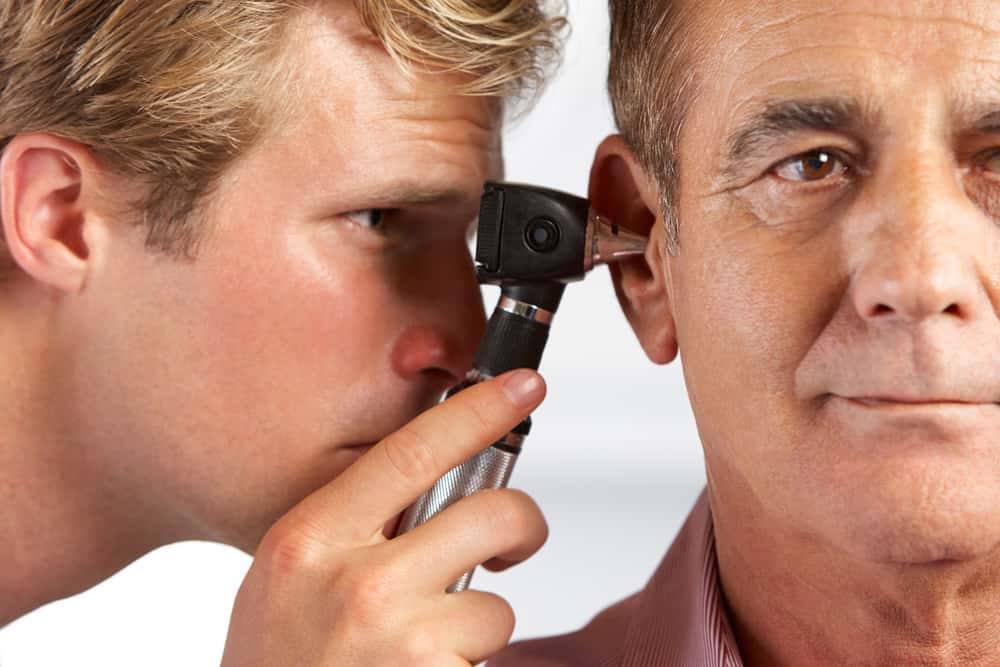
75. Words Of Wisdom
Several years ago, I had my wisdom teeth removed on a Thursday morning. The rest of that day was fine, but by the next afternoon, I was in a lot of pain, which I assumed was normal. By Saturday, I was crying from the pain and had developed significant stiffness in my neck. I couldn’t open my mouth more than about a centimeter—just enough to force pills between my teeth.
I called my oral surgeon, and he told me to keep taking the antibiotics and keep irrigating the extraction sites, saying it was all completely normal. By Monday, I noticed a very painful spot forming on the right side of my neck. I still couldn’t open my mouth or eat. I tried to go to work on Tuesday, but my boss immediately sent me home because I looked so unwell.
My surgeon was out of town that day, but I went to his office and was seen by the office manager, who was a nurse. She told me to open my mouth, but I couldn’t. She became irritated and said, “If you’re not going to open your mouth, then I can’t help you.” I truly could not open it. She tried to pry it open with a tongue depressor, but it snapped, and I screamed in pain.
She pulled back my badly swollen cheek and said the incision sites didn’t look infected. She told me that if I wasn’t somehow better by that night, she would arrange for me to see another surgeon since mine was gone for the week. She thought my inability to open my mouth was because I was afraid it would hurt, and said, “You’re just going to have to force yourself to do it.” If I hadn’t been in so much pain, I would have been furious.
The next day, the right side of my neck had a lump sticking out that was the size of a golf ball. I could barely swallow because of the pain and pressure, and I was already taking 20 pills a day for pain relief. That night, I went to the ER. They did a CT scan with contrast and found that I had developed a massive abscess in my neck from the lower right extraction site. It was starting to block my throat and making it hard to swallow.
I saw a different surgeon the next day, and he also tried to pry my mouth open, without success. They scheduled surgery that same day and said, “I bet your mouth will fall right open once we sedate you.” It didn’t. In the operating room, it took the surgeon and two nurses to manually open my mouth while I was sedated because I had developed such severe trismus that I could not open it more than that one centimeter.
They drained the infection, and later I had to undergo another incision and drainage under general anesthesia. In total, I had three surgeries in 13 days, took three different antibiotics, and lost 15 pounds in a week and a half. I needed weeks of facial exercises and massage, and it took a full month to recover from the major infection. All because the original surgeon dismissed my concerns, and the office manager didn’t believe me.

76. Left In Flux
While I was pregnant with my youngest, I had awful acid reflux. It got so bad that I lost 20 to 30 pounds because I couldn’t keep anything down, not even water. I was constantly crying and throwing up. Near the end of the pregnancy, I ended up in the hospital for dehydration. My nurse practitioner at the time told me I was overreacting and said it was actually good that I was losing weight because I was too big anyway.
After I gave birth, people told me it would improve, but it never did. I was taking antacids nonstop. One night it got especially severe—I was throwing up blood, and the taste and smell coming from my mouth were awful. I went back to the hospital, and the doctor asked, “Weren’t you here a few months ago?” I told him yes.
They gave me a Gravol shot in the hip, but it didn’t help. Then they tried something else, and still nothing changed. At that point, the doctor realized something more serious was happening and called in a surgeon. She ordered X-rays and found that my gallbladder was badly inflamed and needed to be removed. She also prescribed a whole bunch of medication because, finally, someone believed me when I said I was in terrible pain. It took about a week for the swelling to go down enough for surgery. I was so thankful for her.
77. My Diagnosis Was Brief
I had a lot of pain in my testicles that wouldn’t go away and was keeping me awake at night. Since a coworker had recently been diagnosed with testicular cancer, I got nervous and decided to get it checked out. After a long exam, the doctor asked what kind of underwear I wore. I told him boxers. He suggested switching to boxer briefs because, according to him, I didn’t have enough support and had probably strained a ligament or muscle.
I went out and bought boxer briefs right away, and sure enough, after a little more than a month, the pain went away. I basically paid $250 for a doctor to tell me I needed different underwear.

78. Building Block
I was playing sand volleyball and jumped up for a block, but when I landed, I rolled my ankle really badly. I didn’t hear a snap or anything, so I figured I could just hop back home. But hopping on it and letting my foot hang made the pain even worse, so after about 20 feet, I was crawling instead. Luckily, my aunt happened to drive by and saw me. She could tell right away that something was seriously wrong.
She picked me up and drove me home. Once I got there, I lay down and propped my ankle up on a chair. Then suddenly I felt my whole body go cold. My fingers were cold, and even my other foot felt cold. They covered me with a blanket, and I just stayed there. Eventually I went to bed, trying not to move because it hurt so much. I took some painkillers and fell asleep.
My brother had a boot from a similar injury he’d had not long before, so I assumed the hospital would probably just do the same thing for me. I used his old boot and left it at that. I really should have gotten it checked by a professional, because I couldn’t walk normally again for at least three months.

79. When Nobody Wants To Lend A Hand
I’m not sure if this counts, but I once broke my wrist and thumb pretty badly while playing football at school. The nurse gave me some ice and sent me back to class. It was my writing hand, so I couldn’t write at all, and my teacher thought I was faking until she saw how swollen my hand was. She sent me back to the nurse, who gave me another bag of ice while I waited for my mom to pick me up.
My mom took me home, and I asked why she wasn’t taking me to the hospital. She said we had guests coming over for dinner and she wanted me to help. I told her I couldn’t really do anything because my hand hurt every time I touched something. Her response made me furious—she told me to just deal with it and use my other hand.
At dinner, I dropped my cup and it shattered. Our guests got concerned, and my mom acted like she had no idea what was going on. That’s when everyone finally realized something was seriously wrong, and I was taken to the hospital to get proper treatment. I love my mom, but sometimes she can be unbelievably cruel.

80. Following Doctor’s Orders
Whenever I hear stories about people being told to go to the hospital immediately, I think about how that happened to my father and probably saved his life. About ten years ago, he came down with what he thought was a really bad flu. His mother came over to help take care of him and kept trying to get him to drink this overly sweet Persian drink that’s supposed to help when you’re sick.
So my dad was reluctantly forcing down sugar water when my uncle, who’s a doctor, stopped by to say hello. He took one look at my father and told him to go straight to the hospital. That visit ended up changing everything: my dad found out he had Type 2 diabetes. Thankfully, because it was caught when it was, he was able to get treatment before it became life-threatening.

81. I Was Full Of It
One day, I woke up with intense pain in my lower right abdomen. I knew that could be a sign of appendicitis, so I was pretty scared. I went to a walk-in clinic, where they did some tests and took an X-ray. After a while, the doctor came in and basically said, “You’re full of stool”...except she used a much less polite word. Then she laughed. I just said, “Excuse me?” Turns out, I was severely constipated. They gave me a laxative, and within a few hours, I felt much better.
82. Grandpa Wasn’t Losing It Afterall
Later in life, after retiring, my grandfather started having strange episodes. At first, it seemed almost funny—mixing up the remote and the phone, confusing the dishwasher with the oven, and spilling way more coffee on the carpet than seemed possible. I lived less than an hour away, so I was usually the first person called, and I spent a lot of nights checking on him and helping clean up.
I noticed some especially odd things during that time, like the trail of coffee stains leading from his chair to the kitchen across the beige carpet. One day, he pointed at it and said, “See that? I remember that from biology class. You know what those are? Amoebas!” That made 20-year-old me laugh, but later it turned out to be an important clue.
Eventually, things got worse. He started going outside alone at night in the middle of winter and even had a couple of bad falls on the ice. The family doctor diagnosed him with dementia, and he was moved from his apartment into the Alzheimer’s unit at a local nursing home. He was given a room with a chair alarm because he fell nearly every time he tried to stand up. It was heartbreaking.
When my dad heard he was also having hallucinations—like believing he lived in a house and town he hadn’t been in since 1960—it raised concerns. Because my dad had experience with dementia and Alzheimer’s, he thought it was unusual that hallucinations were showing up more than memory loss. So he asked the person who reviewed medication combinations for residents at his nursing home to look over my grandfather’s prescriptions.
Shockingly, my grandfather had been given a sleeping pill in the mornings. We brought it up with his doctor of 50 years, but he refused to listen. So we fired the doctor and got my grandfather off that medication. Just two days later, he could not only walk again but also gave a speech at the university’s Quarterback Club meeting and did great. He was back to himself. He even married his nurse from the Alzheimer’s unit and spent 15 happy years with her.

83. Almost A Waste Of Breath
I was taken to the ER because I couldn’t catch my breath. My chest hurt, and my lungs felt like they were burning. They did the usual tests, and the doctor said, “It’s probably pneumonia,” and sent me home. A week later, I was back because things had gotten much worse. They started me on fluids, antibiotics, and IV morphine.
The same doctor kept saying, “It’s just pneumonia,” but I ended up being admitted for a week. Then there was still no improvement—after two weeks, then three. By that point, I’d had several chest X-rays, MRIs, and CT scans. Someone noticed my lung looked a little unusual. The doctor seemed reluctant at first, but finally ordered a biopsy after a pulmonologist requested one.
Instead of waiting for the biopsy results, they brought in a surgeon and planned to open my chest and remove my entire left lung. By then, I could barely talk, hold a pen, or fully understand what was happening. It was terrifying. At the end of week four, when I was put under for surgery, I declined so fast that the surgeon decided not to go through with it.
I spent a week in the ICU on a ventilator. Somehow, through sheer stubbornness, I got off the ventilator and eventually made it back to my regular room. I was nearing six full weeks in the hospital. I had asked several times, “Do you think this could be cancer?” and kept being told no. Then a different pulmonologist realized something was clearly very wrong with my lung and sent my ignored biopsy and some cultures to a university in another state.
On the day I was supposed to be discharged by the admitting doctor—who still said, “It’s probably pneumonia, we don’t know, here’s a PICC line and some antibiotics”—that pulmonologist came into my room. He looked at me, sighed, and told me I was dying from stage four lymphoma that had spread to my lungs. If he hadn’t trusted his instincts, I wouldn’t be alive today and in remission.
84. Sheer Luck
I once got my hand impaled on the top of a fence I was climbing when my feet slipped while one hand was still on top. I ended up needing 18 stitches total—10 internal and eight external. They told me to come back in two weeks to have them removed. When the two weeks passed, though, I didn’t have insurance. I figured, “How hard can it be to take out stitches?”
Taking them out wasn’t hard. What I didn’t realize was that a doctor probably would have looked at my hand and said, “These aren’t ready to come out yet.” I didn’t know that, so when I removed them, I was left with a large open hole in my hand. I had no idea what to do, and I definitely didn’t want to get more stitches in the skin I had just messed with.
So I used super glue to close my hand and kept reapplying it a couple of times a day for two weeks. In the end, I peeled off the dried strip of glue, and my hand had healed perfectly.
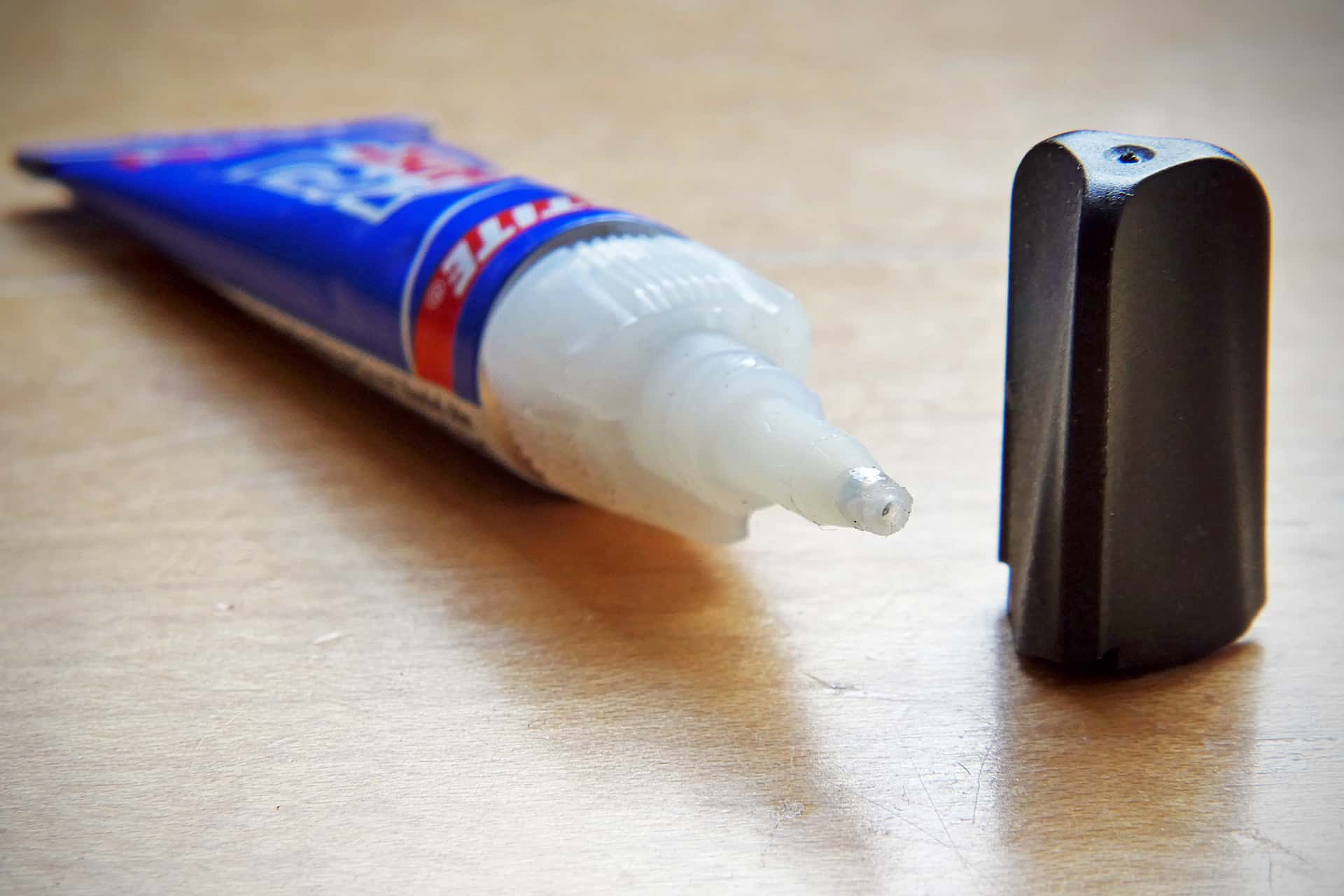
85. My Diagnosis Fell Between The Cracks
I fell down some icy stairs and basically slammed my lower back into every step on the way down. I went to the doctor not long after because the pain wouldn’t go away, and he said it was just bruising and gave me ibuprofen. A year later, I went back because the pain had gotten worse. I had started using a cane because my legs were hurting badly too.
After getting referred for an MRI, I found out I had three herniated discs in my lower back. I had surgery about three months later. I still needed the cane after that, but the pain was easier to manage. Two years later, I was back at the doctor again because even walking through a grocery store had become unbearable. He seemed to think I was just looking for pain medication and only gave me steroids.
I saw another doctor after that, and for nearly three years, he would only treat my blood pressure and ignored everything else. Finally, when the company I worked for was shutting down, I found a doctor who actually helped me push through the system and get another back surgery for the four herniated discs I had by then. After that, I was finally able to walk without a cane and was mostly pain-free.
86. A Series Of Mistakes
When I was a senior in high school, I had to go on a school retreat and stay in an old cabin for three days. As the weekend went on, it got harder and harder for me to breathe, and I couldn’t sleep, but I assumed it was just bad allergies and nicotine withdrawal. By the third day, breathing was so difficult that I could barely talk.
I mostly shuffled around bent over and stepped outside now and then for a cigarette. When I finally got home and told my parents, my dad decided it wasn’t worth the cost of a doctor’s visit. He gave me two pills, told me to take a shower, and said I’d be fine. Hours later, I still felt awful and had completely lost my voice.
So I drove myself to the ER. That’s when I got the frightening news. It turned out I had inhaled a lot of mold in the cabin, which I was allergic to, and it had triggered bronchial spasms that dropped my oxygen to a dangerously low level. The doctors said I might not have made it through the night if I hadn’t come in. One doctor called my family to ask what pills I’d taken so they could avoid giving me anything that might interact badly.
My dad’s response? “Oh, those were just sugar pills. I was hoping the placebo effect would fix him.”

87. Two Thirds
I once figured out that a friend had an ectopic pregnancy before she even got answers from her new doctor, who she had seen twice in three days for OB visits. She was describing classic symptoms, and I convinced her to go see my doctor instead as a new patient. I even had to push the scheduler to get her seen quickly after her own office tried to book her weeks out.
It turned out to be ectopic and she needed surgery. Later on, I also recognized the signs of her second ectopic pregnancy, which was even easier to spot the second time. When she went in for an ultrasound, they found exactly that: one ectopic pregnancy and one normal pregnancy in the uterus, who became her oldest child. After that, she went from a very experienced ultrasound tech to a much younger OB-GYN who said ultrasound techs sometimes “don’t know what they’re looking at.”
That doctor insisted it couldn’t be both an ectopic and a normal pregnancy at the same time because he had “never seen that before.” He ended up being very wrong. My friend had surgery again and made it through everything. She still deals with some lingering issues from the operations, but she now has three healthy, beautiful daughters.
88. It Was A Knee Jerk Reaction
I was sitting in a hospital room waiting for the surgeon to come explain the knee surgery I was about to have. I was already dressed in a surgical gown, a hair covering, and those compression stockings they use to help prevent blood clots. Nurses kept coming in and out until the surgeon finally showed up to go over the procedure. Before leaving, he asked if I had any questions before the final prep.
I asked why I needed to wear a hairnet if they were only operating on my knee. He looked at me and explained that it wasn’t a hairnet at all—it was the paper surgical underwear I was supposed to be wearing.
I had been lying there for about an hour with a pair of paper underwear on my head like it was completely normal. No wonder so many nurses had stopped by to check on me.

89. When Work Shouldn’t Come First
One day, a co-worker of mine wasn’t feeling well at the office. She was the receptionist then, and I had come down to cover her desk during her break. As soon as I walked in, I could tell something was wrong. She was slightly hunched over, and her skin looked clammy. Still, she didn’t want to leave because she had that “If I take a sick day, they might fire me” mindset.
I called our manager for her and said she needed to go to the doctor immediately, and that I would stay and cover the desk for the rest of the day if necessary. I also had to call her boyfriend to come pick her up because there was no way she should have been driving. When we later heard back from the hospital, we were stunned—she had been admitted for several days with a serious bowel problem.
I don’t remember the exact diagnosis, but the doctors told her that if she hadn’t come in that day, it likely would have become life-threatening very soon after. I still can’t believe how much convincing it took to get her to seek medical care when she was so obviously in severe abdominal pain.

90. A Whole New Meaning To “I Scream For Ice Cream”
One time I was walking home from the grocery store with ice cream and streamers because it was my roommate’s birthday. I’m a med student now and I also work in a hospital, but back in high school I worked as a junior EMT on our local rescue squad. And for the record, skiing can lead to some awful injuries, so always wear a helmet.
Anyway, as I was walking home, I saw a kid, maybe nine or ten years old, riding his bike down the street with a friend. His friend told him to stop and go back to a store they had just passed. The kid turned his head too fast without watching where he was going, and his front wheel slipped off the curb. He started slowing down, the back wheel fishtailed, and the bike slid out from under him.
He tried to jump away from it, but instead he shifted the pedal and the bike twisted on top of him. His arm got tangled in the handlebars. I ran over and checked the basics. He was conscious, responsive, and seemed alert. I pulled the bike off him and asked what hurt and whether he thought he was bleeding.
He said no and then put his hand on the ground for support. The second his hand touched the pavement, he screamed in pain and immediately passed out. After making sure he was still breathing, I gently checked his arm. It felt broken near the elbow, and I could also tell his shoulder was dislocated.
Even though I had EMT experience and probably could have put the shoulder back in place, I didn’t feel comfortable doing that on a child. I had only ever reset wrists before, and I didn’t want to risk making things worse, especially with a possible broken elbow involved.
So while he was still unconscious, I used the streamers—definitely not ideal, but better than nothing—to immobilize his arm. I also used the Ben and Jerry’s ice cream to help reduce swelling. When he came around, he whimpered again. I still don’t know how he didn’t feel the full pain until he tried to put weight on it, but from that point on it was clearly bad.
I told him I had stabilized his arm and that he likely had a dislocated shoulder and a broken elbow. He nodded, and in the meantime his panicked friend had called an ambulance. A few minutes later it arrived. I explained everything I’d done to the paramedic and then realized I had to go back to the store and buy replacement streamers and ice cream.

91. Crash Landing
When I was skiing in Europe, I fell and fractured my tibial plateau. I tried to ski to the bottom of the hill, but that didn’t work. Then I tried to walk down, and that didn’t work either. In the end, I had to slide down the hill on my backside until someone at the bottom came to help. They could tell right away that something was seriously wrong and told me I needed to see a doctor immediately.
I really should have gone to the emergency room, but I had a flight home the next day. So instead, I wrapped my knee in an Ace bandage, iced it, and got a pair of crutches. That was a huge mistake. I flew back to the United States and saw my primary care doctor the next day. She ordered an MRI. The injury was serious enough that the radiologist called my doctor while I was still getting the scan to let her know there was a major problem.
I ended up needing surgery the following week.
92. Road Rage, Gone Right?
Back in 2007 or 2008, I was driving my 1999 Honda Accord V6 out of Abington, Massachusetts. I stopped at a red light next to a guy in a Subaru. I looked at him, he looked at me, and, like something out of a movie, we both started revving our engines. We raced to the next light, and I won.
The guy was impressed and honestly excited that my beat-up old car could outrun his newer one. We happened to be going the same way, got onto a ramp for I-93 North, and kept racing for miles. The whole time, we were shouting to each other out the windows, all in good fun, and giving each other thumbs-ups whenever one of us pulled ahead.
It was one of the most thrilling experiences I’ve ever had, and the guy I was racing was friendly and upbeat the whole time. He seemed genuinely happy that I was joining in. Somehow, I drove around 15 miles at speeds between 100 and 130 miles per hour without crashing or getting pulled over.
By any reasonable standard, I could have been killed or ended up in jail because of that decision. Instead, I eventually waved goodbye, took my exit, and kept going. At the time, it didn’t even occur to me how reckless it was. But when I told a friend about it later, his response was that I should check myself into a psychiatric hospital because I clearly didn’t grasp how dangerous my behavior had been.
That really made me stop and think, and I still don’t know what made me act that way behind the wheel. Even now, I sometimes feel anxious when I think about it because I understand how unbelievably dangerous it was. Still, I’m thankful I walked away from it, and I have absolutely no interest in ever doing anything like that again.
I got that recklessness out of my system.
93. Never A Dull Moment
I’m a medical student. Once, at a summer wedding in the blazing sun, I noticed a girl standing in front of me. She was swallowing hard, swaying slightly, and sweating across her face. So I had about 15 seconds of warning before she collapsed from what I assumed was heatstroke or heat exhaustion. She fell straight into my arms. And now we’re married... just kidding.
The real story is much less dramatic. I gave her water, elevated her legs, and used my suit jacket to cover her legs and underwear. On a separate note, ever since I started medical school, and because I tend to be a good listener, I’ve had women tell me their entire health history on dates in the hope that I could somehow diagnose them on the spot.
A few times, I did tell someone they should see a doctor, but nothing was immediately life-threatening. There were some menstrual cycle issues, which made for unforgettable dinner conversation at an Italian restaurant. One woman didn’t think having a period only every six months was something worth worrying about, despite being an outstanding student in every other area of life.
But I think the most uncomfortable moment was being asked to look at a mole in a private area while things were starting to get intimate... because it might have been an HPV wart.

94. Break-ing The Rules
I’m a nursing student, and I also work as a phone dispatcher for our local ambulance service. Last year, my brother called me from work because he was worried about something. After a bit of conversation, he finally asked me a few questions about his wife, whom he had just talked to on the phone. He said she was exhausted and confused in bed at 11:00 in the morning.
For context, she was usually up by 6:00 taking care of the kids. He also mentioned that her tongue was bleeding. Alarm bells were already going off in my head, but the next detail was the most important. He was hesitant and embarrassed to tell me that she had also wet the bed. She was planning either to drive herself to the doctor with the kids or wait until the next day.
I told him she absolutely should not drive and needed an ambulance right away, even if it came without lights and sirens. I suspected a seizure. He didn’t think it sounded like a big deal, but I insisted that seizures usually don’t just appear out of nowhere in adults. My brother left work immediately and went to the hospital.
On the way there, she had another seizure in the back of the ambulance. That afternoon, he called me again to say they had found an inoperable brain tumor. She has since had radiation treatment and is doing well. So yes, I took what was supposed to be a 15-minute break at work, and it turned into the most effective ambulance call I handled that day, from 1,000 miles away.
A lot to process for one workday.
95. Somehow Poison Oak Sounds Nice
One day, an older woman came in with a white towel wrapped around her forearm. I asked what brought her in, and she said she had tried to treat poison oak at home, but it hadn’t worked and was now extremely painful. I asked what she had done, and when she explained, I was stunned.
Basically, the home remedy involved making several shallow cuts or scratches on the affected skin and then wrapping it in bandages soaked in bleach, almost like a bleach bath. By the third day, the pain had become so severe that she came to the ER because she was having trouble bending and moving her arm. At that point, I asked to see it.
Her arm had a severe chemical burn. Some areas around the cuts had turned black, other parts were bright red, and the skin was peeling. She ended up being admitted for about five days. She had an infection, needed debridement surgery, and would probably require skin grafts later on.

96. A Grave Mistake
My wife found a lump in her chest that worried her. It took nearly two months to get the right appointment to have it checked. The doctor said it was a cyst and a fibroadenoma. She drained it, and for a short time everything seemed fine. But a week later it came back, larger than before. After weeks of pain, the doctor finally decided to remove it.
At the follow-up after surgery, we learned she had Stage 2A triple-negative cancer. The surgeon was stunned. One of the hardest parts was that while her regular doctor was away, another male doctor told her, “Any surgery would just be cosmetic,” and claimed the lump obviously wasn’t bothering her because he could touch it.
Even after eight months of treatment, the cancer came back seven months later. In the end, it spread to her brain and spinal fluid and took her life. She had changed doctors twice because no one would take the lump seriously. She was only 27 years old.

97. Loving Thy Neighbor
This is how my neighbor saved both my life and the life of my first child. She’s a nurse. I was pregnant, and we were having dinner at her house. Just two days earlier, I’d had a healthy 28-week checkup. She took one look at me, said I didn’t seem right, checked my blood pressure, and told me to see my doctor immediately. I hesitated because I’d just had a good checkup, but I went anyway. When my doctor saw the test results, her face went completely pale.
I was sent straight to the hospital with severe preeclampsia. My blood pressure had reached 220/180. The nurses checked it on three different machines and by hand because they could hardly believe it. I had to have an emergency C-section to save my son, whose vitals were dropping. I stayed in the hospital for two weeks recovering, and my son was there for two months. We’re both healthy now. Without my neighbor stepping in, we both might not have survived the night.
All because a nurse next door noticed I looked pale, exhausted, and just “not right.”

98. Odd Anatomy
I’m a biomedical scientist, and my officemate was a medical doctor working on his PhD. One time, he performed an appendectomy and opened the patient up, only to discover there was no appendix where he expected it. He started panicking. The nurses assisting him, though, immediately understood what was going on and started laughing.
Every now and then, they see someone with a rare genetic condition where the body’s left-right layout is reversed. This patient’s appendix was on the opposite side.
99. Too Close For Comfort
About four years ago, my girlfriend suddenly got a sharp pain in her upper thigh one night. She was in pretty good shape, so it seemed to come out of nowhere. Her left leg started swelling, and the pain kept getting worse. In my totally unqualified opinion, I convinced myself it was just a pinched nerve and that she should try to walk it off.
I stuck with that explanation for about another hour while we were visiting my parents, even as the pain kept getting worse. My mother insisted that I take her to the emergency room just to be safe, and she even offered to pay. I wasn’t sure, but I figured it was one of those times to trust a mom’s instincts.
We got to the ER around 9 p.m. on a Tuesday. She was seen fairly quickly, and they did an ultrasound on her thigh. What they found was terrifying. She had a huge blood clot lodged in a vein on its way toward her brain. If it had made it there, she almost certainly would have died.
They quickly scheduled surgery, and then discovered another serious problem—she also had DVT, which meant she needed daily self-injections. Not long after that first hospital visit, she needed a second surgery to cut one of her main veins, stretch it, and reconnect it.
100. Welcome To The World
My dad is a pediatrician who specializes in neurological issues. One day, while seeing a patient at the hospital, a nurse pulled him into the NICU because she was convinced a baby wasn’t doing well. The attending doctor said the baby was fine and just worn out from a difficult vacuum-assisted delivery. My dad could tell something was wrong and convinced the parents to agree to a brain scan.
The NICU doctor told the parents my dad was overreacting. But his confidence backfired badly. The scan showed the baby had a brain bleed and needed emergency surgery. Without the nurse bringing my dad in and the parents trusting him, the baby likely would not have survived. The delay caused by the NICU doctor probably also led to some loss of brain function. I’m proud that my dad spoke up and did the right thing.

101. A Tickle Under The Rib
I once saw a patient with a very unusual condition. While she was asking why she had rib pain so often, she actually reached under her rib and moved it around with her fingers. It turned out there were several other things her body could do that really shouldn’t have been possible. I suspected it was a form of Ehlers-Danlos syndrome, which affects connective tissue.
I was so focused on the rib slipping in and out that, at first, I barely registered how alarming it was that she could get her hand under there at all.

102. The Rear View
Nurse here. One day, a very panicked nursing assistant ran up to the desk and said, “You have to come see this! I have no idea what it is!” She brought me into a private room where she had been helping a patient with a bath. She pointed to something on the patient’s buttocks and asked, “What is that?” I leaned in for a closer look, and my face immediately went pale.
The patient started turning back around and said, “IS THAT MY EYE?!” Sure enough, she had a prosthetic eye that had somehow come out and gotten suctioned to her buttock. I stepped out of the room and laughed harder than I ever had before. It was honestly one of the strangest and funniest moments of my career.
103. That's No Scratch
I’m a nurse, and I was working in the ER when a man came in because of a scratch on his neck and because he was “feeling drowsy.” We started the usual workup, and then his blood pressure suddenly crashed. Everyone rushed to help, but he died within ten minutes of coming through the door. It turned out the “scratch” was actually the exit wound from a .22 caliber rifle round.
He hadn’t even realized he’d been shot. When the coroner’s report came back, we learned he had been shot in the leg, and the bullet had traveled through his torso, destroying everything in its path. There was really nothing we could have done, but it was definitely one of those “what just happened?” moments.

104. Some Things Can’t Be Put Back
When I was in EMT school, we heard about a paramedic student from one of our instructors, who was also a paramedic. He had responded to a stabbing at a bar and found a man with a knife still lodged in his abdomen. The student took the lead and pulled the knife out, which is something you should never do. The senior medic completely lost it and demanded to know what he was thinking.
The student panicked and, unbelievably, put the knife back in. The patient died as a result. The student lost any real chance at a stable career, not just in EMS, and was charged in the patient’s death. I don’t remember the exact charge, maybe manslaughter. His whole life changed in less than a minute because he panicked and made a terrible decision, not just a routine beginner mistake.

105. My Boss Is A Heartbreaker
I worked with a doctor who constantly dismissed patients who were in serious pain, and it eventually led to a devastating moment that also became his downfall. He assumed people were faking in order to get pain medication. After a senior director at Microsoft died of a heart attack in our ER because the doctor refused to order an EKG, I went to management and reported everything I had witnessed. He was fired the next day.
106. No Privacy When Your Memory is an Open Door
I was in a coma for two and a half months in 2015 after a serious car accident. I was 27 at the time. When I woke up, I still had a tracheotomy and couldn’t talk. I don’t remember anything at all from the time I was in the coma, but what shocked me most was seeing my boyfriend at the time standing there with my parents.
They were talking like they knew each other well. I’m a very private person, and I had gone out of my way to keep them from even knowing about him, so that really unsettled me. I also couldn’t remember the accident for months. For the first week or two after waking up, every time I drifted off and woke up again, someone had to explain where I was and what had happened.
For months, I had no real sense of where I was, and I thought I was 23 instead of 27. I also had a really difficult time recognizing faces. I would look at people and know I was supposed to know them, but I couldn’t remember who they were, why I knew them, or even their names. They just seemed familiar. About a month after I woke up, my parents took me for a walk through the hospital courtyard while I was still in my hospital bed.
As we passed a big mirror in the lobby, I panicked. I saw my reflection and understood it was me because I could see my parents pushing the bed, but I didn’t recognize my own face. My face wasn’t injured or anything—I just didn’t know it. It was also strange to realize I had gone into the coma in late winter, when there was snow everywhere.
By the time I woke up, it was spring, and all the snow was gone. I had a large window in my hospital room, so that change really stood out to me. But the thing that upset me most was finding out that my parents had gone into my apartment and packed up everything. Like I said, I’m very private, so knowing they had boxed up all my belongings and ended my lease was difficult to process. It made practical sense, of course, but it still really bothered me.
107. He Was Itching For Some Help
I was in the hospital after a motorcycle accident. The patient in the bed next to mine had been in an 18-wheeler crash. He kept saying his back was itching, and eventually someone came in and turned him onto his side. The moment they did, their expressions completely changed—his back was covered in pieces of glass. I still have no idea how no one noticed that earlier.
108. Shut My Mouth
I’m a dermatologist. I was reviewing a patient’s chart and saw that he had been diagnosed with a fatal form of skin cancer and scheduled to have his entire upper lip removed. Naturally, that would have left him seriously disfigured. On a last-minute decision, he made an appointment with a dermatologist at our hospital, who told him it was actually just a cold sore. He prescribed medication, and the problem cleared up.
109. Just Plain Useless
When my wife was seven months pregnant, she had a placental shift. One morning at 3 a.m., there was blood everywhere. I got her into the truck and drove as fast as I could to the nearest local hospital. This was in rural northern Thailand. The “doctor” looked like he was about 16. He spent a couple of minutes fumbling with an ultrasound machine, then told my wife, “Yeah, sorry, the baby’s gone.”
I put my wife in a wheelchair, took her back to the truck, and drove two hours to the nearest international hospital in Udon Thani, where actual doctors stabilized her. My son is now 10 years old and playing Minecraft.

110. Allergic To Everything
I’m a registered nurse, so I see a lot of wild things, but one moment really stands out. I was admitting a man to the hospital. I don’t remember exactly why he was there, but he had diabetes, heart disease, and was in generally poor health. I was at the computer asking admission questions while about 10 family members crowded into the room with him.
A few minutes in, he started saying he was thirsty and needed something to drink right away. So I called the nursing assistant and asked her to bring him some ice water. The second I said it, the whole family shouted, “NO! NO WATER! HE’S ALLERGIC TO WATER!” At that point, I knew this was going to be complicated.
It turned out this man had been drinking nothing but Sprite and sweet tea for years because of his supposed “water allergy.” Then his wife asked, “Where are we all supposed to sleep?” The entire family—all 10 of them—planned to stay at the hospital with him. You really can’t invent this kind of thing.

111. Oh, Worm?
I inserted a urinary catheter for a female patient. She complained of pain in her bladder. It turned out her bladder was distended, and there was no urine draining through the catheter. When we removed it, we discovered the reason: a worm had somehow gotten lodged inside the tube.
HOW DID THE WORM EVEN GET INTO THE BLADDER?
 Wikimedia Commons, Entomology, CSIRO
112. And This Is Why We Wash Our Hands
Sometimes, the unpleasant surprise is for the surgeon. My father is a physician, and although he didn’t become a surgeon, he did perform some surgery in medical school. He once told me about a patient with necrotizing fasciitis—basically, a severe flesh-eating infection. Honestly, I almost wish I’d never heard the story. It sounded like something from a horror show.
The patient had cut himself while gardening and never properly cleaned the wound. My dad said he had to peel back layer after layer to reach it. First came the bandages the patient had wrapped around it himself. Under those was a layer of pages from a religious book. Then more bandages. Layer after layer.
At last, underneath everything, was the wound. And nothing in medical school had prepared my father for what he saw. The wound was full of maggots. Apparently, they had been feeding on the dead tissue caused by the infection. Once the maggots were removed, the team could finally begin surgery to cut away the infected areas.
Strangely, those maggots may have helped save the patient’s limb. Because they had already eaten so much of the dead and infected tissue, my dad and his team didn’t have to amputate. After that operation, though, my father decided surgery wasn’t for him and chose to become a specialist instead.
113. The Milk Is For The Baby
I treated a patient who was worried because she was still producing milk, even though she had stopped breastfeeding her twins two years earlier. She told me, “Sometimes I wake up in the middle of the night and find my husband nursing from me.. He says he’s trying to relieve the pressure.” I had to explain that if her husband kept doing that, it could cause her body to continue producing milk.