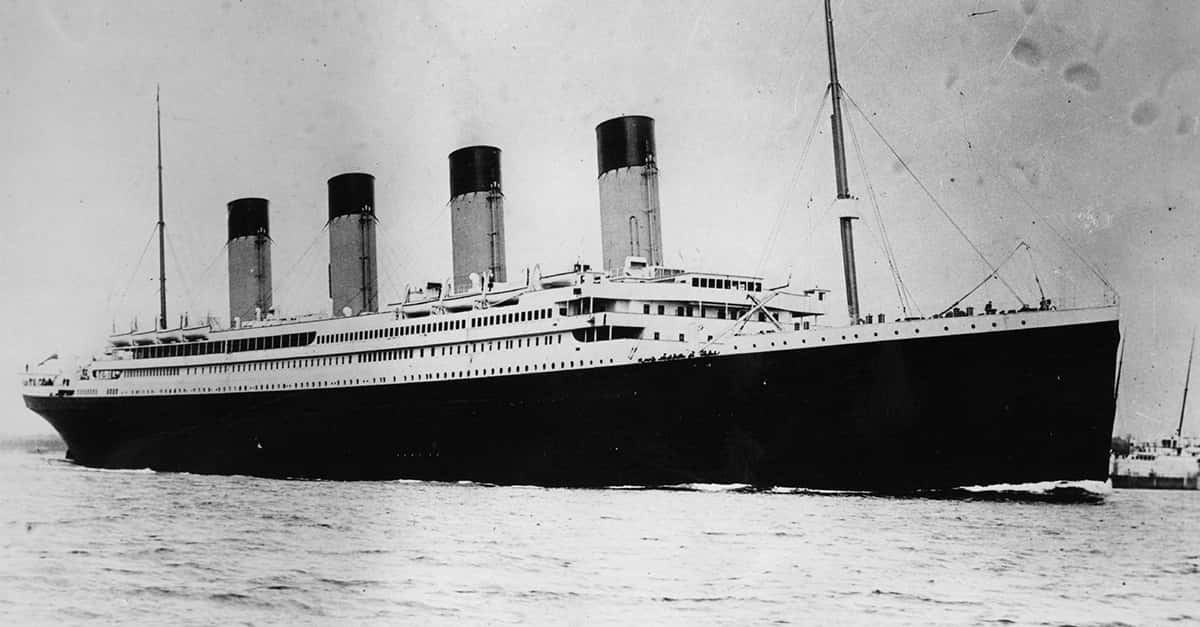
Over a thousand people perished when the Titanic sank on April 14, 1912. These are their last, heartbreaking moments on Earth.

Ruth Becker was just 12 years old when she escaped the sinking Titanic in 1912. From her lifeboat, she watched the enormous ship break in two, but for decades, her account was met with skepticism. Years later, an official reportedly even took away her microphone when she tried to tell her story. But the extraordinary journey from a little girl's disputed memory to an astonishing discovery on the ocean floor would take more than 70 years, and the truth was worth the wait.

They seemed sensible at the time. Governments, experts, companies, and ordinary people confidently embraced decisions that future generations would look back on with disbelief.

Failure has an odd way of revealing what success can hide. Some of history's most consequential mistakes, disasters, and rejected ideas forced inventors, engineers, companies, and governments to confront problems they might otherwise have ignored for decades.

The very first film about the Titanic's sinking was the absolute definition of “much too soon”—and extremely eerie to boot.

Being rescued was supposed to be the end of the story. For these survivors, it became the beginning of interviews, legends, difficult memories, and a public identity built around disaster.
If you like humaverse you may also consider subscribing to these newsletters:
