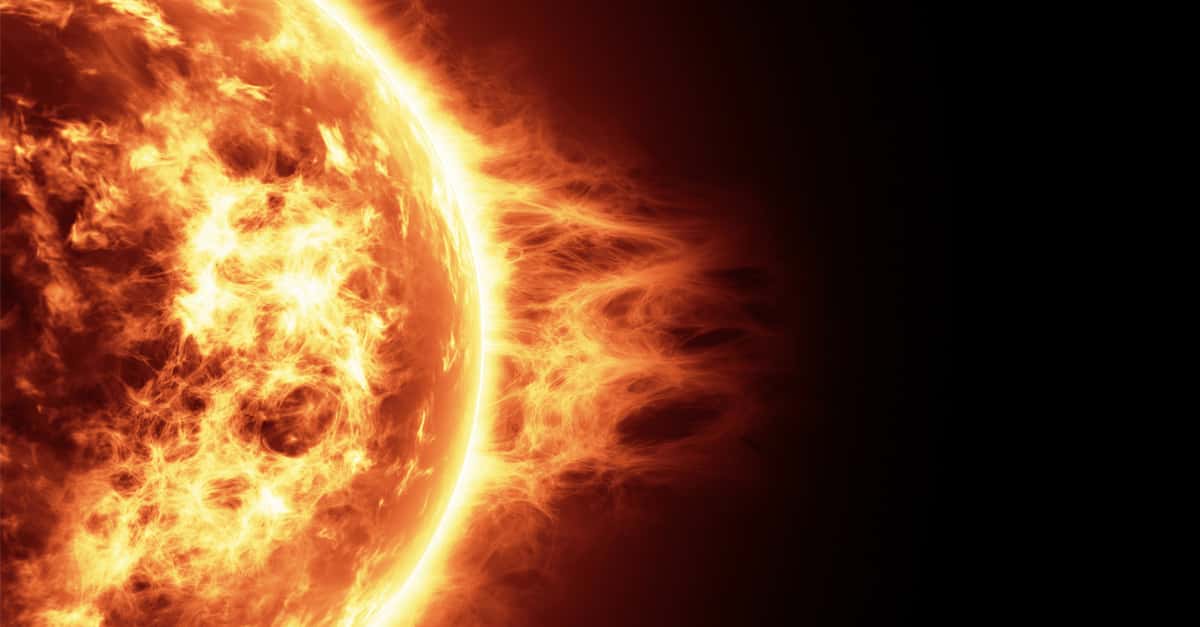
We wouldn't be here without the sun, but have you ever wondered why is the sun so hot? The answer is both very simple, and very complicated.
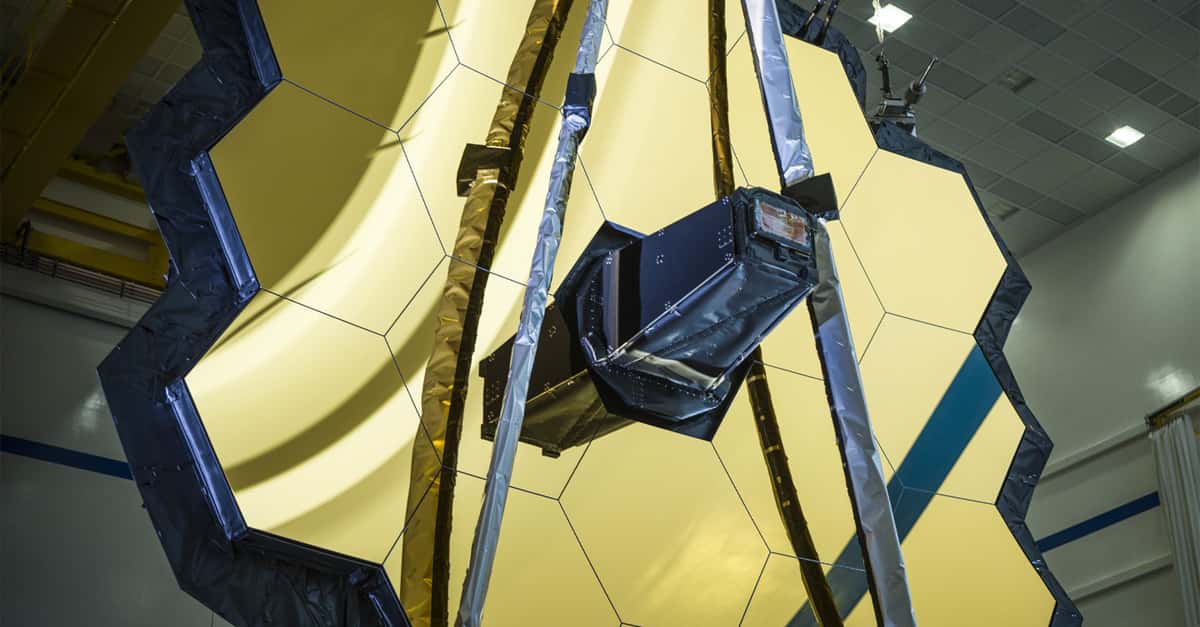
The James Webb Space Telescope looks like some weird, honeycomb, spaceship...thing. What gives? Well, this brilliant machine has a few tricks up its sleeve.
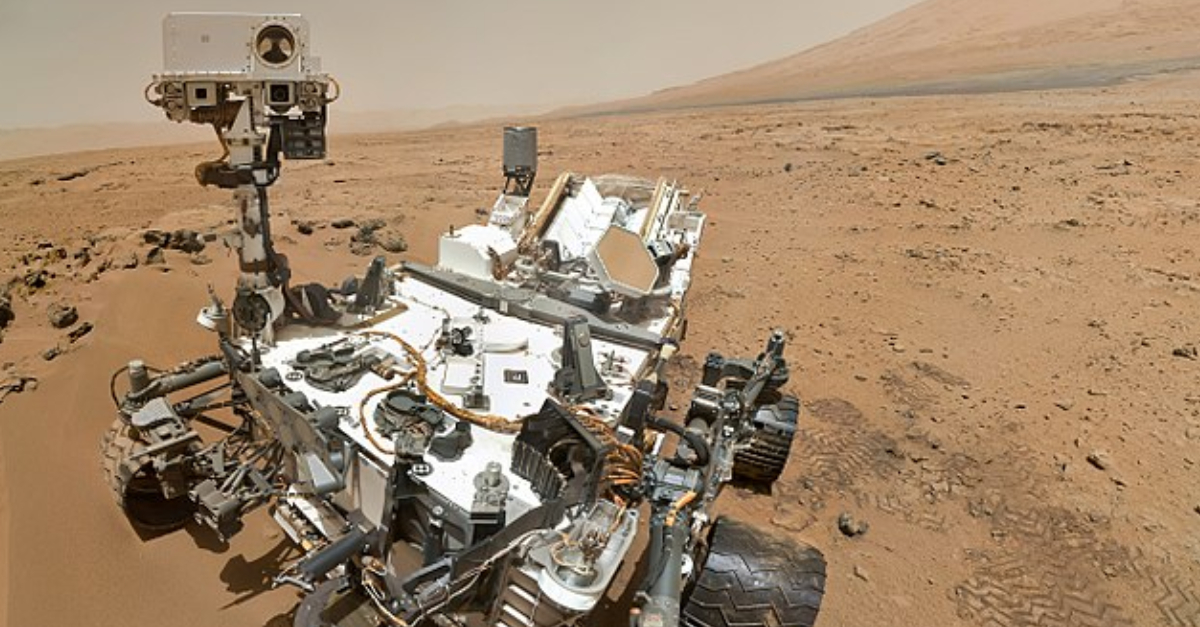
For decades, “life on Mars” has lived somewhere between science fiction and science hope. Every rover, lander, and orbiter has inched us closer—but always stopped short. Then, quietly, NASA scientists revealed something that might finally tip the scales. Not proof, not fossils—but something far more powerful: evidence that looks alive.

Look up at the night sky and you might feel dwarfed by the glimmer of countless stars. Now shift that view downward, press your mind to the ground and the green world under your feet—and you’ll find something almost unbelievable: there is a possibility that Earth has more tree trunks rooted than the total number of stars in our galaxy. Let that sink in, then keep reading: you’re about to explore why this fact matters and what it says about our place in space, right here on our home planet.
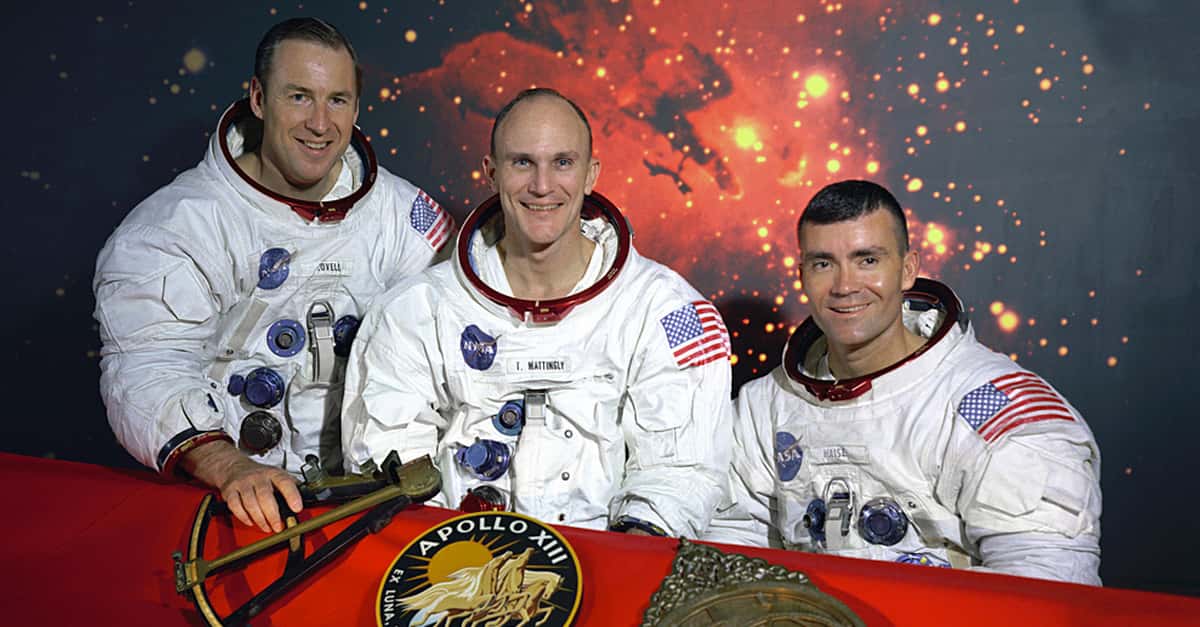
The ill-fated Apollo 13 mission was one of the most harrowing moments in the history of spaceflight—but there's more to this saga than most people know.

In 1983, scientists found a rock containing fossilized microbes that had come to Earth from Mars.

If you like humaverse you may also consider subscribing to these newsletters:
