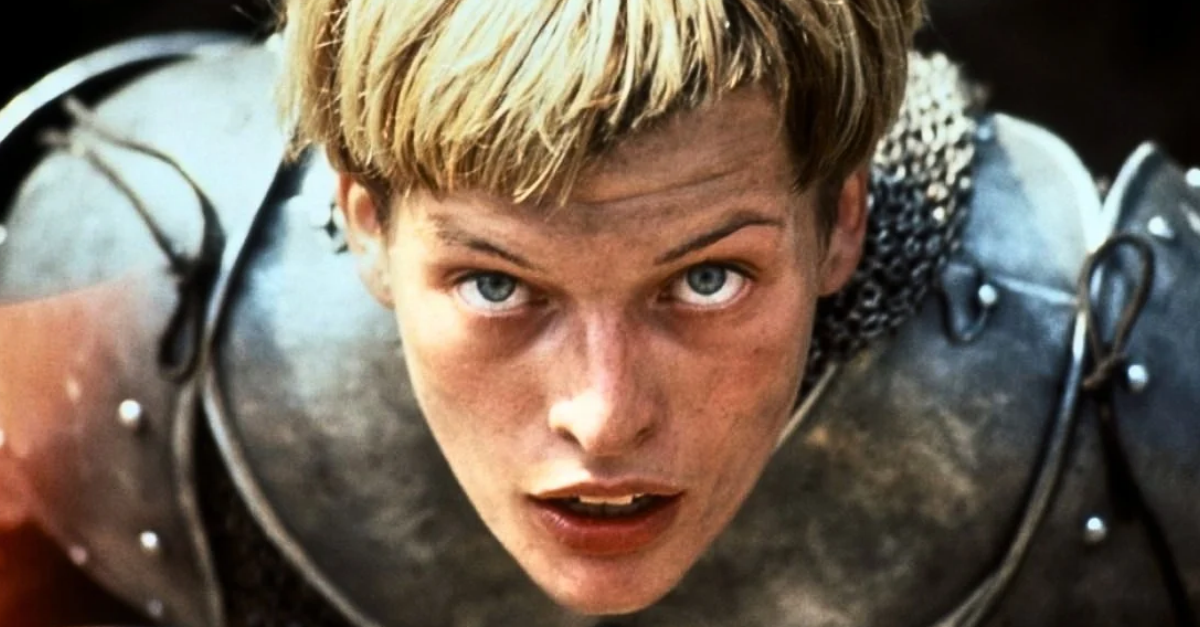
Death does not always end the investigation. Centuries later, bones, preserved organs, hair, and even microscopic traces have revealed details that eyewitnesses and doctors never knew.
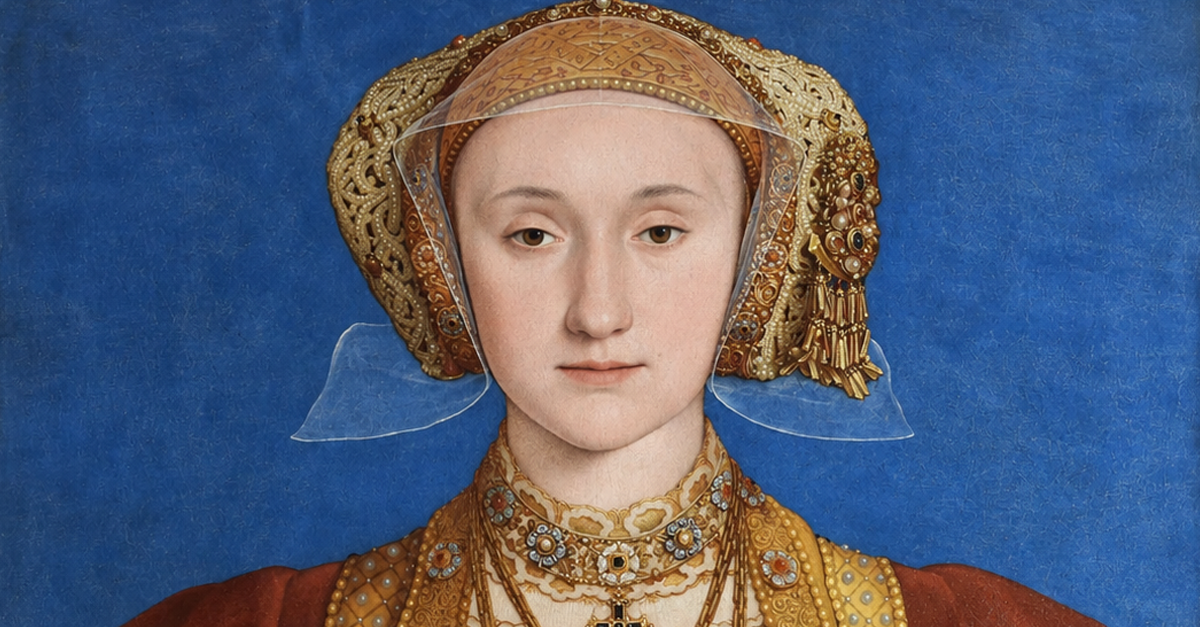
Royal brides were sent across Europe to marry strangers for alliances, heirs, and power. Some found lasting partnerships, while others endured disastrous marriages that changed history forever.
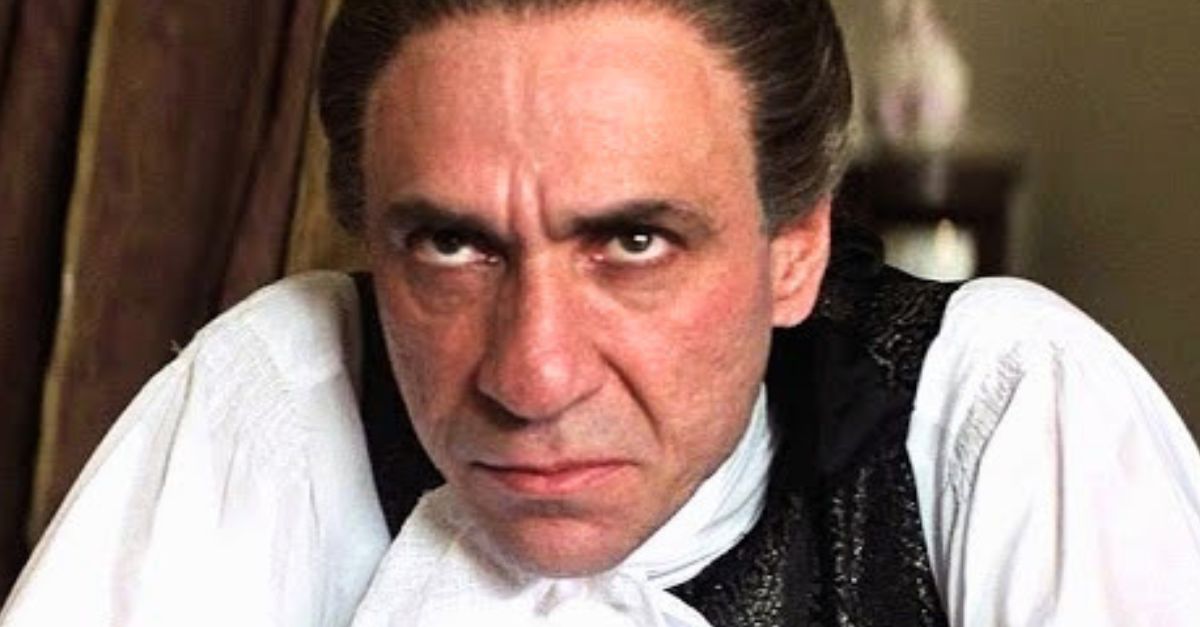
Victorious dynasties, political enemies, religious propagandists, playwrights, and filmmakers have spent centuries turning complicated people into convenient villains. Modern scholarship has not necessarily declared these figures innocent, but closer examination of the evidence has made many of their darkest legends considerably harder to defend.
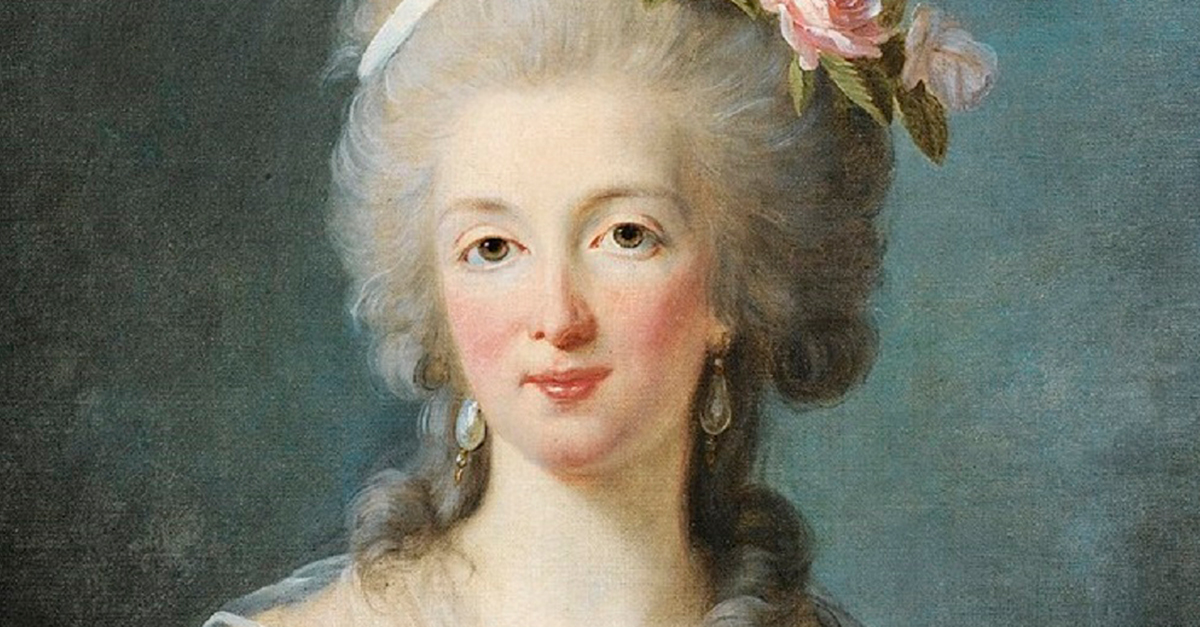
Jeanne de la Motte betrayed Queen Marie Antoinette to get her hands on a diamond necklace worth millions—and changed the course of history forever.
Upper Class Facts. Elite, upper-class families often had dubious morals, plenty of power, and way too much time on their hands.
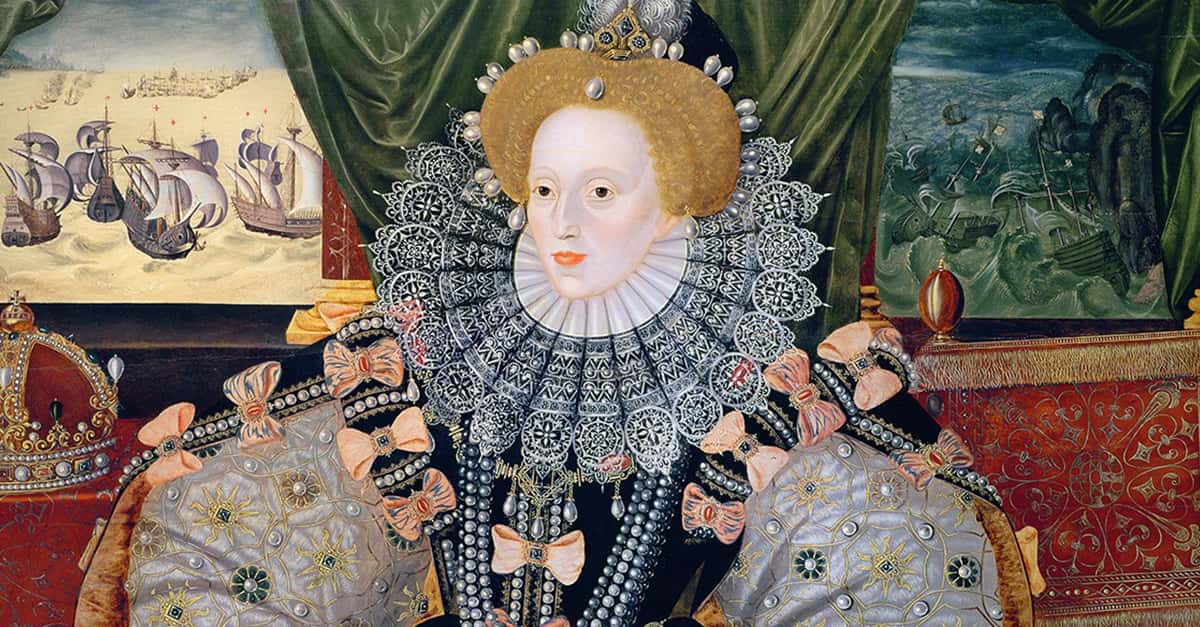
Upper Class Facts. Elite, upper-class families often had dubious morals, plenty of power, and way too much time on their hands.
If you like humaverse you may also consider subscribing to these newsletters:
