
We may be standing on the shoulders of giants—and, if some legends are believed, that phrase might be shockingly literal.

From fake scholars and forged masterpieces to phony doctors and planted artifacts, these audacious impostors fooled brilliant experts, prestigious institutions, and entire fields before their incredible deceptions were finally exposed.

Scientists uncovered the world's earliest known plague outbreak after analyzing 5,500-year-old DNA from Siberia, revealing how one of history's deadliest diseases affected prehistoric hunter-gatherers thousands of years before the Black Death.
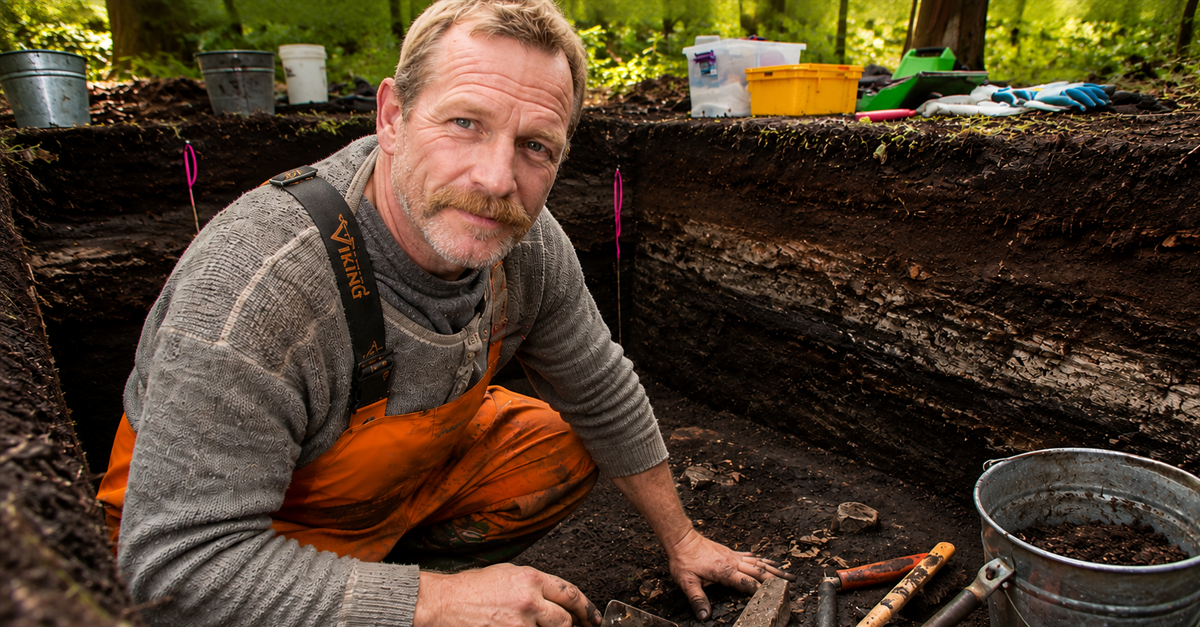
Archaeologists uncovered a 14,000-year-old hearth on British Columbia's coast, revealing evidence of Ice Age settlement and reshaping what researchers know about Canada's earliest inhabitants and Indigenous history.
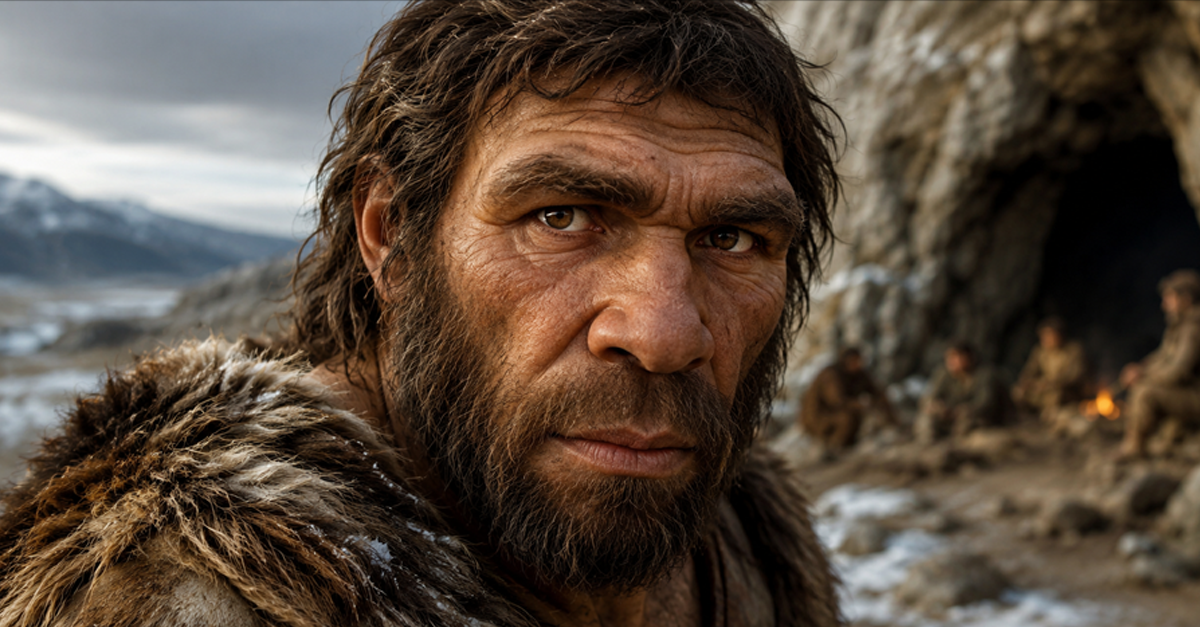
For years, Neanderthals were portrayed as crude and primitive cavemen. Modern research has completely overturned that stereotype. Scientists now believe Neanderthals were intelligent, adaptable humans with incredibly strong bodies built for some of the harshest conditions on Earth. But new studies suggest that strength may have come with a surprising downside: they may have burned through energy far less efficiently than modern humans.
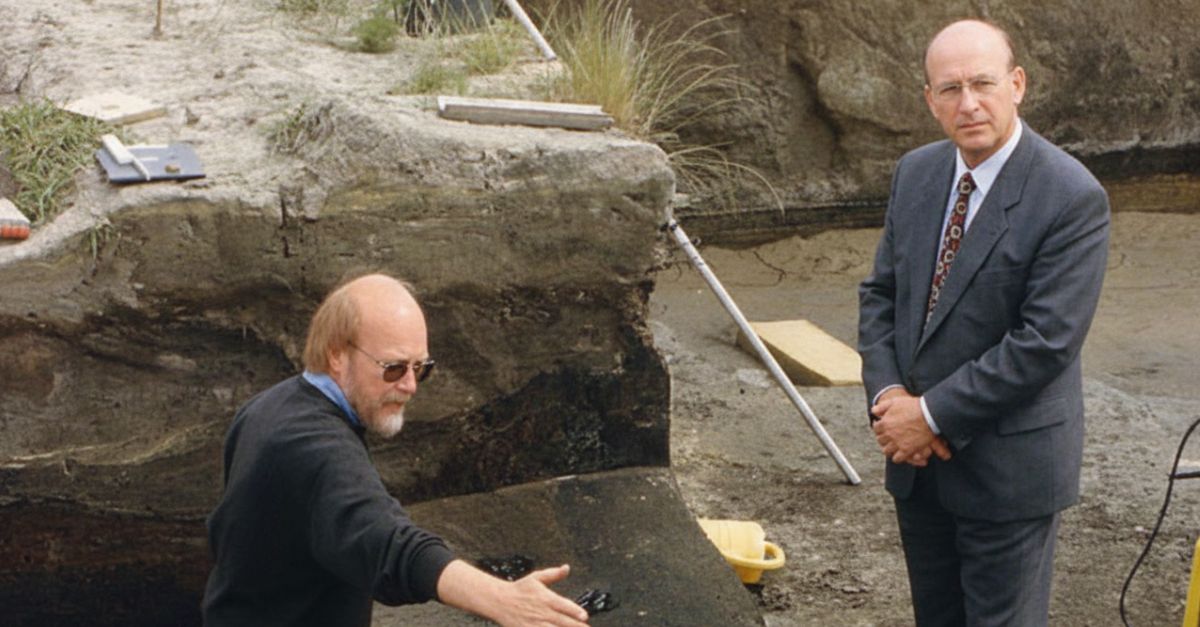
The story begins in northern Germany, at the open-air marshlands of Schoningen site, where wooden spears, butchered horse remains, and quiet layers of sediment have long hinted at deep time. What changed everything was not a new artifact, but a molecular echo pulled from damp soil. Horse DNA, nearly 200,000 years old, survived where theory said it should not. That single recovery from the site quietly rewrote assumptions about preservation and the limits of ancient genetics. It also set the stage for challenges that stretch far beyond one site, because once a boundary falls, science must learn how to walk carefully on the other side and emerge victorious.

If you like humaverse you may also consider subscribing to these newsletters:
