The Best Of The Best
Whether today or in their own time period, the Spartan Army has always held a spot among the most brutal and efficient fighting forces in history. This legacy wasn’t all smoke and mirrors, either, as Spartan warriors spent most of their lives devoted to constant, intensive training.
In fact, these tactics earned the Spartan state its highly regarded place in the world—and possibly caused it to come crashing down.
1. Their Origin Is Mysterious
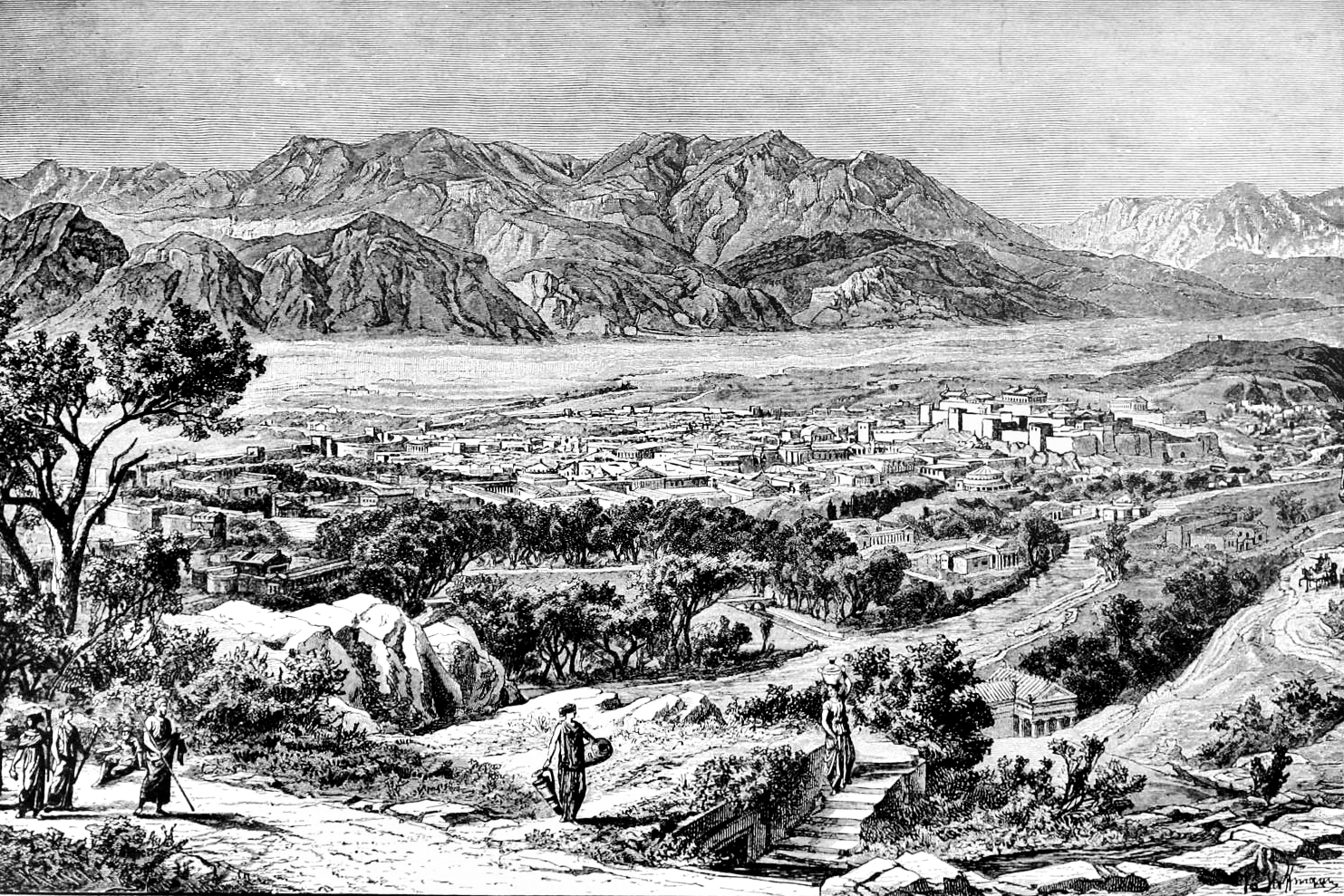
Seeing as the Spartans achieved a near-mythological reputation, it stands to reason that their beginning is steeped in just as much legend. According to the stories, the state was founded by the mythical son of Zeus, Lacedaemon. Additionally, the first mention of its army actually fighting alongside other Greek forces is in Homer’s Iliad, which contains aspects of both historical fact and fiction.
Of course, even the Spartans didn’t start at the top of the food chain.
 John Steeple Davis, Wikimedia Commons
2. They Weren’t Always Big
Even a few centuries after this first mention of its army, Sparta was far from the superpower most know it as today. Before the 8th century BCE, during the period known as the “Greek Dark Ages,” Sparta was little more than a village in the broader region of Laconia. Fortunately for them, one man was about to change everything.

3. He Started Everything
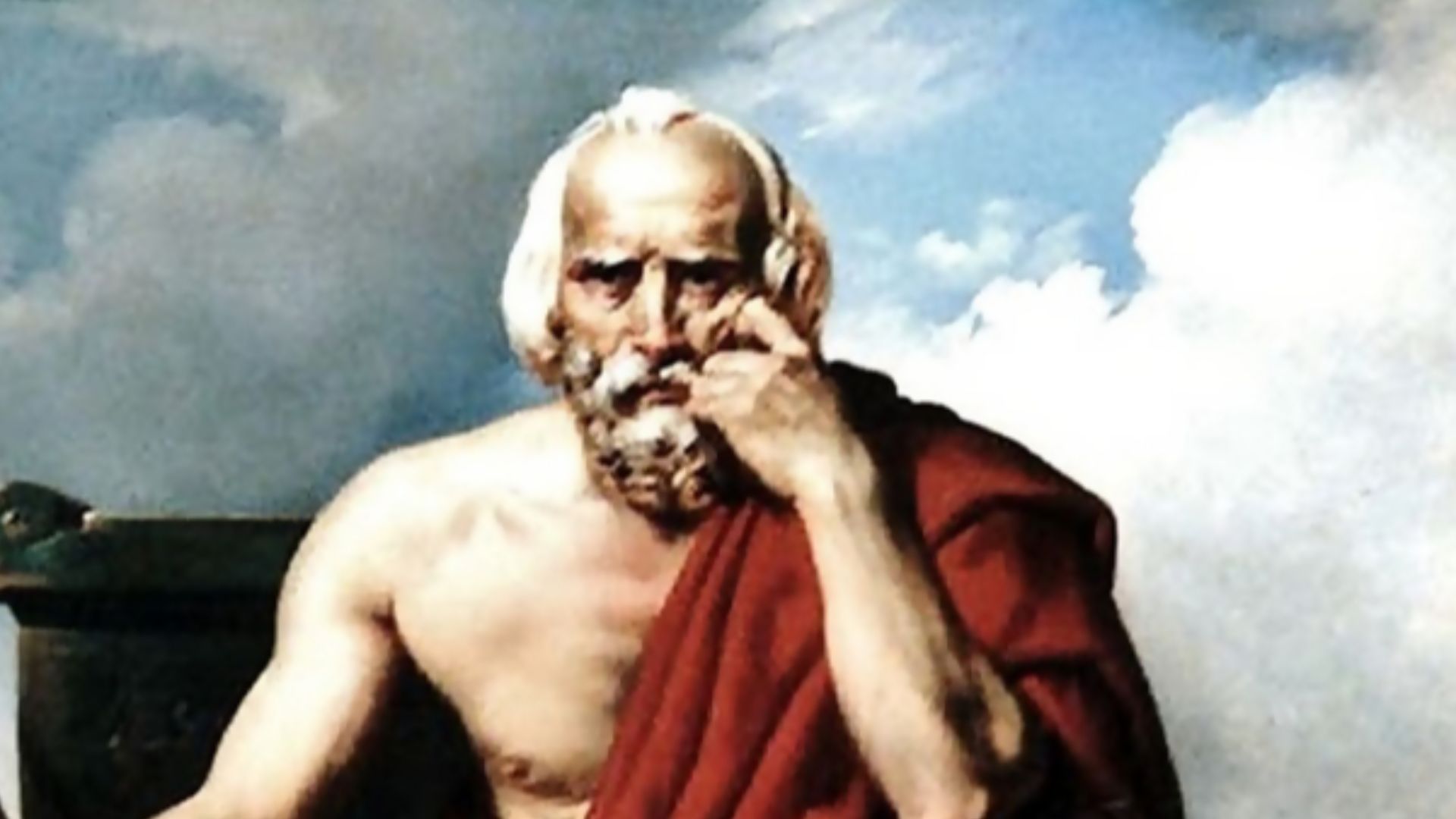
Sparta was finally ready to step onto the path to greatness, and it thankfully had help from another figure who played with the lines of truth and fiction. According to myth, a lawgiver named Lycurgus dreamed of Sparta’s great potential, and he worked hard to make that a reality. One major act was his transformation of the Spartan army, creating the militaristic model that would earn it later acclaim.
With each generation, Sparta’s ambition took it higher.
 Merry-Joseph Blondel, Wikimedia Commons

History's most fascinating stories and darkest secrets, delivered to your inbox daily.
4. They Rose Up
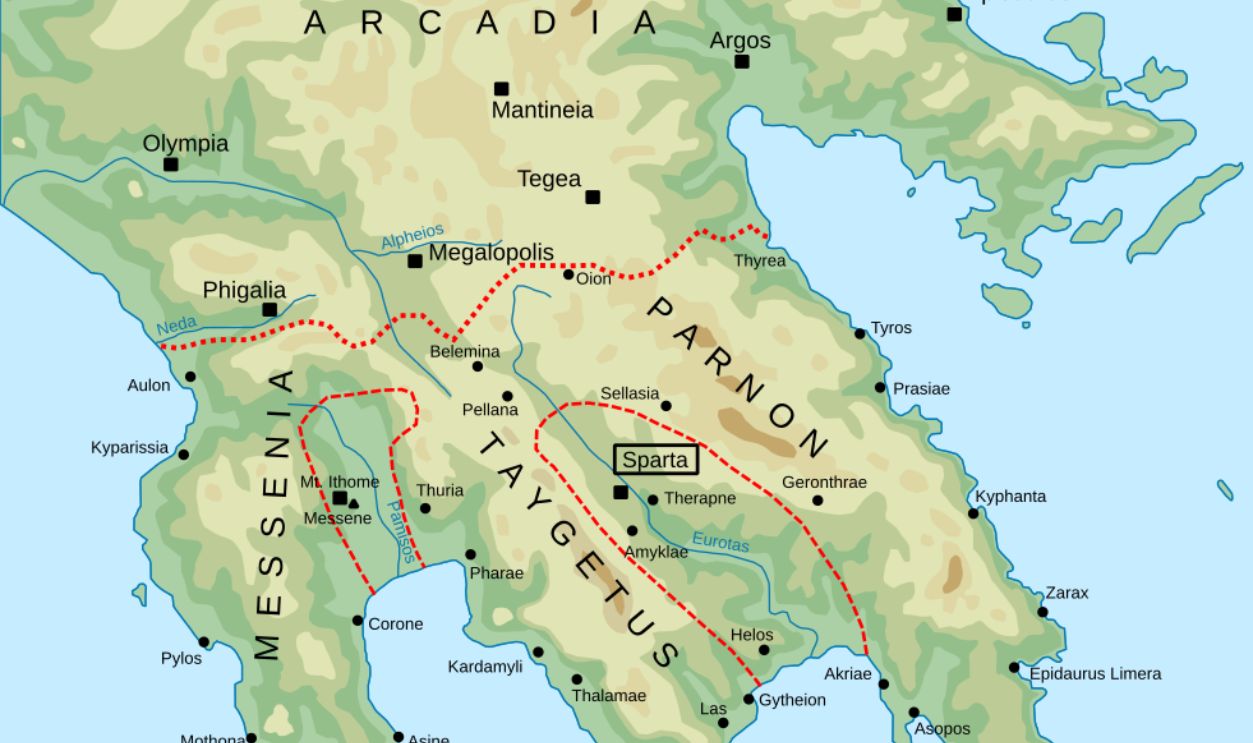
Following these changes, the leaders of Sparta decided it was time the world realized its strength, embarking on numerous expansion campaigns. Taking over increasingly larger settlements, Sparta eventually fought and conquered the country of Messenia. By the 7th century BCE, they had become one of the top dogs in the Peloponnese region of Greece.
Within their state, they had already figured out a social hierarchy.
 Sparta territory, Wikimedia Commons
5. They Were Separated
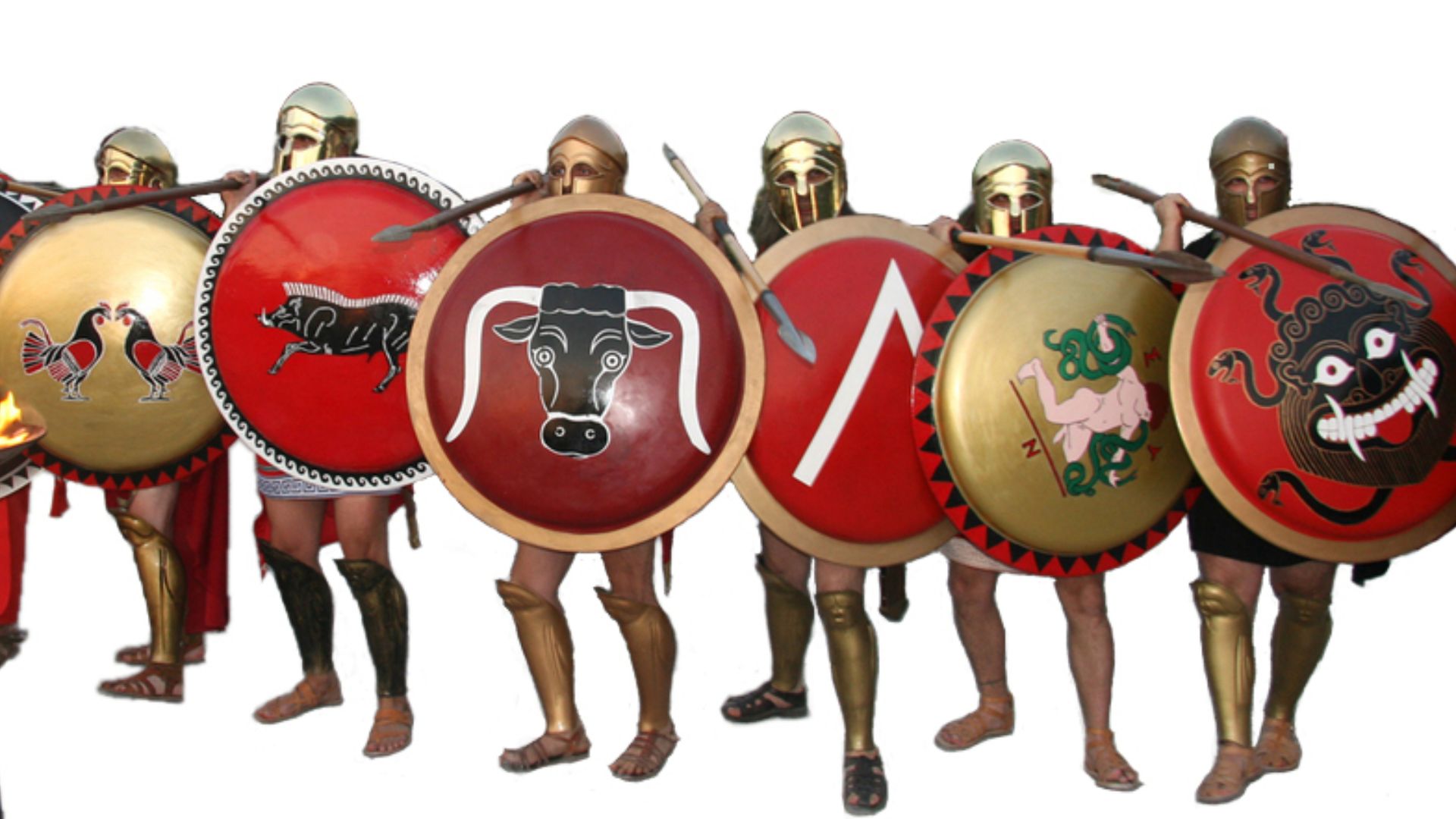
As a man living in Sparta, service in the army was a constant expectation, but varied depending on social class. The Spartiates were at the top and considered full citizens, a title that came with respect and a grant of land. Below them were the typical merchants and workers who, while not citizens, served as light infantry when needed. Lastly, the Helots were essentially a slave class, expected to fight in the Spartan army when they weren’t working.
Even within these classes, there was still a great deal of division.
6. They Valued Experience
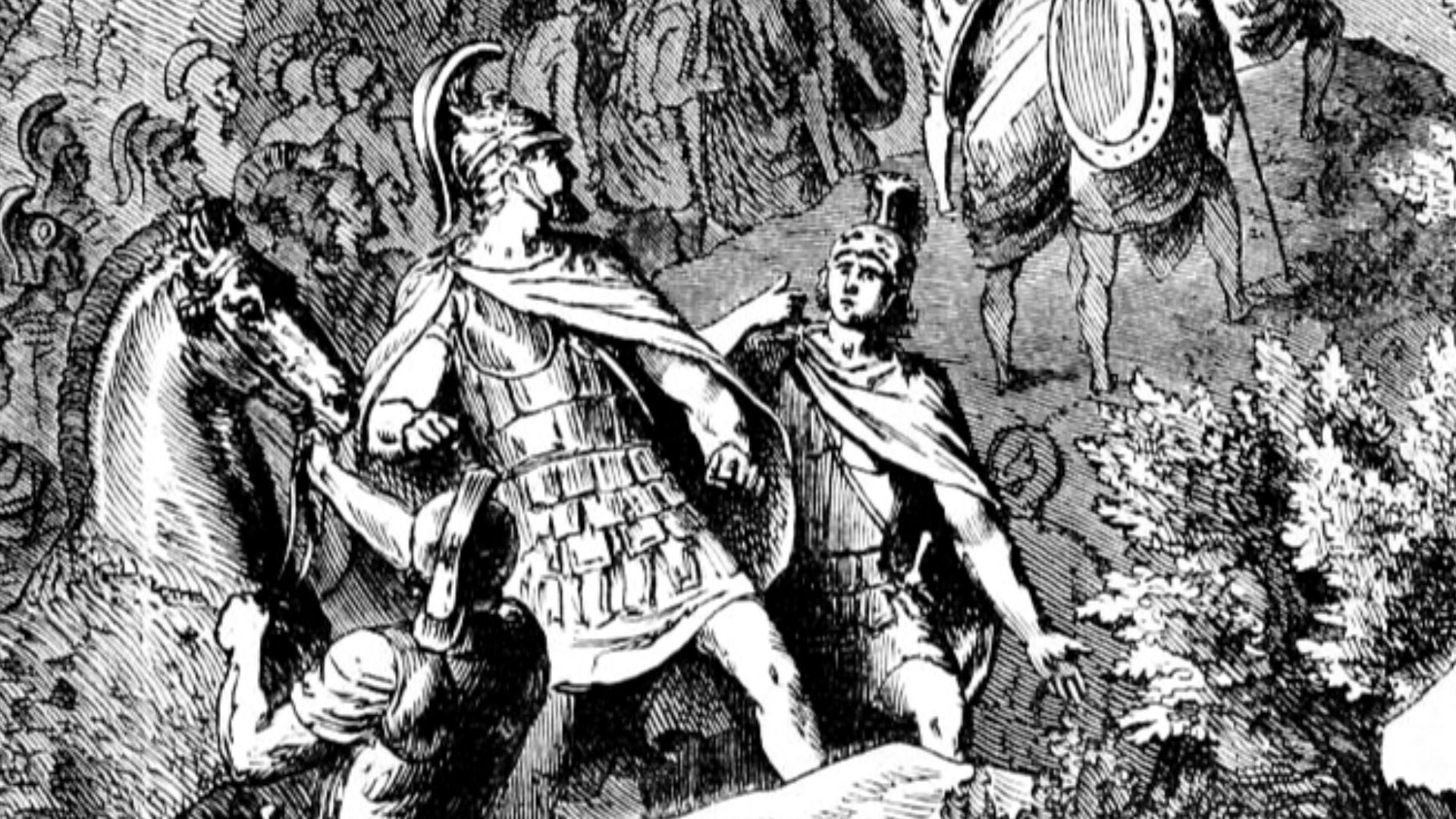
When people think of the classic Spartan warrior, they likely picture the men belonging to the Spartiate class, as these were the ones taking the spotlight in most battles. However, the Spartan army didn’t hold all the Spartiates in the same regard, and often trusted those who were closer to 60 and older more than the younger warriors, whom they considered weaker.
Naturally, the Spartan army wanted to start training as early as possible.
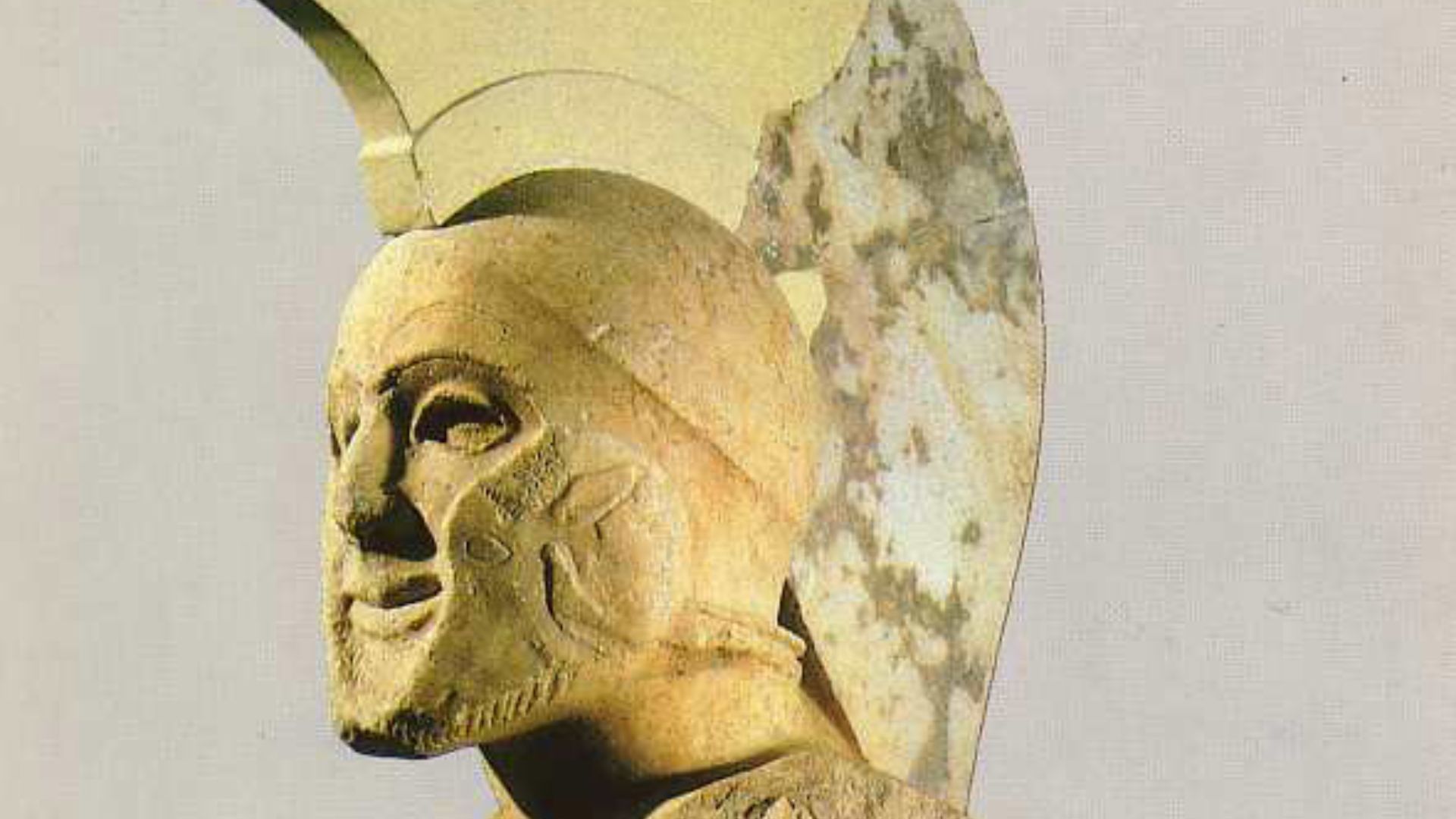 de:Benutzer:Ticinese, Wikimedia Commons
7. They Started Boot Camp
Although the council judged who was fit for fighting in the Spartan army at the earliest age, these children still had a few years outside of that world. Up until they turned seven, Spartan boys remained in the care of their parents, but after that, the state took them and placed them in the Agoge—the ever-daunting Spartan training camp.
This wasn’t exactly the kind of army training one might expect.
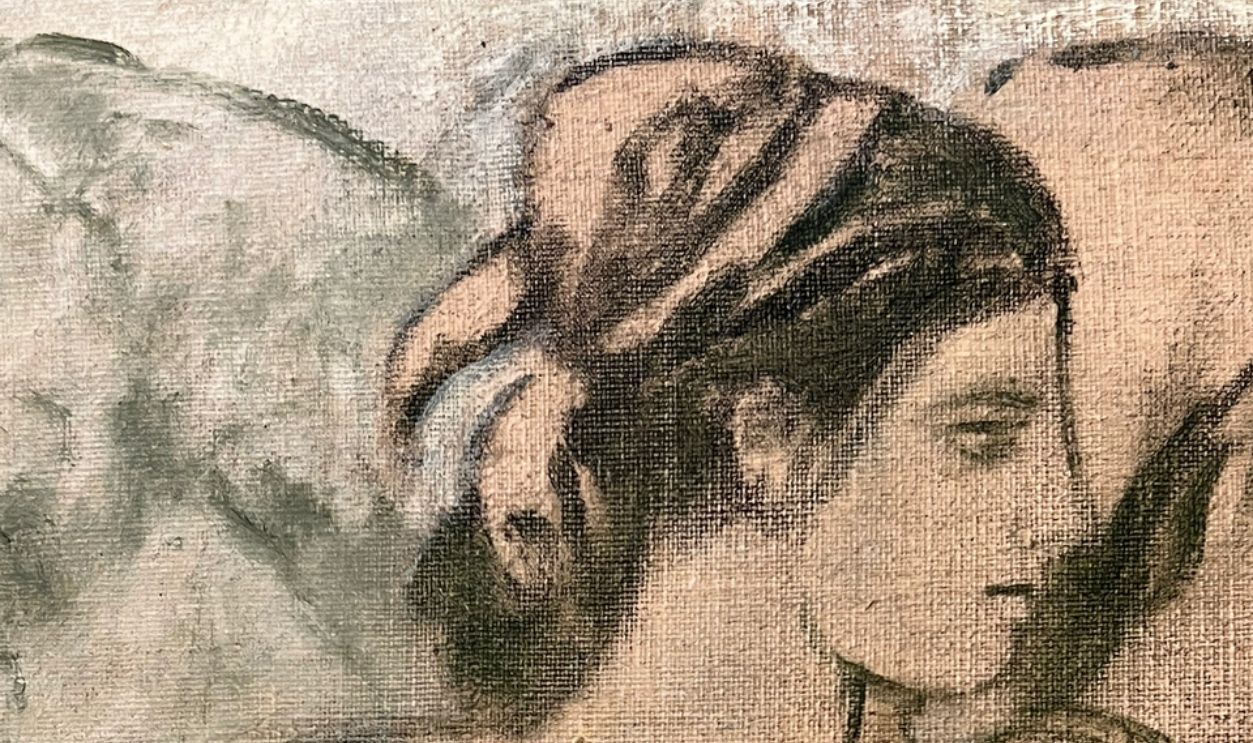 Chen Yinque, CC BY-SA 4.0, Wikimedia Commons
8. They Focused On Conditioning
While young Spartan warriors certainly received proper army training, it didn’t happen until later, once they reached adulthood. Instead, these early years of the Agoge focused on teaching the children to be effective and devoted Spartiate citizens, which came with its own set of skills and values.
As they soon discovered, this didn’t mean it was a walk in the park.
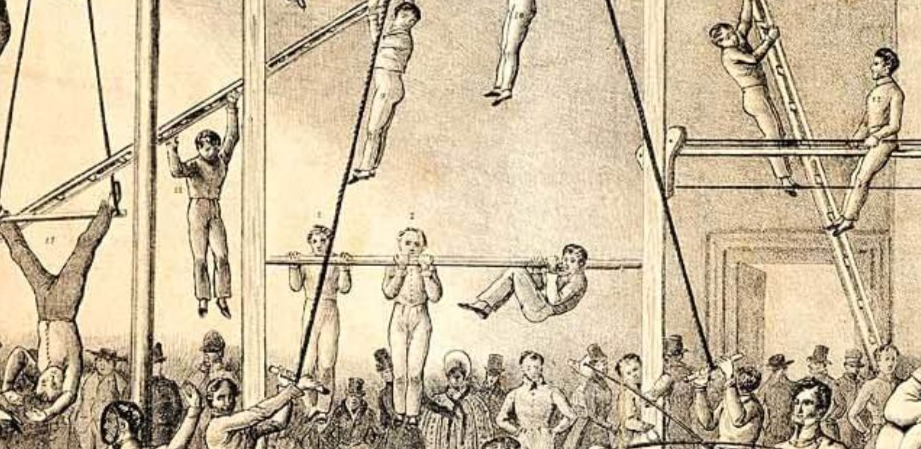 According to PrettyPotache.wordpress.com:
9. They Were Starving
Even beyond the often grueling fitness training Spartan initiates had to endure, with activities like wrestling or running, simply surviving in the Agoge was a daily struggle. Those in charge overlooked many of the trainees’ basic needs, including food, which forced the children to steal what they needed. Of course, if caught, they faced severe punishment.
In fact, the Spartan army leaned into these intense methods.
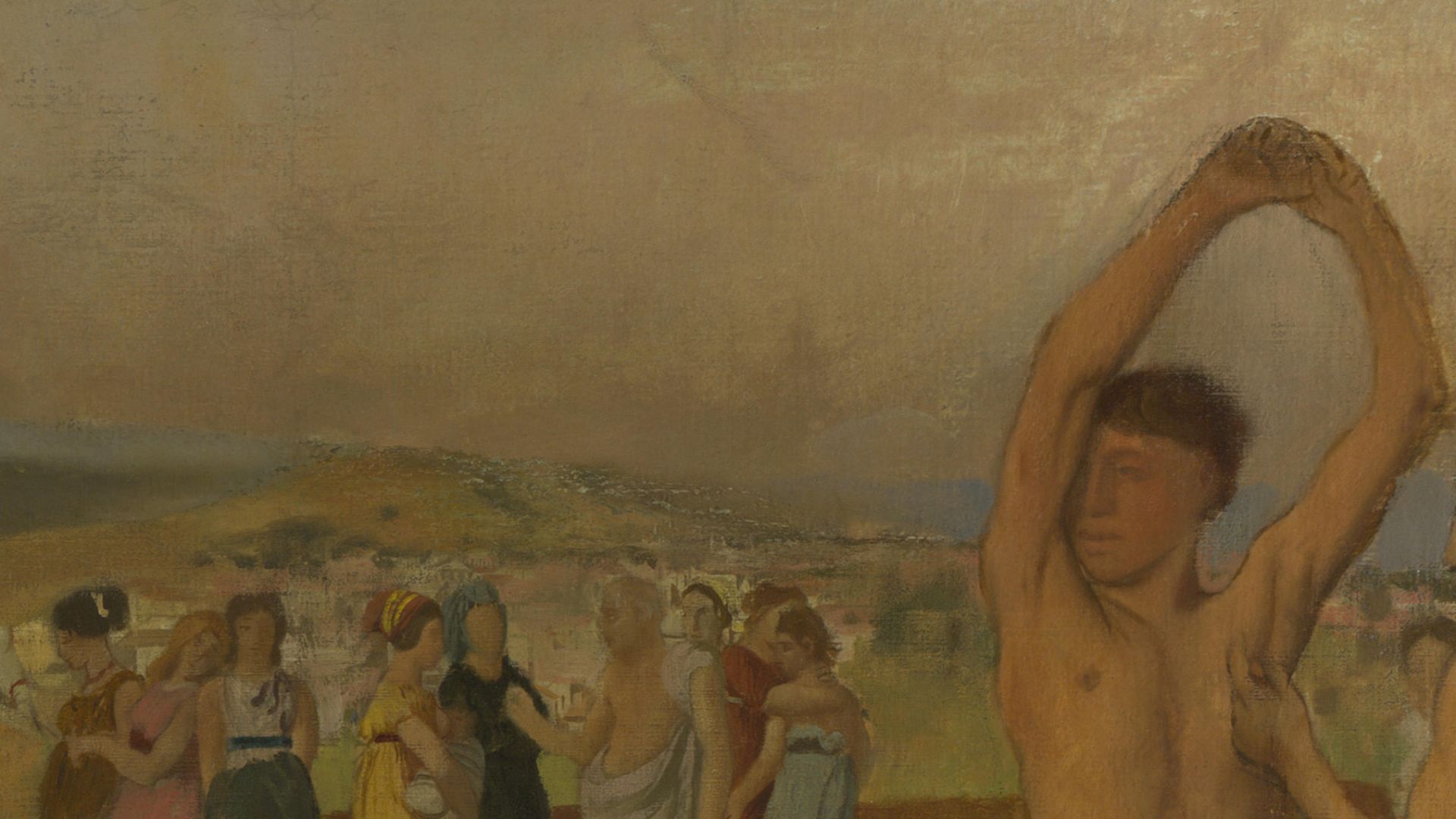 Edgar Degas, Wikimedia Commons
History's most fascinating stories and darkest secrets, delivered to your inbox daily.
10. They Made It A Tradition
The decision of the Spartan army to leave the children with little food wasn’t due to neglect or lack of resources. This was an intentional measure to encourage theft, while still punishing those caught to mold them into clever and resourceful warriors. They went so far as to turn it into a yearly event, where the trainees would have to avoid the temple guards carrying whips while they tried to steal blocks of cheese from the altar.
At the same time, food wasn’t the only thing the boys were deprived of.
 George E. Koronaios, Wikimedia Commons
11. They Were Given Little Belongings
In keeping with their emphasis on resourcefulness, children in the Agoge received little in terms of clothing. By intentionally withholding shoes and only providing the boys with one cloak to use per year, the Spartan army hoped to toughen their trainees against the elements while teaching them agility.
Understandably, much of their focus was on improving a Spartan’s cunning as well.
 Varadi Karoly (author of the article), Wikimedia Commons
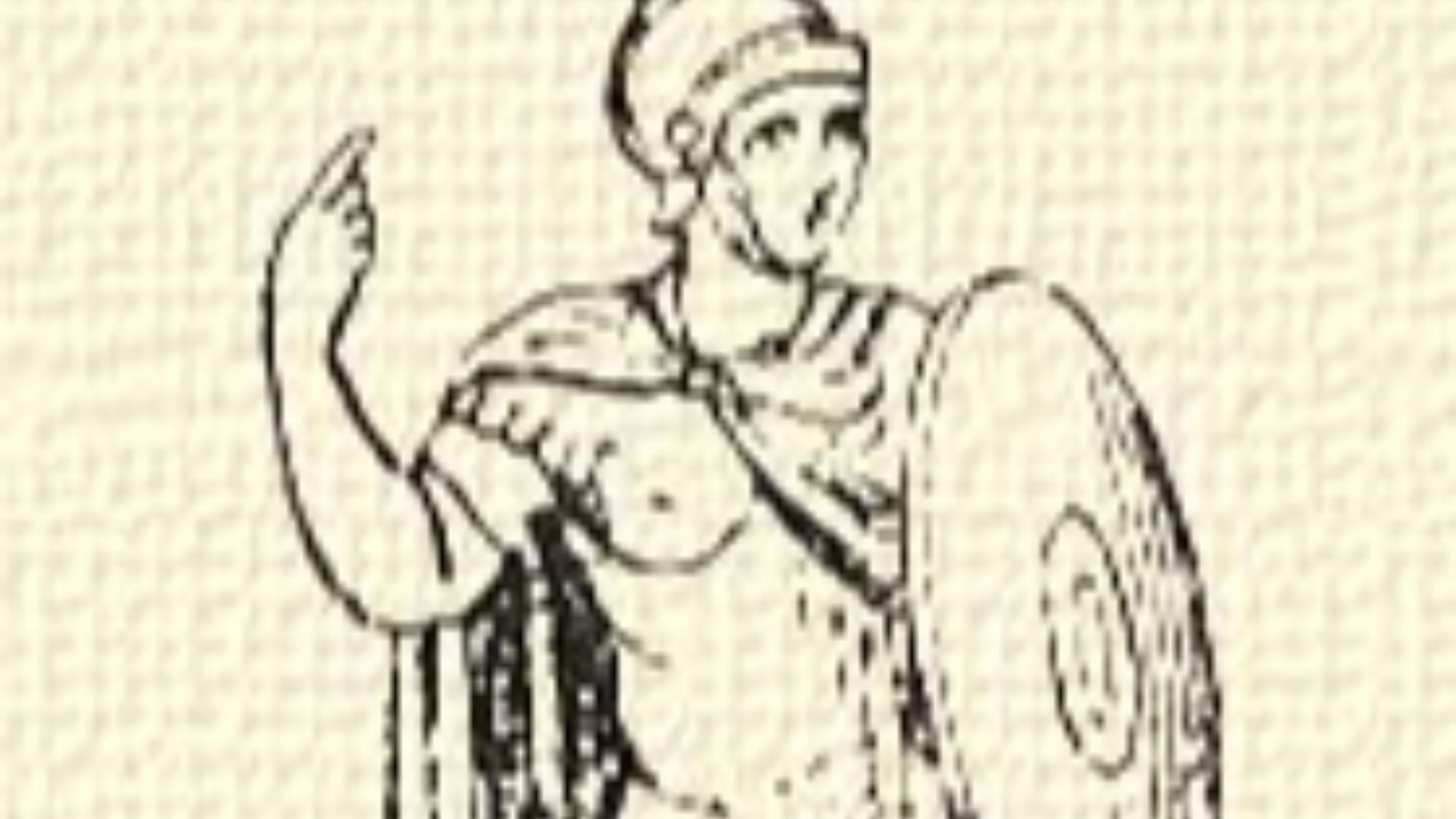
12. They Learned How To Insult
While the young Spartans didn’t gain army experience until later, they still learned how to hold their own against an opponent, though not only in physical combat. Believing it was just as important to get into an opponent’s head, the boys received instruction in the art of Laconism, which was learning how to taunt and retort in short, clever phrases.
However, this wasn’t the only way they trained their minds.
 Jacques-Louis David, Wikimedia Commons
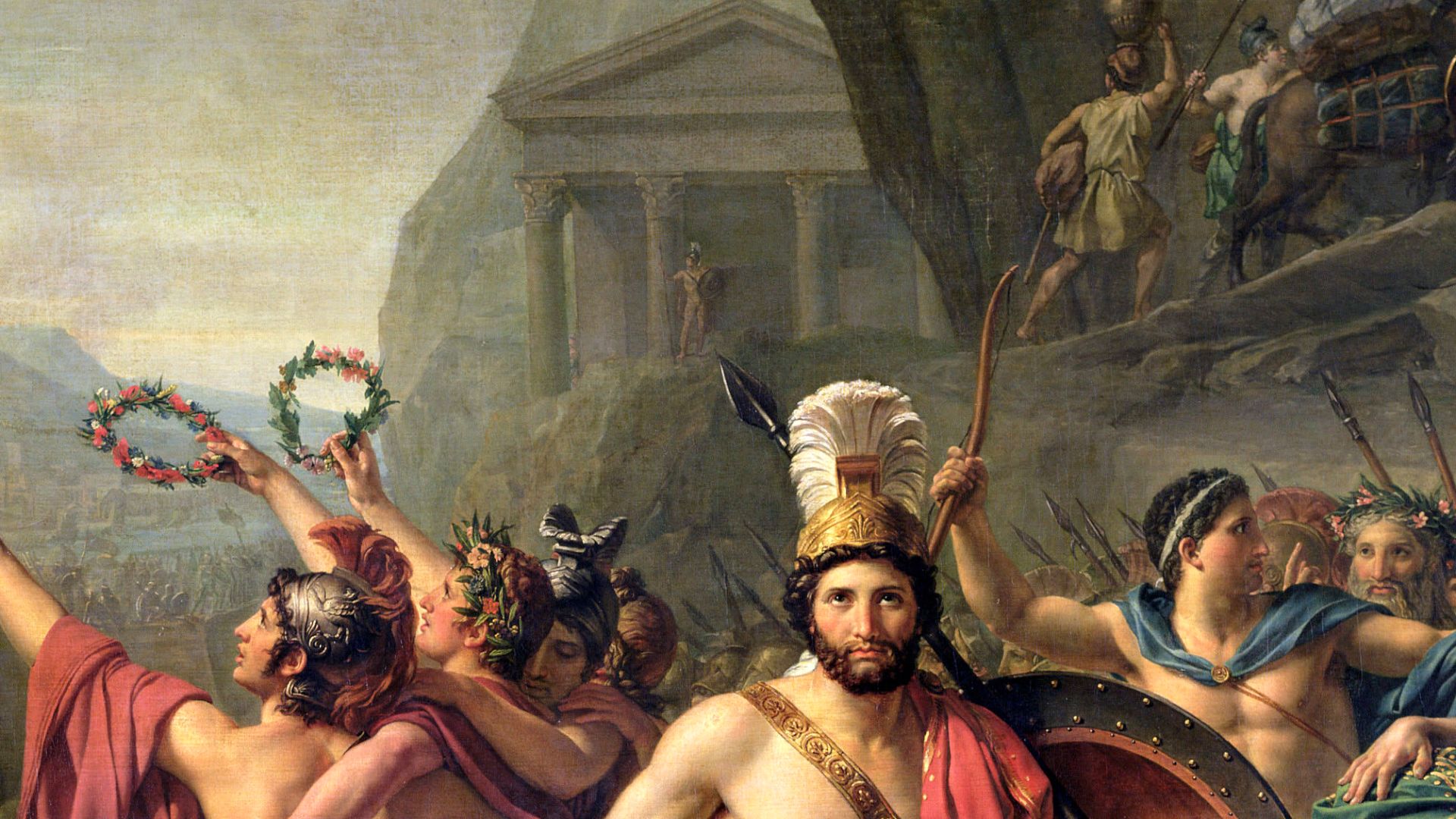
13. They Were Educated
When they weren’t doing fitness training or stealing to live, the Spartan trainees’ education focused on honing their intelligence through art and literature. Apart from singing songs of Sparta’s past exploits, the boys learned how to read and write, although this was mostly so they could eventually read army maps.
With this education, the Spartans became renowned for both their brawn and brains.
 Pierre-Selim Huard, Wikimedia Commons
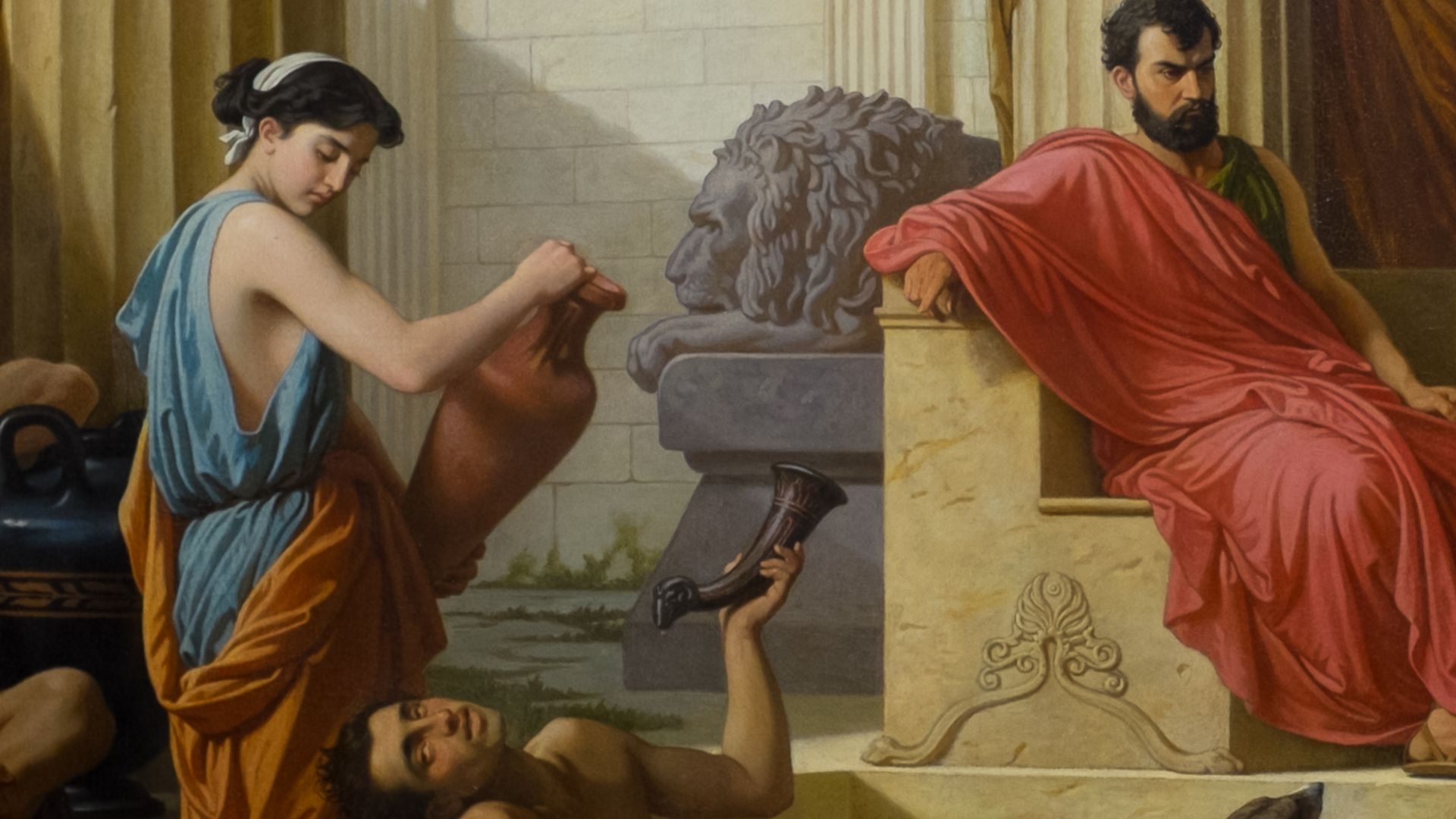
14. They Were Thinkers
Although the common reputation of Spartans was of the powerful, murderous machines seen in movies and TV nowadays, it's evident that they had a whole different side to them as well. Even during their heyday, Spartans were widely recognized as intellectually and philosophically superior, with their public education system ensuring one of the highest literacy rates in Greece.
Despite the cold logic behind their training, the Spartans still had their own sense of morality.
 Jean-Pierre Saint-Ours, Wikimedia Commons
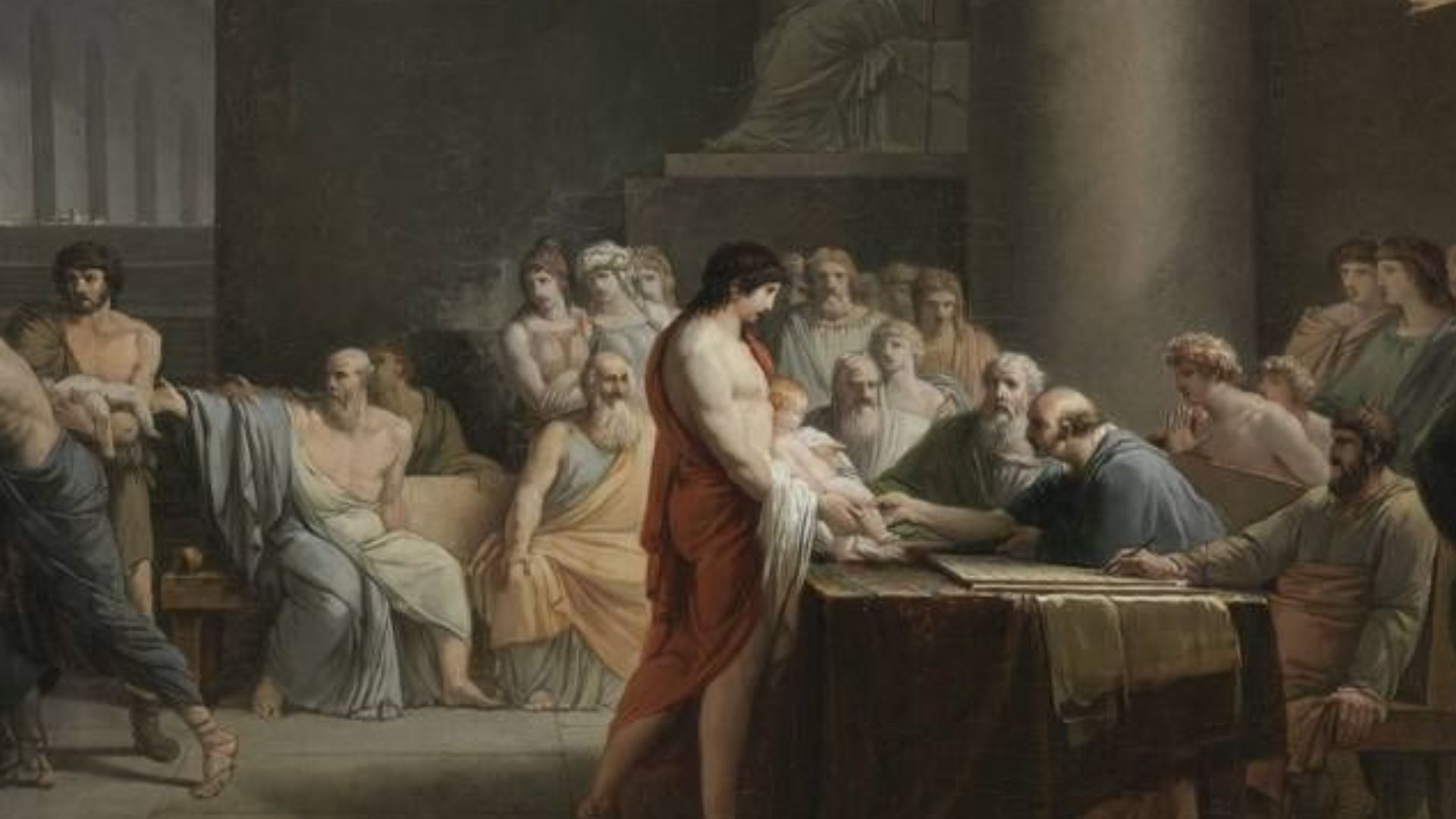
15. They Had A Code
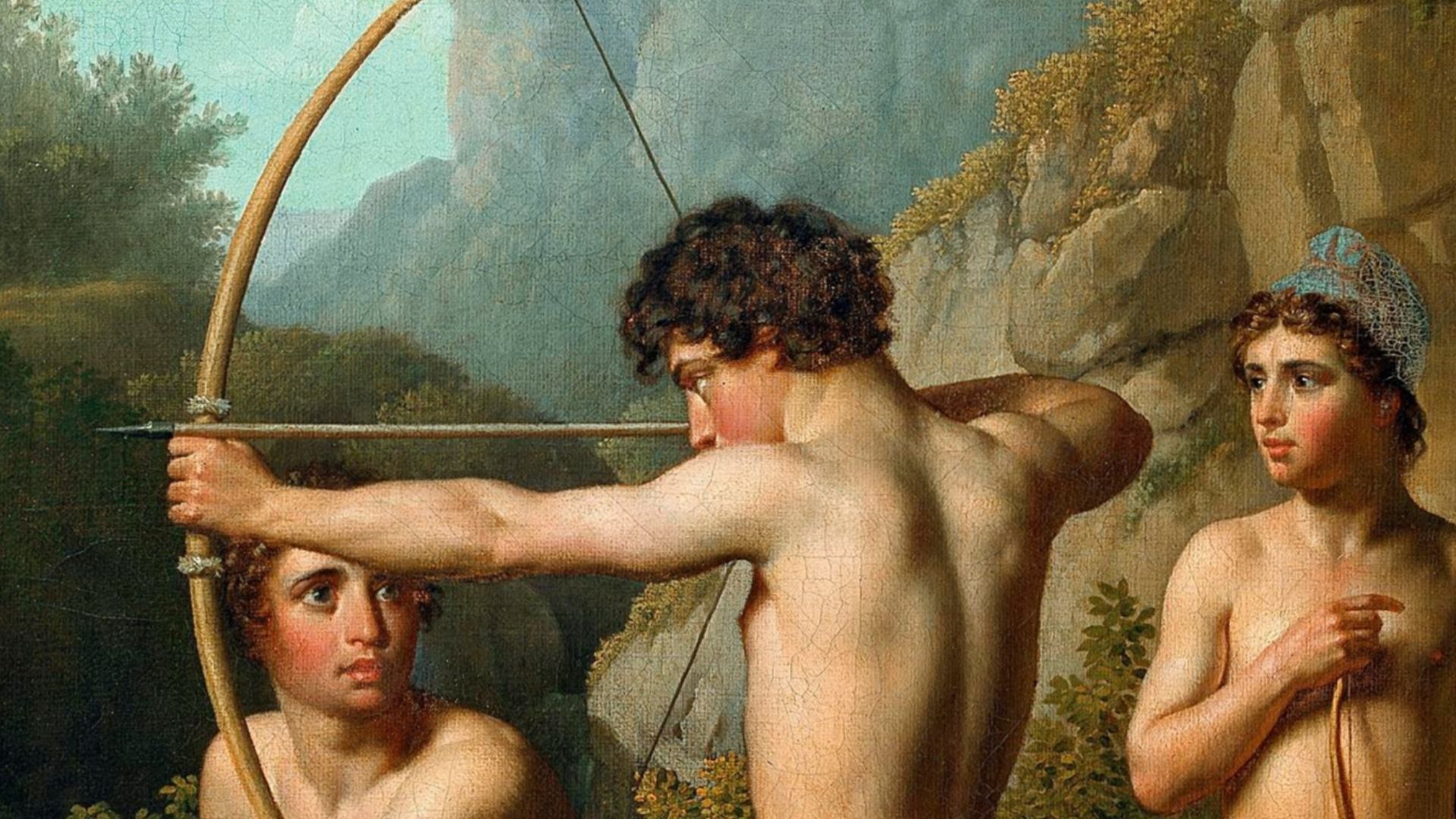
From the beginning of a Spartan’s life, their society impressed upon them the importance of strength and capability, but never without direction. Their ways were undoubtedly callous and even cruel, but their goal was never to create an army of mindless drones; instead, they promoted the virtues of brotherhood and liberty.
Before long, the aspiring Spartan warriors would begin the next phase of their training.
 Christoffer Wilhelm Eckersberg, Wikimedia Commons
History's most fascinating stories and darkest secrets, delivered to your inbox daily.
16. They Moved On To The Next Level
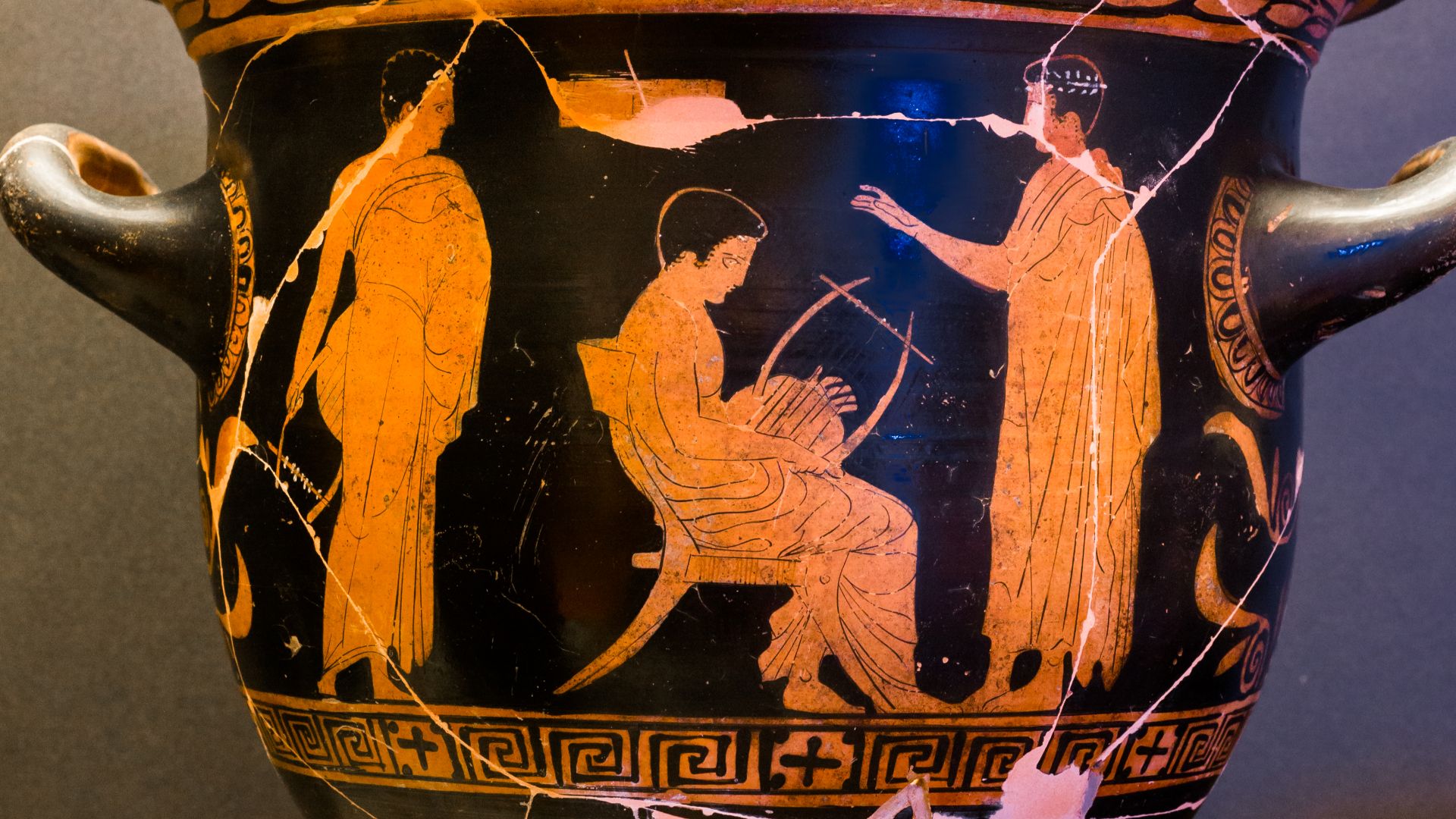
During the early years of the Spartans’ training, the boys belonged to the youngest age group known as “Paides,” which lasted from ages seven to 14. However, those who survived to this point then transitioned at 15 years old to the next group, “Paidiskoi,” with their training only becoming more intensive.
Even at this point, there were still disparities within the groups of trainees.
 ArchaiOptix, Wikimedia Commons
17. The Selected The Best
While all who finished the Agoge became Spartan warriors, the Spartan army was sure to reward those who excelled in their studies. The Paidiskoi age group ranged from 15 to 20 years old, but once Spartans reached 18, they had the chance to gain more real-world experience. The army would then choose the best and brightest to serve in the countryside, keeping the large population of Helots in check.
Still, even those not chosen would join the army eventually.
 Jean-Jacques-François Le Barbier, Wikimedia Commons
18. They Finally Made It
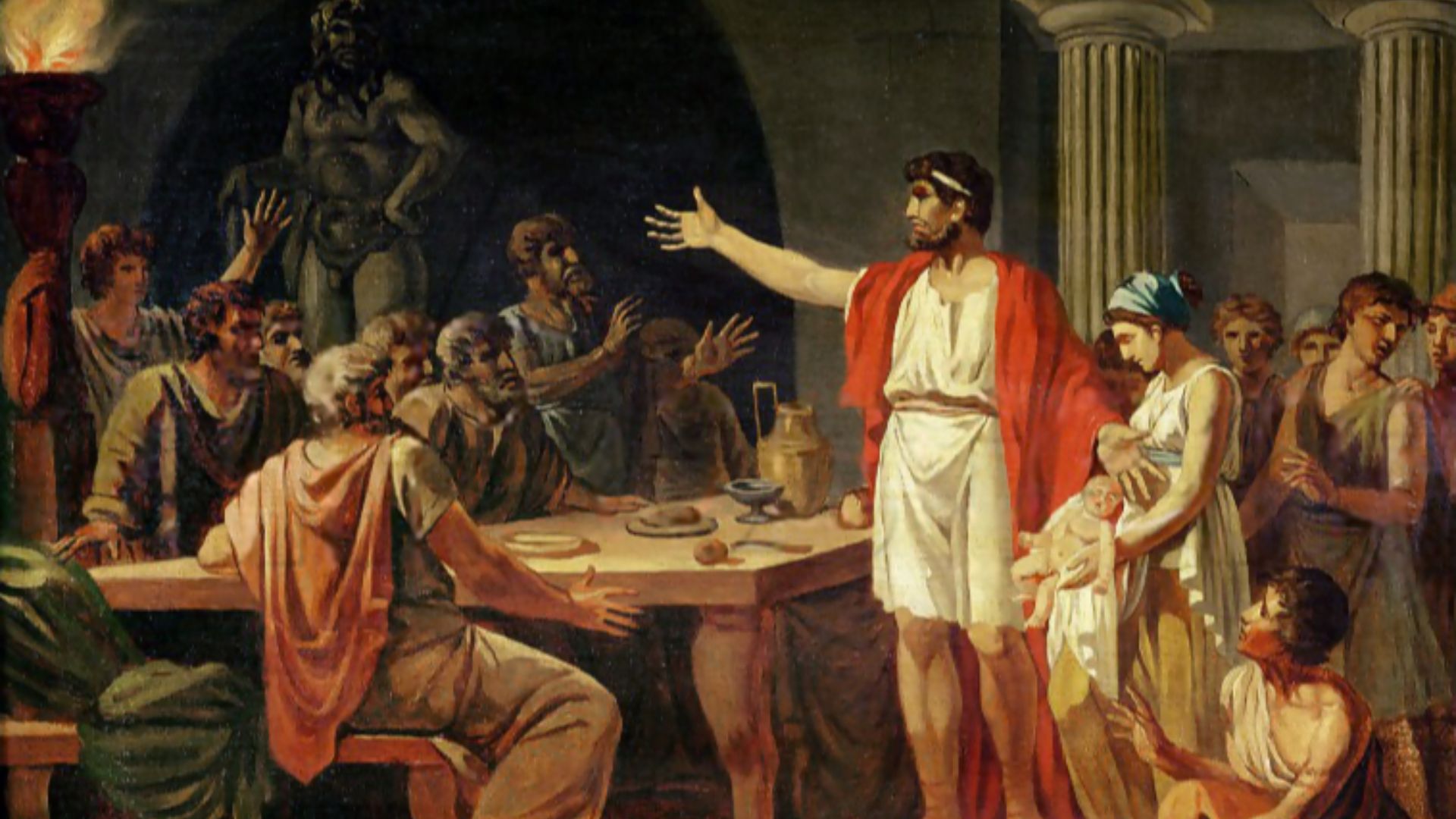
Whether a Paidiskoi was good enough to spend the next two years in the countryside, or simply finished the Agoge with the others, he became a full-time warrior at 20 years old. This meant they joined the age group of “Hēbōntes,” and although still considered rookies, they then became eligible to fight in the army.
From then on, these men would never be anything but Spartan warriors.
 Gary Todd from Xinzheng, China, Wikimedia Commons
19. They Were Committed
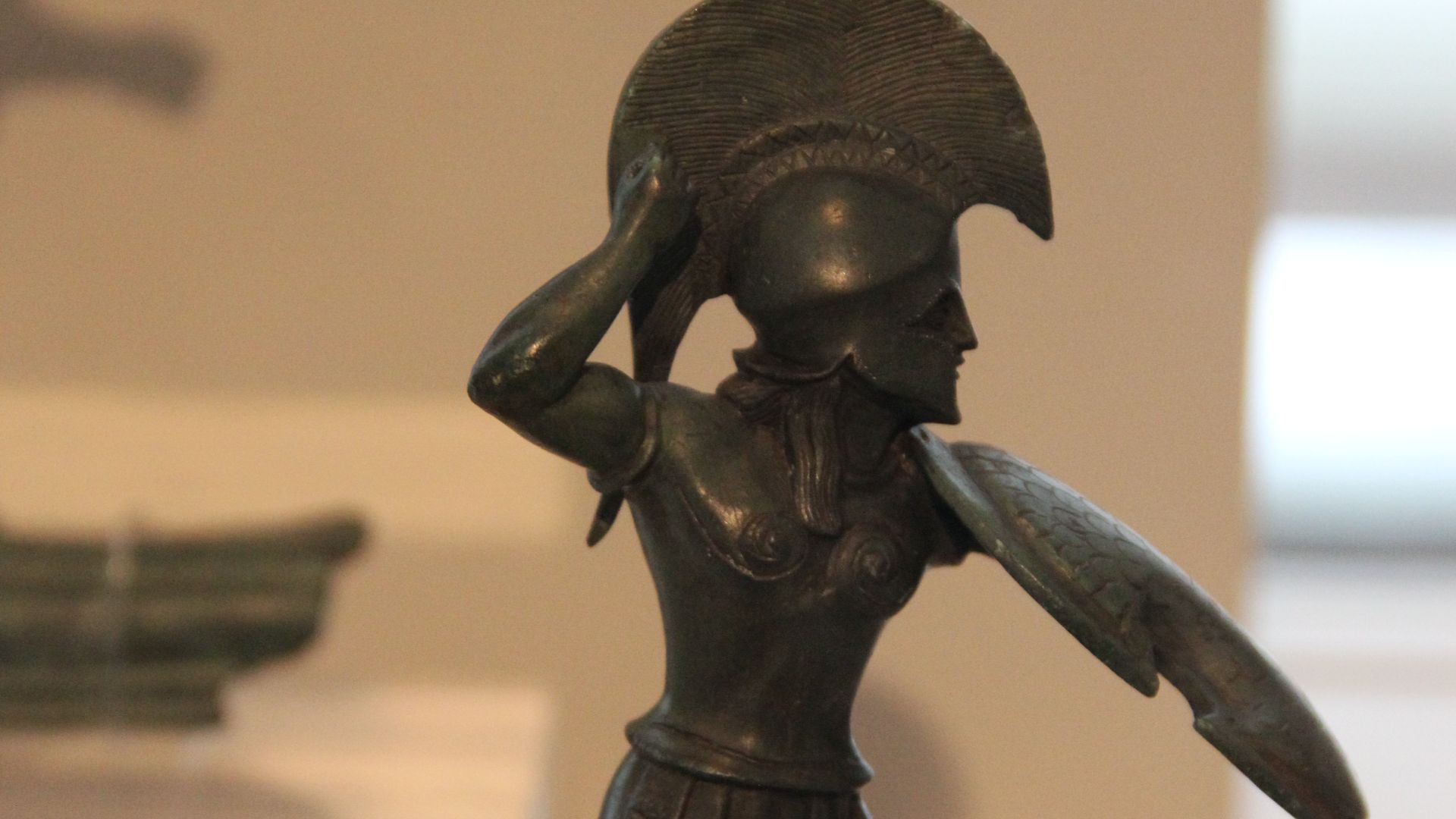
Although all the Spartiates 20 years and older were eligible for service, they weren’t constantly marching off to one battle after another. However, they were still expected to dedicate all their time to the army and spent nearly every hour of the day with their fellow warriors, fostering that sense of camaraderie at all times.
Still, they could participate in some form of civilian life.
 user:Megistias background cleaned by Chabacano, Wikimedia Commons
20. They Had More Freedom
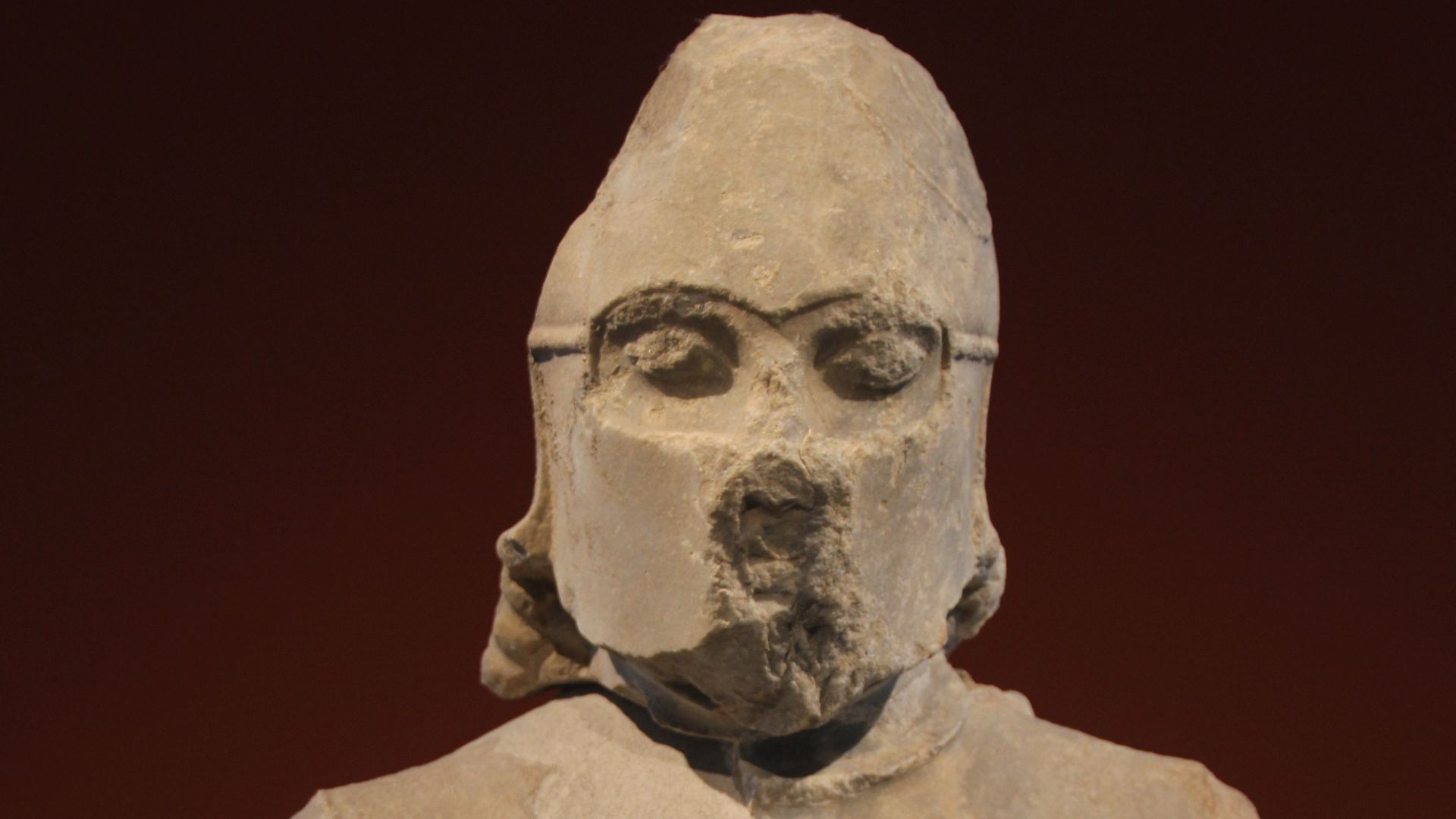
While the Hēbōntes served in the Spartan army, they didn’t officially graduate from the Agoge until the age of 30, at which point they were finally recognized as full citizens of Sparta. With this promotion, they received not only a plot of land but also permission to marry and start a family. Although they still spent most of their time at the barracks.
As such, they never truly settled down.
 Gary Todd from Xinzheng, China, Wikimedia Commons
21. They Never Stopped Training
Technically speaking, the required service for a Spartan warrior lasted until they turned 60, but even older men went to battle in times of great need. For this reason, Spartans continuously endured more rigorous training, with the Greek historian Plutarch claiming they were the only men in the world to welcome active combat as a break from their training.
Even these practices took a more out-of-the-box approach.
History's most fascinating stories and darkest secrets, delivered to your inbox daily.
22. They Were Nimble
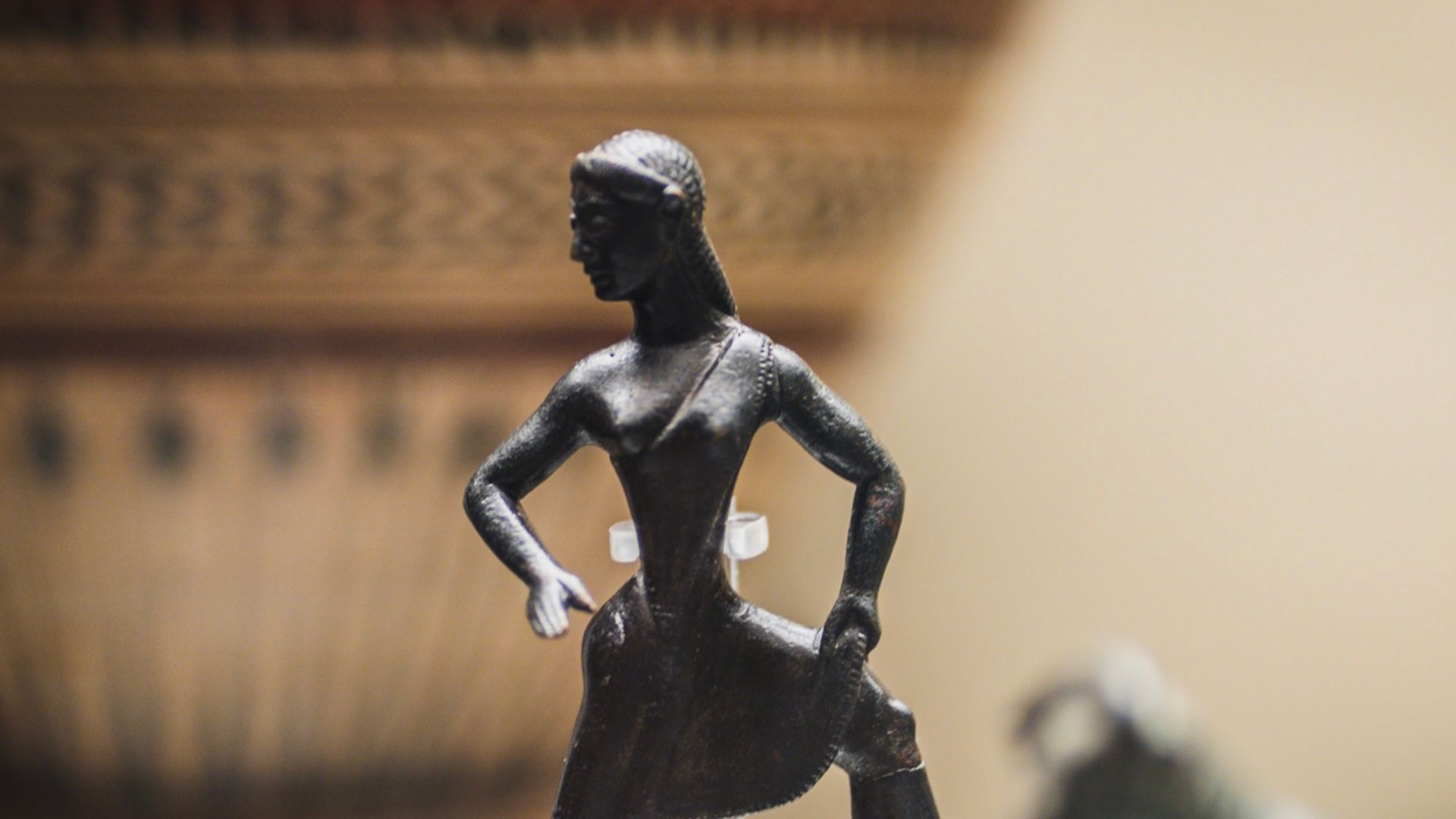
Now that the Spartans had become fully-fledged warriors, their training obviously focused more on militaristic values, but these didn’t consist of only strength or strategy. Another skill they prized most was agility, and to hone it, warriors would commonly engage in gymnastics and dance performances.
At the same time, they didn’t share the same bloodlust that other armies did.
 Paul Hudson from United Kingdom, Wikimedia Commons
23. They Weren’t Foolhardy
While Spartans were among the most effective warriors on the battlefield, their enemies and allies were always surprised by their restraint. This was because the Spartans condemned any rageful or impulsive actions that would risk the lives of their fellow men, and instead praised those who fought with every intention of living to see another day.
Even with all the danger and brutality, their parents couldn’t have been prouder.
24. They Encouraged Their Sons
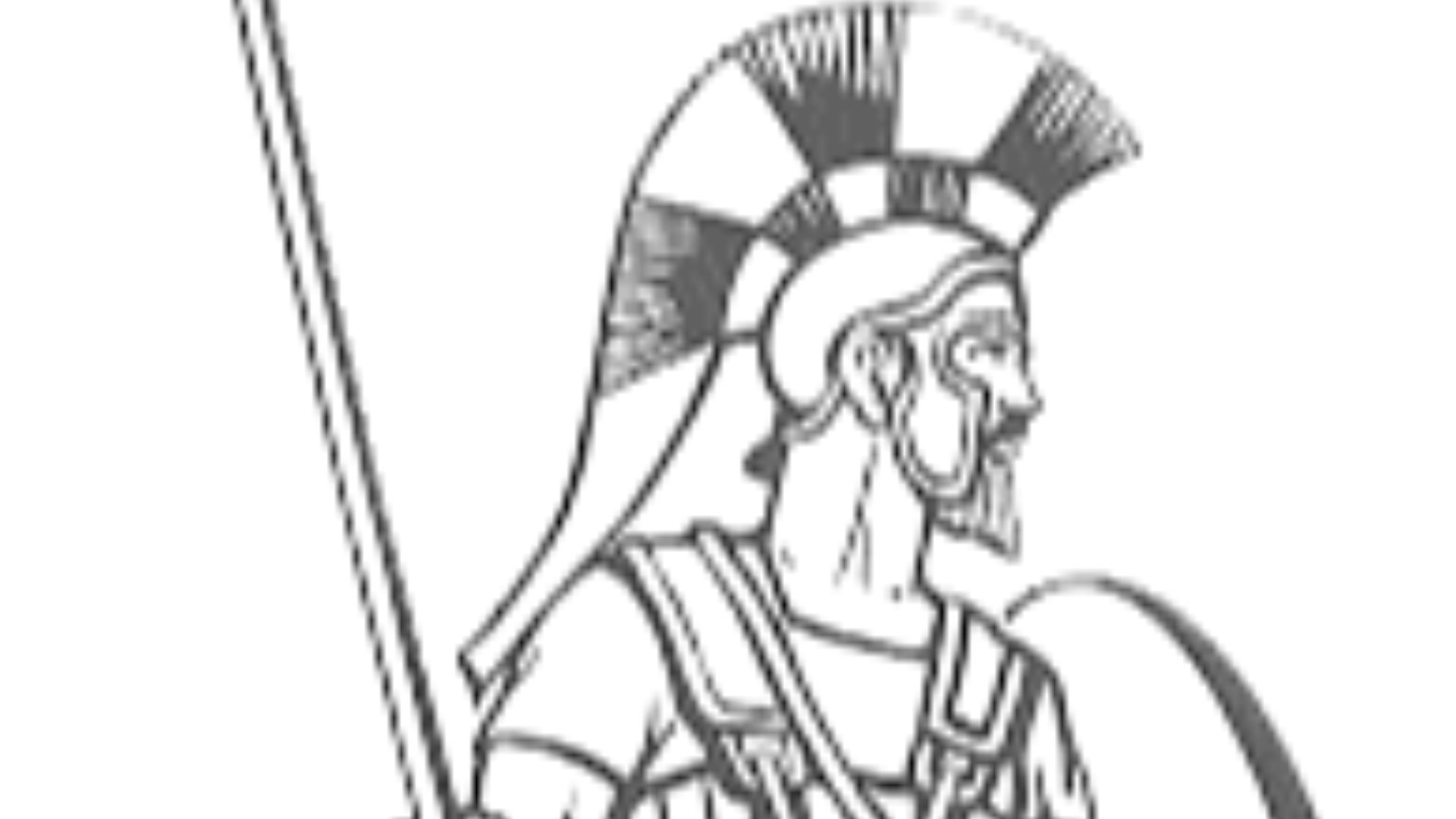
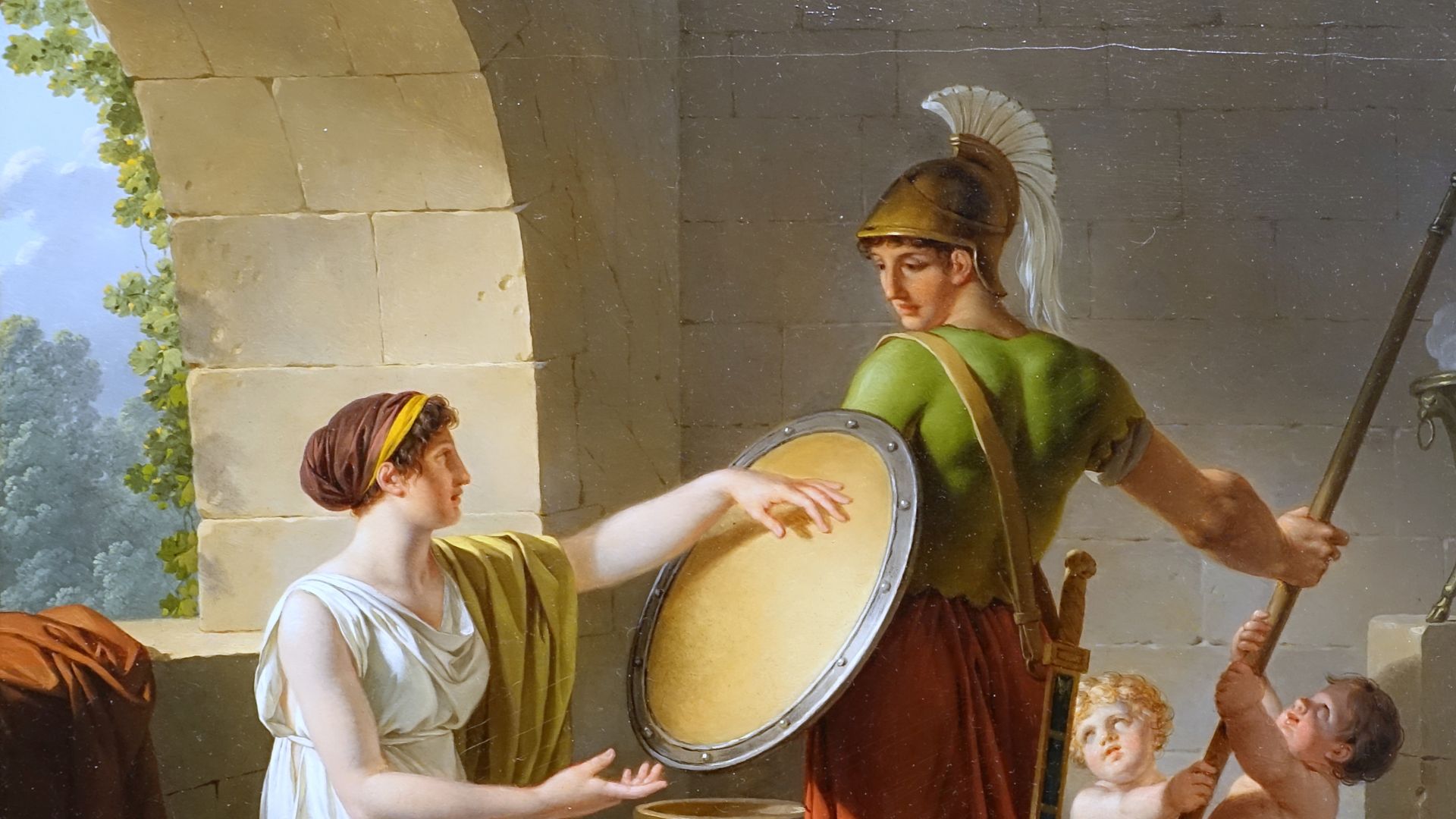
While the Spartans valued a great many qualities in a good warrior, when it came down to their core tenet, bravery was held above all others. This went beyond the higher-ups in the army, too, as mothers and wives of Spartan warriors would send the men off by giving them their shield and the ultimatum of either returning with it in hand—or otherwise lying on it.
As important as it was, the shield was only one part of the Spartan outfit.
25. They Had Their Uniform
Even though they stood out due to their reputation, the classic Spartan army would have appeared quite similar to the other Greek forces, as they used much of the same armor. However, there were a few details that set them apart on the battlefield, such as their long hair—a symbol of their freedom—and their crimson tunics and cloaks.
Even more thought was put into determining which weapon to bring into battle.
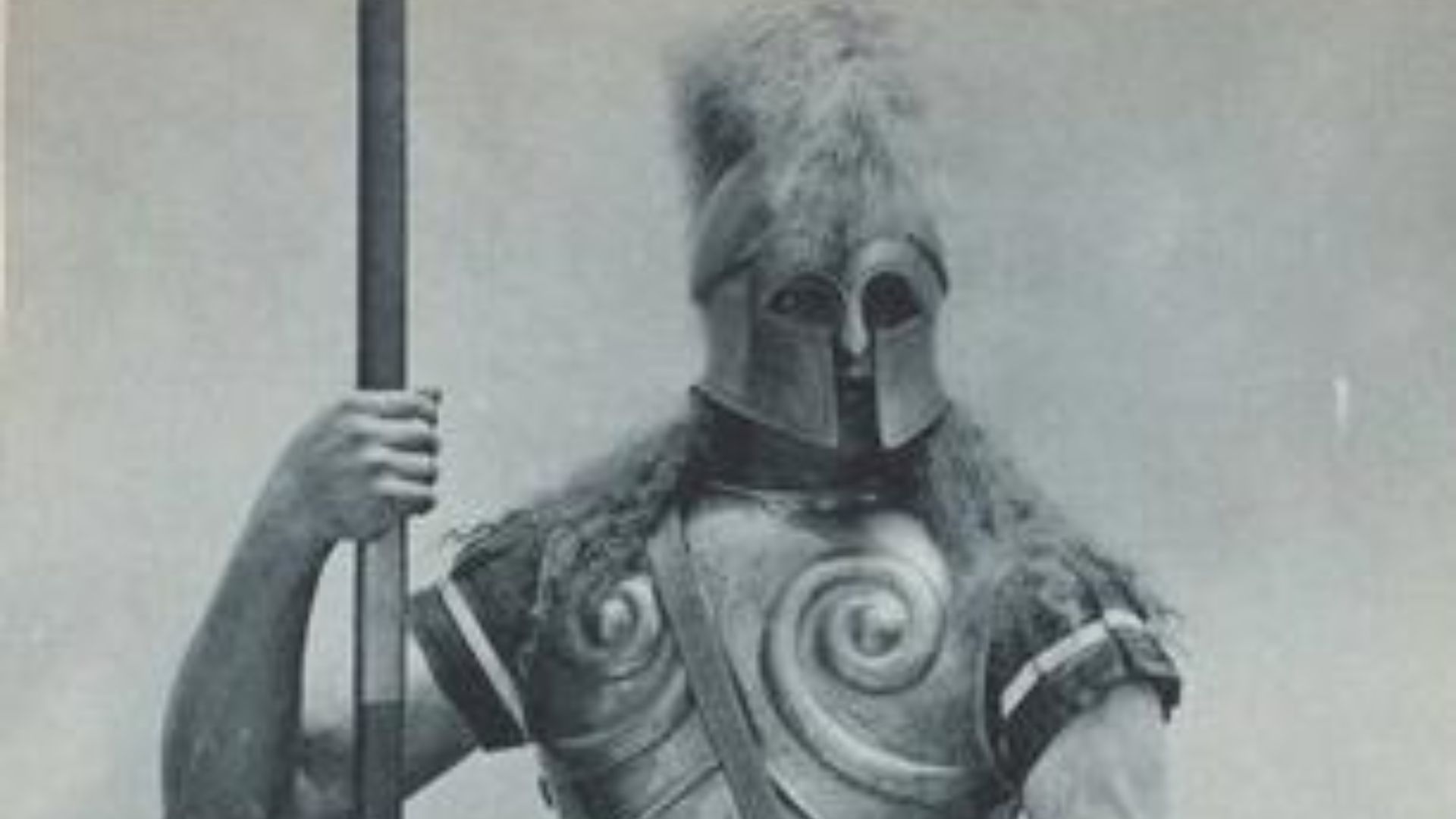 The collection assembled by H. J. Vinkhuijzen (1843-1910). See: [2], Wikimedia Commons
26. They Carefully Chose Their Arms
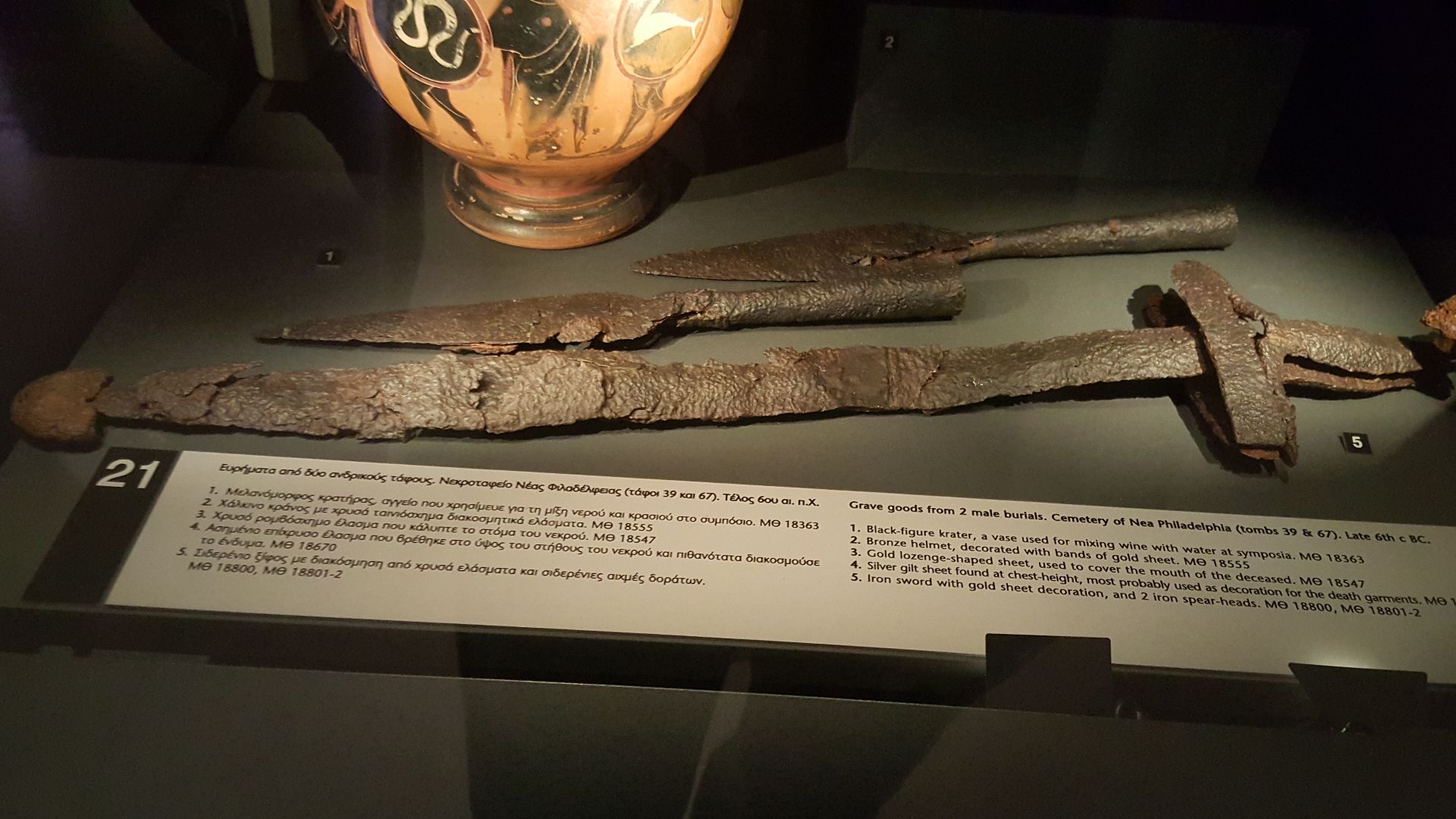
Going into battle, a Spartan relied not only on his strength and cunning but also on his adaptability. This was evident in the kinds of weaponry they carried, as they primarily relied on their dory spears to keep enemies at a distance, but were still armed with a shortsword called a xiphos for close combat. Additionally, they used javelins for ranged attacks.
However, their appearance on the battlefield would drastically change over the years.
 Johnhoplite, Wikimedia Commons
27. They Left Their Armor Behind
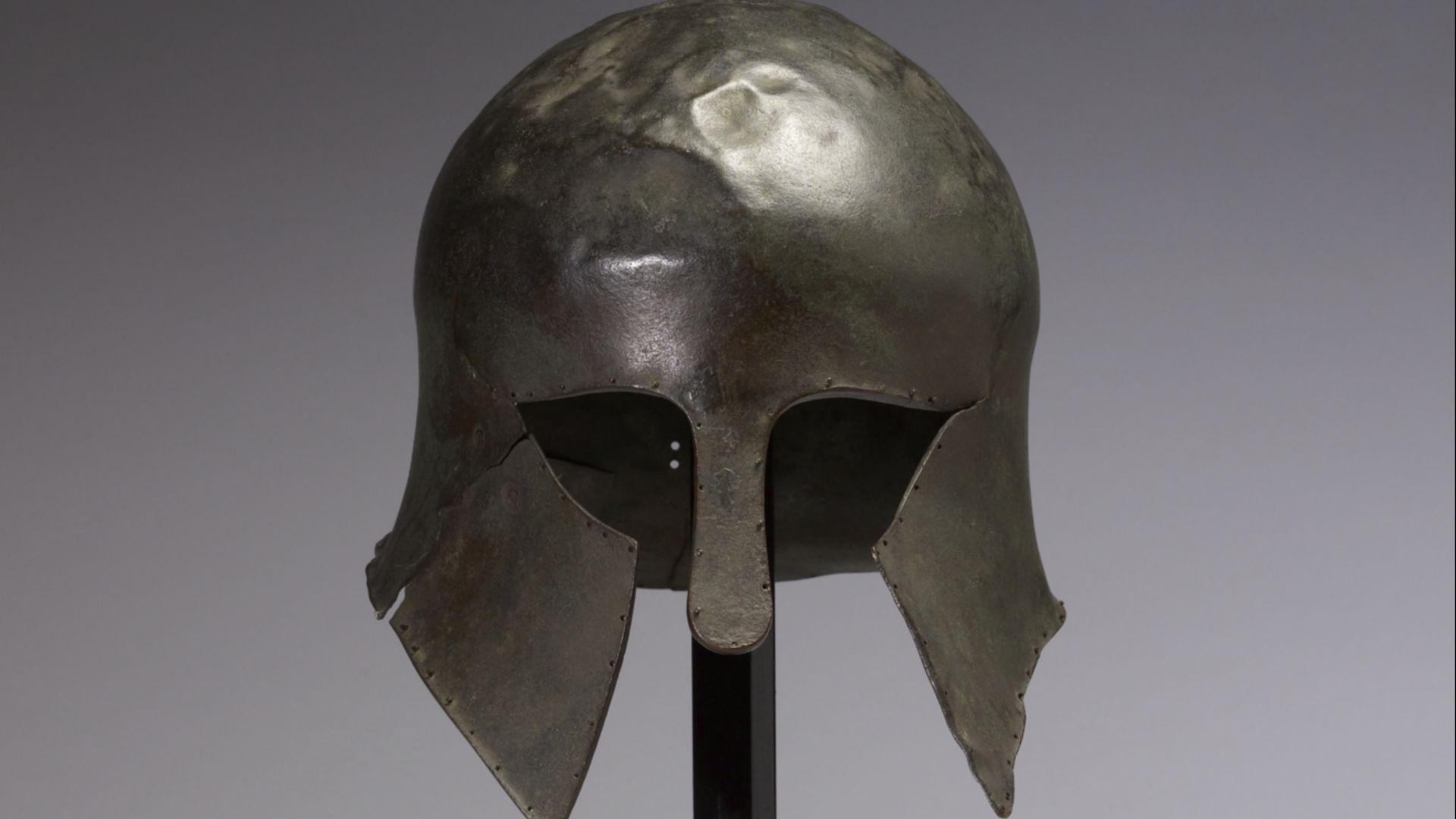
As every civilization has done, the way the Spartans conducted their army transformed over the coming centuries, specifically in their appearance. Perhaps going further to illustrate their boldness, by 300 BCE, Spartan warriors began going into battle without body armor at all, content with a helmet, bracelets, and leg greaves alone.
Still, one piece of armor was far more significant than the rest.
 Anonymous (Greece)Unknown author, Wikimedia Commons
History's most fascinating stories and darkest secrets, delivered to your inbox daily.
28. Their Shield Was Most Important
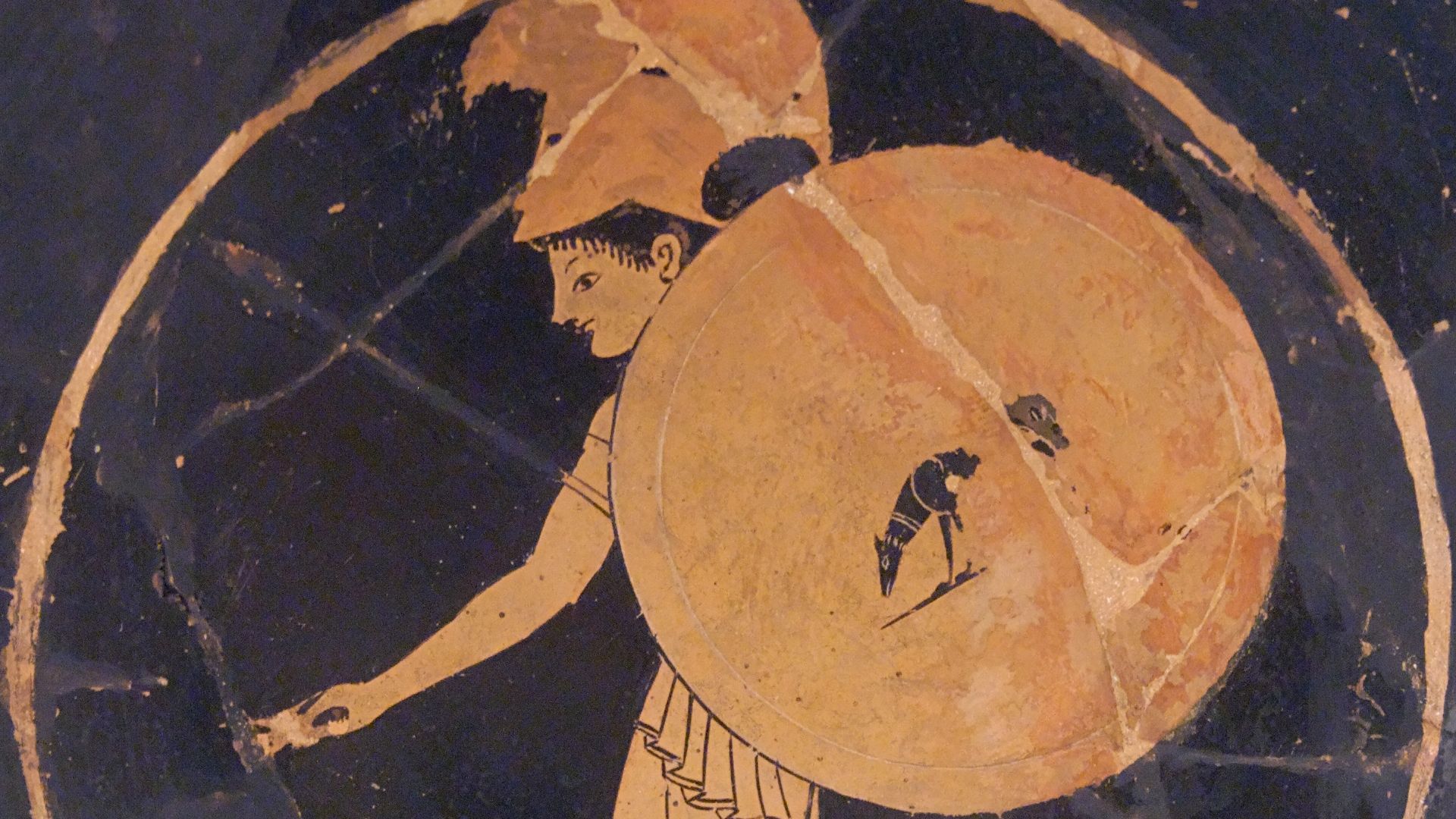
A good shield is an essential piece of equipment for any warrior trying to survive, but to the Spartans, it was that and so much more. A Spartan’s shield served as a family heirloom, passed from father to son, but beyond that, it was a sign of a warrior’s courage. “Dropping the shield” was synonymous with cowardice, as anyone wanting to flee would have to leave the heavy shield behind to run.
Apart from symbolizing their honor, the shield was integral to the Spartans’ main tactics.
29. They Were Impenetrable
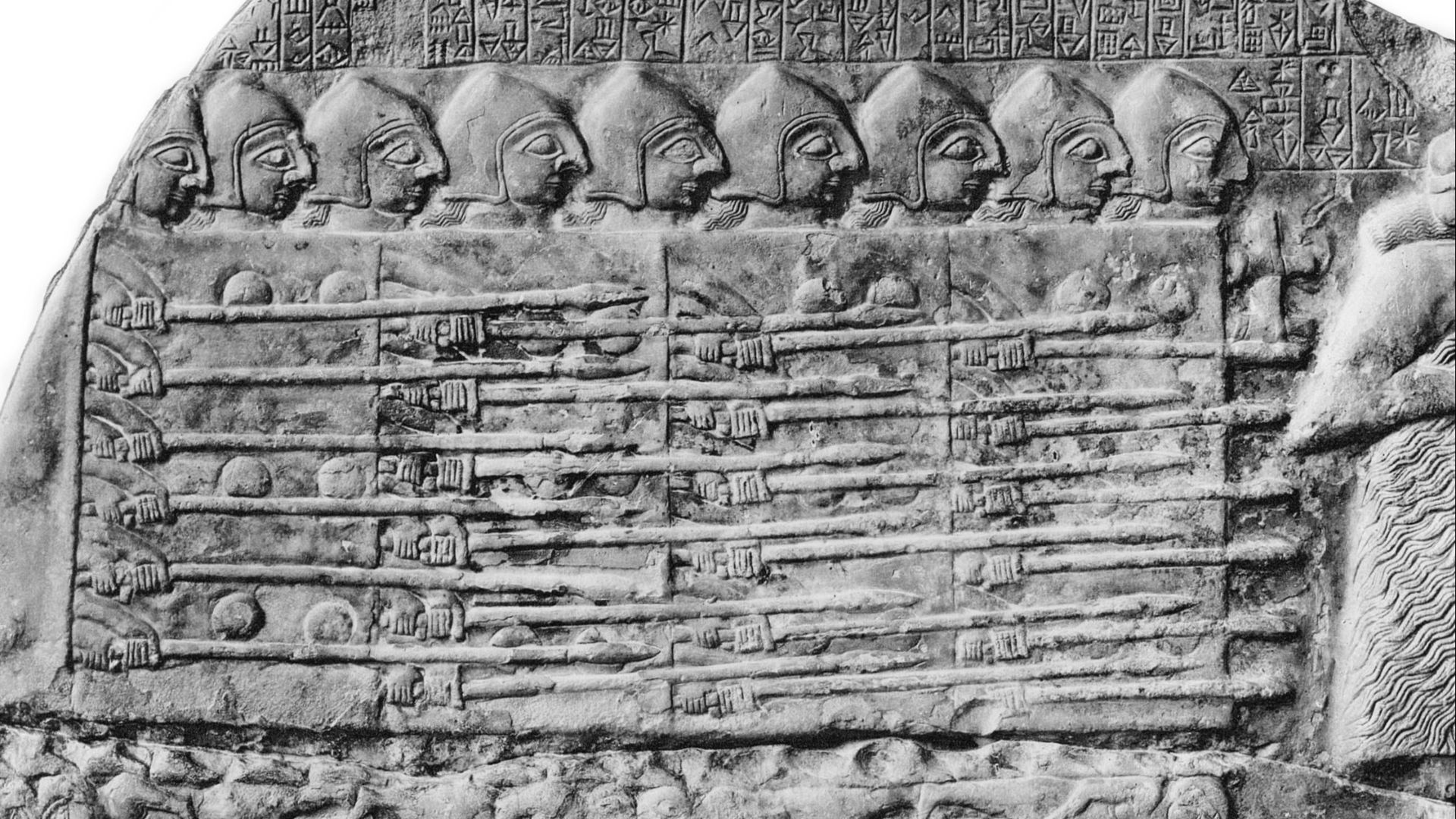
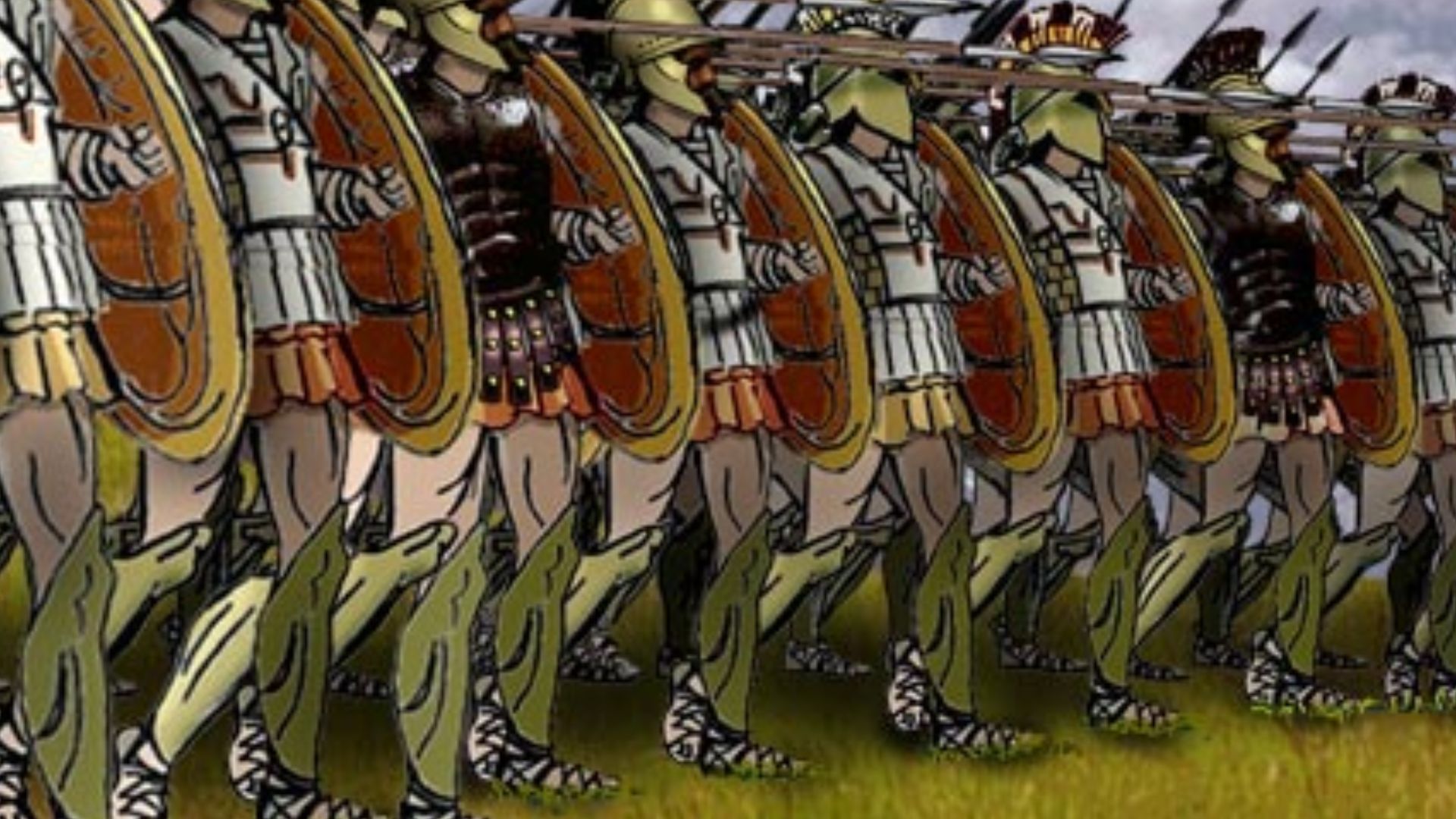
Part of what made the Spartans so deadly to their foes was their usage of the classic phalanx formation, against which there was little any enemy could do. The Spartans would form a close line of men in front, who locked their shields together like a wall, while another line of men stood behind and pointed their spears out from over the shields.
Of course, they weren’t the only army to use this strategy.
 Ernest de Sarzec - Choquin de Sarzec, Ernest (1832-1901), Wikimedia Commons
30. They Did It Better Than Anyone
The phalanx was not a Spartan invention, and even the Ancient Egyptians used similar tactics, so the formation was quite common among the various Greek armies. Still, despite not making any major changes to the concept, the Spartan army’s inherent skill and discipline made it more effective than most others using it.
As Sparta hinged on its army’s success, it was a big deal whenever they marched into battle.
31. They Performed Ceremonies
As strong as it was, Sparta didn’t enter into conflict on a mere whim, and choosing to do so was no simple task. Firstly, the decision had to pass a board of five magistrates called the ephors, and even if they judged in favor of mobilization, it was still a sacred thing. Several sacrifices and rituals would be necessary before the Spartans could march out.
Naturally, with such a stellar reputation, Sparta’s phone was constantly ringing with requests.
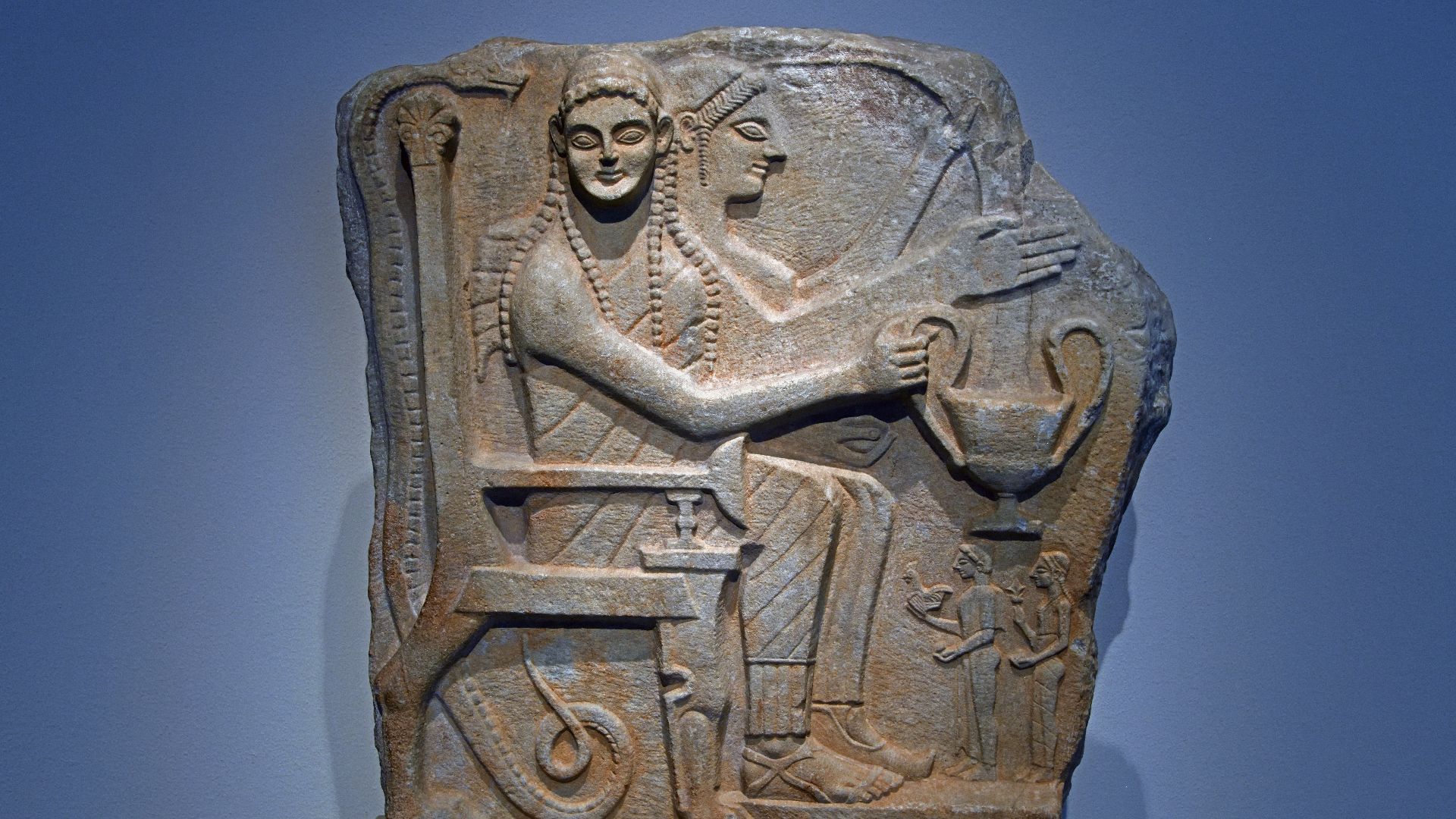
32. They Were Asked To Help
Sparta didn’t always get along with other Greek city-states, let alone nations outside of Greece, but the world couldn’t deny the sheer power and success it had achieved. Being recognized as the dominant force in the region, many leaders begged them for aid in dire conflicts, such as the Ionian Revolt in the 5th century BCE.
Eventually, a time came when all of Greece was desperate for their help.
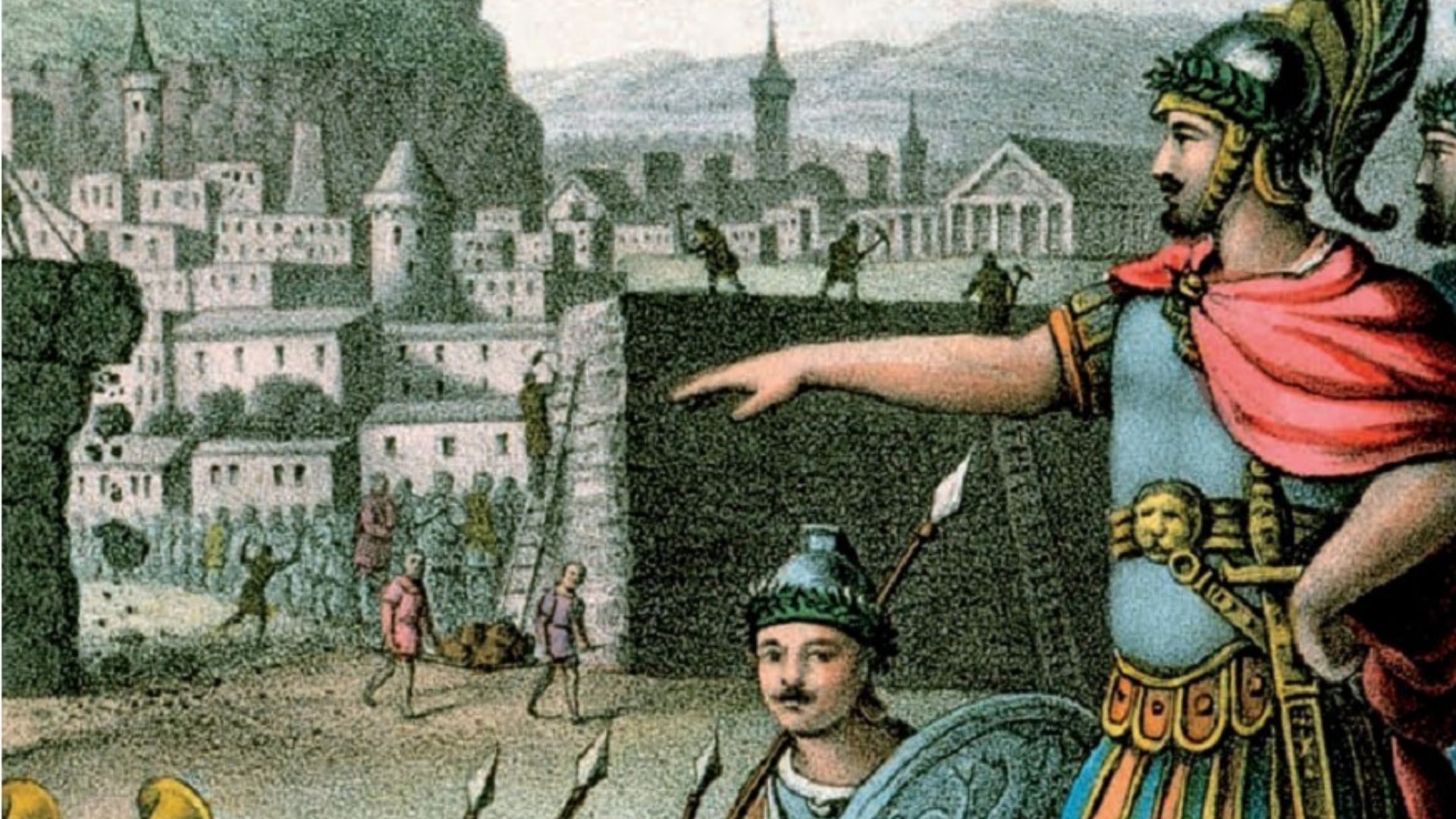 19th century lithograph, unknown author, Wikimedia Commons
33. They Were Given Control
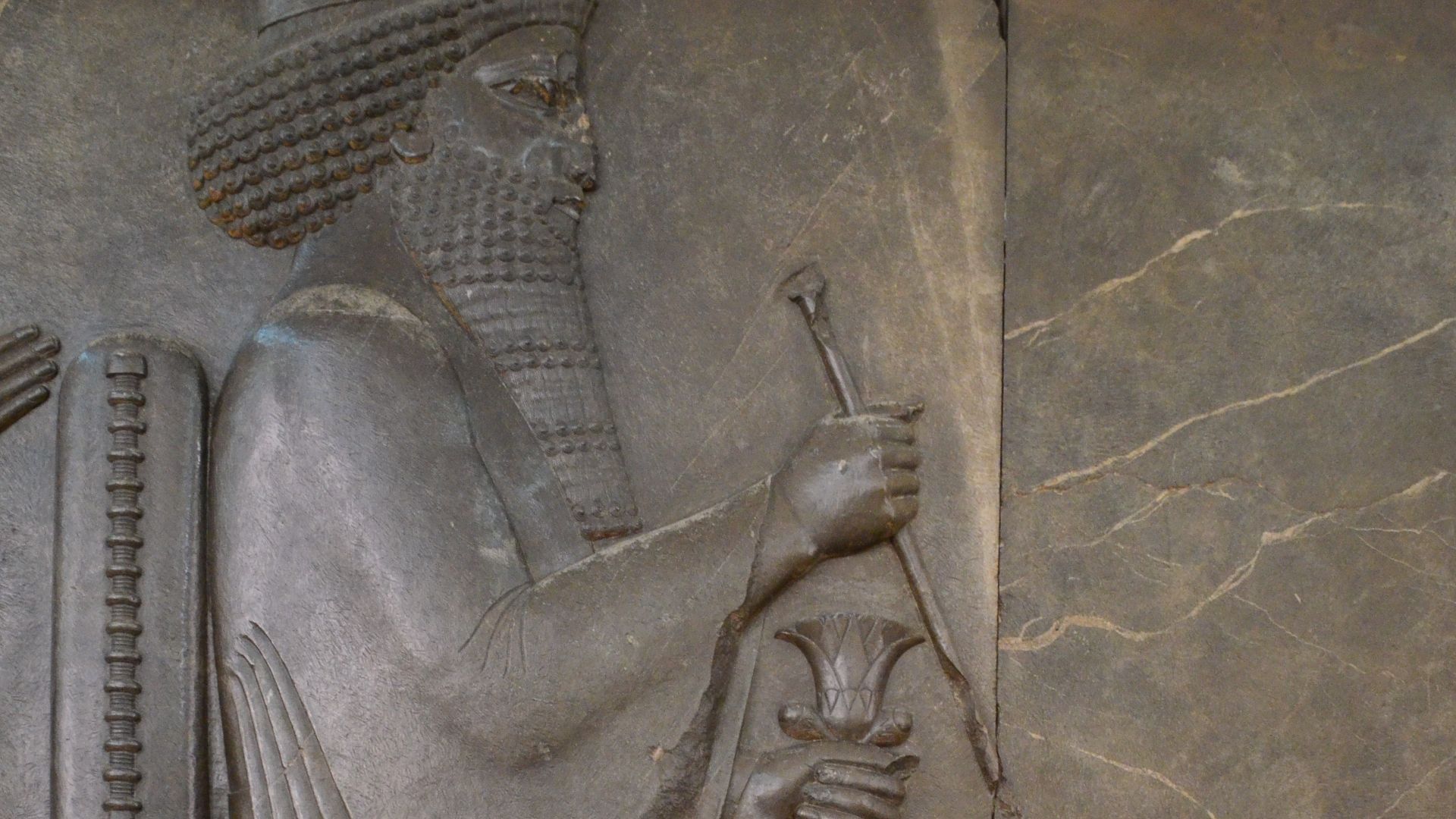
The 5th century BCE saw several regions of Greece enter major conflicts, especially against one of their most dangerous enemy nations—the Persian Empire. When Xerxes I invaded Greece in 480 BCE, all the major city-states knew they would need the best if they were to stand a chance, so they placed Sparta in charge of all Greek forces.
Soon enough, they would enter a battle that would echo throughout all history.
History's most fascinating stories and darkest secrets, delivered to your inbox daily.
34. They Faced Their Enemy
Once the Persian forces reached Greece, Sparta mobilized its army to stop Xerxes in his path, meeting the enemy at the pass of Thermopylae. Led by Spartan King Leonidas I, an alliance of 7,000 Greek warriors from various city-states faced down the overwhelming Persian ranks of at least 120,000 men.
Unfortunately for Sparta, their battle prowess only took them so far.
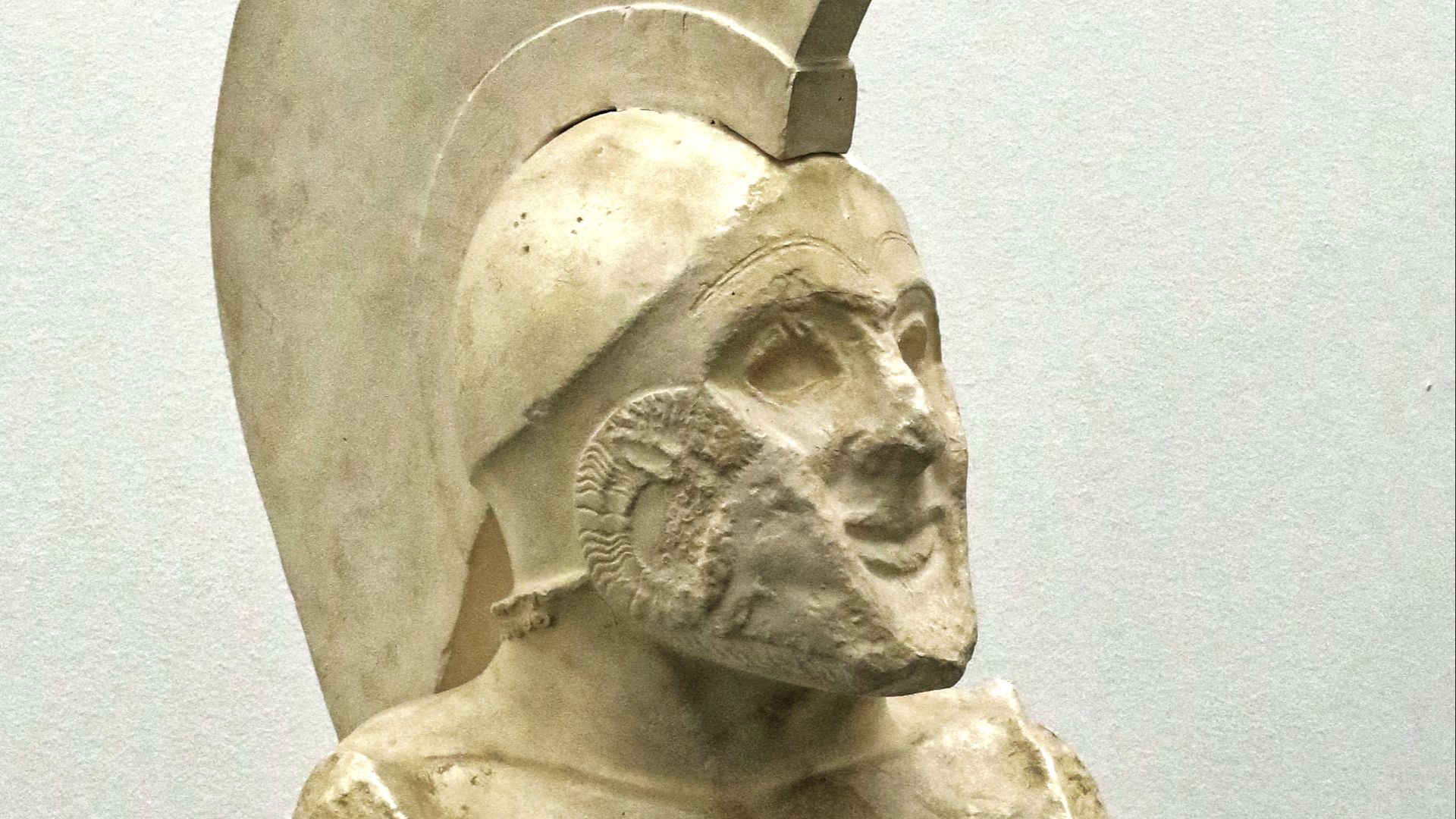 Pimpinellus, Wikimedia Commons
35. They Made A Final Stand
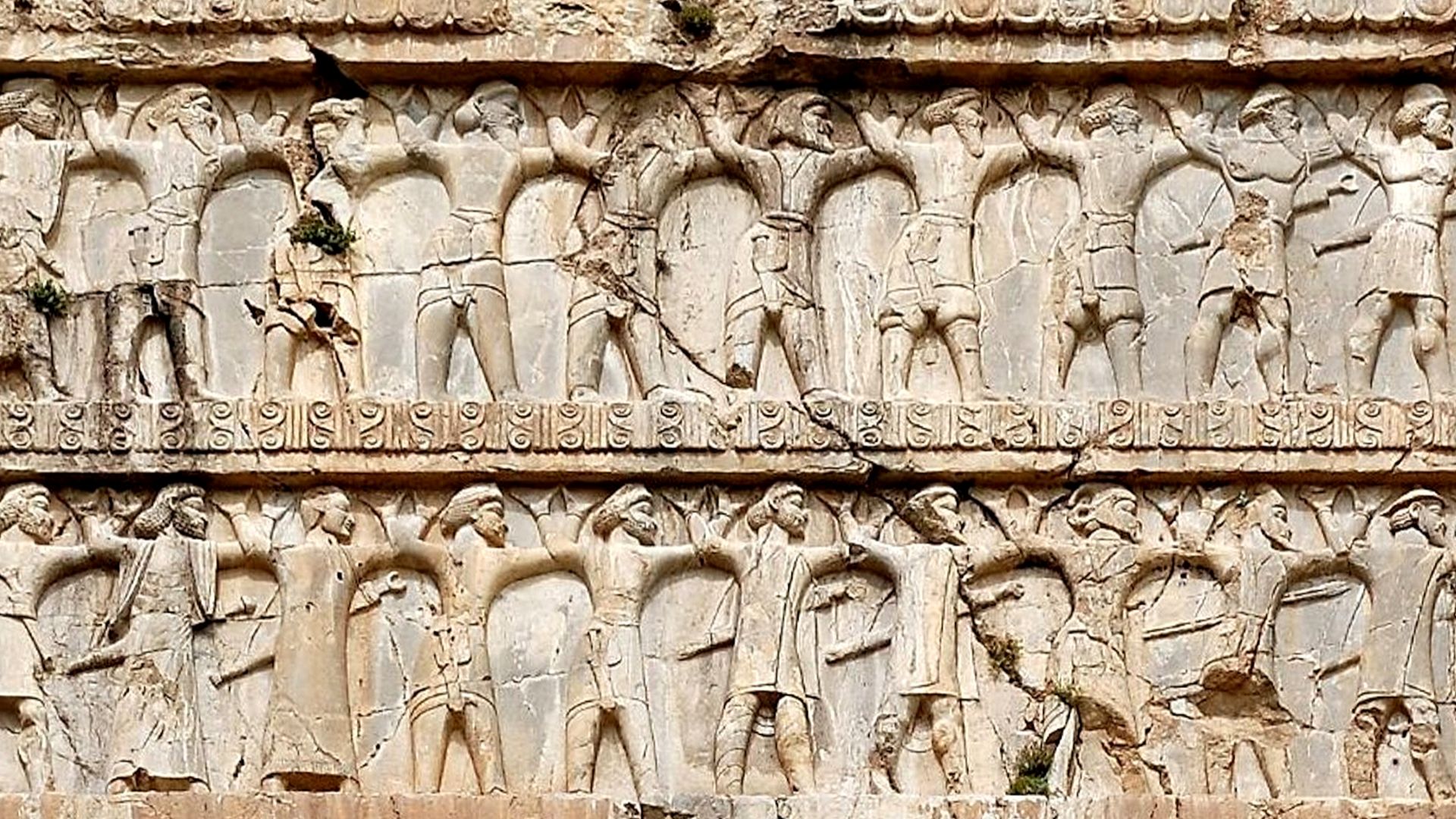
Greece’s battle against the Persian invaders went remarkably well at first, but due to the betrayal of one warrior named Ephialtes, the Persian army outflanked the Greeks. Defeat was near, so Leonidas ordered most of his remaining forces to flee, while he remained with a force of 3,000 men—including 300 of his own Spartans.
Despite the outcome, Sparta’s legacy from this battle alone lives on to this day.
 Erich Schmidt, Wikimedia Commons
36. They Became Legends
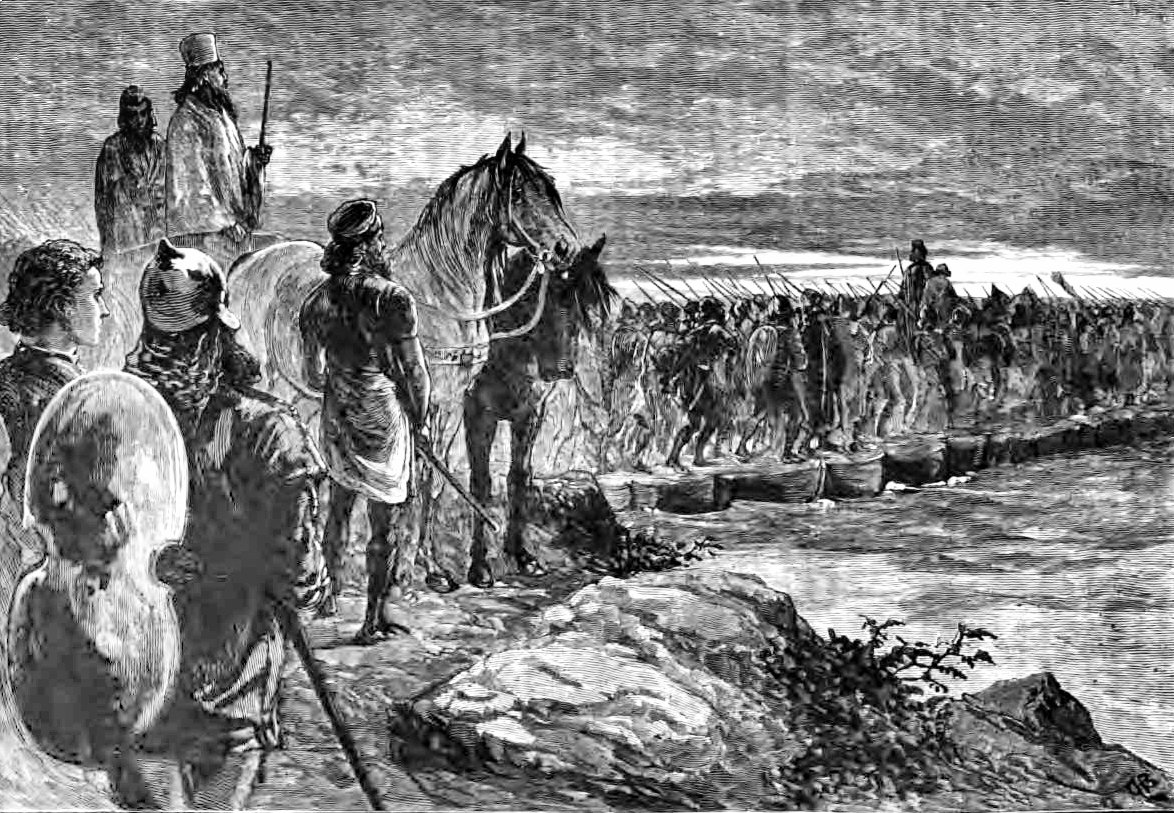
Leonidas and his Spartans fought to the last man, but the Persian army destroyed them and emerged victorious, proceeding with its invasion. Although they lost, Sparta’s sacrifice changed the course of the conflict and gave the rest of Greece the morale it needed to drive Xerxes off eventually.
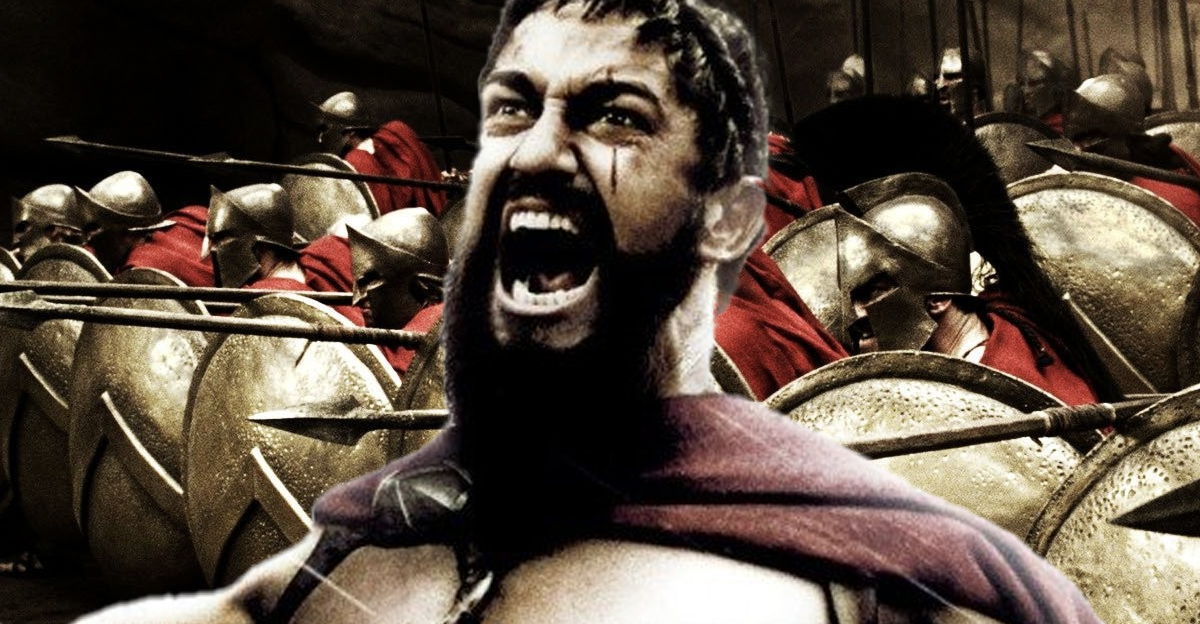
Because of this, the Battle of Thermopylae became possibly the most iconic moment in Sparta’s history, even being adapted into the hit 2006 film 300. But one moment was too disturbing to include in the film.
 Edmund Ollier, Wikimedia Commons
37. His Remains Were Desecrated
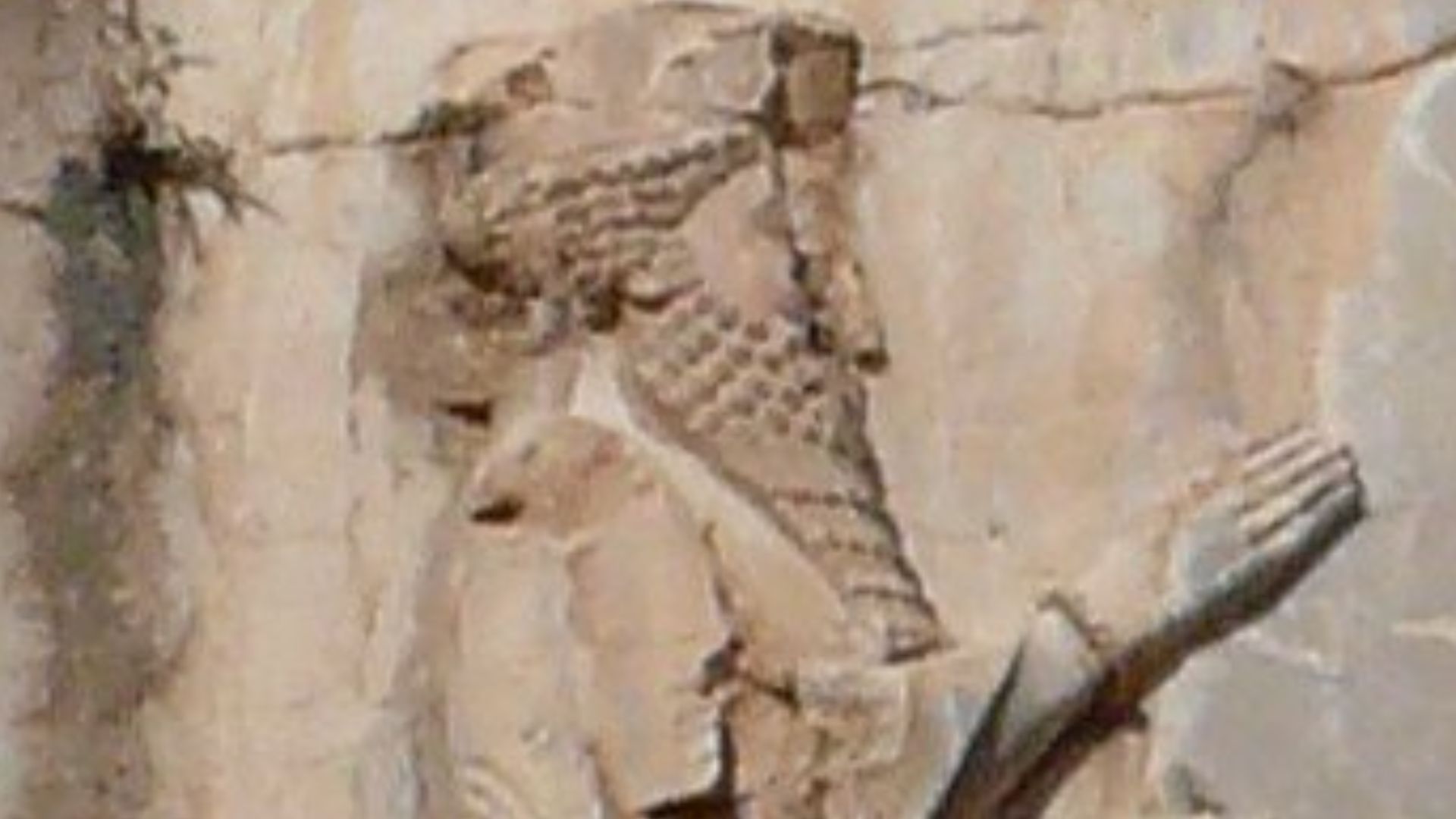
For Xerxes, winning the battle seemingly wasn’t enough, and he had to humiliate Leonidas. Sifting through the battle’s wreckage, his men found the slain Spartan King and decapitated him before crucifying his body. This was a grave, sacrilegious insult.
And although Sparta survived the invasion, it was never the same.
 Flickr user dynamosquito, Wikimedia Commons
38. They Distanced Themselves
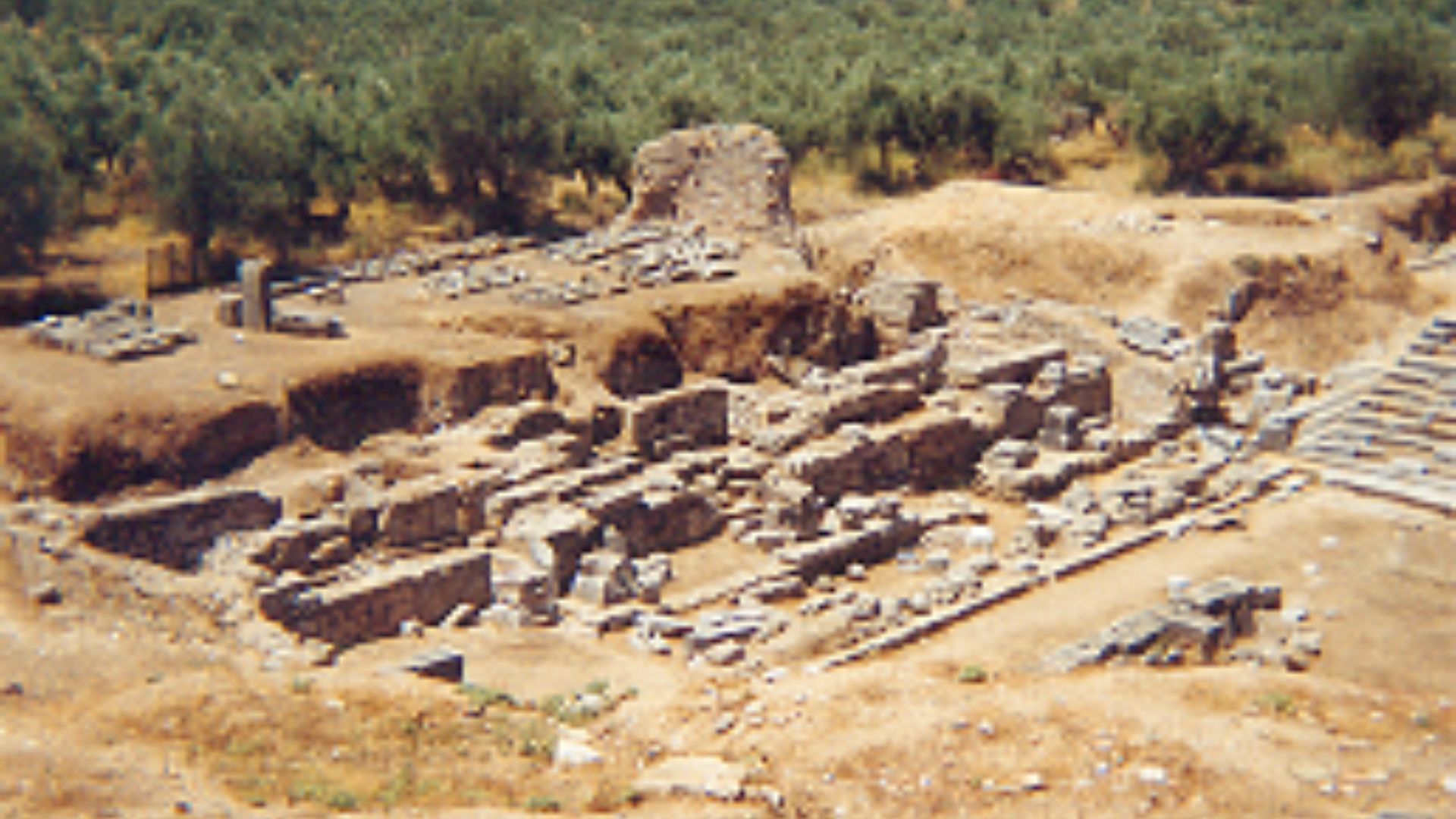
The Persian invasion didn’t stop with the Battle of Thermopylae, but while Sparta still had a hand in eventually sending Xerxes home packing, this was where its involvement ended. Once the threat was gone, Sparta took a step back from Greece’s spotlight and refused to give any further aid for the most part, choosing isolation instead.
Suddenly, the position of Greece’s top dog was free for the taking.
 Thomas Ihle at German Wikipedia, Wikimedia Commons
39. They Turned On Each Other
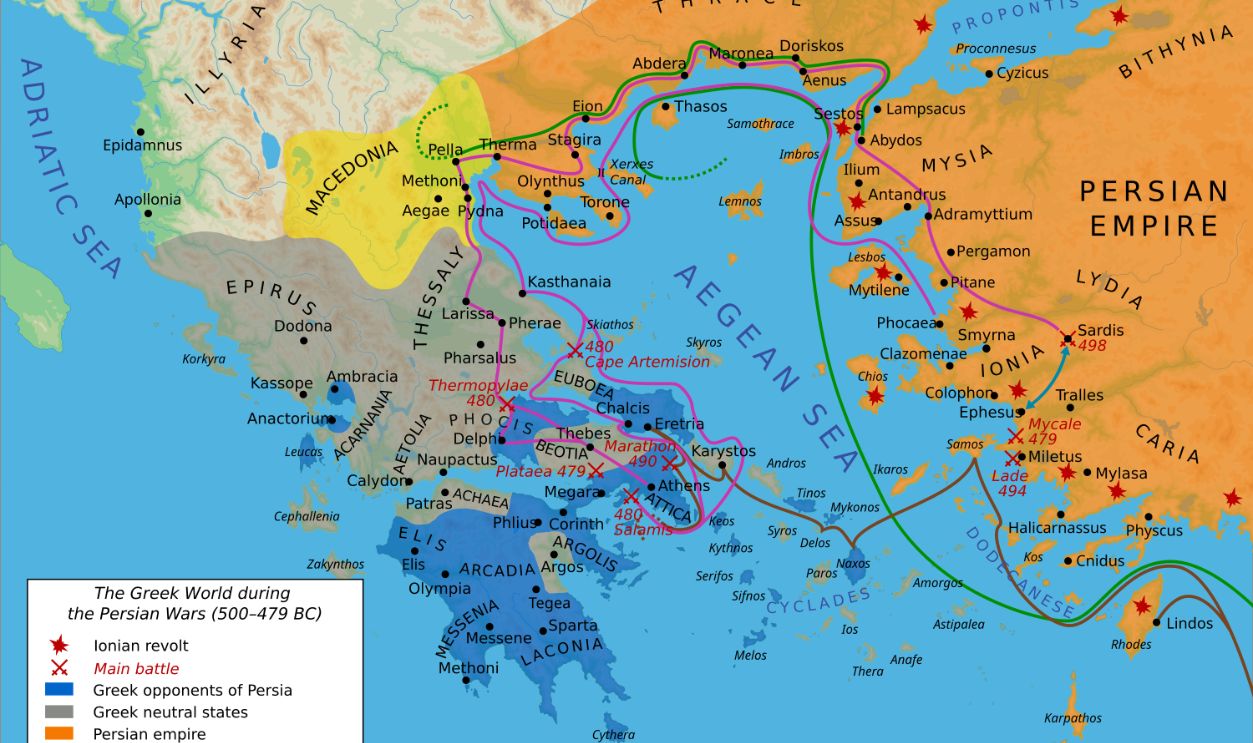
With Sparta out of the running for Greece’s dominant power, another city-state, Athens, rose up to take its place and continued to fight the Persian Empire. Still, although it had chosen isolation, Sparta was unhappy with Athens’ new place in the world. This caused a decades-long conflict between the two powers, ravaging all of Greece in their wake.
However, Sparta still had one more win up its sleeve.
 User:Bibi Saint-Pol, Wikimedia Commons
History's most fascinating stories and darkest secrets, delivered to your inbox daily.
40. They Came Out On Top
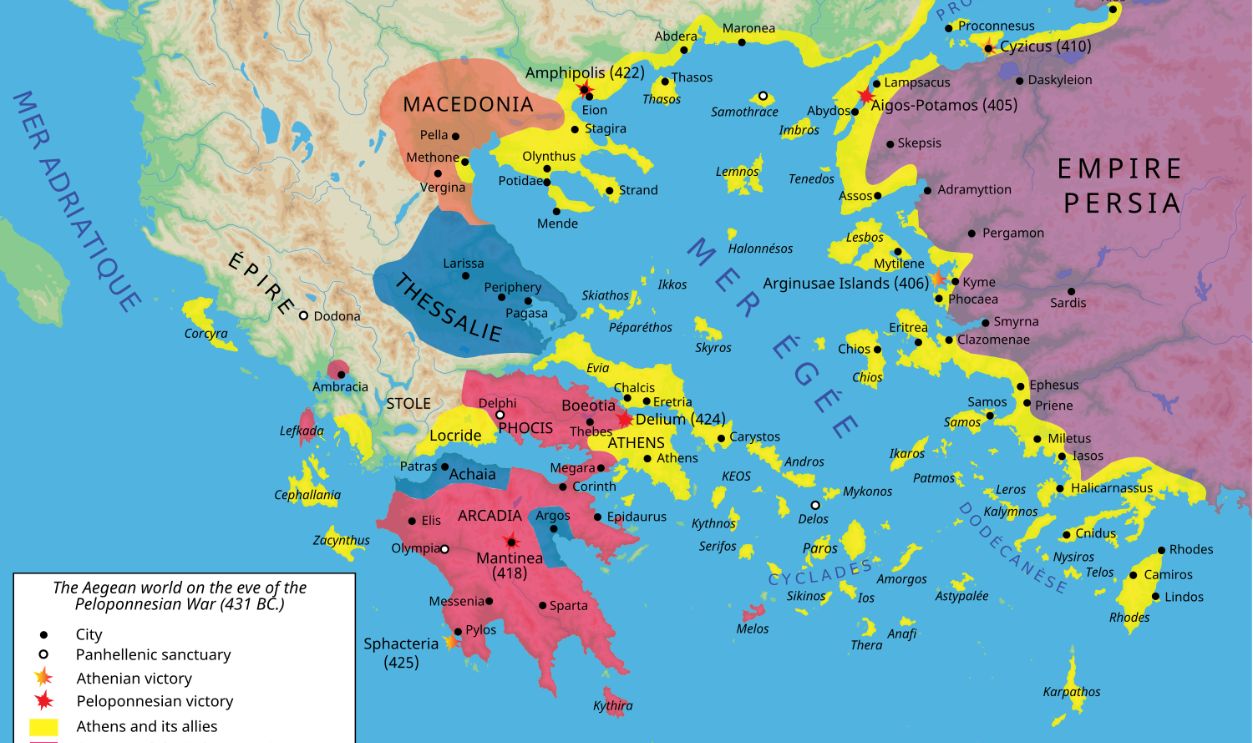
Sparta’s conflict with Athens was both long and brutal, mostly because both powers were such close rivals that neither side was going to be the clear winner. Things became so bad that Sparta found an ally in possibly the most unlikely of places—the Persian Empire. With their help, Sparta defeated Athens and reclaimed its place as the dominant Greek power.
As the state would soon discover, though, power is a fickle thing.
 Map_Peloponnesian, Wikimedia Commons
41. They Were On The Decline
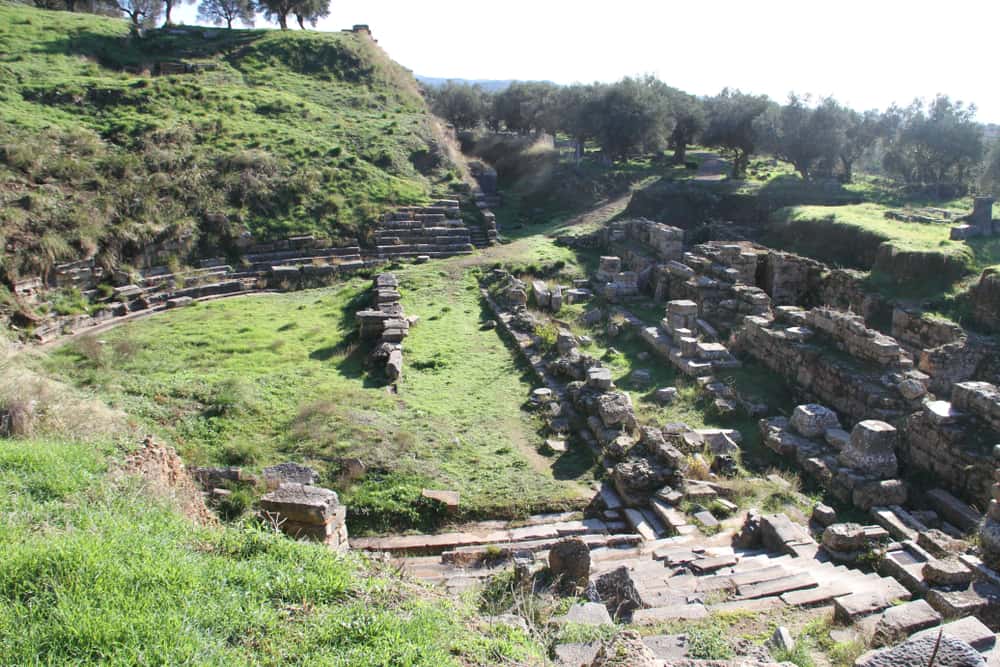
Although it emerged victorious from its fight against Athens, Sparta was left in a horrible state by the end, having lost many of its people in the conflict. Furthermore, the world was changing around them, and many of Sparta’s former allies did not align with its stubborn and closed-minded ways. Slowly but surely, Sparta lost its footing in Greece.
Even within their army, things weren’t looking good.
42. They Kicked Many Of Them Out
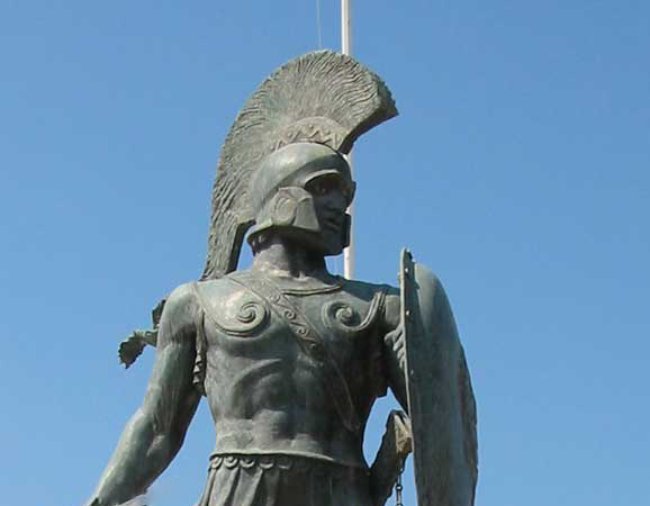
Despite essentially being a lifelong endeavor, a Spartan warrior’s duty came with a price, and not just the regular physical and mental tolls. A Spartiate's status required a regular financial contribution, and if a Spartan couldn’t pay up, they faced demotion. This became more common by the end of the 5th century BCE, as various commercial activities had grown popular, leaving Spartiates with little money to retain their status.
Worse still, the Spartan army didn’t have enough trainees to fix this.
 YukioSanjo, CC BY-SA 3.0, Wikimedia Commons
43. They Couldn’t Replace Them
The combination of the dwindling number of Spartiates and the already massive loss incurred from Sparta’s recent conflicts was the perfect storm for their further decline. To make matters worse, the custom of Spartiates only marrying once they reached 30 years old meant that they couldn’t birth new warriors fast enough to replenish their numbers.
And when they did, they shot themselves in the foot.
44. They Chose At The Beginning
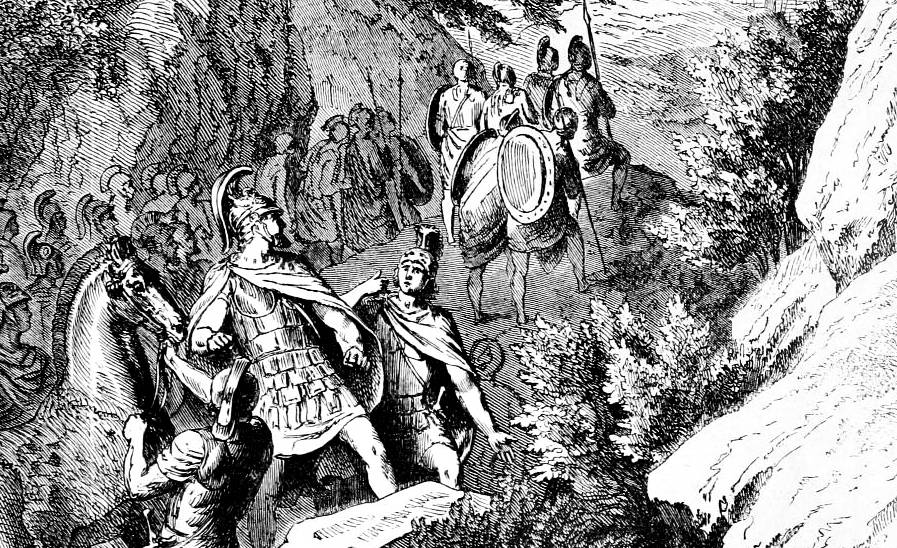
One of the reasons why Sparta died off may have to do with the fact that they cut their ranks a little too thin. Sparta had no room for those who couldn’t take care of themselves, no matter their age. As such, when a baby was born, it was taken to the town elders and checked for physical deformities and mental abnormalities. If anything was deemed wrong with the infant, it was tossed off a cliff into a large hole where it was left to starve.
In the end, Sparta passed the point of no return.
 Bildagentur-online, Getty Images
45. They Were Losing Numbers
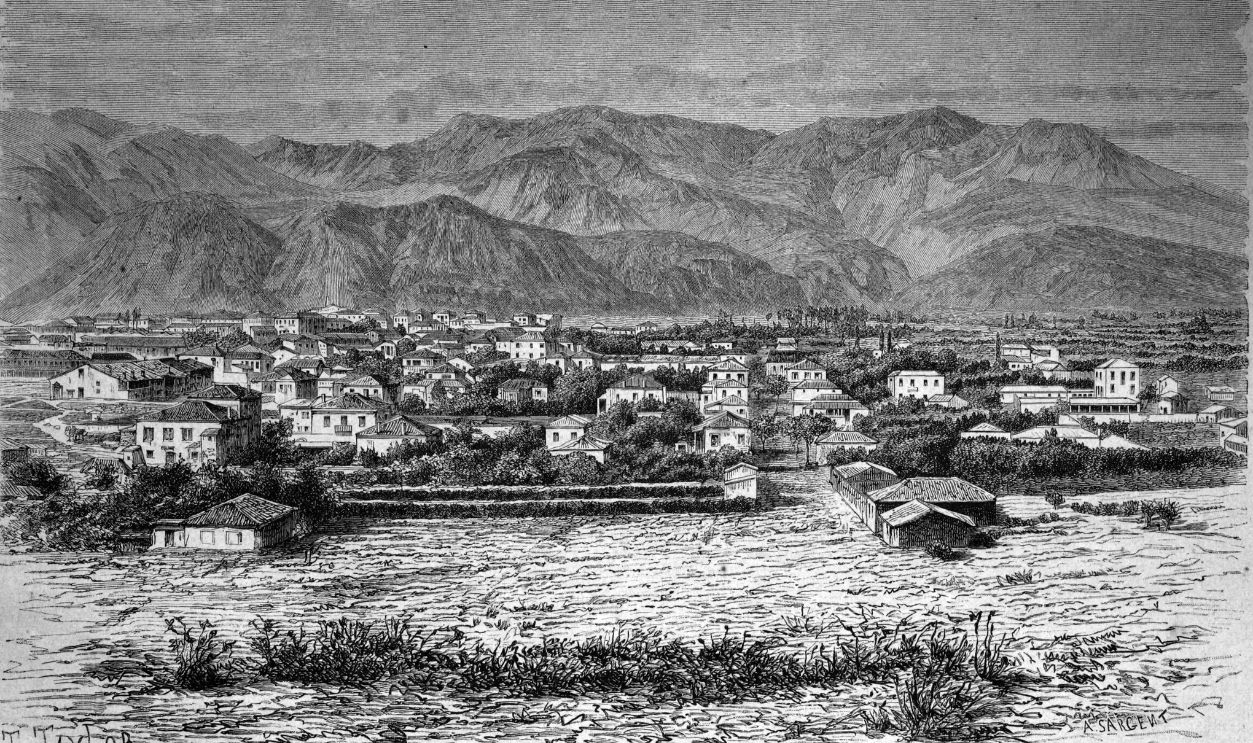
With the culmination of all its issues, not only was Sparta facing a devastating decline in its forces, but this also meant its population of full citizens was diminishing. Putting it into perspective, the Spartan army previously had around 6,000 Spartiates in the late 7th century BCE, but this dwindled to 1,000 by 330 BCE.
Ultimately, Sparta had no other choice but to take quantity over quality.
 Richard Geiger, Wikimedia Commons
History's most fascinating stories and darkest secrets, delivered to your inbox daily.
46. They Had Few Options
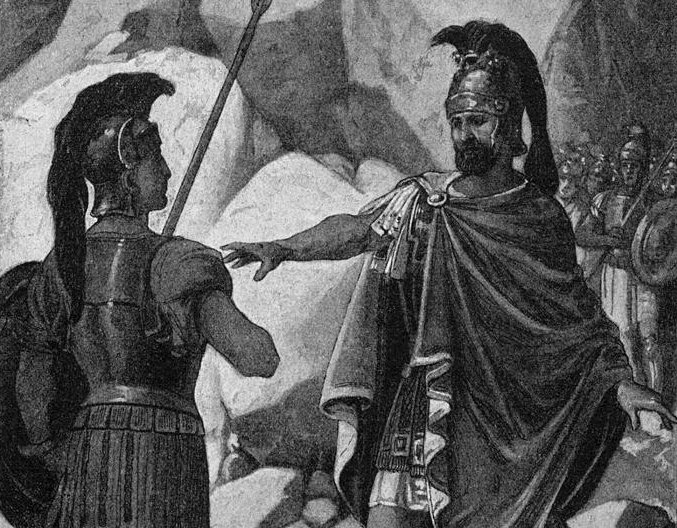
Before long, the population of the Spartiate class decreased so much that Sparta had to resort to other ways of bolstering its ranks. Turning to the Helots, its slave class, Sparta began using them as its primary army instead of the auxiliary forces they used to be. Things got so desperate that the state even freed some of them in exchange for service.
While not the legendary warriors of old, Sparta would need them for what was coming.
 john antoni, Wikimedia Commons
47. They Faced Another Enemy
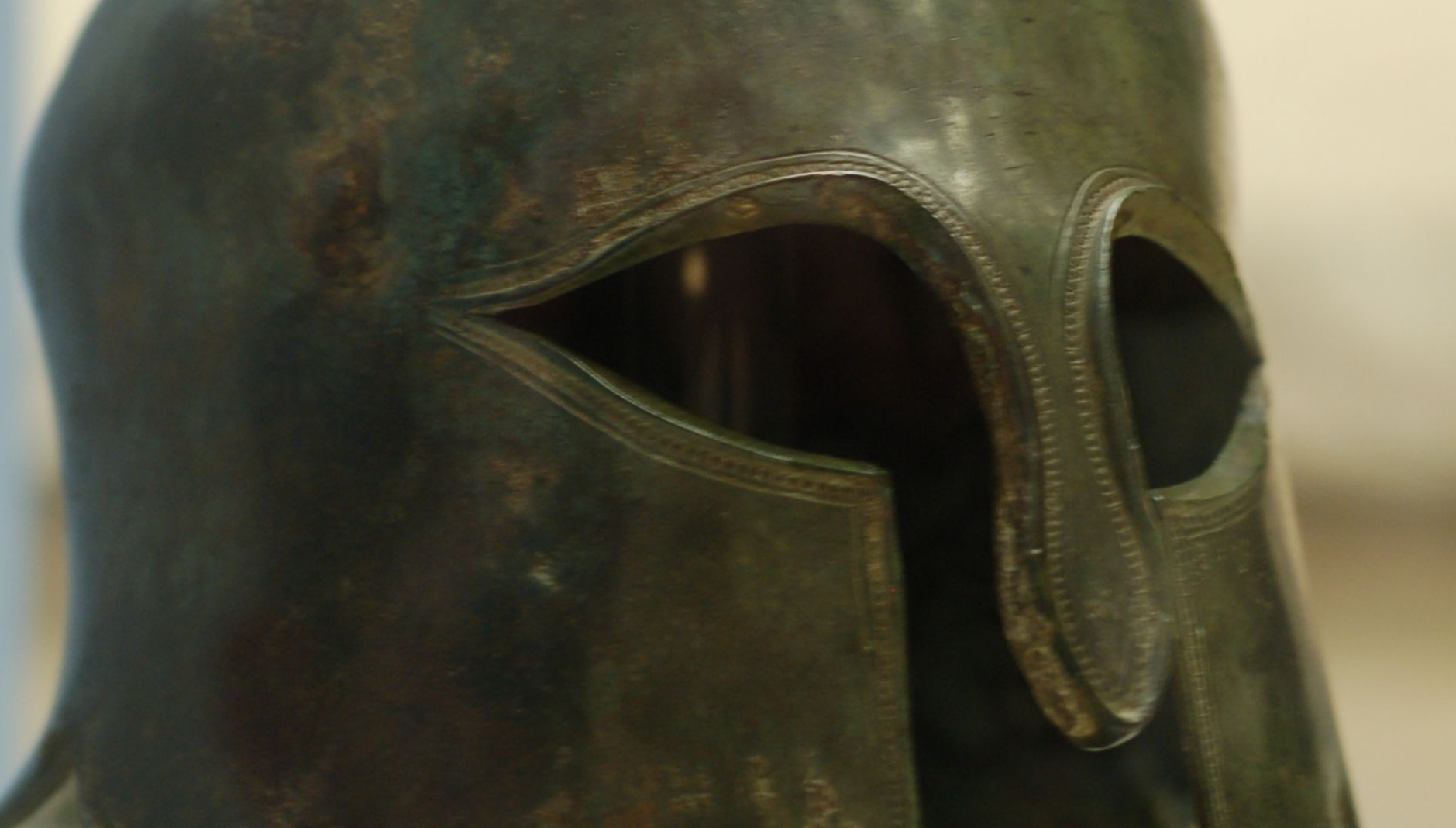
As Sparta’s decline swiftly worsened, another enemy appeared to contest the city-state’s dominance in Greece, this time in the form of its former ally—Thebes. This kicked off another major conflict, but without its previously unmatched army, Sparta didn’t come out on top. Instead, the hostilities ended with a peace treaty, making it abundantly clear that Sparta had fallen into ruin.
This was only the first of Sparta’s embarrassments.
 Universal History Archive, Getty Images
48. They Were Humiliated
The reputation of Sparta continued to dwindle across Greece, as it maintained its losing streak, even against an old rival. Around this time, a unit of about 600 Spartans faced the Athenians again, led by famed general Iphicrates, who emerged victorious and damaged whatever credibility Sparta had left.
Unfortunately for them, a far worse defeat was on the way.
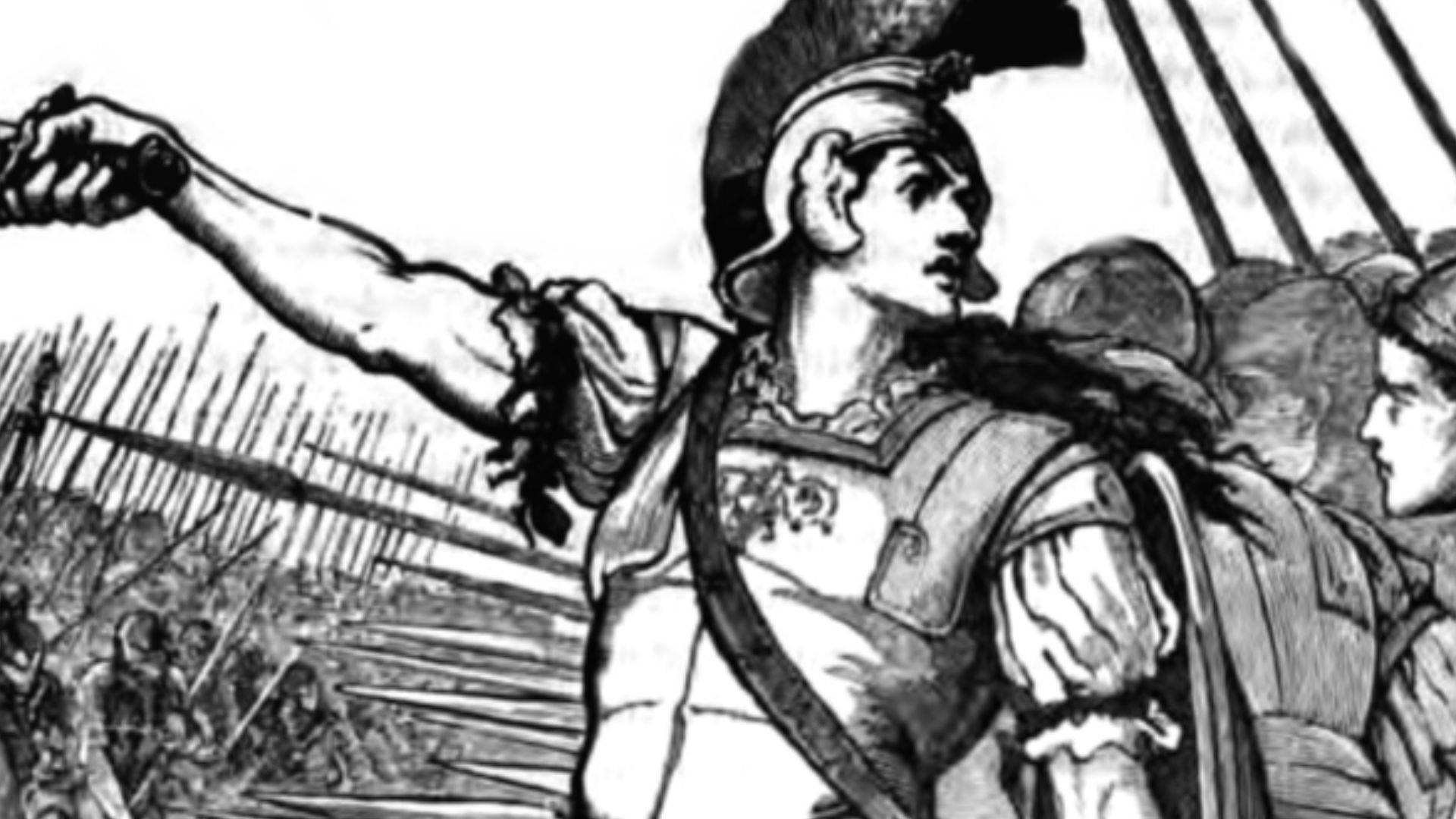 Edmund Ollier Publication date 1882, Wikimedia Commons
49. They Lost Everything
Tensions between Sparta and Thebes ignited again in the early 4th century BCE, and the conflict culminated in 371 with the Battle of Leuctra. Led by the general Epaminondas, the Thebans ultimately wiped the floor with the Spartans, eliminating many of their remaining Spartiates and taking the Messenia region from them.
While this may have been the final straw, Sparta had been on this path for a while.
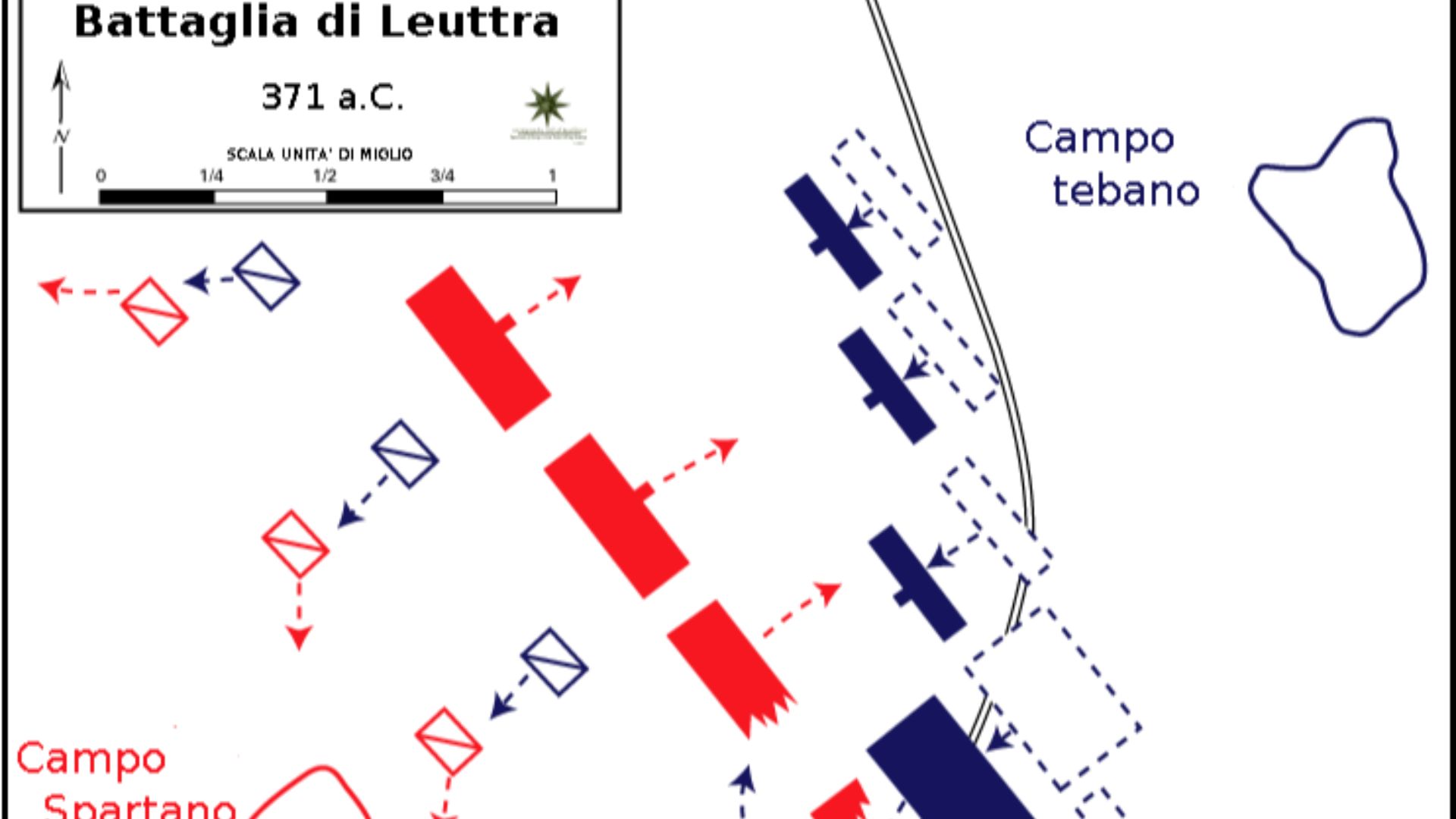 The Department of History, United States Military Academy derivative work: Adert, Wikimedia Commons
50. They Were Narrow-Minded
There’s no doubt that the defeat at the Battle of Leuctra caused Sparta to crumble soon after, but even without these final conflicts, the state would have likely gotten there on its own. This was because, for all the virtues they promoted, Sparta’s resistance to change made it ill-equipped to deal with the mounting societal issues it faced.
But they still managed to get their barbs in, even as they were a shadow of their former glory.
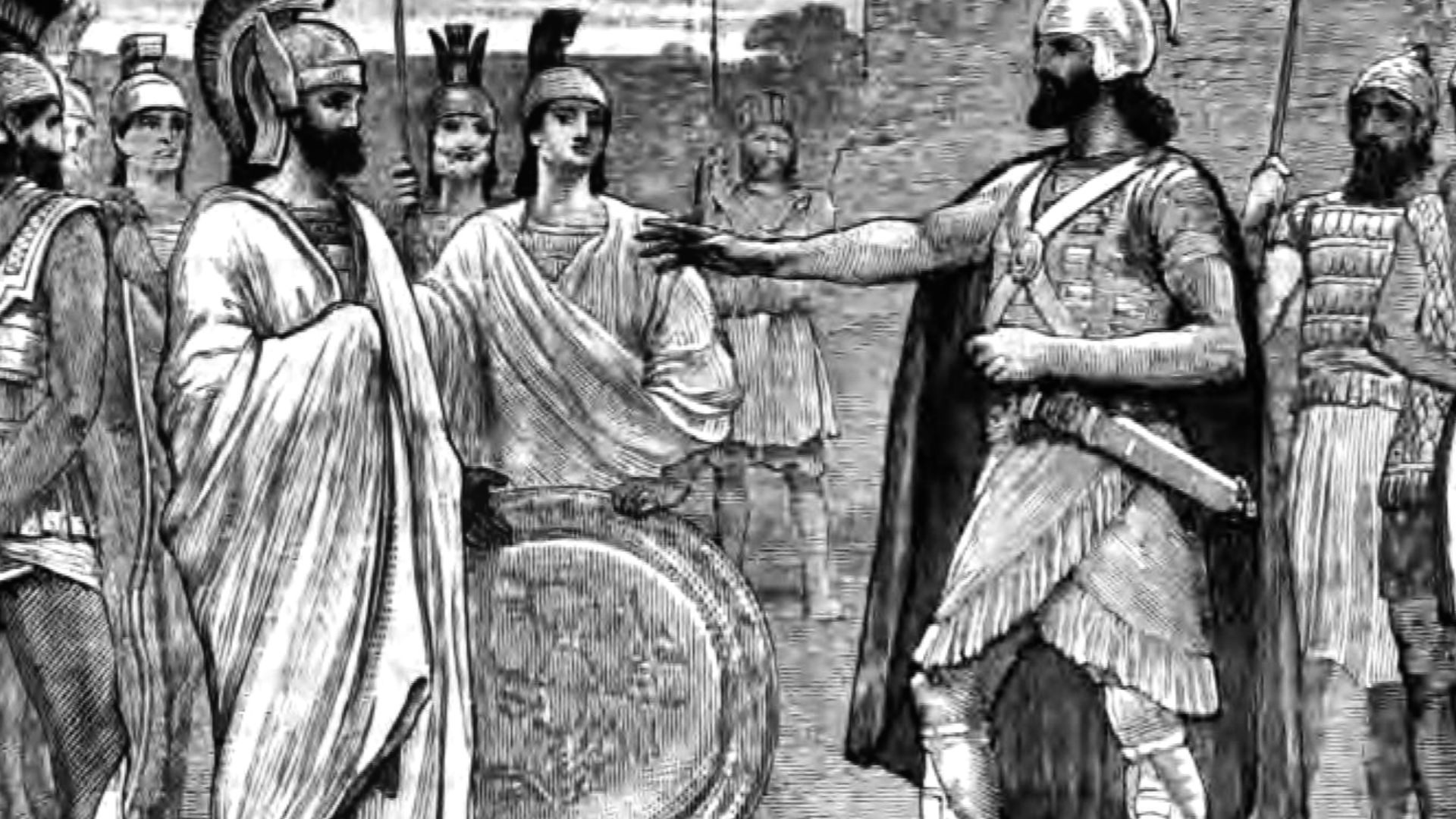 Henry Marriott Paget, Wikimedia Commons
51. They Didn’t Back Down
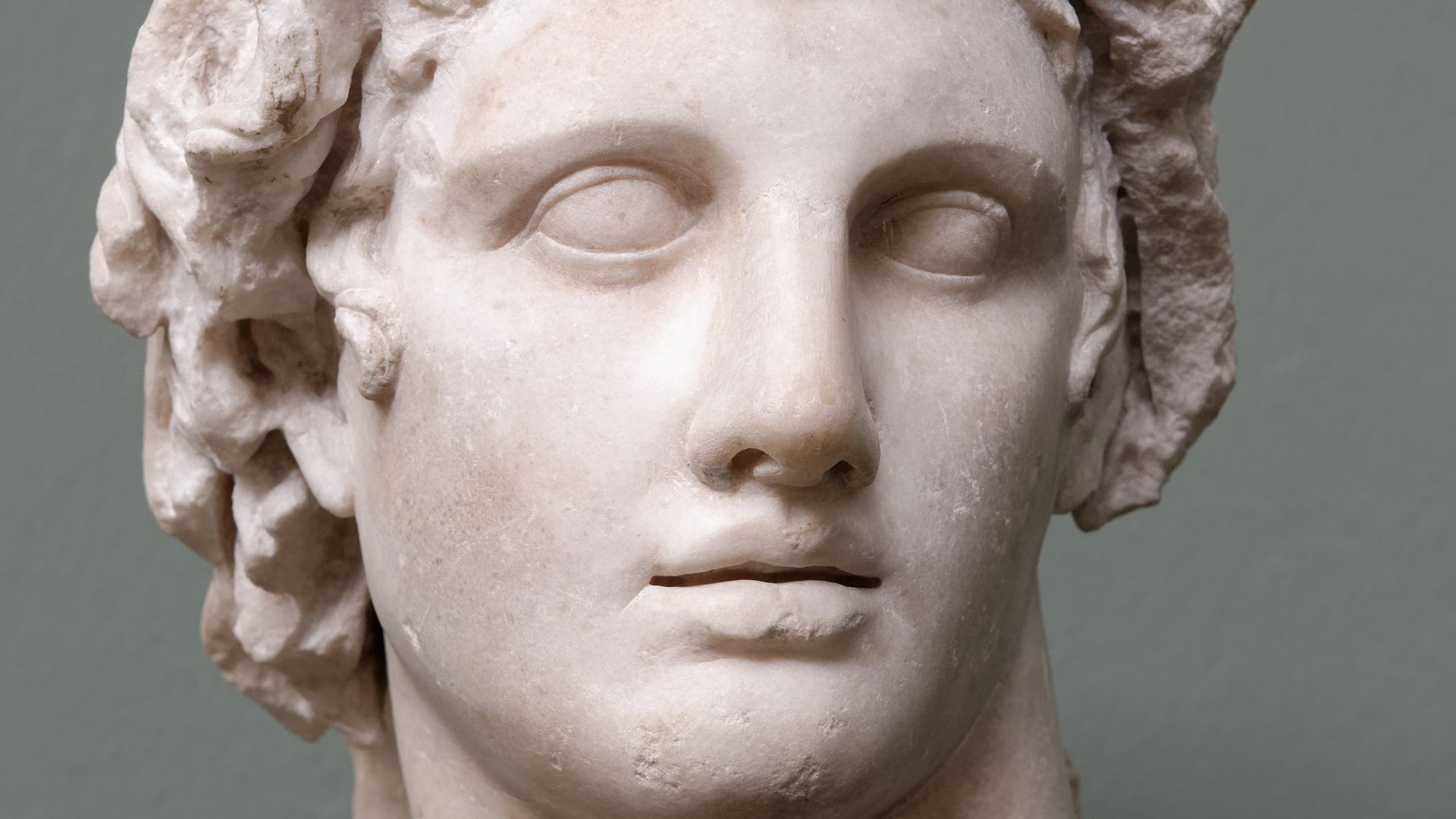
Sparta managed to hold onto a small amount of power for another hundred years or so. However, when Messenia revolted, they failed to hold onto her. From that point on, Sparta began to lose its power and might. Eventually, Alexander the Great overpowered them. Still, even in their decline, the Spartans never forgot who they were. During this final conquest, Alexander's father, King Phillip II of Macedon, sent a warning to Sparta: :If I invade Laconia, I shall turn you out". The Spartans' response? Truly iconic.
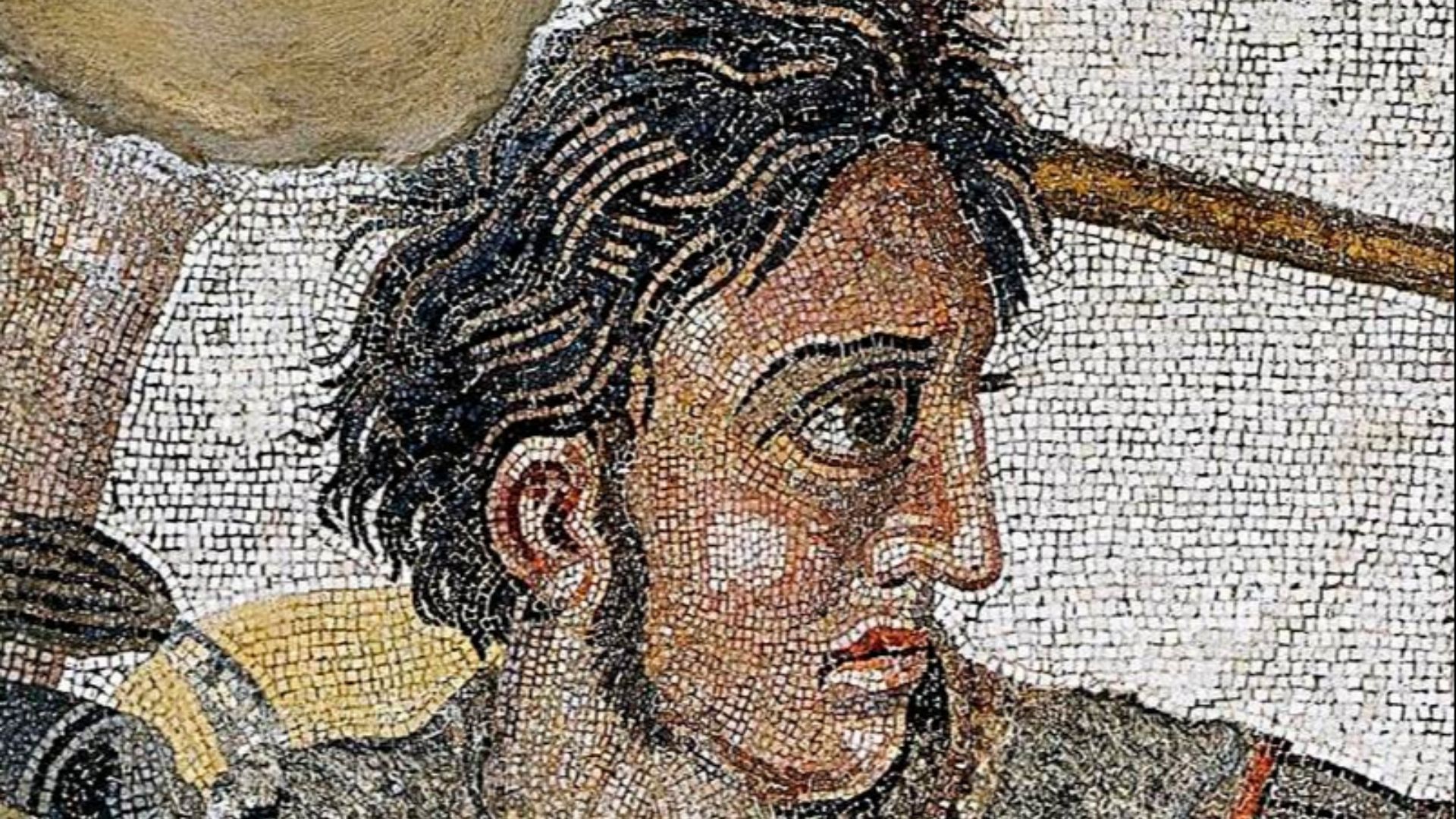 Unknown authorUnknown author, Wikimedia Commons
History's most fascinating stories and darkest secrets, delivered to your inbox daily.
52. They Held On
The Spartans sent their reply with a quickness: "If". In other words, the King needed to bring his best as the Spartans would never take a challenge lying down. Even so, Alexander ultimately forced them to join his League of Corinth. Despite never regaining its former glory, Sparta never forgot its fierce sense of independence. They were Sparta and always would be.
 Marie-Lan Nguyen, Wikimedia Commons
53. They Did It To Themselves
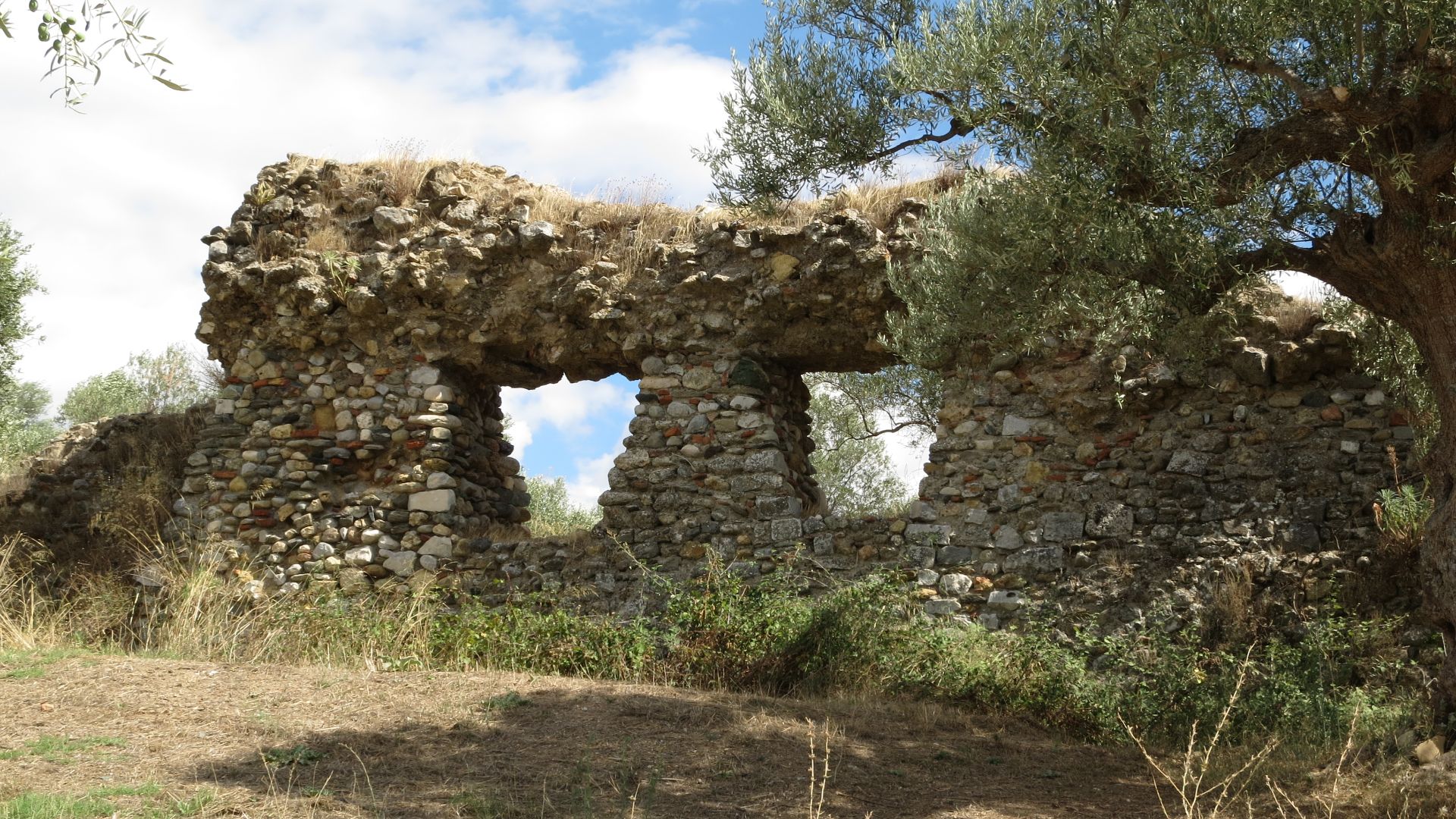
From the beginning of a Spartiate’s life, he received conditioning to remain true to the Spartan way of life, and thus became blind to any others. However, with a whole society full of this type of thinking, the rest of the world embraced innovations and growth, while Sparta was left behind.
In the end, as historians have found, Sparta went from the most powerful force in all of Greece to a ruined state—and had no one to blame but itself.
 StanTravels, Wikimedia Commons
You May Also Like
Brutal Facts About The Punic Wars, Rome’s Turning Point
Insane Facts About Psychological Warfare