A Very Different Public World
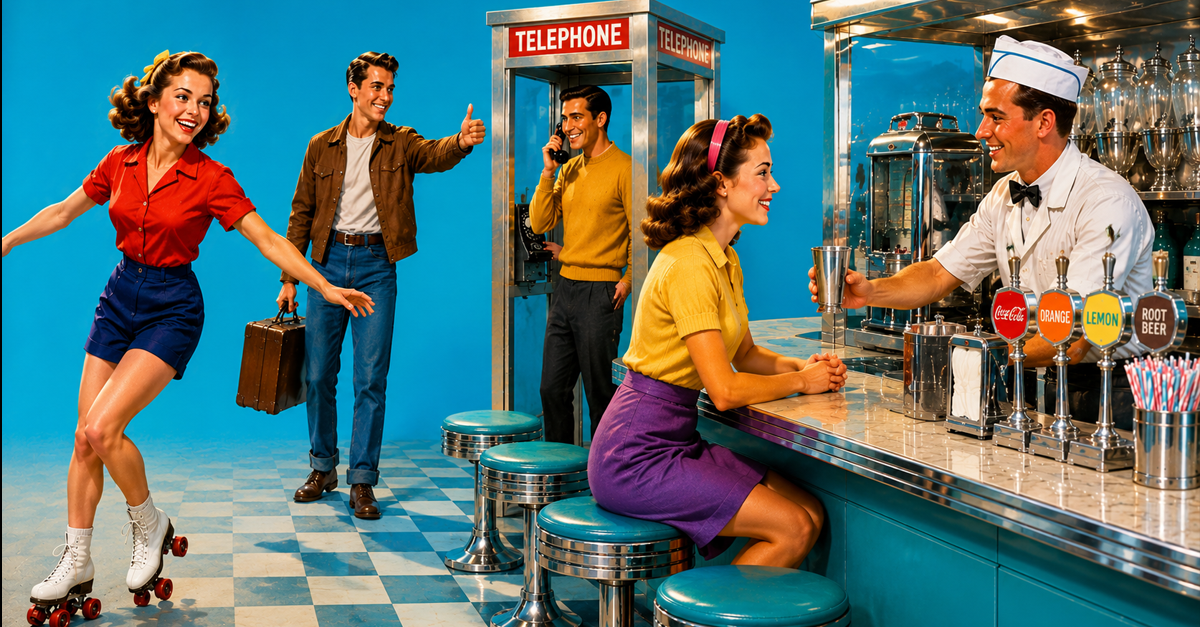
Some things Americans once did in public without a second thought would raise plenty of eyebrows today. From smoking in hospitals to sharing drinking cups with complete strangers, everyday life followed a very different set of social rules not all that long ago. These forgotten customs show just how much attitudes toward health, safety, manners, and personal freedom have changed over the years.
Spit Right On The Floor
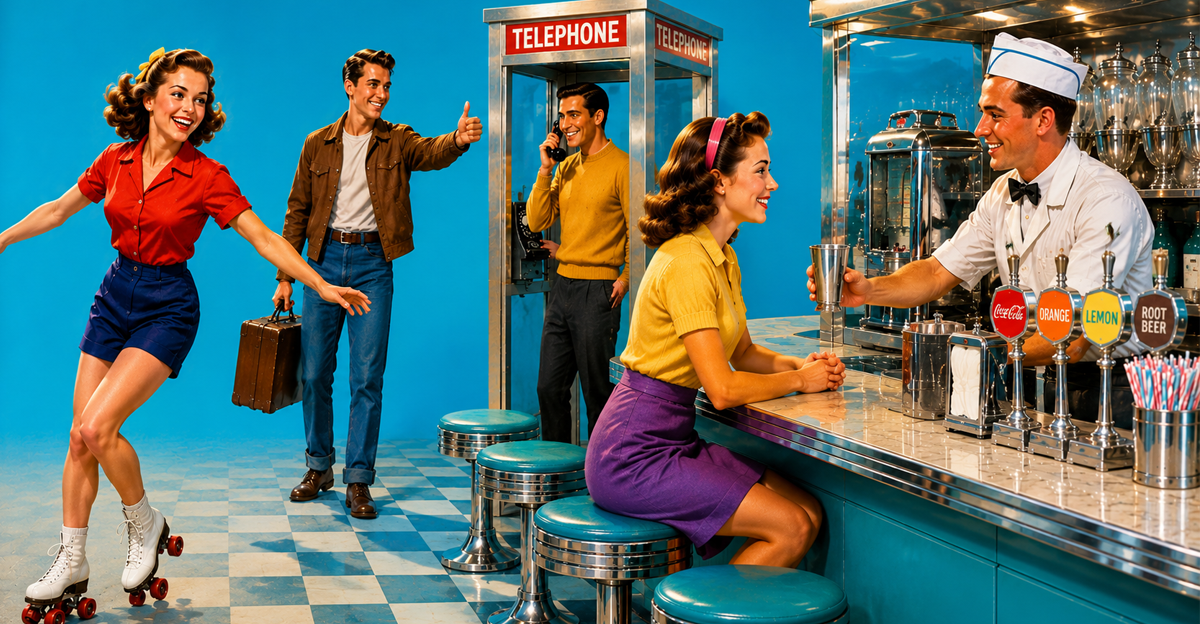
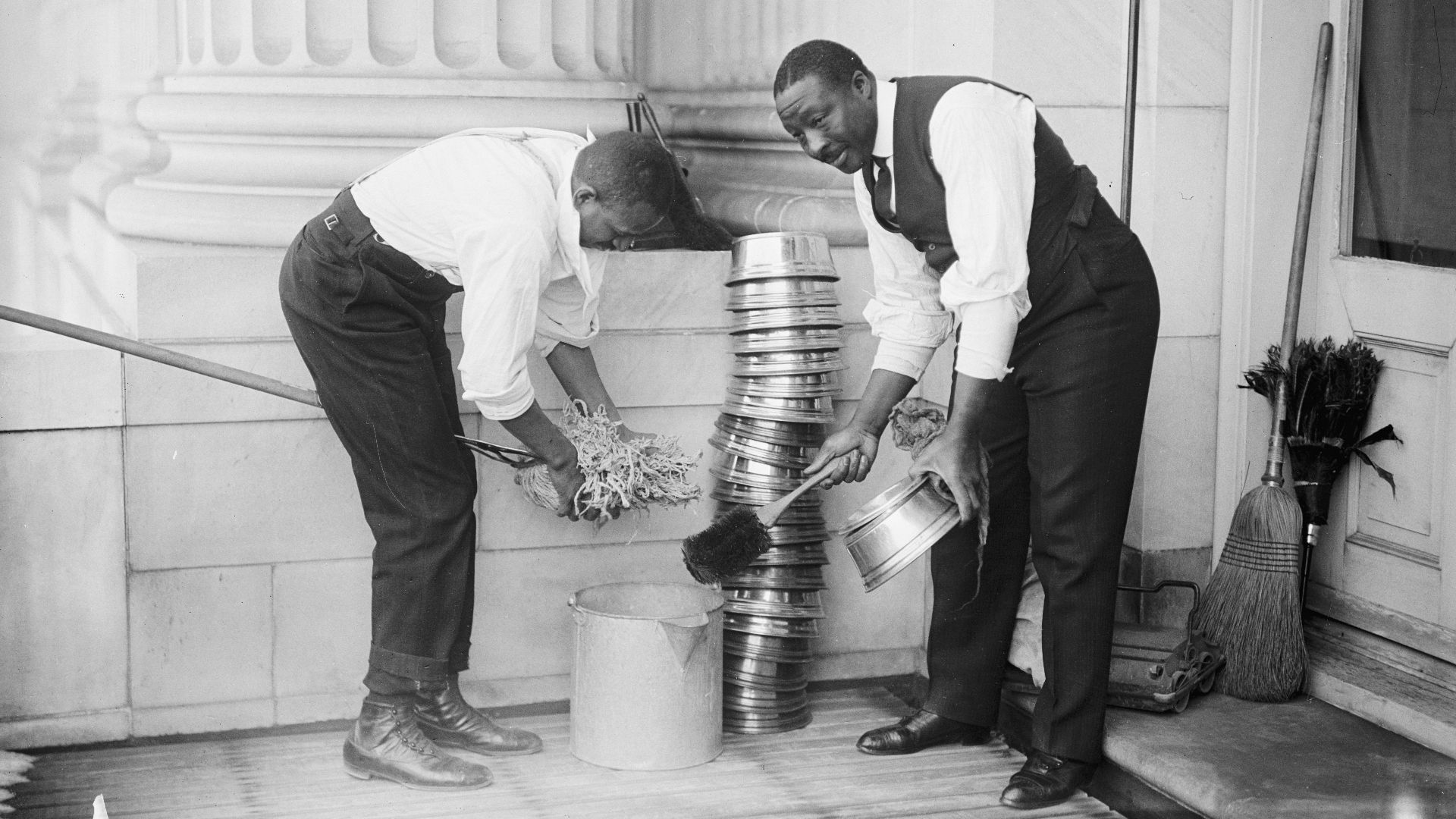
In the late 1800s, spitting in public was so common that saloons, hotels, stores, banks, trains, and even government buildings often kept spittoons nearby. Many men chewed tobacco, and the brass cuspidor was treated as a normal piece of public furniture. The habit only began to fade when public health campaigns linked spit to tuberculosis and other contagious diseases.
 Harris & Ewing, Wikimedia Commons
Share The Same Drinking Cup
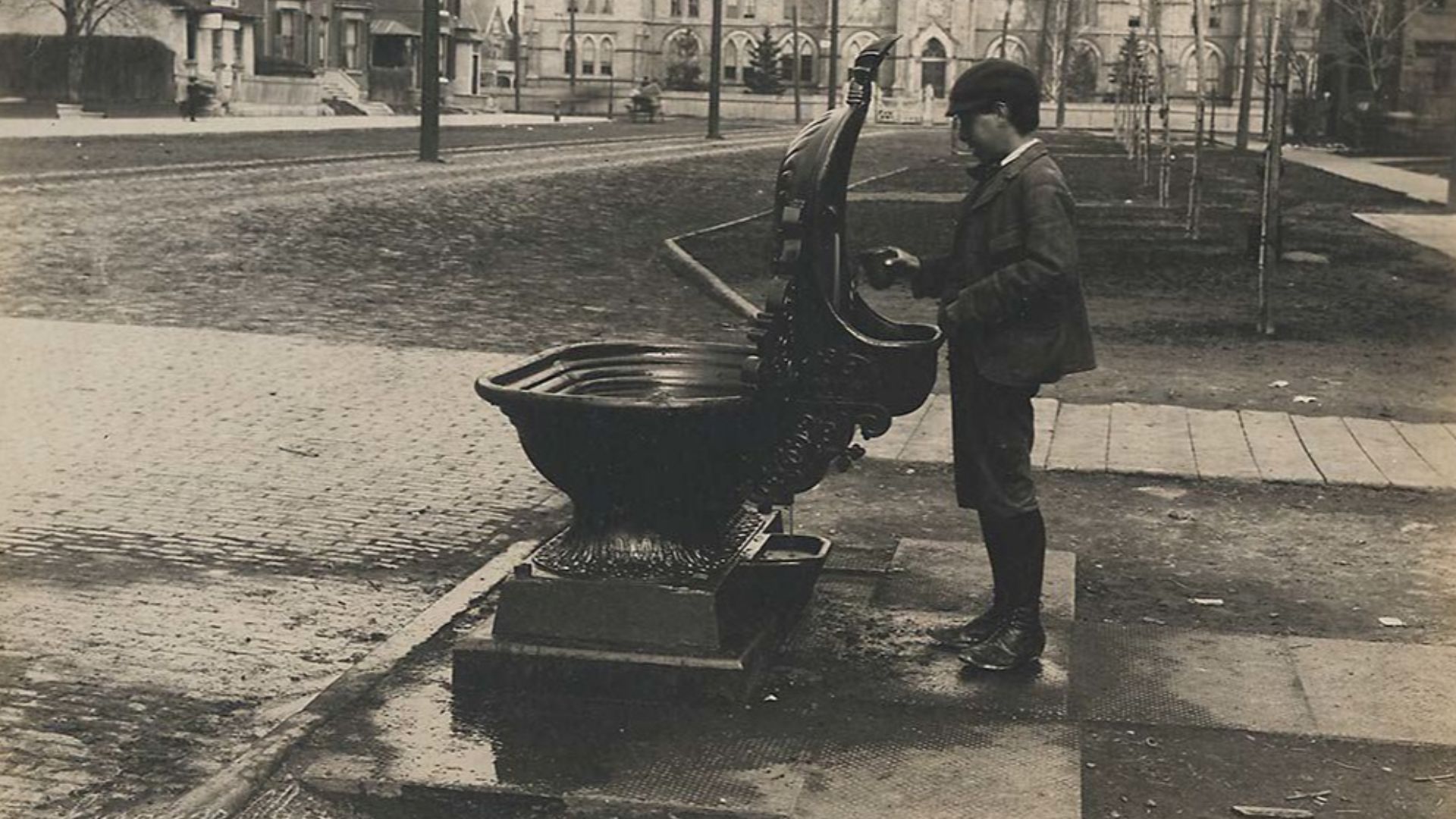
Before disposable cups and modern water fountains, many public places offered one communal cup or dipper for everyone. People used it at schools, railroad stations, public buildings, and trains without thinking much about germs. By the early 1900s, public health officials began banning the common cup because it could spread disease.
 F. W. Micklethwaite, Wikimedia Commons
Smoke Almost Anywhere
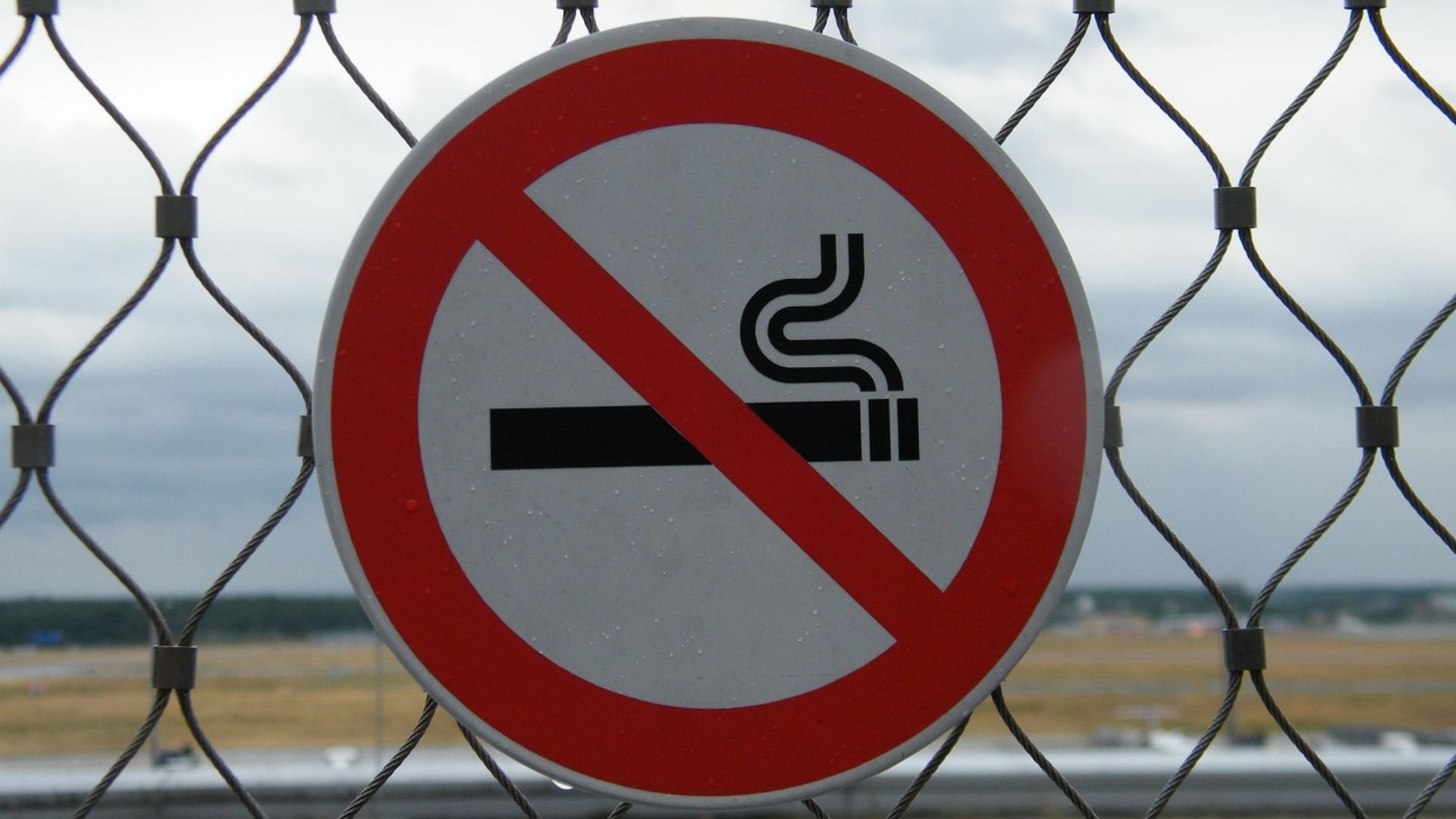
For much of the 20th century, Americans smoked in restaurants, offices, hotels, hospitals, and airplanes. The question “smoking or nonsmoking?” was once a normal part of being seated for dinner or boarding a flight. Indoor smoking bans spread slowly, and smoking was not banned on all domestic U.S. flights until 1990.

History's most fascinating stories and darkest secrets, delivered to your inbox daily.
Treat Women Smoking As A Scandal
In the early 1900s, women smoking in public could still be treated as shocking or improper. That taboo was strong enough that Edward Bernays staged the 1929 “Torches of Freedom” publicity stunt, in which women smoked cigarettes during New York’s Easter parade. The stunt helped turn public smoking by women into a symbol of modern independence, even though it was also a tobacco marketing campaign.
Wear Hats Like Social Armor
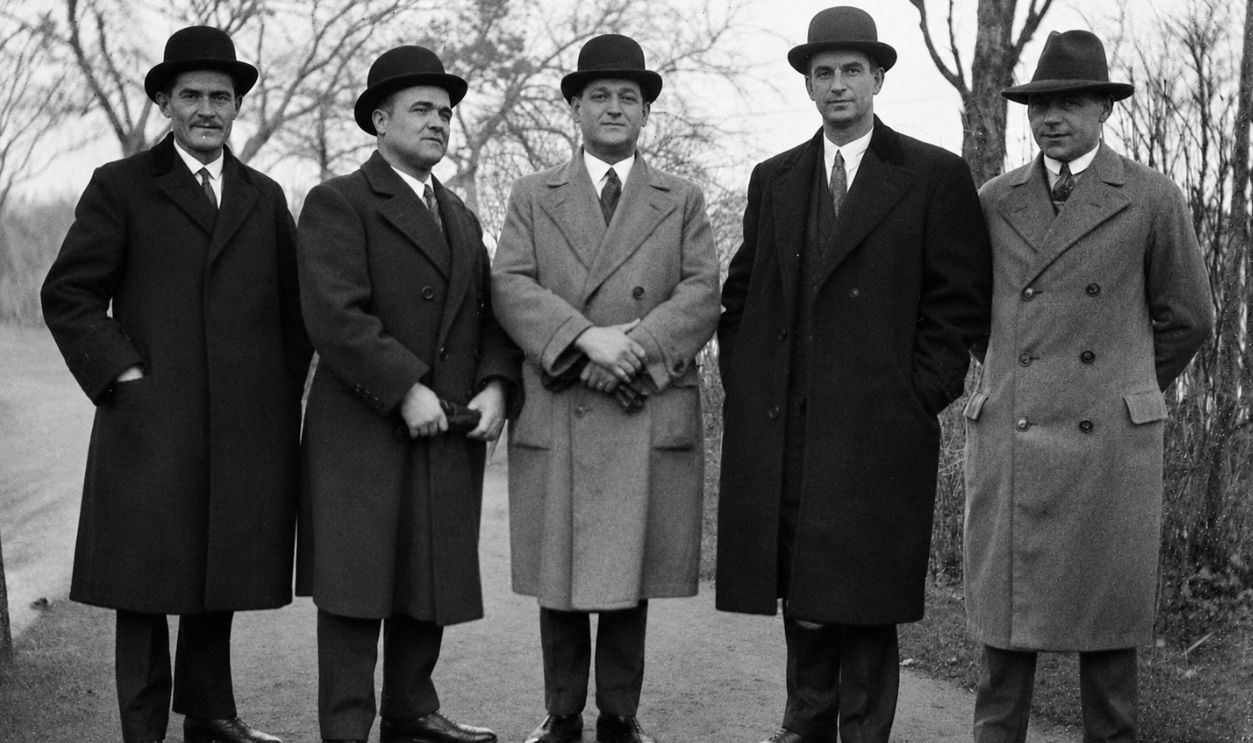
In the 19th and early 20th centuries, a man appearing in public without a hat could seem oddly unfinished. Hats carried signals about class, occupation, season, and manners, and hat-tipping was part of public etiquette. New York’s 1922 Straw Hat Riot showed how seriously some people took the rule that straw hats should disappear after summer.
Get Measured By Bathing Suit Police
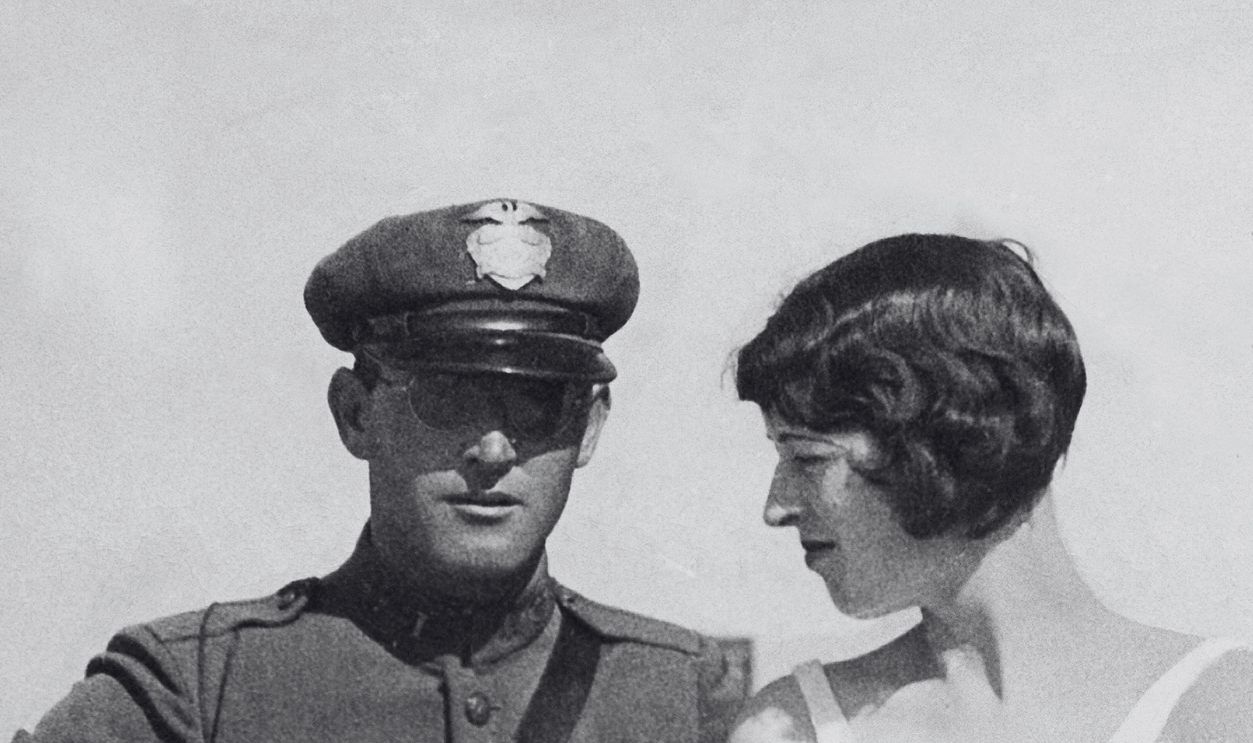
In the 1910s and 1920s, some American beaches enforced strict rules about women’s bathing suits. Police and beach officials measured how far swimsuits rose above the knee, and women could be cited or arrested for outfits that look modest today. The controversy shows how much public standards about bodies, beaches, and gender have changed.
 ullstein bild Dtl., Getty Images
Use Racially Segregated Facilities
For generations, Jim Crow laws and customs forced Black Americans and white Americans into separate public spaces. Segregated water fountains, restrooms, bus stations, schools, and waiting rooms were common in many parts of the country. The signs themselves were public reminders of a legal and social system built on racial discrimination.
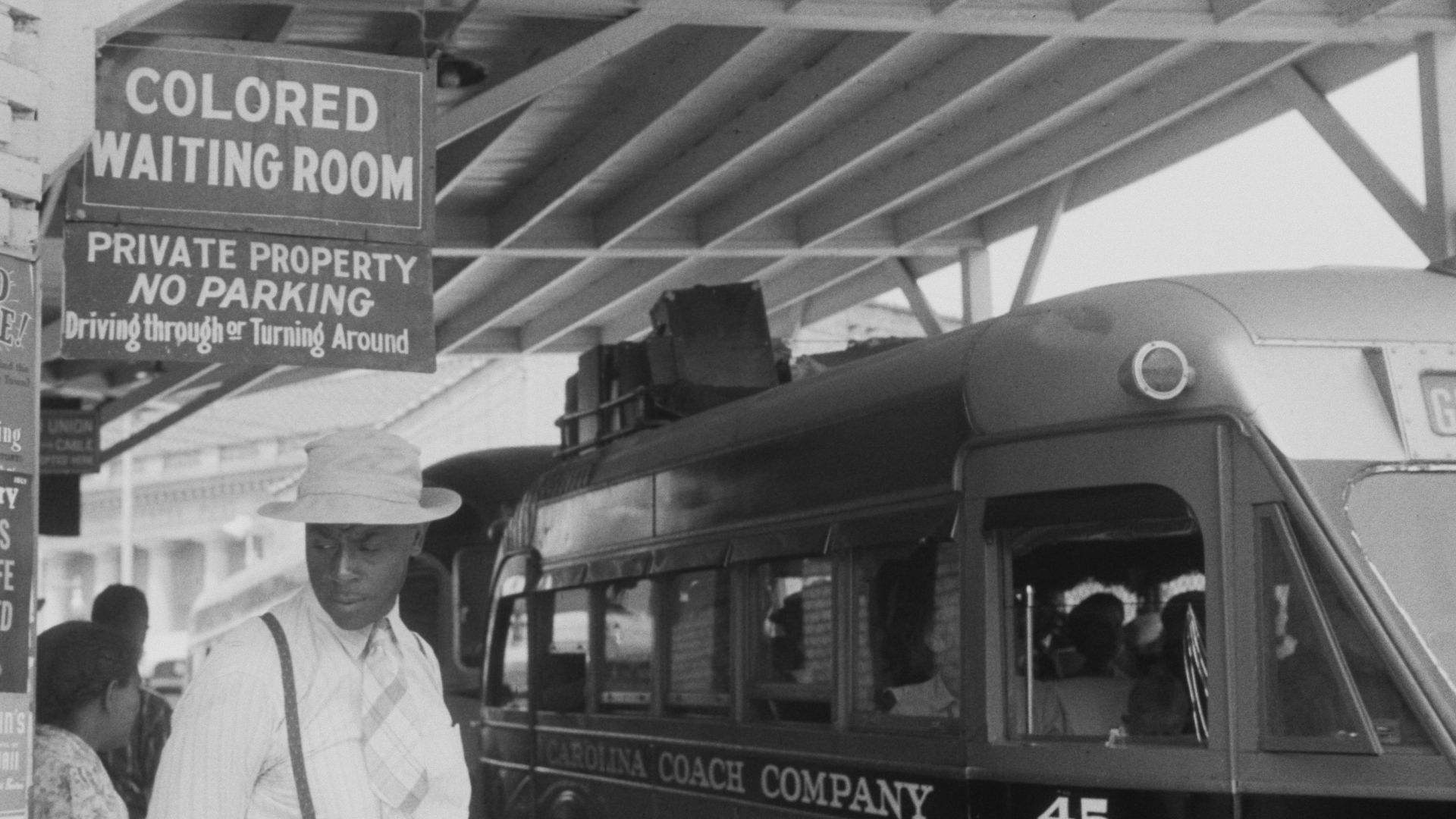 Jack Delano, Wikimedia Commons
Attend Public Executions
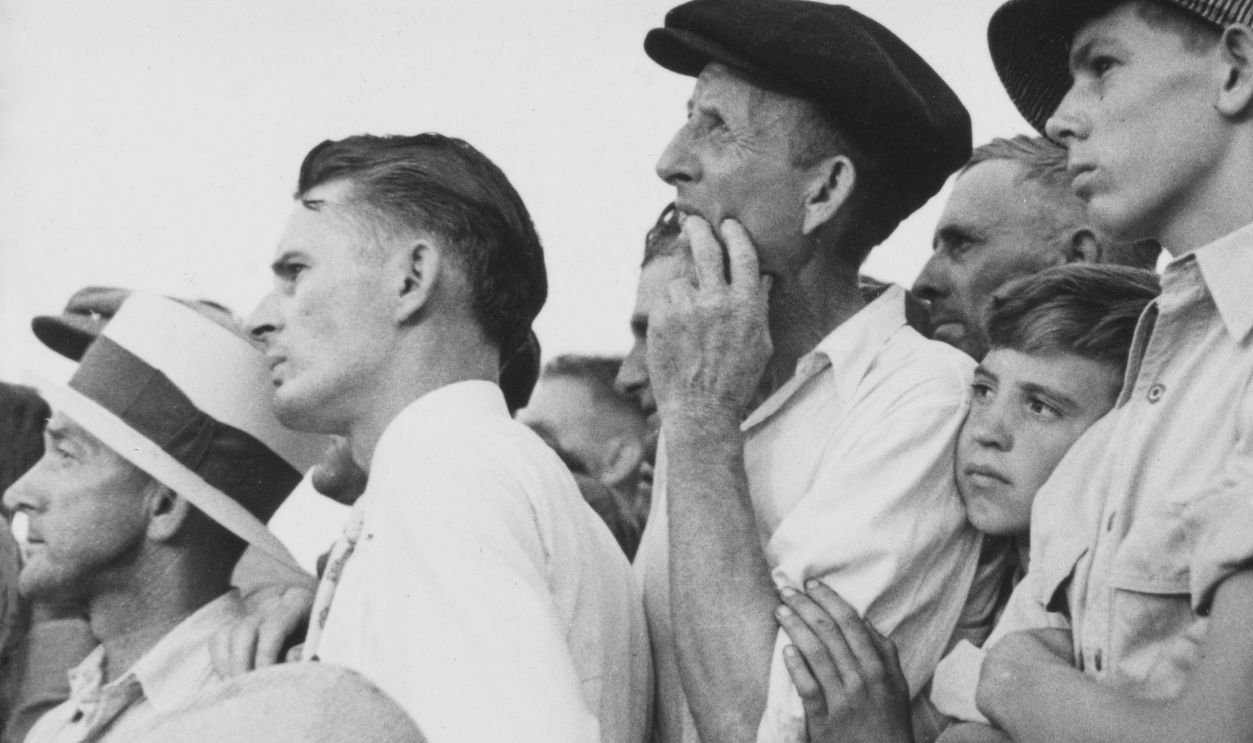
Public executions once drew crowds in the United States. The 1936 hanging of Rainey Bethea in Owensboro, Kentucky, is widely remembered as the country’s last public execution. Thousands reportedly gathered, and the ugly spectacle helped push executions further behind prison walls.
Hitchhike Like It Was Normal Travel
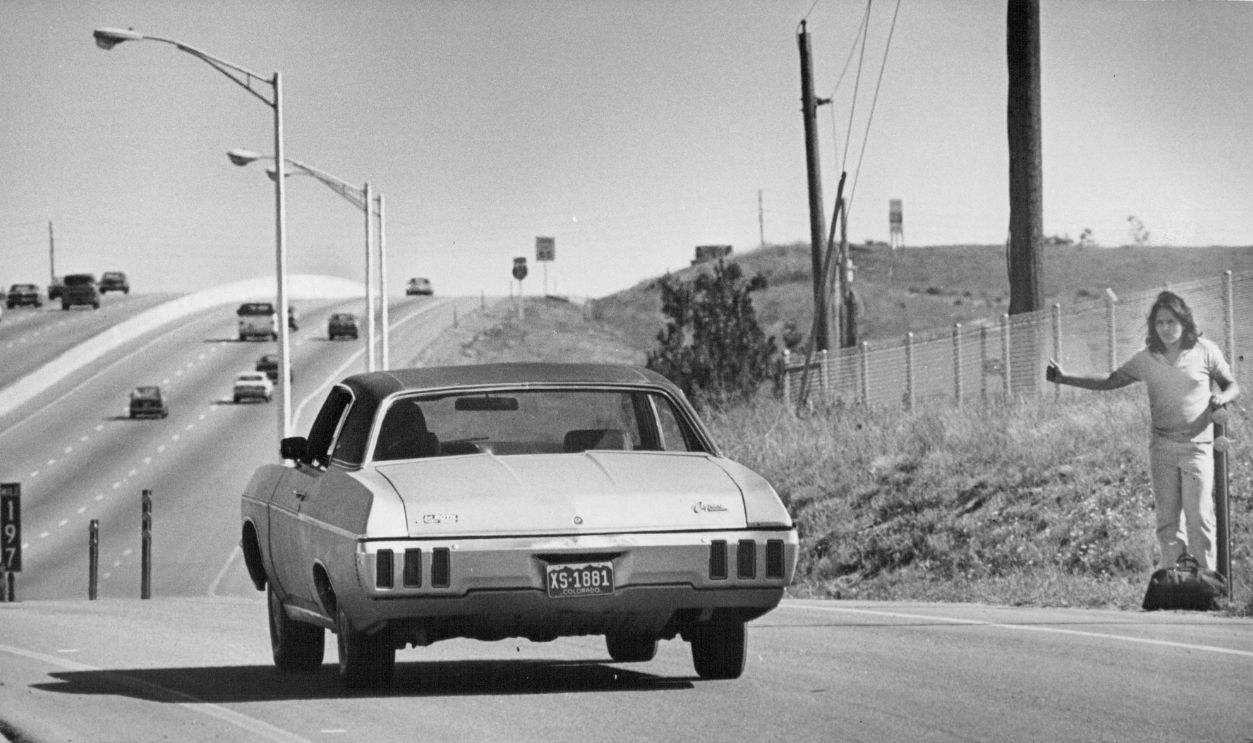
For decades, Americans stood along roads with their thumbs out and accepted rides from strangers. Hitchhiking was especially common during the Great Depression and again during the 1960s and 1970s. Later safety warnings, stricter laws, and changing attitudes made the practice feel much riskier and less ordinary.
History's most fascinating stories and darkest secrets, delivered to your inbox daily.
Send Children Out To Sell Newspapers
Newsboys and newsgirls were once a familiar sight in American cities. Children hawked papers on sidewalks, worked late hours, and shouted headlines to passing crowds. Reformers eventually criticized the trade because it exposed children to long hours, bad weather, exploitation, and street danger.
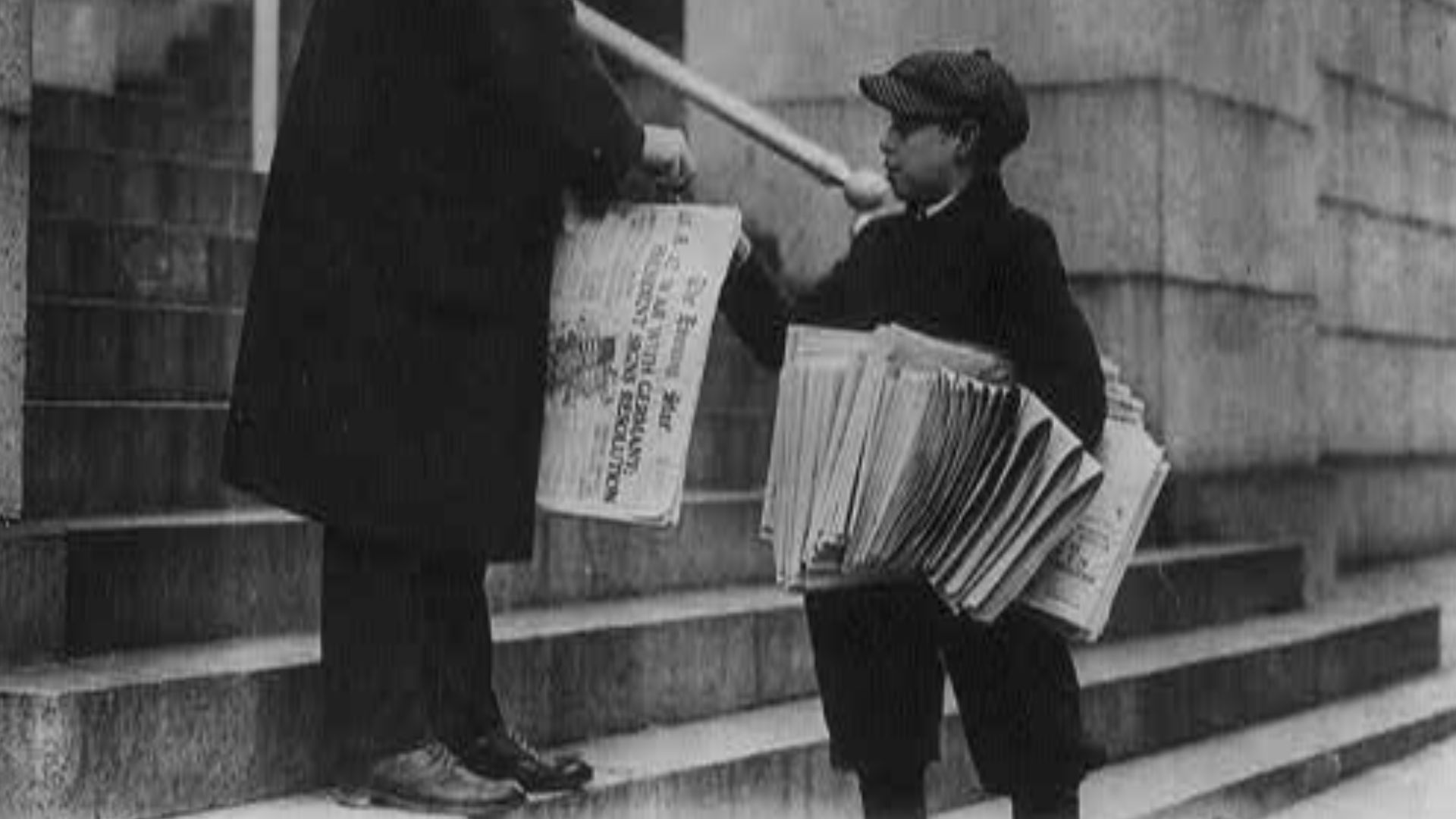 National Photo Company, Wikimedia Commons
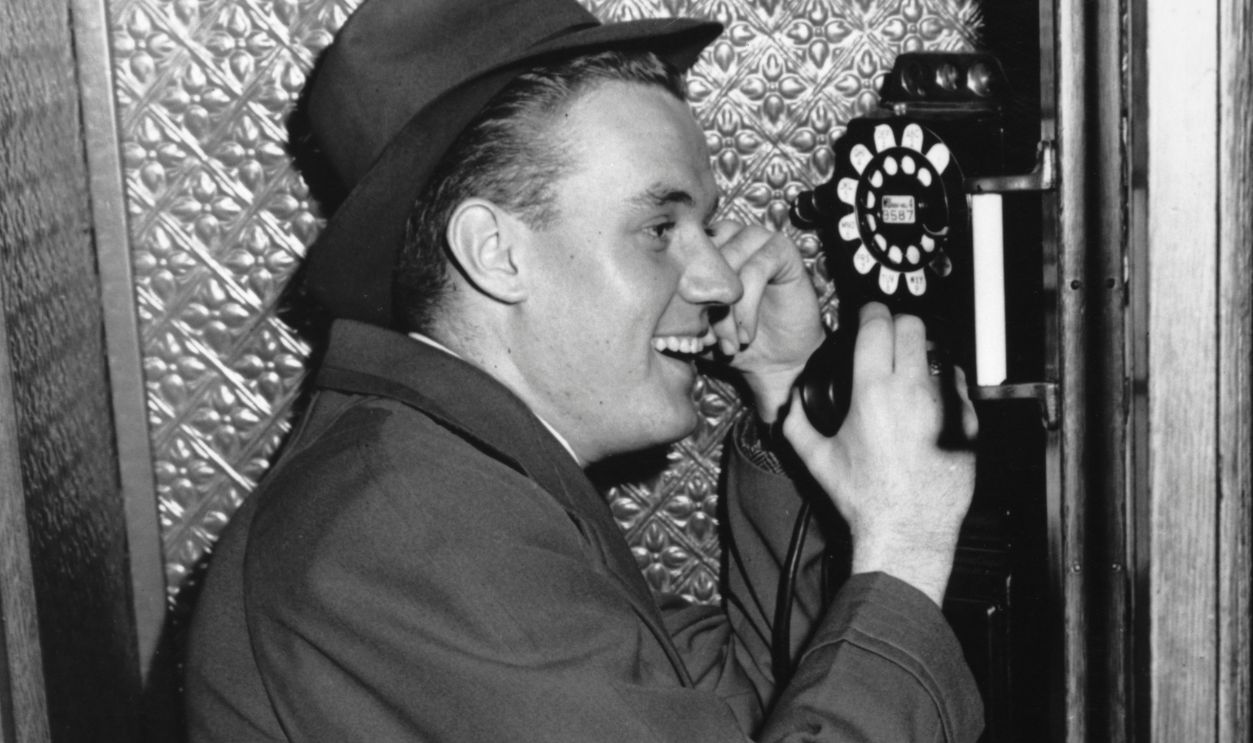
Make Calls From A Public Booth
Before cellphones, public payphones were essential urban infrastructure. By 1902, the United States already had tens of thousands of public telephones in places like drugstores and train stations. A private call in a glass booth once felt modern, but today it feels like a museum scene.
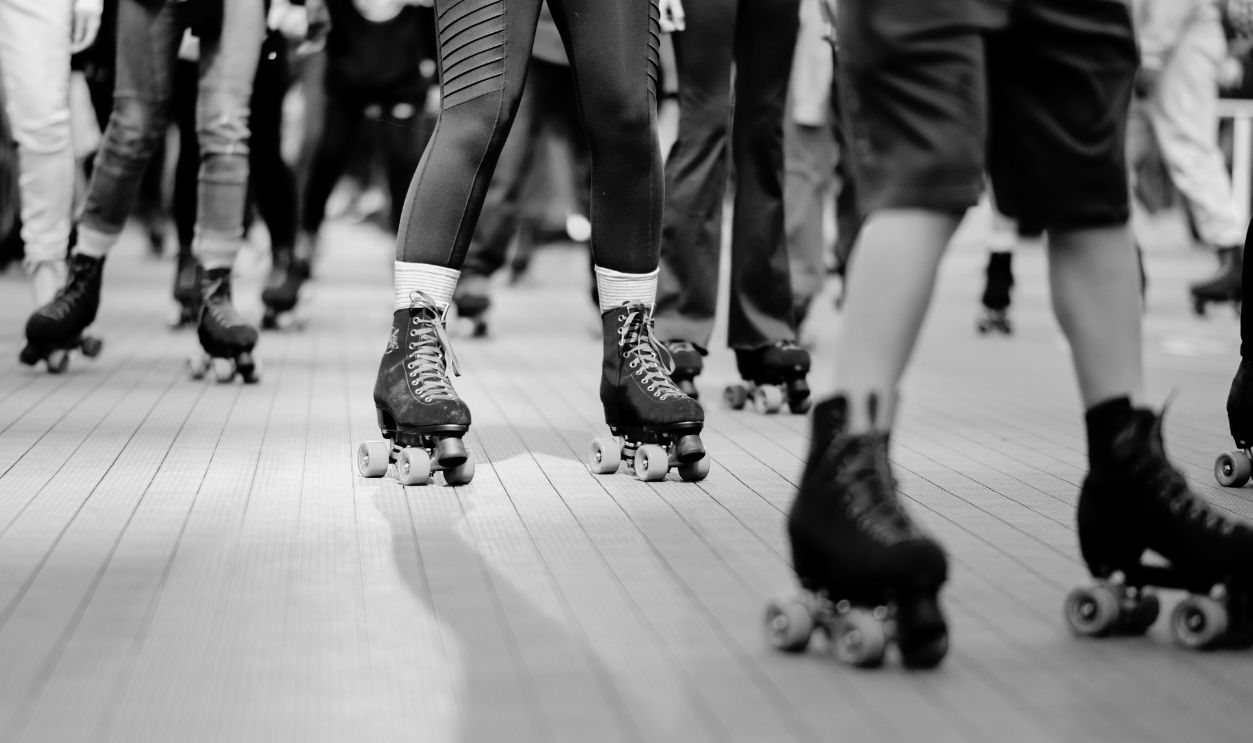
Crowd Into Roller Rinks
A roller-skating craze swept the United States in the 1880s, and public rinks appeared in towns large and small. Supporters called skating healthy amusement, while critics warned that rinks encouraged loose behavior. The same activity that later became nostalgic family fun once set off moral arguments in local communities.
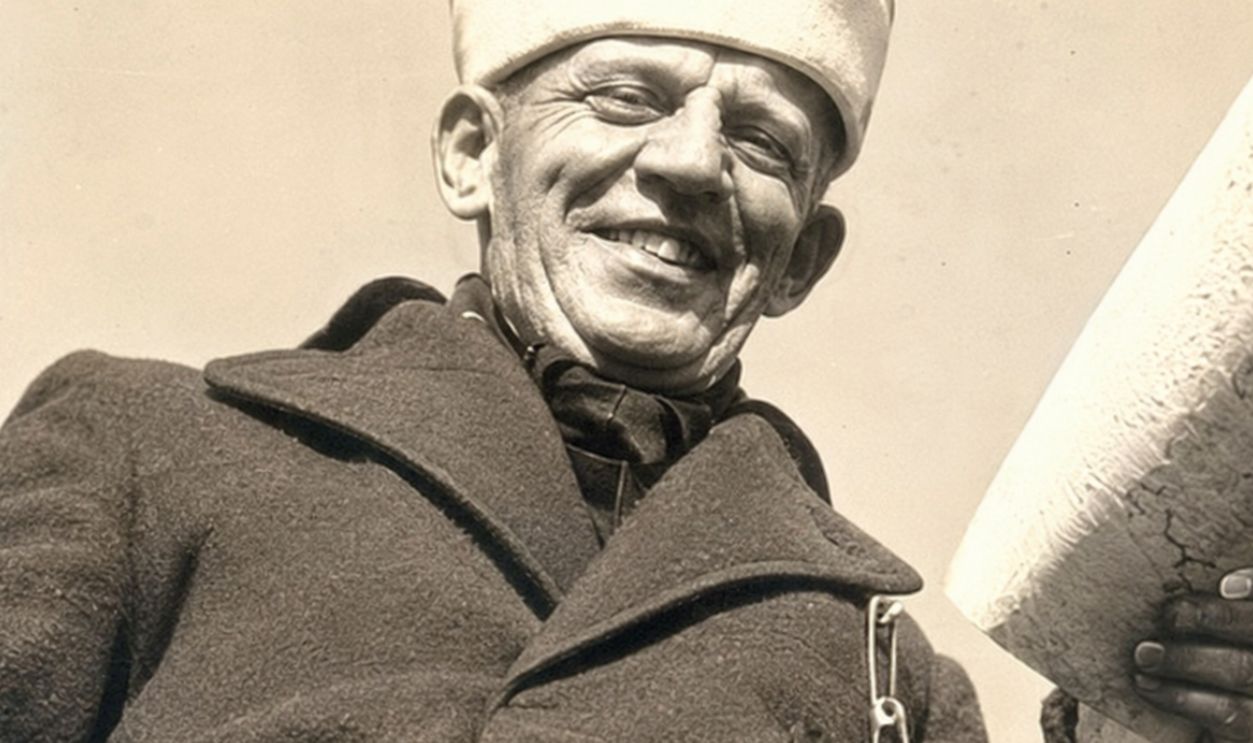
Watch People Sit On Flagpoles
In the 1920s, Americans gathered to watch stunt performers perch on flagpoles for days or weeks. Alvin “Shipwreck” Kelly helped popularize the fad and turned endurance sitting into paid public entertainment. It sounds bizarre now, but crowds treated it like a thrilling test of nerve and stamina.
 Unknown author, Wikimedia Commons, Modified
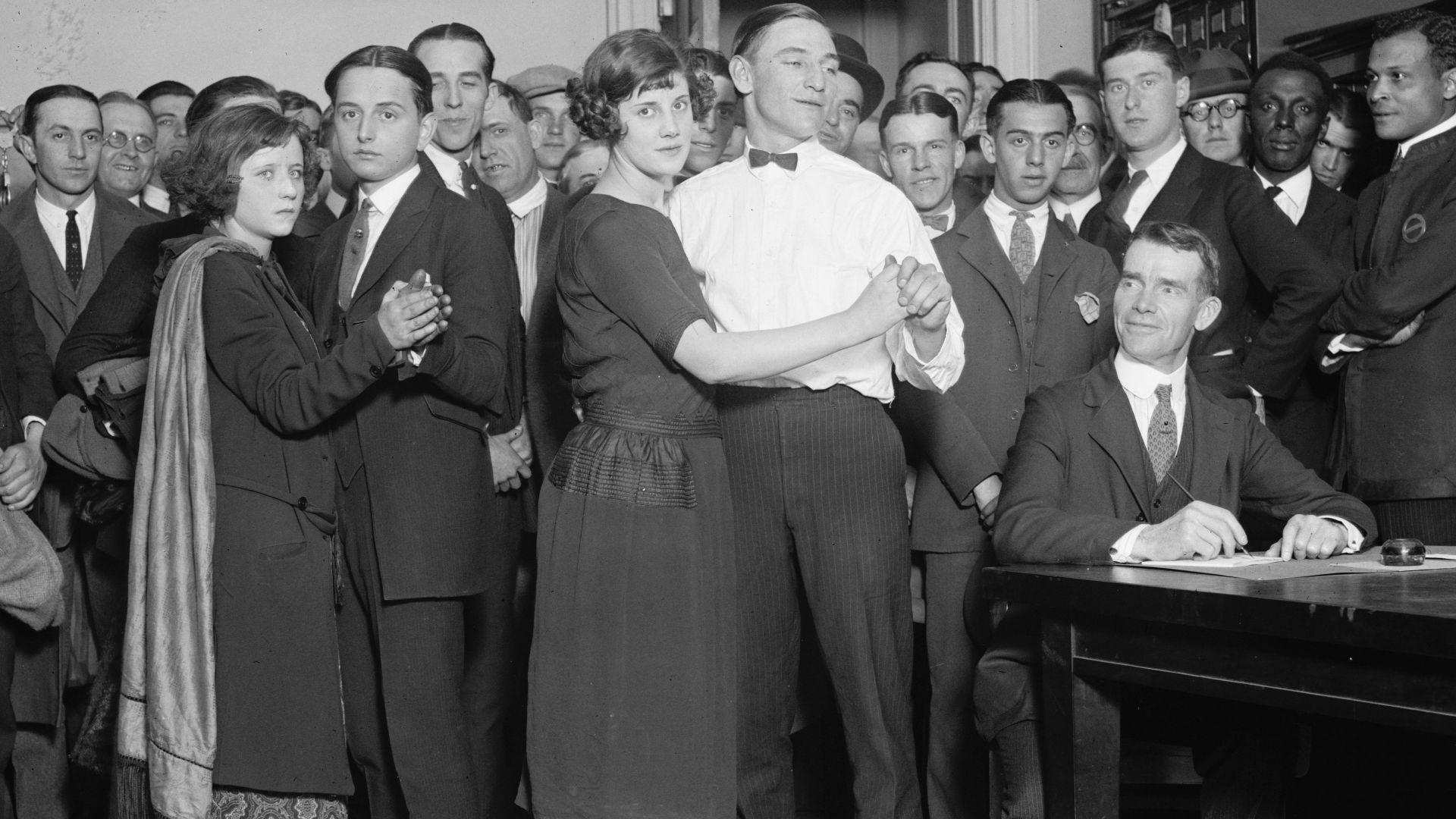
Pay To Watch Dance Marathons
Dance marathons of the 1920s and 1930s drew audiences who watched couples dance for hundreds of hours. Contestants competed for cash prizes, food, shelter, and attention during a period of intense economic stress. The events mixed entertainment with exhaustion in a way that would look disturbing to many modern viewers.
 National Photo Company Collection, Wikimedia Commons
Fight Off Street Harassers With Hatpins
Women in the late 19th and early 20th centuries often dealt with “mashers,” a term for men who harassed women in public. Some women used long hatpins to defend themselves from gropers and street harassers. The hatpin became both a fashion accessory and a symbol of women pushing back against unsafe public behavior.
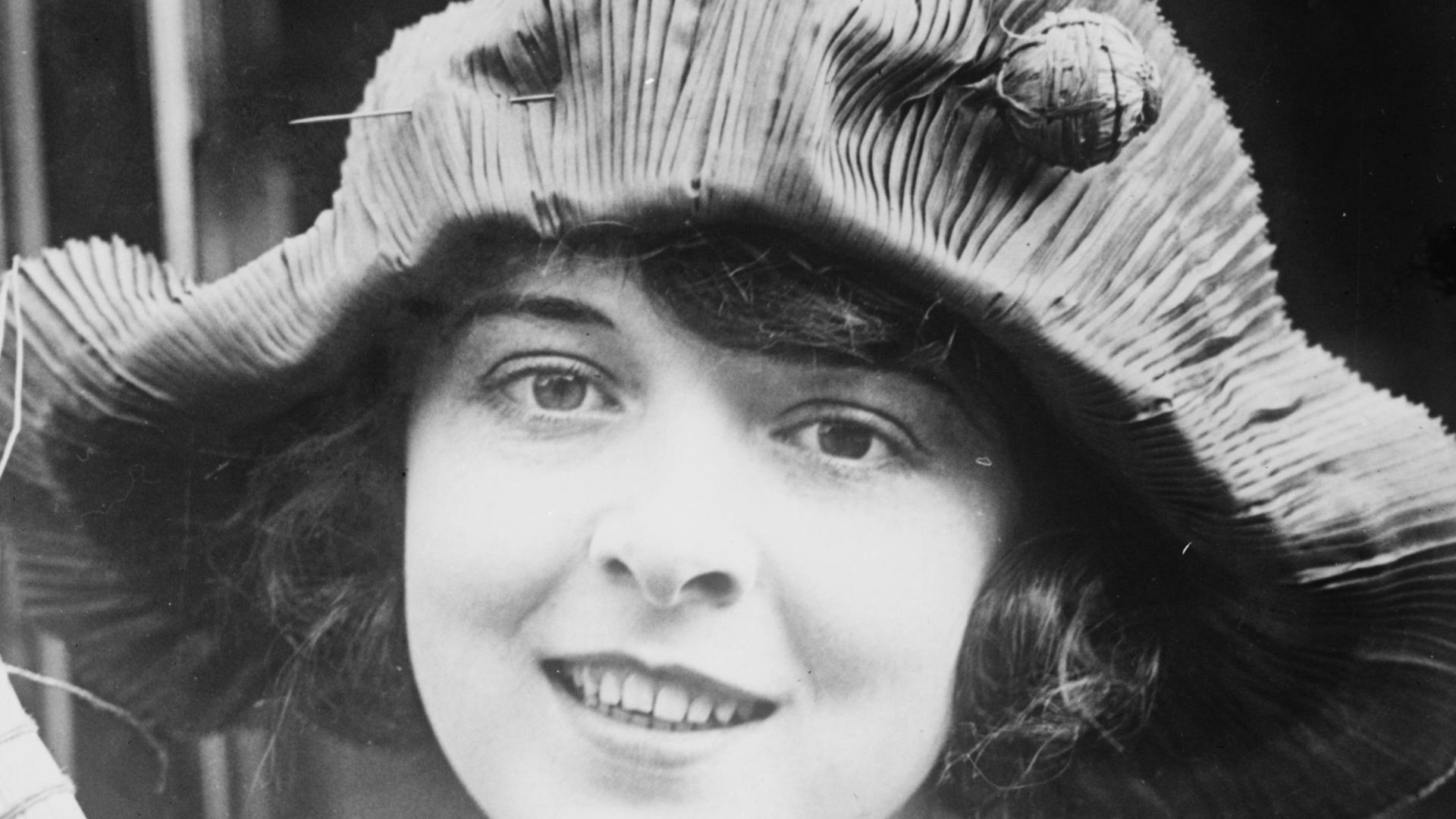 Bain News Service, Wikimedia Commons
History's most fascinating stories and darkest secrets, delivered to your inbox daily.
Drink Through A Long Business Lunch
The “three-martini lunch” became shorthand for a boozy midday business meal. It was especially associated with lawyers, executives, politicians, and advertising men in the mid-20th century. Today, returning to the office after several cocktails would be a quick route to a serious HR conversation.
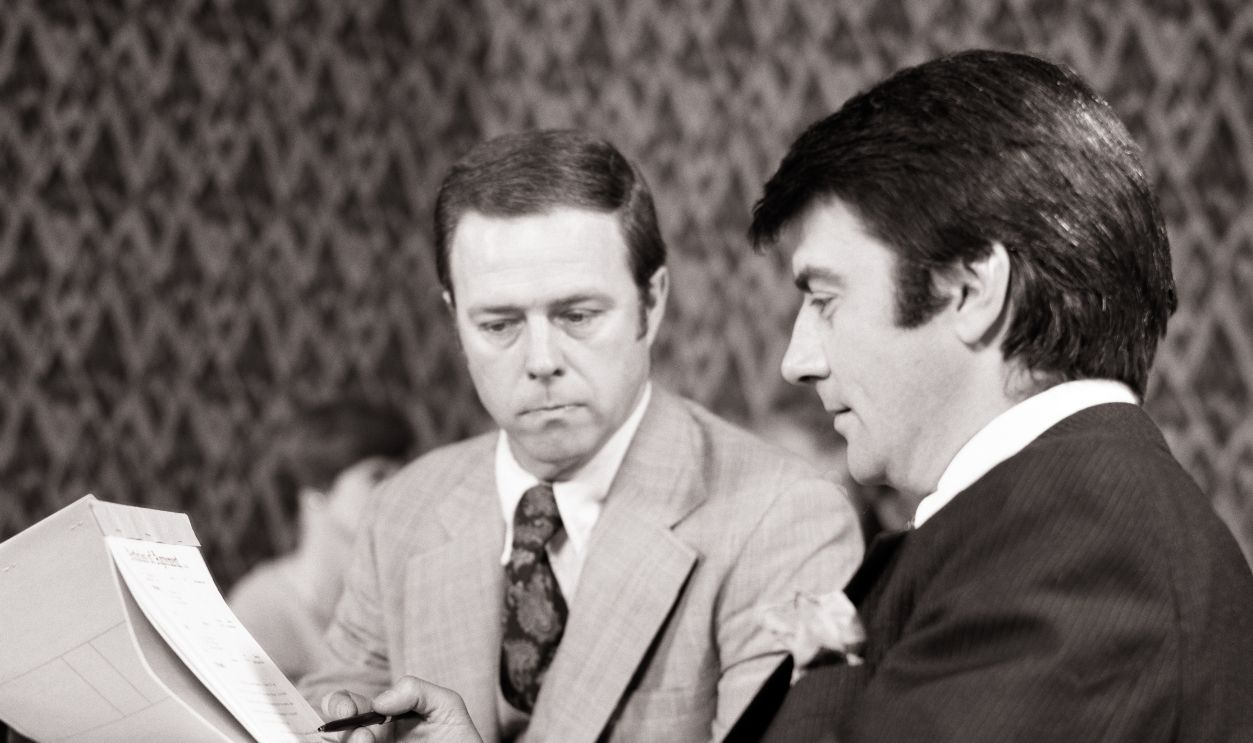 H. Armstrong Roberts/ClassicStock, Getty Images
Walk Streets Full Of Horse Manure
Before cars dominated American streets, horses powered delivery wagons, streetcars, cabs, and freight hauling. Big cities had to deal with enormous piles of manure and urine in public streets. New York officials once recorded hundreds of tons of horse manure collected from streets in a single day.
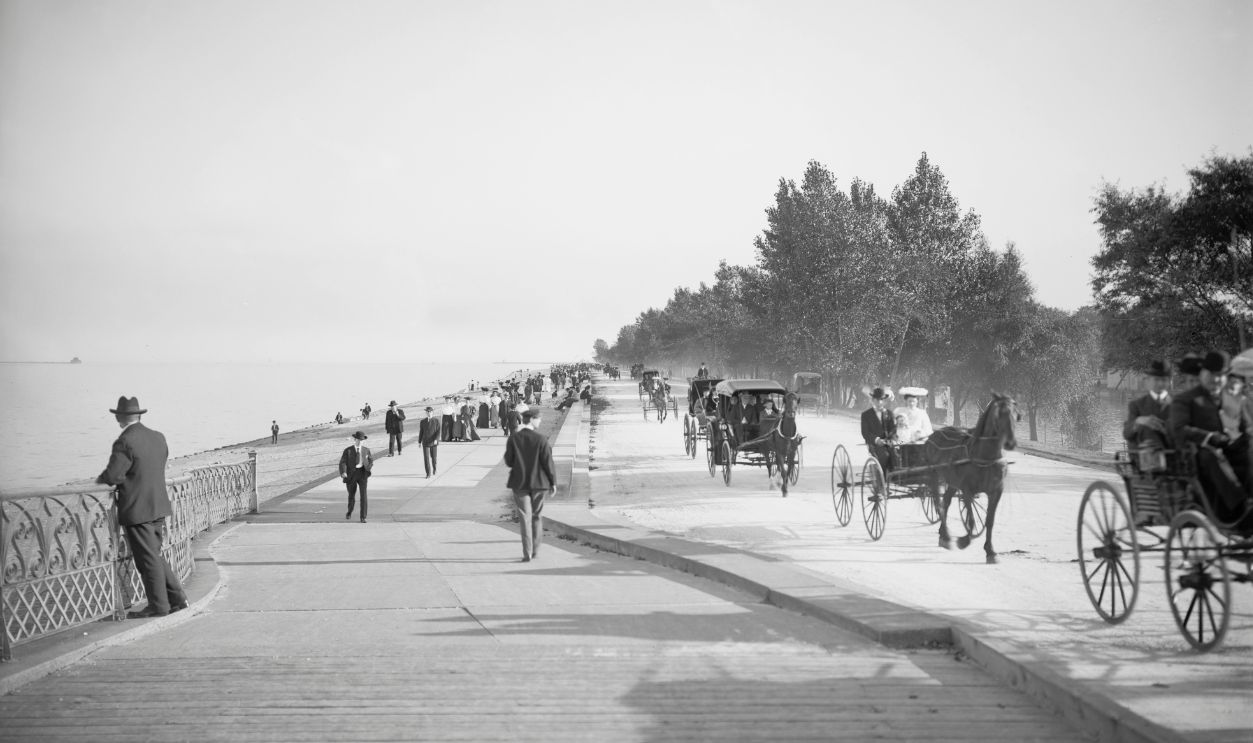 Universal History Archive, Getty Images
Rely On Horse-Drawn Deliveries
Even after automobiles arrived, horse-drawn wagons still delivered milk, ice, produce, and other goods in many places. Horses were useful on routes with constant stops, especially before roads and trucks improved. A neighborhood delivery horse was once ordinary street traffic, not a special parade attraction.
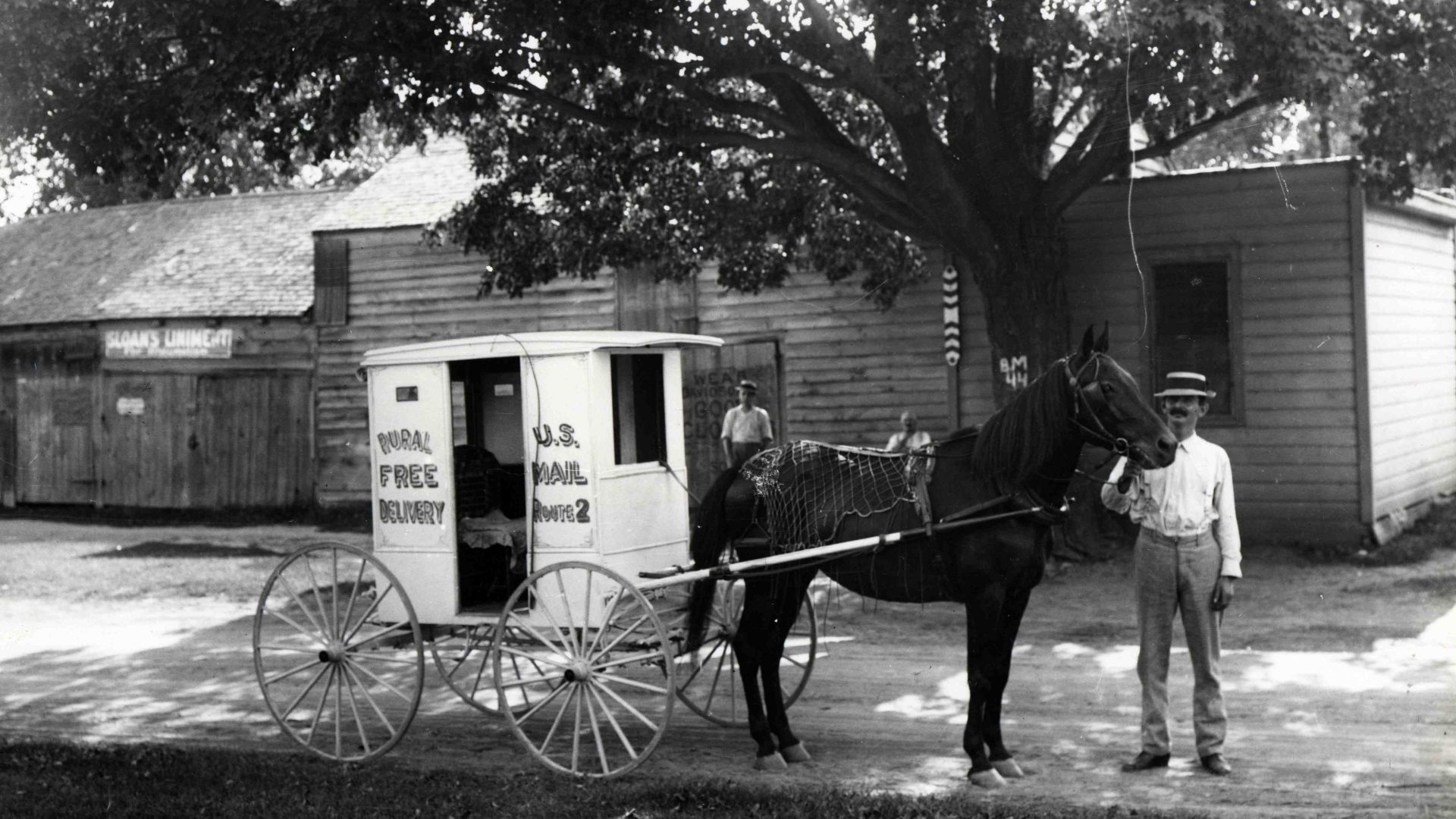 Smithsonian Institution from United States, Wikimedia Commons
Use Public Urinals In The Street
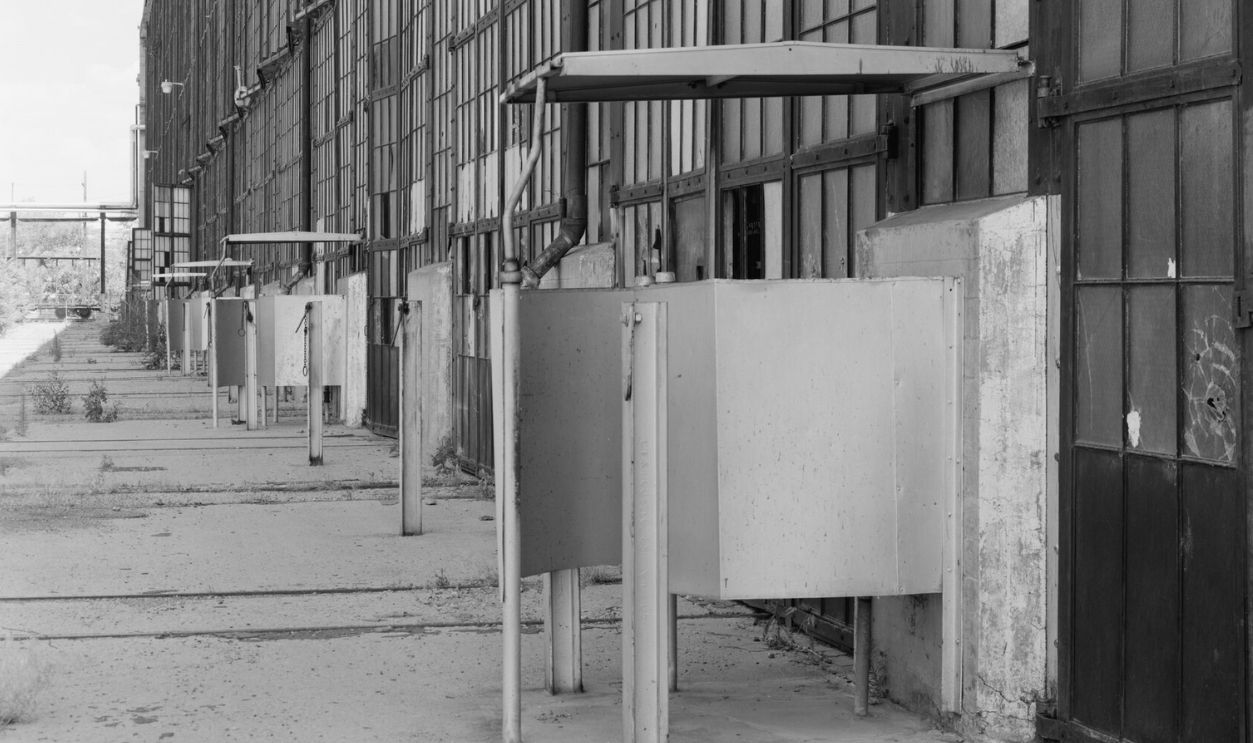
In many 19th-century American cities, public sanitation was limited and unevenly distributed. Public urination was common enough that reformers pushed for municipal comfort stations and better public toilets. Women were especially disadvantaged because public facilities were often designed around men’s needs.
Treat Soda Fountains As Social Hubs
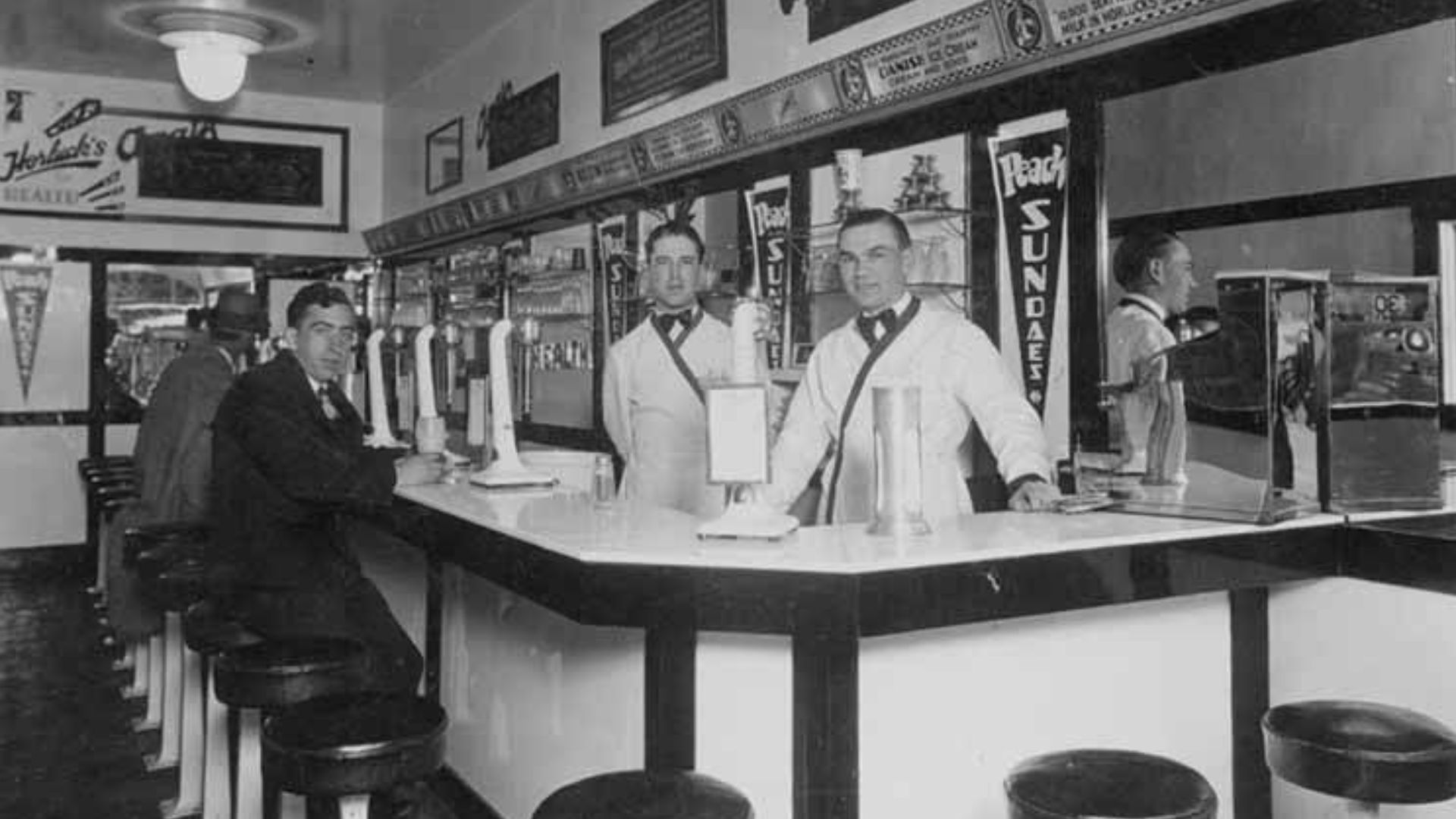
Drugstore soda fountains were once busy public gathering spots where people stopped for drinks, ice cream, and conversation. Disposable straws became popular partly because reformers worried about shared cups and disease. A quick soda counter visit could be both a social outing and a small public health upgrade.
 UW Digital Collections, Wikimedia Commons
Accept Street Harassment As A Daily Hazard
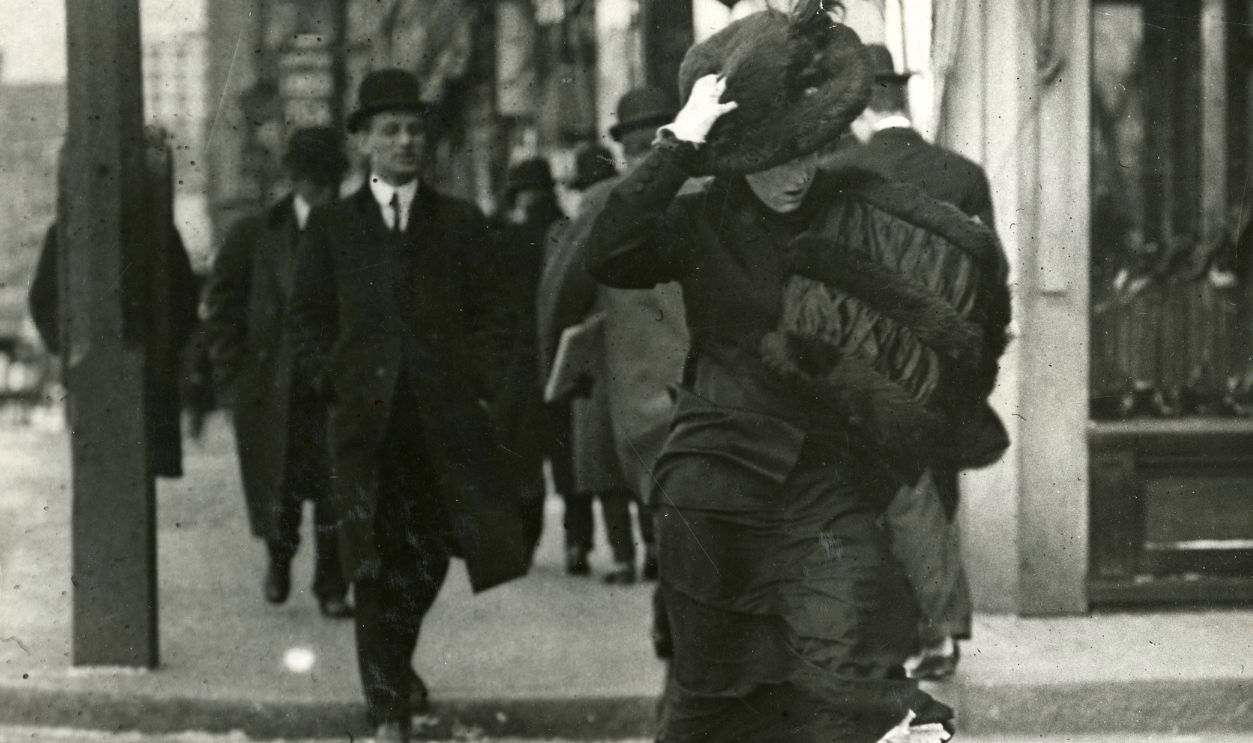
As more women moved through cities for work, shopping, and social life, public harassment became a widely discussed problem. Newspapers and reformers described mashers, street loafers, and men who targeted women traveling alone. The behavior was not new, but women’s growing presence in public made the conflict impossible to ignore.
History's most fascinating stories and darkest secrets, delivered to your inbox daily.
Gather Around Public Spectacles
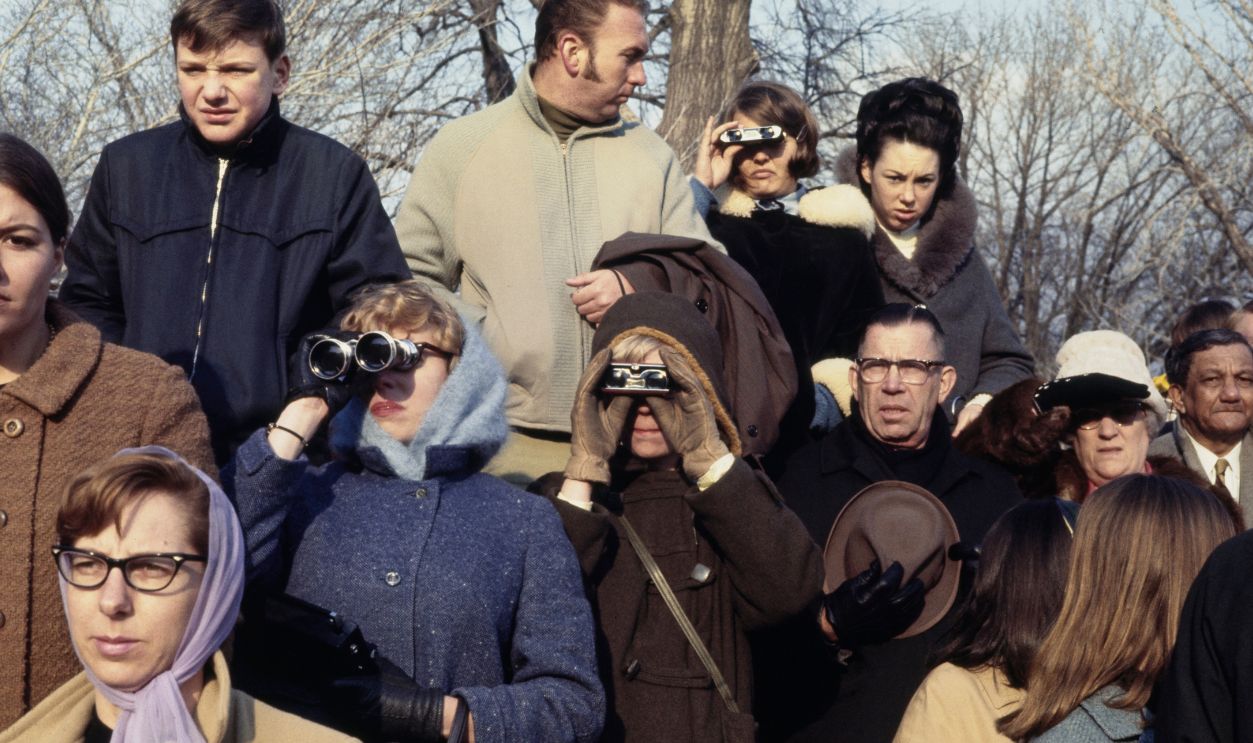
Americans once flocked to endurance contests, stunt acts, parades, pageants, executions, and sidewalk performers with an appetite that could be startling today. Some spectacles were harmless fun, while others exposed cruelty, racism, exploitation, or danger. The public square has always been entertainment space, but the line between amusement and outrage has moved dramatically.
You May Also Like:
Old-fashioned products that Americans still refuse to give up even in 2026.
Do You Remember These Discontinued Fast Food Items?
Infomercial Products That Are Actually Totally Awesome
Sources: 1, 2, 3, 4, 5, 6, 7, 8, 9, 10, 11, 12, 13, 14, 15, 16, 17, 18, 19, 20