From Princess To Prisoner
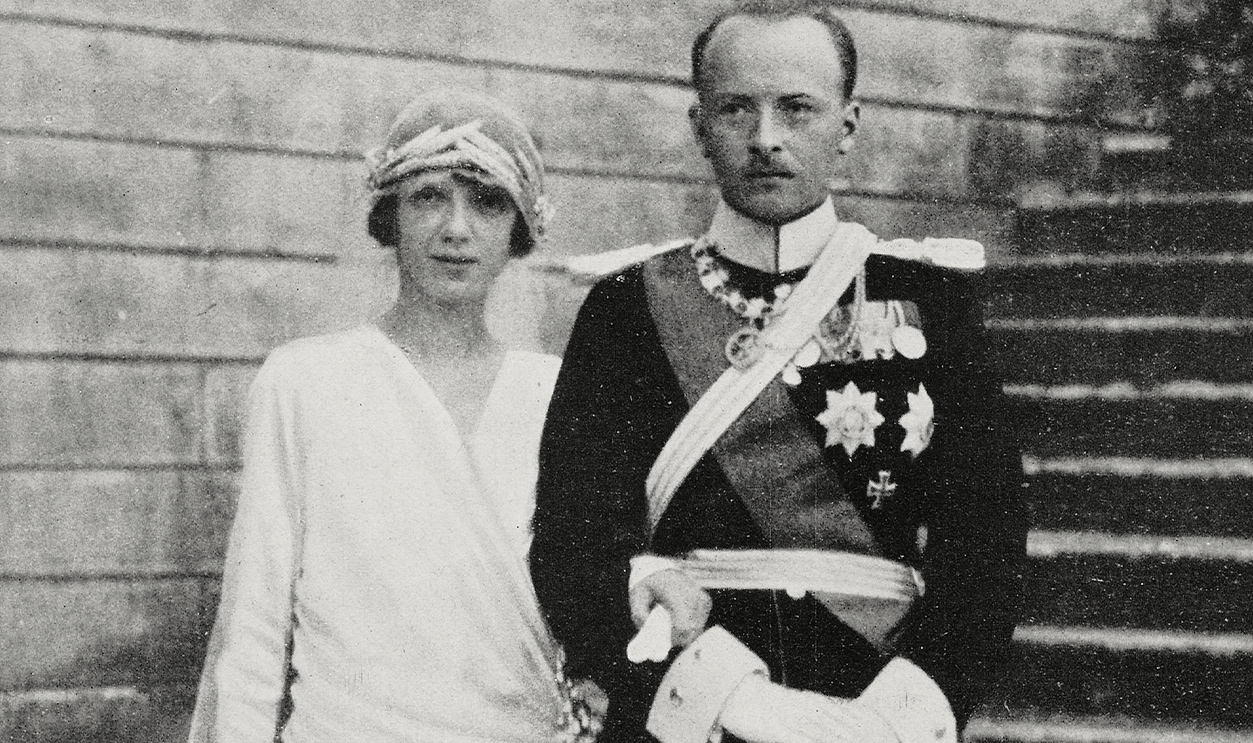
Princess Mafalda of Savoy was born with all the privileges of royalty, but her life would not end that way. The Italian Princess’s marriage to German nobility represented a bridge between the rising hard-right governments of both countries. But the paranoia of these dictatorial leaders as WWII wore on would have grisly consequences for a Princess who found herself caught up in politics.
 DE AGOSTINI PICTURE LIBRARY, Getty Images
1. She Was Born Royal
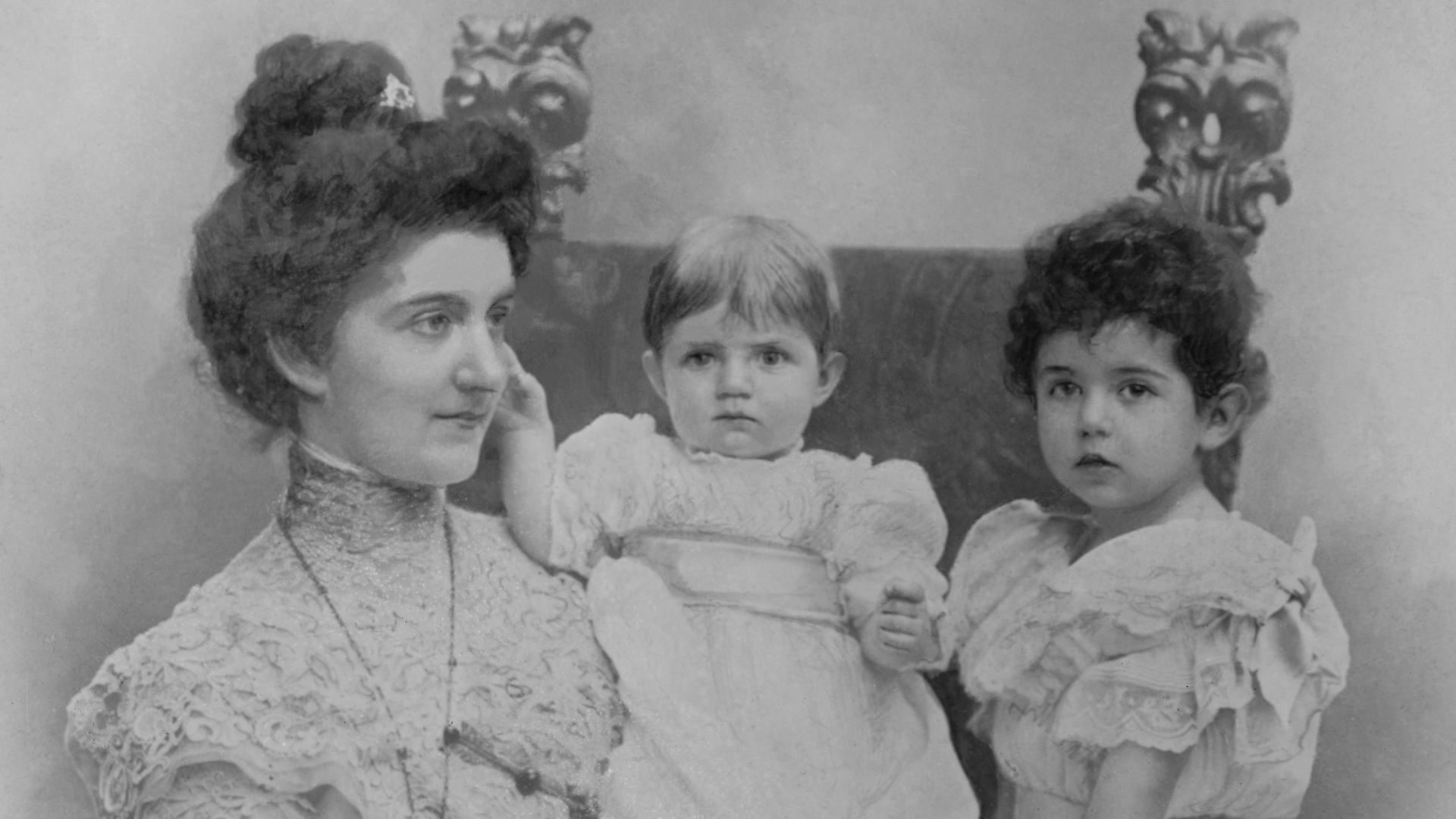
Mafalda Maria Elisabetta Anna Romana was born in Rome on November 19, 1902. As a member of the Italian royal family, the newborn girl had roots in the historical region of Savoy, originally part of the Kingdom of Burgundy, hence her royal title: Princess of Savoy. Privileged from birth, it was a title that came with great power, especially considering her parentage.
 Bain News Service, Wikimedia Commons
2. She Had Regal Parents
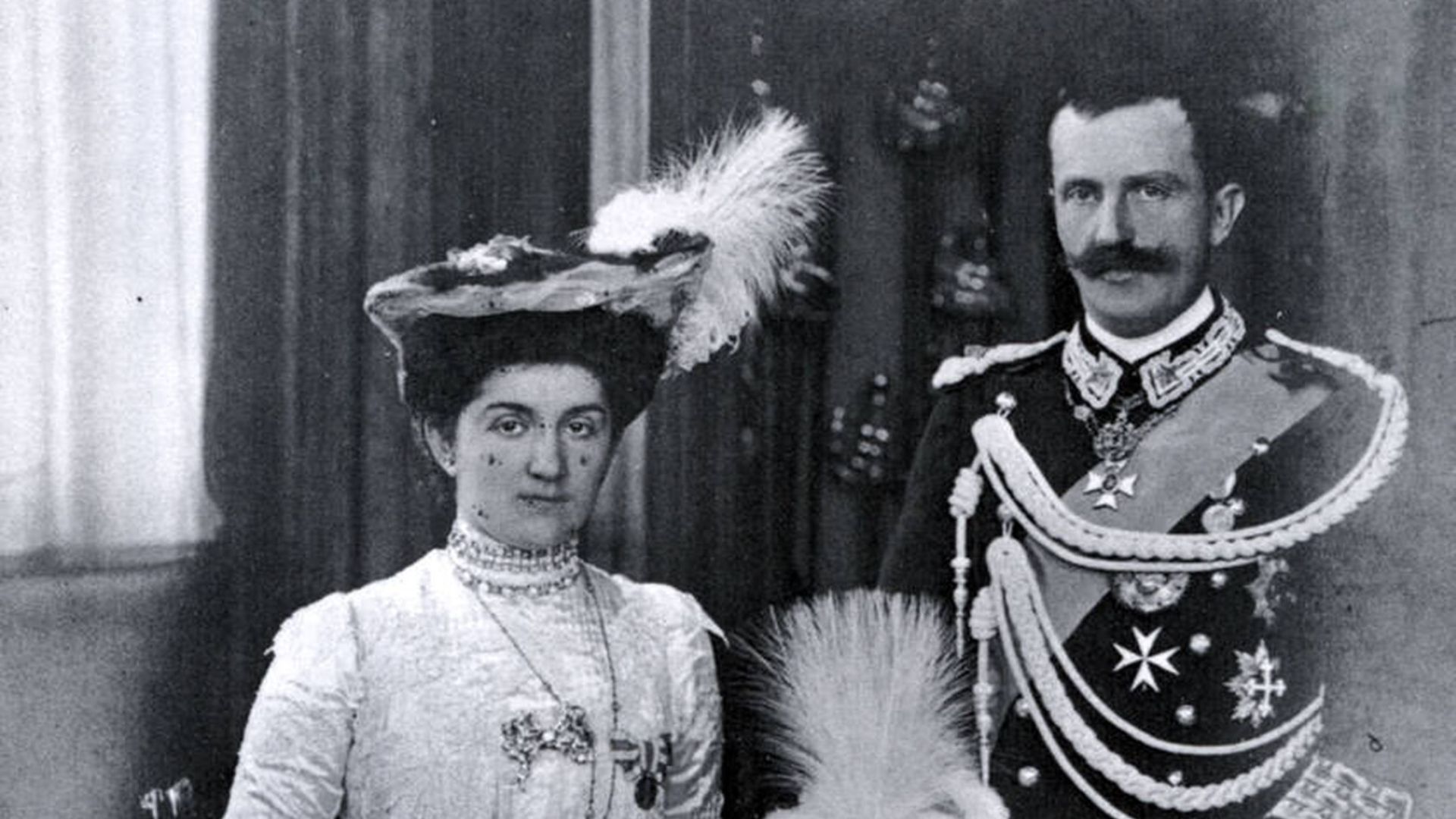
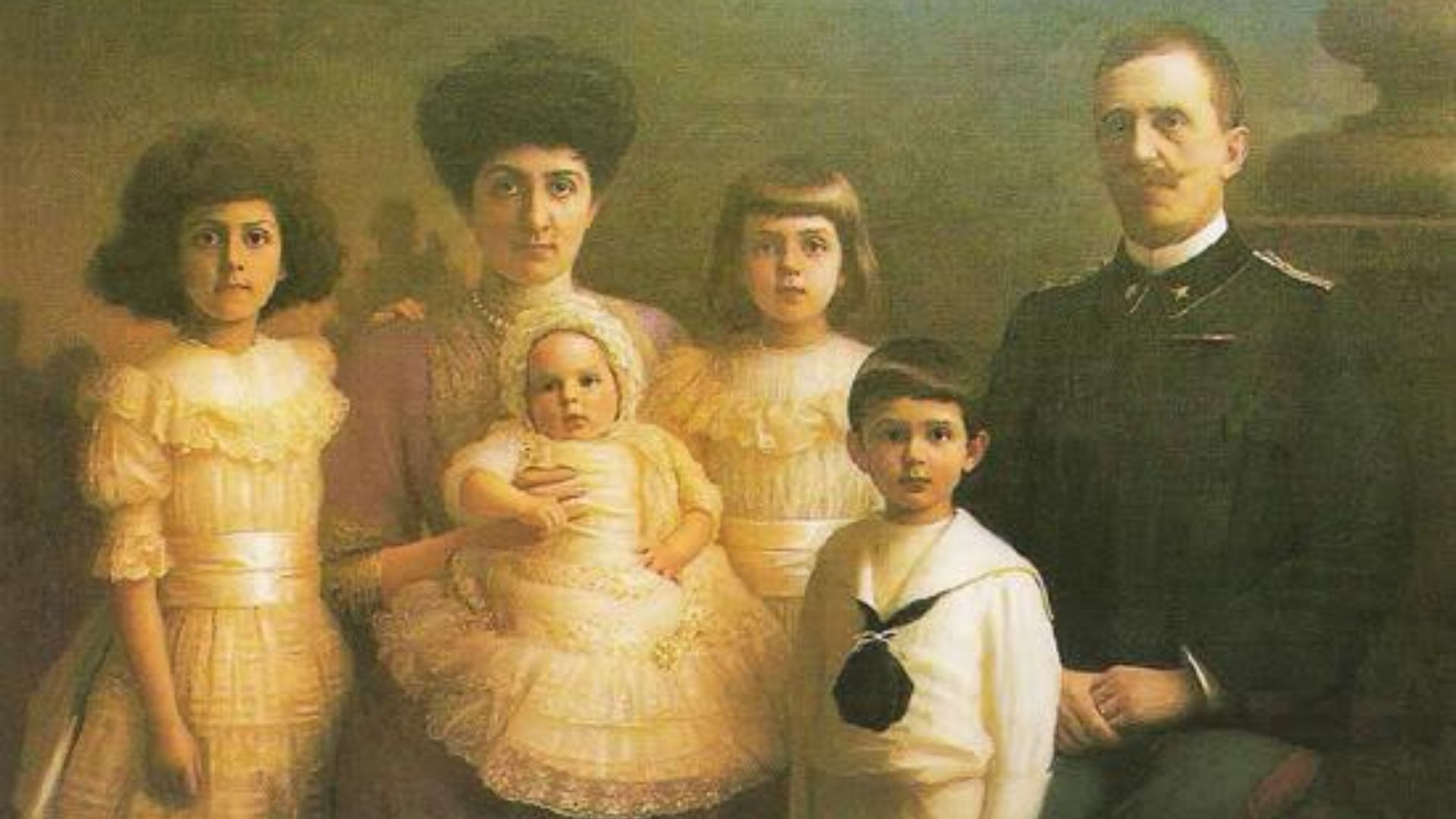
Mafalda was the second daughter and child of her parents, who were only the King and Queen of Italy. They were King Victor Emmanuel III of Italy and the Queen of Italy, Elena of Montenegro, which entitled Mafalda to a lavish baptism ceremony at the Quirinal Palace. The arrival of a younger sibling, however, meant that she would never sit on the throne herself.
 Unknown authorUnknown author, Wikimedia Commons
3. She Had A Kingly Sibling
The Italian royals had a total of five children, and Victor Emmanuel’s heir would come next, ensuring that Mafalda’s already weak claim (being a girl, and the second child) got smothered in the cradle. The Princess’s brother, Umberto, was born two years after her, and he was eventually crowned King Umberto II of Italy. Mafalda got used to being overshadowed.

History's most fascinating stories and darkest secrets, delivered to your inbox daily.
4. She Was Quiet
As a child, Mafalda had a docile and obedient nature, though not an unpleasant one. Most knew her, more than anything else, for being a girl of few words. Her tendency to blend quietly into the background earned her the loving family nickname “Muti”, which is Italian for ‘mute’. But just because she didn’t say much did not mean that the young Princess was incapable.
![Gettyimages - 802472052, Mafalda C1893 Mafalda', c1893. Princess Mafalda of Savoy. Italian princess. From the 2e collection [Felix Potin, c1893]. Artist Toppe..](https://www.factinate.com/storage/app/media/factinate/2026/3/7/1.jpg)
5. She Got Schooled
A rigorous and comprehensive education largely characterized Princess Mafalda’s early life, like many royal children before her. Taught by the finest tutors who encouraged her obvious intellect, she was well-prepared for royal life, honing impressive skills in languages, arts, and diplomacy. She worked, and got worked, hard, but her home life was not without affection.
6. She Was A Momma’s Girl
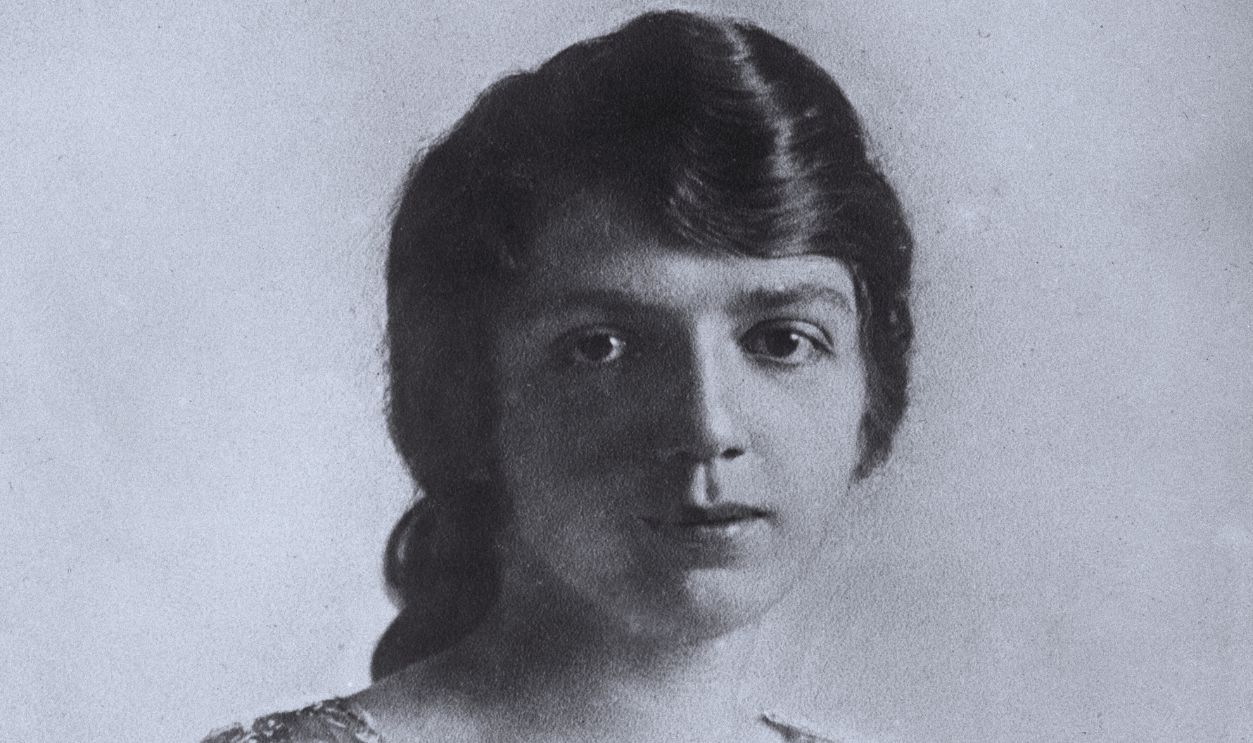
Princess Mafalda was very close to her family members, and none more so than her mother. Queen Elena, a loving and caring matriarch, took an active role in raising her children, passing on to Mafalda her passion for art and music and instilling in her daughter a deep sense of family and of human values. She demonstrated those values strongly as Europe descended into chaos.
7. She Made Charitable Visits
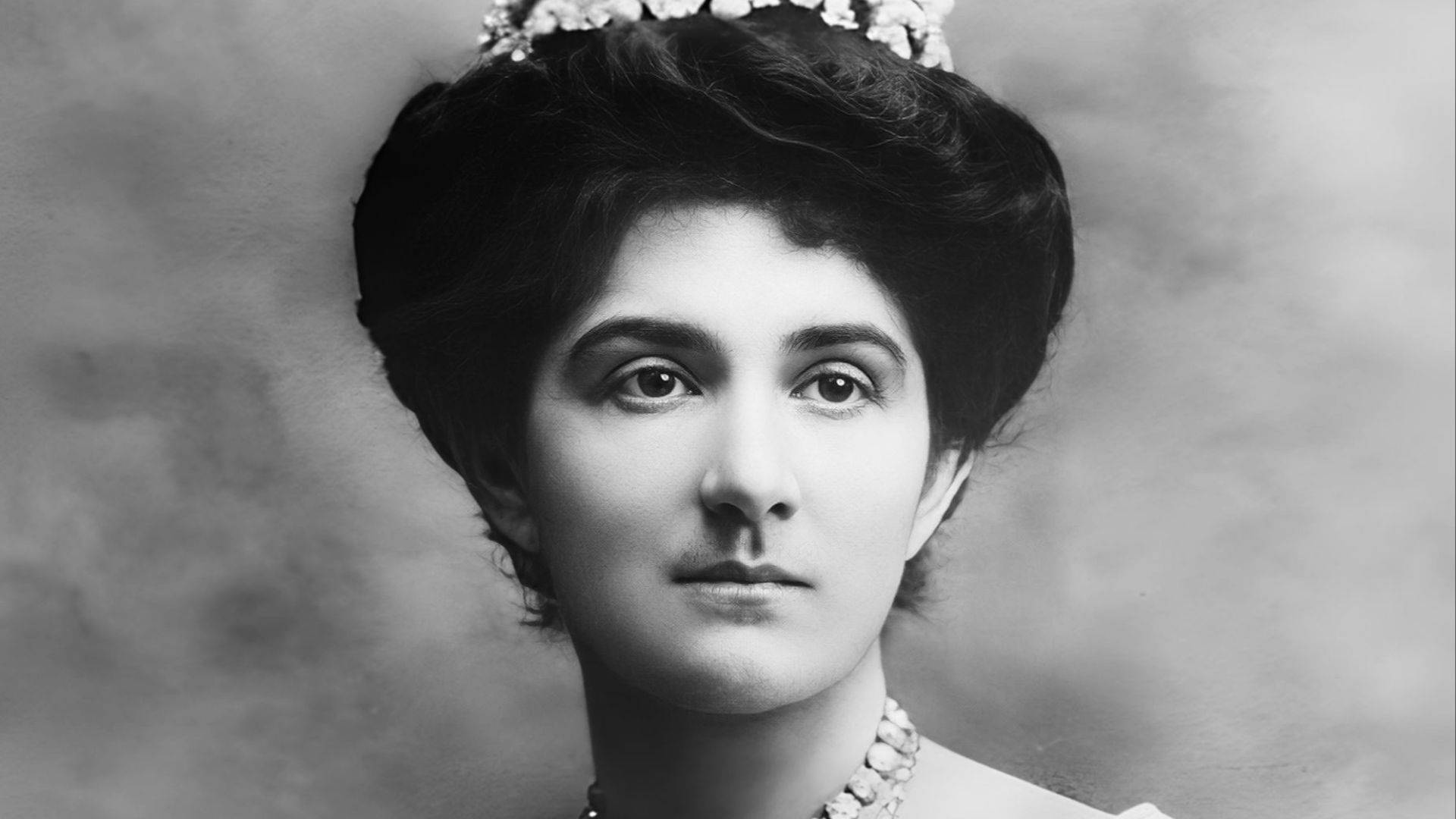
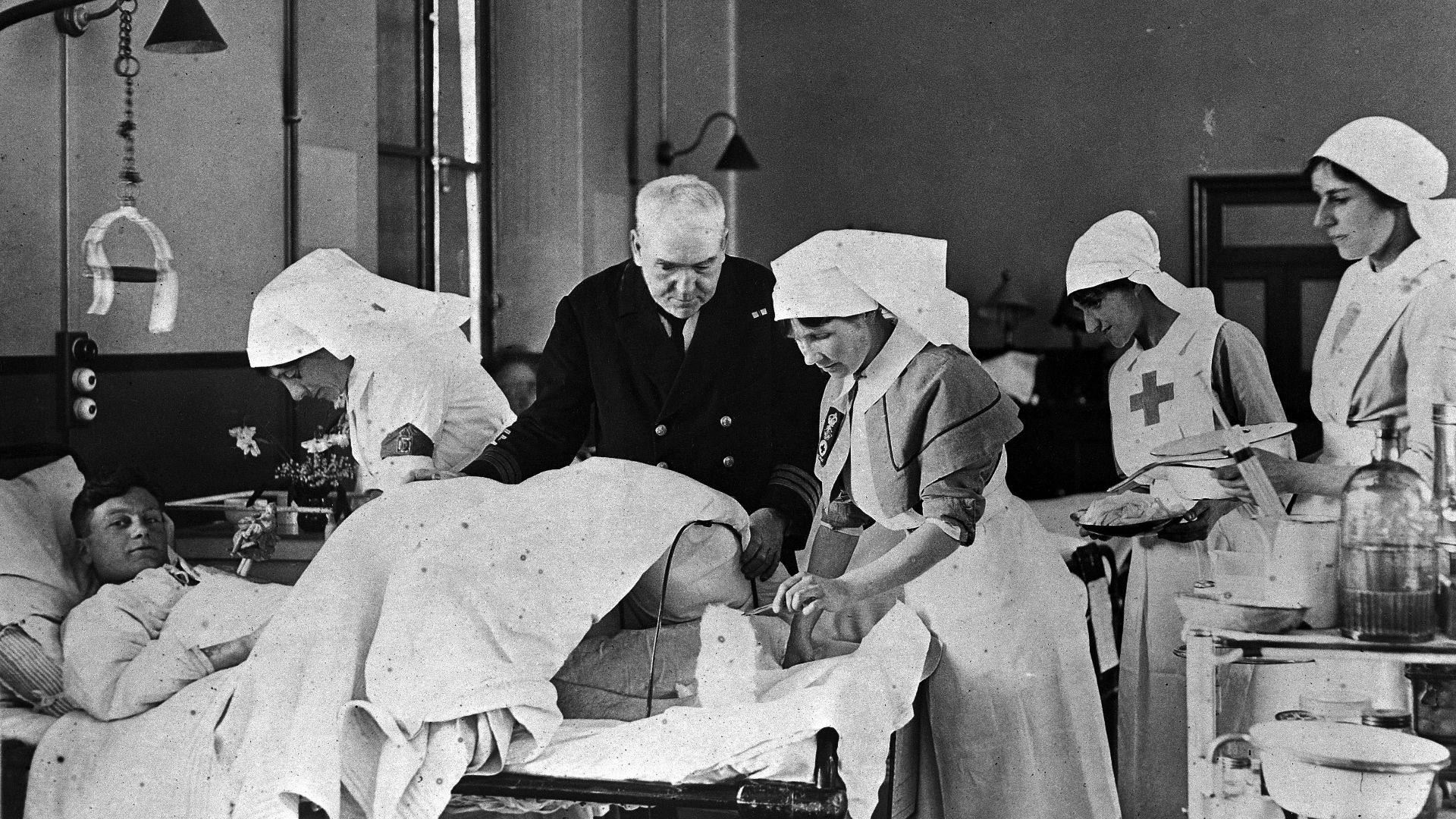
After the outbreak of WWI in 1914, the teenaged Mafalda accompanied her mother and sisters to numerous hospitals where the family visited injured infantrymen. The Princess’ gentle presence was most welcome by the men, and she displayed a great affinity for comforting and caring for them. It reflected a deeper sense of duty that her mother also instilled into Mafalda.
8. She Was A Patriot
As an Italian royal, Mafalda’s parents also made sure they steeped her in Italian tradition, ensuring their daughter possessed a deep knowledge of the history of her nation. This gave the Princess a deep sense of nationalism, which saw its most compassionate expression in her charitable assistance in the hospitals. Her sense of duty to her nation would carry through to her personal life.
9. She Met Her Man
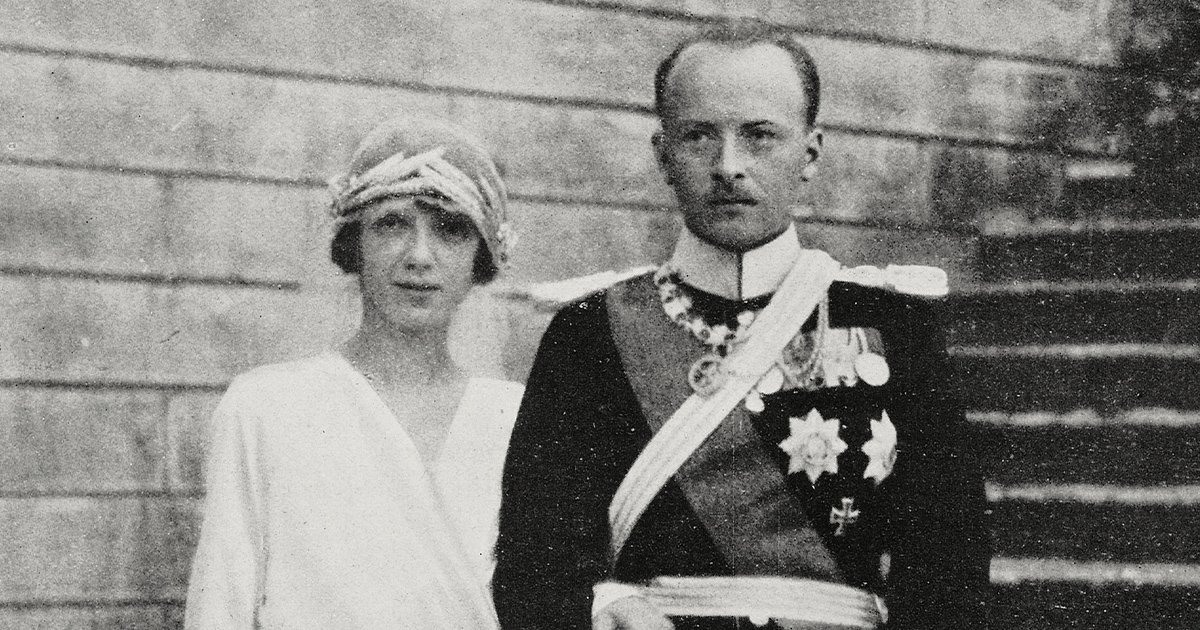
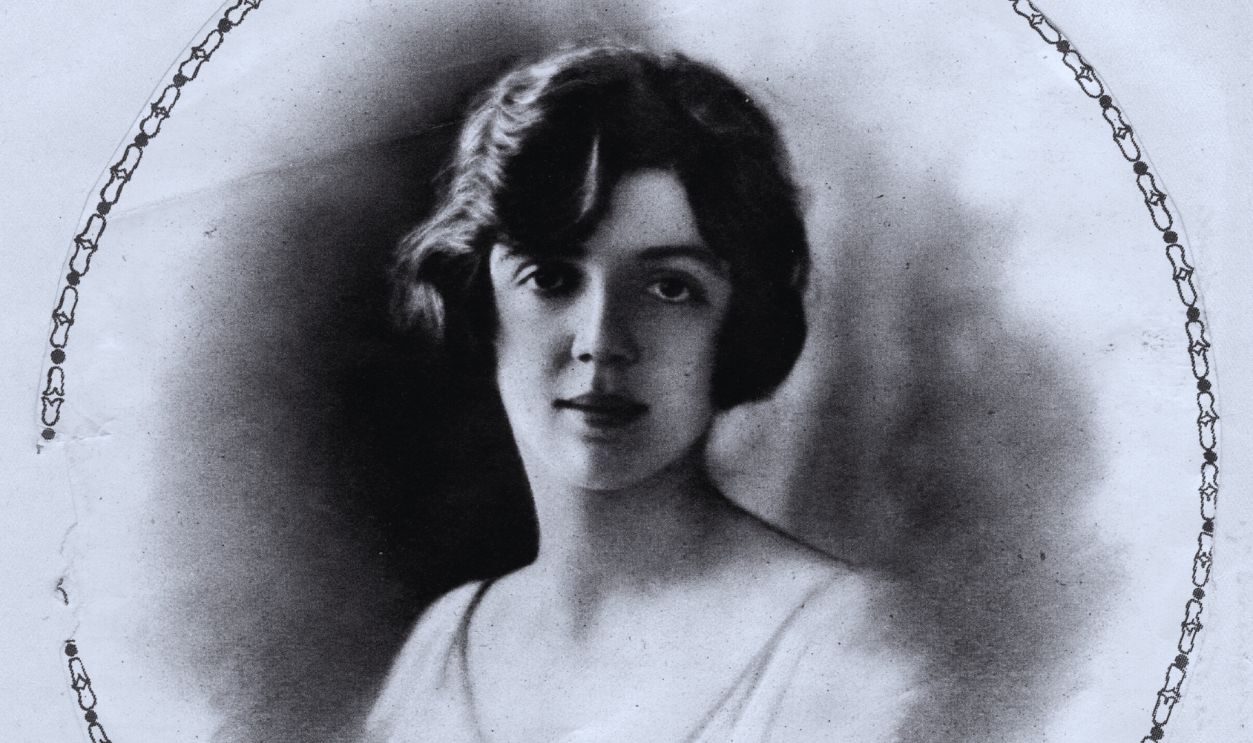
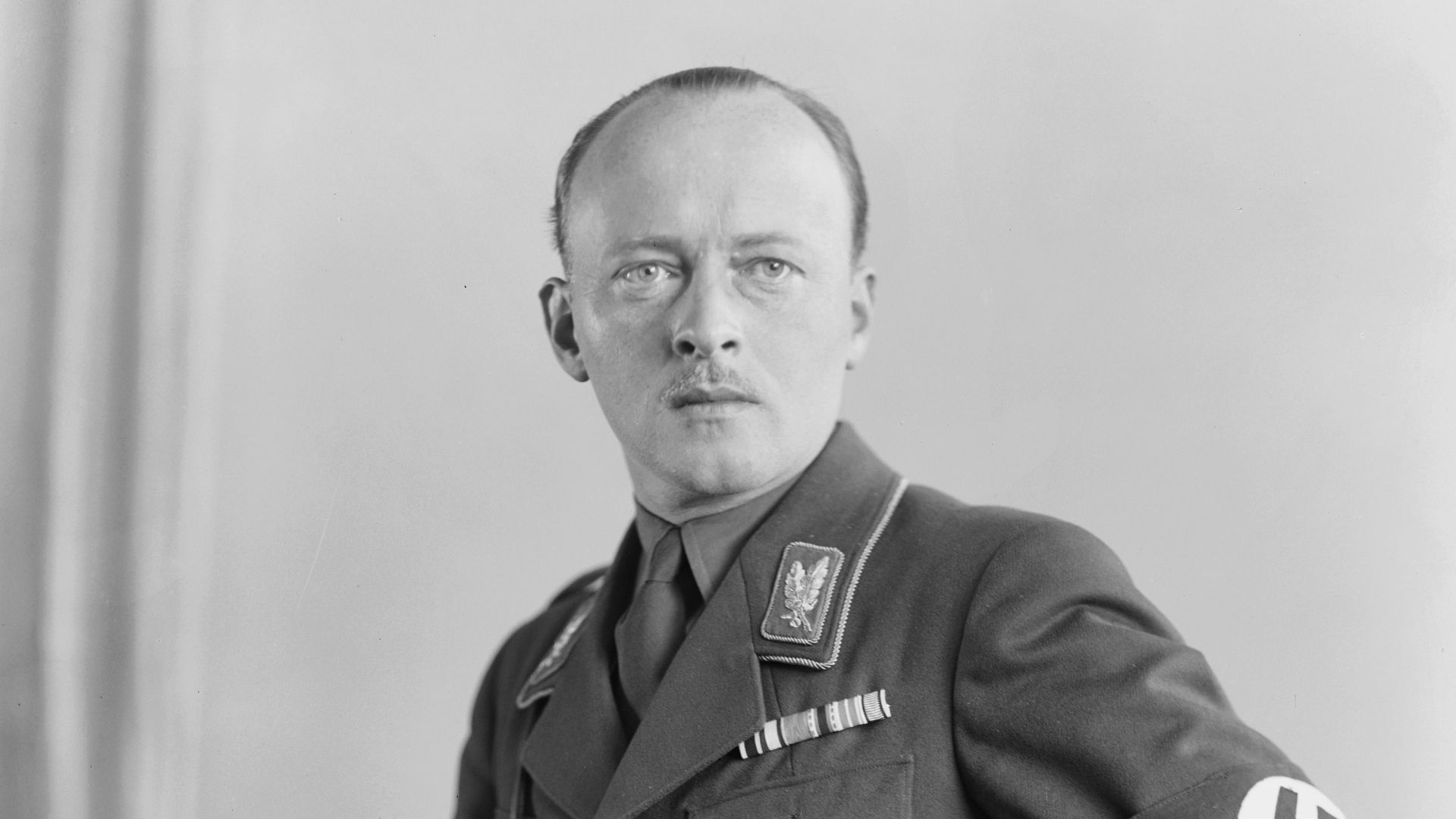
In 1925, Mafalda attended a garden party, eager to find a potential match with whom to live her burgeoning adulthood. There, she met Prince Philipp von Hesse of Germany. To any outside observers, he was a great catch: Philipp was an architect, designer, decorated WWI veteran, and endlessly charming. Mafalda fell under his spell immediately, and after a very brief courtship, the two quickly made plans to wed.
History's most fascinating stories and darkest secrets, delivered to your inbox daily.
10. She Got Married
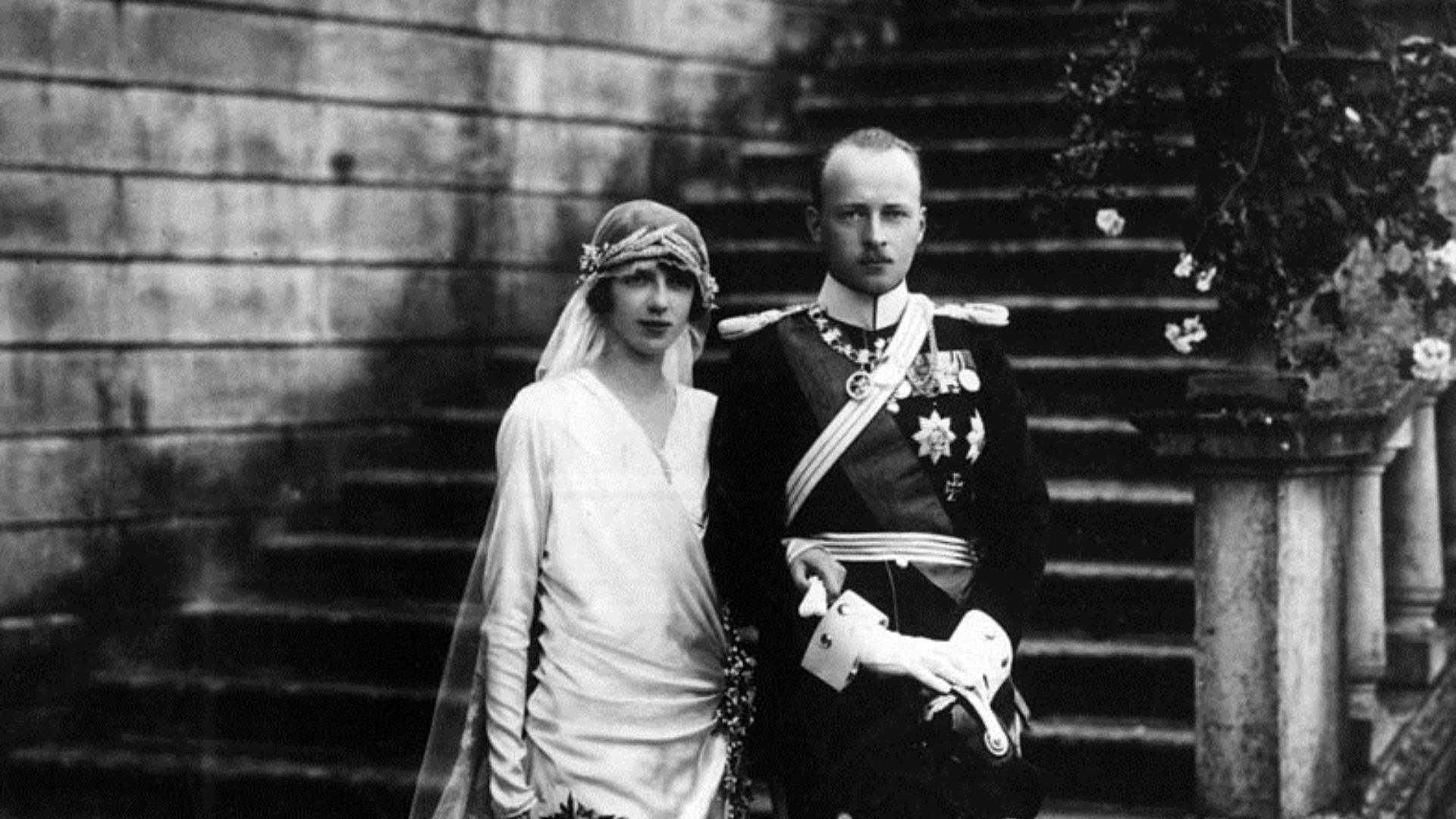
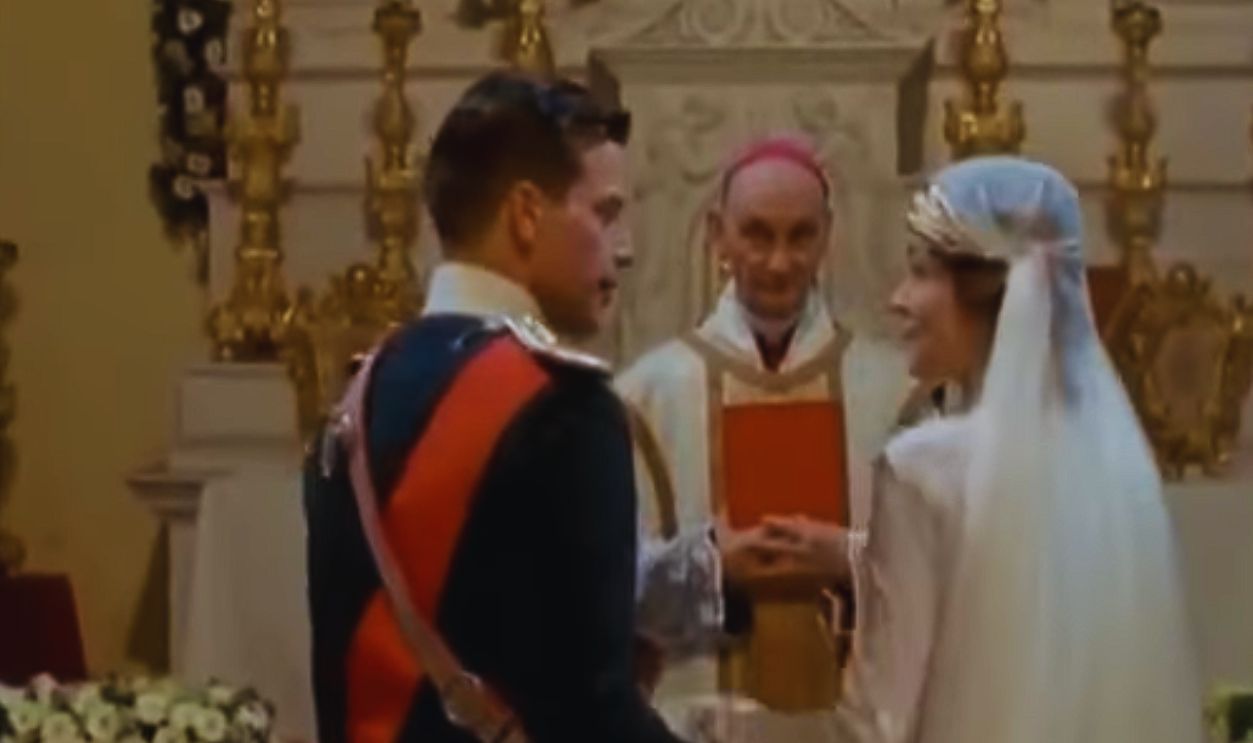
Within months, Mafalda and Phillip were engaged to be wed, and the ceremony took place on September 23, 1925. It was a wonderful occasion for their countries, as it was the first royal union of two former WWI enemies. The couple’s relatively modest wedding ceremony took place at the family Castle of Racconigi in Italy. But despite the modesty, it still wasn’t really their style.
 Unknown (Mondadori Publishers), Wikimedia Commons
11. She Was Part Of A Couple Of The People
During a “medieval ceremony” at the castle later on their wedding night, Mafalda and Philipp decided to slip away. To mark the occasion for all, the couple had hosted a dinner for the villagers in the nearby town and, after dipping from their wedding, decided to visit this dinner to mingle with the people. It was a warm and wonderful start to an initially fruitful marriage.
 Screenshot from Mafalda of Savoy, RAI (Radiotelevisione Italiana) (2006)
12. She Had A Decent Litter
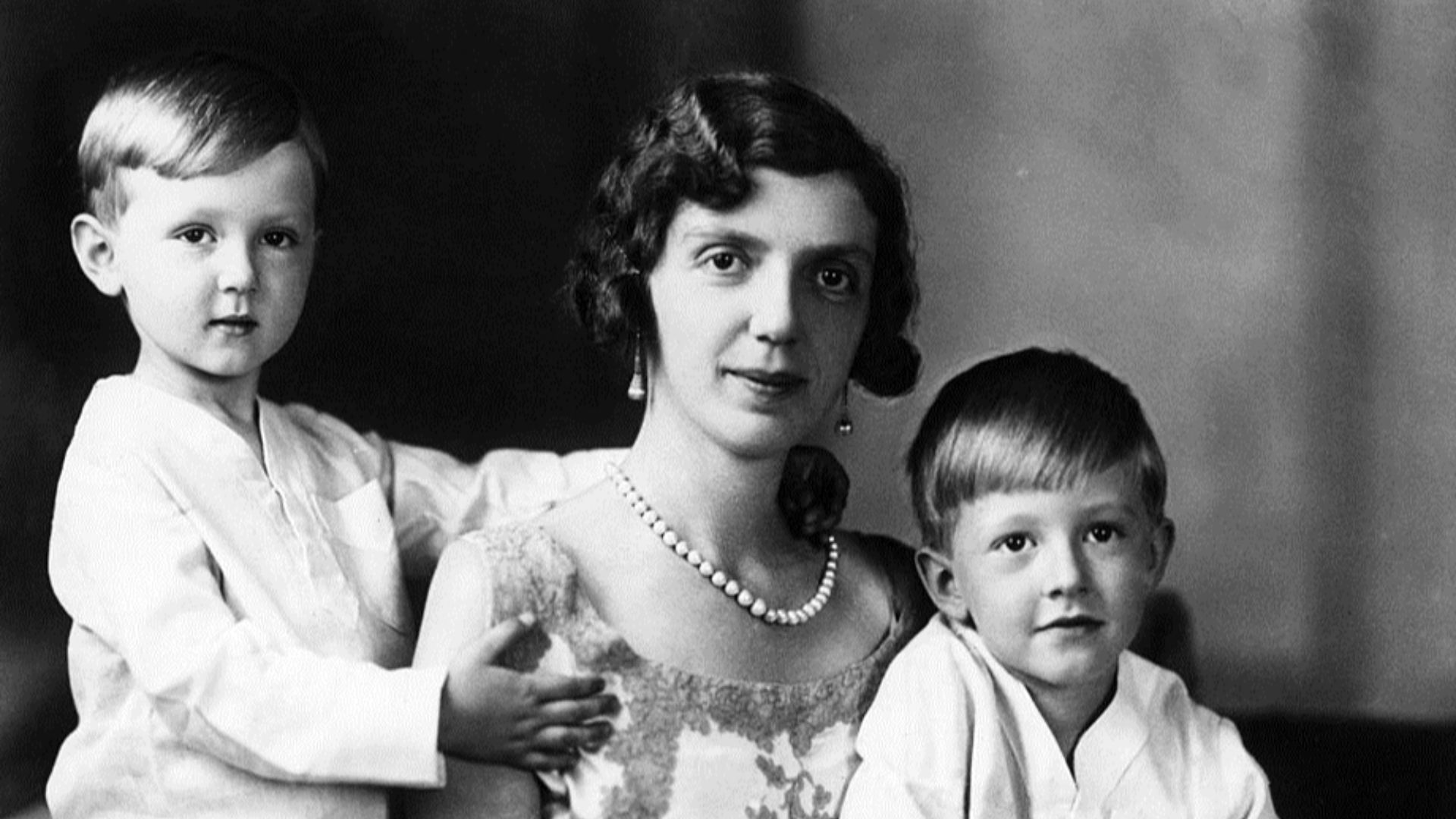
Over the next 15 years or so, in the throes of domestic bliss, the Prince and Princess had four children together, three boys and one girl. All four lived relatively uninteresting lives by royal standards, but their parents raised them in a warm and loving environment. One child’s naming, though, indicated a broader clue about their father’s politics…
 Unknown (Mondadori Publishers), Wikimedia Commons
13. Her Son Had An Unfortunate Middle Name
Born on June 3, 1937, Mafalda’s third son was named Otto Adolf, and his parents gave him his middle name after his godfather: none other than Adolf Hitler. A rising political star, the German dictator was increasingly consolidating his power at the time of Otto’s birth. It seems Mafalda had married a cultured and an apparently kindly man—but one with odious politics.
14. She Married A Right-Winger
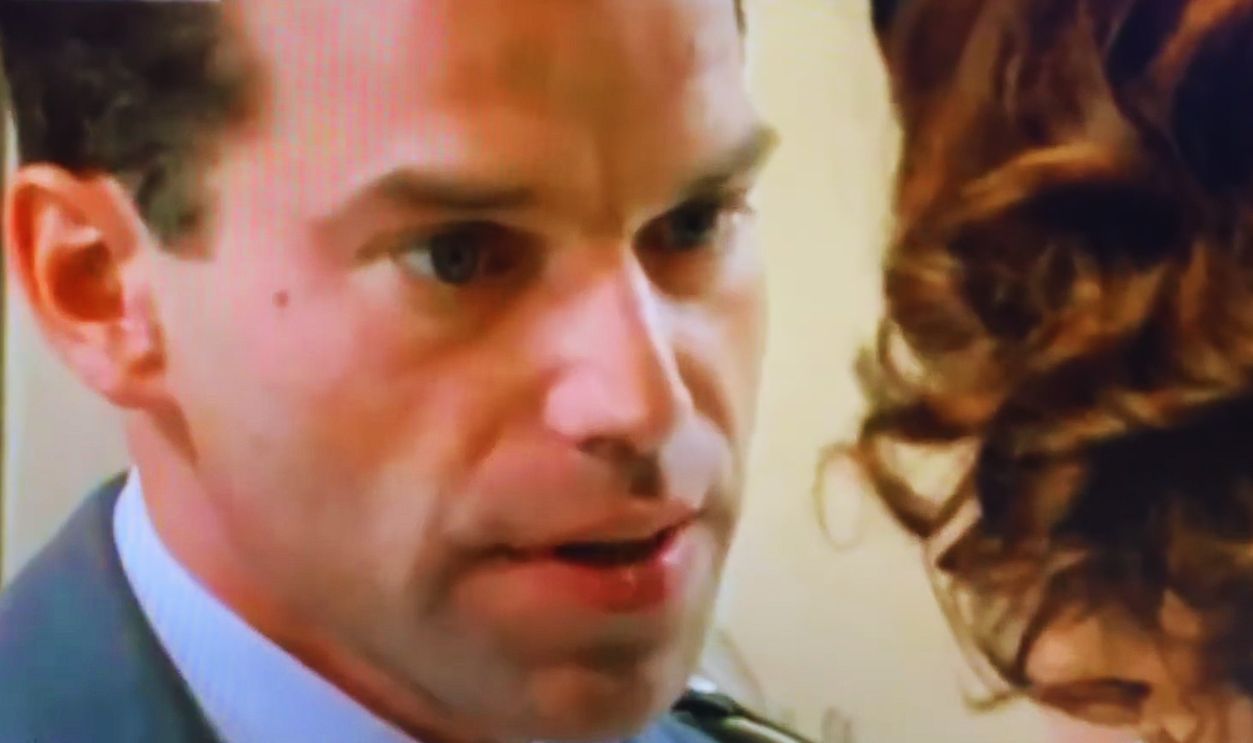
In 1930, following an increasingly worrying amount of his fellow countrymen, Mafalda’s husband became a card-carrying member of the National Socialists—AKA, the party that would come to power in Germany and commit horrific atrocities. But he was no mere rank-and-file member; Philipp was an open admirer of the Führer and a member of the dictator’s inner circle. And regardless of how she felt (and, by all accounts, she didn’t feel great about it), Mafalda had to get with the program.
 Screenshot from Mafalda of Savoy, RAI (Radiotelevisione Italiana) (2006)
15. She Got Dual Citizenship
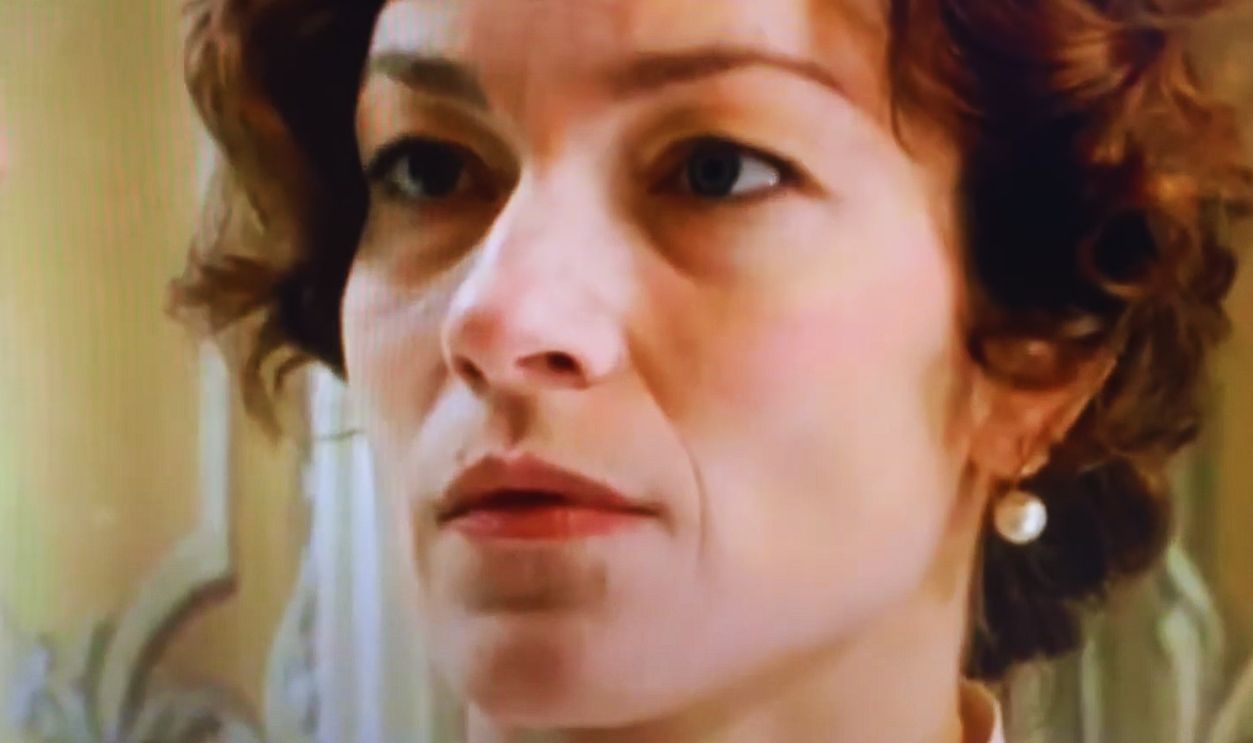
Following Philipp’s rising favorability within the Führer’s regime, he and his wife decided they needed to move into the belly of the beast to get closer to the action—indeed, Philipp’s career depended on it. Mafalda adopted German citizenship, and the couple moved the family to Berlin. The political importance of their marriage became more and more apparent.
 Screenshot from Mafalda of Savoy, RAI (Radiotelevisione Italiana) (2006)
History's most fascinating stories and darkest secrets, delivered to your inbox daily.
16. She Legitimized Dictators
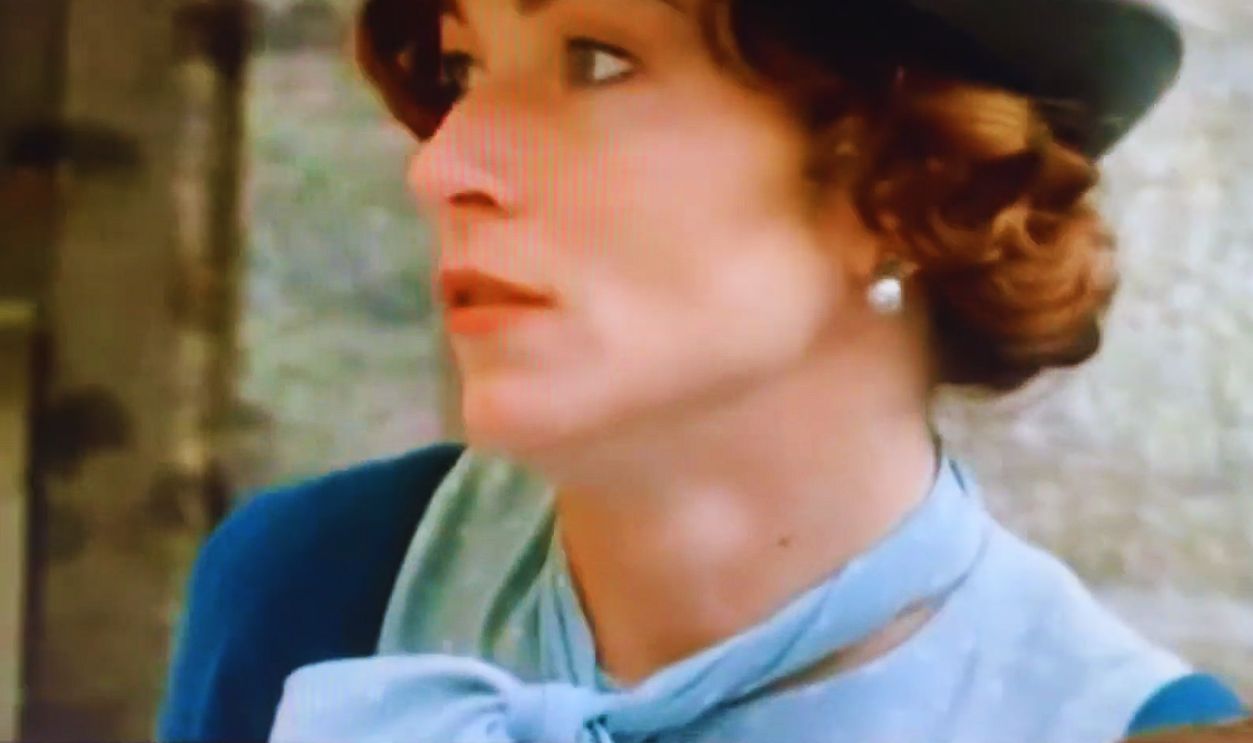
Mafalda had certainly married for love, but the couple’s union had strategic implications too; namely, the strengthening of relations between Italy and Germany. This took on a more vulgar form with the rise of the National Socialists, however, as Philipp’s presence in the Party gave the movement a normalized quality due to the presence of a royal. And Philipp’s star only rose from there.
 Screenshot from Mafalda of Savoy, RAI (Radiotelevisione Italiana) (2006)
17. She Enabled Collaboration
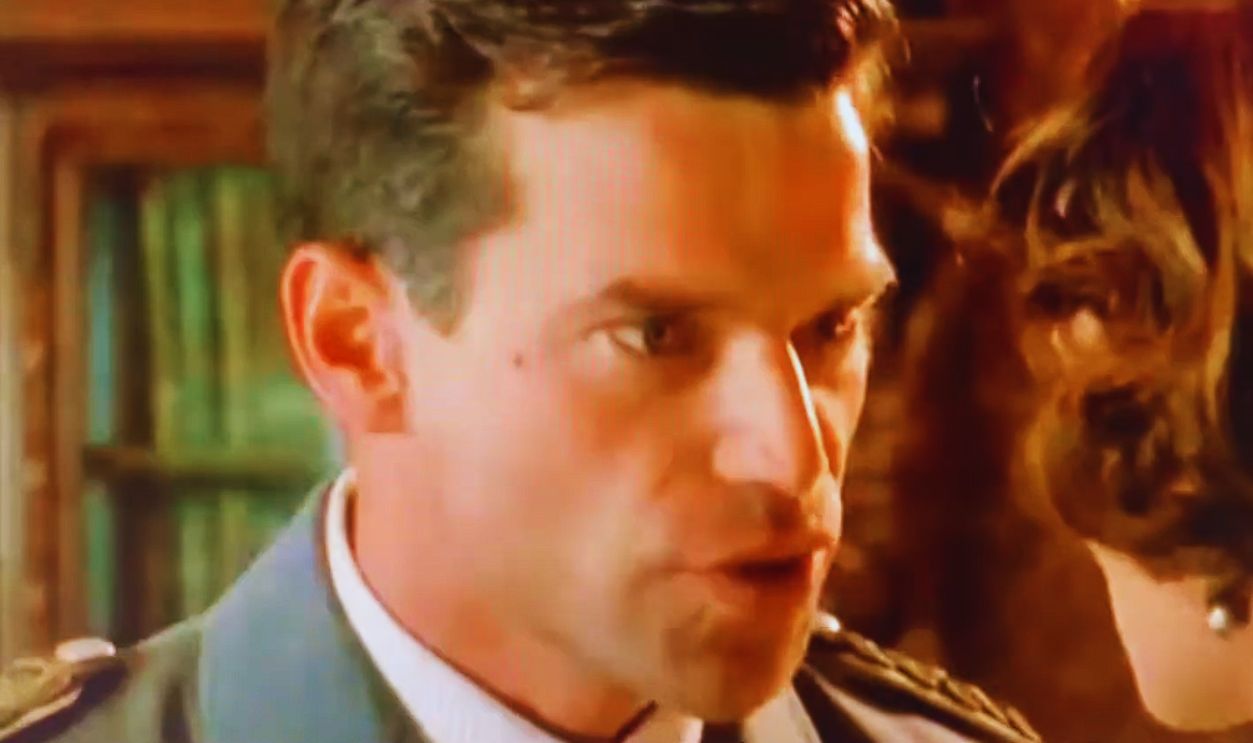
Philipp’s marriage to Mafalda placed him now in a prime position between two rising hard-right governments, and he adopted his new role with enthusiasm. He became the intermediary between the Führer and Mussolini, strengthening his political position significantly in the process. And though Mafalda proved more independently minded than her husband, she still went along with the farce.
 Screenshot from Mafalda of Savoy, RAI (Radiotelevisione Italiana) (2006)
18. She Dined With Scum
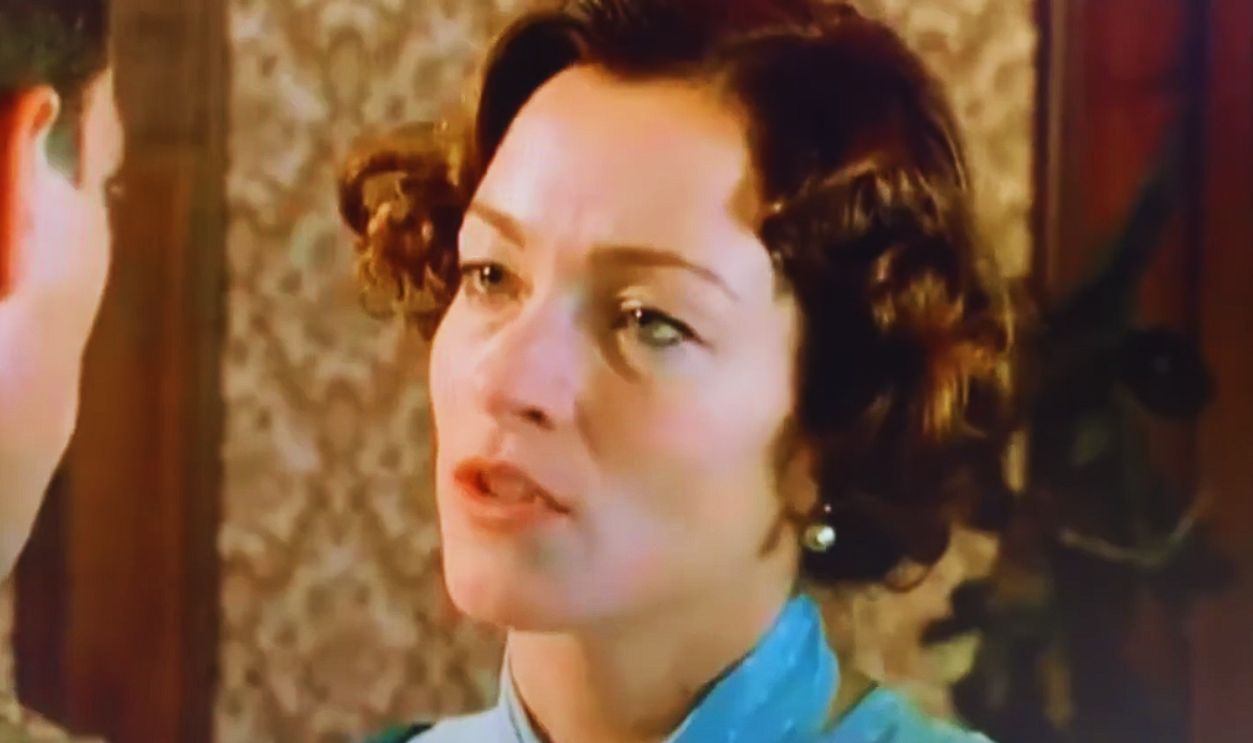
On March 26, 1935, Mafalda attended an informal diplomatic dinner hosted in the lavish Reich President’s House in Berlin. Present at the dinner was the Führer himself, and though details of the event are sparse, it certainly seems like Mafalda had no major objections to his actions yet—or kept very quiet about them if she did.
She was not the only one who kept it zipped.
 Screenshot from Mafalda of Savoy, RAI (Radiotelevisione Italiana) (2006)
19. She Conversed With Leaders
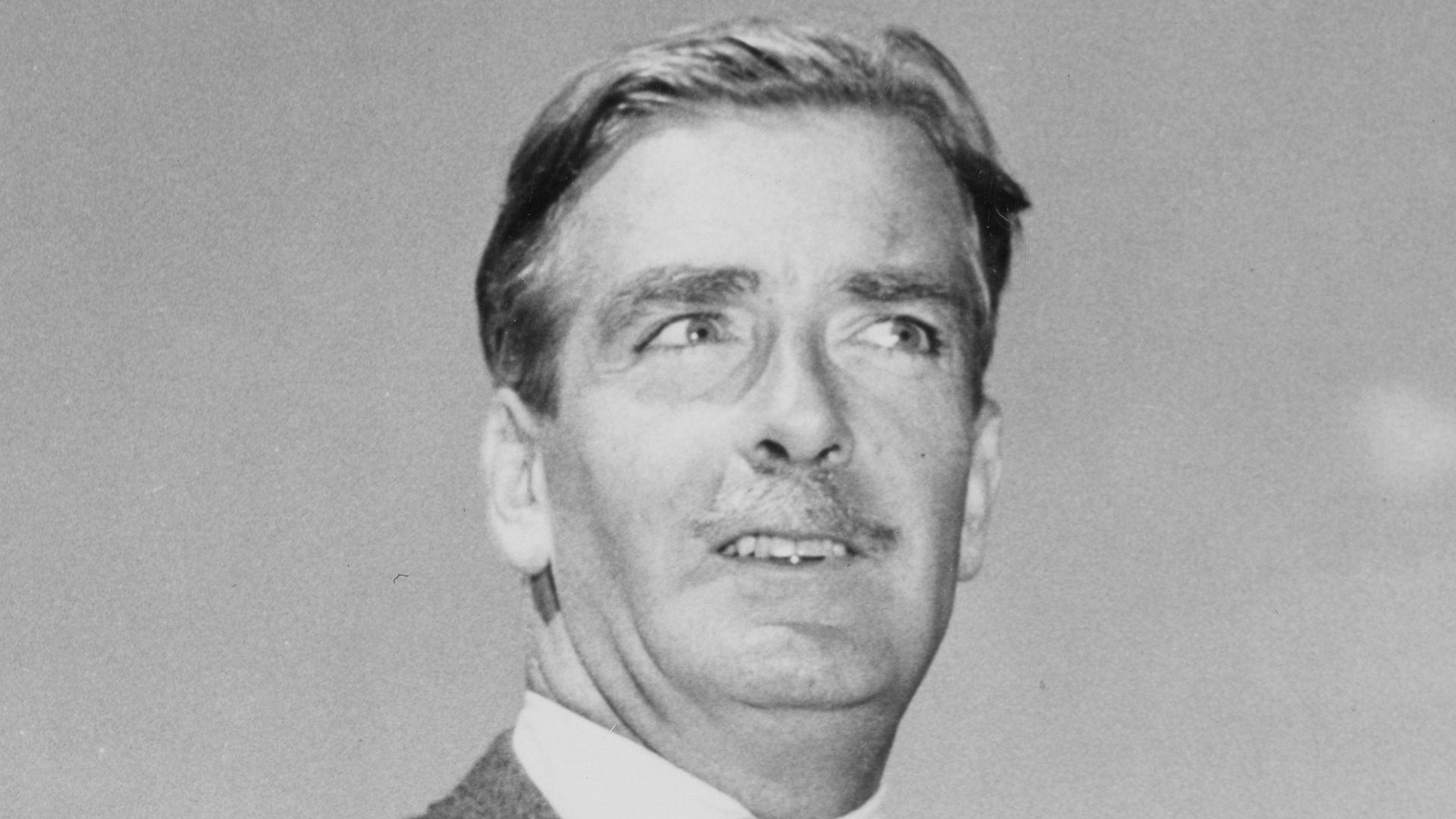
One detail that is known about the dinner is the seating arrangements: among the many German and foreign dignitaries, Mafalda sat next to British Prime Minister Anthony Eden. His presence illustrated the role that the leaders of Western capitalist countries played in legitimizing the Führer during his early rise.
The Princess’s associations did not stop there.
 United States Army Signal Corps
, Wikimedia Commons
United States Army Signal Corps
, Wikimedia Commons
20. She Took Shameful Holidays
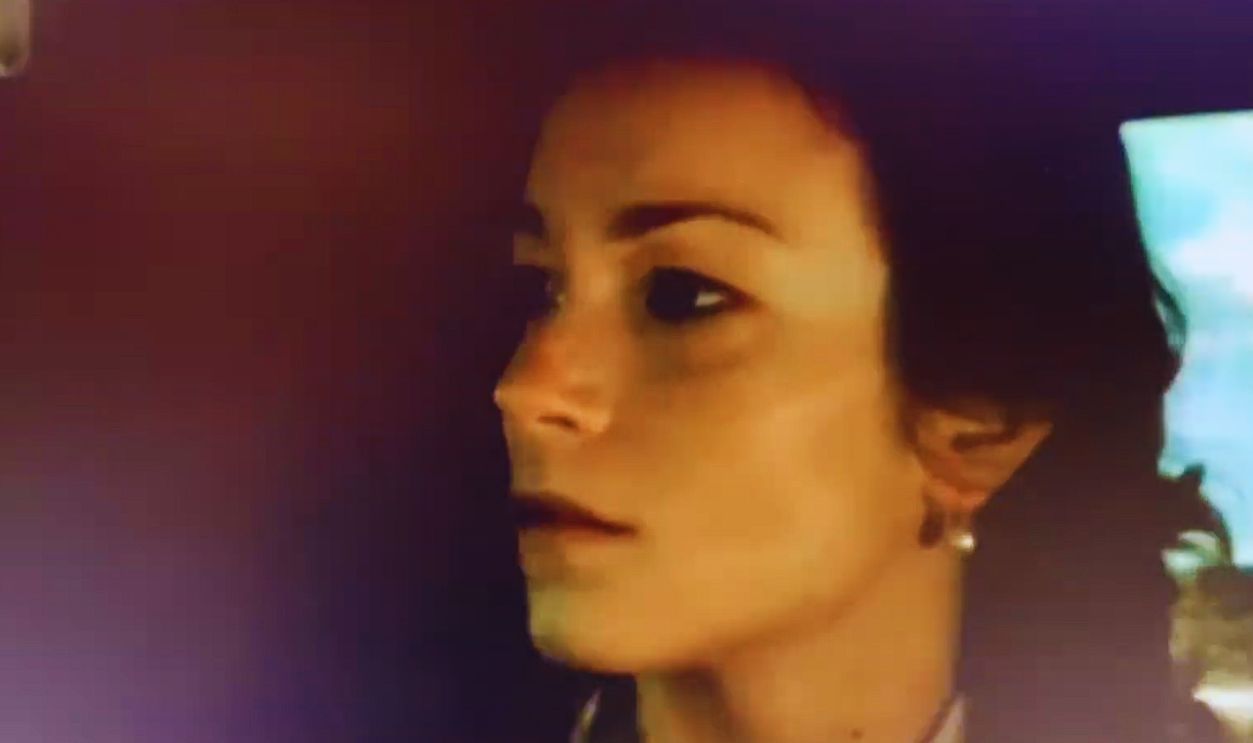
The guest book for German politician Hermann Göring’s country residence shows that Mafalda and Philipp were among his most frequent guests—the couple could not get enough of vacationing there. Again, it is unknown how much Mafalda was just going along with her husband’s political ambitions. But their rising prominence certainly wasn’t hurting her contact list.
 Screenshot from Mafalda of Savoy, RAI (Radiotelevisione Italiana) (2006)
21. She Had Friends In High Places
Mafalda and her husband had many links to the highest echelons of Italian society, something the Führer saw as very useful, and something Philipp was more than happy to exploit. The couple served as a line of connection to Italian politicians, royals, and even the papacy. But while Philipp greased political palms, Mafalda undertook work more befitting of her upbringing.
 Screenshot from Mafalda of Savoy, RAI (Radiotelevisione Italiana) (2006)
History's most fascinating stories and darkest secrets, delivered to your inbox daily.
22. She Helped Out
Despite her husband’s odious politics, Mafalda carried on the values instilled in her by her mother. After the outbreak of WWII, the Princess once again involved herself in charitable activities, helping to alleviate the suffering of those impacted by the conflict. Events had not yet stamped out her compassion and commitment to humanitarian causes. It was a difficult balancing act.
 Screenshot from Mafalda of Savoy, RAI (Radiotelevisione Italiana) (2006)
23. She Was Conflicted
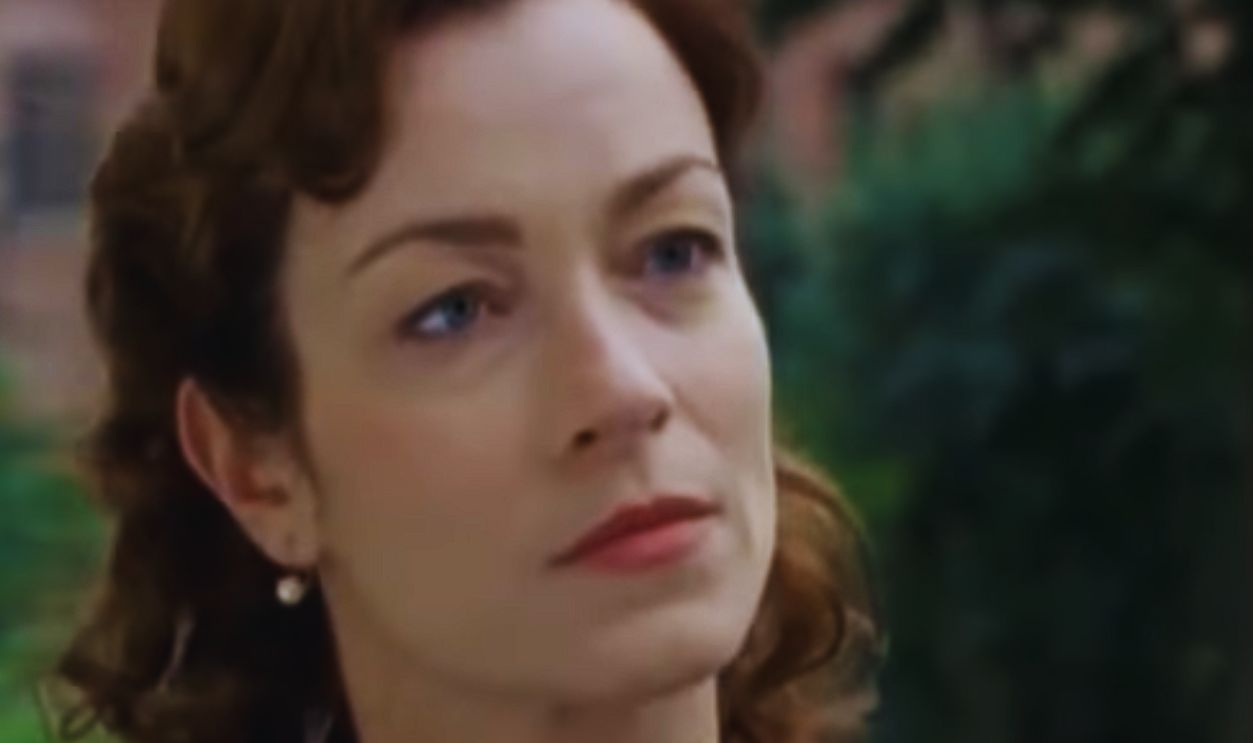
Mafalda’s charitable efforts point to the battle of values raging inside her. On the one hand, she had personal convictions, wanting to help those most in need and taking a largely pro-peace stance. On the other, her position as a member of the Italian royal family meant she had a duty to her country to support moves seen in its political interests. She never truly squared this circle, and it would cost her dearly.
 Screenshot from Mafalda of Savoy, RAI (Radiotelevisione Italiana) (2006)
24. She Was Suspected
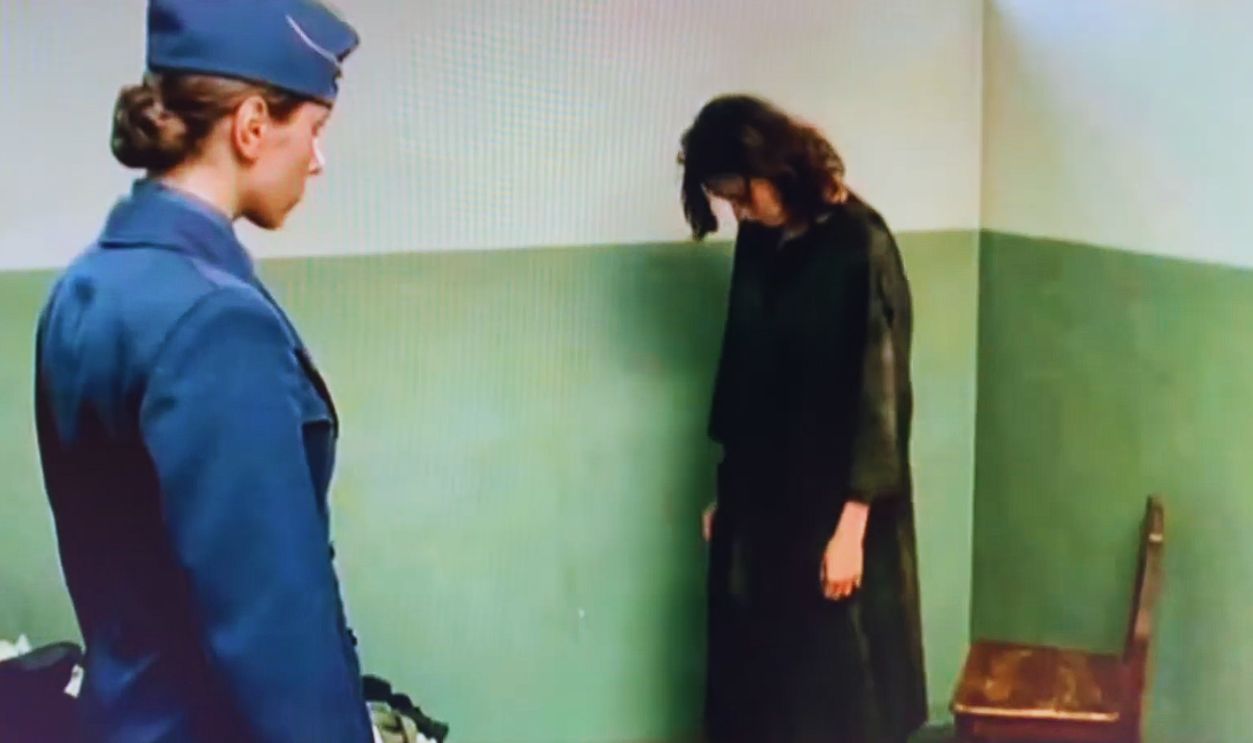
As the conflict raged on, the Führer’s deepening paranoia became a problem for the Princess—though she was not yet aware that this was the case. The Führer began to mistrust Mafalda, believing her to be working against the efforts of Germany and Italy in the conflict. He went so far as to call her the “blackest carrion in the Italian royal house”. And his words were relatively kind.
 Screenshot from Mafalda of Savoy, RAI (Radiotelevisione Italiana) (2006)
25. She Had Few German Fans
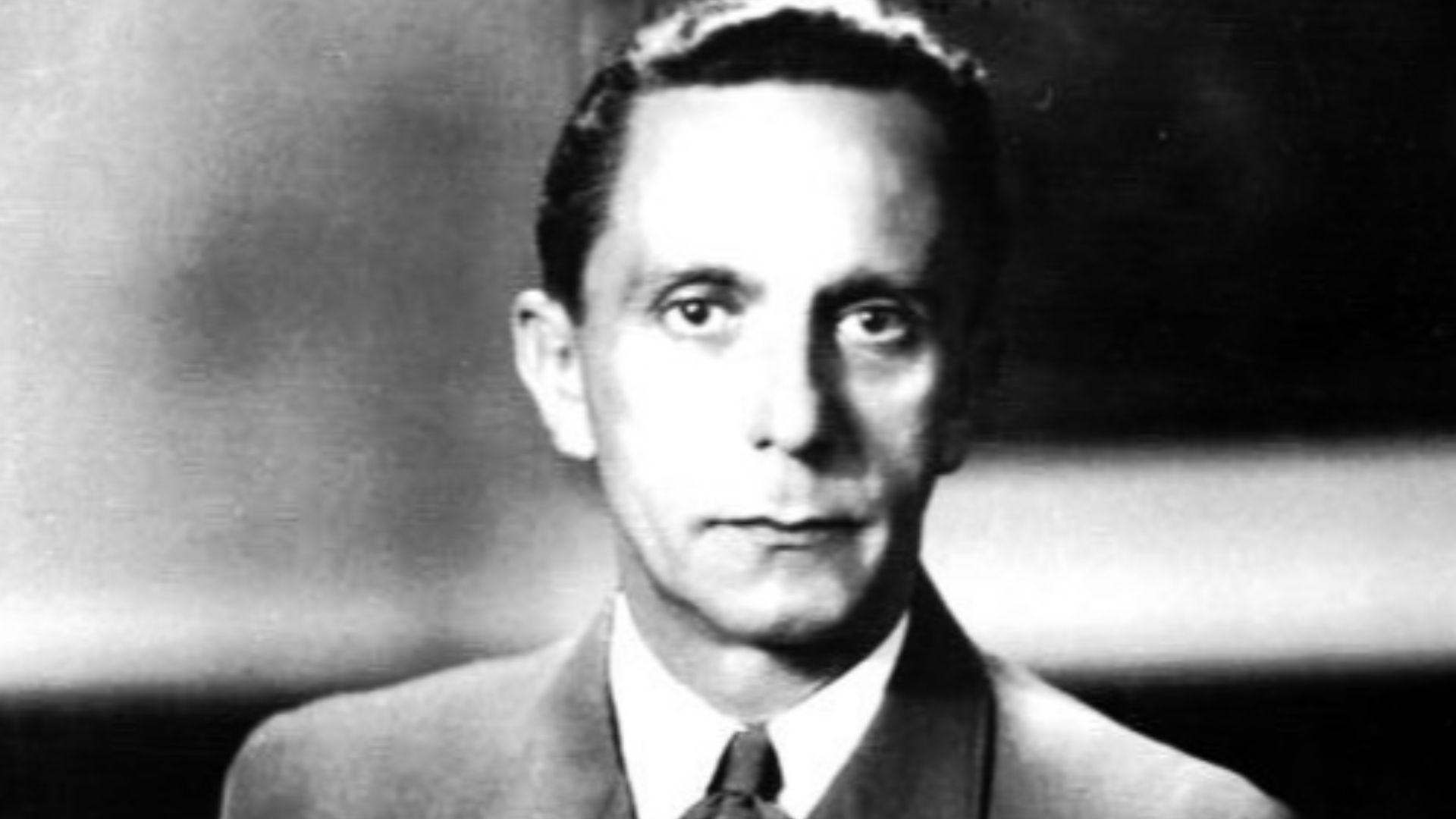
The Führer’s mistrust rubbed off on his Minister of Propaganda (or perhaps it was the other way around?), Joseph Goebbels. But while the Führer’s condemnation of her was coated in flowery language, his number two man did not mince words. Writing in his diary, Goebbels fumed that the Princess was “the biggest [...] in the entire Italian royal house”—a term also used when referring to a female dog. With such unrestrained vitriol, it was inevitable that her husband would soon be caught in the crossfire.
26. She Faced The Beginning Of The End
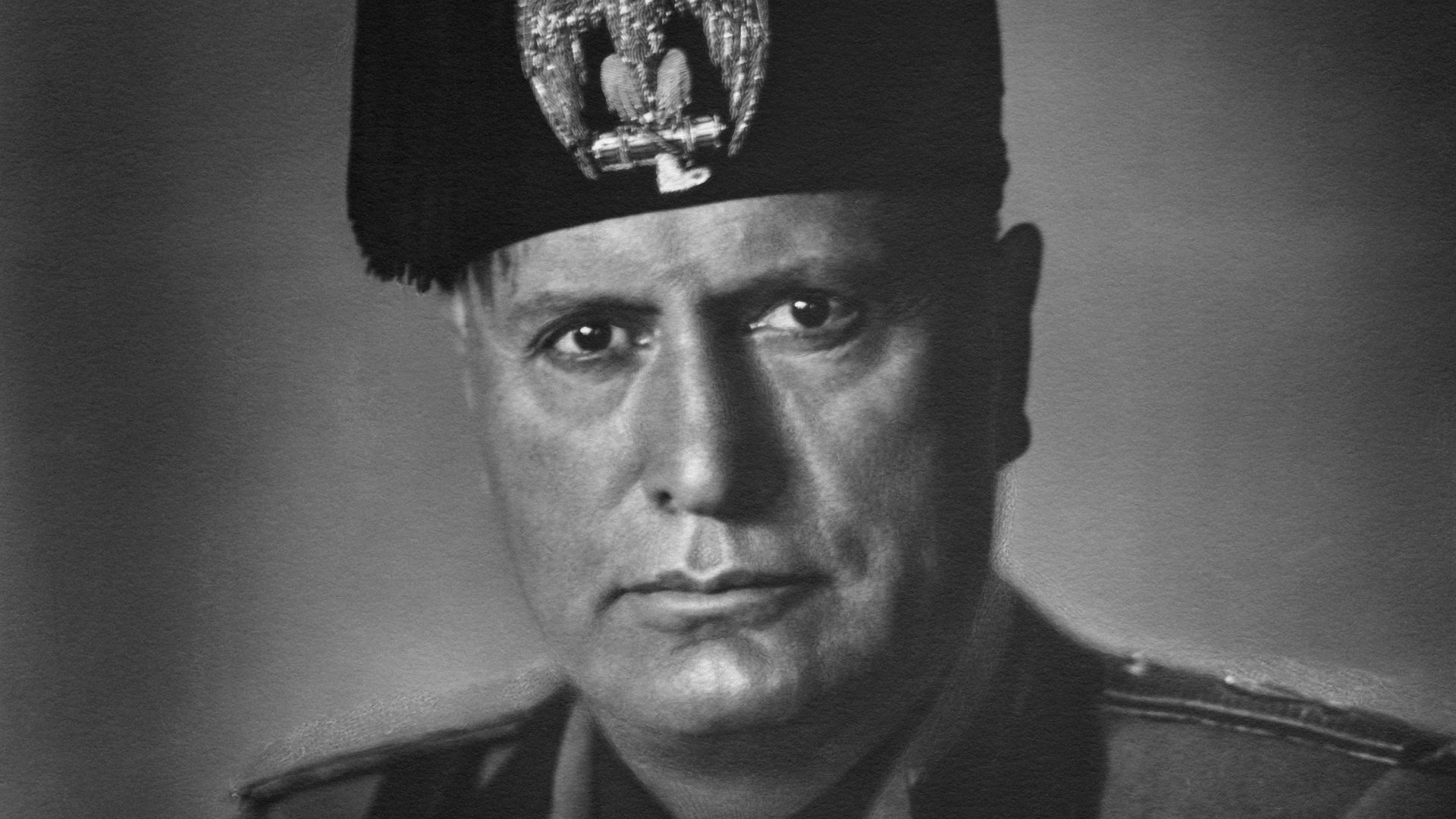
By the spring of 1943, things were not going well for the fascists in Italy, and it fell to Philipp to break the news. Mafalda’s husband reported an honest assessment of the situation to the Führer: Mussolini was facing a likely political collapse. The Führer was not happy to hear this, and his relationship with Philipp quickly soured after this. Philipp was undergoing some changes himself.
 Unknown authorUnknown author, Wikimedia Commons
27. Her Husband Provided Amnesty
Perhaps the National Socialists were somewhat correct in mistrusting Mafalda because her humanitarianism was rubbing off on her husband: some sources have reported that, after realizing the dark realities of Nazism, Philipp had a change of heart and began clandestinely funding passports for Jews to escape Holland. Whether true or not, the vultures were clearly circling and the royal couple wanted out.
 Screenshot from Mafalda of Savoy, RAI (Radiotelevisione Italiana) (2006)
History's most fascinating stories and darkest secrets, delivered to your inbox daily.
28. Her Husband Tried To Quit
With the collapsing Italian regime and the horrors and paranoia of the German party in power accelerating, Mafalda’s husband had seen enough. Adopting a firm and principled stand, the prince reportedly tried to resign from the Führer’s personal staff, delivering the news to the Führer personally in Berlin. The dictator denied his resignation, however, and Philipp got held in Berlin. He quickly found out why.
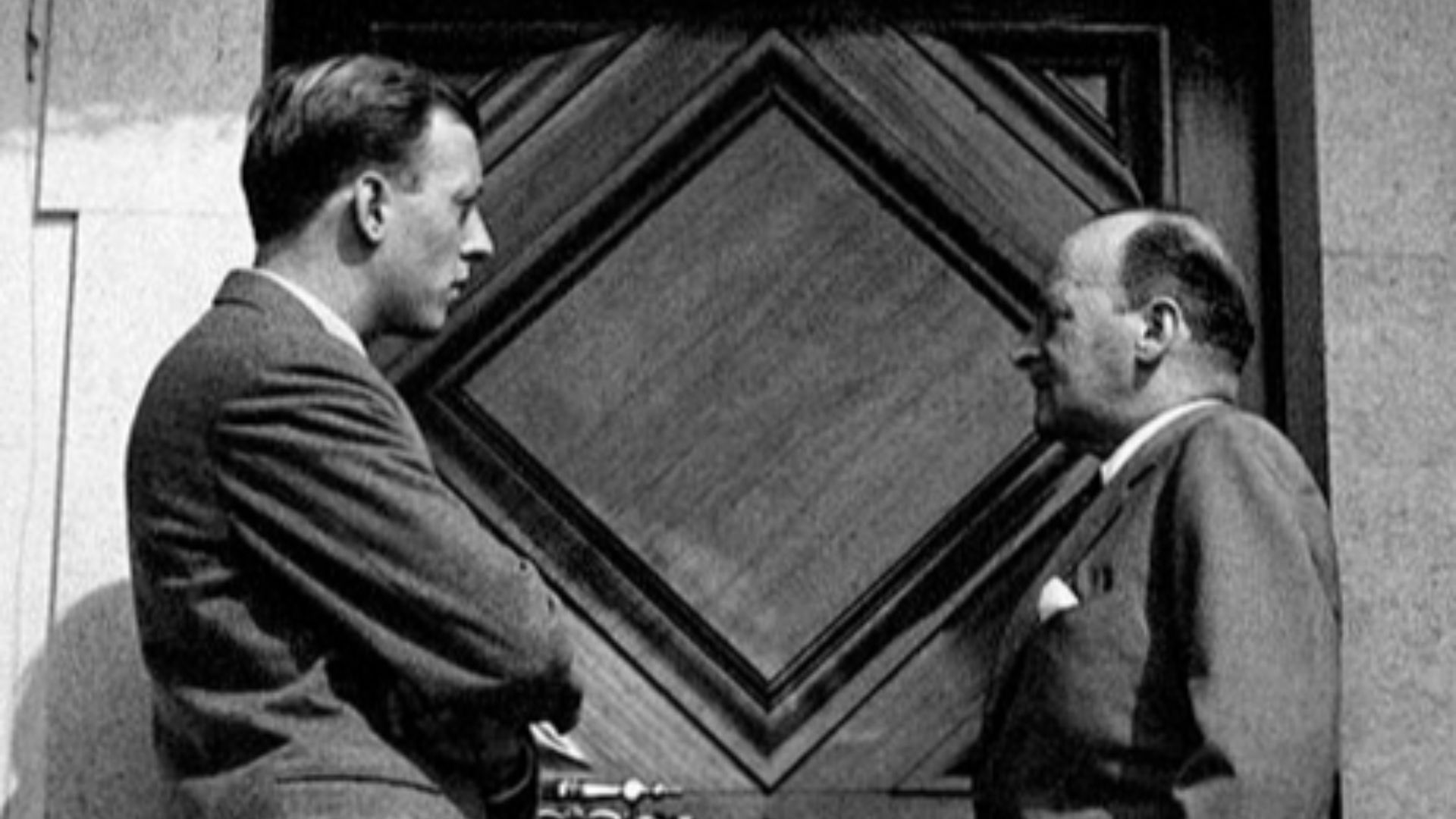 Mario De Biasi, Wikimedia Commons
29. Her Husband Was Implicated
During this time, Mafalda was visiting her recently widowed sister in Bulgaria. While there, the princesses’ father placed Mussolini under arrest. This had devastating consequences for Philipp: the National Socialists placed the prince under arrest in retaliation, and they implicated him in a plot against the Führer. Mafalda was none the wiser.
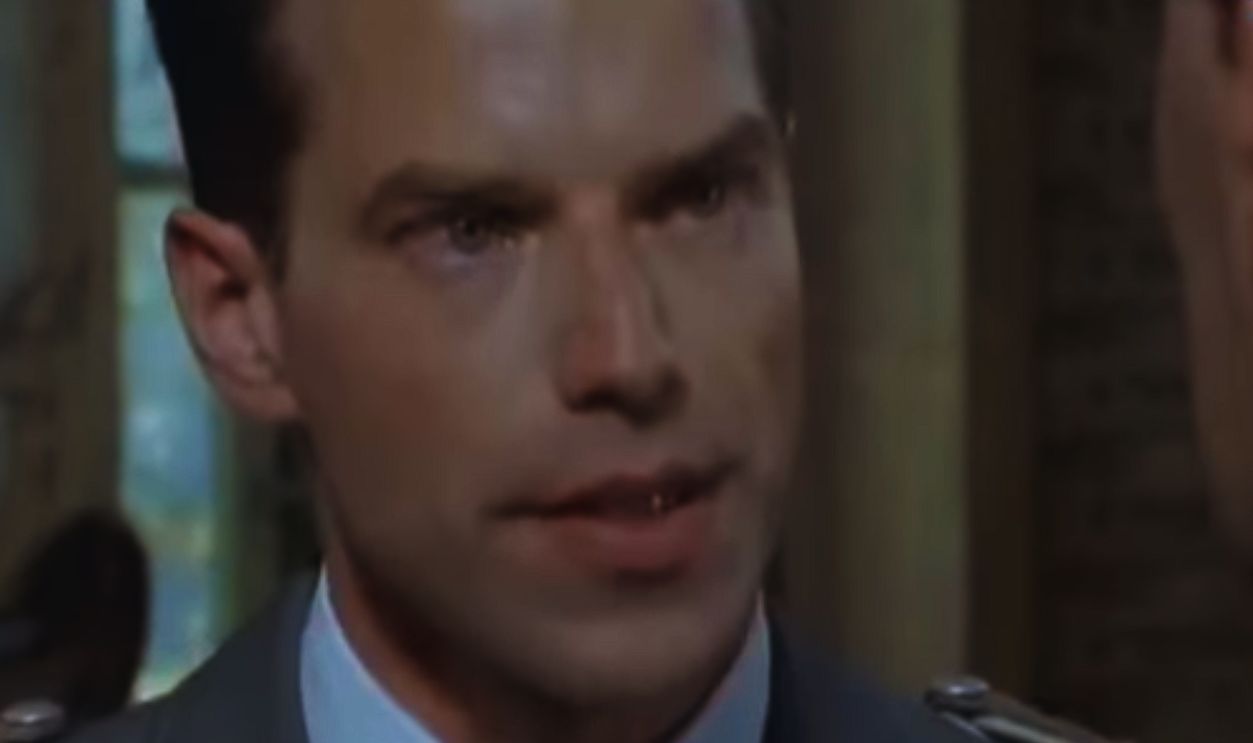 Screenshot from Mafalda of Savoy, RAI (Radiotelevisione Italiana) (2006)
30. She Faced Surrenders And Lies
While staying in Bulgaria, Mafalda was informed that Italy had surrendered; the walls were closing in on the Axis powers. German envoys also informed her that her husband was under “house arrest” in Bavaria. She soon received further instructions from the German government for the couple’s reunion, which she hastily acted on. It proved to be a fatal mistake.
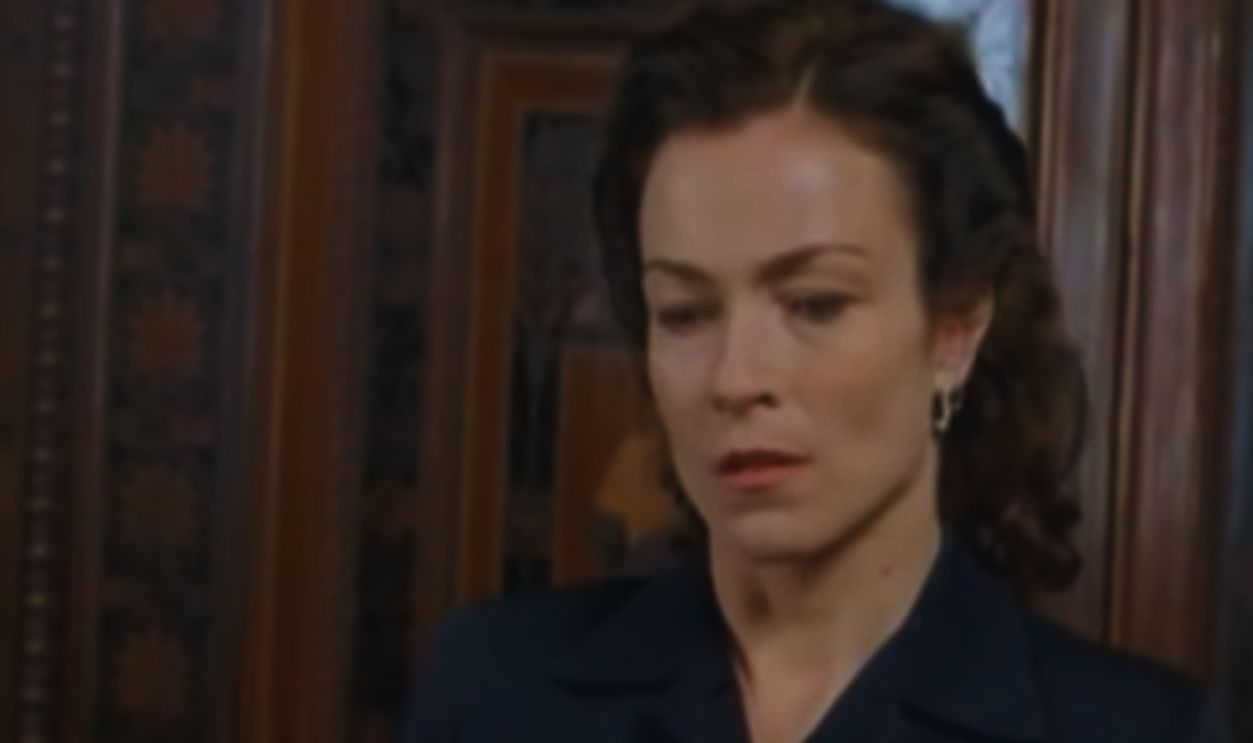 Screenshot from Mafalda of Savoy, RAI (Radiotelevisione Italiana) (2006)
31. She Fell For Dirty Tricks
On September 23, 1943, Mafalda received a phone call from the German High Command that her husband urgently needed to see her and that she was to come to the German Embassy. Little did she know that the Gestapo had ordered her arrest. She would not find Philipp there either.
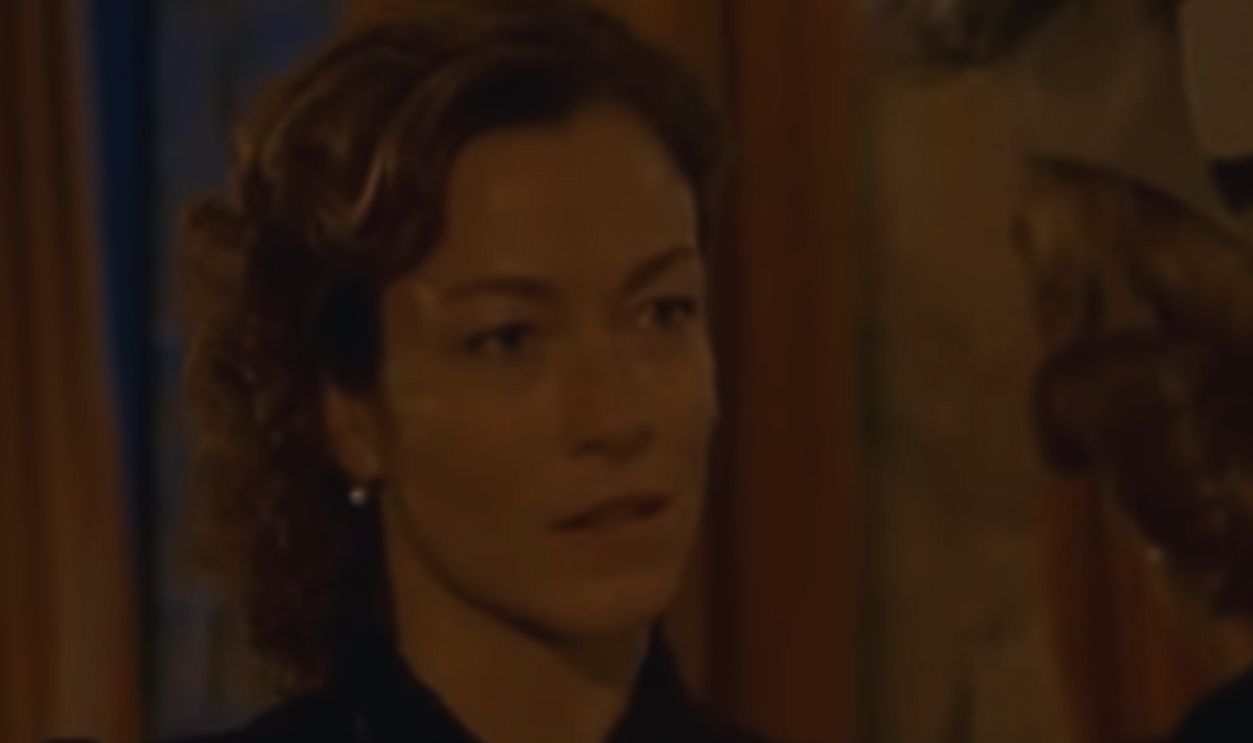 Screenshot from Mafalda of Savoy, RAI (Radiotelevisione Italiana) (2006)
32. Her Husband Was Compromised
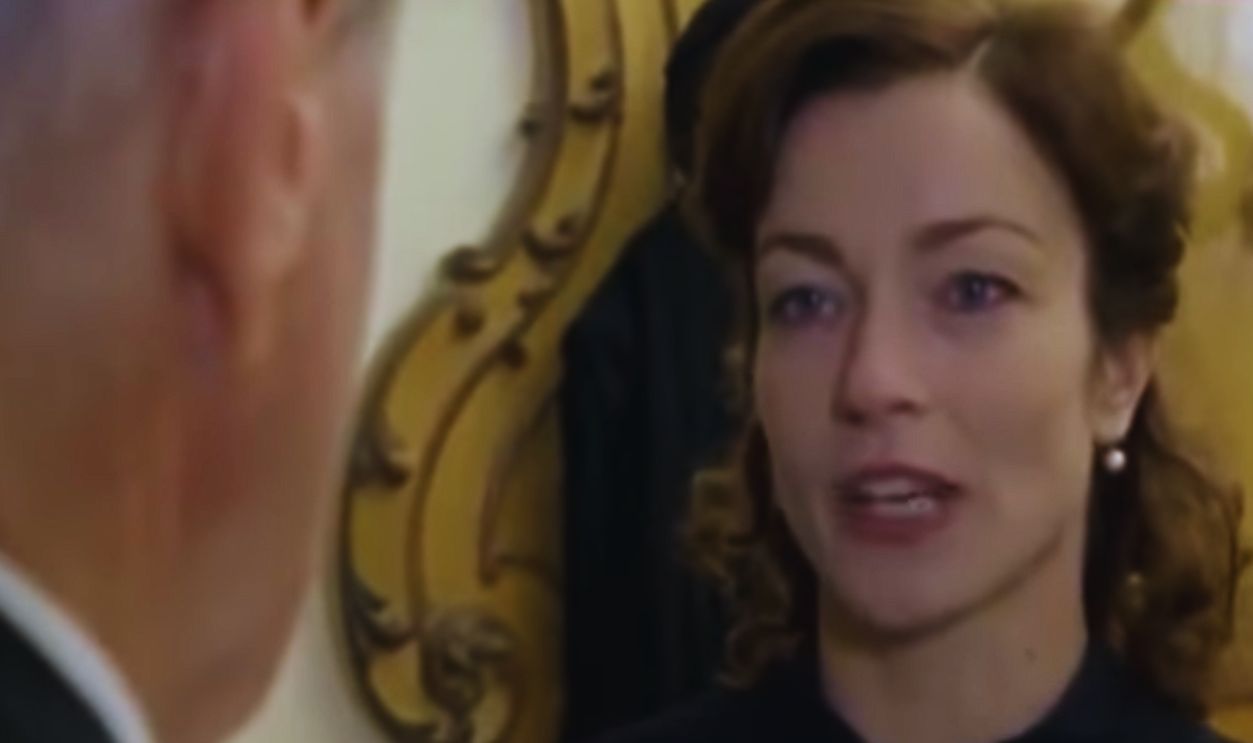
When Mafalda arrived at the embassy, Philipp was nowhere to be found. Unbeknownst to her, the Germans had already imprisoned the prince in a concentration camp, where he awaited his fate. Mafalda barely had time to process the situation as the German authorities descended on her.
 Screenshot from Mafalda of Savoy, RAI (Radiotelevisione Italiana) (2006)
33. She Faced A Charge
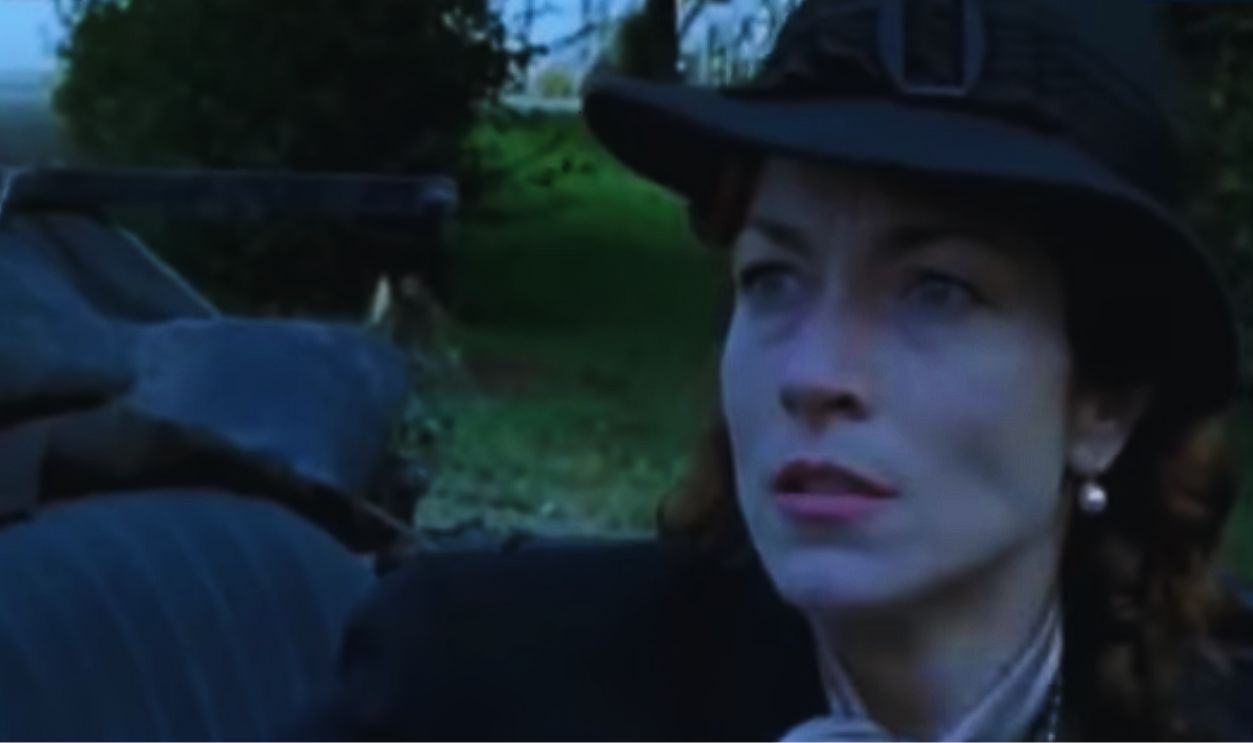
Immediately upon her arrival at the German embassy, they placed Mafalda under arrest. The charges brought against her were for alleged “subversive activities”. There would be no due process, of course, and the Germans whisked the Princess off on a grim road trip.
 Screenshot from Mafalda of Savoy, RAI (Radiotelevisione Italiana) (2006)
History's most fascinating stories and darkest secrets, delivered to your inbox daily.
34. She Moved Around
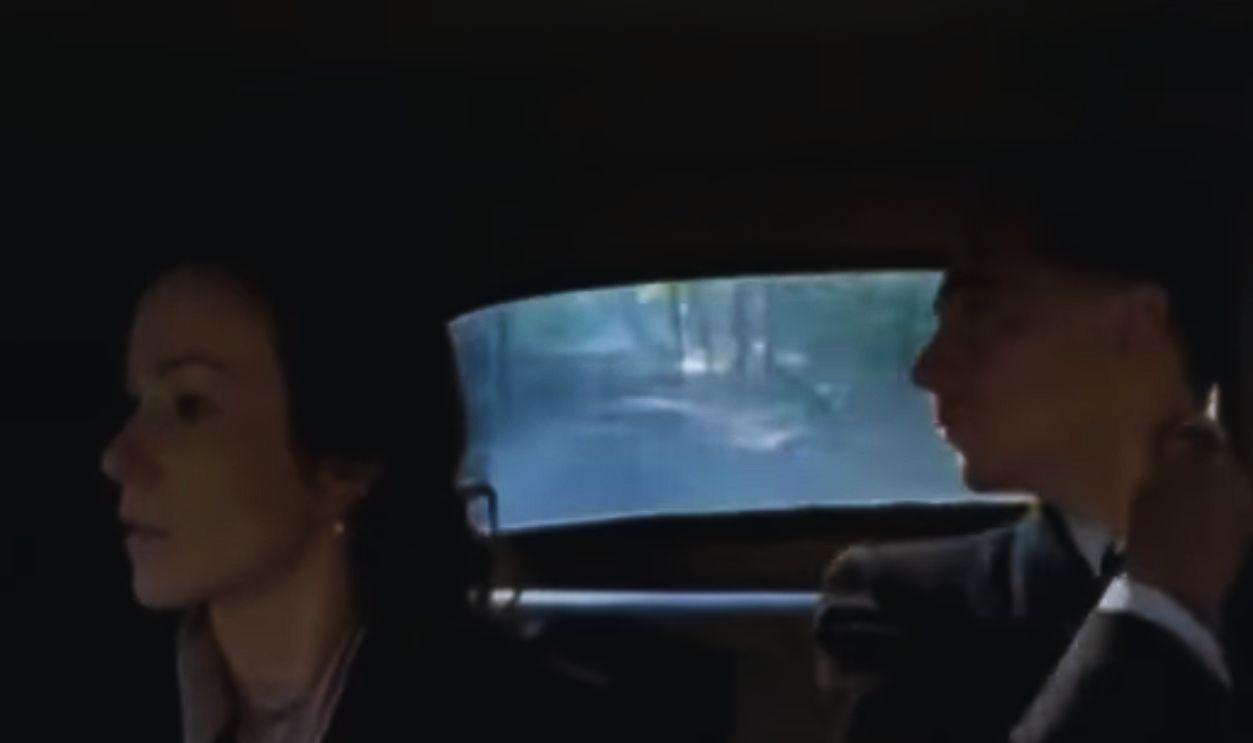
The German authorities transported Mafalda to Munich and then to Berlin. In both locations, she was subject to intense questioning, largely regarding the fresh Italian alliance with the Allied forces. The Princess had little information of use, of course, and so the Germans disposed of her like they did all that they considered subversive elements of society…
 Screenshot from Mafalda of Savoy, RAI (Radiotelevisione Italiana) (2006)
35. She Was Imprisoned
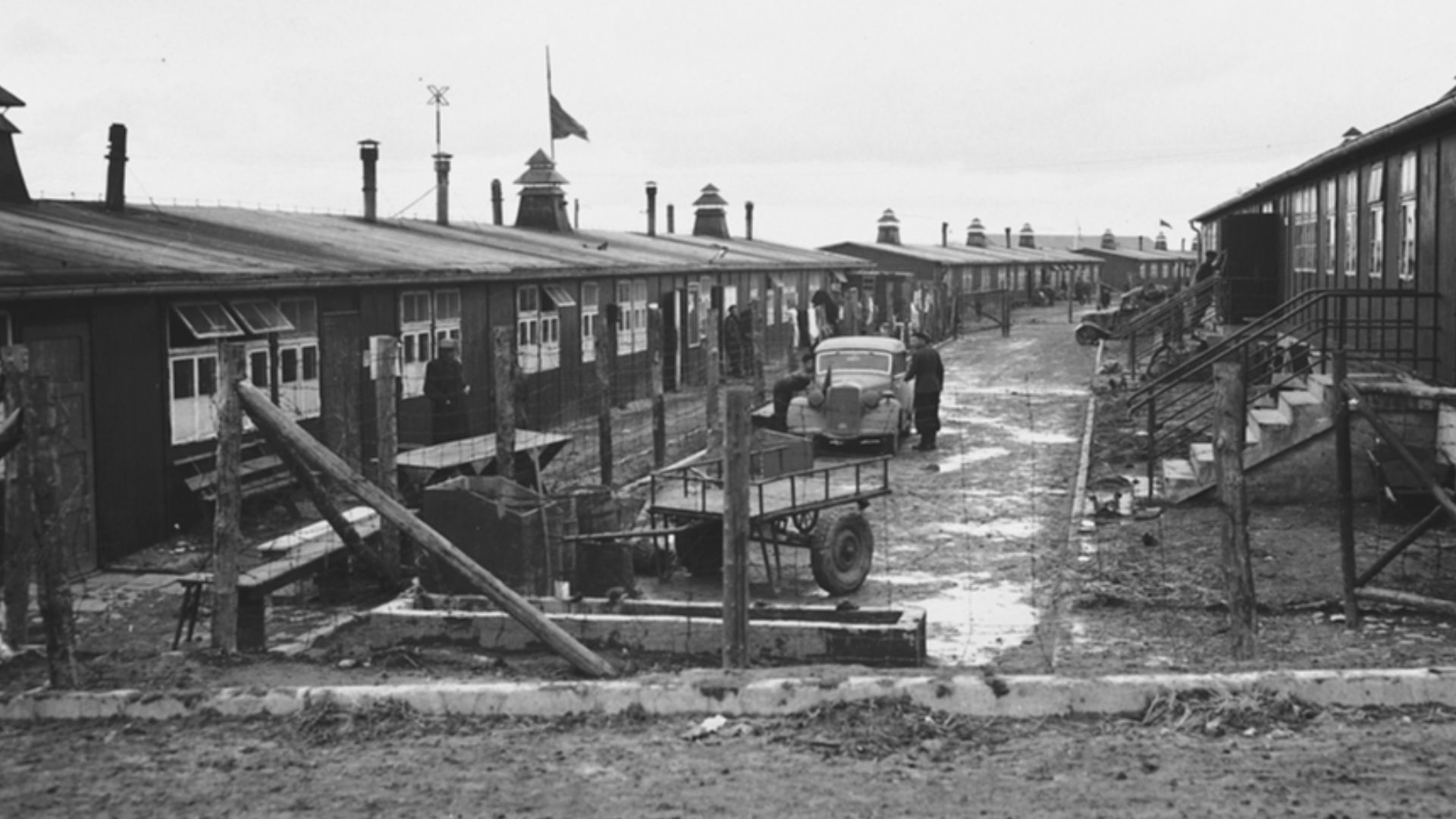
After questioning, the Germans transported Mafalda once again, this time to the infamous Buchenwald concentration camp. There, they registered her as a political prisoner under the alias “Frau Weber”. It was an astonishing place for a member of a royal family to find herself. Luckily, her children were more fortunate…
36. Her Kids Were Safe
Thankfully, Mafalda’s children had managed to secure sanctuary in the Vatican, where they had remained since the Italian surrender to the Allies. Mafalda had actually had a chance to see them (for what would be the last time) on her way to Germany. It must have seemed a thousand years ago with the new circumstances she found herself in.
 Screenshot from Mafalda of Savoy, RAI (Radiotelevisione Italiana) (2006)
37. She Lived In Misery
Now a political prisoner in Buchenwald, Mafalda’s life had changed drastically. The camp was notorious for being one of the worst of the Holocaust, and the filthy conditions were a far cry from the lavish life of royalty that the Princess was used to. But speaking to her resilience, Mafalda did not let it defeat her.
 Screenshot from Mafalda of Savoy, RAI (Radiotelevisione Italiana) (2006)
38. She Powered Through
Despite her alias, many of Mafalda’s fellow Italian prisoners quickly recognized the Princess, and their reports of her are glowing. As a political prisoner, they entitled her to better provisions than the rest of the inmates, and she generously shared her food with her countrymen.
She was also an encouraging presence, pressing everyone to fight on; one prisoner summed it up beautifully, stating “the only beams of light in Buchenwald were the eyes of Mafalda”. But the Princess’s determination would not be enough to save her in the end.
 Screenshot from Mafalda of Savoy, RAI (Radiotelevisione Italiana) (2006)
39. She Was Collateral Damage
On August 24, 1944, after nearly a year imprisoned there, the Allies bombed an ammo factory near Mafalda’s concentration camp. The results were devastating for the prisoners of Buchenwald: four hundred inmates perished in the blast, and Mafalda herself was buried up to her neck in debris, suffering severe burns on her left arm. It did not look good, but her bravery never waivered.
 Screenshot from Mafalda of Savoy, RAI (Radiotelevisione Italiana) (2006)
History's most fascinating stories and darkest secrets, delivered to your inbox daily.
40. She Had Famous Last Words
As the Allies pulled the Princess from the rubble, it was clear she knew she was not long for this world. But she remained steadfast in her duties till the very end: she was later quoted saying “I’m dying. Remember me not as a princess but as your Italian sister”. Her assessment of her condition was correct, but it would not be a quick process.
 Screenshot from Mafalda of Savoy, RAI (Radiotelevisione Italiana) (2006)
41. She Was Out Of The Frying Pan…
Things went from bad to worse for the Princess. Because of the filthy conditions of the camp, as well as all the smoldering debris, her burnt arm soon became infected. The medical staff on site found themselves very limited in the actions they could perform and proceeded with a grim prognosis.
 Screenshot from Mafalda of Savoy, RAI (Radiotelevisione Italiana) (2006)
42. She Lost An Arm
Medical staff at the camp had little choice: with the infection in Mafalda’s arm worsening by the minute, they had no choice but to amputate it. They began the grisly operation of removing the Princess’s limb, but the lack of sanitized equipment and proper facilities proved fatal for the poor suffering royal.
 Screenshot from Mafalda of Savoy, RAI (Radiotelevisione Italiana) (2006)
43. She Met A Grisly End
Mafalda never had to adjust to life with one arm missing. During the operation, which took place over the night of August 26-27, 1944, the Princess bled profusely and ended up losing so much blood that she never regained consciousness. It was a devastating end to the life of an ultimately kindhearted royal. And she would have had so much life ahead of her with which to be kind.
 Screenshot from Mafalda of Savoy, RAI (Radiotelevisione Italiana) (2006)
44. She Was Young
Princess Mafalda of Savoy was only 41 years old when she perished from her operation. She was survived by all her children, and even by her husband, who survived his concentration camp after its liberation by US forces; he would end up living to the ripe old age of 83, more than twice his wife’s entire lifespan. And as if Mafalda’s story wasn’t grim enough, an alternate version exists where she fairs little better.
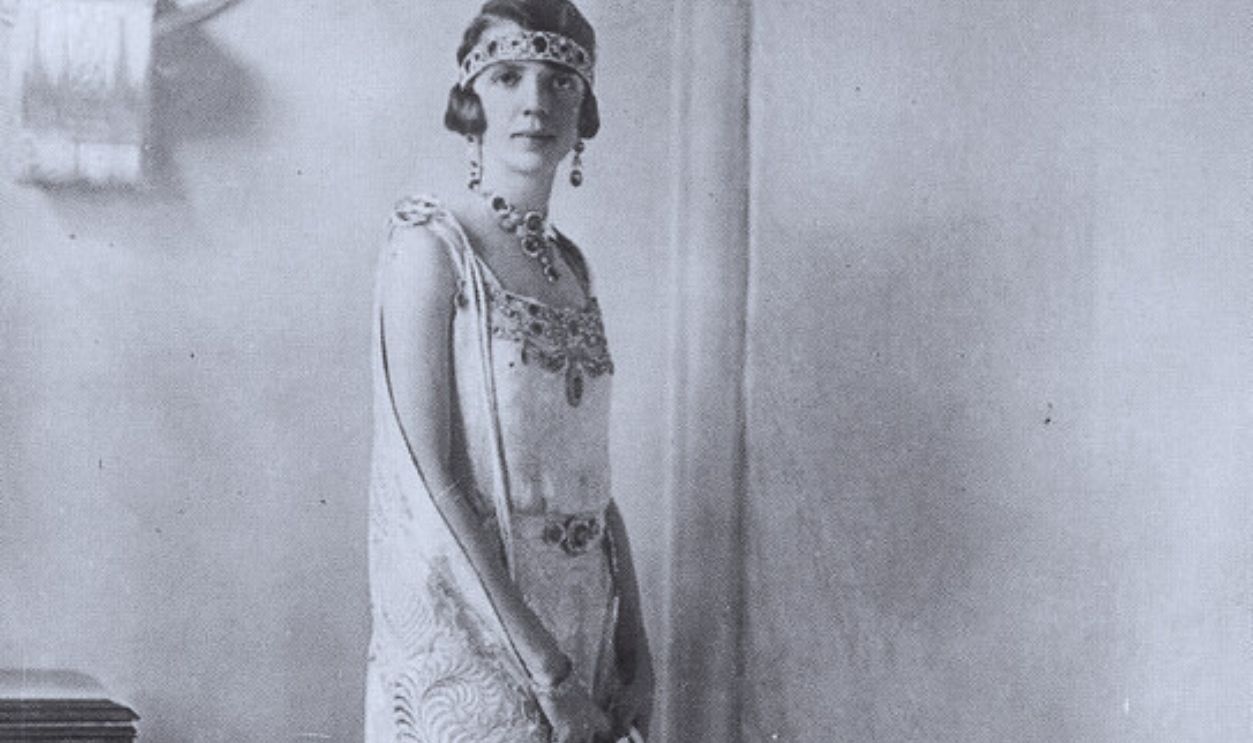 Unknown Author, Wikimedia Commons
45. She May Have Been Desecrated
In his 1950 book, The Theory and Practice of Hell – The German Concentration Camps and the System Behind Them, author Eugen Kogon added further details to Mafalda’s demise, some of which contradicted the previously known account. The story up until her actual passing remains the same, but Kogon details how her unclothed body was then dumped into the crematorium to conceal the evidence. If true, we almost lost her remains to history—if not for one man.
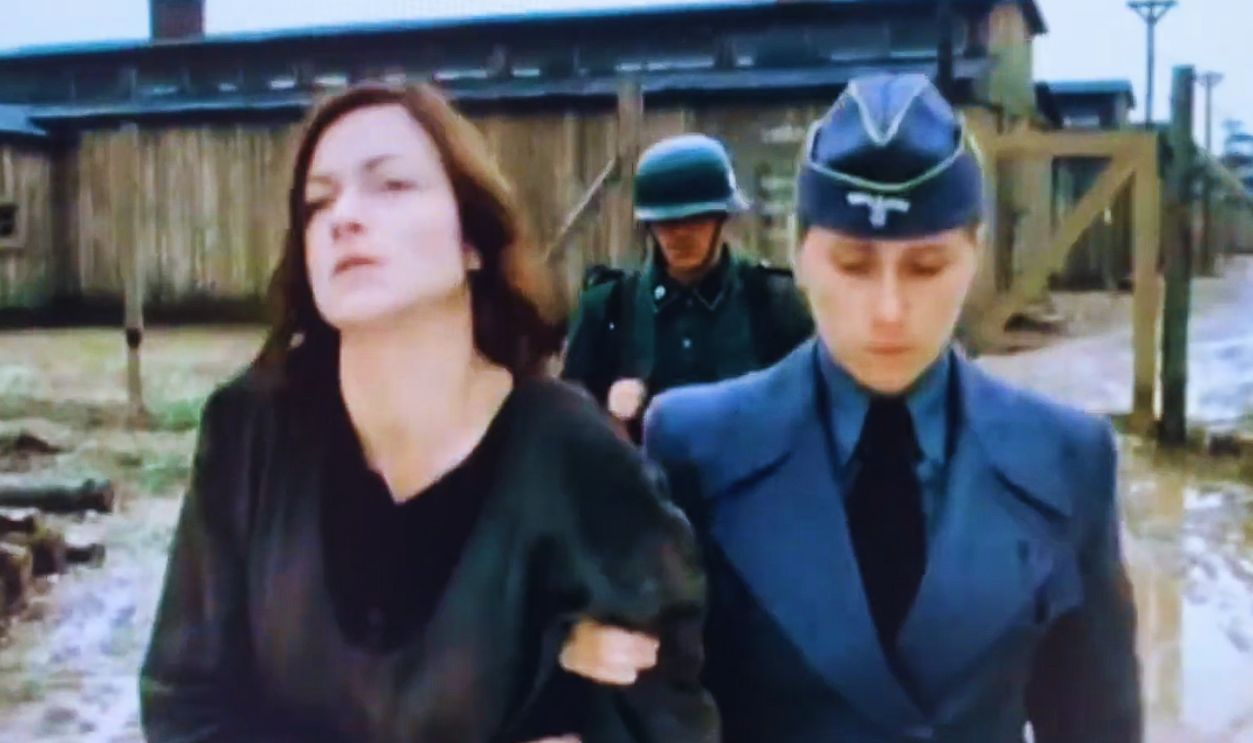 Screenshot from Mafalda of Savoy, RAI (Radiotelevisione Italiana) (2006)
History's most fascinating stories and darkest secrets, delivered to your inbox daily.
46. Her Body Had A Hasty Rescue
According to Kogon, there was a priest present at Buchenwald camp. Father Josephy Thyl knew of the Princess and was aware of her royal standing. Upon hearing of her disposal, he dug her body out of the heap of corpses, covered her up, and arranged for a hasty cremation. But he made sure to keep proof of her presence.
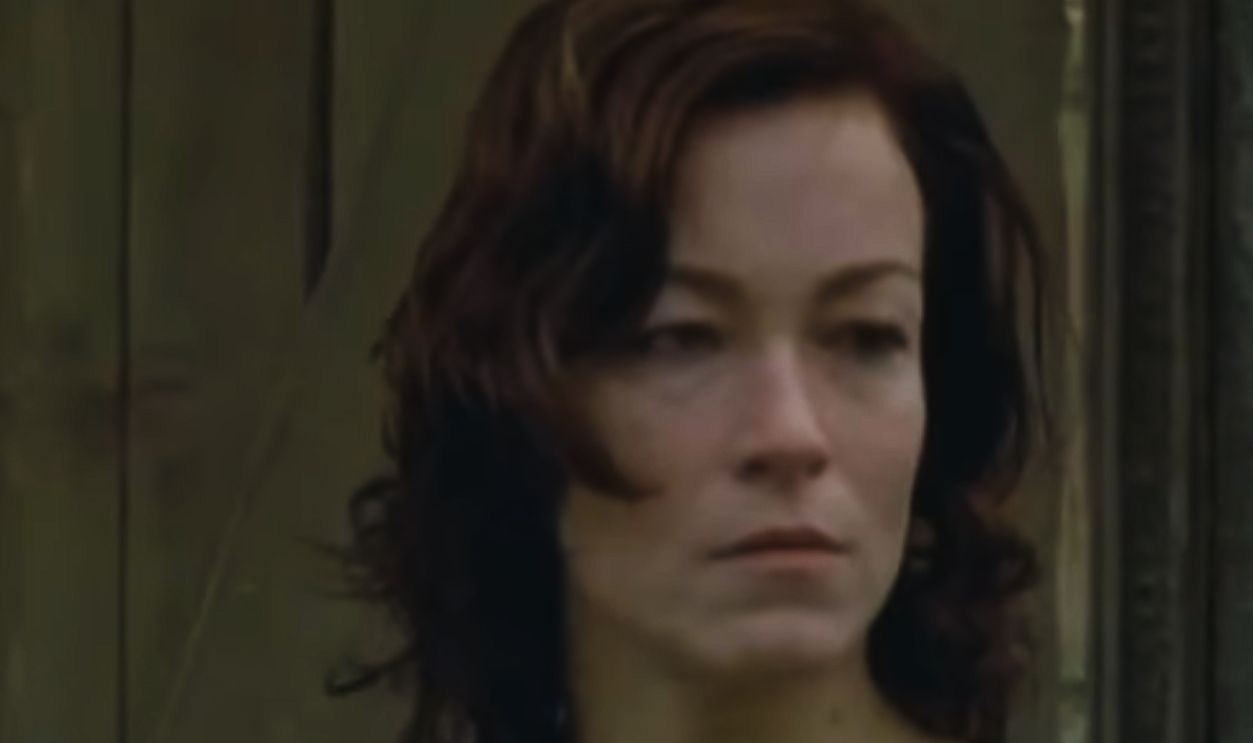 Screenshot from Mafalda of Savoy, RAI (Radiotelevisione Italiana) (2006)
47. She Had Her Memory Preserved
Kogon claims that Father Thyl cut a lock of hair from the Princess’s head, which he snuck out of the camp to be kept in nearby Jena until he could send the hair to Mafalda’s German relatives. Though the story remains unverified, it is as likely true as it is false, given the haziness of camp records. Regardless, some form of remains made it back to her family for burial later.
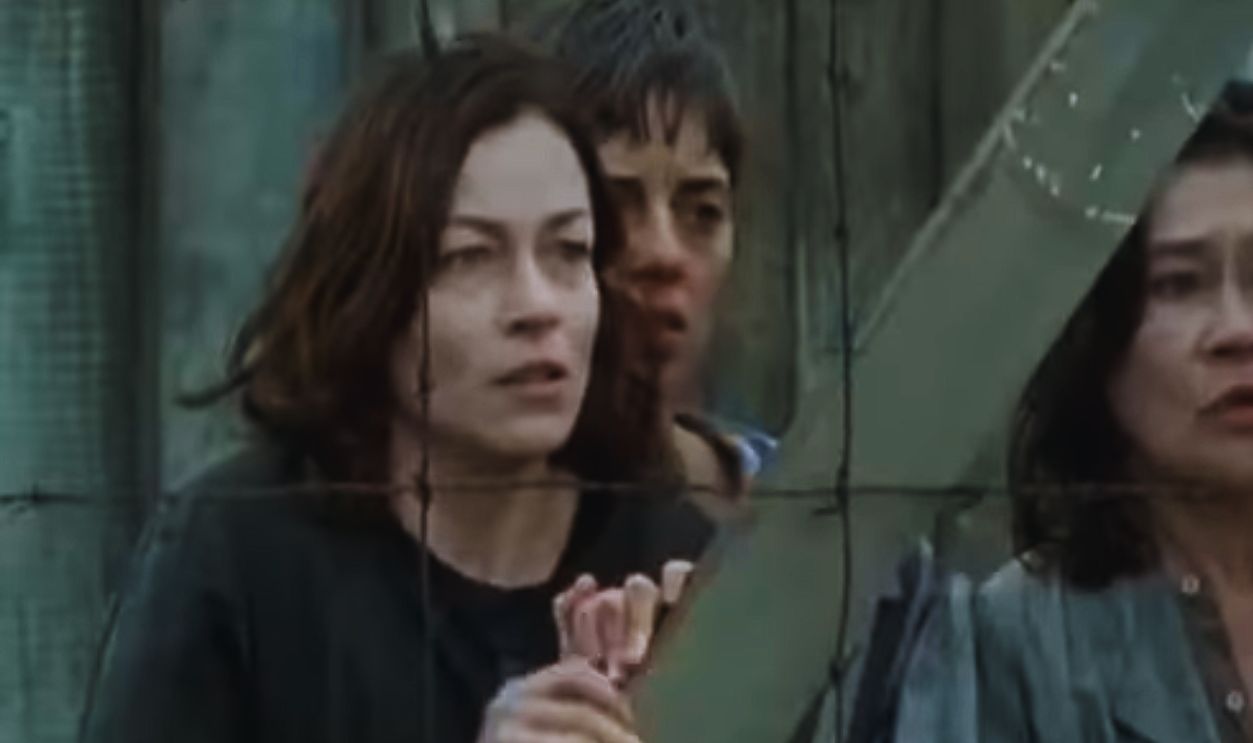 Screenshot from Mafalda of Savoy, RAI (Radiotelevisione Italiana) (2006)
48. She Found Her Final Resting Place
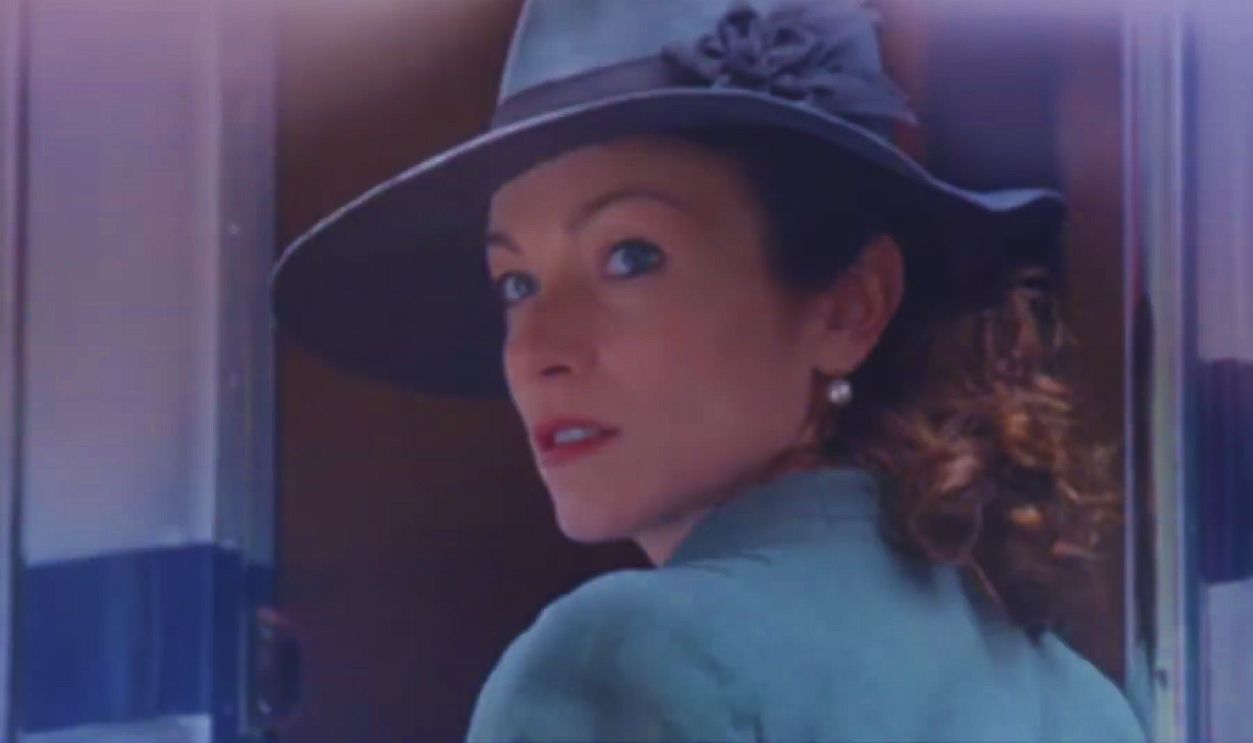
After the conflict ended, some remains of the Princess got returned to her family, and they buried them at Kronberg Castle in Hesse. Perhaps Princess Mafalda of Savoy would feel disappointed with this resting place, given her steadfast identification with her Italian heritage until the very end. Either way, Italy returned her dedication in kind.
 Screenshot from Mafalda of Savoy, RAI (Radiotelevisione Italiana) (2006)
49. She Made The Post
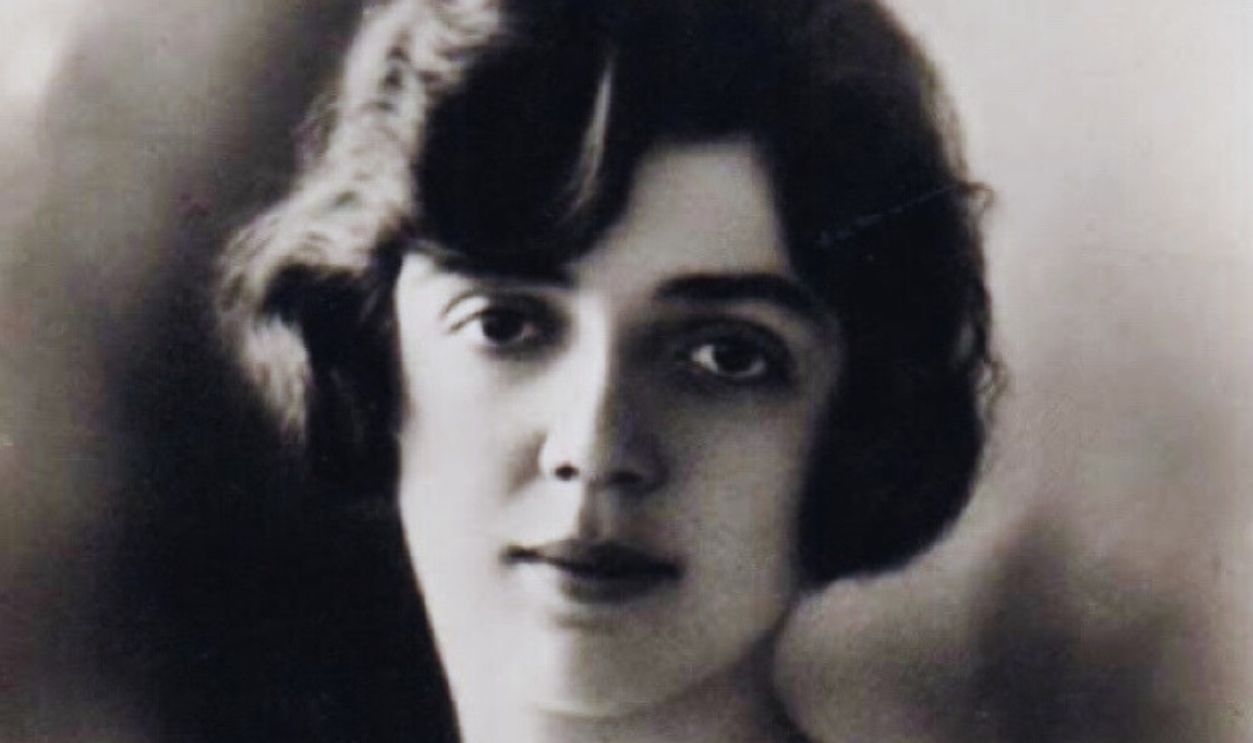
Half a century after WWII ended, the Italian government finally honored their martyred Princess. Mafalda’s image appeared on a 1995 postage stamp in the country, a timeless symbol of honor. In fact, in Italy, there is only one honor that locals would consider higher…
 Unknown Author, Wikimedia Commons
50. She Got An Italian Tribute
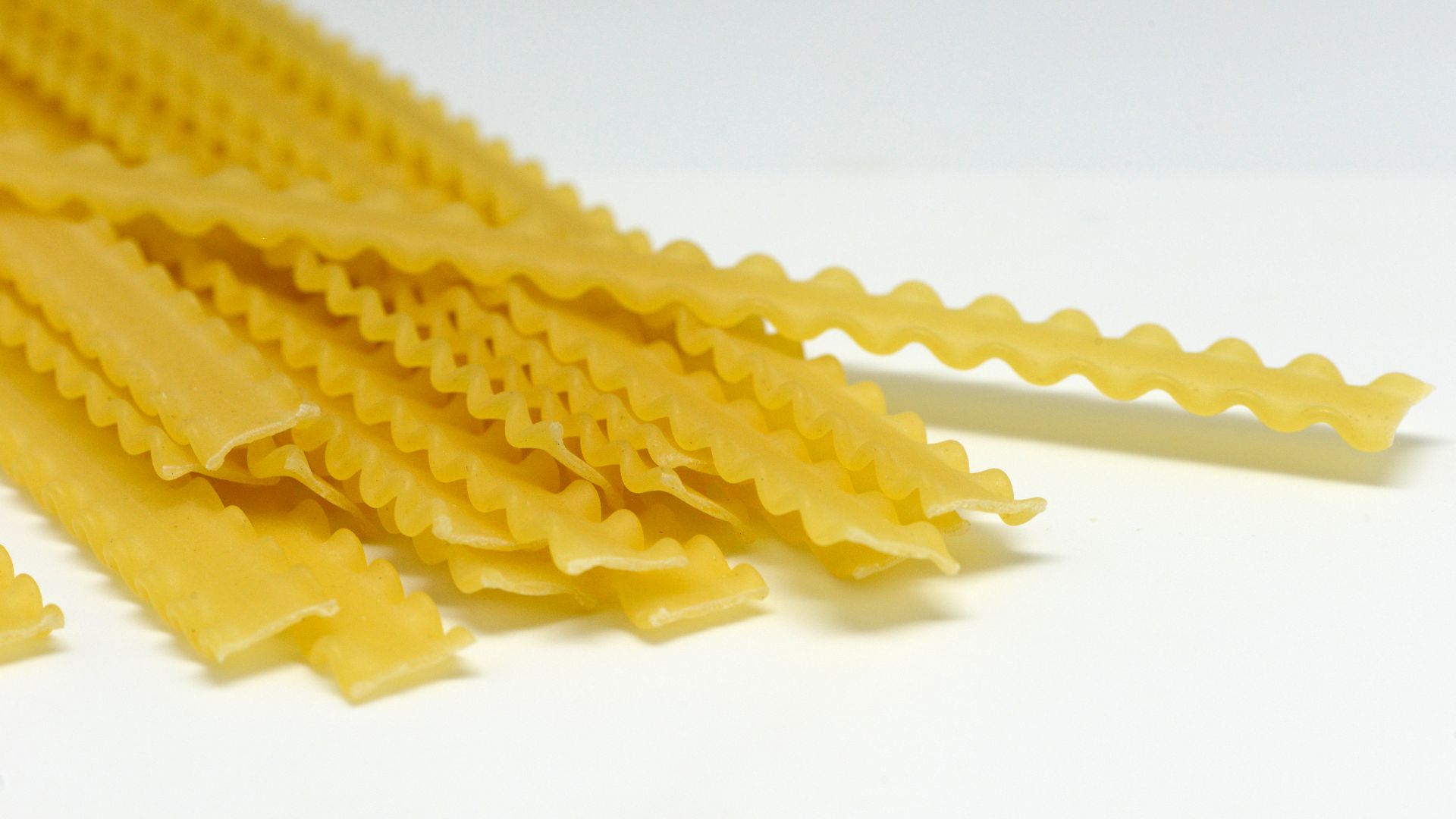
Perhaps the highest honor that could be bestowed on any Italian was given to Mafalda: she had a variety of pasta named after her. Known as Mafaldine (“little Mafalda”), the pasta is made of flat durum wheat. Any Italian worth their salt (and indeed, the Princess certainly was) would recognize just what a loving tribute this is.
 Popo le Chien, Wikimedia Commons
You May Also Like:
Jarring Facts About Gian Gastone De' Medici, The Isolated Grand Duke of Tuscany
52 Scandalous Facts About Italian History
Shadowy Facts About Kaiser Wilhelm II, The Last German Emperor