Show Me The Money
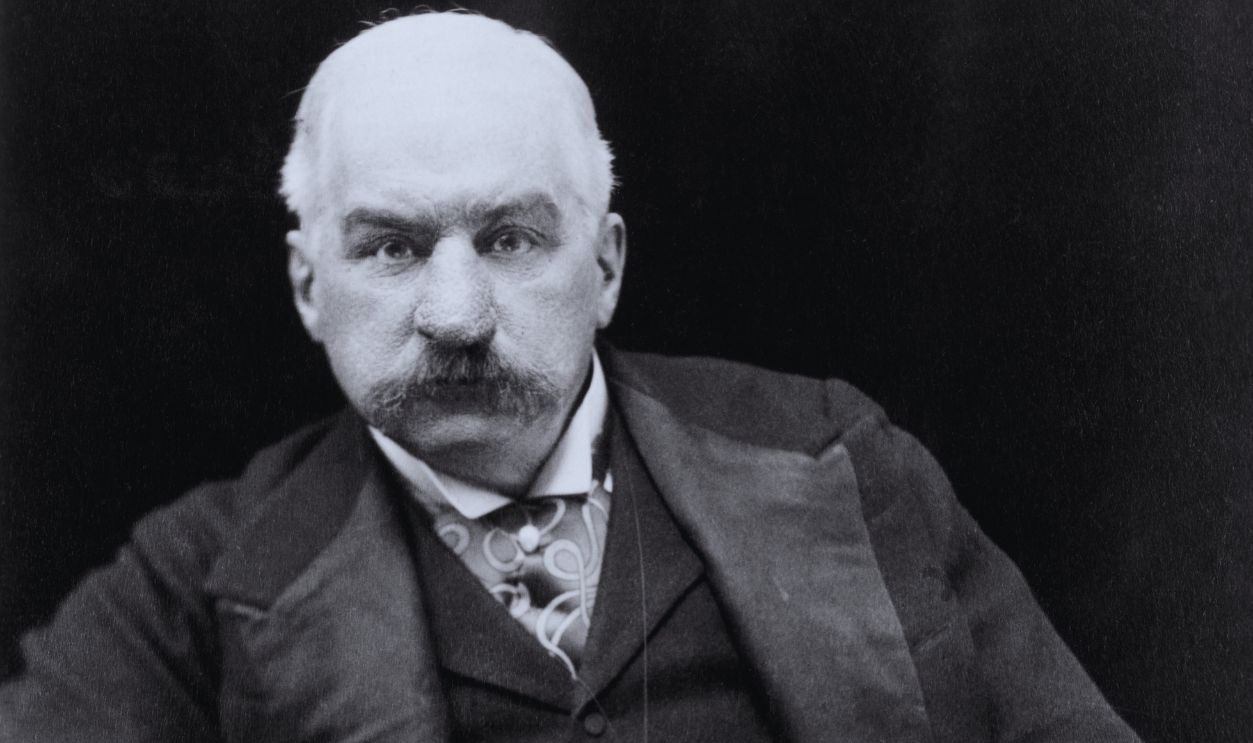
JP Morgan is a household name. However, what of the man behind the business? JP Morgan indeed possessed a strong business sense, which he used to revolutionize not just his wealth but the entire business landscape of America. Yet, money doesn’t solve all problems, and Morgan couldn’t escape the past that haunted him. Run as Morgan might’ve, eventually the secrets of his childhood caught up with him, and no amount of money could save him from his fate.
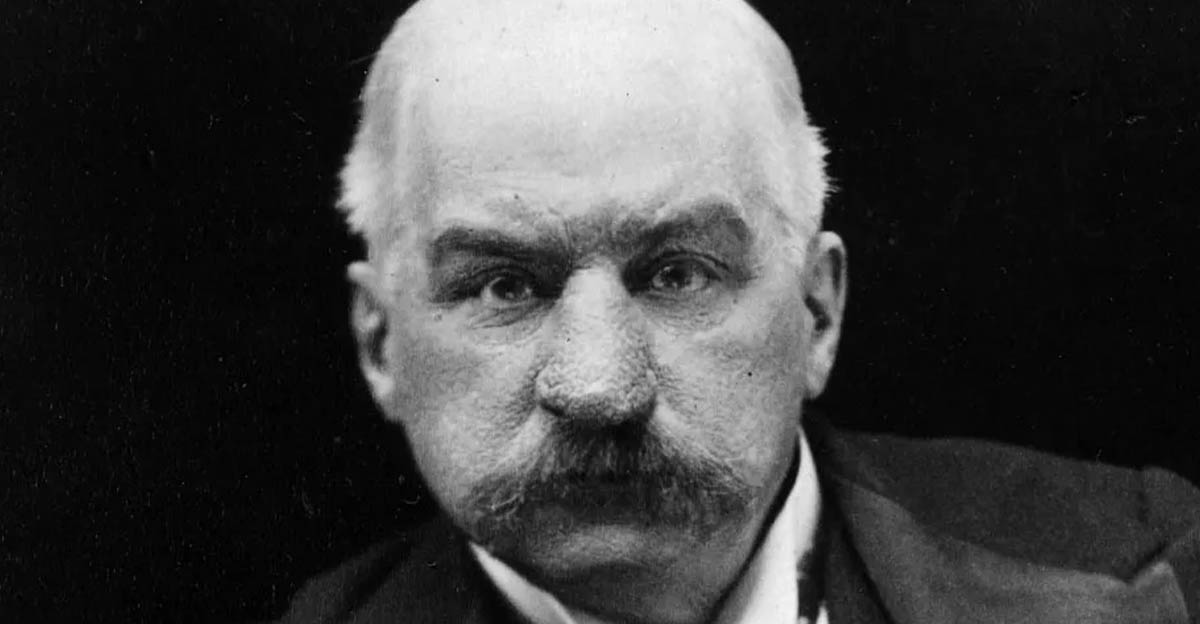
1. He Started Ahead Of The Game
The “American Dream” is built on the idea that anyone can become anything. However, what they fail to tell you is that most of your American heroes were wealthy to start with, and John Pierpont Morgan was exactly that. Born into the already well-established Morgan family, JP Morgan had everything he needed from the moment he was born, and it showed.
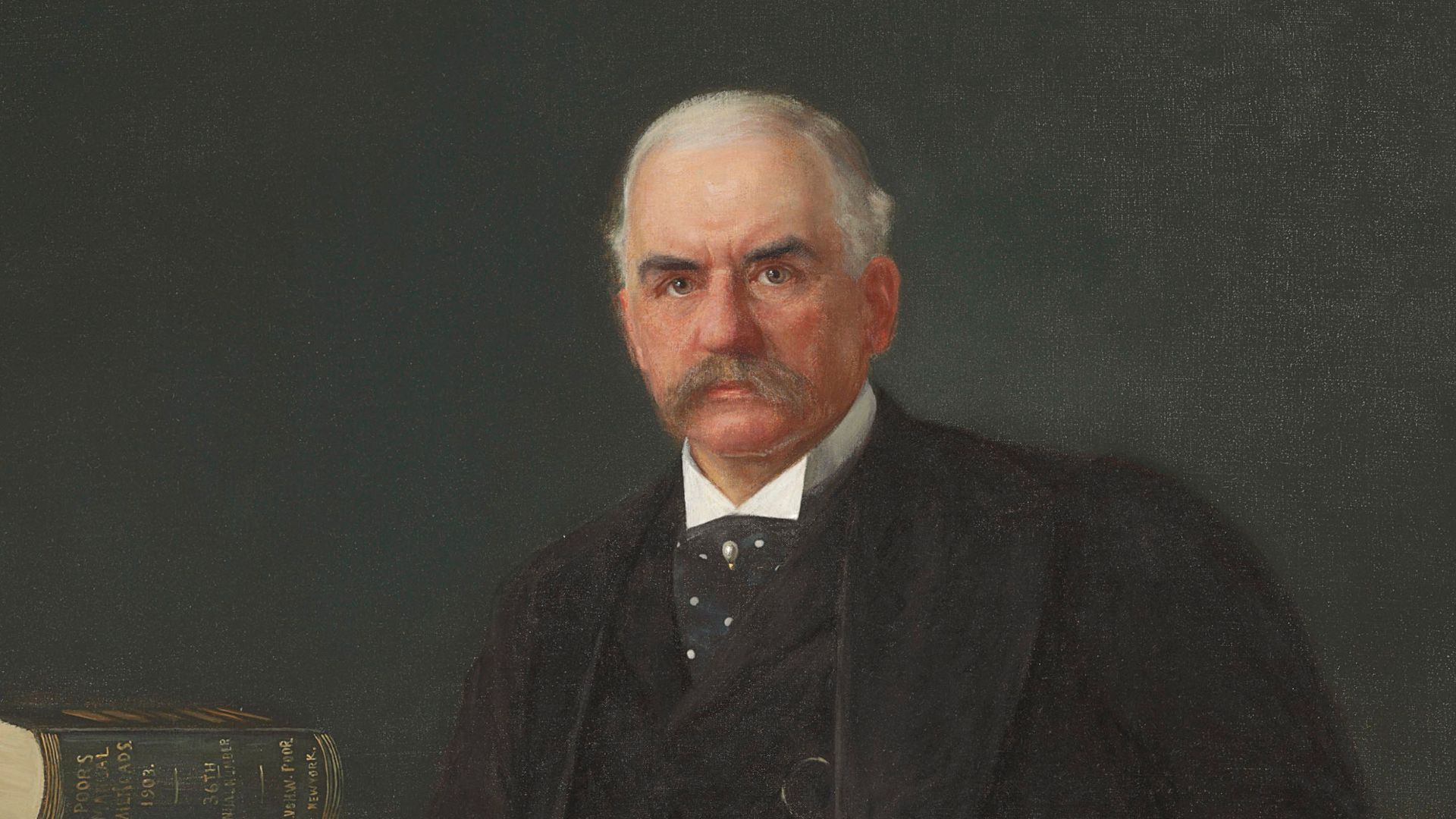 Fedor Encke (1851-1926), Wikimedia Commons
2. His Family Inherited A Fortune
Morgan’s father inherited a fortune from his father by the time Morgan was 10. Even his mother brought unusual prestige to the family, hailing from a line of poets, including the composer of “Jingle Bells”. However, while money can buy you many things, there are a few things that even the Morgans couldn’t protect their young son from.
3. His Money Couldn’t Save Him
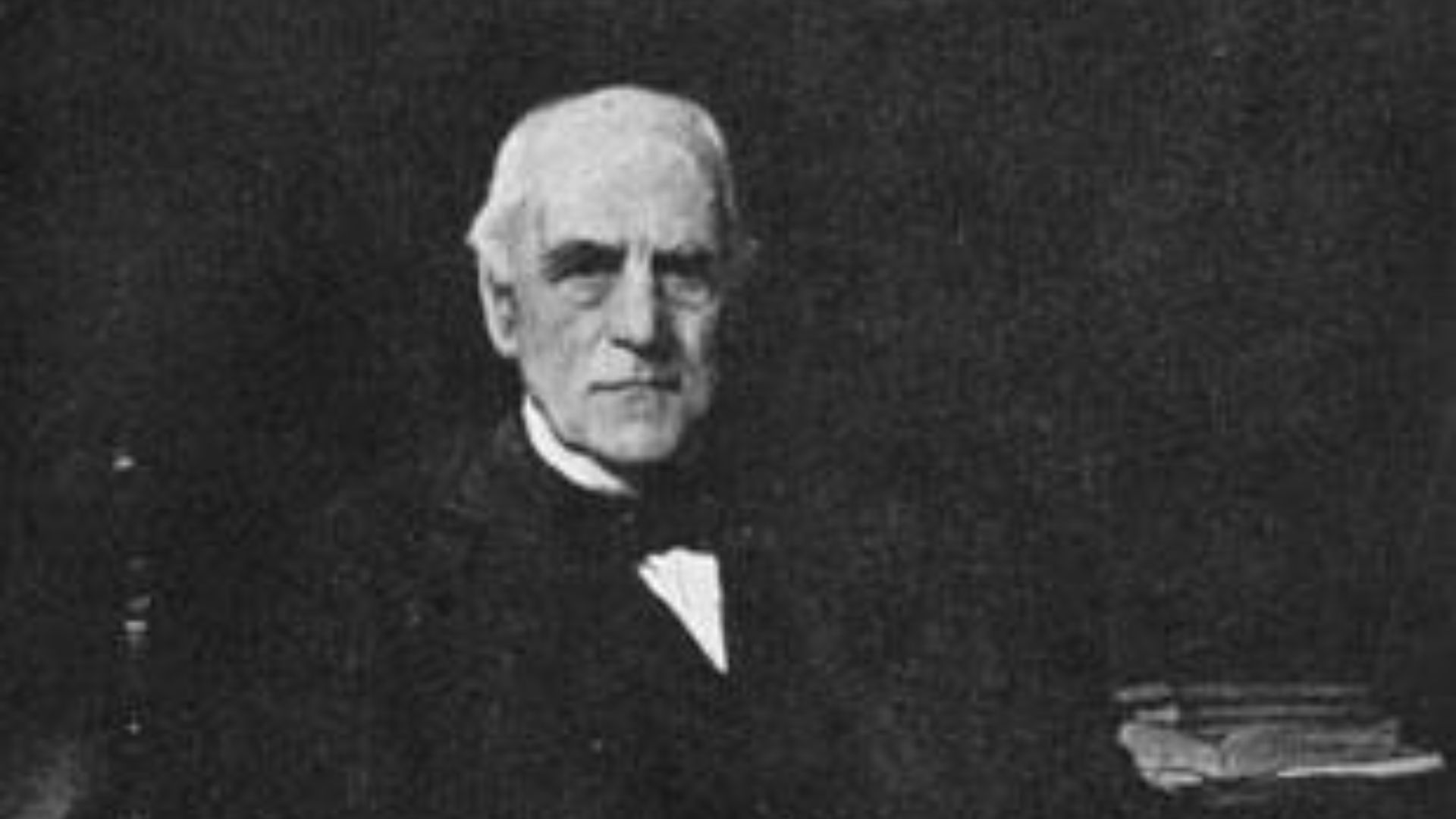
Morgan’s life may have been very different if it hadn’t been for the sudden sickness that consumed his youth. At the age of 15, Morgan contracted an illness that, when left unchecked, bloomed into a painful rheumatic fever. Although his father sent Morgan to Portugal to convalesce from the suffering that ravaged his body, there are some things that money just can’t overcome.
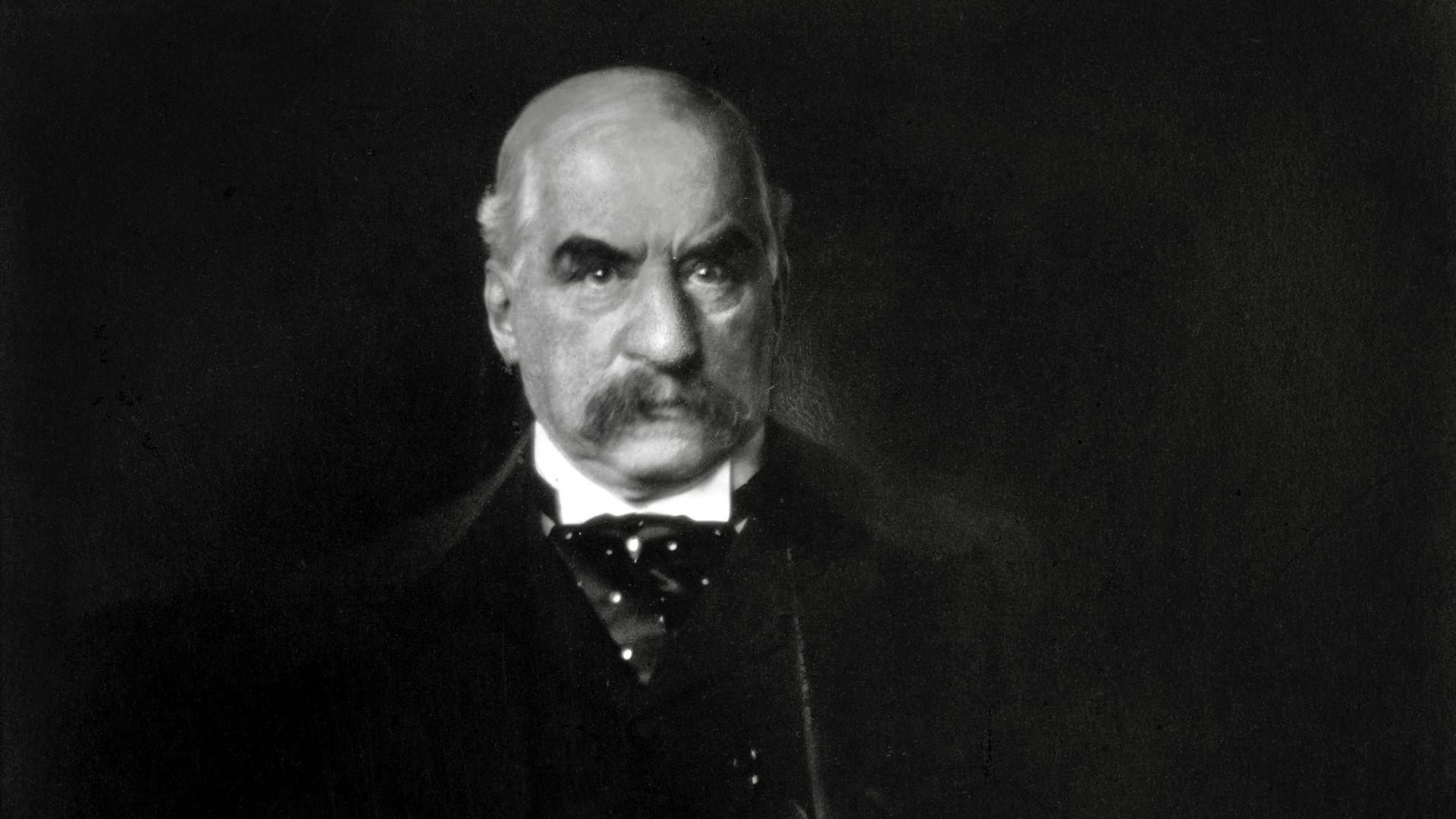 Edward Steichen, Wikimedia Commons

History's most fascinating stories and darkest secrets, delivered to your inbox daily.
4. He Suffered For A Year
It took Morgan a full year to recover from his illness, and even then, it left its scars on his body. Although Morgan returned to his family, carrying on with his life, the symptoms from the illness continued to persist, appearing at the most inconvenient time, and worsening as he aged. This brush with death, perhaps, only made Morgan more determined to leave a mark upon the world.
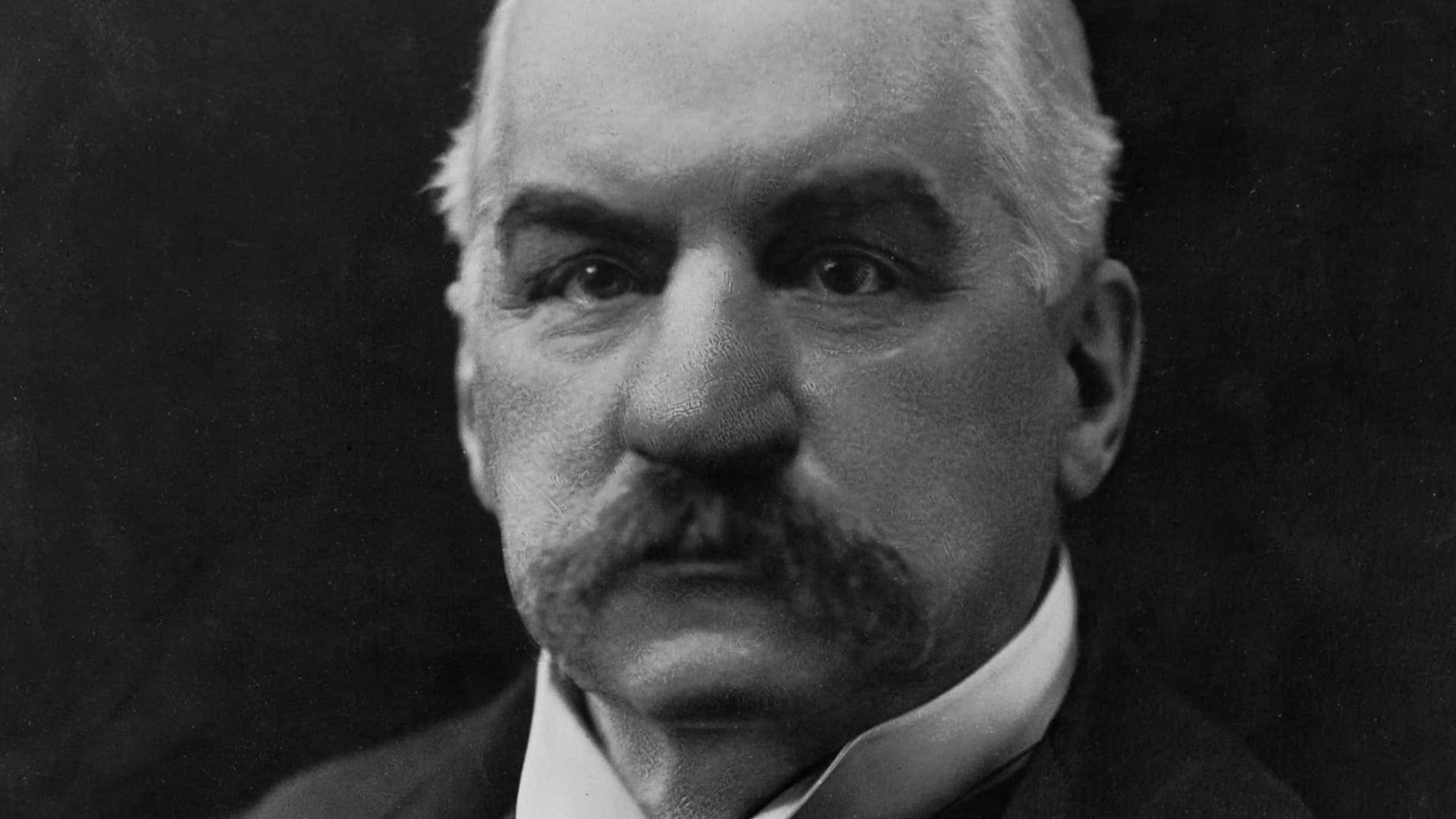 Pach Brothers, Wikimedia Commons
5. His Father Gave Him A Job
Money may not have been able to save Morgan from illness, but it certainly gave him a leg up on the competition. Not only did his father send him to both Switzerland and Germany to study, but Junius Morgan also provided his son with his first job. Having been handed everything from the start, it brought into question Morgan’s ability to handle being told no.
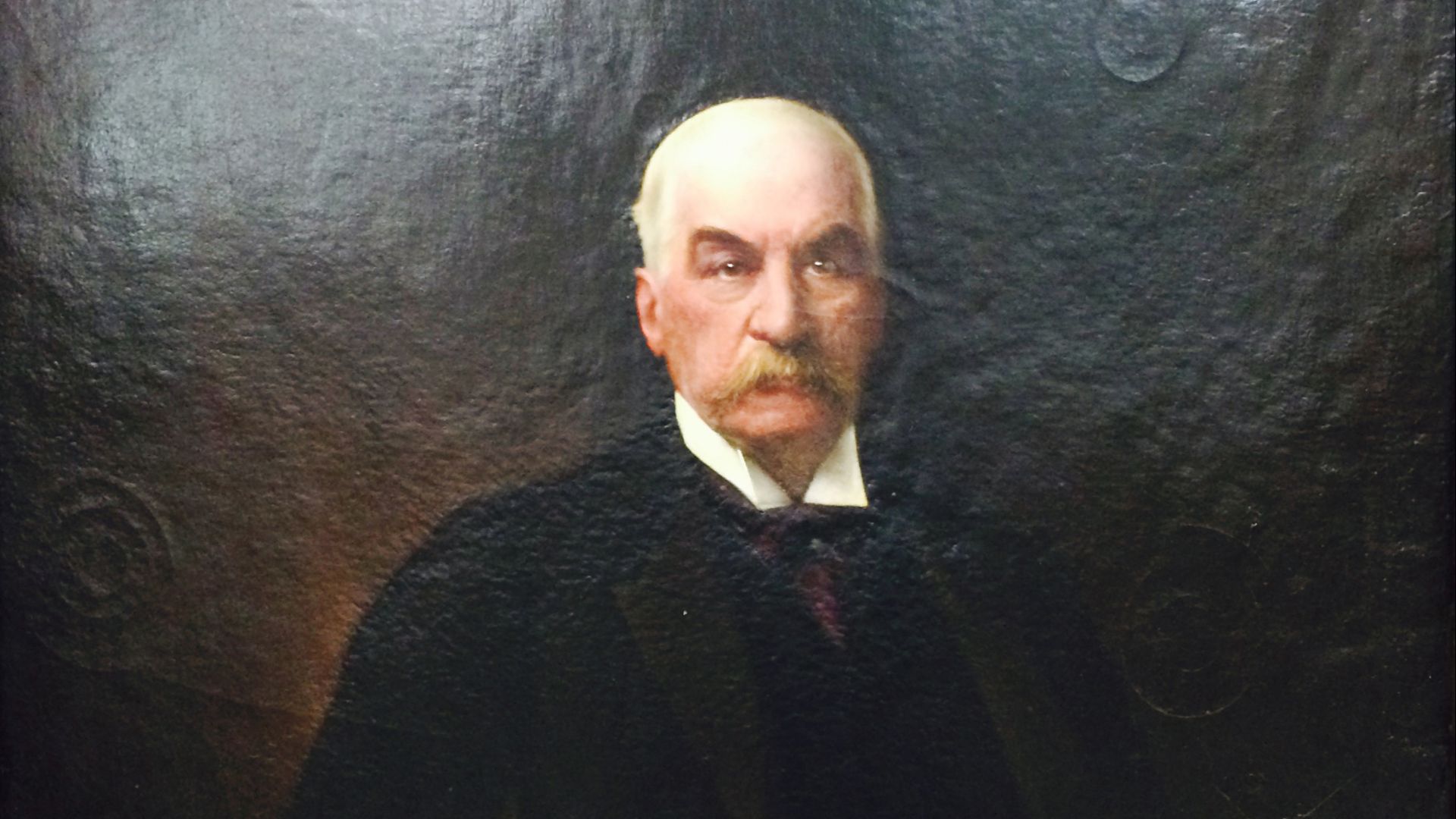 Carlos Baca-Flor, Wikimedia Commons
6. He Earned His Father’s Faith
For 14 years, Morgan built up his reputation on Wall Street on the back of the business that his father had already built. However, Junius gave his son a large amount of freedom to make business decisions for himself, trusting in the deep sense of religious faith Junius had instilled in him. Eventually, Morgan tired of working under the shadow of his father—he dreamed of something more.
 Chris Li chrisli, Wikimedia Commons
7. He Wanted Something More
Morgan cut his teeth at the firm of Duncan Sherman, showing great loyalty to the company from day one. However, that didn’t stop him from seeing the chance to distinguish himself from the crowd. By 1859, Morgan operated from the South on behalf of Duncan Sherman. Morgan was there to learn about the cotton trade; however, Morgan saw a chance to take something for himself instead, consequences be damned.
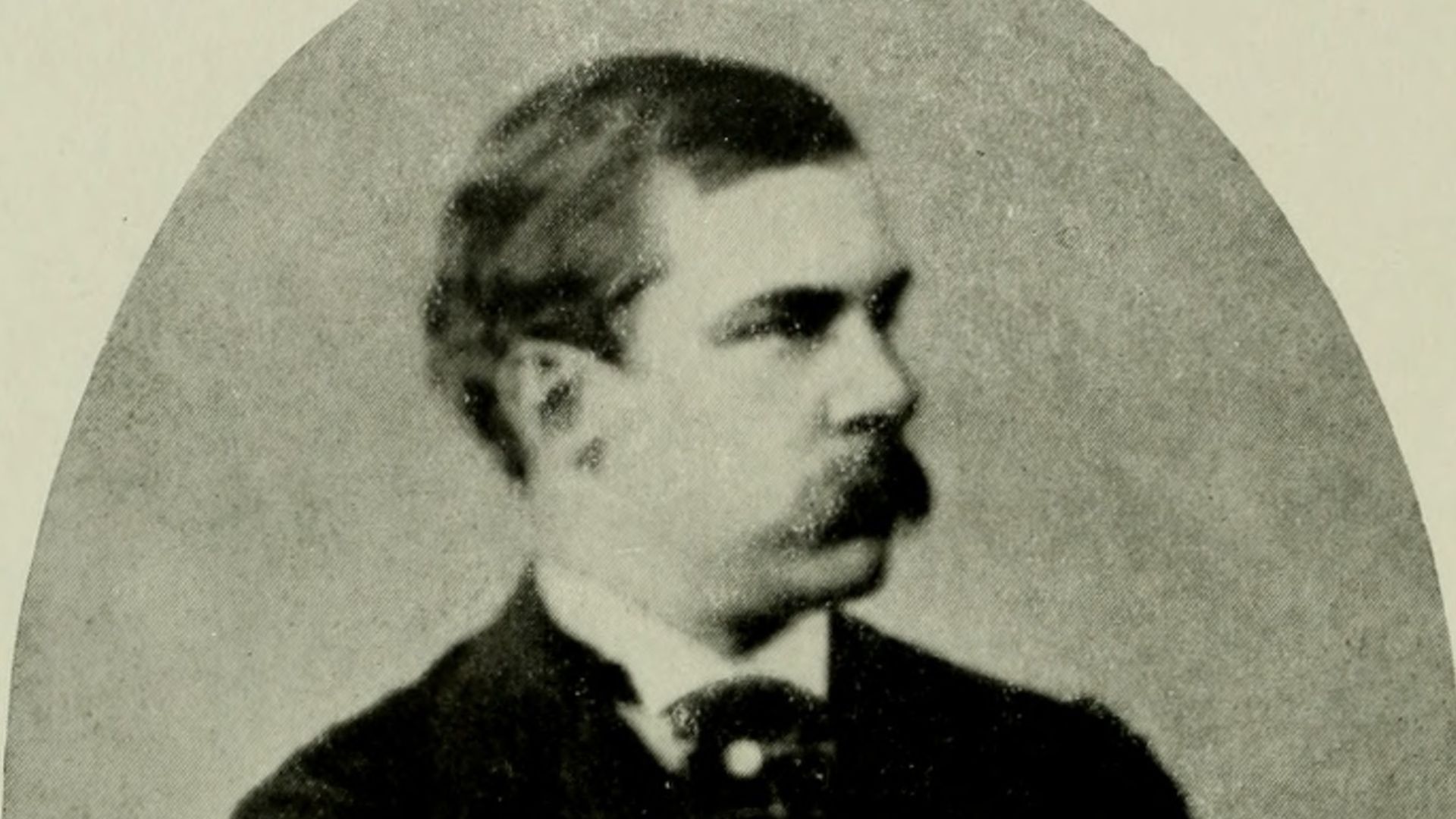 Internet Archive Book Images, Wikimedia Commons
8. He Didn’t Ask Permission
Handed everything by this point in his life, Morgan should’ve had it easy. Instead, he was hungry, looking for more. He wanted to make a name for himself. Therefore, when he saw an opportunity to make a trade on coffee at a profit, he took it, even though Duncan Sherman hadn’t authorized the move.
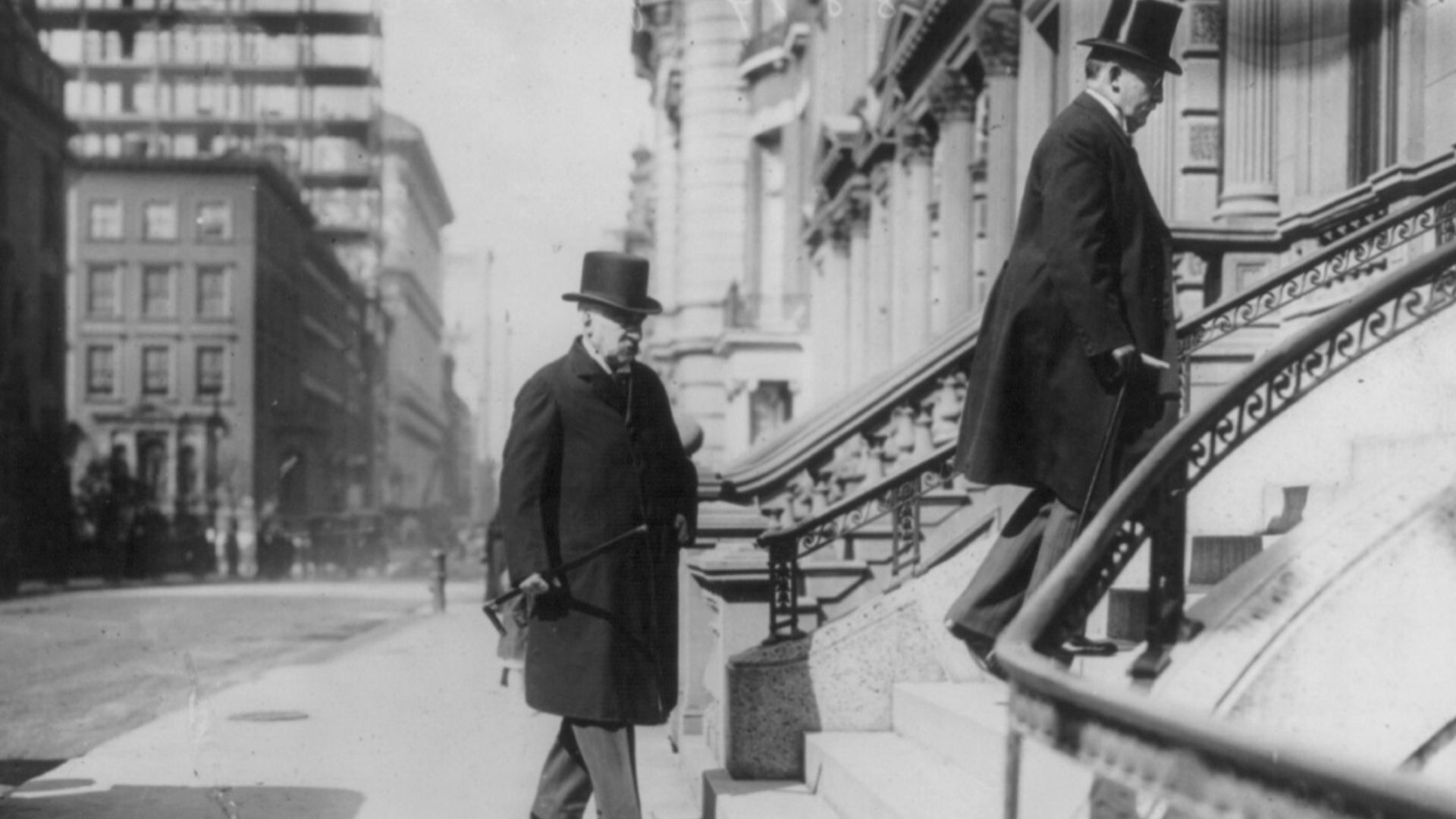 Miscellaneous Items in High Demand, PPOC, Library of Congress, Wikimedia Commons
9. He Didn’t Ask Forgiveness Either
Duncan Sherman was not happy with Morgan. He had been in the South to work for them, not to make deals without consulting them. He received a warning from Duncan Sherman. Which, perhaps, led to his trip to visit his father in London later that summer. Now around 22, Morgan was ready to make a change, and London provided him with exactly that.
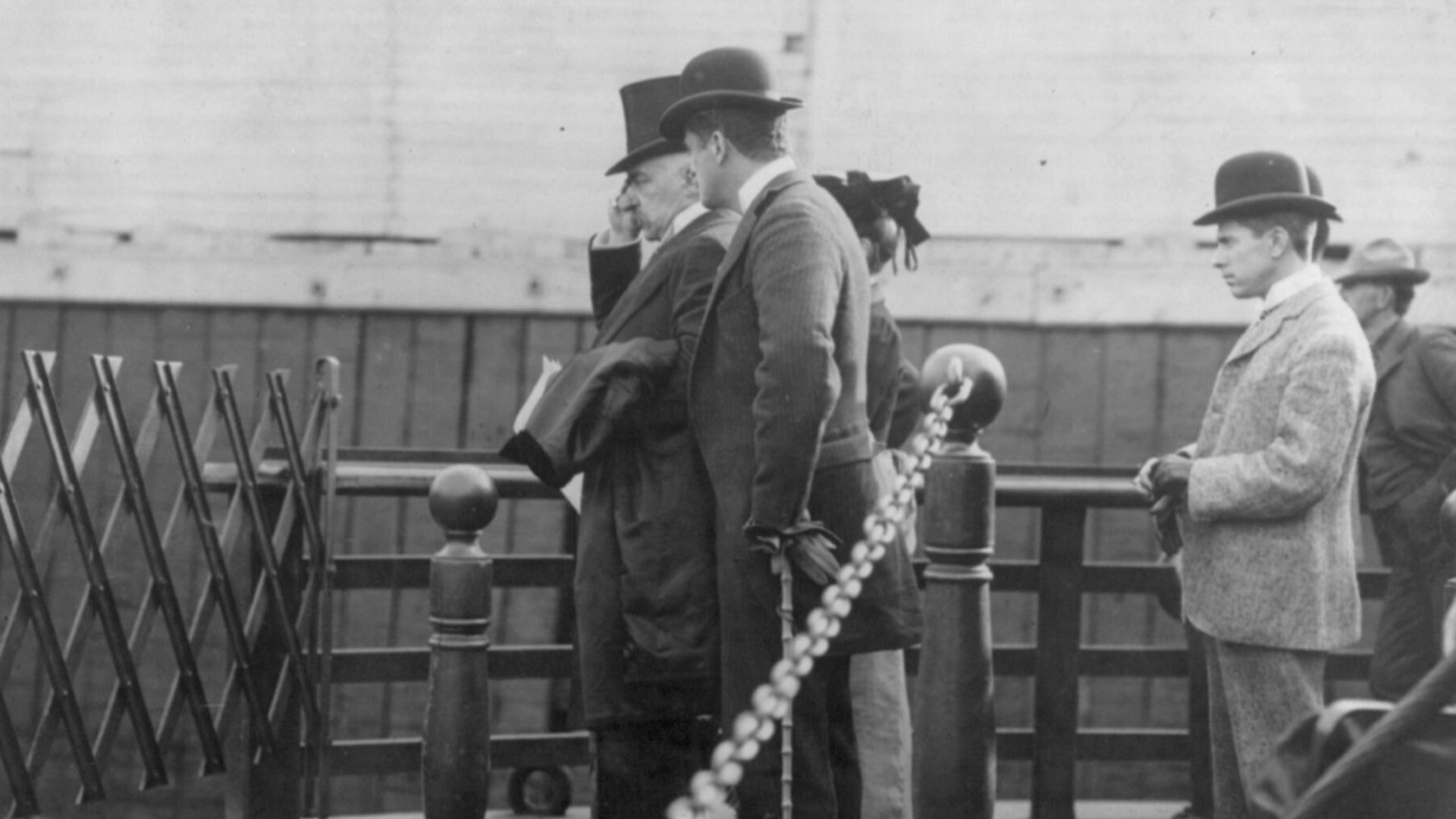 George Grantham Bain Collection, Wikimedia Commons
History's most fascinating stories and darkest secrets, delivered to your inbox daily.
10. He Made Plans For The Future
While in London, Morgan and his father discussed the potential of the Morgans leaving Duncan Sherman and instead going into business for himself. However, that was nothing. Up to this point, Morgan’s entire life had been about business. He likely expected to set out on his own eventually; this was just the next step. What Morgan didn’t expect was Amelia “Memi” Sturges.
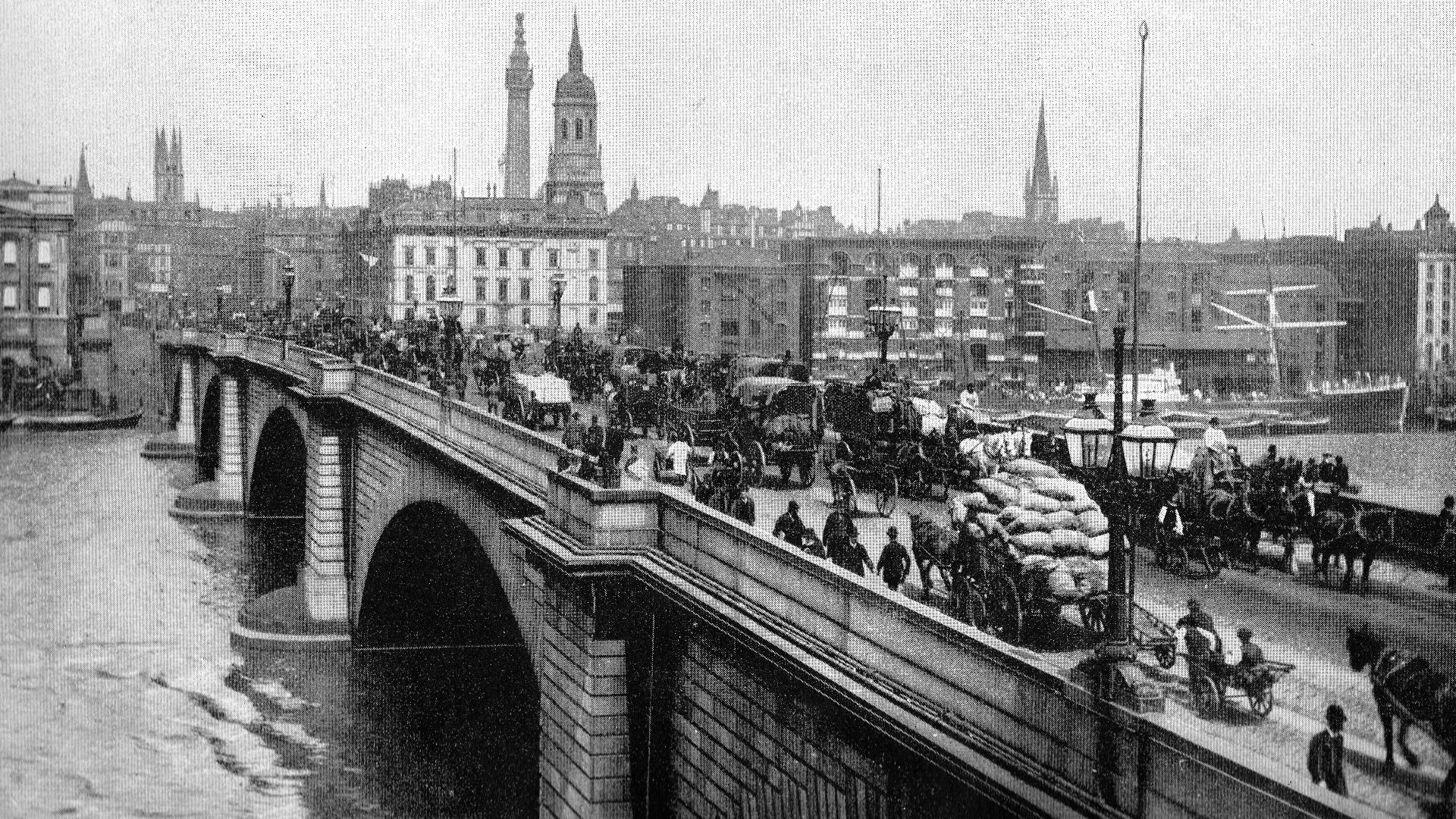 John L.Stoddard (died 1931), Scan by Robert Schediwy, Wikimedia Commons
11. He Waited Too Long
Morgan and Sturges met in the summer of 1859. From the start, Morgan kept his private life private. Unfortunately, this means that no one knows much about the early days of the young couple’s courtship. However, after two years, they knew that they wanted to marry. Too bad that by that point, they had already waited too long.
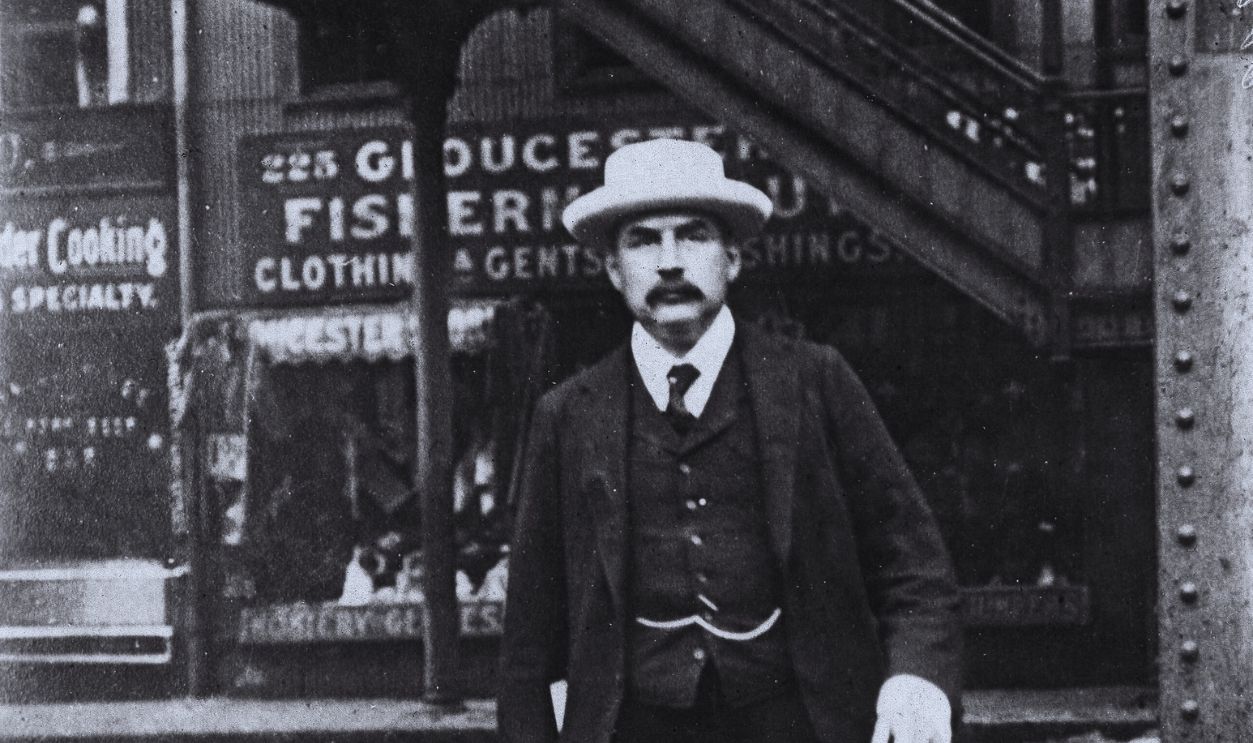 ullstein bild Dtl., Getty Images
12. He Married Her Anyway
Sturges was ill. At some point during their courtship, she contracted tuberculosis. As often happened before modern medicine eradicated it, TB ravaged Sturges' body. By October 1861, most would have accepted that Sturges was too far gone. Most might have, but not Morgan. Regardless of her health, he would marry his “Memi”.
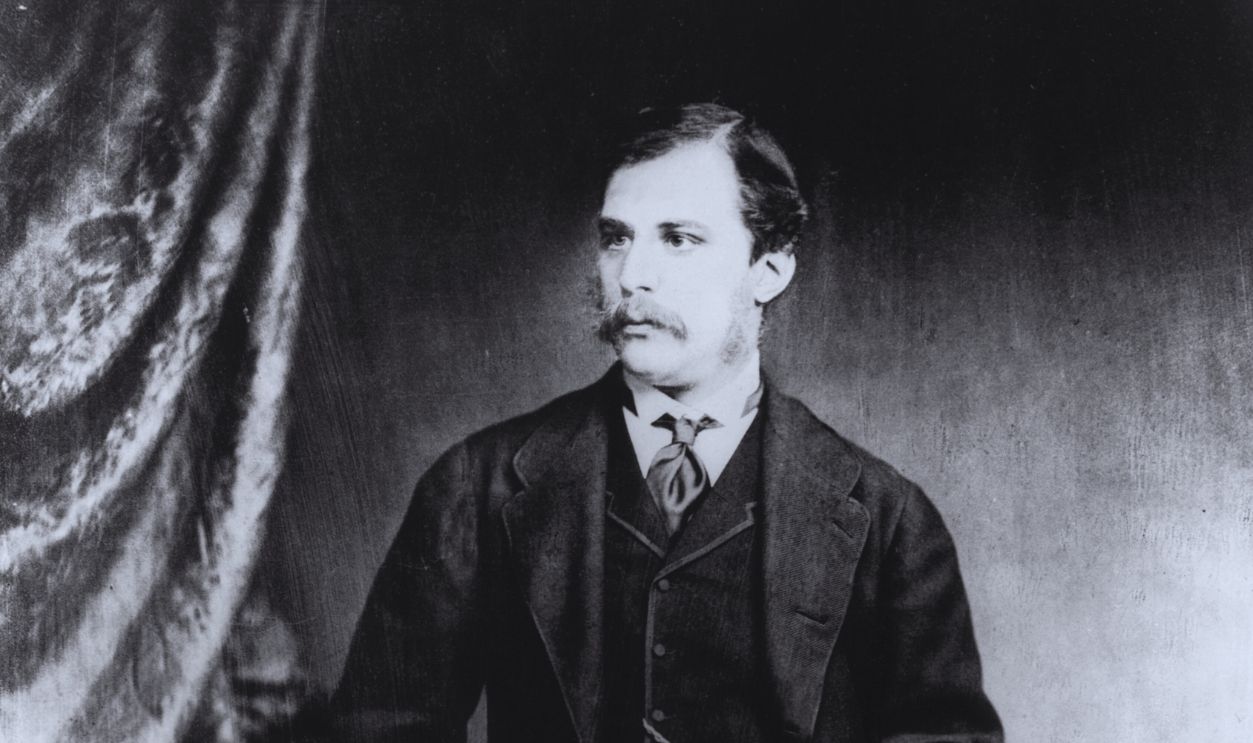
13. He Prayed For A Miracle
Morgan and Sturges married in October 1861. By this point, Sturges was so ill that she lacked the energy to make it to the ceremony. This didn’t stop Morgan, who carried her to the drawing room where they tied themselves together in a small private ceremony, promising to love each other until “death do us part”. Morgan refused to accept that parting may be sooner rather than later.
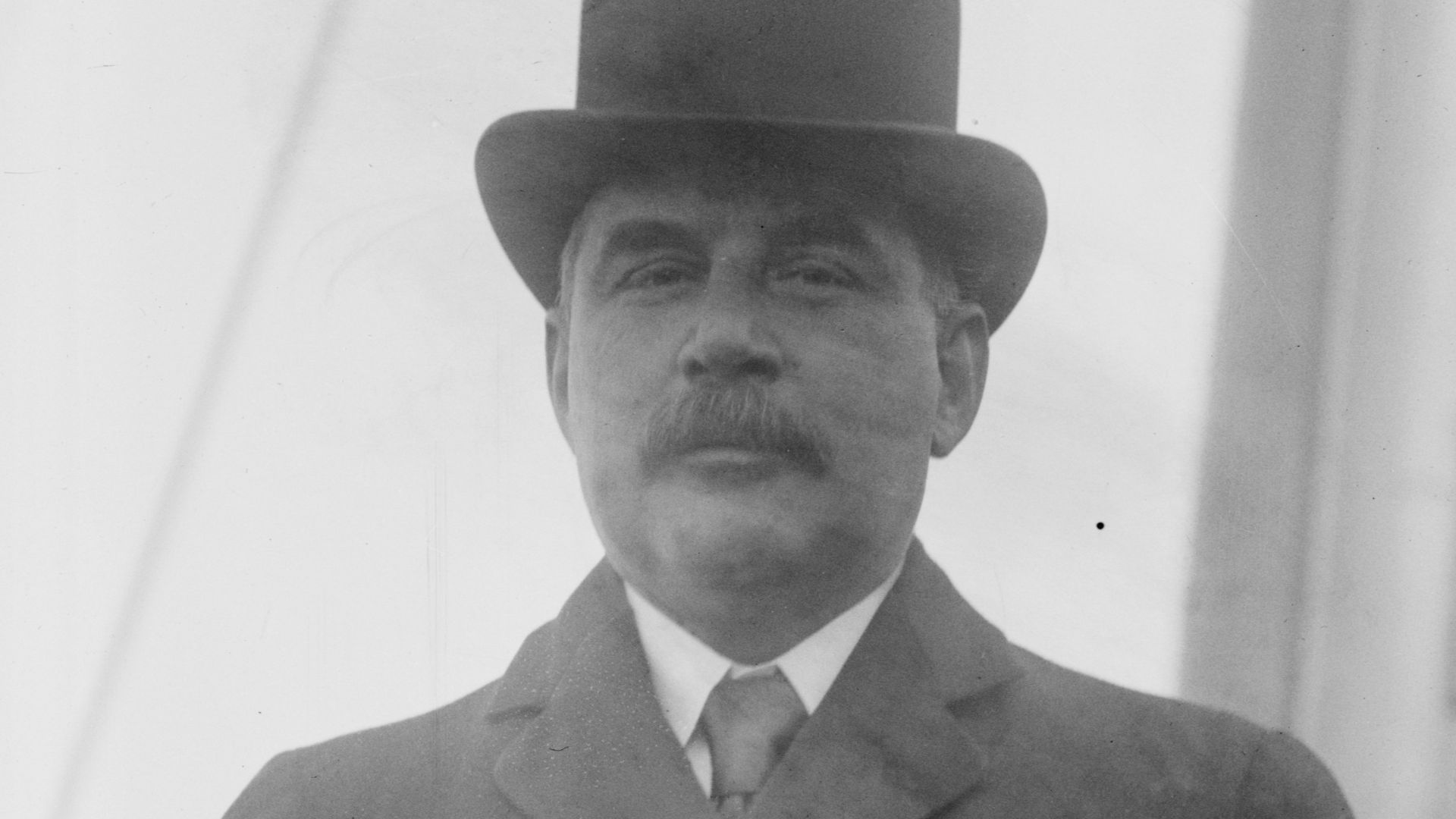 Bain News Service, publisher, Wikimedia Commons
14. His Money Couldn’t Save Her
Following the ceremony, Morgan yet again carried Sturges to the carriage that transported them to the pier. Morgan hoped that the cure that had helped him as a child would help his new bride. The couple travelled to Algiers, determined to allow the warm weather to return them both to full health. Unfortunately, Morgan hadn’t learned—money can only buy you so much.
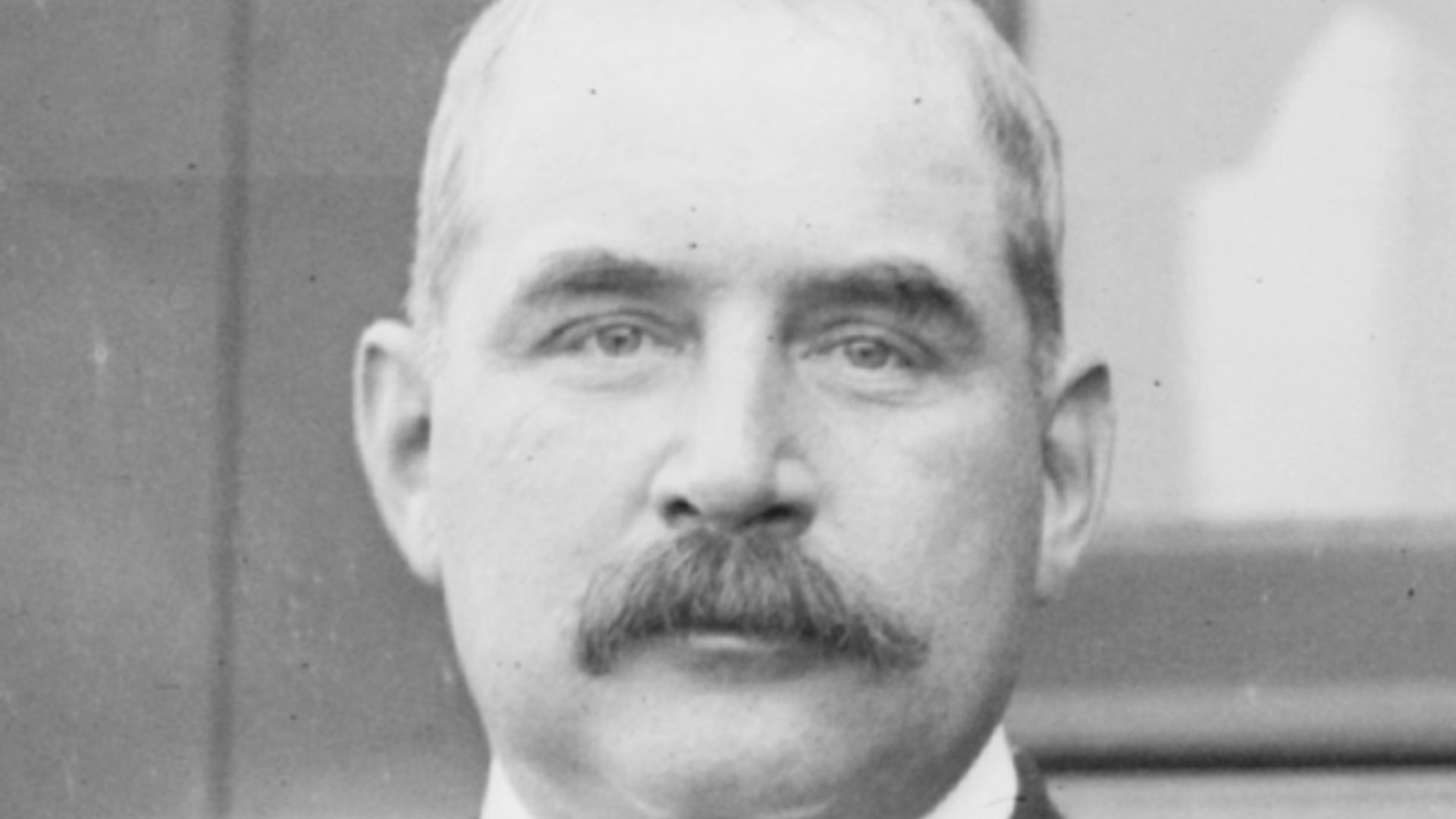 Bain News Service, publisher, Wikimedia Commons
15. He Stayed Until The End
Morgan remained married to Sturges for a little over four months, such a short time that every hour counted. At some point, the couple had travelled to Nice and Sturges saw out the rest of her days there, passing in February 1862. Her parting shattered what dreams Morgan held for romance; with nothing else left, he poured his grief and energy into what he’d always known: business.
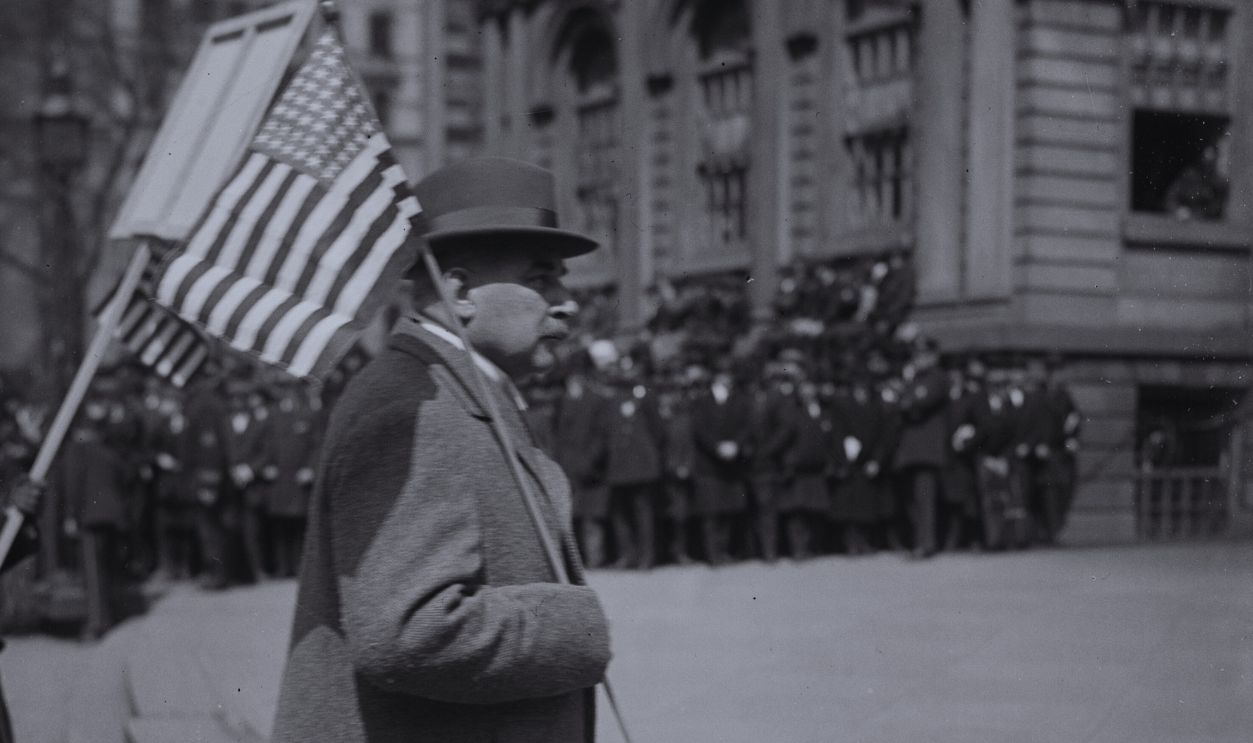 Bain News Service, Wikimedia Commons
History's most fascinating stories and darkest secrets, delivered to your inbox daily.
16. He Refocused On His Goals
Although caught up in romance, Morgan never forgot about his first passion. He still intended to strike out on his own and start his own business. However, wealth also can’t control the world around you. Morgan could’ve bought his way into most things. However, he couldn’t stop America from tearing itself apart in front of him.
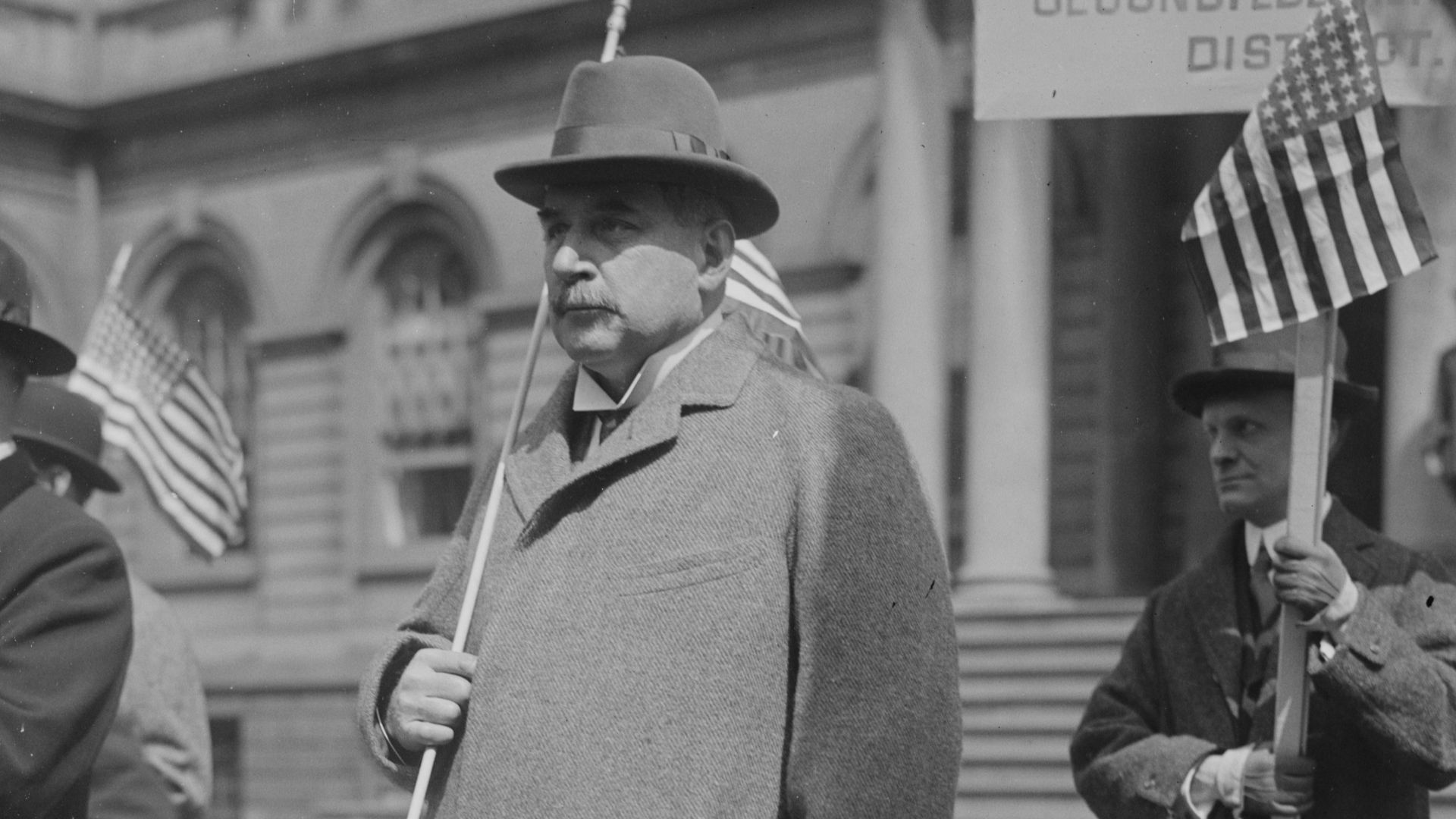 The Library of Congress, Wikimedia Commons
17. His Business Was Stuck
Just as Morgan began considering striking out on his own, the bloodiest conflict that America has ever known arose: the Civil War. This delayed his ability to strike out on his own. However, Morgan refused to be set down for long. At some point in early 1861, Morgan opened his first private company, J Pierpont Morgan & Company—but he had a problem.
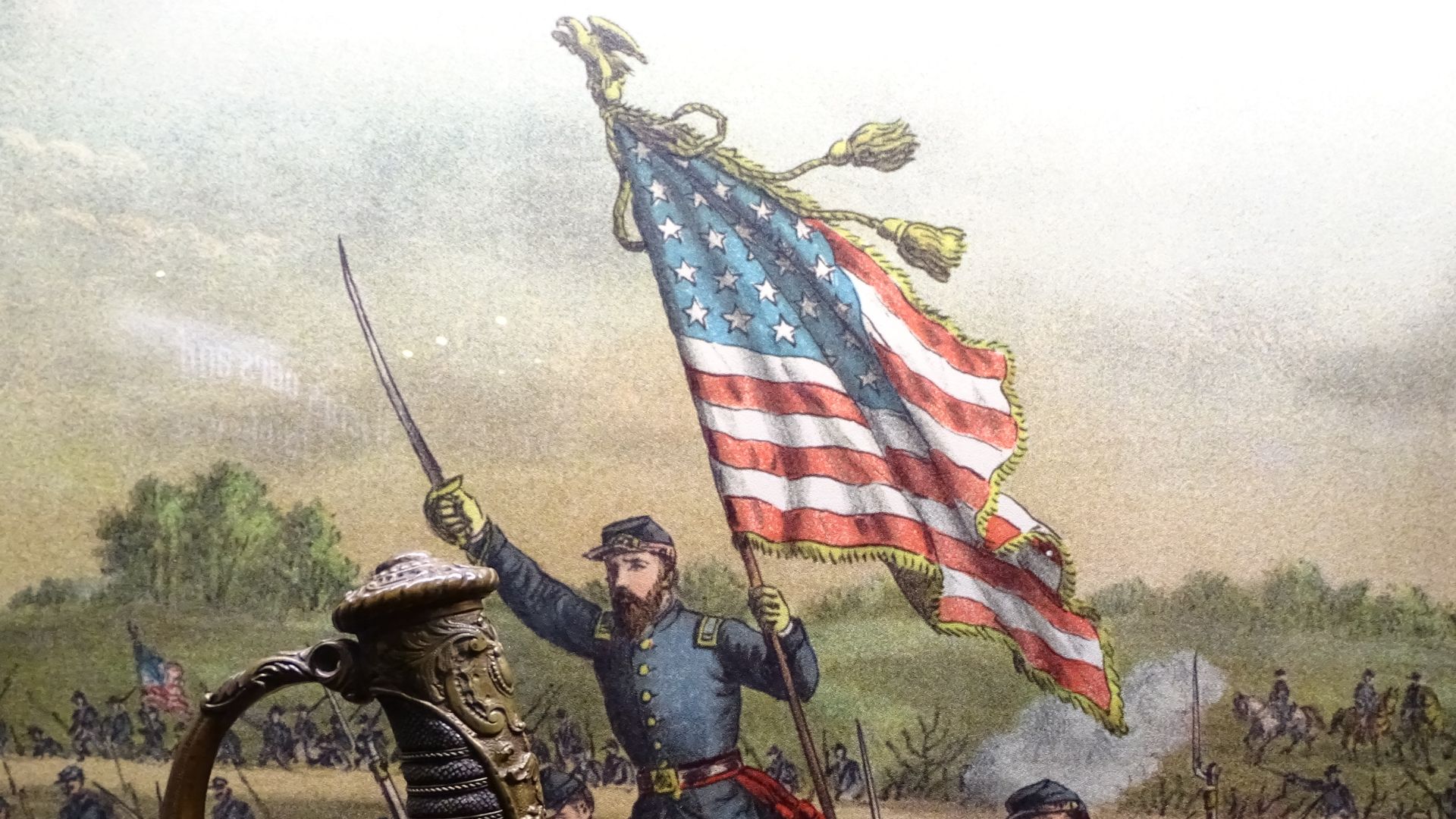 Adam Jones from Kelowna, BC, Canada, Wikimedia Commons
18. His Money Solved One Problem
Morgan may have gone ahead with his business despite the conflict that raged around him, but that did not change the fact that it did exist. Not only did it exist, but the Union needed men to fight for them, young and fit men exactly like JP Morgan. The draft called Morgan’s name. However, this proved to be one problem money could solve.
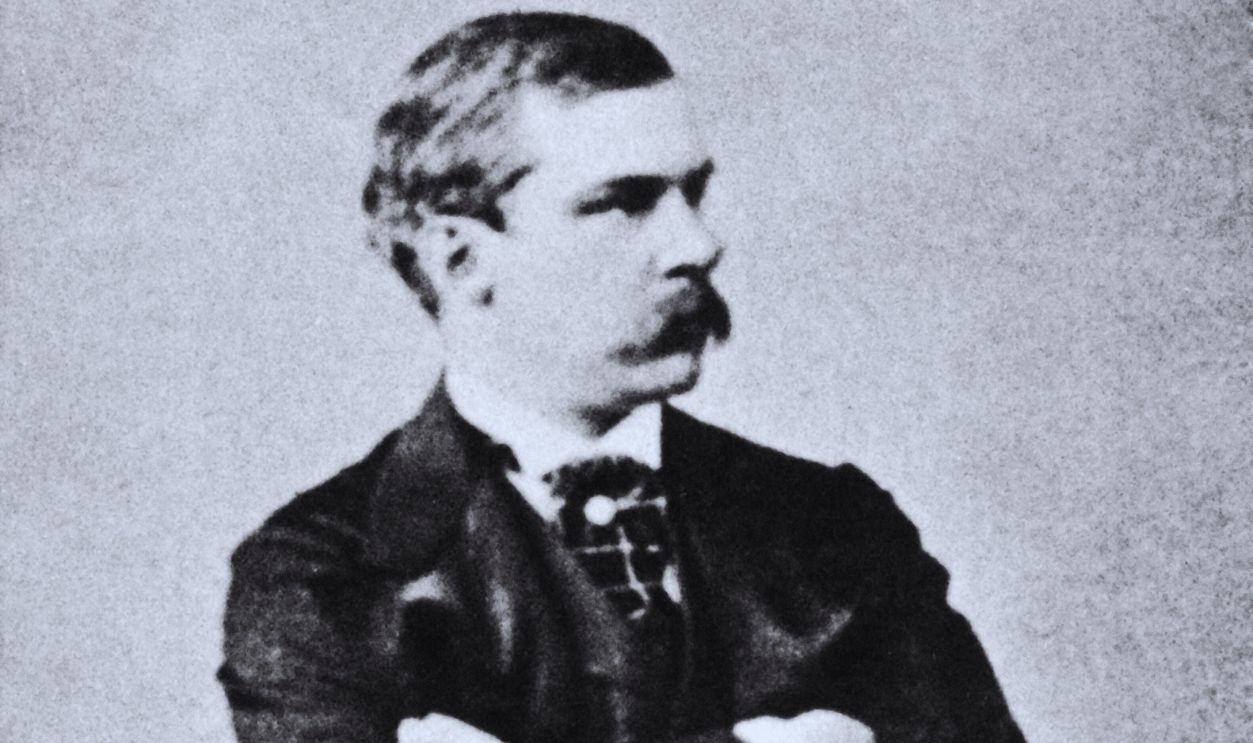
19. He Paid His Way Out
Morgan bought his way out of the draft. He paid another man $300 to take his place within the Union. Having settled that matter, Morgan was left free to focus on his business and navigate the volatile economic climate that the conflict produced. Just as Morgan got into business, everything he knew changed.
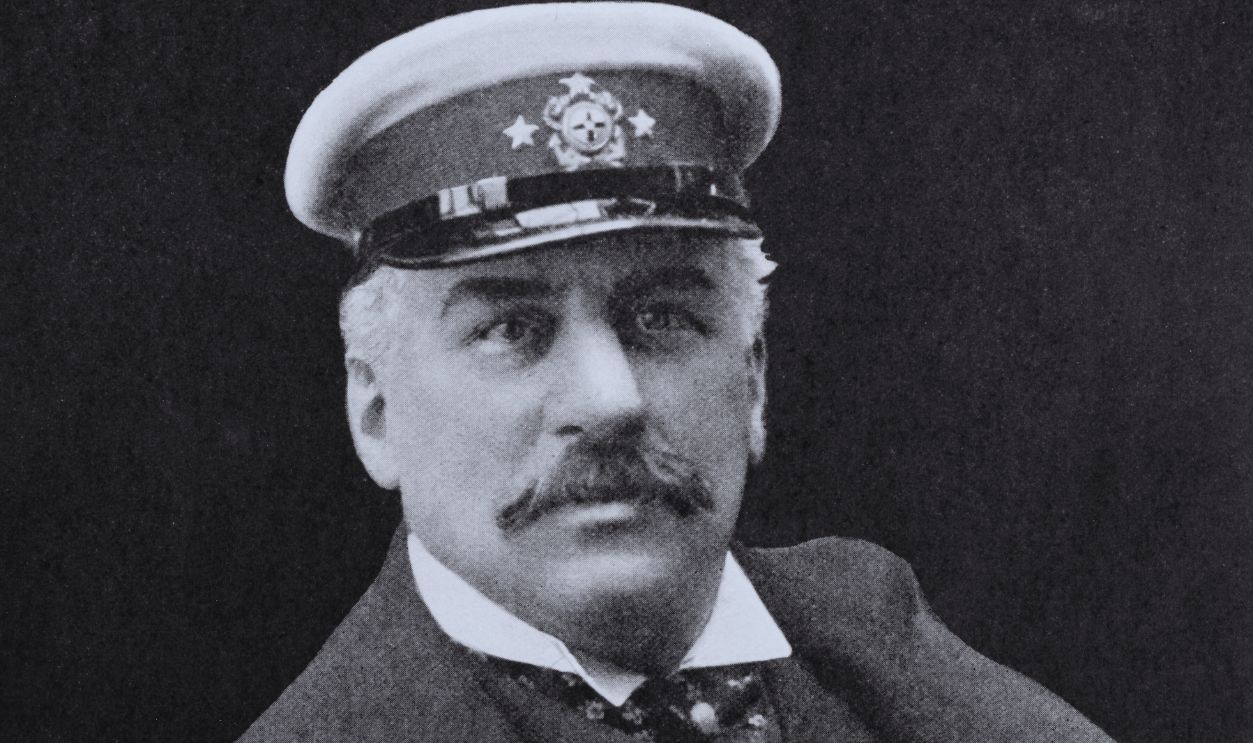
20. He Needed To Adapt
Before the conflict started, Morgan worked primarily in the cotton business as well as iron imports for the railroads. Unfortunately, both of these things disappeared when the battles began. Fortunately, Morgan hadn’t gotten far without being versatile. He also hadn’t gotten this far without being willing to bend or even break a rule or two.
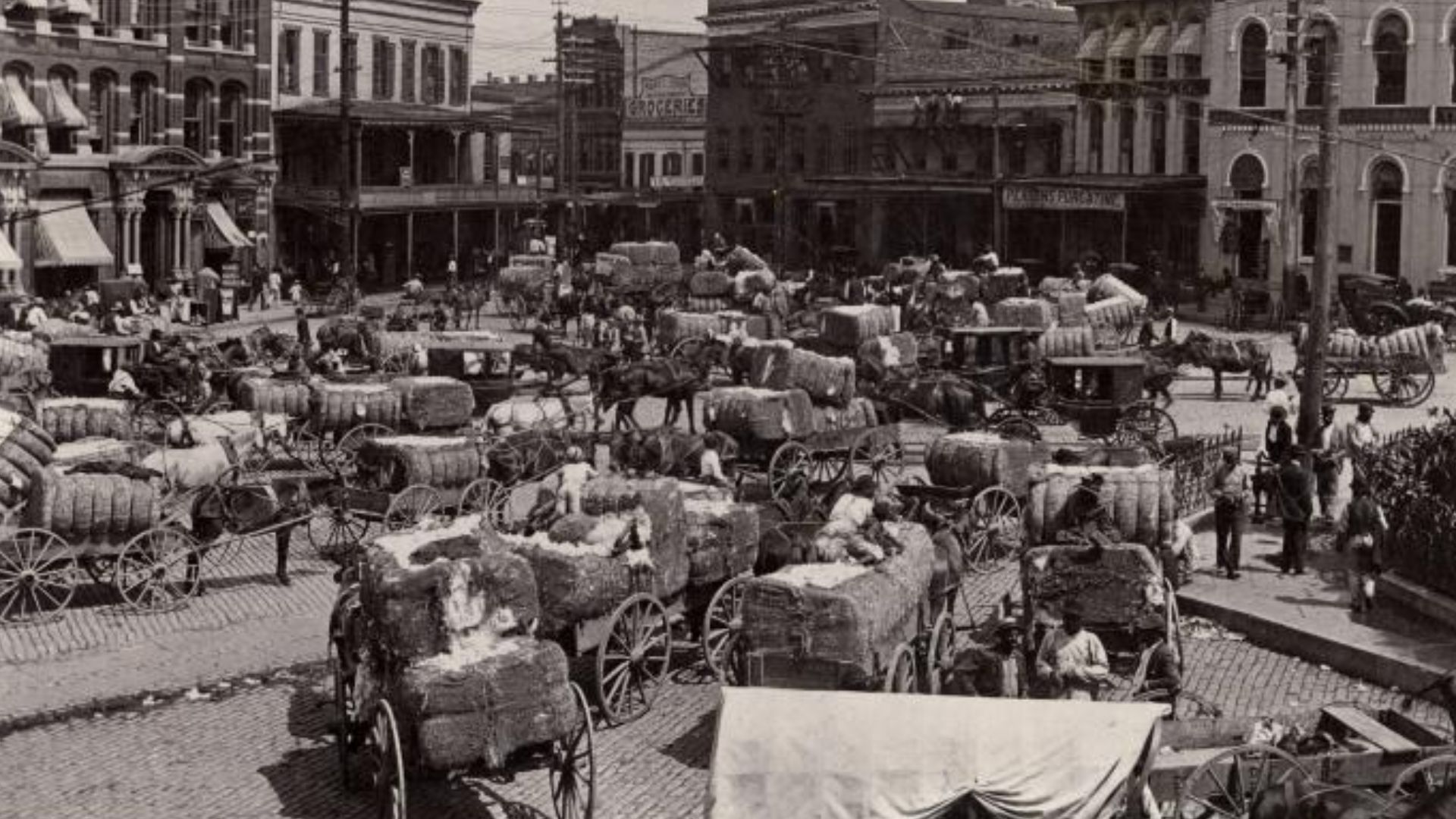 Unknown authorUnknown author, Wikimedia Commons
21. He Made His Own Opportunities
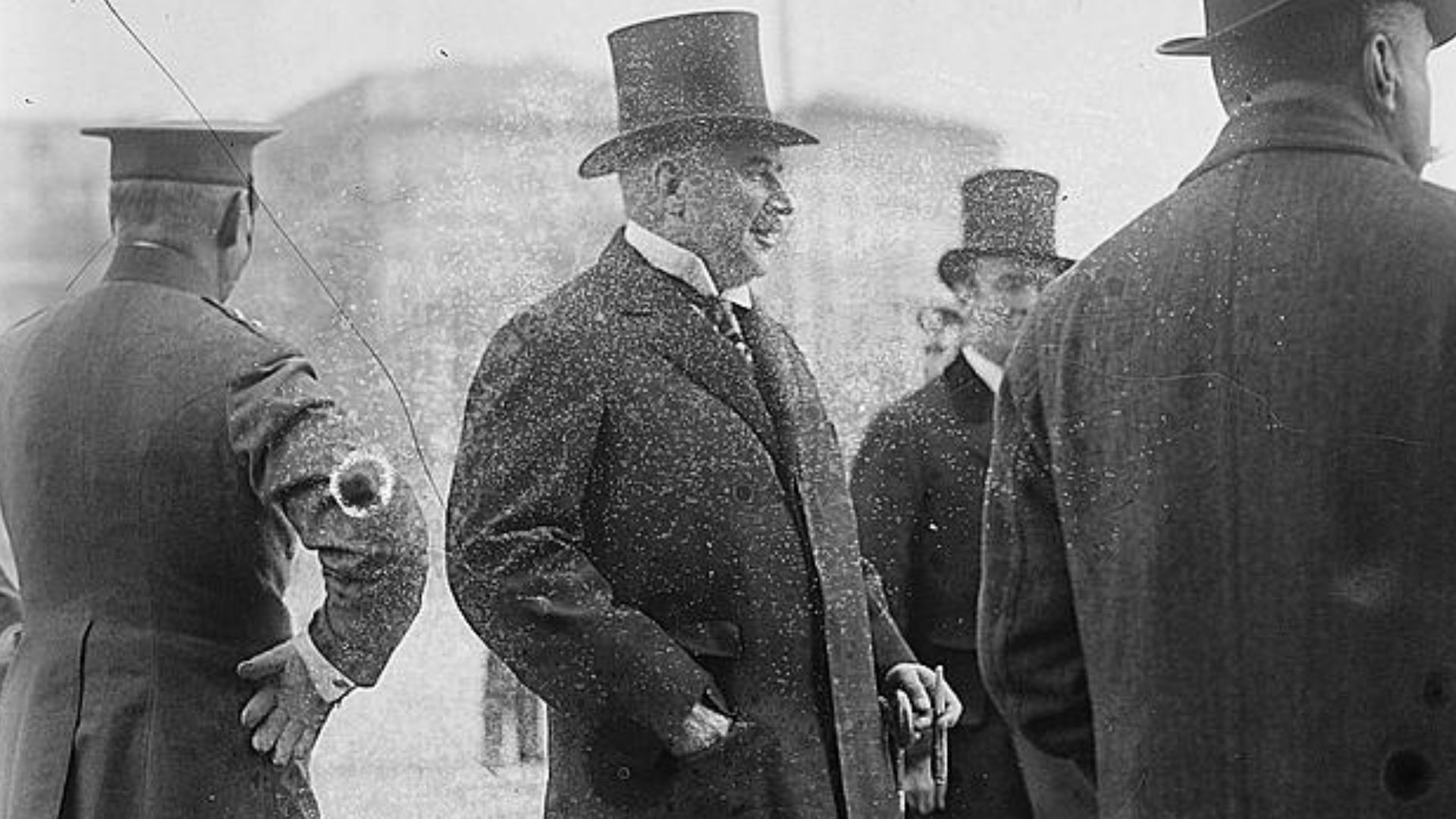
Morgan took advantage of his connections in England to ensure that he continued to make a profit, even while his fellow Americans suffered. Shortly after the loss of his dear Memi, Morgan dove right back into business, manipulating the markets to ensure that he came out the winner, regardless of the consequences to his fellow Americans.
 The Library of Congress, Wikimedia Commons
History's most fascinating stories and darkest secrets, delivered to your inbox daily.
22. He Manipulated The Markets
One of the biggest moves that Morgan made during the conflict was to manipulate the markets in order to ensure that he and his then-partner could make a large profit off the sale of their holdings in gold. Many critics believe Morgan made this move in an attempt to control the American gold market; economic consequences be damned. However, by this point, it was the least of Morgan’s worries. He’d already tarnished his name.
 Stevebidmead, Wikimedia Commons
23. He Got Himself In Trouble
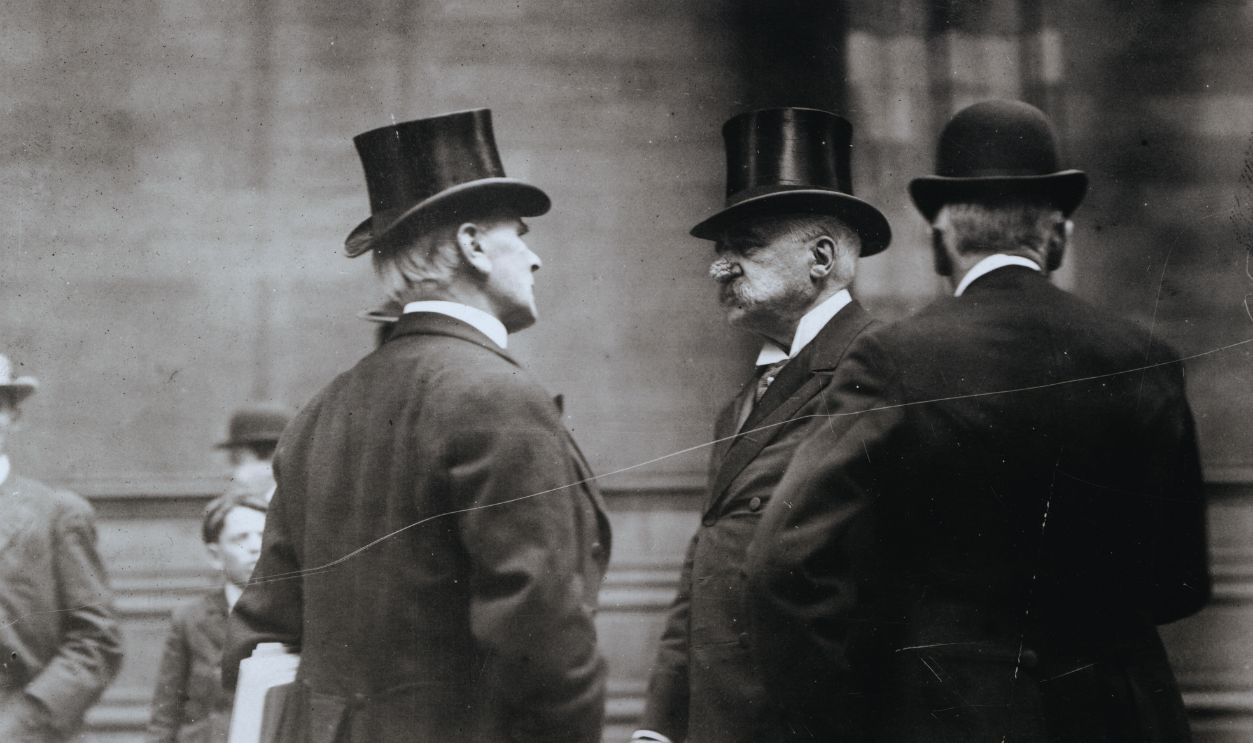
Everything started to go downhill for Morgan when he loaned Simon Stevens, a New York attorney, $20,000. Stevens then used that money to purchase 5,000 carbine rifles, which he turned around to sell to a General of the American government for twice the price. During a time when tensions were high, Morgan’s involvement proved problematic even before the story got worse.
 Library of Congress, Getty Images
24. He Was Worse Than A Traitor
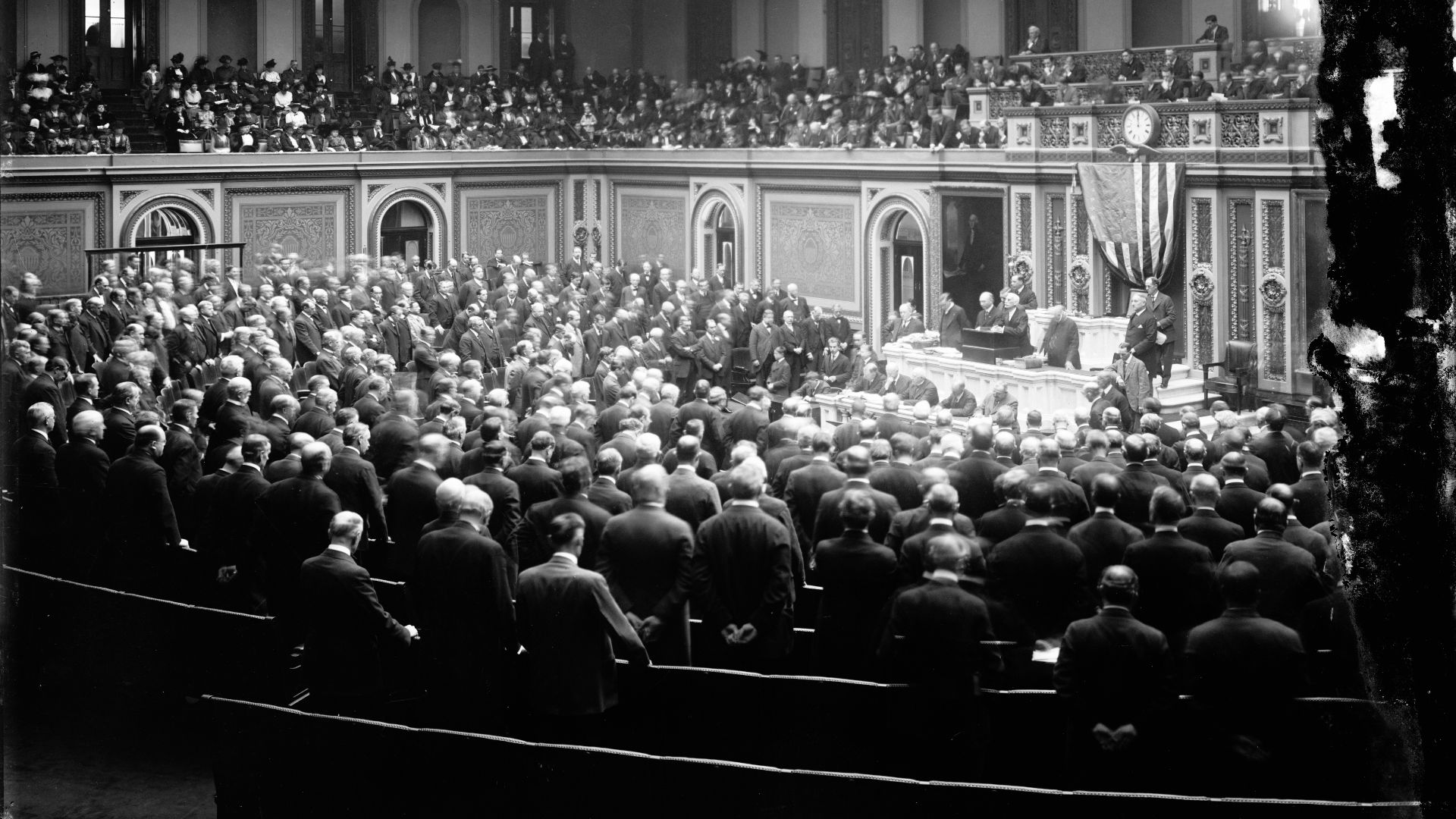
Thanks to his loan, Morgan turned a pretty profit from the exchange. Feelings at the time were already high, with the House of Representatives calling all profiteers “worse than traitors in arms”. While Morgan made it out of the incident unscathed, the entire thing never completely faded. Next time Morgan faced accusations in the affair, they were twice as bad.
 Harris & Ewing, photographer, Wikimedia Commons
25. He Pleaded Plausible Deniability
It took another 40 years before anyone brought up the “Hall Carbine Affair” again. However, when public interest in it arose again in 1910, new information made Morgan look even worse. Not only did the General overpay for the rifles, but they were defective, likely to explode out the back instead of firing properly. Fortunately, Morgan knew nothing of this—right?
26. He Had To Have Known
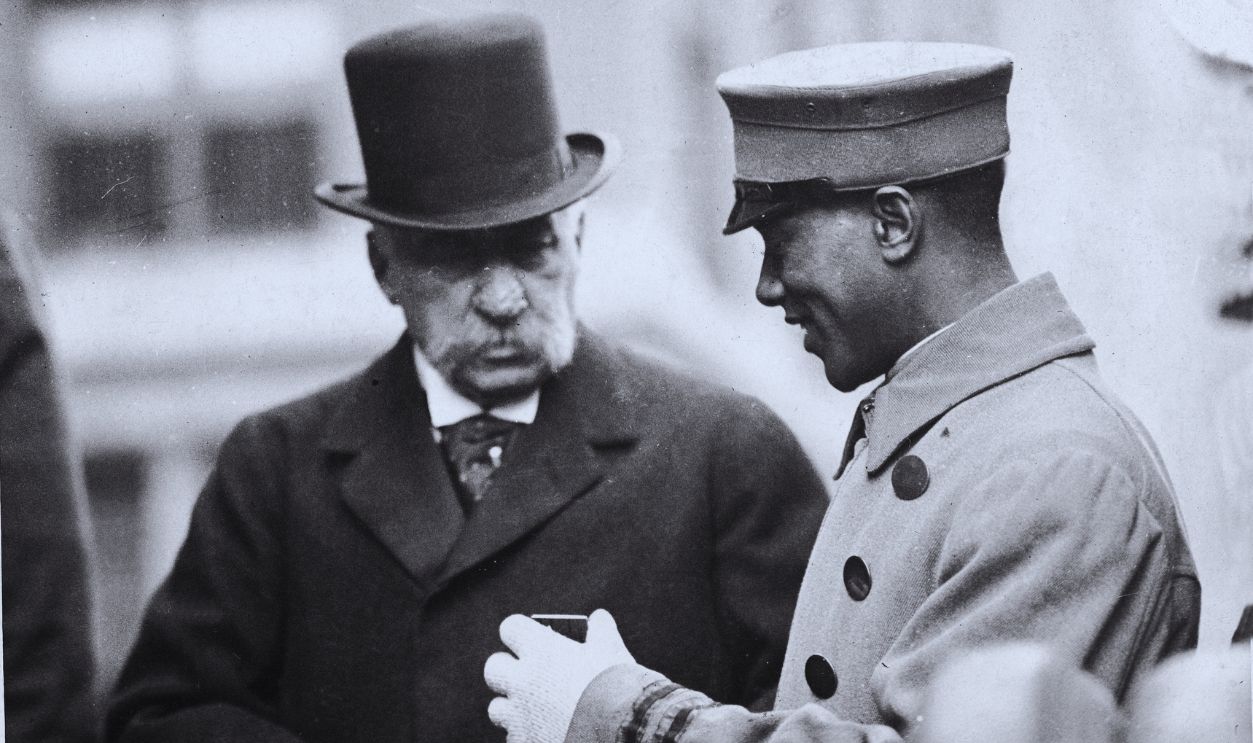
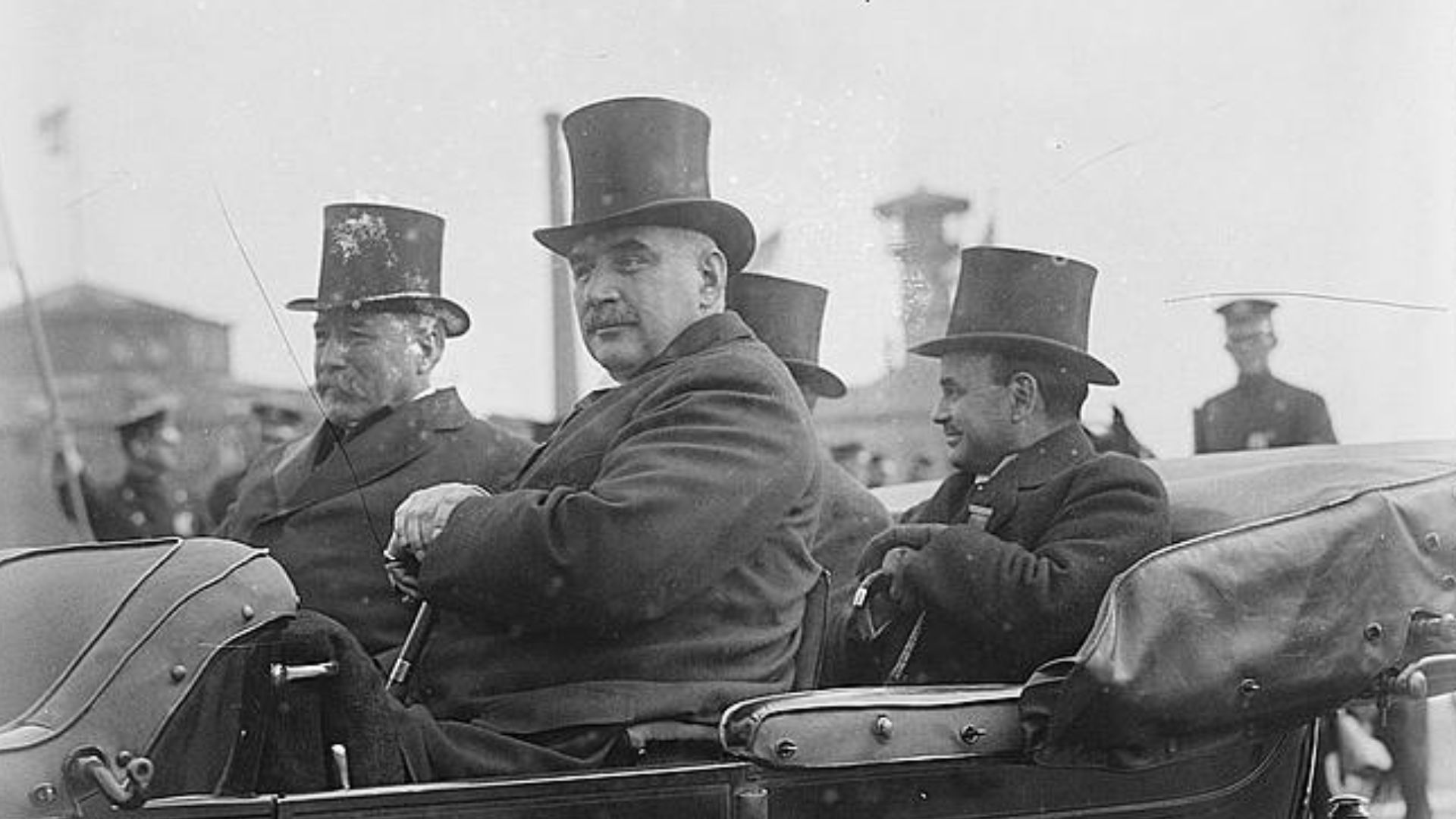
By this point, JP Morgan & Co was a successful business. Their public relations officer insisted that Stevens used Morgan’s name to cover up his involvement in the issue. However, Morgan’s involvement in the entire affair makes it difficult for anyone to believe he didn’t know exactly where he got the money from—he just didn’t care. Why should he? He was on the verge of making it big, and Morgan knew it.
 The Library of Congress, Wikimedia Commons
27. He Profited Off Of Destruction
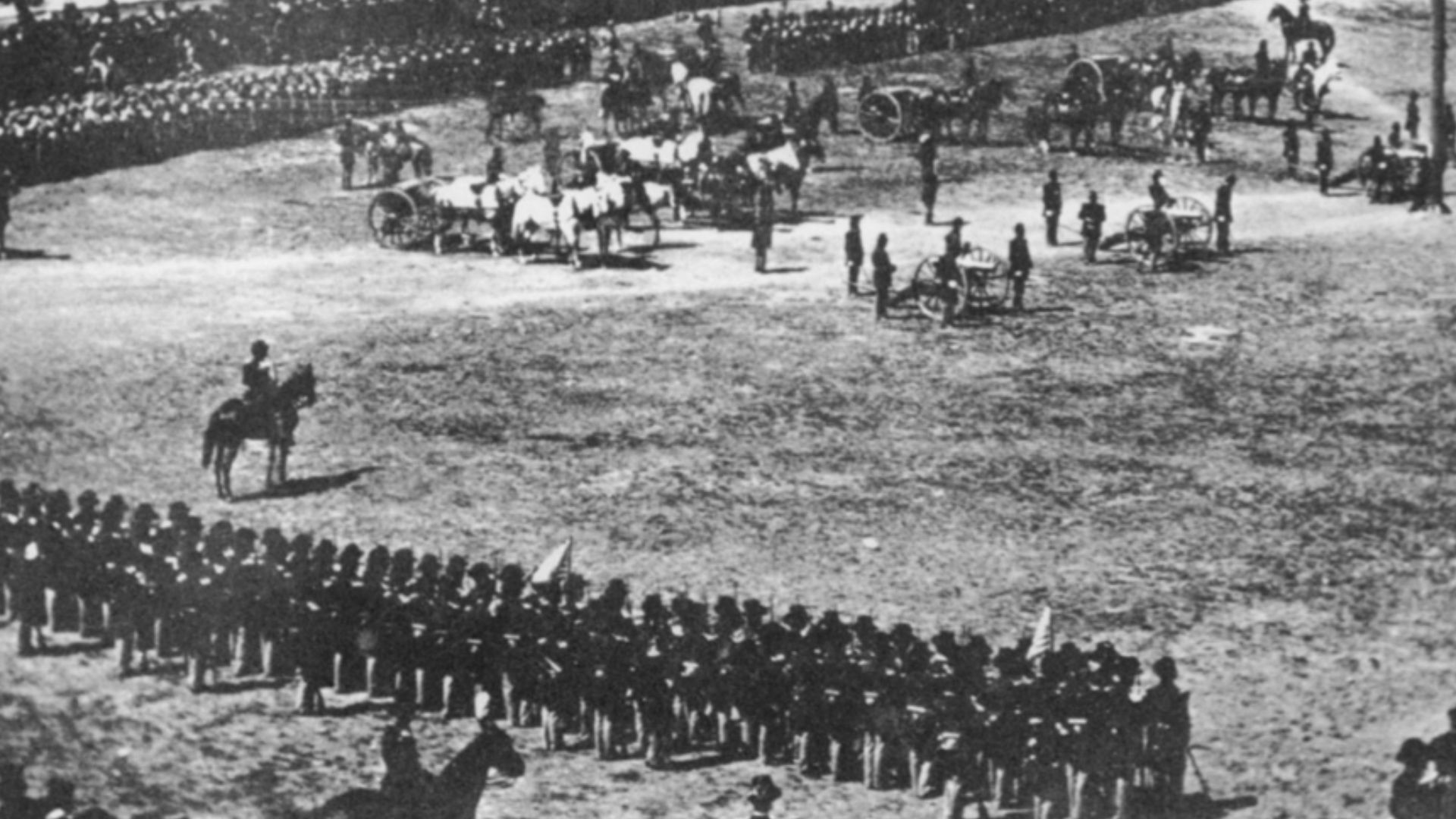
Through legitimate means and potentially questionable acts, Morgan saw success throughout this period. By the time the Civil War had ended, the public viewed his company as a strong and reliable banking house. As the 1860s carried on, Morgan continued to see success, investing in more and more businesses, even indulging in some products that other people might find… unsavory. But we'll have save those details for a little later in the story. What's important to know right now is that as he negotiated this niche deal, Morgan also negotiated something far more personal to him, something that changed his entire life.
 Unknown authorUnknown author, Wikimedia Commons
History's most fascinating stories and darkest secrets, delivered to your inbox daily.
28. He Finally Moved On
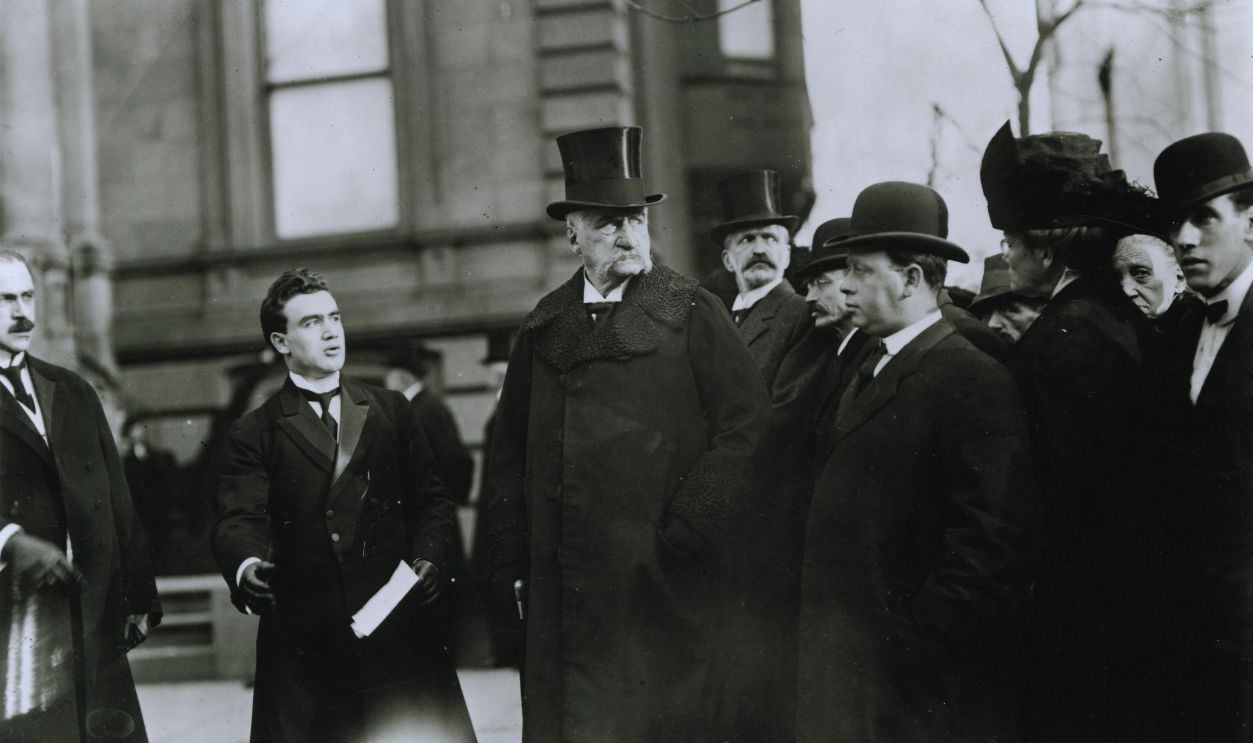
By 1865, Morgan must’ve overcome his heartbreak from the loss of his Memi, as that May saw Morgan waiting for another woman at the end of an aisle. This time, Morgan married Frances Louisa “Fanny” Tracy. Again, few know much of their courtship. However, together they had four children. Unfortunately, Fanny didn’t capture Morgan’s heart the way Memi had.
 Library of Congress, Getty Images
29. His Marriage Hid The Truth
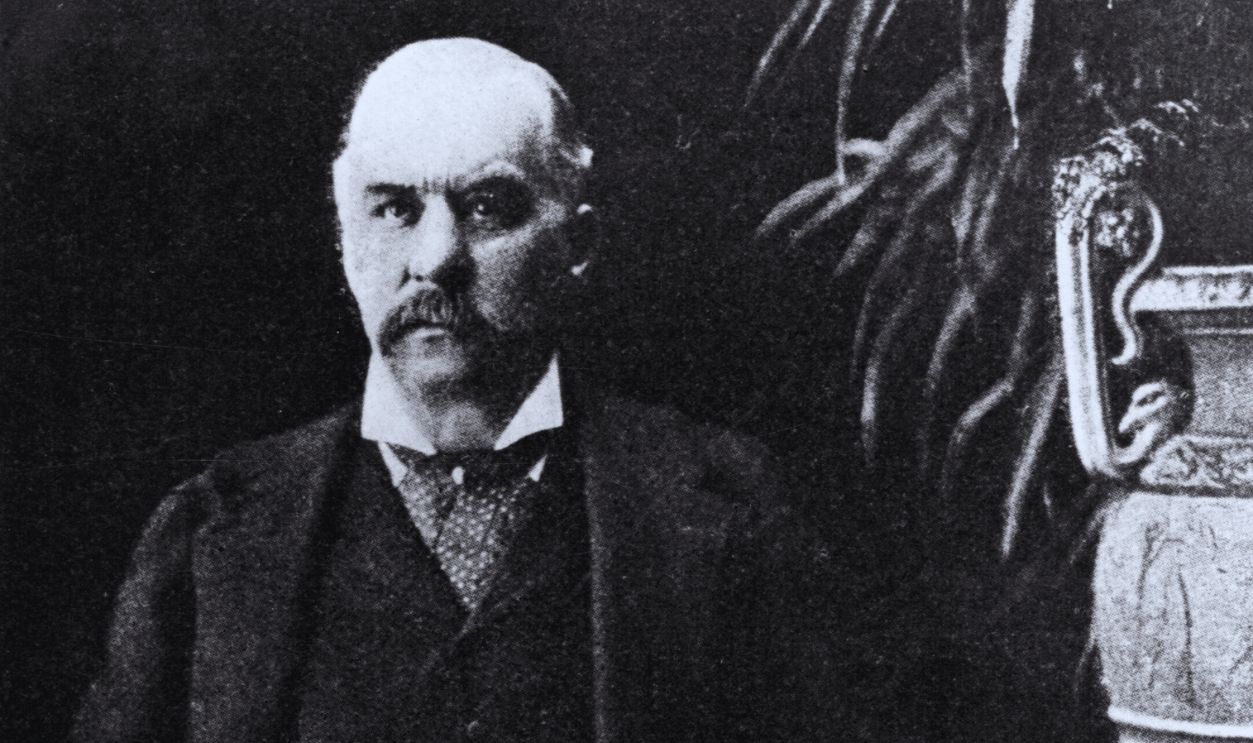
By most standards, staying married for the remainder of your lives and producing four children are signs of a fairly successful marriage—unless that outward image of success is hiding a darker truth. Morgan must’ve been fond of Fanny when they married. However, after nearly 30 years of marriage, the shine wore off for Morgan.
30. He Stayed Loyal… Sort Of
Morgan tired of Fanny by 1890 and proceeded to spend nearly all of his time with women who were not his wife, or so one source claims. However, if Morgan had one virtue among his sins it was that he never cheated with more than one woman at a time. That counted for something, right?
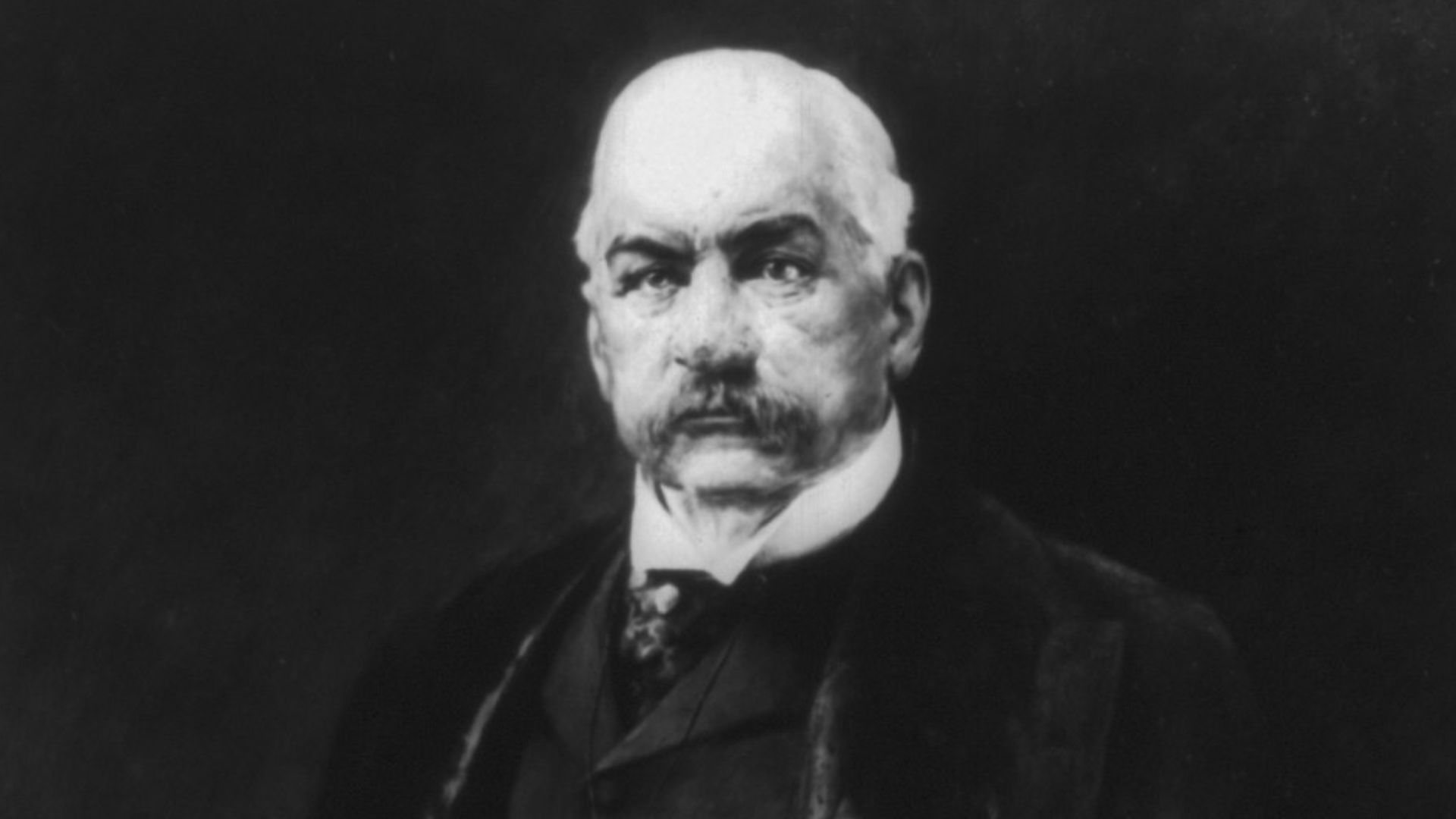 Miscellaneous Items in High Demand, PPOC, Library of Congress, Wikimedia Commons
31. He Stuck To His Values
Morgan didn’t sleep around so much as practice “serial monogamy”. He spent time with one woman (though never his wife) before moving on to another one, rather than stringing several women along at the same time. He seemed to never have problems finding a new companion, despite suffering from an affliction that caused him extreme discomfort, especially in social situations.
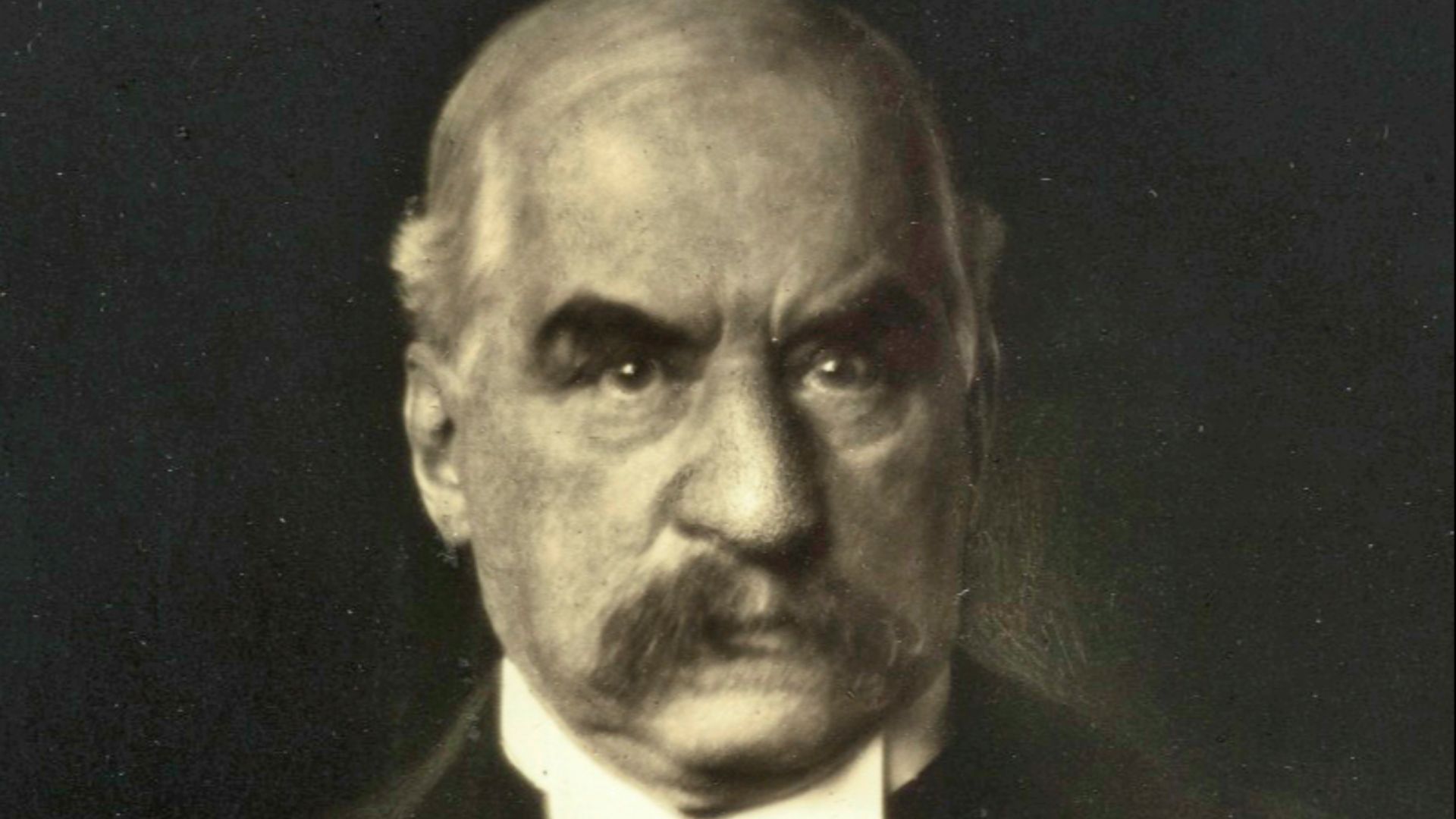
32. He Hid His Shame Away
Morgan was larger than life. According to one man, a visit from Morgan left him with the feeling “as if a gale had blown through the house”. This charisma allowed him to find companions when he wished them. However, the force of his personality couldn’t overcome the affliction that ravaged his face, leading the “larger than life” man to hide away from the public, and even at times, lash out.
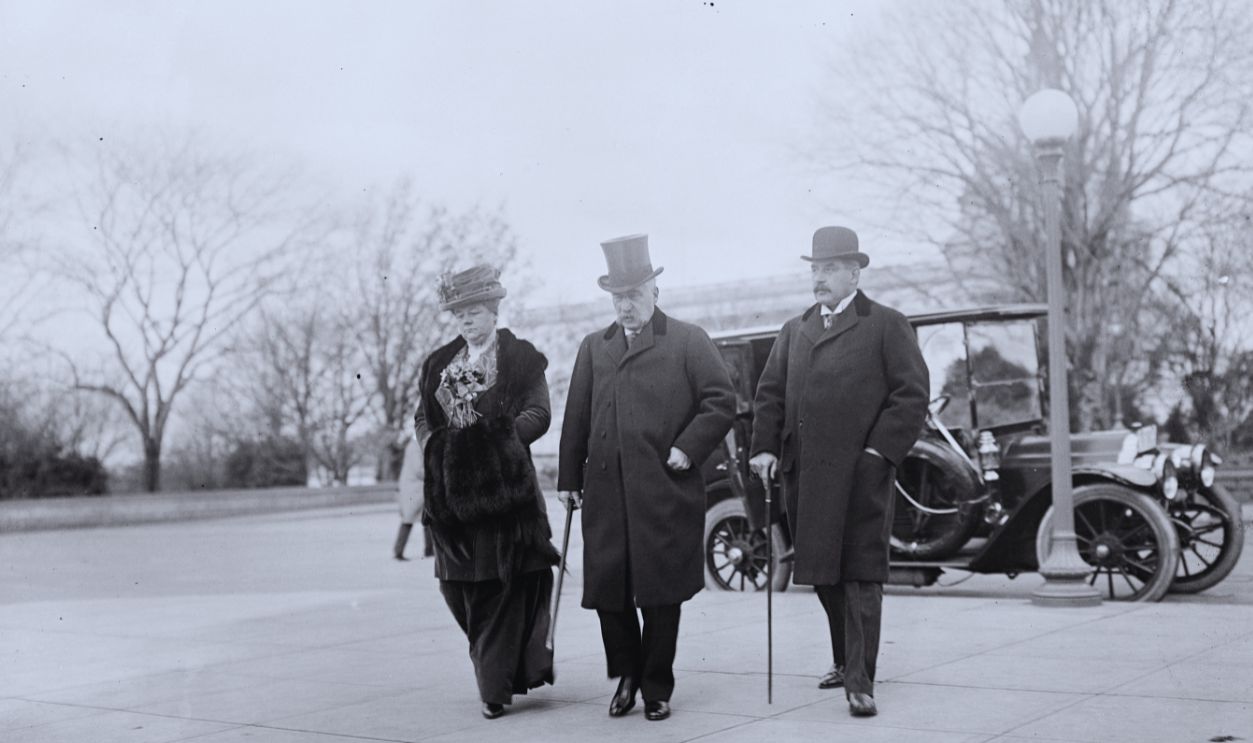 Harris & Ewing, photographer, Wikimedia Commons
33. He Couldn’t Overcome His Pride
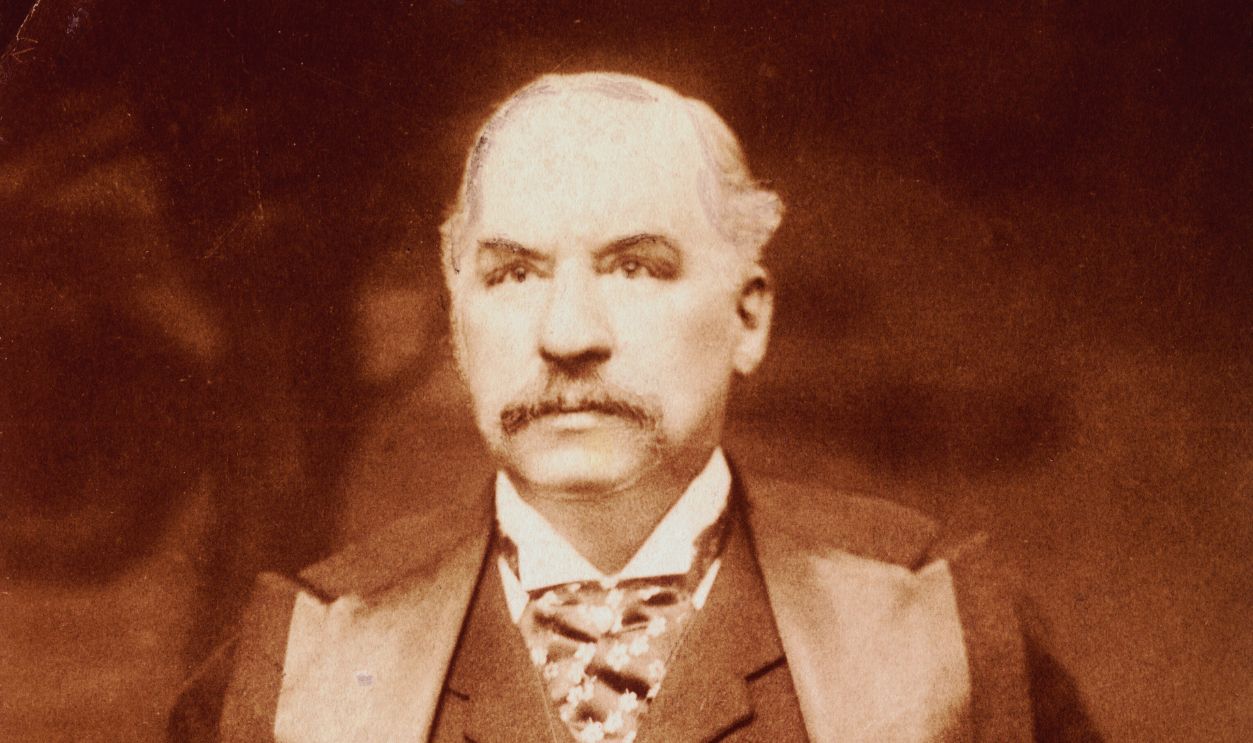
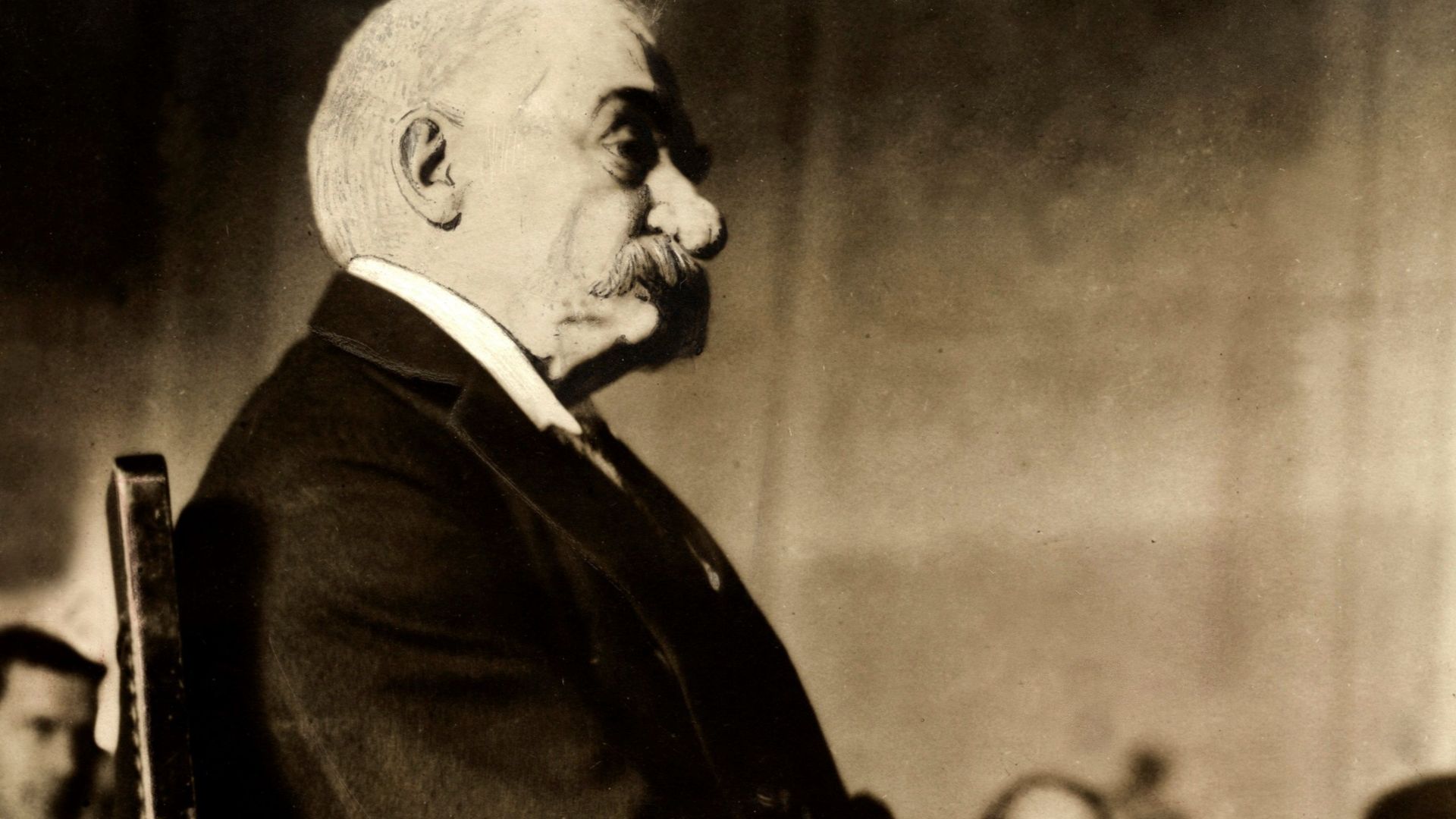
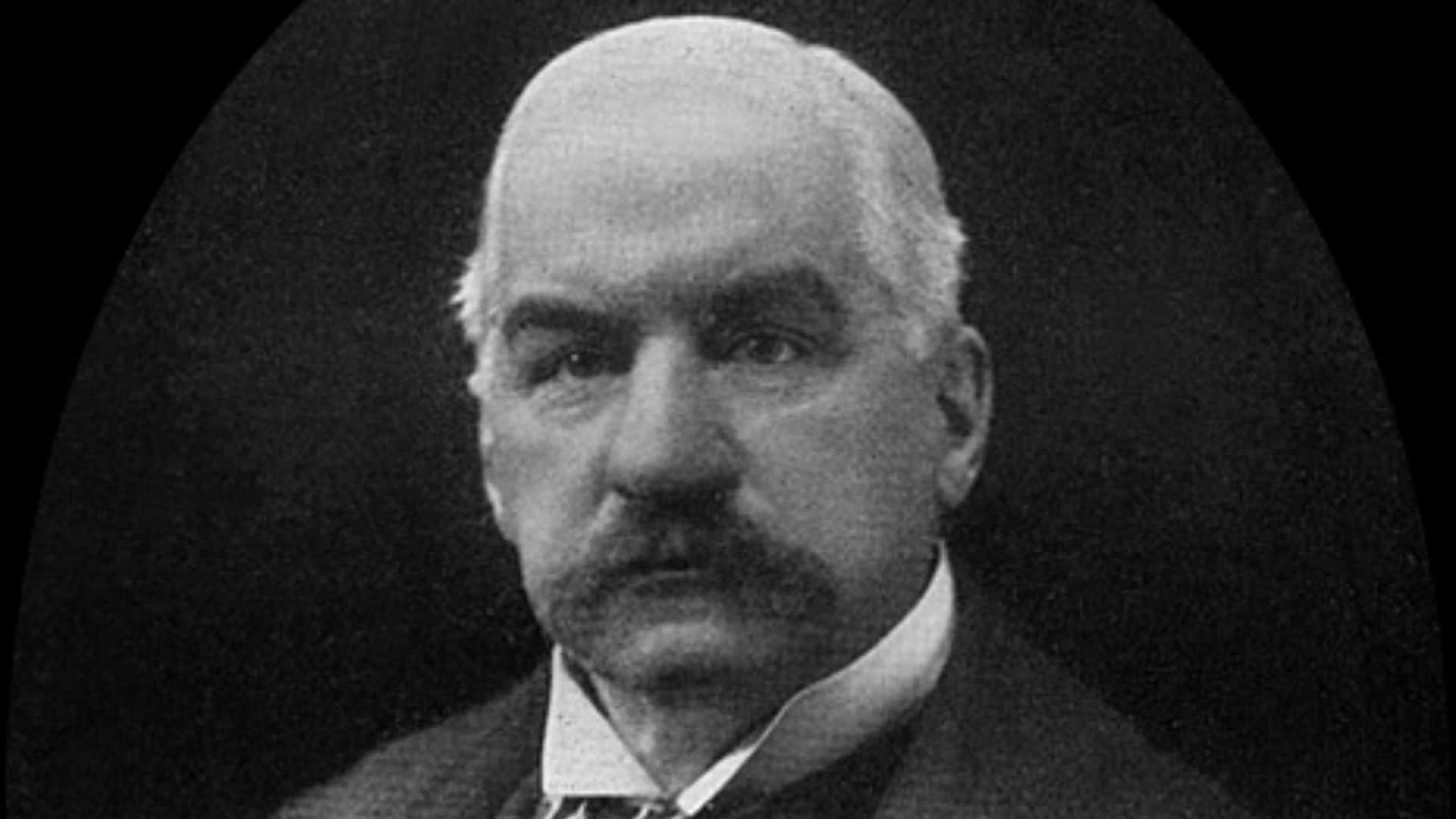
By the time he reached his forties, Morgan began to suffer from a condition that caused the skin on his nose to deform, twisting with pits, nodules, and fissures, all of which gave his nose a large, bulbous appearance as well as a purplish hue. Morgan couldn’t overcome the stigma from this, choosing to hide away instead of embracing it. This one small thing diminished his life by tenfold.
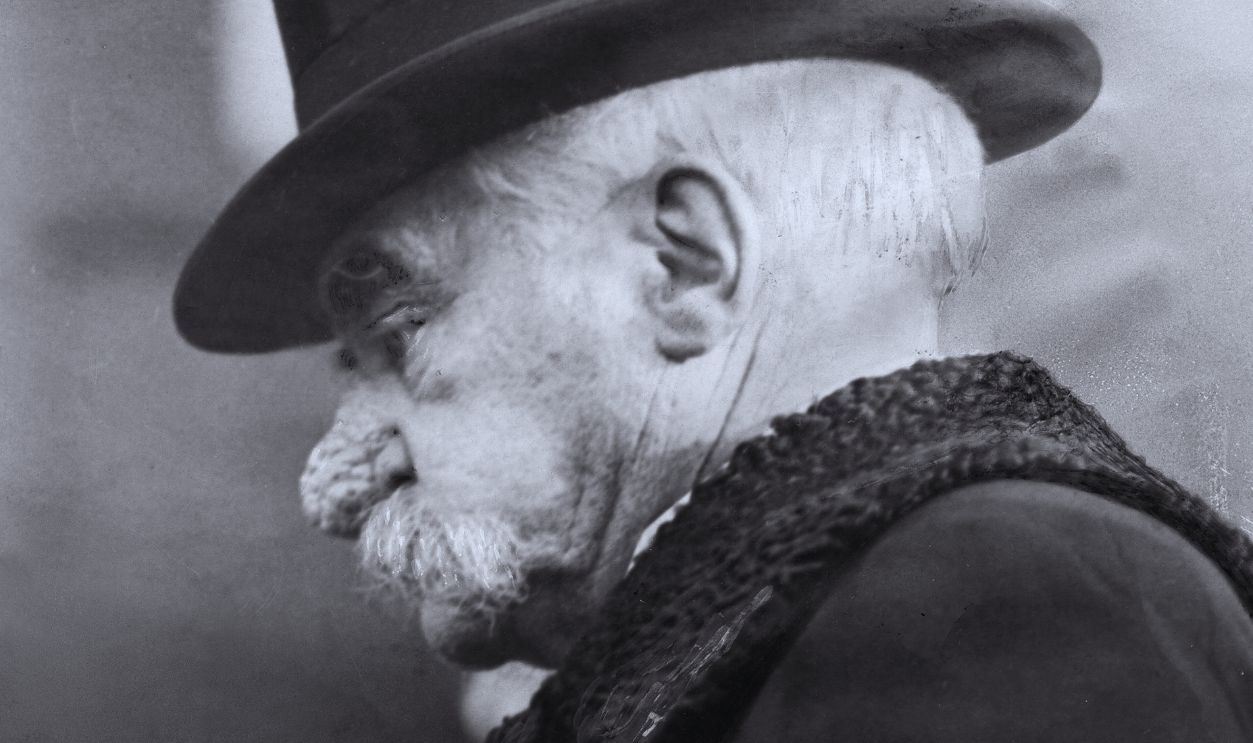 ullstein bild Dtl., Getty Images
History's most fascinating stories and darkest secrets, delivered to your inbox daily.
34. He Could’ve Changed The Story
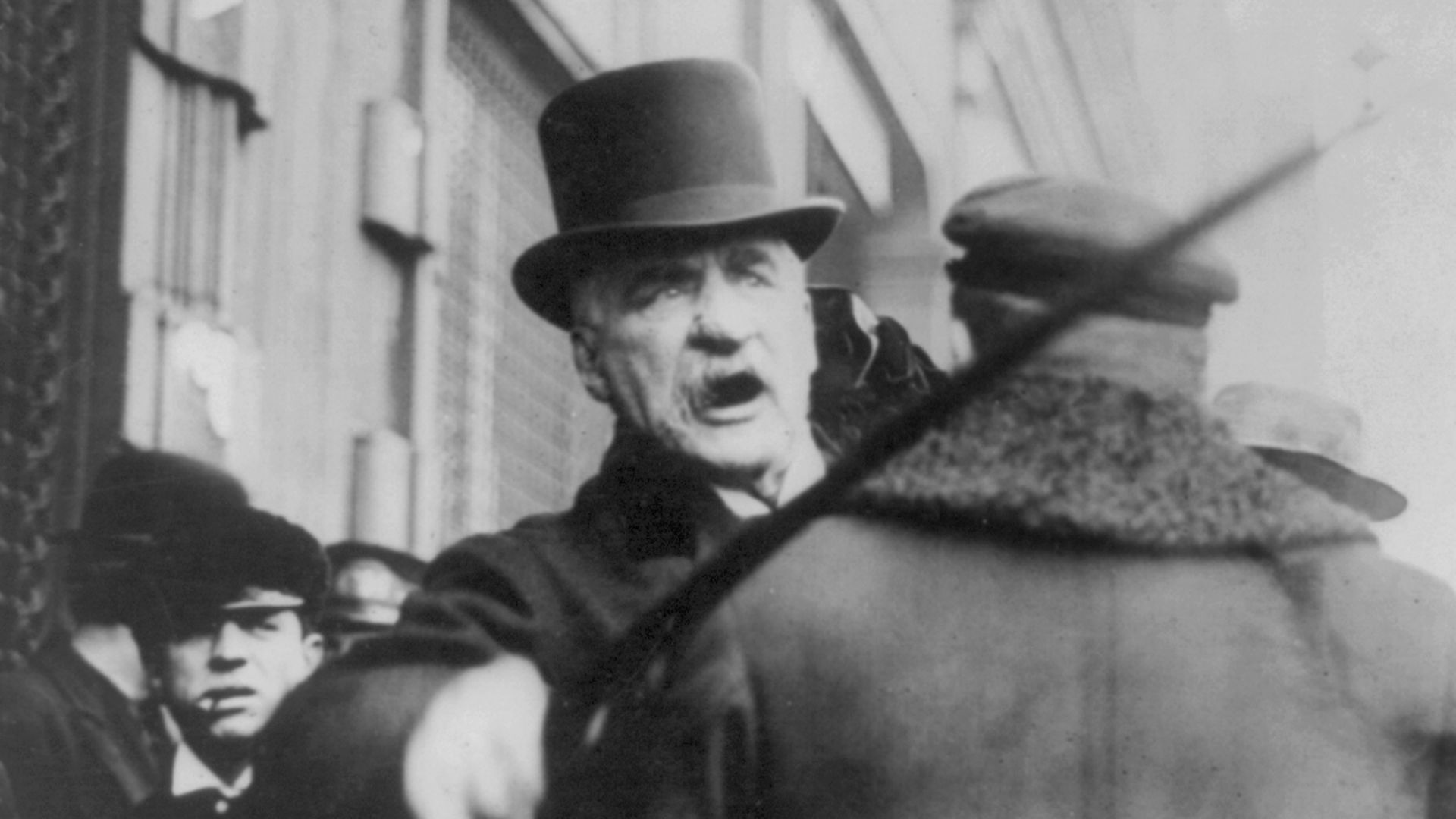
Morgan refused to have pictures taken of him unless they were being professionally retouched, and he could lash out if surprised by a photographer. Unsurprisingly, the response to this was less than kind, hearing taunts like “Johnny Morgan's nasal organ has a purple hue”. What was surprising was the fact that Morgan didn’t need to live like this at all. He chose this affliction.
35. He Couldn’t Shake His Fear
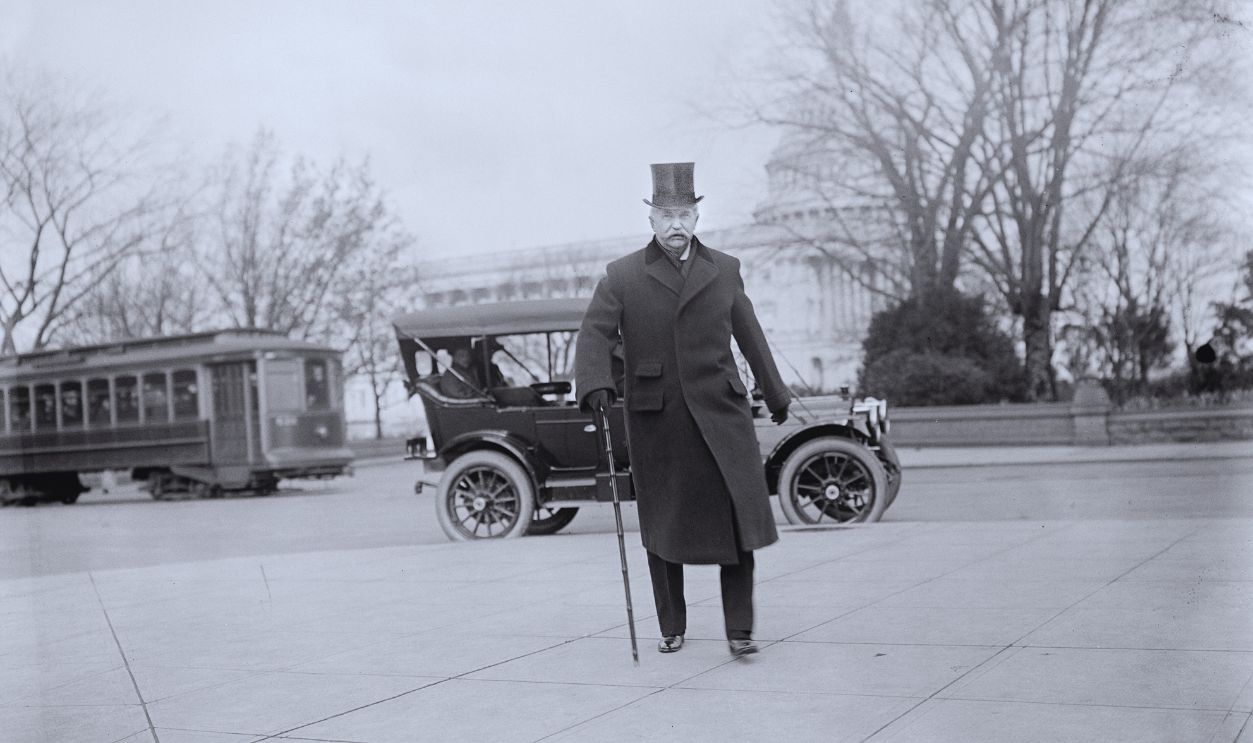
Medical practices had evolved enough during his lifetime that Morgan could have had the growths removed from his nose. However, Morgan refused to undergo the surgery. His son-in-law suspected that the reason for this links back to Morgan’s childhood, and a fear that he’d never been able to shake, even into old age.
 Universal History Archive, Getty Images
36. His Childhood Haunted Him
As a child, Morgan suffered from infantile seizures. If the illness that plagued him as a teen did not produce this issue, the suffering he carried from that fever likely made Morgan more nervous of a returned affliction. His son-in-law suspected that Morgan refused to undergo the procedure on his nose because he feared it would induce seizures. By this point, Morgan couldn’t take the risk. He had too much to lose.
37. He Saved The Day
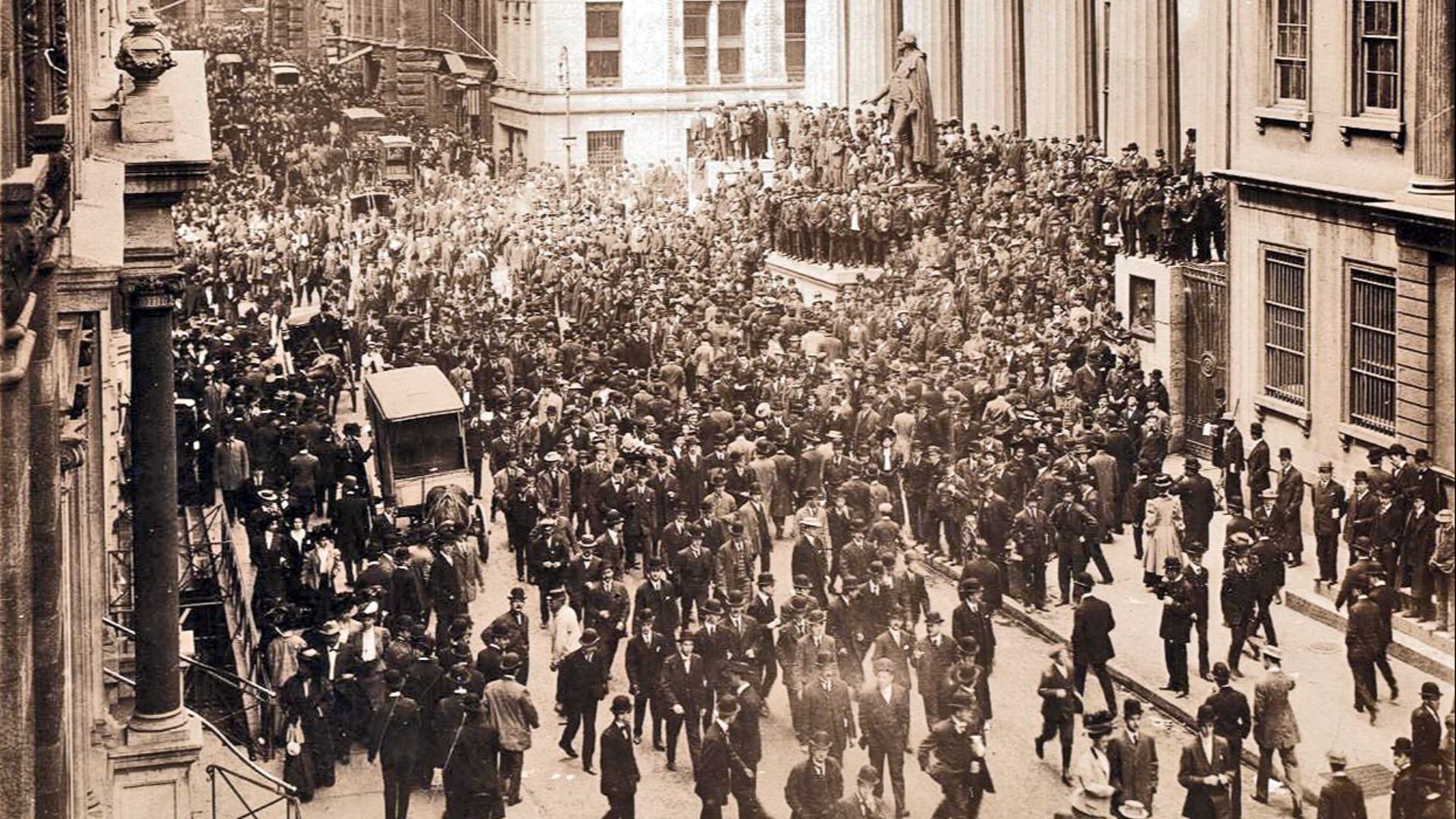
Morgan proved to be such a successful business mind that everyone depended upon him—even the US Government. Twice, in 1895 and again in 1907, the United States sat on the brink of financial crisis. As a downturn threatened the livelihoods of many Americans, it seemed everyone’s fate rested on the broad shoulders of one man: JP Morgan.
38. He Bailed The Government Out
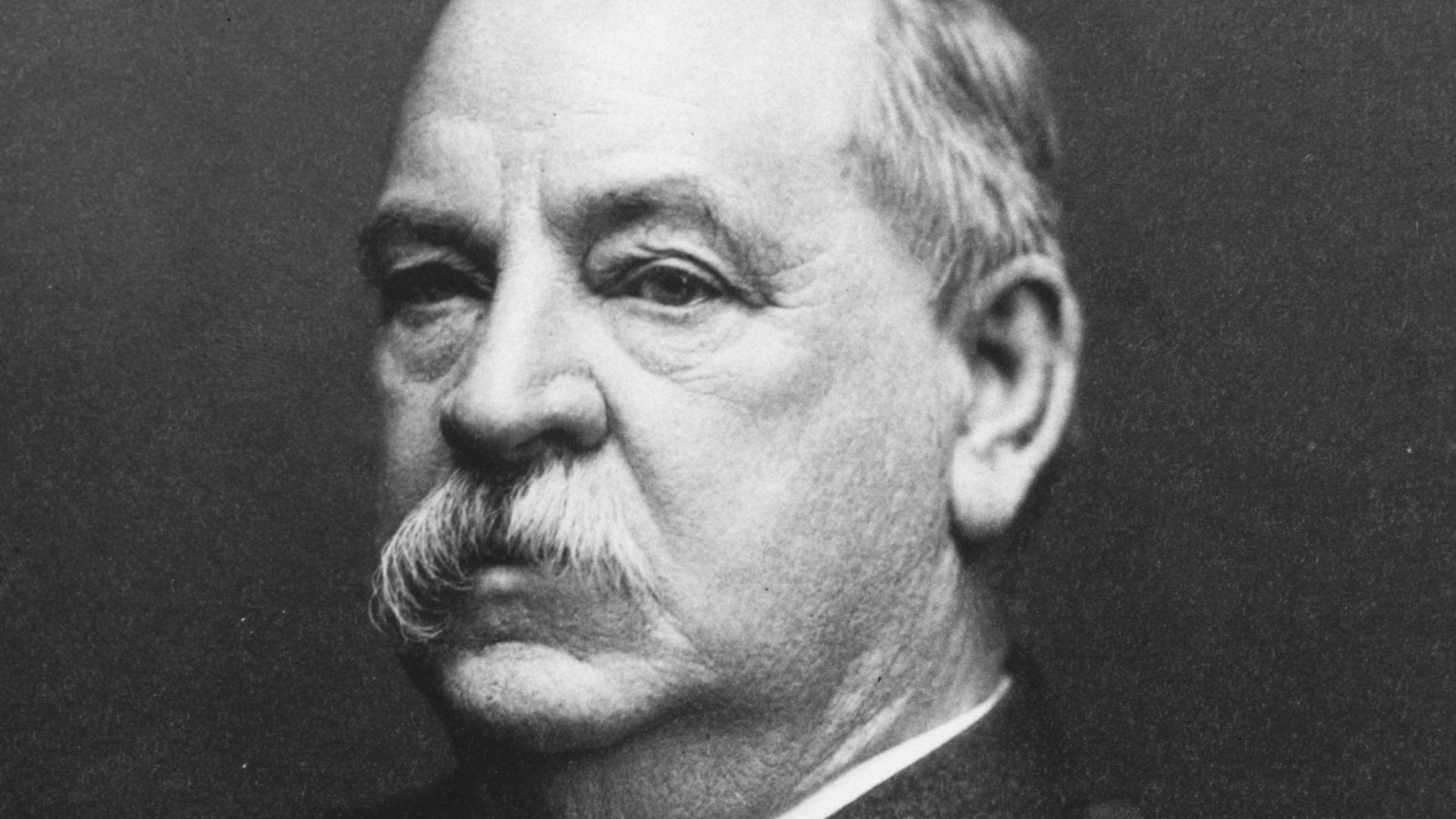
In 1895, when the US government had dwindled its gold reserves down to almost nothing, JP Morgan provided them with what they needed, saving the treasury though sinking President Grover Cleveland’s career in the process. In 1907, matters proved a little more complicated; Morgan saved the economy, but helped himself in the process.
 Unknown authorUnknown author or not provided, Wikimedia Commons
39. He Lead The Charge
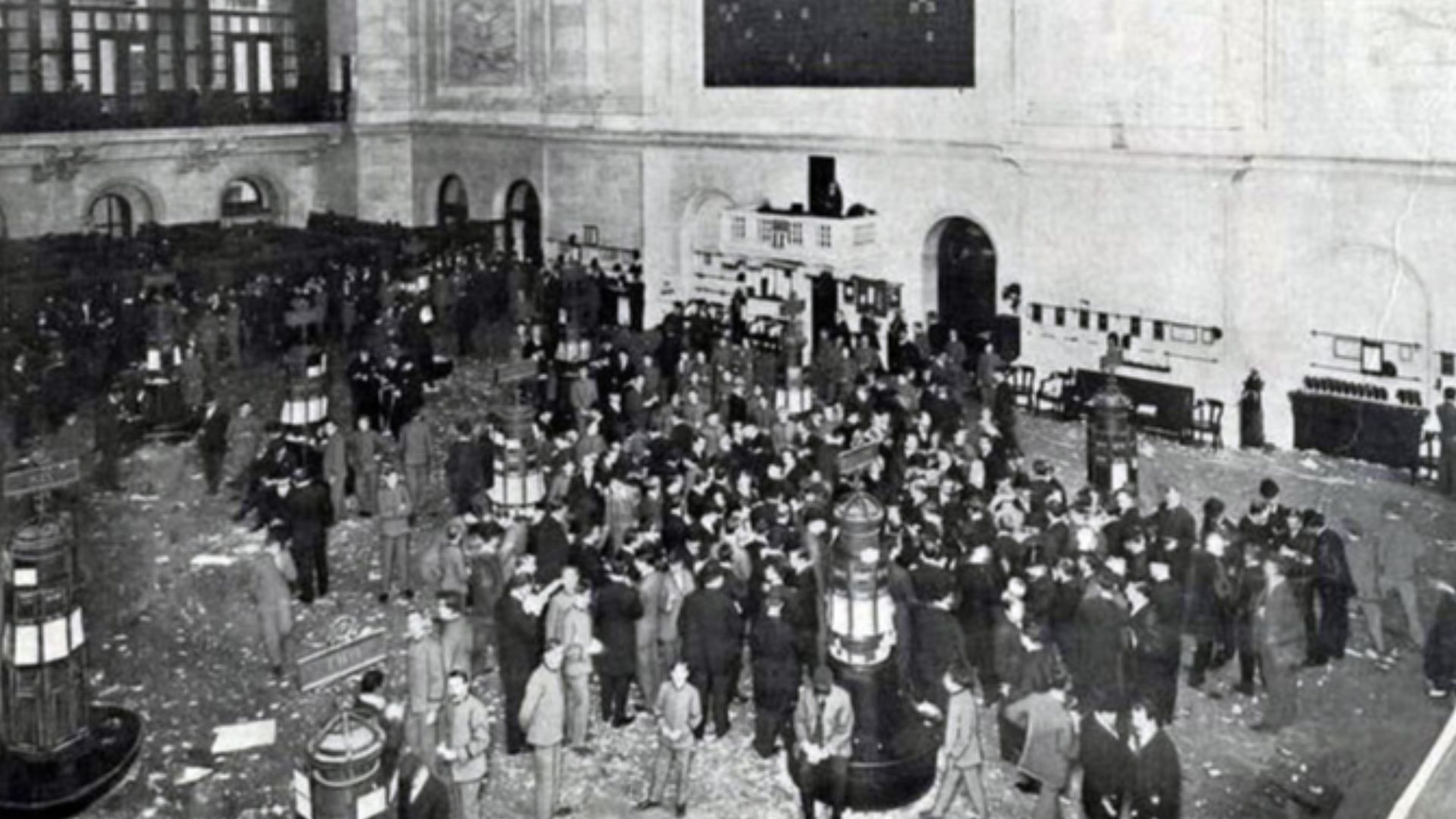
In 1907, the American bank system was in crisis. Major banks faced bankruptcy, and nothing existed to save them. Morgan overpowered the situation, playing a major role in the reallocation of funds between banks and trusts, as well as conveniently removing his competition in the process.
 Helen D Van Eaton, published in Leslie's Monthly Magazine, Wikimedia Commons
History's most fascinating stories and darkest secrets, delivered to your inbox daily.
40. He Benefited From Other’s Failure
One firm, Moore and Schley, couldn’t repay its loans. The fear was that if they failed, everyone would panic, and a genuine crisis would ensue. So, Morgan proposed a solution. His own company, US Steel, would absorb Moore and Schley. Gaining special permission from President Roosevelt, US Steel absorbed its competition, strengthening its monopoly. The crisis ended, and somehow, Morgan ended up even better off than he’d been before. Even his personal life appeared to be charmed.
41. He Made A Poor Investment
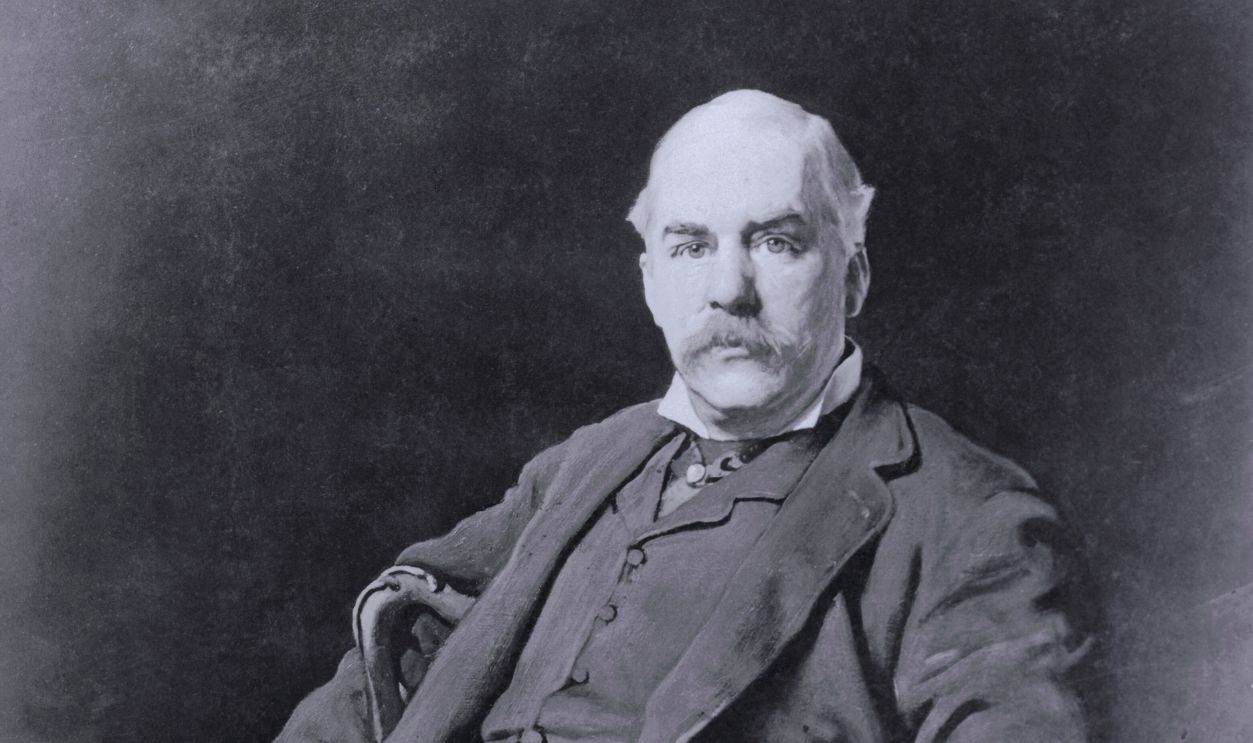
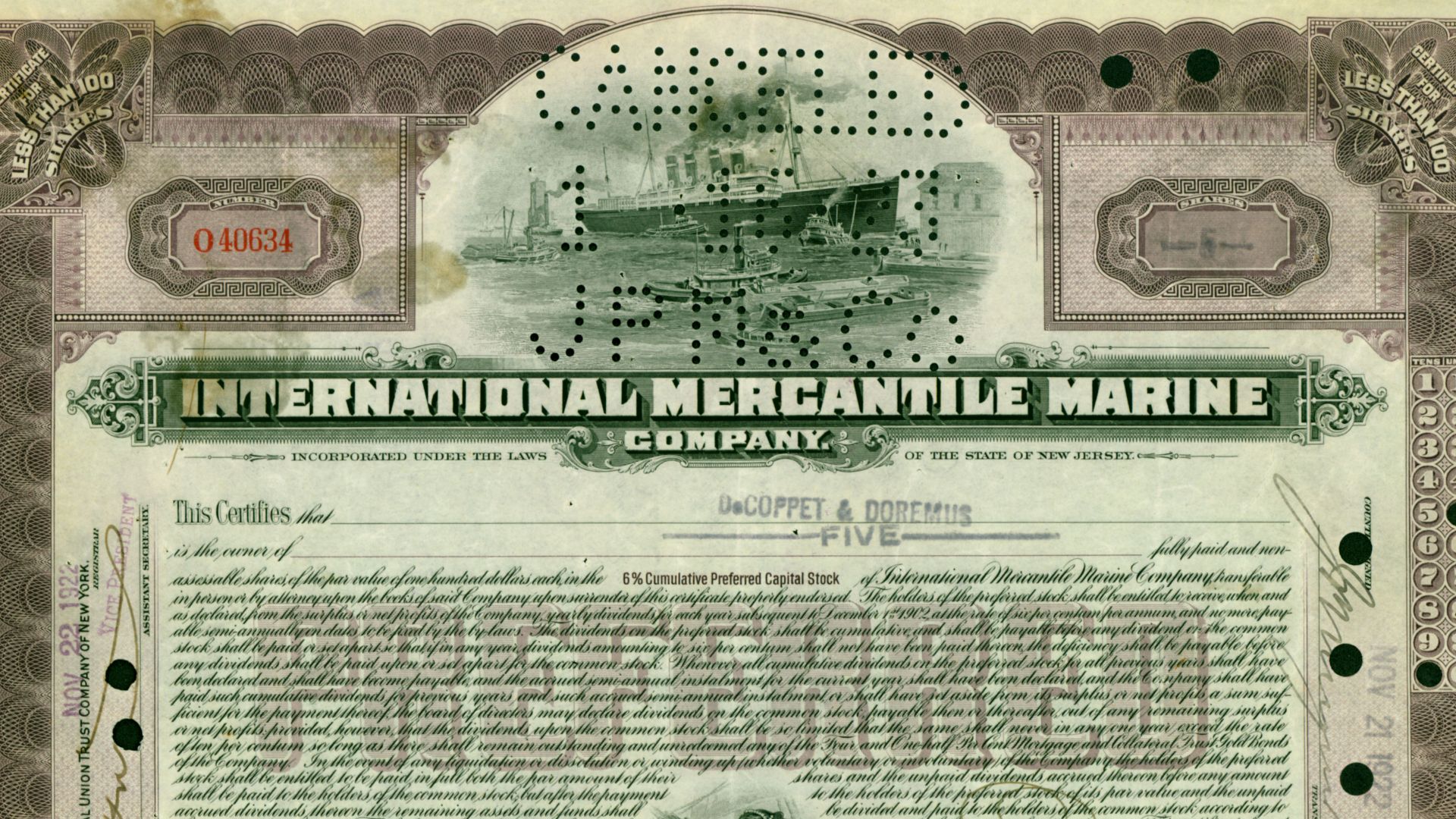
By the 1900s, JP Morgan & Co was a well-established company. They invested in many companies, providing them with the funds that they needed to exist. One of these companies included International Mercantile Marine Co (IMMC), an Atlantic shipping company that controlled many smaller shipping lines, including a line that was about to go down (literally) in infamy.
 Unbekannte Autoren und Grafiker; Scan vom EDHAM e.V., Wikimedia Commons
42. He Planned A Voyage
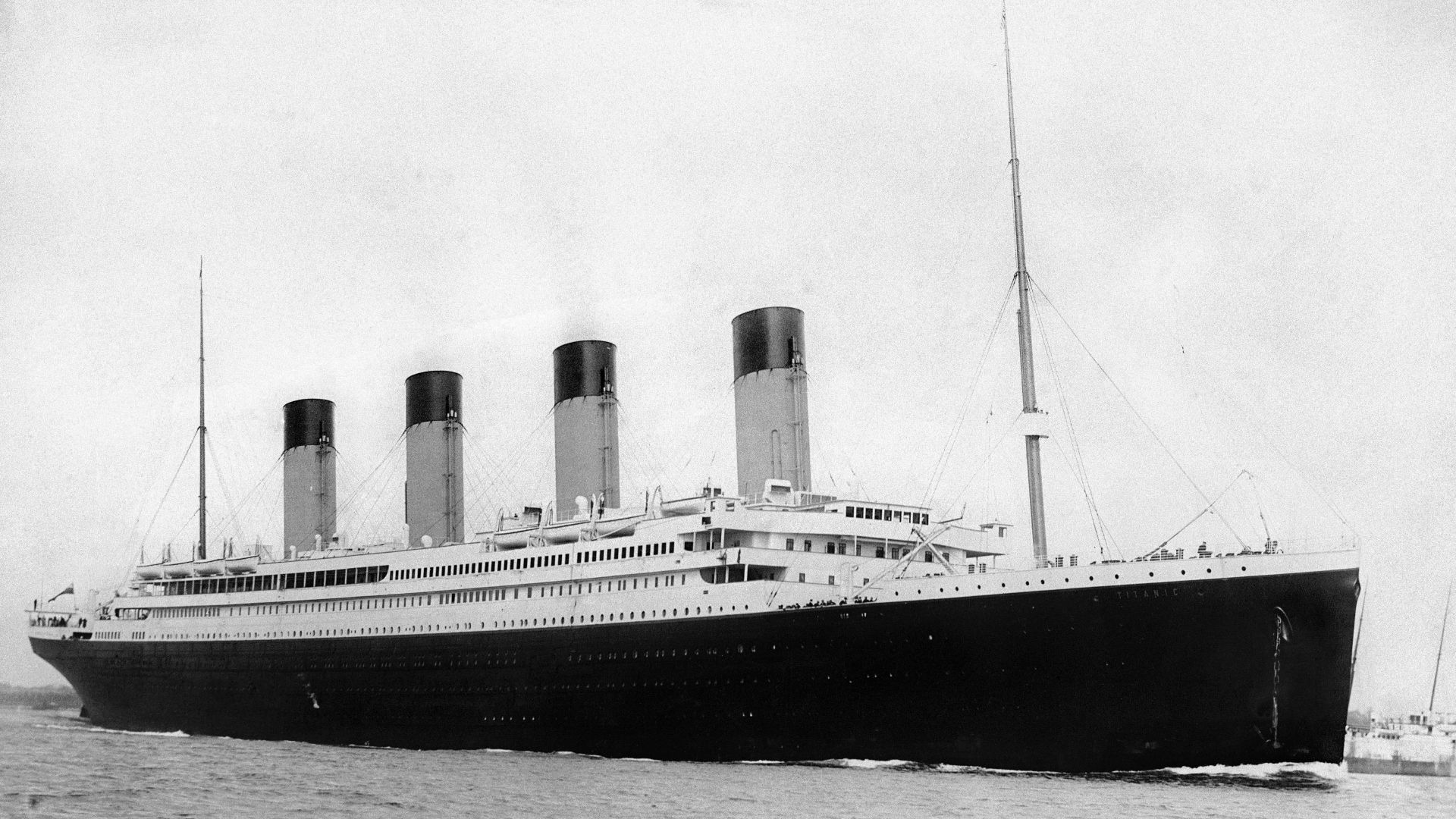
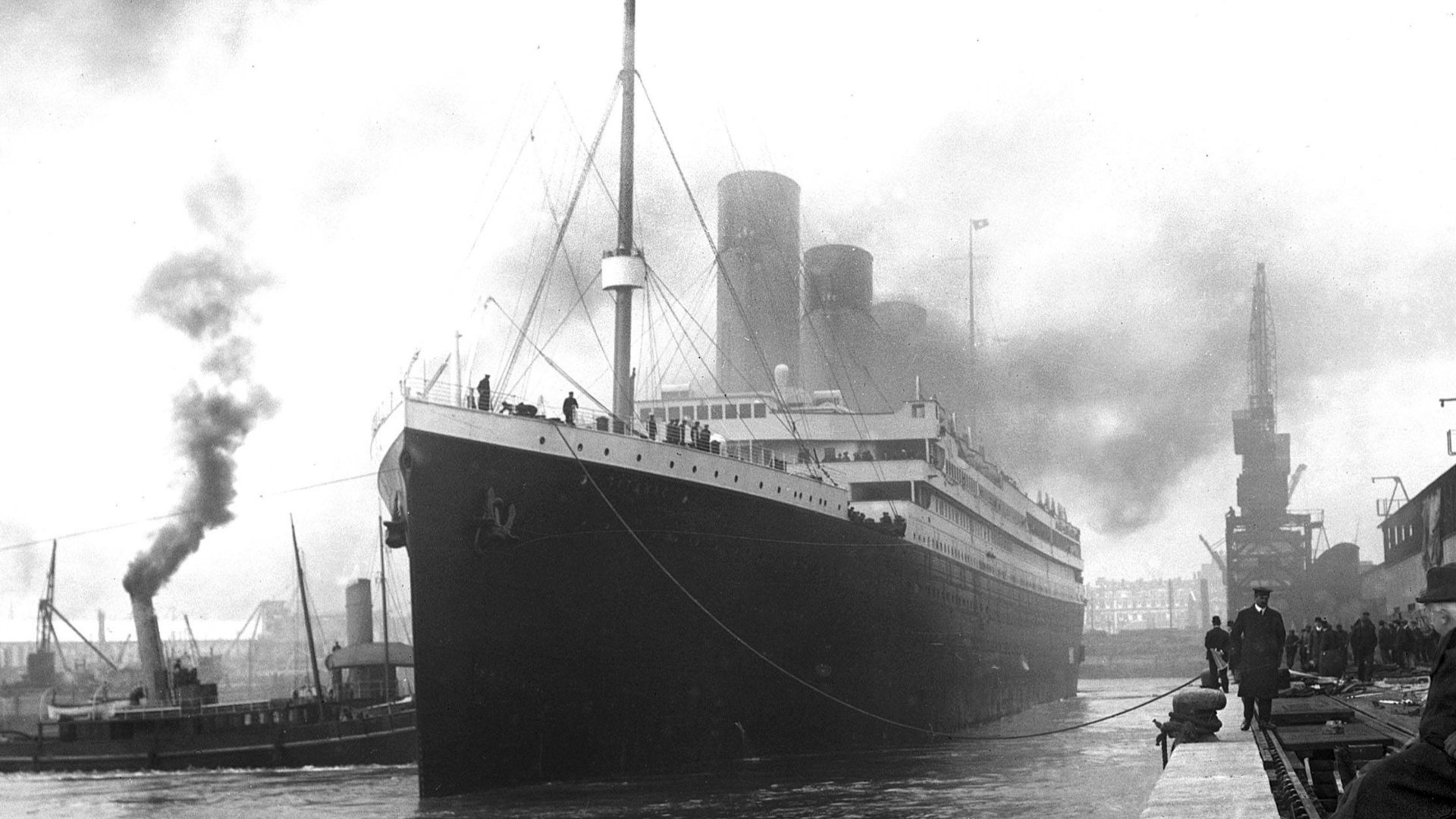
Among their many subsidiaries, IMMC owned the White Star Line. If you think that the White Star Line sounds familiar, that’s because it should. In 1912, the White Star Line had banked all of its fortunes on their latest luxury liner, the biggest, “unsinkable” ship ever made: the RMS Titanic. Guess who had a ticket to ride?
 Francis Godolphin Osbourne Stuart, Wikimedia Commons
43. He Got Very Lucky
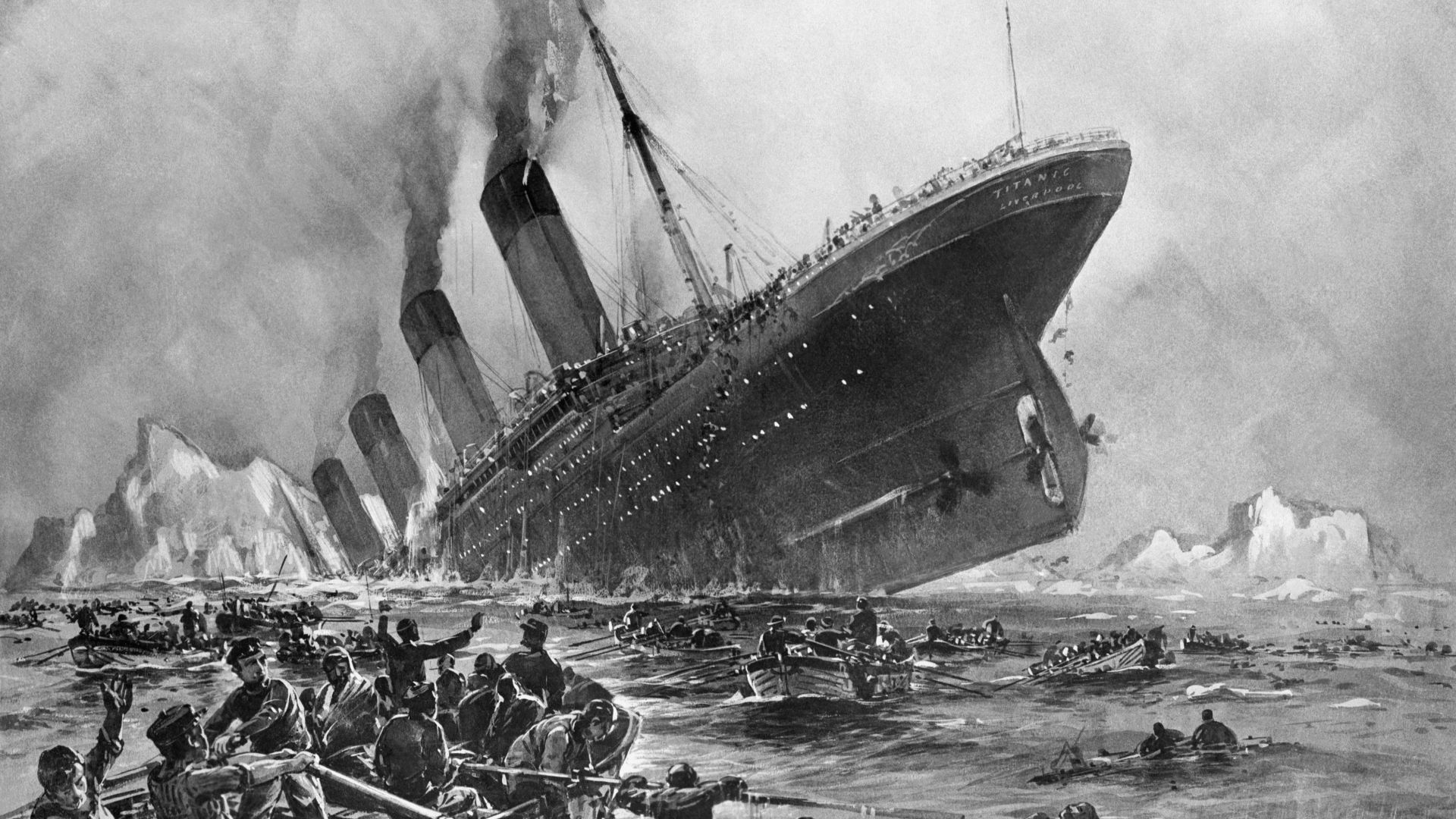
JP Morgan intended to set sail on the Titanic’s maiden voyage. He’d bought one of their luxury suites, complete with his private promenade deck. However, whatever light guided JP Morgan led him to safety. At the last minute, he changed his plans, and the Titanic set sail without him. Morgan saved his life that day. However, his financial investments sank along with the boat.
 Unknown authorUnknown author, Wikimedia Commons
44. He Feared The End
The Titanic sank the White Star Line and IMMC along with it. However, Morgan showed social graces, announcing: “Monetary losses amount to nothing in life. It is the loss of life that counts. It is that frightful death”. Morgan’s good faith spared him from that fridged frightful passing. However, he could only outrun his frightful end for so long.
 Willy Stower, Wikimedia Commons
45. His Childhood Returned
The fever that Morgan suffered from as a teen never fully went away. He suffered complications from that for the rest of his life. His pain and discomfort increased each year, until near the end of his life, it robbed him of the ability to walk. While never publicly associated with that original illness, Morgan’s rapid decline at the end likely brought back the horrors he felt all those years before.
History's most fascinating stories and darkest secrets, delivered to your inbox daily.
46. He Became Trapped
Most people avoid thinking about the end. However, if forced to focus on it, they say they wish for it to be quick. For all his money and wealth, that proved to be the one thing that Morgan couldn’t buy himself. Instead, he spent the last weeks of his life suffering from “a long sinking spell” that caused him to meet his end slowly, one painful step at a time.
 Unknown authorUnknown author, Wikimedia Commons
47. He Only Had One Escape
Morgan’s downward fall started with extreme weakness. Eventually, his own body began to rebel against him. When he attempted to speak, his throat contracted, stopping him from doing so. Fear surely took over Morgan when he realized that not only could he not speak, but he couldn’t eat. The muscles in his throat had ceased to work entirely. The only thing Morgan could do to escape his suffering was sleep.
 JohnPierpontMorgan.jpg
derivative work: Beao, Wikimedia Commons
JohnPierpontMorgan.jpg
derivative work: Beao, Wikimedia Commons
48. He Slipped Away Slowly
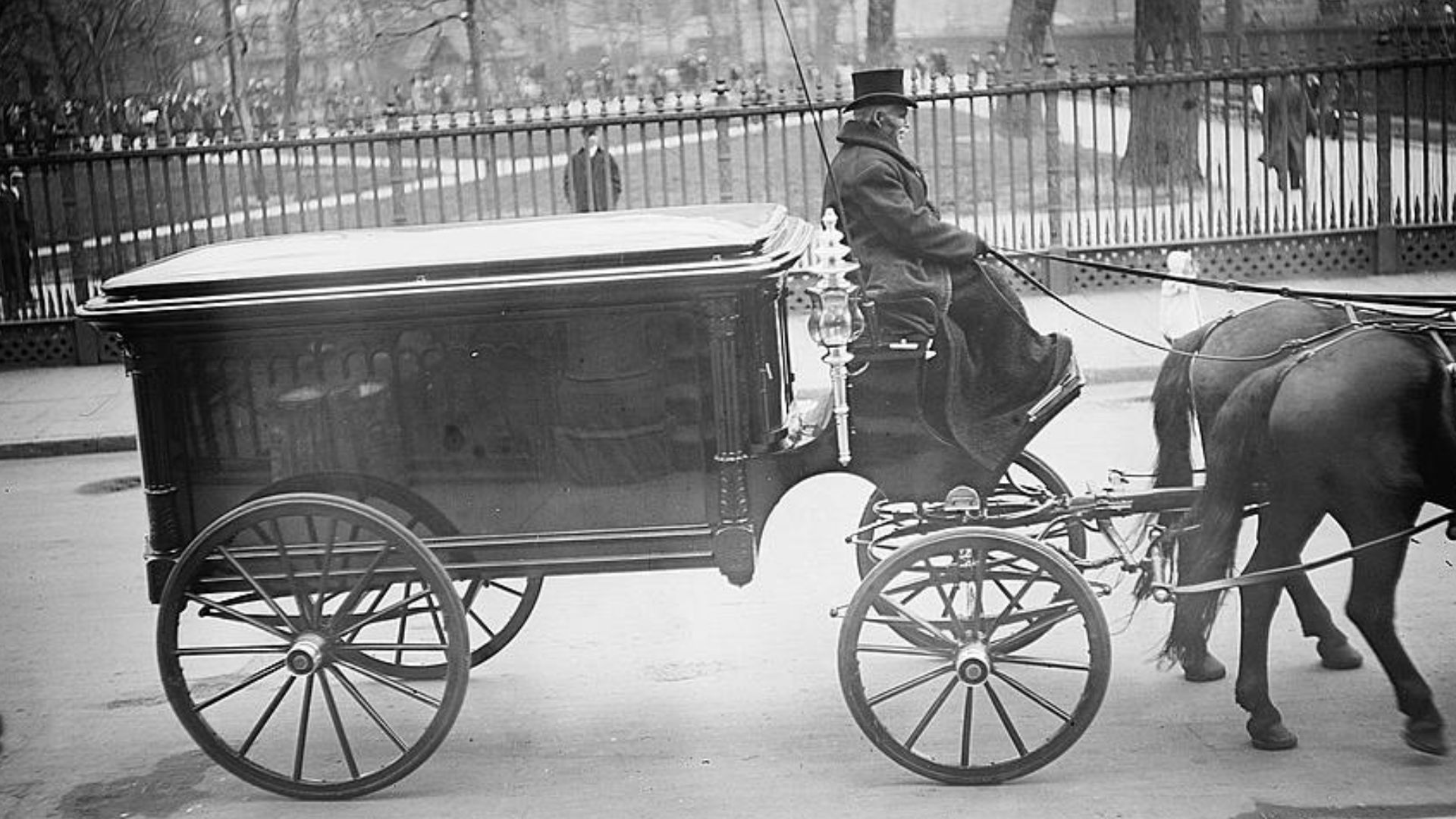
JP Morgan passed on March 31, 1913, having spent much of the days before that slipping in and out of consciousness, being sustained by “injections” as he could no longer consume food. Travelling abroad, his life ended in Rome, Italy. The man who had been larger than life returned home in a box, where the empire that he built waited to honor him.
 Library of Congress, Wikimedia Commons
49. He Was Adored By Wall Street
The stock market closed for two hours in honor of JP Morgan, an honor usually reserved for heads of state. To quote a famous musical, “You’ll always be adored by the things you create”. Morgan revolutionized the banking system, saving Wall Street several times over. However, his critics accuse him of creating a culture where the few control the bulk of the wealth. Both things can be true, as can the fact that JP Morgan changed the world, for better or worse.
50. He Got His Hands Dirty
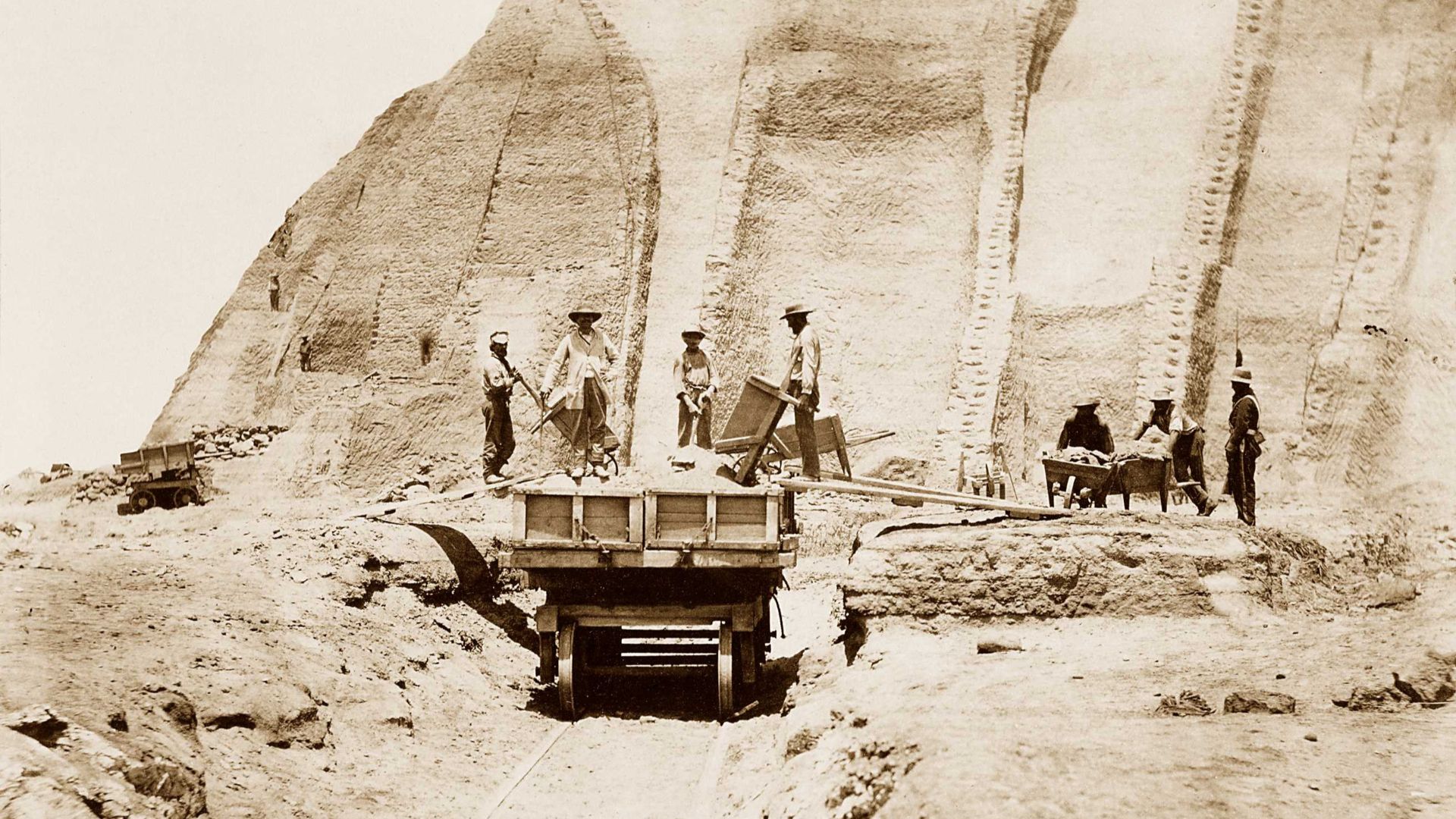
Remember Morgan's unsavory investment we mentioned earlier? Turns out there was nothing that Morgan wouldn’t trade in—including excrement! Based on the advice of the vice-president, in 1865, Morgan decided that his next big move should be in… well, poop. He negotiated a contract to be the exclusive importer of guano from Peru, which was used in fertilizer and gunpowder.
 Henry de Witt Moulton, Wikimedia Commons
You May Also Like:
The Man Who Built The Vanderbilts
Hetty Green Was The “Queen Of Wall Street”—And It Drove Her Mad
Money, Mistresses, And Misery: Inside The Scandalous Life Of J. Paul Getty