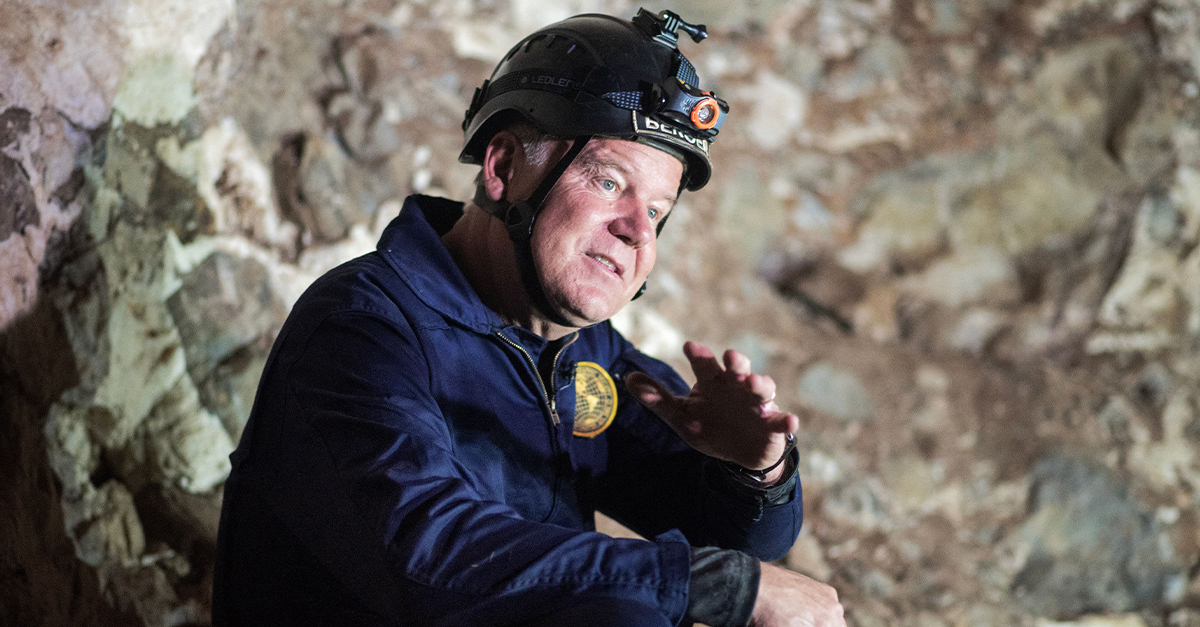
The Cave Was Already One Of Human Evolution’s Strangest Mysteries
Deep inside South Africa's Rising Star cave, explorers uncovered the remains of a strange human relative called Homo naledi. Years later, scientists tested individuals from across the cave and found something nobody expected: every one appeared to be female. The question now is whether that's a coincidence, a biological quirk, or evidence that something very deliberate happened underground.
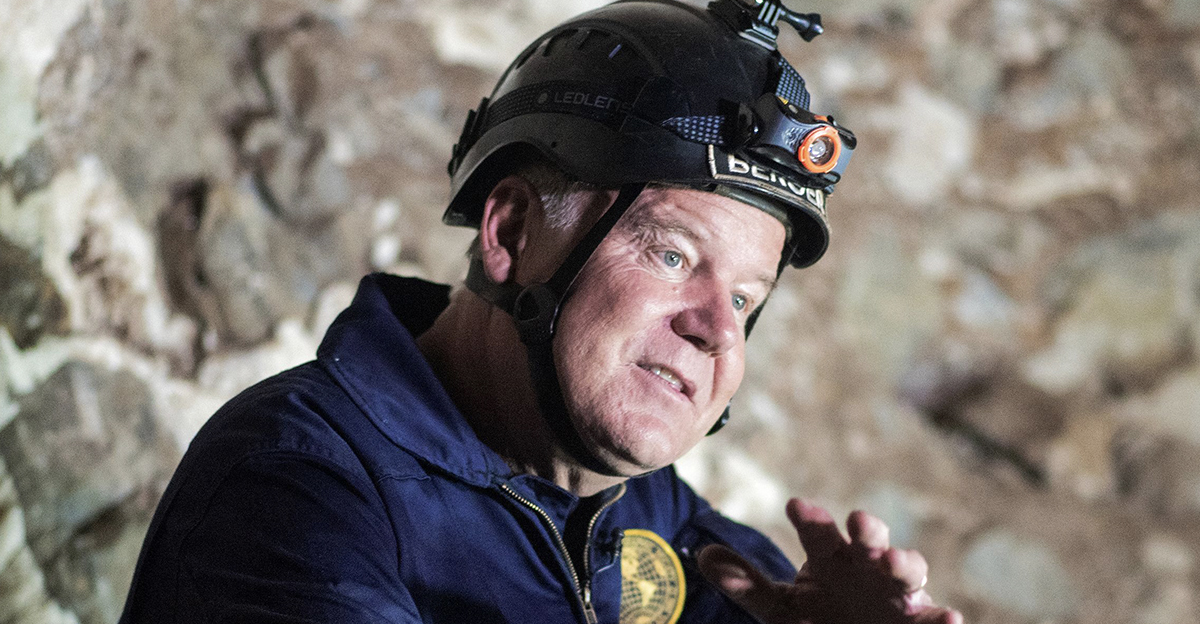 LUCA SOLA/AFP via Getty Images
Two Cavers Found The Bones By Accident
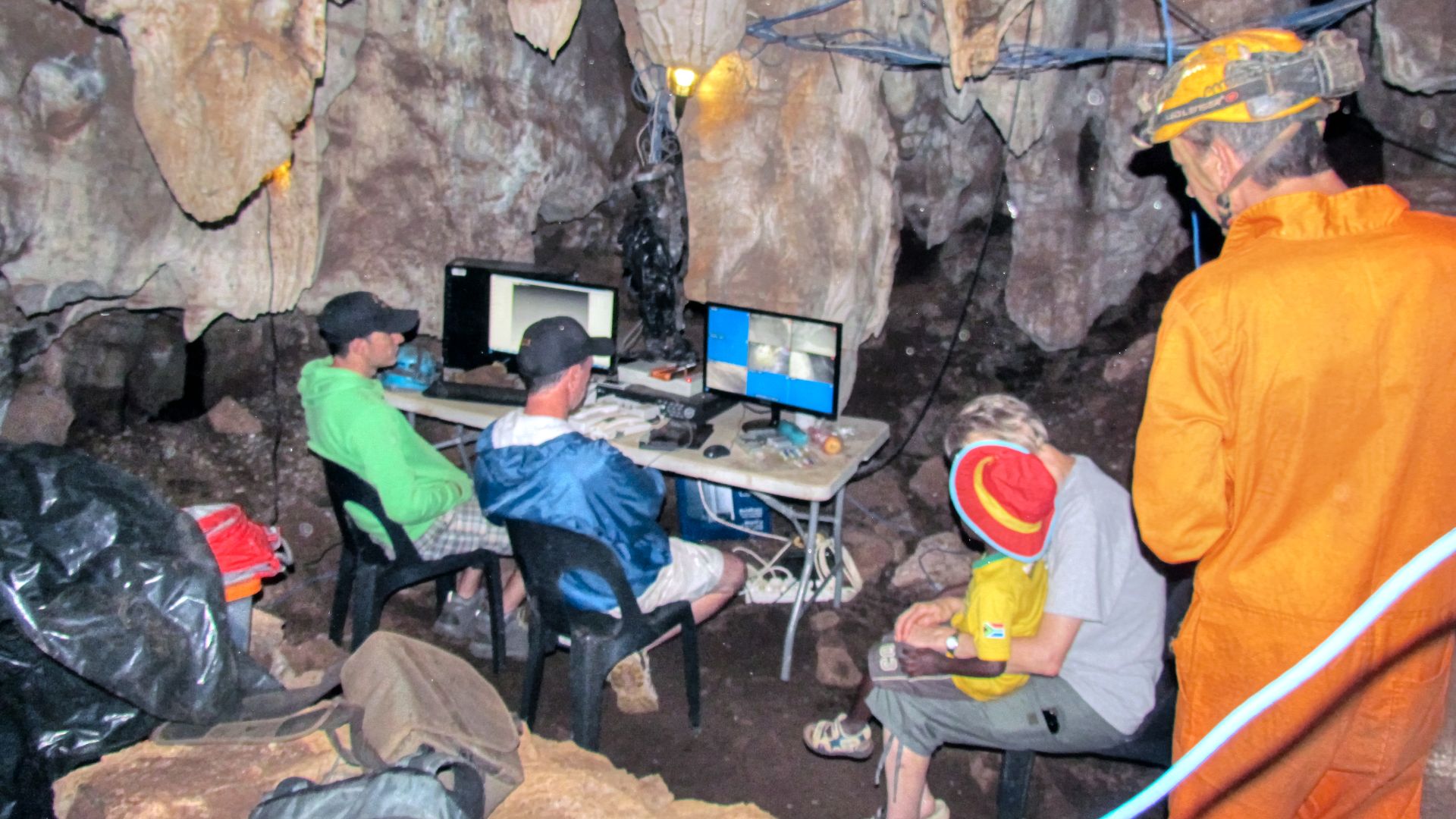
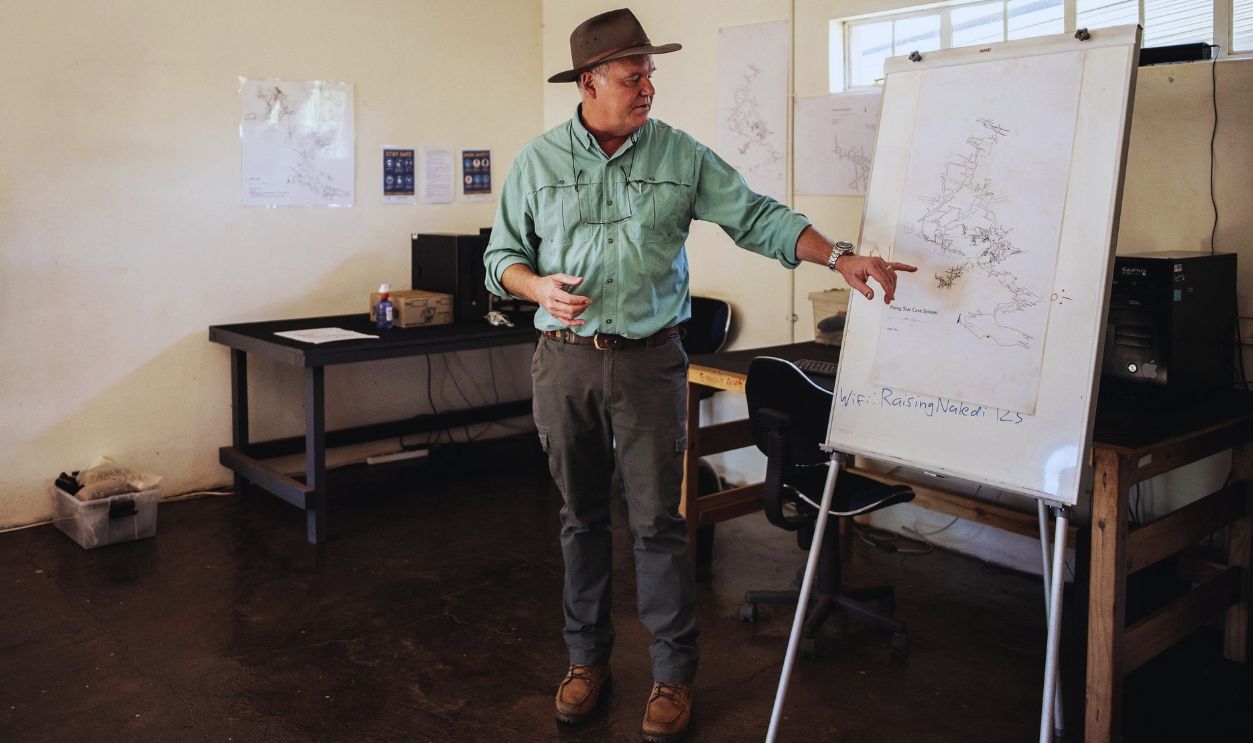
The story began in September 2013, when experienced cavers Rick Hunter and Steven Tucker explored an extremely narrow section of the Rising Star cave system in South Africa's Cradle of Humankind. After squeezing and climbing deep underground, they entered a previously unexplored chamber and noticed bones scattered across the floor. Photographs eventually reached paleoanthropologist Lee Berger, who immediately realized they could be hominin fossils. What looked like a few bones would soon become one of Africa's richest discoveries of ancient human relatives.
 Simon Fraser University - University Communications, Wikimedia Commons
Getting To Them Was Almost Ridiculously Difficult
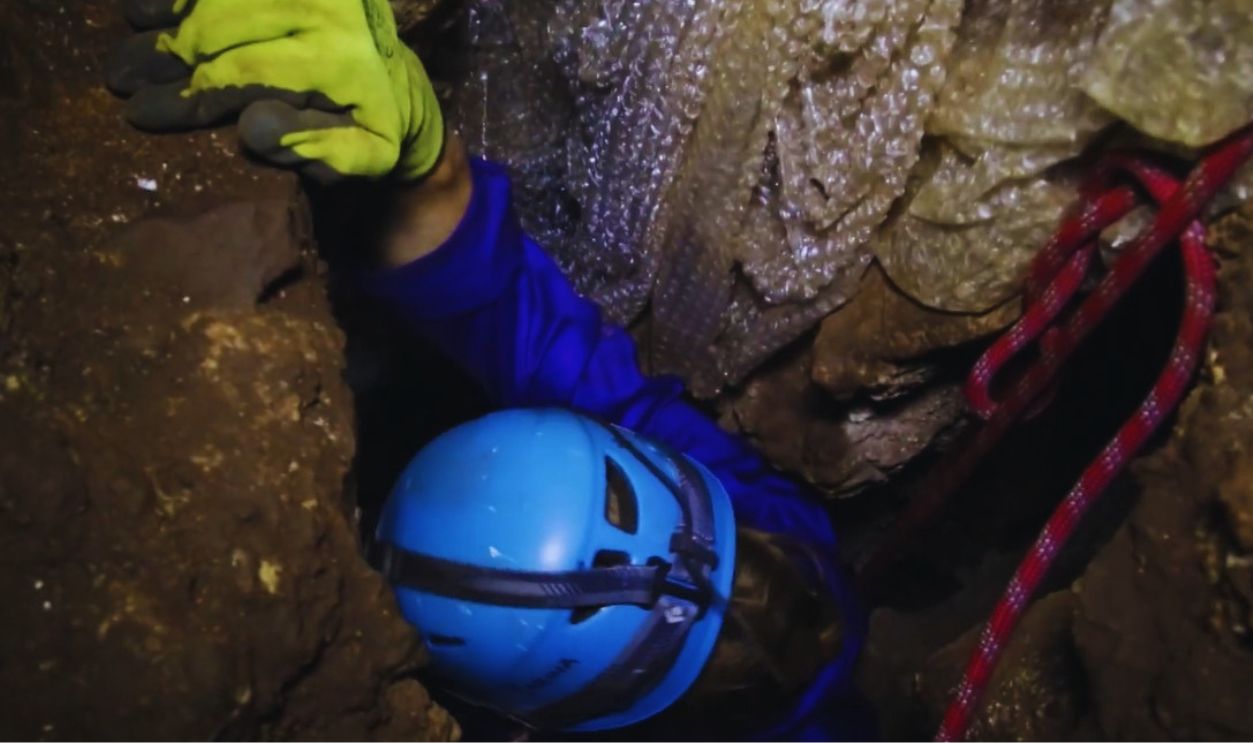
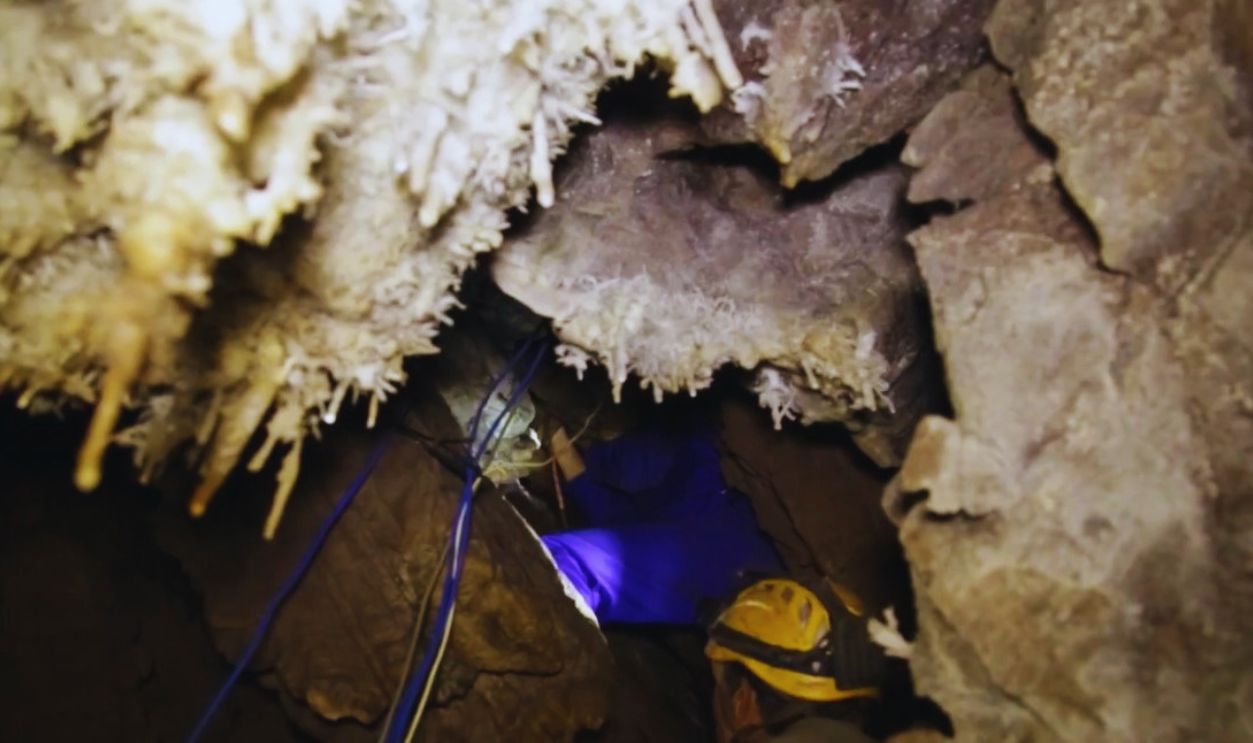
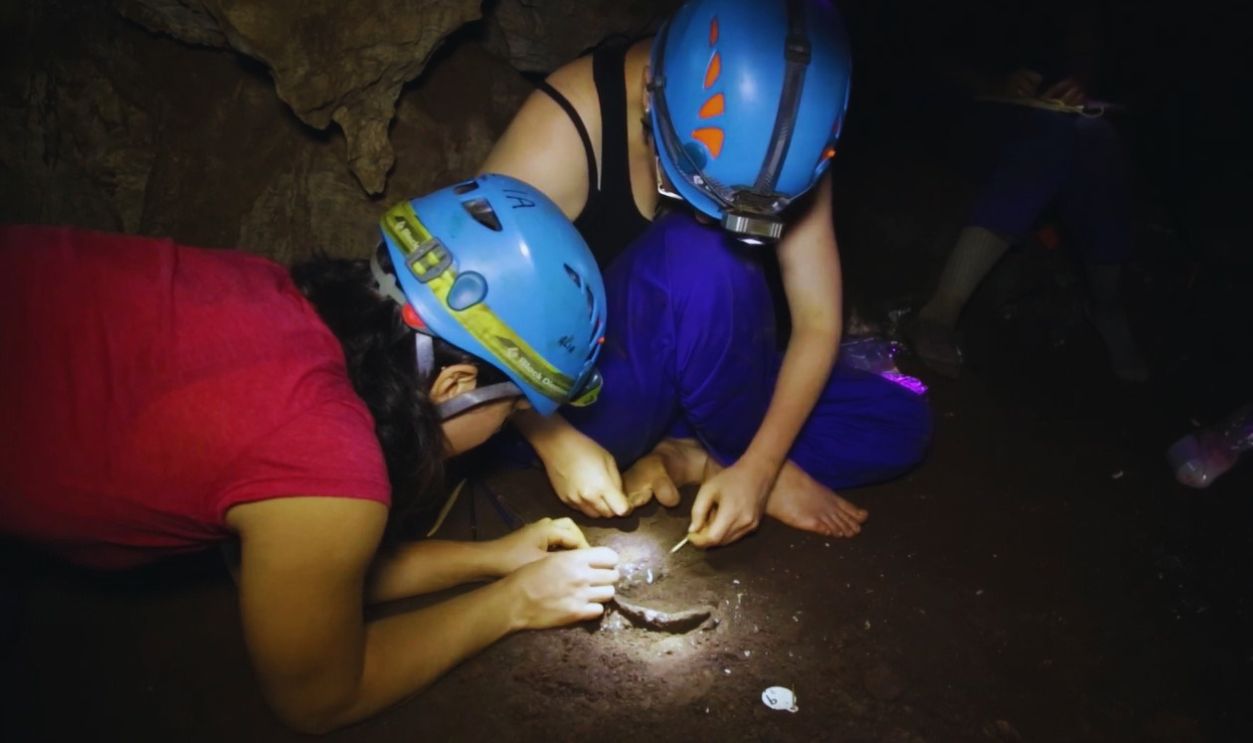
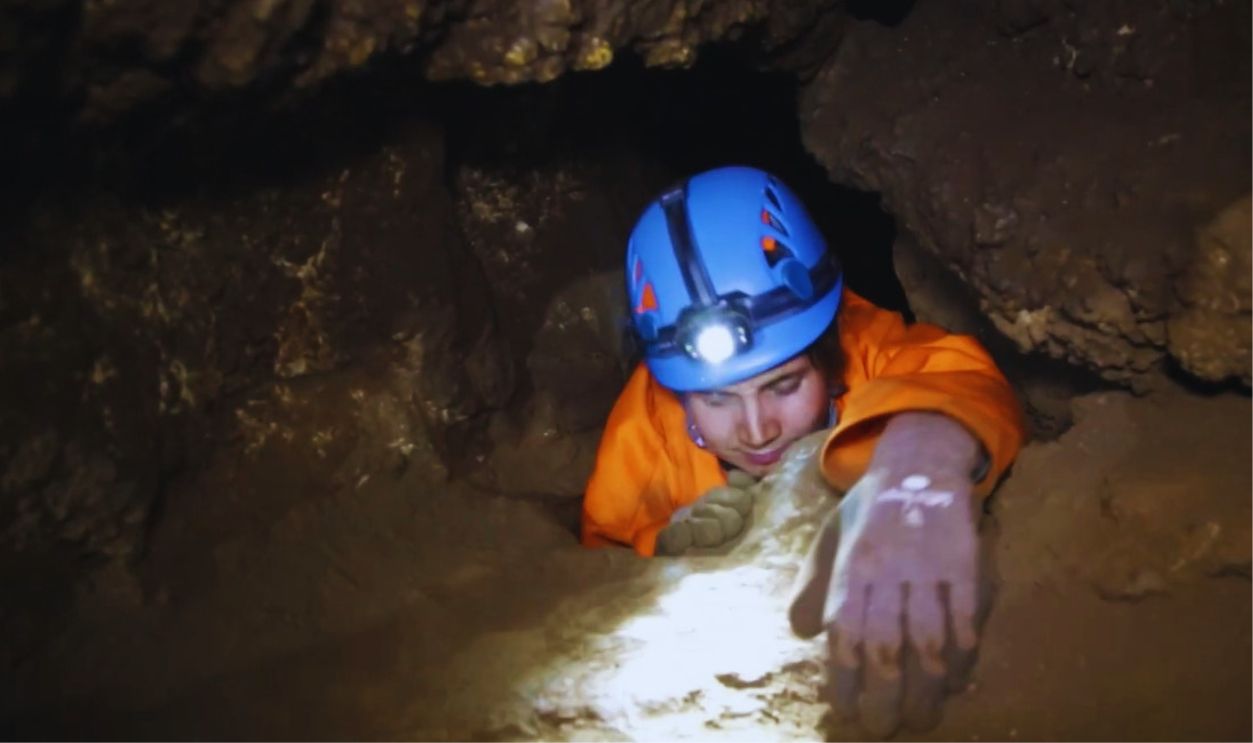
The Dinaledi Chamber wasn't sitting conveniently beside a cave entrance. It was roughly 30 meters underground and deep inside a maze of twisting passages. Reaching it involved climbing over a formation nicknamed the Dragon's Back and descending through a vertical chute with squeezes only about 18 to 20 centimeters wide in places. Berger couldn't fit through himself. Recovering the fossils required scientists who combined archaeological training with serious caving ability and a very small build.
The First Excavation Team Was Entirely Female
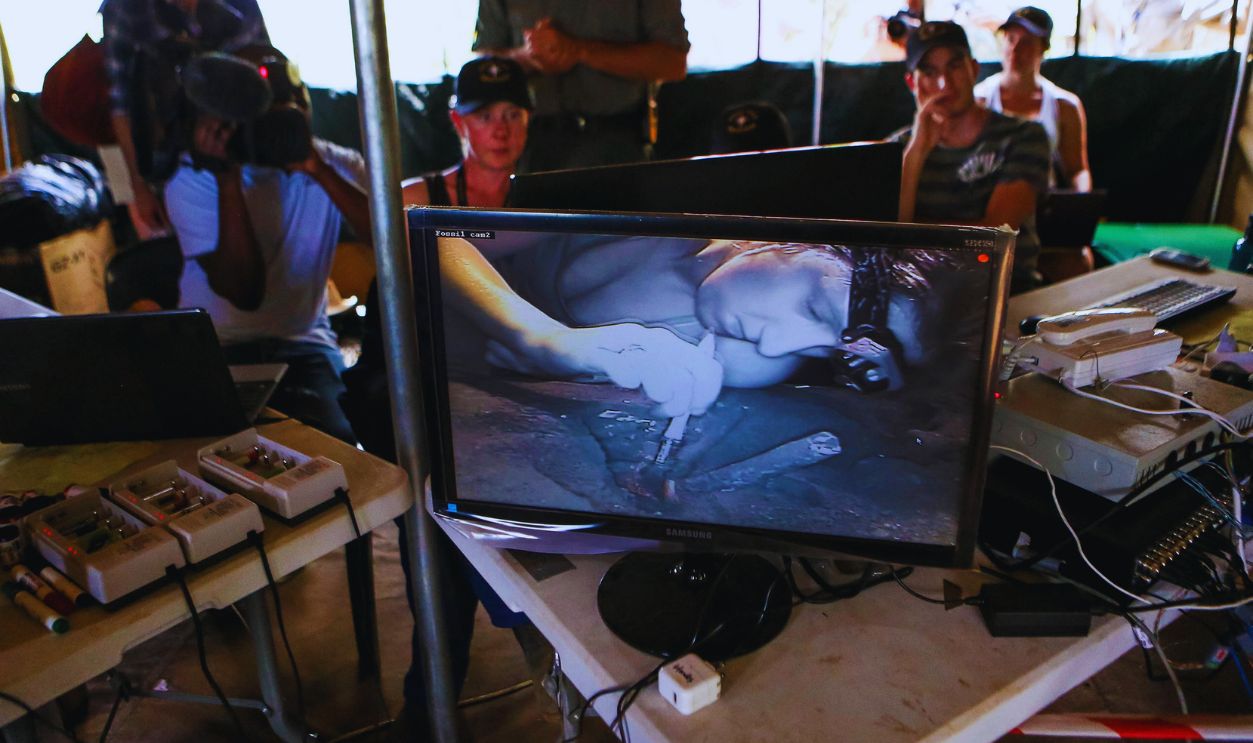
Berger put out an unusual call for scientists capable of working in impossibly confined spaces. Six women were ultimately selected as the first "underground astronauts" who could reach the fossils and excavate them properly. They spent long shifts crawling through humid passages, squeezing through the chute, documenting bones, and carefully transporting fragile specimens back toward the surface. More than a decade later, the discovery that the fossils they were retrieving appear overwhelmingly female has created an unexpected symmetry in the story.
They Recovered More Than 1,500 Fossils
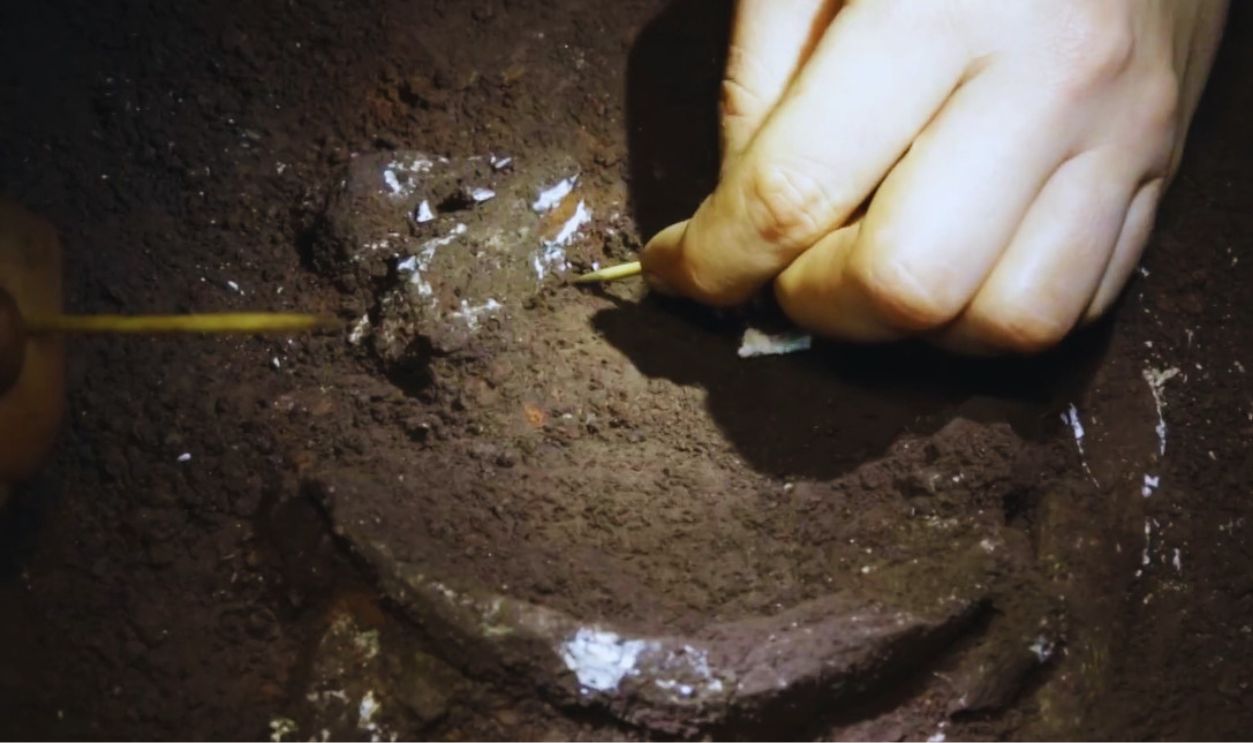
The initial excavations produced more than 1,550 bones and fragments representing at least 15 individuals from the Dinaledi Chamber alone. Nearly every part of the skeleton was represented, something exceptionally rare in paleoanthropology. Other remains were later recognized elsewhere in Rising Star, including the Lesedi Chamber. Instead of the fragmentary jaw or isolated tooth from which some ancient hominins have been identified, researchers suddenly had enough material to reconstruct much of an entirely unknown species.
Scientists Named It Homo Naledi
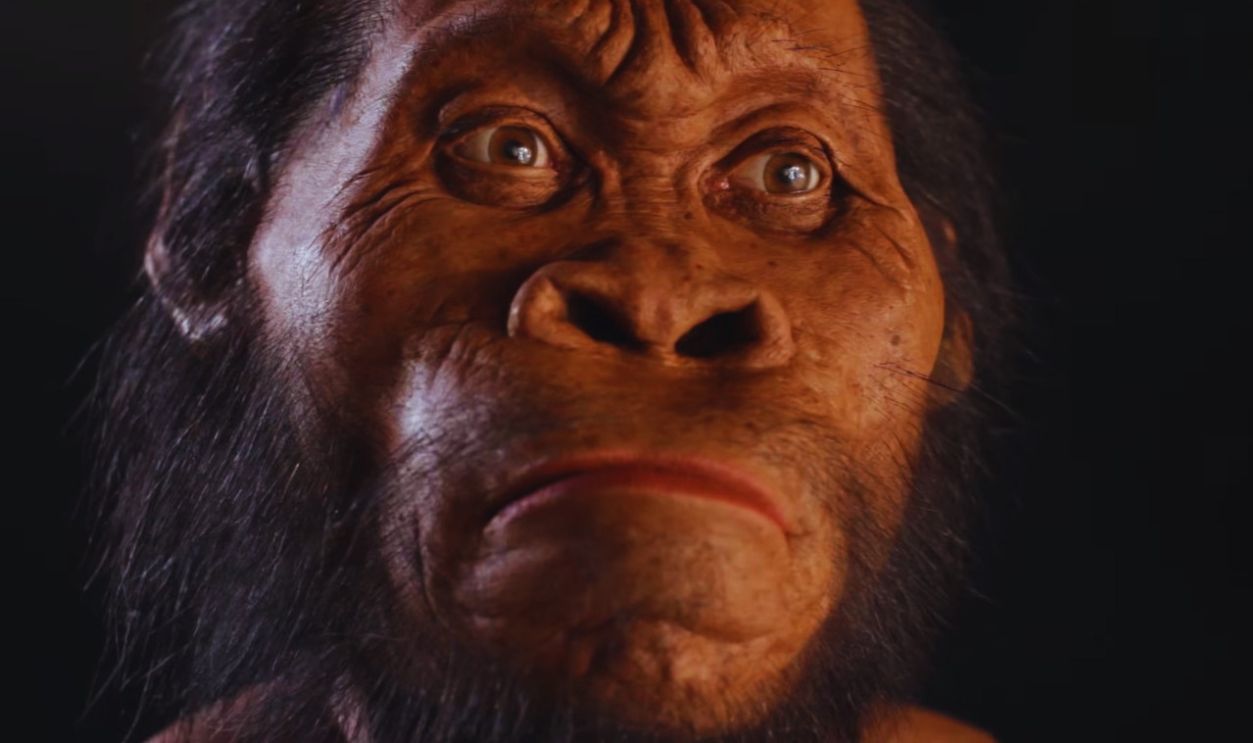
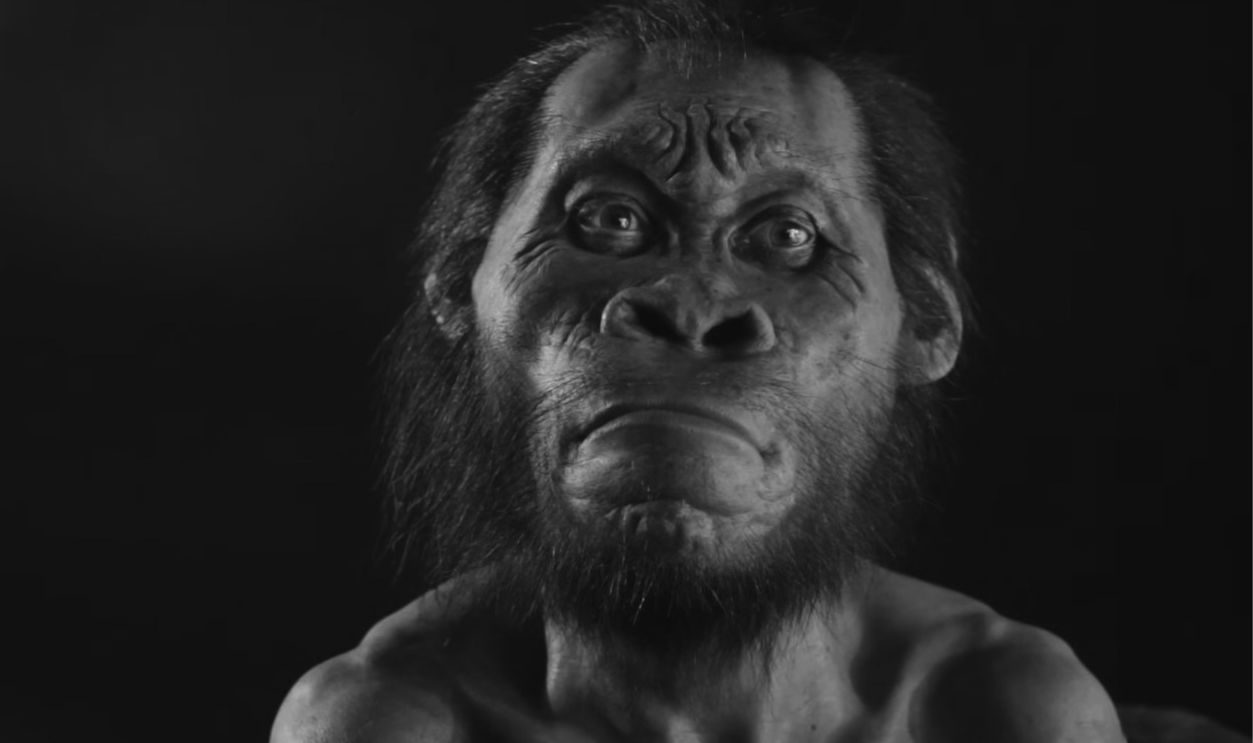
In 2015, the team formally introduced Homo naledi. "Naledi" means "star" in Sesotho, referring to the Rising Star cave system. The species immediately caused problems for any simple version of human evolution because its anatomy looked like a strange mixture of ancient and surprisingly modern traits. Its shoulders, torso, pelvis, and some other features resembled much older australopiths, while its feet, legs, wrists, hands, and aspects of its skull looked more characteristic of the genus Homo.
 Screenshot from New Human Ancestor Discovered: Homo naledi, National Geographic (2015)
Its Brain Was Surprisingly Small
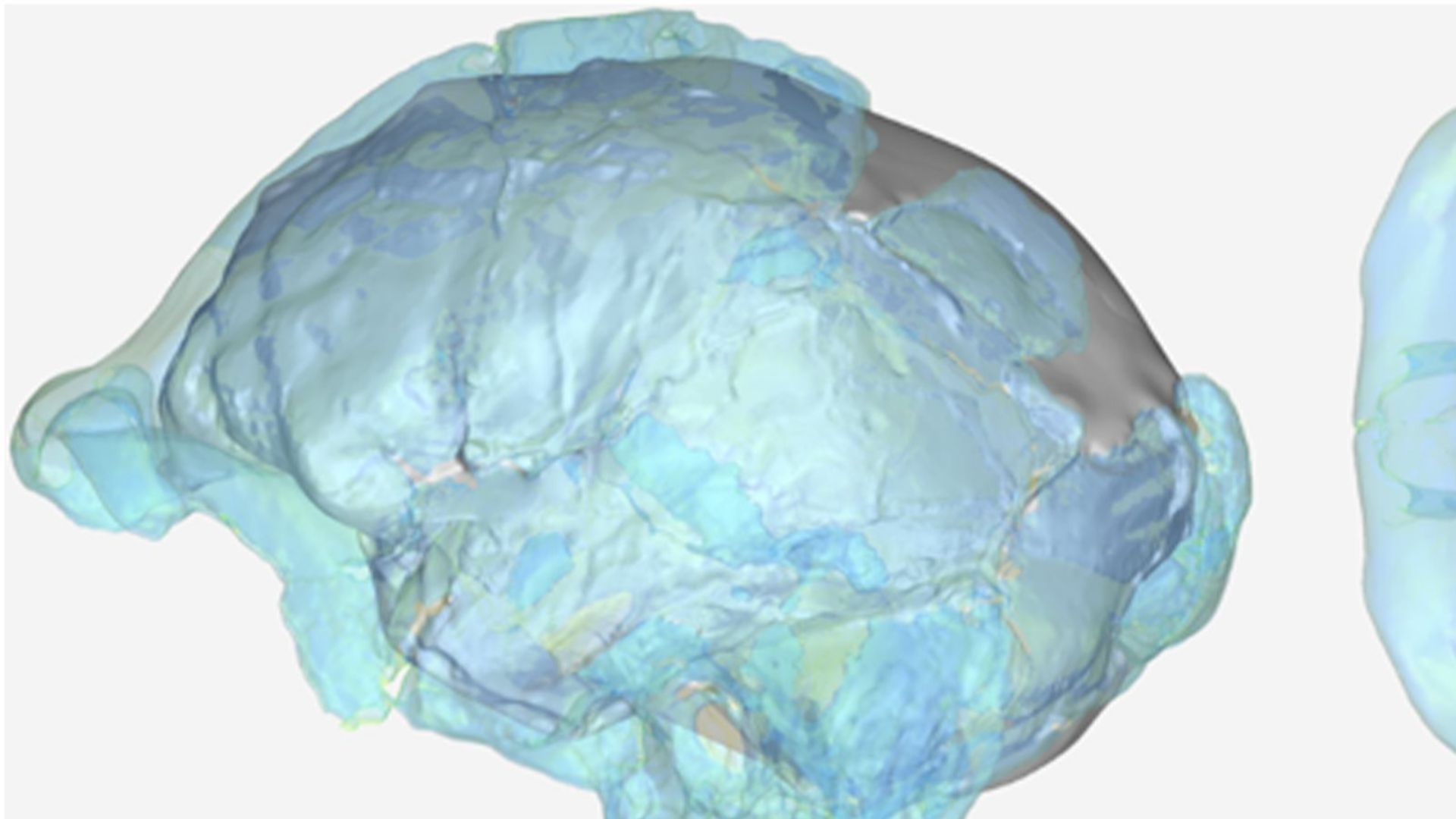
One of Homo naledi's most striking characteristics was its small brain. Its brain volume was only around the range expected for some australopiths and roughly one-third that of a modern human. Yet its hands had features associated with precise manipulation, and its feet and lower limbs were well suited to upright walking. This unusual combination became even more important when researchers began debating whether H. naledi had deliberately carried departed members of its species into the cave.
 Lee Roger Berger research team, Wikimedia Commons
Then Scientists Learned It Wasn't Nearly As Old As Expected
The primitive-looking anatomy initially led many people to suspect Homo naledi might be extremely ancient. Dating published in 2017 produced a shock instead. The fossils were placed between approximately 335,000 and 236,000 years ago. That meant this small-brained human relative survived during a period when early Homo sapiens was also present in Africa. Human evolution wasn't a simple sequence in which one increasingly advanced species replaced another. Very different members of the human family were living at the same time.

The Location Of The Bones Was Almost As Strange As The Species
Researchers had another puzzle: Why were so many Homo naledi remains deep inside a cave that was difficult to enter? The Dinaledi Chamber contained almost no remains of other large animals. There was little evidence that carnivores dragged bodies there, and geological studies didn't provide an easy explanation in which flooding simply washed the bones inside. Some remains also appear to have entered the cave while bodies were still relatively intact. Whatever happened, the cave accumulated Homo naledi individuals repeatedly.
That Led To A Controversial Burial Theory
Berger and colleagues proposed that Homo naledi may have deliberately placed its departed in the cave. More recent excavations have been interpreted by the team as evidence that some individuals were intentionally covered with sediment in shallow pits. That would be astonishing behavior for a hominin with such a small brain. Other paleoanthropologists remain skeptical, arguing that the evidence doesn't yet prove deliberate burial and that natural processes or simpler forms of body disposal haven't been excluded convincingly enough.
Then Teeth Added A Completely New Mystery
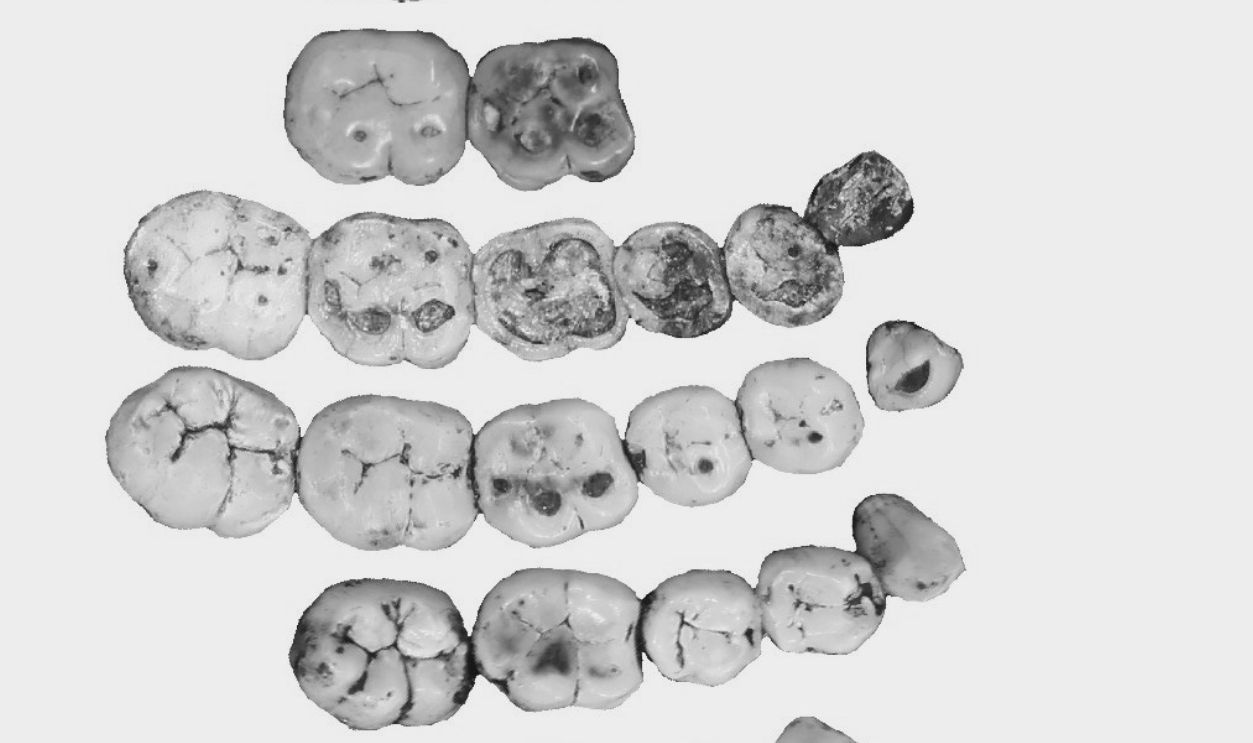
In 2026, an international research team published the first ancient protein analysis of Homo naledi. Rather than trying to answer how the bodies reached Rising Star, researchers initially hoped the proteins preserved in teeth could provide information about biological variation within the species. They sampled 23 teeth representing a minimum of 20 different individuals from several areas of the cave system. The results weren't remotely what anyone expected.
 Lee Roger Berger research team, Wikimedia Commons
This Was More Than Just DNA Analysis
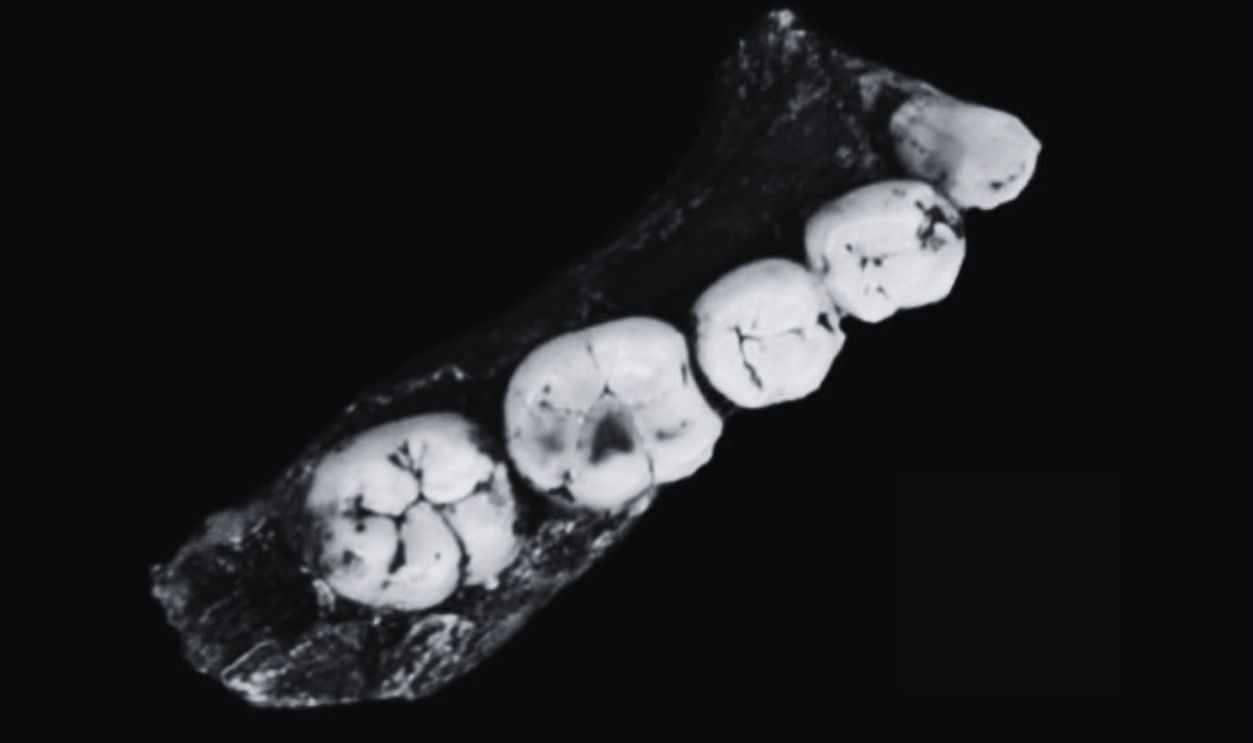
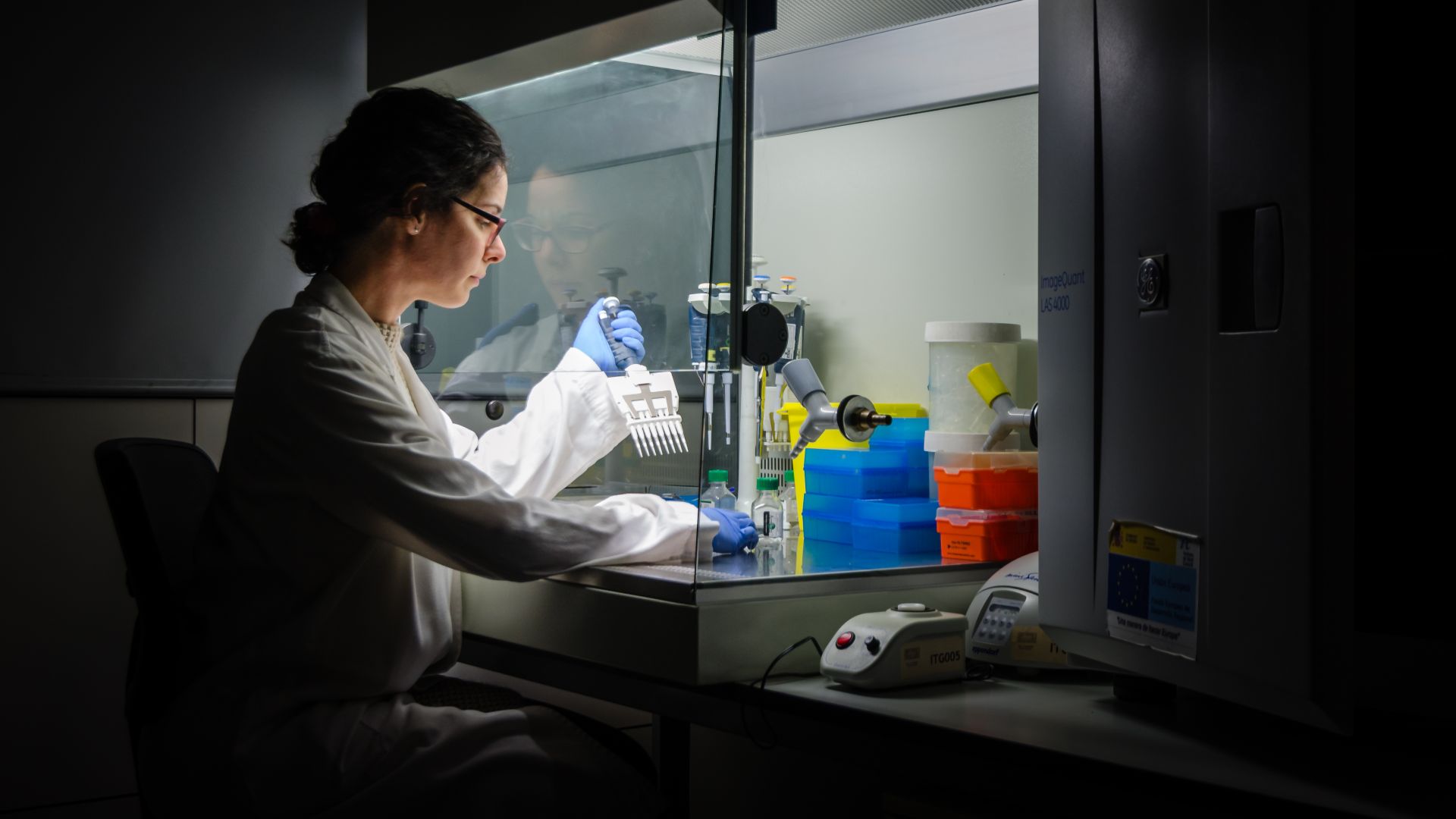
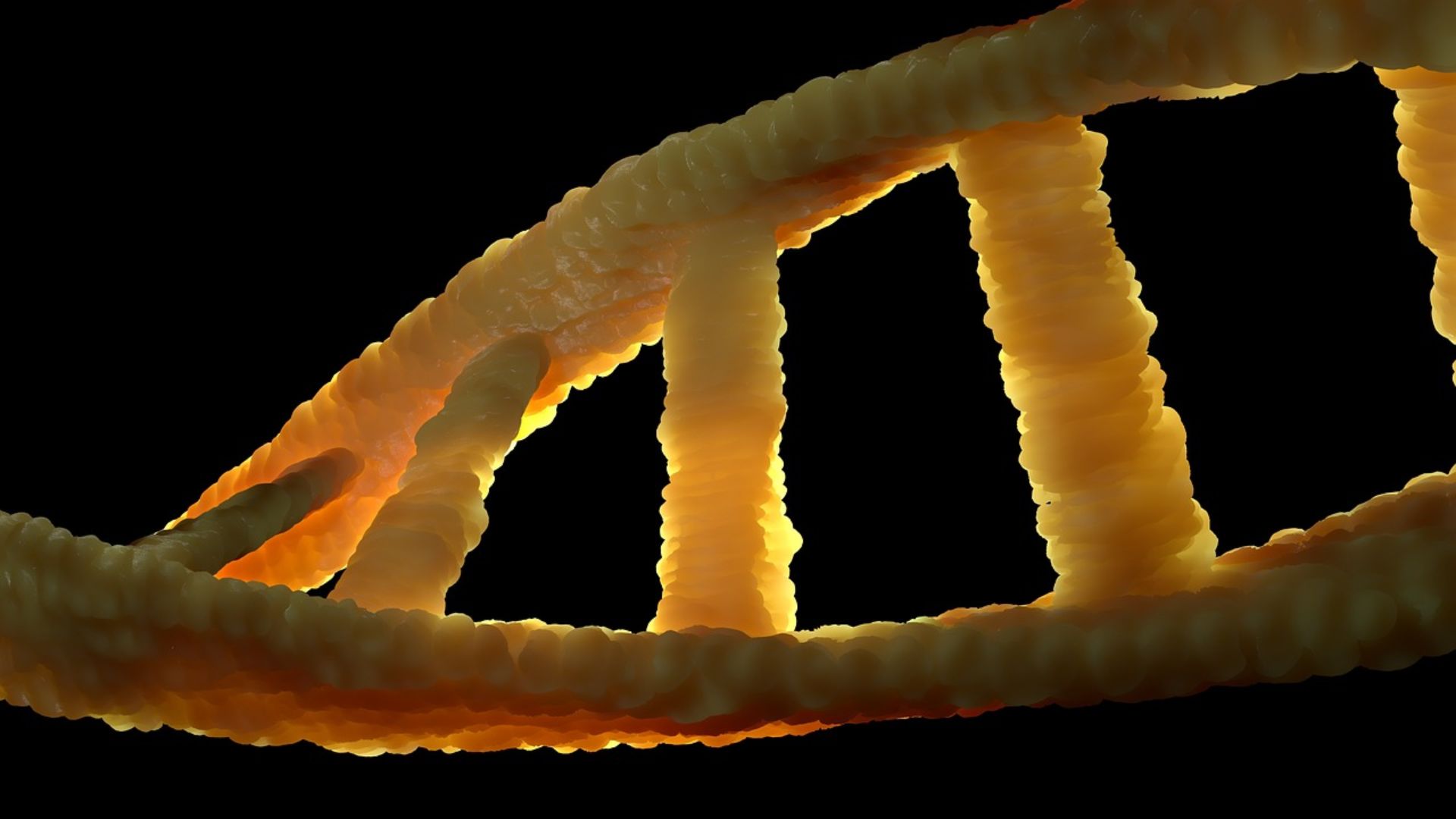
Ancient DNA is incredibly useful for determining biological gender because researchers can look directly for X- and Y-chromosome sequences. The problem is preservation. DNA breaks down over time, especially in warm environments such as southern Africa. No usable Homo naledi DNA has been recovered. Tooth enamel, however, can preserve proteins for enormously longer periods. That gave scientists another way to search for molecular evidence connected with the chromosomes.

The Key Protein Was Amelogenin
During tooth formation, the body produces proteins called amelogenins that help construct enamel. The gene on the X chromosome produces one version, known as AMELX. A corresponding gene on the Y chromosome produces AMELY. In typical genetically male humans, enamel therefore contains male-specific AMELY peptides as well as AMELX. Females ordinarily lack AMELY. Finding those distinctive protein fragments can allow scientists to estimate biological gender even when DNA has disappeared completely.
Researchers Barely Had To Damage The Teeth
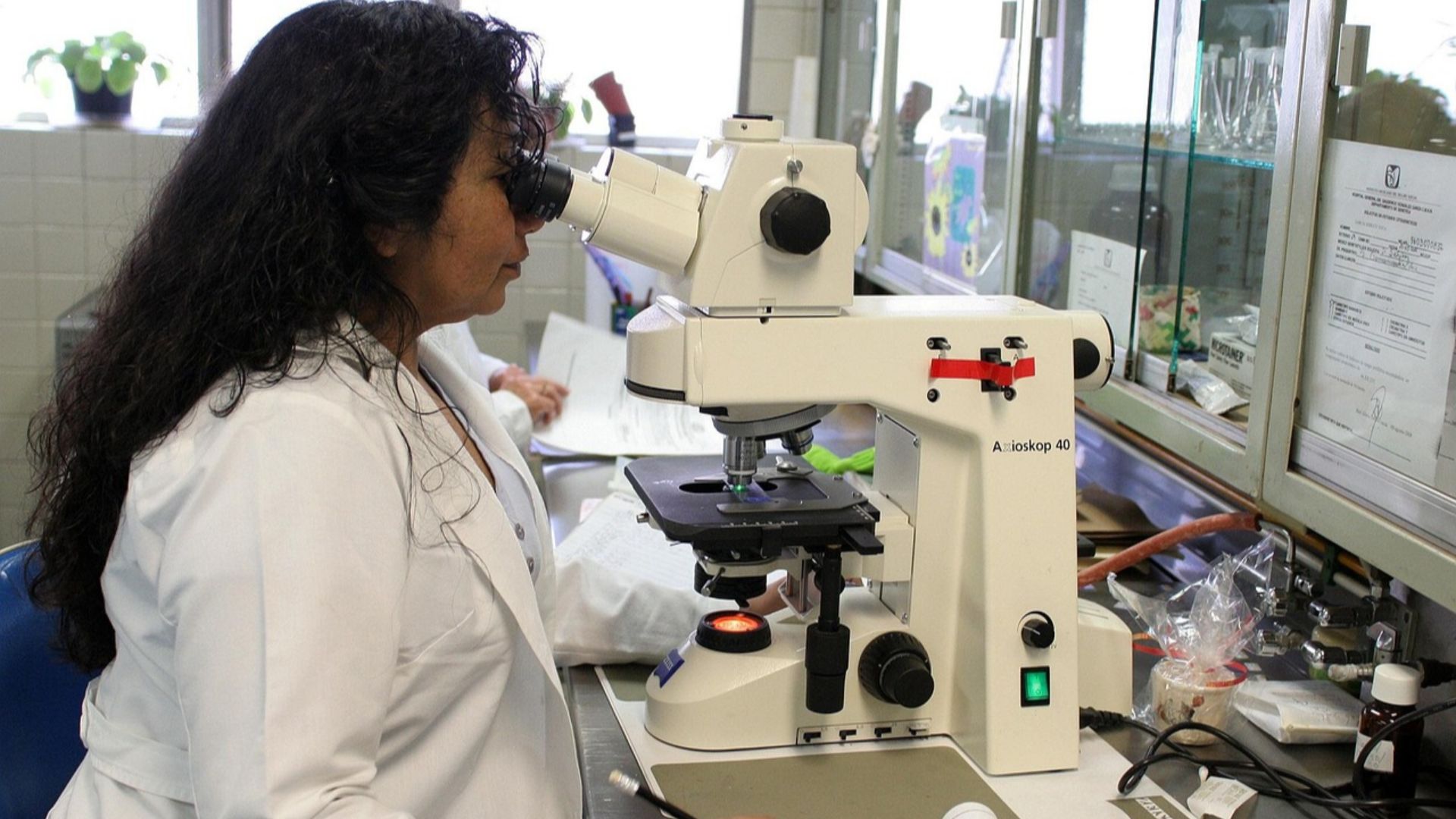
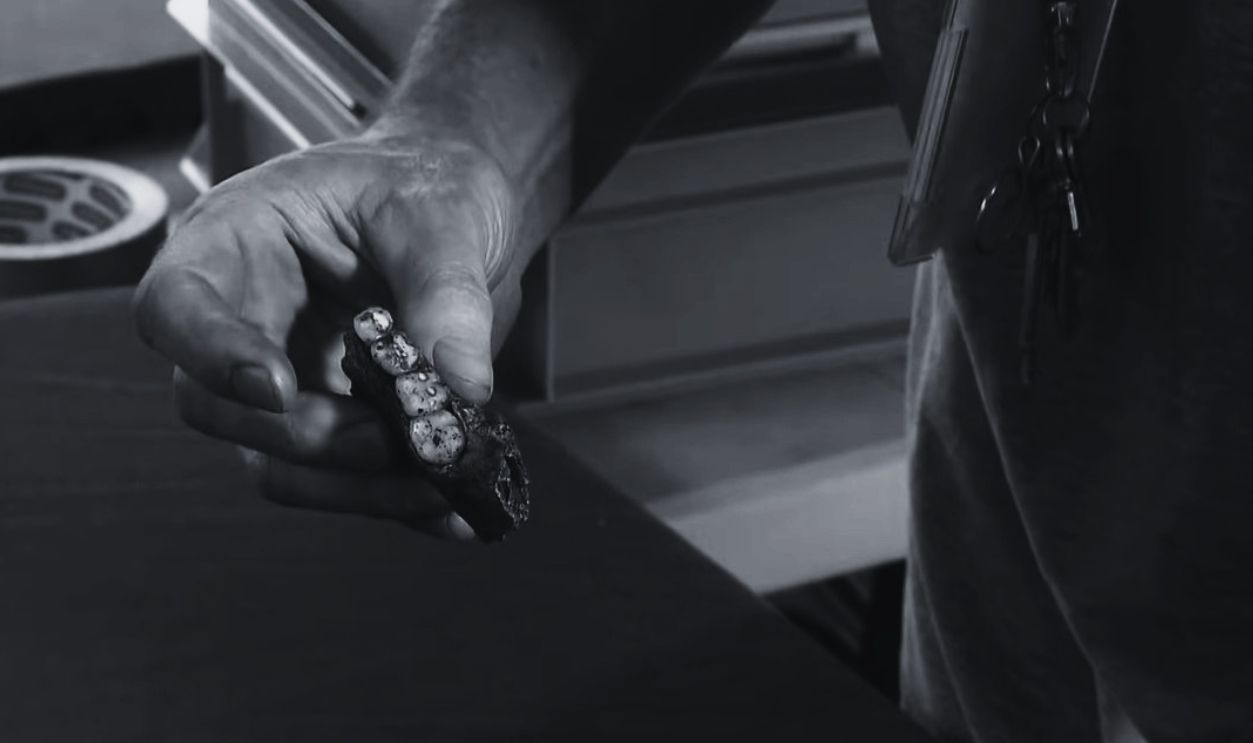
Destroying rare hominin fossils to perform molecular tests creates an obvious problem, so the team used a technique designed to remove extremely little material. A tiny amount of acid was applied to the enamel surface, releasing microscopic protein fragments that could then be analyzed using mass spectrometry. The alteration was comparable to the slight etching a dentist might perform before attaching orthodontic material. That allowed scientists to investigate irreplaceable Homo naledi teeth without cutting large pieces from them.
 Screenshot from New Human Ancestor Discovered: Homo naledi, National Geographic (2015)
The First Four Teeth Were Already Weird
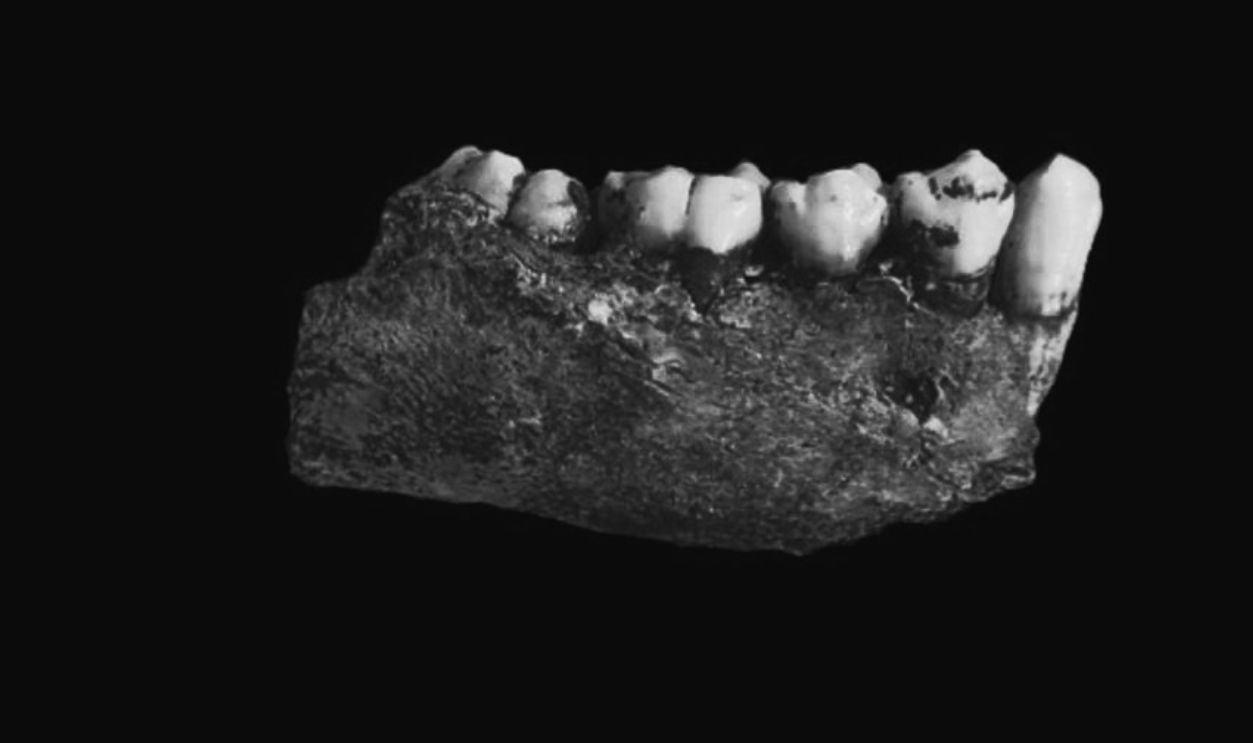
Researchers initially examined teeth from four individuals. Every one contained AMELX but no convincing AMELY signal. Four females in a row wasn't impossible, so the team expanded the experiment rather than jumping to conclusions. They deliberately sampled a much larger collection, including individuals from different locations inside Rising Star, different ages, and specimens with different body sizes. They also tested the method against known male ancient hominins to make sure the technique was capable of detecting the Y-linked protein when it was present.
 Lee Roger Berger research team, Wikimedia Commons
Twenty Individuals Produced No Male Marker
The expanded analysis covered 23 teeth representing at least 20 individuals. Nineteen individuals were classified as female with greater than 95 percent probability, while the remaining individual was also consistent with being female but with lower statistical confidence. Most importantly, researchers failed to find an unambiguous AMELY marker in any of them. The study's cautious scientific wording was that no male individual could be confidently identified. In practical terms, every tested Homo naledi appears to have been female.
 Hawks et al., Wikimedia Commons
Even “Neo” Apparently Wasn't Male
One of the biggest surprises involved the partial skeleton nicknamed Neo from the Lesedi Chamber. Neo is one of the largest known Homo naledi individuals and has a particularly large skull. Based on size and skeletal morphology, researchers had previously considered Neo a likely male. The enamel proteins told a different story. Neo also lacked the male marker. That means some of the assumptions used to separate male and female Homo naledi skeletons based on size may have been wrong from the beginning.
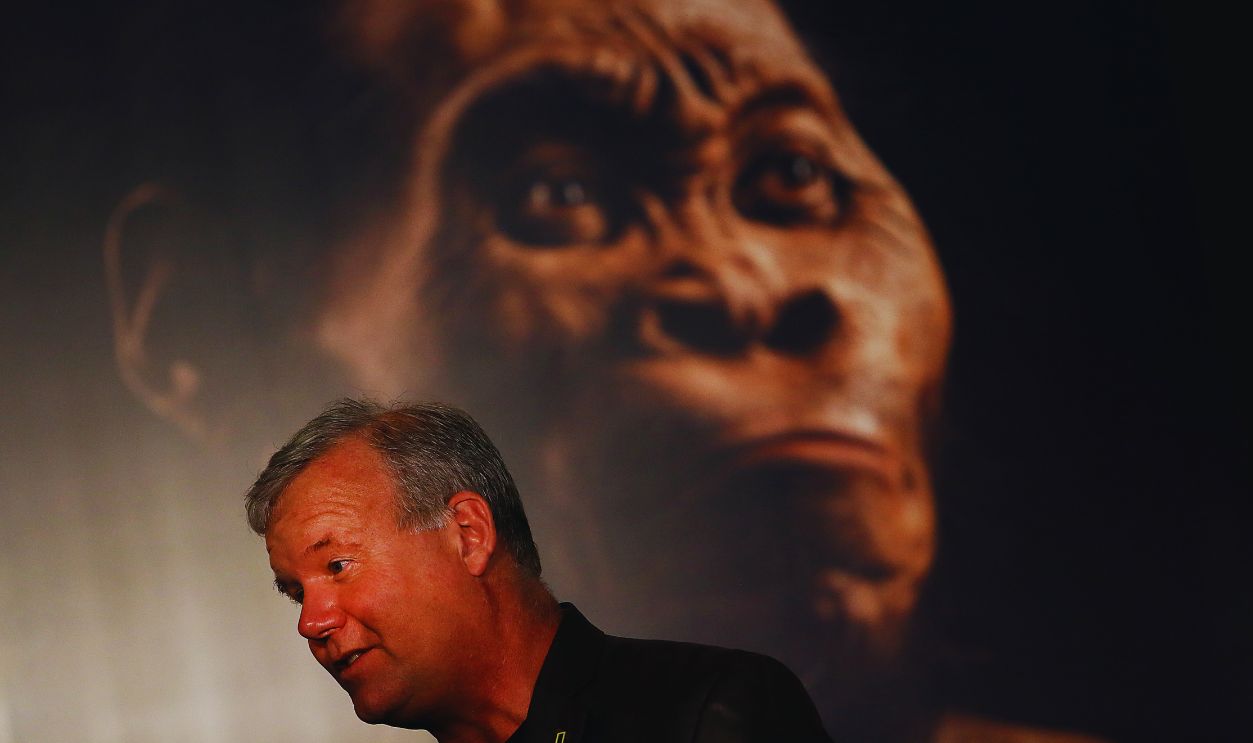
The Odds Of This Happening Randomly Are Tiny
If a population contained roughly equal numbers of males and females and researchers randomly selected 20 individuals, the probability that every one would be female is about 0.0000954 percent. That's approximately the chance of flipping a fair coin 20 times and getting the same result every time. Random sampling isn't literally a coin toss, and ancient fossil assemblages are never perfectly representative populations, but the calculation shows why researchers find the result so difficult to dismiss as coincidence.
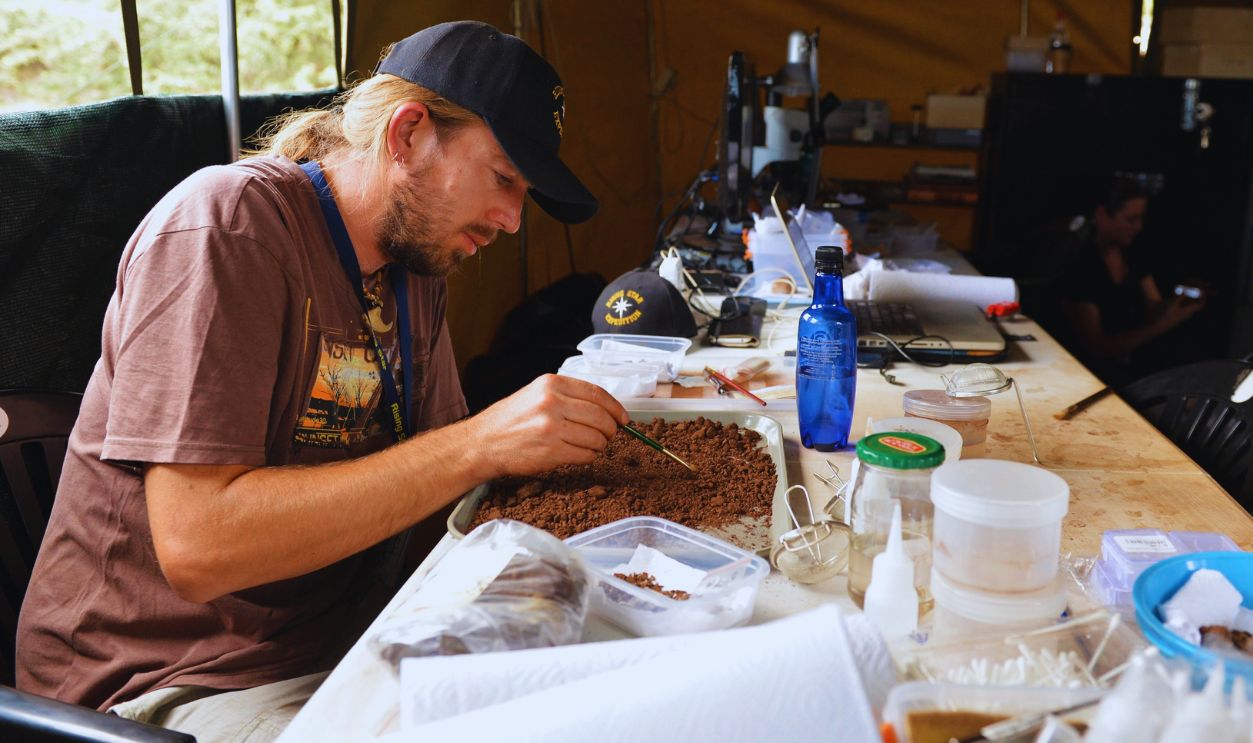
It Wasn't Just A Group Of Adult Women
One easy explanation might have been that the cave represented some kind of adult female group. But the sampled individuals covered a wide range of ages. Roughly half were adults and half were juveniles, including very young children and an infant. No male child appeared among them. That makes the pattern considerably stranger because whatever created the female bias apparently affected individuals throughout the lifespan rather than simply selecting adult women.
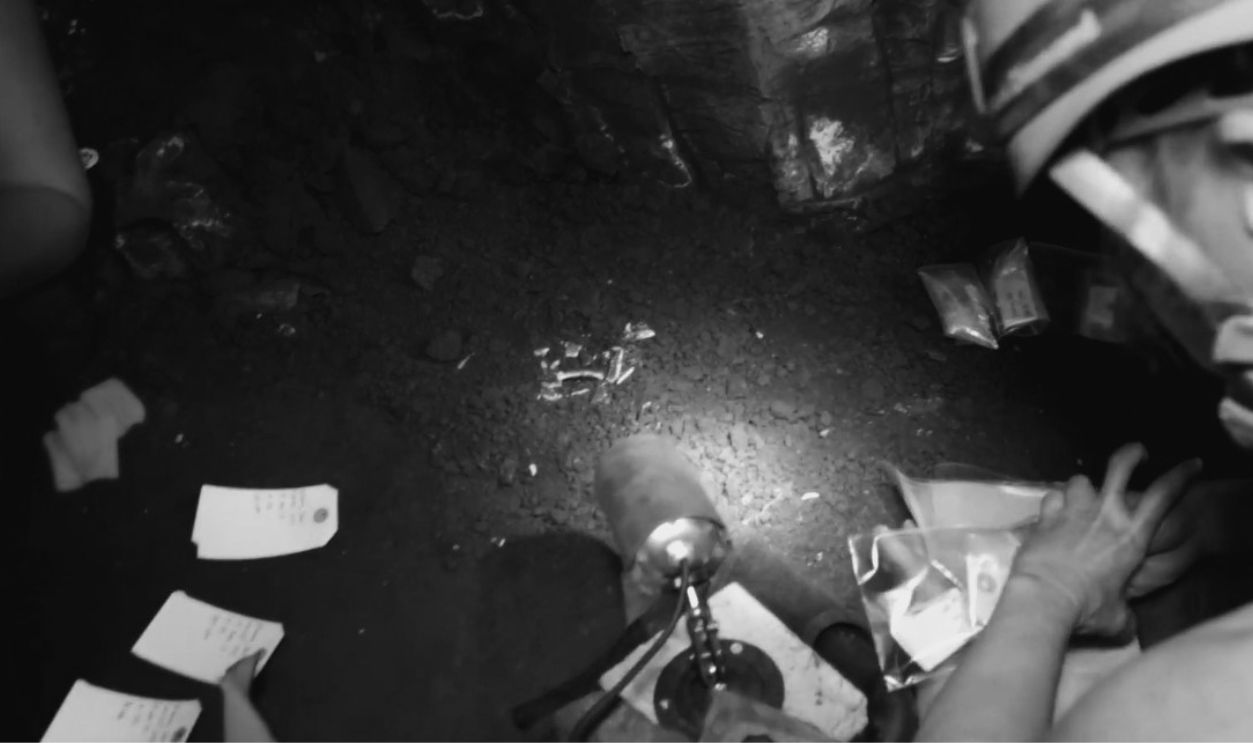
Theory One: The Cave Was Used Specifically For Female Departed
The most provocative explanation is that Homo naledi deliberately placed females in particular areas of Rising Star while males were treated differently after death. If the controversial burial interpretation is correct, the protein evidence could represent a gender-specific mortuary practice. Perhaps female bodies were brought into these cave chambers while males were deposited somewhere else. Nothing currently tells researchers why such a distinction would exist, but the female bias would become evidence of surprisingly complex social rules surrounding the afterlife.
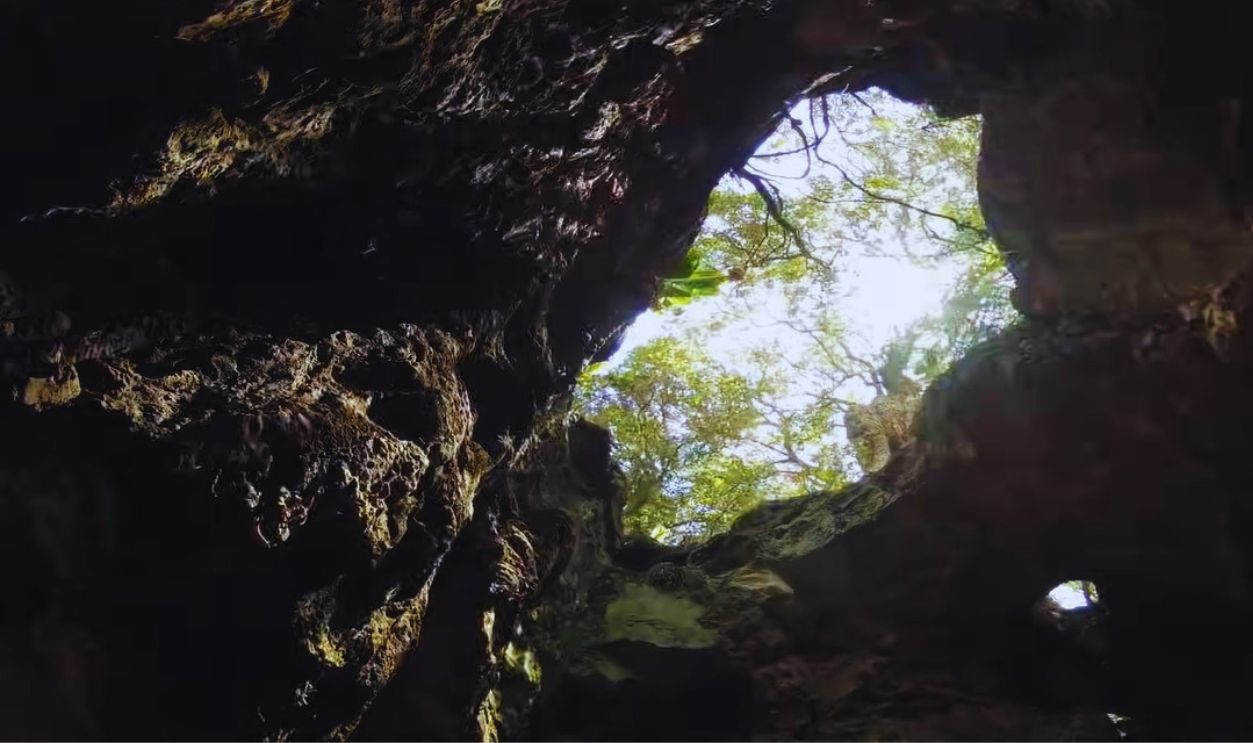 Screenshot from New Human Ancestor Discovered: Homo naledi, National Geographic (2015)
That Would Make The Discovery Even More Extraordinary
Human societies have often treated the departed differently according to gender, age, status, family membership, religion, or social role. Finding something comparable in Homo naledi would push that kind of patterned mortuary behavior outside our own species. Berger has even raised the possibility that biological traits were connected with a broader social distinction comparable to gender. That's an intriguing idea, but it goes well beyond what the fossils currently demonstrate. Scientists can see a biological pattern. They can't yet recover the meaning behind it.
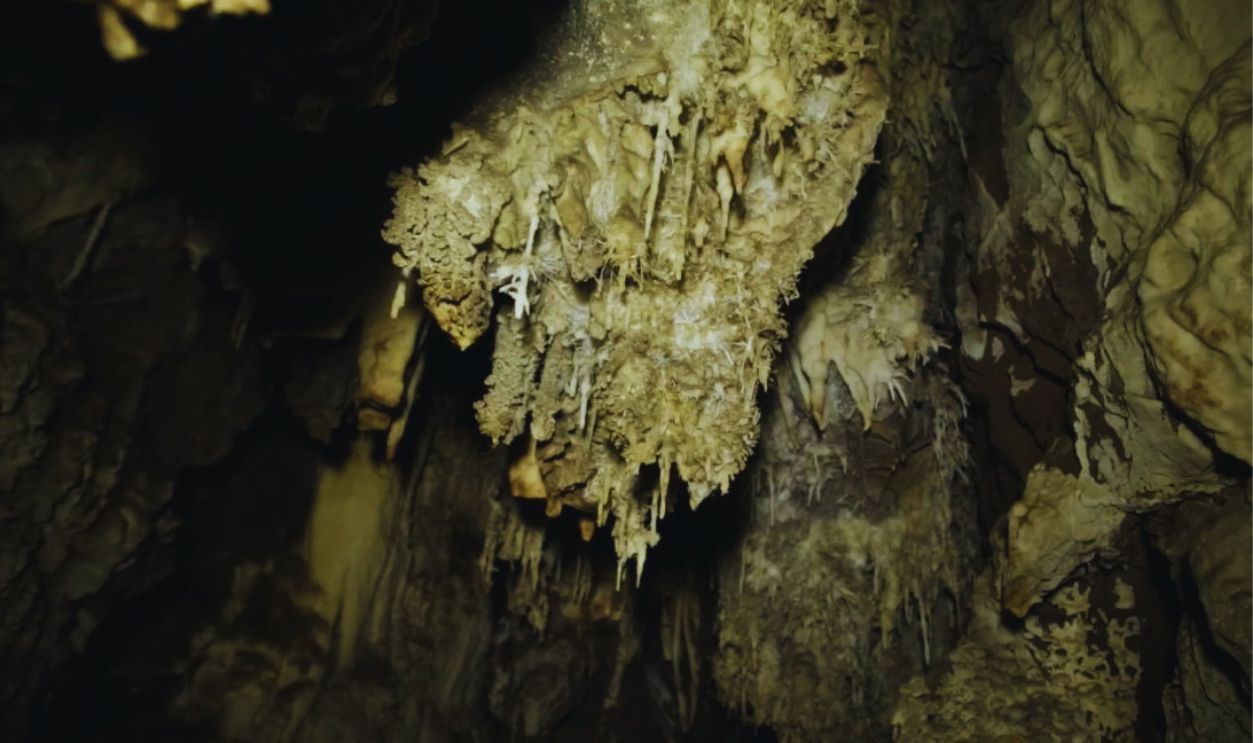
Theory Two: Females Were Simply Better At Reaching The Cave
Another possibility involves body size. Female primates are often smaller than males, and today's Rising Star passages are extraordinarily narrow. Perhaps smaller Homo naledi females entered deep parts of the cave more often and occasionally perished there, while larger males rarely reached those spaces. The problem is that ten sampled individuals were juveniles, and young males wouldn't necessarily have been larger than adult females. Fossils also come from multiple areas with different access difficulties. Body size alone doesn't neatly explain the pattern.
Theory Three: The Protein Test Is Being Fooled
The researchers themselves acknowledge another possibility. What if Homo naledi males didn't produce detectable AMELY in the same way modern human males do? Rare modern humans can carry deletions affecting the AMELY gene, which can cause molecular tests based on amelogenin to identify a genetically male person incorrectly. Perhaps the Rising Star population carried such a genetic peculiarity. If so, some individuals currently appearing female could actually have possessed Y chromosomes that simply weren't producing the expected protein marker.

Researchers Tried To Test That Possibility
The team compared its Homo naledi results with male modern humans and several other extinct hominins, including Paranthropus robustus, Australopithecus africanus, a Denisovan, and Homo antecessor. Male markers could be detected in those comparison samples. The researchers also found that AMELY deletions are rare in large modern human genomic datasets. None of that proves Homo naledi couldn't have had a species-specific or population-specific molecular peculiarity, but it makes a simple technical failure less satisfying as an explanation.
The Y Protein Might Also Preserve Differently
Some outside researchers remain cautious because AMELY is naturally produced at much lower levels than AMELX. If Y-linked peptides degrade more easily or survive in smaller quantities, an ancient male could potentially look female in a poorly preserved sample. The authors argue that their protein concentrations were high enough that AMELY should have been detectable if present, and 19 identifications were statistically strong. Still, this is the first paleoproteomic study of Homo naledi, so independent testing will be important.

Theory Four: We Simply Haven't Found The Males Yet
Rising Star almost certainly contains more fossils than scientists have recovered. The cave system extends through kilometers of passages, and only limited areas have been excavated. The 2026 study also required suitable teeth, meaning it couldn't test every fragment ever assigned to Homo naledi. It's therefore possible that males are present elsewhere in the cave or in deposits nobody has reached. The current result doesn't prove every Homo naledi individual in existence was female. It shows that every one of the 20 tested individuals lacked a convincing male marker.
The Finding May Rewrite Earlier Ideas About Their Bodies
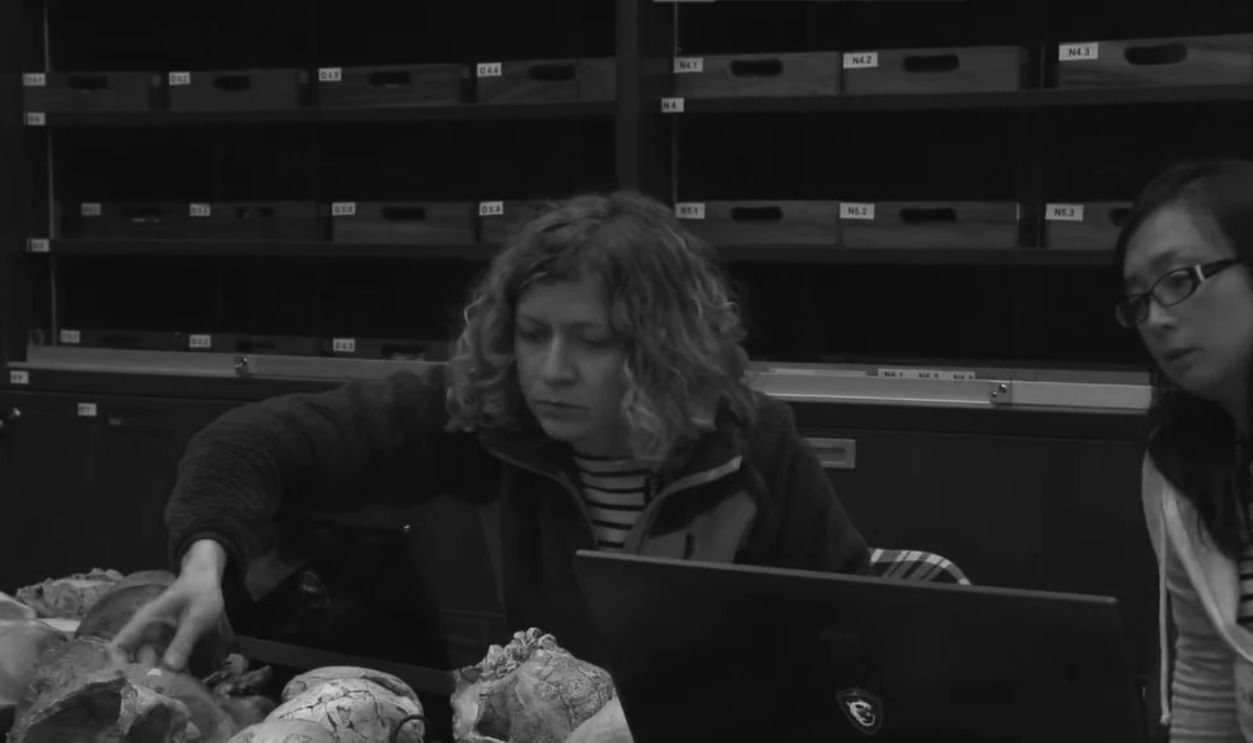
Before molecular testing, researchers often used size and skeletal robustness to estimate gender. Larger skulls and bodies were more likely to be classified as male, while smaller specimens were more likely to be called female. Neo's result demonstrates how dangerous that assumption can be. If Neo was female, then female Homo naledi could apparently become substantially larger than previously thought. Researchers may now have to revisit claims about body dimorphism, size, and social organization that were based partly on presumed males who may not have been male at all.
 Screenshot from New Human Ancestor Discovered: Homo naledi, National Geographic (2015)
The Lack Of Protein Variation Is Strange Too
Gender wasn't the study's only surprising result. Researchers found remarkably little variation in the protein sequences recovered from the different individuals. That could reflect a population with limited genetic diversity, although proteins reveal only a tiny fraction of the information a genome would provide. The possibility of an unusually isolated population is interesting because it could also make a rare genetic feature, such as an AMELY alteration, more plausible. But researchers don't yet have enough molecular information to know whether isolation explains anything.
A Confirmed Male Could Solve Several Problems At Once
The obvious next target is a Homo naledi individual containing unmistakable AMELY peptides. Finding even one would demonstrate that males of the species produced the expected Y-linked protein and would make the existing female bias much harder to explain as a molecular quirk. It could also provide a reliable male skeleton against which researchers could compare anatomy, finally revealing whether males and females actually differed much in size or skeletal shape.

The Biggest Question Is Still Waiting Underground
There obviously had to be male Homo naledi somewhere. The species couldn't otherwise have persisted for generations. Yet after more than a decade of excavation, the individuals whose teeth scientists can test are telling the same unexpected story. Maybe Rising Star was a place where females were deliberately taken after death. Maybe the species had a biological quirk researchers haven't encountered before. Or perhaps male remains are still hidden somewhere deeper in the cave. For now, the mystery can be reduced to one remarkably simple question: where are the males?
 Screenshot from New Human Ancestor Discovered: Homo naledi, National Geographic (2015)
You May Also Like:
Humans Have A Strange Reflex That No Other Primate Has—And It Might Be A Leftover From Ancient Fear